
In homes and workplaces alike, safety is paramount, especially when dealing with hazardous materials that can lurk in plain sight. Whether it’s the chemicals under the sink, those found in cleaning supplies, or substances used in industrial processes, workers often face unseen dangers daily. It’s concerning that many people don’t realize the critical importance of understanding these materials and how to handle them safely. That’s why it’s crucial for both employers and employees to work together by following guidelines and best practices designed to protect everyone. This guide will walk you through everything you need to know about workplace hazardous material safety—from identifying risks to implementing effective safety measures—ensuring you have the knowledge and tools required to maintain a safe working environment.
The Workplace Hazardous Material Safety Guide covers essential topics such as understanding hazardous materials, key regulations set by OSHA, proper handling techniques, personal protective equipment (PPE) requirements, safe storage solutions, disposal procedures, and emergency response planning. This comprehensive guide aims to ensure a safe working environment by equipping employees with the necessary knowledge to identify risks and implement effective safety measures.

Overview of Workplace Hazardous Materials
Hazardous materials can be broadly categorized into several types, including chemical, biological, and physical hazards. These materials pose serious risks during accidents as well as through prolonged exposure. Chemical hazards, in particular, are pervasive in many industries, encompassing substances that can cause health complications ranging from irritation to severe respiratory issues and even cancer. The real danger lies in their often invisible nature; you might not notice until it’s too late.
Let’s first take a closer look at chemical hazards. According to OSHA, there are over 800 hazardous substances defined, with some estimates suggesting that approximately 5 million workers may encounter these dangers daily. From solvents used in cleaning products to heavy metals like lead found in certain paints, these chemicals can wreak havoc on human health if not handled properly. Perhaps even more alarming is the statistic from the National Institute for Occupational Safety and Health (NIOSH), which identifies more than 1,000 chemicals as potentially hazardous.
Understanding these figures highlights why workplaces must establish strict protocols around chemical management.
Moving on to biological hazards, these can involve exposure to anything from bacteria and viruses to mold and fungi. Think about settings like hospitals or laboratories where employees risk coming into contact with infectious agents. It’s vital that staff working in such environments receive adequate training on how to interact safely with these materials to avoid potential outbreaks.
As highlighted by data from organizations like the CDC, healthcare-related infections affect millions each year—making training on biological hazards crucial for those who work in high-risk fields.
Besides chemical and biological hazards, we also need to consider physical hazards, which present immediate dangers.
Physical hazards include items that can cause harm through mechanical processes or physical forces—think of machinery with moving parts or heights associated with construction sites. Flammable liquids and explosives also fall under this category, capable of causing catastrophic incidents if safety protocols aren’t diligently followed. The mix of chemical and physical hazards can create highly dangerous situations; for instance, a small spark from equipment can ignite flammable vapors leading to explosive fires.
Addressing these multifaceted types of hazardous materials necessitates a comprehensive approach encompassing identification, labeling, and adequate training for all employees involved. After all, simply knowing something is hazardous isn’t enough; one must understand how to manage that risk effectively.
By recognizing hazardous materials—be they chemical, biological, or physical—you lay the groundwork for enforcing regulations and implementing necessary protective measures for a safer workplace.
With this foundational understanding established, it becomes increasingly important to examine how hazardous substances are identified and labeled to ensure every employee is informed and protected.
Identification and Labeling of Hazardous Substances
Understanding the chemicals you’re working with is crucial. Without proper identification, workers may unknowingly expose themselves to harmful substances, leading to serious health issues. Clear and precise labeling is a critical safety measure. OSHA’s Hazard Communication Standard (HCS) mandates that all hazardous materials be labeled with specific details to keep everyone informed about potential dangers.
Labeling Standards
When it comes to labeling hazardous materials, the requirements laid out by OSHA ensure that every label contains vital information. These labels must prominently display product identifiers—think chemical names or unique codes—that distinguish one hazard from another.
Labels require signal words such as “Danger” or “Warning,” which give immediate context about the severity of the hazard. Hazard statements specify the nature of the danger—for instance, “Causes skin irritation.” Precautionary statements guide employees on safe handling—such as wearing protective gear or avoiding certain actions like heat exposure.
For example, a well-constructed label might read:
“Acetone – Danger: Highly Flammable Liquid and Vapor. Causes severe eye irritation. Keep away from heat, sparks, open flames, and hot surfaces.”
This label succinctly encapsulates key hazards while instructing users on proper handling procedures.
Safety Data Sheets (SDS)
Keeping Safety Data Sheets (SDS) up-to-date for all hazardous substances in your workspace is essential for ensuring workplace safety. The SDS serves as a comprehensive resource detailing everything about a chemical—from properties to potential hazards and first-aid measures in case of accidental exposure. Each sheet should be readily accessible and reviewed periodically to ensure all information reflects current practices and regulations.
Imagine a scenario where an employee accidentally spills a hazardous substance. An up-to-date SDS becomes invaluable, guiding employees on immediate steps to contain the spill and any emergency procedures needed. Fostering a culture of awareness surrounding these documents reinforces a safety-first mindset that empowers everyone in the workplace.
Knowing how to identify these materials accurately is essential for maintaining safety standards at work. Just as crucial is equipping employees with the right protective gear to handle potential risks effectively. It’s time to explore the necessary measures and equipment that provide comprehensive protection against these hazardous substances.
Essential Safety Measures and Gear
Protecting employees from chemical hazards doesn’t just rely on having the right gear; it also involves selecting the appropriate equipment for specific tasks. The realm of PPE is broad, catering to various hazardous situations one might encounter in the workplace.
For instance, if a worker is handling corrosive substances, the necessity for acid-resistant gloves becomes obvious. Similarly, chemical splashes demand full-face protection such as face shields or goggles designed to shield against harmful liquids. On the flip side, tasks involving dust or particulates would benefit from using respirators engineered to filter out hazardous particles. This careful selection process ensures that every worker remains safe amidst any potential danger.
The effectiveness of PPE hinges not only on its selection but also on proper training regarding its use. Many organizations overlook this step, assuming that providing protective gear is sufficient. However, without proper education on how to wear, maintain, and care for PPE, employees may inadvertently put themselves at risk.
For example, improper fitting can lead to gaps where harmful chemicals can seep through—defeating the purpose of wearing a respirator. This highlights the need for training sessions that teach correct donning and doffing techniques and outline regular inspection protocols.
It’s essential to recognize that even with the finest PPE, an unsafe work environment can still pose significant hazards. Engaging engineering controls before reaching for personal protective equipment should be standard practice whenever possible. Ventilation systems can help reduce airborne contaminants, while proper storage solutions for hazardous materials can minimize accidental spills and exposure incidents.
These proactive measures work hand in hand with PPE to form a comprehensive safety strategy.
To further illustrate: when dealing with chemicals designated by OSHA standards—as outlined in their regulations—employers are required to provide access to Safety Data Sheets (SDS). These documents detail handling instructions and emergency measures relating to specific chemical hazards, ideally contributing to employee training and awareness.
Routine maintenance and updates of all safety equipment are critical to keeping everything in tip-top shape. Regular checks ensure that masks fit correctly, gloves are intact without tears or holes, and goggles haven’t become scratched or compromised—an important part of maintaining a culture of safety within the workplace.
While knowing what type of PPE is necessary for each situation is essential, ongoing education and a commitment to safety ensure that these measures effectively protect workers against hazardous materials. By fostering an environment where safety procedures are followed diligently, organizations can significantly reduce accidents and health risks related to occupational exposure.
Now that we have a foundation built on essential safety measures and gear, it’s vital to turn our focus toward building expertise through structured educational programs that promote awareness and preparedness in handling hazardous materials.
Effective Training and Awareness Programs
Training is the backbone of any safety program. Without it, employees may find themselves ill-prepared to face the challenges presented by hazardous materials. Continuous training not only equips workers with the tools they need to recognize potential hazards but also instills a deep understanding of why those practices are vital.
As job environments evolve and new hazards emerge, a well-structured training program becomes essential to keep staff updated on best practices.
Training Components
-
Hazard Recognition: This is where training begins; helping employees identify risks in their environment ensures they remain vigilant and proactive.
-
PPE Usage: Proper donning and maintenance of personal protective equipment should be emphasized. Workers must understand that their gear acts as a first line of defense against chemical exposure, so it needs to be worn correctly and maintained regularly.
-
SOPs: Familiarity with Standard Operating Procedures for safe handling is crucial. These procedures outline steps necessary to minimize exposure and accidents, creating a structured environment for all staff.
-
Emergency Drills: Practicing responses to unexpected incidents like spills or fires represents the practical application of knowledge. Drills can make all the difference, embedding actions into muscle memory, ensuring employees react calmly and effectively when an emergency occurs.
With these training components solidified, it’s vital to remember that having protocols for chemical handling and storage is just as important as the training itself.
Without clear guidelines, even well-trained employees may struggle to apply their knowledge in real scenarios. Safety isn’t merely about knowledge; it’s about fostering a culture of awareness and preparedness—where every employee feels empowered to act responsibly when dealing with hazardous materials. Organizations should integrate frequent assessments and updates to ensure that knowledge remains fresh and relevant.
By dedicating time to continuous education regarding workplace hazards, companies can significantly reduce incidents related to hazardous materials—demonstrating not only a commitment to safety but also an investment in their workforce’s well-being.
Next, we will explore essential strategies for effective handling and storage of these materials to further reinforce workplace safety protocols.
Proper Handling and Storage Techniques
Safe handling and storage minimize risk, protecting not just employees but the entire facility from potential hazards. When managing hazardous materials, it’s critical that everyone engages in safe practices right from the start. One of the first steps involves wearing personal protective equipment (PPE), which acts as your first line of defense against spills or harmful exposures. This includes gloves, goggles, and respirators as appropriate for the materials you are working with.
Handling Techniques
Always use the appropriate PPE when handling hazardous materials. For instance, if you’re pouring a corrosive chemical, ensure that you’re using gloves made from materials resistant to that specific chemical. Additionally, transfer chemicals using tools designed for the material type to avoid spills and mix-ups. For example, use dedicated funnels, scoops, or spatulas made of compatible materials instead of regular utensils.
This simple step can eliminate cross-contamination and prevent dangerous reactions.
It’s not just about what you wear; it’s also about how you act. When transferring or measuring out hazardous materials, do so slowly and carefully to maintain control of both the material and any potential risks. This extra attention to detail can save injuries down the line.
Storage Solutions
Safe storage is equally crucial in safeguarding against accidents. Utilize safety cabinets and containment systems specifically designed for various hazards; this ensures that chemicals are held securely in an appropriate environment. For example, flammable liquids should be stored in flame-proof cabinets designed to contain any potential ignition sources, while acids must be kept in containers made of corrosion-resistant materials like polyethylene.
Always ensure that all storage containers are clearly labeled with their contents and hazard warnings. Labels should include essential information such as chemical identities and any specific storage conditions required. Keeping these materials organized not only aids in safety but also simplifies emergency response efforts in case of an incident.
When storing hazardous materials, consider factors like ventilation and compatibility with other substances. Having incompatible materials stored near one another can lead to disastrous outcomes if they mistakenly leak or spill into each other—a lesson learned from too many workplace accidents that resulted in injuries or costly damage.
Understanding proper handling and storage techniques is foundational for reducing risks associated with chemical exposure. As we explore further, we’ll take a closer look at how unsafe practices can lead to serious health repercussions for workers.
Health Implications of Exposure
When it comes to hazardous materials, the implications for health are profound and sometimes alarming.
Consider this: even a brief encounter with toxic substances can lead to immediate symptoms like dizziness, headaches, or skin irritation. Imagine someone working with industrial cleaners; one whiff could send them reeling. This is what we refer to as short-term exposure. While these symptoms may vanish quickly, they’re often just the beginning of more significant concerns lurking in the shadows.
Short-term vs. Long-term Exposure
The real trouble begins when exposure is prolonged. Long-term exposure can result in debilitating consequences, often invisible until they’re too late to address. Chronic respiratory issues may develop, making simple tasks like climbing stairs feel monumental. We mustn’t overlook more severe results like cancer or reproductive health problems, which many fail to associate with their work environment until it’s evident and potentially irreversible.
Take benzene, for example—the chemical commonly used in gasoline and other types of solvents. Workers exposed to it regularly have reported increased incidents of leukemia. That’s right: a direct link exists between prolonged exposure and life-threatening conditions! This highlights the importance of proper safety measures in workplaces where chemical hazards are present.
Beyond serious illnesses, there’s also the issue of sensitization. Workers may develop reactions to chemicals they initially tolerated without any difficulty. Over time, these individuals might find themselves asthmatic or allergic to compounds found in everyday materials.
Yet another consequence is the toll hazardous exposures take on mental health. From stress related to health concerns to anxiety over potential long-term effects, this aspect cannot be brushed aside.
Now consider this: if management understands these extensive risks and implements necessary safety precautions—such as providing Personal Protective Equipment (PPE) and training on safe material handling—they can significantly mitigate these health risks. Investing in worker safety is not merely compliance; it demonstrates a commitment to employee well-being that can foster morale while reducing turnover.
Every workplace must prioritize recognizing and addressing these hazards with strict adherence to established guidelines and regulations. Awareness isn’t merely an exercise; it’s a crucial element in safeguarding our workforce from avoidable illness and injury. Moving forward, we will explore how adhering to regulations plays a vital role in protecting employees while ensuring organizations remain compliant.
Ensuring Regulatory Compliance
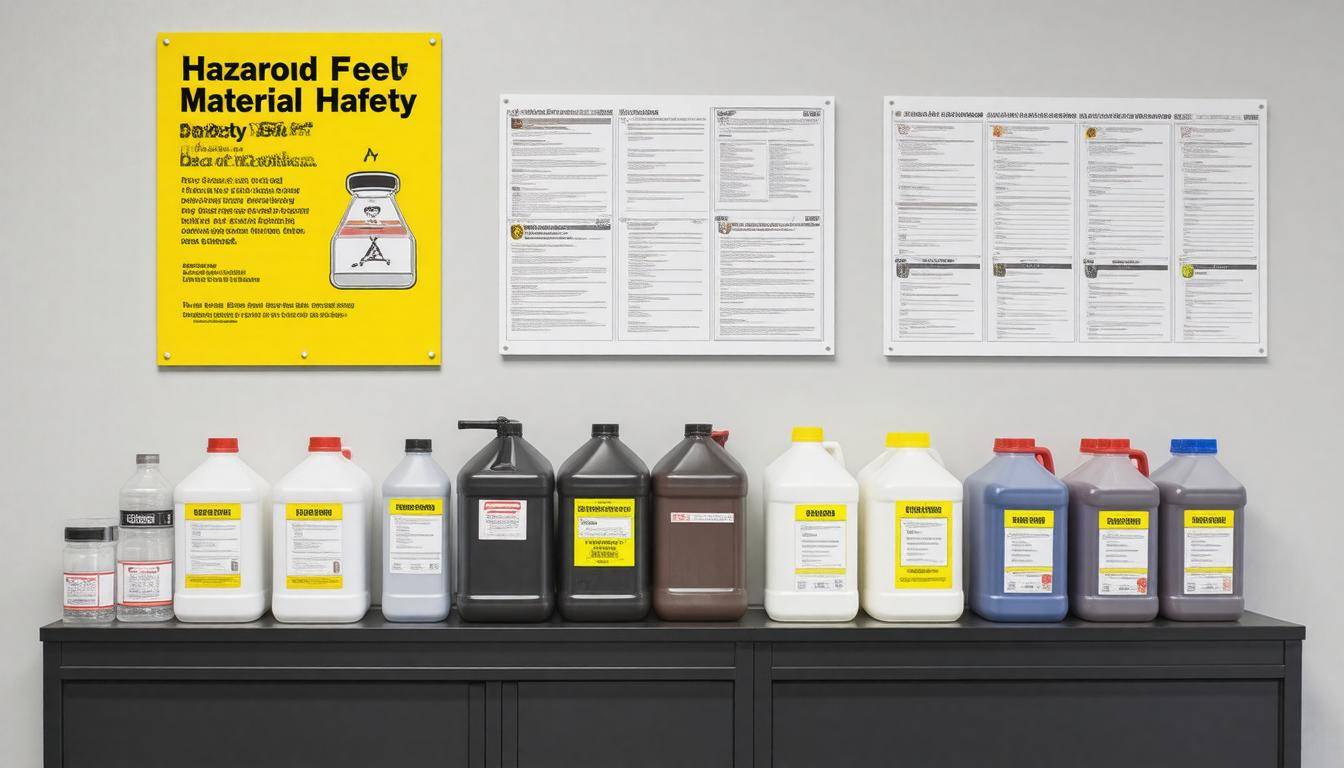
Regulatory compliance is not just a tick-box exercise; it’s a culture of safety that begins with understanding the rules and their implications. When organizations follow guidelines from regulatory bodies like OSHA and EPA, they create environments that prioritize the health and well-being of their employees. This commitment to safety translates into fewer accidents, reduced liability, and a more productive workplace.
Key Regulations
It’s important to familiarize yourself with the core regulations shaping workplace safety:
-
OSHA’s Hazard Communication Standard (HCS): This regulation mandates that all hazardous chemicals are properly labeled and accompanied by Safety Data Sheets (SDS). These documents provide crucial information about handling, storage, and emergency measures associated with chemical exposure.
-
EPA’s Toxic Substances Control Act (TSCA): This act governs how companies manage chemical substances, enforcing safety measures that protect both environmental and human health. Understanding TSCA ensures companies handle chemicals responsibly to prevent harmful exposure for workers and surrounding communities.
Statistically, companies that adhere to these standards experience a 40% reduction in workplace accidents over five years. Such data highlights that regulatory compliance isn’t merely bureaucratic; it saves lives.
Compliance extends beyond knowing the regulations; it involves creating a comprehensive plan that outlines procedures, necessary training, and regular audits. For instance, conducting routine training sessions helps keep employees informed about new protocols as well as safe practices in their specific roles. Incorporating drills for emergency situations can foster confidence among employees so they’re better equipped to respond when things go awry.
Furthermore, maintaining clear documentation not only aids in compliance but also builds accountability within an organization.
Documentation serves multiple purposes, allowing employers to track hazardous material inventory, training records, inspection results, and any incidents that occur. A solid recordkeeping practice is more than just meeting legal requirements—it’s an essential tool for continuous improvement in safety protocols. It can help identify patterns in incidents and lead to proactive changes before issues become serious problems.
In working environments where hazardous materials are present, employers should also designate safety officers responsible for maintaining compliance with OSHA and EPA regulations. These individuals should be well-versed in regulatory changes and can communicate updates effectively across teams. Having dedicated personnel can significantly elevate the overall safety culture of a workplace.
By ensuring comprehensive training, effective documentation, and designated responsibilities, organizations nurture an ongoing journey of commitment to health and safety at work.
As we explore further, it’s essential to understand how organizations must prepare themselves for unforeseen incidents while promoting a proactive safety culture.
Emergency Response and Incident Management
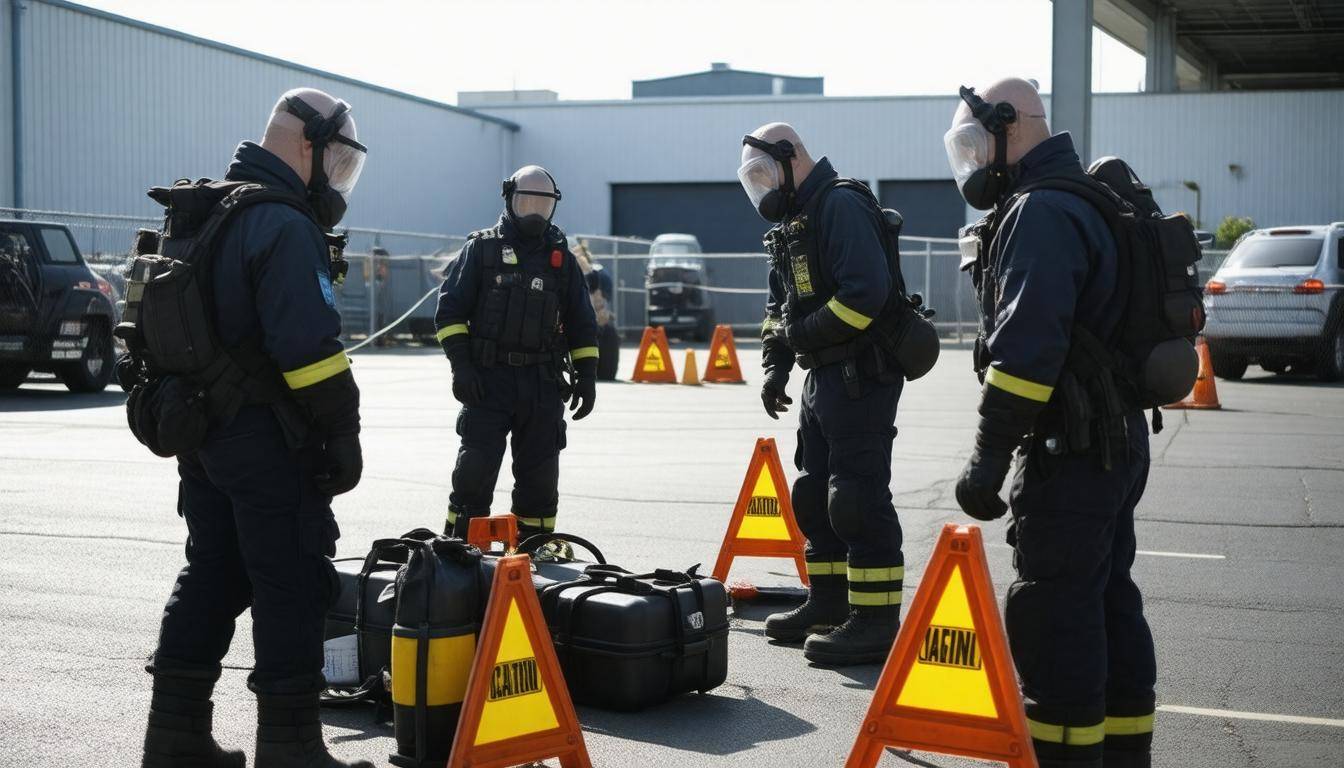
Quick and effective responses to hazardous material incidents are not just advisable; they are essential. An emergency response plan serves as a structured guide for immediate action, helping to mitigate the impacts of spills, exposures, or other emergencies. By having well-defined procedures, employees gain clarity on what steps to take, thereby preventing confusion during high-stress situations. Think of a company’s emergency response plan as a map: Without it, navigating through an incident can feel overwhelming.
Emergency Response Plans
Every organization should develop a comprehensive emergency response plan tailored to its specific types of hazardous materials. This plan should clearly outline actions that need to be taken immediately if an incident occurs.
For instance, if there is a chemical spill in the workplace, the first moments can determine whether the situation escalates into something more dangerous. Procedures might include assessing the nature of the hazard, evacuating non-essential personnel, and ensuring everyone knows how to notify emergency services quickly.
Consider this: an acid spill may require immediate evacuation of affected areas while utilizing neutralizing agents to contain the spill safely. Such preparedness helps mitigate harm to both people and property.
Yet having a plan is just one part of the equation; execution in real-time is equally critical.
Training and Drills
Regular employee training sessions and drills are necessary components of any emergency response plan. These exercises familiarize employees with procedures and enhance their confidence during actual situations. Responders can practice how to assess hazards quickly, use appropriate personal protective equipment (PPE), and follow decontamination protocols effectively.
The more these procedures are rehearsed, the more instinctive they become during a crisis. Additionally, training should emphasize the importance of keeping records of prior incidents—evaluating what went wrong or could have been handled better aids future preparedness. Documenting lessons learned will enable organizations to refine their response strategies continually.
Of course, even with thorough planning and training in place, challenges may still arise during actual emergencies.
Incident Reporting and Post-Incident Review
After managing an emergency situation, it’s vital to properly report the incident details—this includes documenting the time, location, type of hazardous material involved, and actions taken during the response. Reporting not only fulfills regulatory obligations but also provides valuable information for future prevention strategies.
Employers are required to notify authorities like OSHA about serious incidents within a specific timeframe—typically eight hours—which signals the importance of timely reporting practices.
Finally, after any incident has been addressed, conducting a post-incident review enables teams to analyze their responses critically. Their focus should be on evaluating what worked well and identifying areas needing improvement—the ultimate goal being to enhance the organization’s safety culture proactively rather than merely responding reactively.
As daunting as handling hazardous materials can seem at first glance, preparedness is truly key to fostering a safer work environment for everyone involved.
A robust emergency response framework that includes planning, training, incident reporting, and post-incident reviews cultivates a proactive safety culture essential for workplace safety. Emphasizing preparedness ensures that everyone in your organization feels secure while handling hazardous materials.
How can businesses implement a comprehensive hazardous material safety program?
Businesses can implement a comprehensive hazardous material safety program by conducting thorough risk assessments, providing regular training to employees, and ensuring proper labeling and storage of hazardous materials. According to the Occupational Safety and Health Administration (OSHA), companies with effective safety programs can reduce injury rates by approximately 20-40%. Additionally, establishing clear protocols for handling spills and emergency situations, along with routine audits, will foster a culture of safety that ultimately protects both employees and the bottom line.
What are the types of hazardous materials typically found in the workplace?
Common types of hazardous materials typically found in the workplace include chemical substances like solvents, acids, and pesticides, which can pose risks through inhalation or skin contact. Additionally, biological hazards such as bacteria and viruses may exist in healthcare settings. According to the Occupational Safety and Health Administration (OSHA), over 5 million workers are exposed to hazardous materials annually, highlighting the critical need for comprehensive safety protocols and training to mitigate these risks effectively.
What steps should be taken in case of a hazardous material spill or accident at work?
In the event of a hazardous material spill or accident at work, immediately activate the emergency response plan, which includes calling for professional help, evacuating the area, and notifying supervisors. Ensure that all personnel are trained in emergency procedures, as research indicates that effective training can reduce emergency response time by up to 30%. Utilize appropriate personal protective equipment (PPE) and secure the area to prevent exposure or further contamination while waiting for qualified responders. Remember, safety measures not only protect employees but also reduce potential financial liabilities associated with workplace accidents.
What legal regulations govern the handling of hazardous materials in the workplace?
Legal regulations governing the handling of hazardous materials in the workplace primarily include the Occupational Safety and Health Administration (OSHA) standards, which mandate that employers ensure safe handling, storage, and disposal practices for hazardous substances. Additionally, the Environmental Protection Agency (EPA) regulates waste management regarding hazardous materials under the Resource Conservation and Recovery Act (RCRA). According to OSHA, industries that properly adhere to these regulations can reduce workplace incidents by up to 40%, highlighting the importance of compliance for both safety and legal accountability.
How can employees be trained effectively to deal with hazardous materials safely?
Effective training for employees dealing with hazardous materials should incorporate a mix of hands-on practice, interactive simulations, and comprehensive theoretical knowledge tailored to specific materials encountered in the workplace. Research indicates that workers who undergo regular, updated training sessions display a 30% reduction in accident rates compared to those with minimal or outdated training. Additionally, incorporating visual aids, scenario-based learning, and frequent assessments can enhance retention and ensure compliance with safety protocols, ultimately promoting a culture of safety that protects both employees and the organization.