
Severe weather can strike at any time, often without warning, leaving workplaces vulnerable if they aren’t prepared. Imagine your office during a sudden storm: would your team know how to react? Just like we create emergency plans for fire drills or health crises, having clear protocols for severe weather is essential in keeping everyone safe. It’s not just about protecting properties; it’s about caring for the people who work there. In this guide, we’ll explore how to create effective severe weather protocols that ensure safety and foster a culture of preparedness, so when the skies turn dark and the winds pick up, you can face the storm with confidence and clarity.
In the Workplace Severe Weather Protocols: Complete Guide, you will find comprehensive instructions on how to prepare for and respond to severe weather conditions at work, including policies on teleworking, safety measures, communication channels during emergencies, and employee responsibilities. Additionally, the guide offers practical tips for individual preparedness and outlines organizational strategies to ensure safety and continuity of operations during adverse weather events.
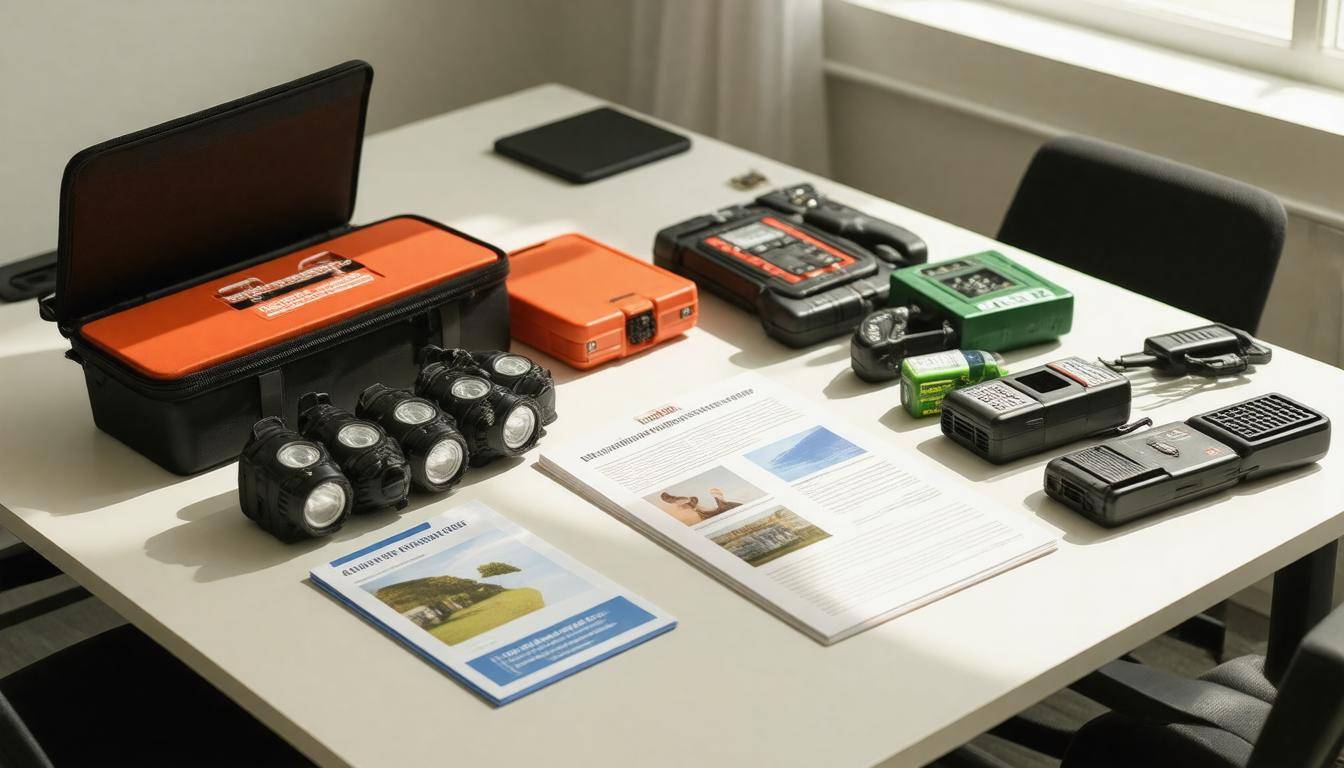
Establishing a Severe Weather Plan
To begin forming your plan, Step 1: Risk Assessment involves more than just skimming the surface of what might happen. It requires a thorough understanding of your geographical landscape and the types of severe weather that frequently occur in your area.
For instance, if you live in North Carolina, you may need to focus on monitoring hurricanes and heavy thunderstorms, while those in the Midwest should be vigilant about tornadoes and winter storms. Gathering historical data can provide insight into trends—how often do these events happen, and have they intensified over recent years? Making use of resources like NOAA (National Oceanic and Atmospheric Administration) allows you to create a reliable risk profile. This initial assessment lays the groundwork for everything else in your severe weather plan.
Once you’ve established potential threats, it’s crucial to move on to Step 2: Define Objectives. This part isn’t just about safety; it encompasses multiple facets of operational continuity. Write down clear objectives for this plan. These can include not only ensuring employee safety but also maintaining critical operations during severe weather. Having set goals helps everyone understand what is imperative—the safeguarding of lives should always be at the forefront while minimizing disruptions to business activities anytime nature throws a curveball.
Next is Step 3: Detailed Action Plan, where these objectives become action-oriented guidelines. This is where creativity meets practicality. Develop detailed procedures that outline what needs to be done before, during, and after an adverse weather event strikes.
For example, in hurricane preparedness, one must carefully plan actions like securing windows and doors or organizing evacuation routes tailored to your facility’s specific layout. Establishing a communication hotline will facilitate real-time updates for employees so they remain informed even when direct contact isn’t feasible. The goal here is to ensure there are no gaps in knowledge or responsibility amongst staff members; clarity is key to smooth execution under pressure.
Finally, once all these elements are aligned, implementing an effective communication strategy becomes imperative for the success of your severe weather plan. Communication shouldn’t be an afterthought; it should be integrated into every step you’ve outlined above.
With these foundational steps clearly laid out, it’s time to turn our attention to optimizing how information flows within your organization during emergencies.
Developing Communication Protocols
Establishing robust communication protocols isn’t just a best practice; it’s a necessity during severe weather events. The goal is straightforward: ensure all employees receive timely updates and instructions simultaneously. This means you need to create a system that’s not only reliable but also accessible to everyone in your organization.
Internal Communication
A well-rounded internal communication strategy should include various channels like emails, instant messaging apps, and even a dedicated emergency notification system. Each channel has its strengths, and by combining them, you enhance your reach. For instance, while an email might provide detailed instructions, instant messaging can offer immediate alerts that are hard to overlook. Assign specific individuals as communication officers responsible for organizing this flow of information. They will act as the hub of communication during emergencies, ensuring that messages are consistent and accurate.
Statistics reveal a compelling fact: organizations with multi-channel communication protocols have a 30% higher survival rate during emergencies according to a study by the Business Continuity Institute. This emphasizes the importance of having multiple touchpoints for critical communications.
External Communication
Don’t forget about external communication; staying in sync with local authorities and emergency services is equally vital. Strong ties with these agencies mean you’ll receive updated weather information and evacuation orders in real time. In practical terms, here’s what you should do:
- Establish a liaison with local emergency management agencies; this individual will serve as your gateway to urgent updates.
- Regularly update the company’s social media platforms with status reports so that both employees and the public remain informed.
- Keep clients and suppliers apprised of operational changes through proactive communications, as any disruptions may affect their plans too.
This way, you’re not just focusing on what’s happening inside your workplace but also keeping everyone outside informed and engaged.
Regular Updates
When it comes to sending updates within your organization during severe weather events, frequency matters—but so does clarity. You want to strike a balance between keeping everyone in the loop and overwhelming them with messages. Overloading employees with too much information can lead to confusion or panic—definitely not the intended outcome during an emergency! Focus on concise messaging that conveys essential details succinctly. You might think less is more, but believe me when I say that clear guidance can empower your team rather than paralyze them with fear.
Now equipped with strong communication protocols, we can shift our focus to strategies for enhancing safety preparedness through training initiatives and drills throughout the organization.
Conducting Drills and Training
Drilling and training serve as the backbone of an effective emergency preparedness strategy. It’s not just about running through the motions; it’s about ingraining knowledge into muscle memory so that when the moment arises, employees react swiftly and confidently. Scheduling these drills at regular intervals—whether quarterly fire drills or bi-annual tornado drills—ensures that your team becomes familiar—even in various contexts, like outside standard hours or while working remotely.
Scheduled Drills
Variety is key when scheduling these drills. By simulating different severe weather scenarios such as tornadoes, floods, and earthquakes, your employees will be better equipped to handle any situation. Imagine walking into the office one day when the drill is for an earthquake; you can almost hear the collective gasps as everyone first reacts out of surprise but soon redirects that energy toward educational effectiveness. Conducting diverse drills helps employees internalize processes, making them more adept in emergencies.
While drills provide practical experience, it’s essential to complement them with comprehensive training sessions.
Detailed Training Sessions
Training sessions should go well beyond just what was practiced in drills. Conducting thorough training covering emergency procedures gives employees a deeper understanding of how to use safety equipment and perform first aid if necessary. To achieve this, employ a mix of instructional videos and hands-on practice so that employees can visualize the situations while also getting their hands dirty. Engaging simulations further enhance learning retention by allowing participants to immerse themselves in a realistic environment—fostering both confidence and competence.
Feedback is a crucial component in refining these protocols.
Feedback and Improvement
Collecting feedback after every drill and training session is vital for growth. This isn’t merely a box-checking exercise; analyzing how well employees felt prepared or where they struggled can illuminate critical areas for improvement. Statistics show that organizations updating their protocols based on this feedback improve response effectiveness by 25%. Regularly revisiting and modifying your emergency response plan increases employees’ confidence and strengthens overall workplace safety culture.
By integrating continual feedback loops into your training regimen, you foster an environment of trust where improvements are welcomed. Employees will feel valued knowing their insights help shape future preparedness strategies—transforming what could be a stressful process into something shared among colleagues working towards the same goal: safety.
Transitioning now, it’s important to clarify how various roles function within these established protocols to ensure everyone’s safety during severe weather events.
Roles and Responsibilities During Severe Weather

Clearly defined roles and responsibilities ensure that everyone knows their part, minimizing confusion during emergencies. This organizational clarity becomes particularly crucial in times of crisis when every second counts. Assigning specific responsibilities can help create a structured approach to managing severe weather scenarios.
For instance, safety officers might monitor conditions and assess risks, while communication liaisons can keep everyone informed through regular updates. Additionally, first responders should be clearly identified and trained to deal with medical emergencies or initial evacuations.
A helpful tip is to rotate these roles periodically; doing so not only fosters teamwork but also guarantees cross-training among staff members. This way, more employees will feel competent and confident if they ever need to step into a role unexpectedly. Consider setting up volunteer opportunities that allow employees to gain experience in various capacities without putting undue stress on them.
Emergency Response Teams
It’s essential to form dedicated emergency response teams trained specifically for different aspects of severe weather scenarios. Each team can address unique concerns such as evacuation coordination, first aid, or managing supplies and resources effectively. By specializing roles within these teams, you ensure that team members develop skills tailored to their responsibilities.
Imagine a scenario where strong winds damage office infrastructure; the evacuation team needs to act promptly to guide employees safely outside while the first-aid responders attend to anyone who may have been injured during the incident. Coordination among these teams will lead to smoother execution of your emergency plan, improving overall safety for everyone involved.
Training should incorporate realistic drills that address potential hazards specific to your location—think local tornadoes or winter storms—to prepare your emergency response teams effectively.
Chain of Command
Establishing a clear chain of command is crucial for ensuring orderly execution of the emergency plan during severe weather events. It minimizes the chaos that can arise when numerous voices are trying to give directions at once.
The chain of command might begin with your company CEO as the ultimate decision-maker. However, they can delegate operational tasks down the line—for example, appointing a disaster response manager responsible for executing the established emergency protocols.
This structure helps empower individuals at each level and provides a straightforward point-of-contact for information flow. Employees should be well-acquainted with this hierarchy so they know whom to turn to for guidance, particularly during stressful situations when frayed nerves can cloud judgment.
By clarifying roles, forming specialized teams, and establishing an efficient chain of command, you’re building a robust framework that enhances workplace safety during critical events. As we look further into safety measures, understanding how best to implement protective options becomes increasingly important.
Implementing Protective Measures and Shelter Options
It’s essential to proactively address how we safeguard employees during severe weather, beginning with building safety. Regular inspections of workplace structures are a necessity. Focusing on areas that are particularly vulnerable, such as windows, roofs, and external walls, helps maintain structural integrity in extreme conditions. Ensure that your workplace complies with local building codes specifically tailored for adverse weather. This small investment can make all the difference when a storm hits.
Equally important is stocking emergency supplies, which can be a lifesaver in any situation. Equip your workplace with essential items like:
- Non-perishable food and clean water readily available for shelter-in-place situations.
- First aid kits, including basic medical supplies for injuries.
- Flashlights and batteries to illuminate dark areas during power outages.
- Blankets to keep everyone warm if the temperature drops unexpectedly.
Maintaining an updated emergency contact list ensures swift communication during emergencies.
After preparing these emergency supplies, turning attention to designated shelters within the workplace becomes imperative. Identifying safe areas that can serve as shelters plays a crucial role in employee safety during severe storms. Conference rooms or basements can be transformed into secure locations stocked with the previously mentioned emergency kits. These areas should ideally be away from windows and doors to minimize risks from flying debris during tornadoes or hurricanes.
Creating robust action plans for all employees is also vital so they are informed about what to do and where to go when severe weather strikes. By implementing these comprehensive steps, workplaces not only fulfill regulatory responsibilities but also foster a culture of preparedness among employees during unpredictable weather situations. This proactive approach lays the groundwork for effectively navigating the challenges that follow such events.
Managing Aftermath and Recovery Efforts
Post-event management is not just a checklist; it’s a critical phase that will determine how quickly your workplace can return to normal operations. The first step in this phase is conducting an initial assessment. This isn’t merely about looking for cracks or broken windows; it’s far broader.
You should start by ensuring that all employees are accounted for, checking in on their safety and well-being, and then move on to evaluating the extent of any damage. This assessment allows leaders to prioritize recovery tasks, which could range from securing the building to addressing more pressing needs like communication with clients or vendors.
Following the initial assessment, it’s necessary to have a solid plan in place.
Recovery Plan
A well-crafted recovery plan is crucial for navigating through the chaos after an adverse weather event. This plan should be phased, focusing first on stabilizing critical operations before gradually expanding back to full capacity.
For instance, if parts of your workplace are unsafe, consider implementing temporary remote working solutions. Equipment, files, and other resources can be set up at alternate locations where employees can work until it’s safe for everyone to return. Your recovery plan should also involve clear timelines and designated roles so that every team member knows what’s expected of them during this transitional period.
As much as logistics matter, we must not forget about the human element during recovery efforts.
Employee Support
Providing emotional and financial support to affected employees cannot be overstated. When a disaster strikes, employees can often feel overwhelmed and anxious about both their jobs and personal circumstances. Acknowledging their emotional distress by offering counseling services or establishing support groups can go a long way toward healing.
Financially, organizations might want to establish emergency funds or consider advance salary payments for those hardest hit.
| Type of Support | Examples |
|---|---|
| Emotional | Counseling services, support groups |
| Financial | Emergency funds, advance salary payments |
| Logistical | Temporary housing, childcare support |
Recognizing that your workforce is your most valuable asset enables you to ensure they feel supported when it matters most.
Smooth recovery is about putting people and plans in the right places promptly. Balancing operational needs with the well-being of your staff fosters loyalty and promotes a culture of resilience that will enable your organization to thrive even in tough times.
With these foundations in place, the next step involves a thorough examination of existing policies and procedures to ensure they remain effective and relevant.
Evaluating and Updating Safety Protocols

Continuous evaluation and improvement ensure that your severe weather protocols remain effective and relevant. This isn’t just about checking boxes; it’s about actively refining your strategies to withstand the unpredictable nature of severe weather events. After each occurrence, whether it’s a hurricane or a snowstorm, take the time to perform a post-action review.
During these reviews, gather your team and carefully assess what worked well and where there’s room for growth. Connecting the dots between real-life situations and protocol efficacy is essential. For instance, one company discovered that their communication system needed enhancement when data showed delays during an emergency response, highlighting just how critical timely information is.
Regular Updates
As we move forward, regular updates to your severe weather protocols are necessary. Base these updates on new information, technological advancements, insights from drills, and outcomes from real events. Staying informed about the latest safety practices or tools available can significantly enhance your team’s readiness.
For example, recent developments in mobile alert systems can provide instantaneous updates to employees during severe weather warnings, making it easier for them to take appropriate action without delay.
It’s beneficial to engage your team in this process actively. Soliciting feedback from employees who participate in drill exercises can offer valuable perspectives on potential improvements or overlooked areas. Perhaps there are aspects of the existing plan that seem clear to management but might confuse other team members. By openly discussing these points, you not only empower staff but also bolster a culture of safety within your organization.
To ensure all measures remain up-to-date, knowing the legal landscape is imperative as shifts in regulations and compliance requirements can heavily influence how you manage workplace safety during extreme weather conditions. Thus, keeping abreast of guidelines from entities like Cal/OSHA ensures that your protocols align with state mandates as you adapt proactively while prioritizing worker safety above all.
Legal and Policy Compliance
Compliance with local, state, and federal regulations should be at the forefront of any workplace’s severe weather protocols. Understanding these regulations is crucial for protecting employee well-being and maintaining the integrity of the organization. For example, the Occupational Safety and Health Administration (OSHA) outlines specific guidelines regarding workplace safety during emergencies. Your severe weather plan must align with these requirements to ensure compliance.
Regulatory Framework
Regulatory frameworks are built on minimizing risks associated with natural disasters. OSHA provides clear directives that cover situations from hurricanes to tornadoes, detailing the responsibilities of both employers and workers. By aligning your severe weather protocols with these legal standards, you safeguard both your employees and your business against potential liabilities.
Familiarize yourself with OSHA’s General Duty Clause, which requires employers to provide a workplace free from recognized hazards. This includes having actionable plans in place for when severe weather strikes, empowering employees to respond effectively without jeopardizing anyone’s safety. Incorporating best practices from successful companies can provide a solid foundation for your legal framework.
Policy Audits
Regular audits of your policies are essential to maintain compliance and ensure they meet current legal standards. This isn’t just a box-ticking exercise; it’s about keeping your systems proactive rather than reactive. Consider implementing annual reviews that strategically assess emergency exit routes in light of the latest fire safety codes and regulations.
During these audits, encourage employee input, as they often have unique insights into the practicality and effectiveness of existing protocols. Engaging employees through surveys or feedback sessions can lead to more effective policies adapted to their real-world experiences during severe weather conditions.
Employee Rights
It’s crucial to educate yourself about employee rights during severe weather events, especially their right to refuse work they consider unsafe under OSHA regulations. This understanding should inform every aspect of your policy framework. If an employee feels that staying in a hazardous environment could lead to injury due to severe weather conditions, they have the right to leave that situation without penalty.
Incorporating this awareness into your policies fosters trust and ensures that everyone knows their rights and responsibilities during emergencies. Making this information accessible creates a more prepared workforce willing to take action when faced with unexpected circumstances.
Ultimately, integrating legal compliance with proactive policy-making establishes a comprehensive approach that enhances safety and preparedness across your organization.
In summary, adhering to legal standards while actively engaging employees in safety protocols is vital for creating a secure working environment during severe weather events. By doing so, organizations not only comply with regulations but also build a culture of trust and preparedness.
What are the key components that should be included in a comprehensive severe weather protocol plan?
A comprehensive severe weather protocol plan should include clear communication channels for alerts, designated safe areas for shelter, an evacuation plan that considers all building occupants, regular training and drills for employees, and a supply kit with essential emergency items. According to the National Oceanic and Atmospheric Administration (NOAA), 60% of workplace injuries during severe weather events could be mitigated with proper preparedness and training, highlighting the importance of these components in ensuring employee safety and resilience.
How can employers effectively communicate severe weather protocols to their employees?
Employers can effectively communicate severe weather protocols to their employees by utilizing multiple channels such as emails, staff meetings, and digital platforms like intranet sites or mobile applications. Regular training sessions and drills can reinforce these protocols, ensuring employees are familiar with procedures when emergencies arise. According to a National Safety Council report, workplaces that conduct regular emergency preparedness training see a 50% increase in employee readiness, highlighting the importance of consistent communication and practice in fostering a culture of safety.
What types of severe weather events should workplaces prepare for?
Workplaces should prepare for various severe weather events, including hurricanes, tornadoes, floods, and winter storms. According to the National Oceanic and Atmospheric Administration (NOAA), 2021 alone saw over 20 separate weather-related disasters in the U.S. causing at least $1 billion in damages each – with many of those impacting workplaces directly. Implementing clear protocols can mitigate risks, ensuring employee safety and minimizing downtime during such catastrophic events.
How often should severe weather drills and training sessions be conducted in the workplace?
Severe weather drills and training sessions should be conducted at least twice a year to ensure that employees are well-prepared and familiar with protocols. According to the Federal Emergency Management Agency (FEMA), regular practice can significantly improve response time and reduce injuries during actual severe weather events. In fact, organizations that conduct frequent drills have reported up to a 30% decrease in workplace accidents related to natural disasters, underscoring the importance of regular training in enhancing overall safety preparedness.
What legal obligations do employers have regarding employee safety during severe weather events?
Employers are legally obligated to ensure a safe working environment under the Occupational Safety and Health Act (OSHA), which includes taking appropriate measures during severe weather events. This may involve providing shelter, conducting risk assessments, and maintaining clear communication regarding safety protocols. For instance, statistics show that severe storms result in approximately 85 fatal occupational injuries annually in the U.S., underscoring the importance of proactive safety measures and policies to protect employees during adverse weather conditions.