
When emergencies strike, having a well-stocked wound care kit can be the difference between a small mishap and a bigger problem. Picture this: you’re at a picnic, someone accidentally cuts their finger, and panic sets in because you realize your first-aid supplies are scattered or outdated. That’s why it’s crucial to prepare an organized kit for those unexpected moments. A solid understanding of essential wound care supplies not only helps you manage minor injuries effectively but also makes sure everyone stays calm when things go awry. Let’s dive into what you should include in your emergency kit to ensure you’re always ready to lend a helping hand.
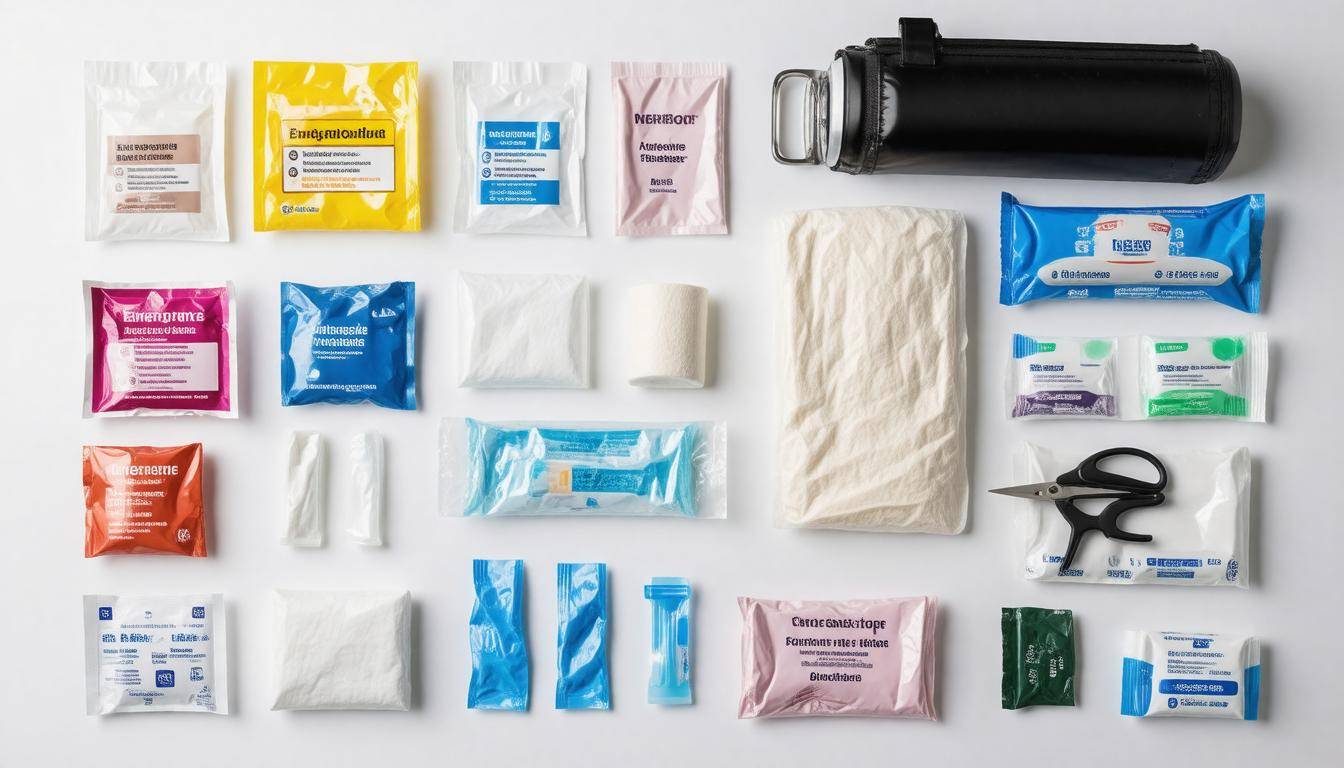
Essential wound care supplies to include in an emergency kit comprise basic bandages, various sizes of gauze for absorbing fluids, adhesive tape, antibiotic ointment, antiseptic solutions, and non-latex examination gloves. Additionally, consider including specialized items like tweezers for removing splinters, elastic wrap bandages for support, and instant cold packs for reducing swelling.
Must-Have Wound Care Supplies
When you think about an emergency kit, the image of a well-stocked first-aid drawer comes to mind, filled with all the important tools to tackle minor injuries and beyond. Among the crucial items you can’t overlook are adhesive bandages. These come in various sizes and are essential for covering everything from small cuts to larger abrasions. They act as the first line of defense against dirt and bacteria entering an injury, which is key for preventing infection.
Another indispensable item is sterile gauze pads. These versatile supplies come in different dimensions tailored for various wound sizes. If you accidentally bump your elbow while reaching for a cup or scrape your knee while jogging, gauze pads absorb blood or fluid, holding the wound securely while aiding your healing process. It’s like giving your body a clean blanket to curl up with as it mends itself.
Having these basic tools readily available creates a safety net, but other supplies enhance your first-aid response when injuries arise.
Elastic wrap bandages are another vital component worth packing in your kit. They serve a dual purpose: anchoring dressings in place and providing support for those pesky sprained ankles that tend to happen during adventurous hikes or unexpected slips on wet floors. They provide just the right amount of compression to help reduce swelling, ensuring that you’ll be back on your feet sooner rather than later.
Then there are butterfly bandages—those little wonders perfect for closing smaller, deeper cuts when stitches may not be necessary. They’re an excellent alternative for quick relief without heading straight to urgent care. It’s almost like using a gentle hand to hold the skin together while it begins its natural healing process.
But what’s a good care routine without considering potential infections?
Here’s where antibiotic ointments come into play; they’re your personal guardian against germs aiming to invade a fresh wound. Applying this salve not only helps prevent infections but also accelerates healing by creating an optimal environment for recovery. Imagine them as tiny shield bearers fighting off anyone who dares enter the fragile territory of our skin.
In addition to these must-haves, it’s wise to keep in mind that simply having them tucked away won’t suffice unless they’re stored properly and easily accessible when emergencies arise.
Make sure every item is neatly organized and routinely checked for expiration dates. This way, when an accident happens—because they often do—you’ll have peace of mind knowing you have everything needed right at hand, ready for action when emergencies occur.
With these essentials ready at your fingertips, nurturing those injuries effectively is paramount. Understanding how to maintain cleanliness and promote healing will take us further into exploring effective solutions tailored for wound care.
Essential Antiseptic Solutions
Antiseptic solutions play a vital role in wound care by preventing infections that could complicate healing. One of the most recognized antiseptics is hydrogen peroxide. Commonly found in households, this solution is particularly useful for minor cuts and abrasions. When applied, it bubbles up as it works to cleanse the area, removing debris and germs from the wound. However, it’s important to use it sparingly; frequent application can damage healthy tissue and impede the healing process.
Next up is iodine, a solution that has stood the test of time due to its effectiveness against a wide range of pathogens, including bacteria and viruses. Many people remember the stinging sensation when iodine is applied, but this temporary discomfort is usually worth it—its potent antiseptic properties help significantly reduce the risk of infection. Nevertheless, it’s crucial to check for any potential allergic reactions before usage.
Another staple of any wound care kit is alcohol swabs. Available in both isopropyl and ethyl forms, these small pads are perfect for quick disinfection when immediate action is needed. While alcohol swabs are effective at eliminating surface microbes, they can also dry out the skin in the process. Given their drying properties, it’s advisable to follow up with a moisturizer after disinfecting the area.
The Centers for Disease Control and Prevention (CDC) highlights that proper wound cleaning can reduce infection risk by an impressive 50%. This statistic underlines the significance of incorporating reliable antiseptic solutions into your emergency kit.
Having equipped ourselves with essential antiseptics, it’s time to explore the instruments that will enhance our ability to provide effective care in urgent situations.
Tools for Effective Treatment
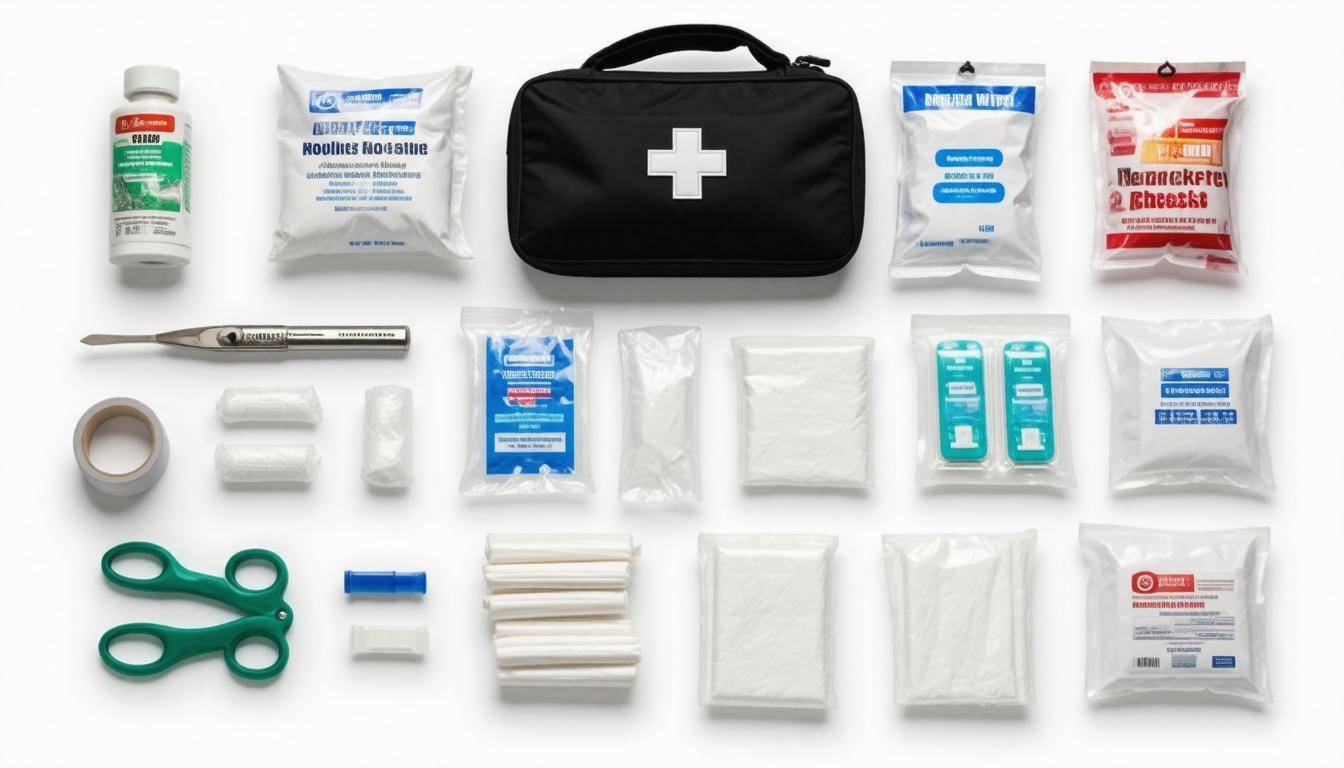
Imagine you’re in a situation where someone has suffered a cut or scrape. You rush to your emergency kit, and that’s when the contents become critical. Among the essential items, tweezers play a vital role; not only can they gently remove debris or splinters that might get lodged in a wound, but they can also help you clean the area more effectively. A sturdy pair of tweezers adds precision to your care routine, ensuring that nothing harmful stays behind.
Next up are scissors, specifically designed for medical use. These sharp scissors are not just everyday kitchen scissors; they have unique features that make them perfect for health emergencies. Their pointed tips can easily cut through tough bandages and adhesive tapes while minimizing the risk of injury to the skin beneath. Depending on the design, some medical scissors even come with safety features that allow for optimal usability when treating wounds without endangering the patient or yourself.
Instant cold packs are another indispensable tool in any emergency kit. Not only do these packs help reduce swelling and minimize bruising, but they also provide immediate relief by numbing the area of impact. When injuries occur—perhaps during an active family game—having instant cold packs on hand can be a game-changer, helping you manage pain while waiting for professional aid.
Emergency responders often highlight the importance of quality medical scissors and tweezers in their kits. In fact, they depend on these tools because time is of the essence in emergency situations. Having reliable equipment helps ensure that every second counts when providing care.
Lastly, the approach to stocking your kit should consider versatility and accessibility. By prioritizing multifunctional tools and readily available supplies, you can enhance your effectiveness during an emergency. For instance, including items like elastic bandages for sprains complements your primary tools and expands your capability to treat various injuries efficiently.
Understanding how each item works together to create a cohesive emergency response is essential. This not only builds efficiency but also encourages preparedness as we continue exploring how to optimize what your kit contains.
Stocking Your Emergency Kit
A well-stocked emergency kit is crucial for effective wound care and can truly make a difference when the unexpected occurs. So where do we start? First, compiling a range of basic supplies could be seen as the backbone of your kit. This includes items like adhesive bandages—of various sizes for every sort of scrape—you might encounter. Think of them as one of the first responders in a minor accident.
Also, sterile gauze pads are indispensable for covering larger wounds and absorbing any fluids that may seep out. As you gather these items, remember that antiseptic wipes are vital too, helping keep infections at bay.
Building on this, selecting the right container is just as important as gathering supplies. A durable, waterproof container acts like a fortress for your medical necessities. Not only will it keep everything organized, but it will also provide protection against moisture damage or leaks from other items. Make space within the container for additional items as your needs may change over time.
As you proceed to organize your emergency kit, think of it like a carefully arranged toolbox. Place frequently used items—such as gloves, antibiotic ointment, and bandages—at the top where you can easily reach them in a hurry. This approach allows for swift access during stressful moments when every second counts.
Regularly check your emergency kit to ensure nothing is expired or missing; this isn’t just good practice—it’s essential for your well-being.
Once you’ve successfully stocked and organized your emergency kit, ensuring consistent upkeep of these supplies is paramount to their effectiveness when needed most.
Maintaining Your Supplies
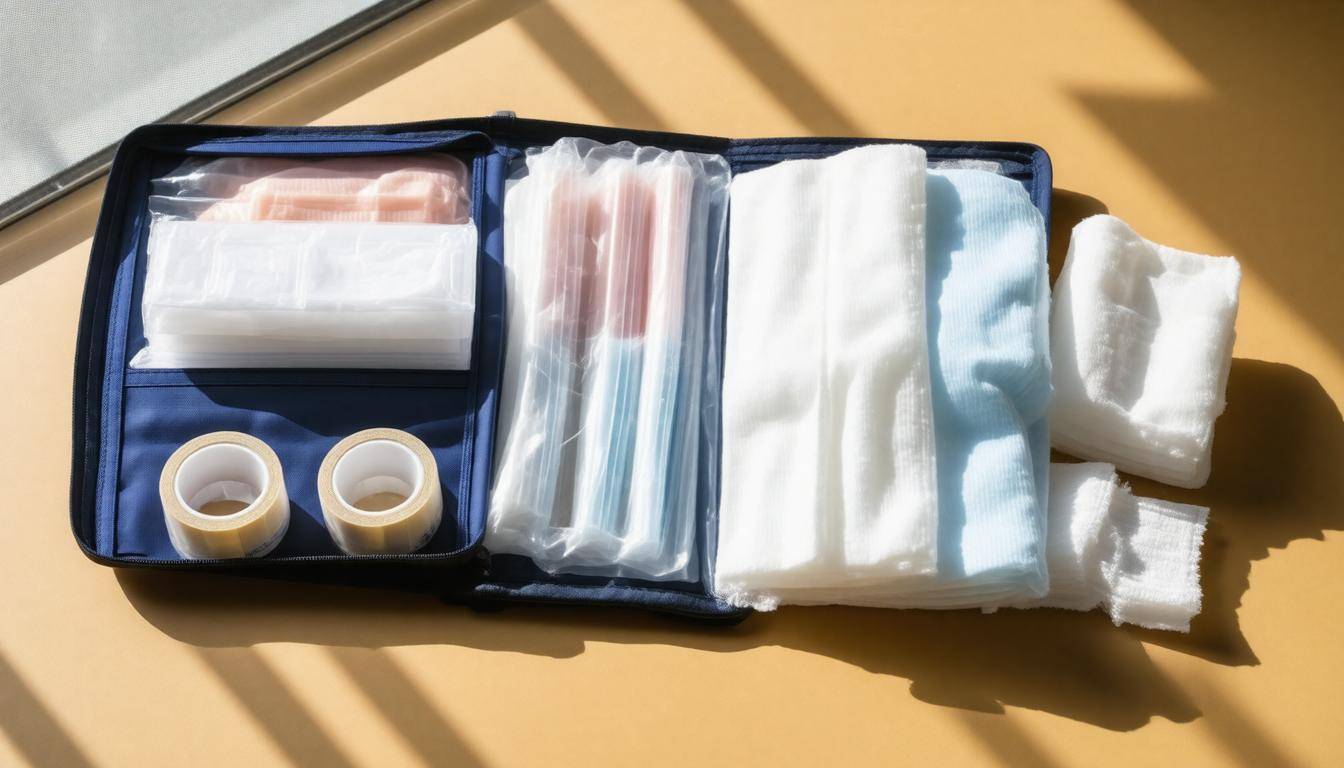
Regular maintenance of your emergency kit is essential because it ensures your supplies are effective and ready when you need them most. Just imagine reaching for that bandage only to find it expired or worse, gone! Therefore, starting with a monthly check of your supplies isn’t just a good idea—it’s crucial. During this check, examine each item carefully for any expiration dates. Toss out any expired medications or staples, as their effectiveness could be compromised.
It’s also wise to keep an organized log of your supplies. This usage log can act as a record where you note when items are used or close to being depleted. Not only does it help you remember what needs replacing, but it can also provide valuable insight into which supplies you might be using more than others during regular activities. You’d be surprised; sometimes we assume we know what we have, only to find a gap in vital essentials during an emergency.
Maintaining a first-aid kit isn’t just about checking supplies; where and how you store them matters too. Ideally, you should store your kit in a cool, dry place, which prevents degradation of supplies over time. Whether it’s at home or in the car, temperature fluctuations and humidity can compromise sensitive items like creams and ointments. Ensuring the selected location remains stable helps maintain the integrity of all the contents within your kit.
To give one more layer of protection, consider doing an annual inventory of your supplies. This gives you an opportunity to assess needs and replenish any missing or low items while taking stock of what’s still relevant for your lifestyle.
Taking these simple steps enhances safety during emergencies and promotes peace of mind; knowing your supplies are well-maintained allows you to focus on what truly matters when an unexpected situation arises—not if you’ve got the right tools at hand.
With these strategies in mind, let’s explore further how to ensure effective treatments and maintain safety in various scenarios.
Ensuring Safe Treatments
Safety in using wound care supplies is paramount. The last thing you want in an emergency is to inadvertently cause more harm than good. This is why it’s imperative to think carefully about the materials you’re using and how they affect both you and the person you’re treating. For instance, wearing non-latex gloves can help prevent allergic reactions while treating wounds. This simple precaution ensures that everyone involved stays safe, as some people may have latex allergies without even knowing it.
Think of your first-aid kit as a toolbox for health. Just like you’d be cautious about which tools to use while repairing something around the house, so too should you be judicious with your choice of wound care supplies.
Safety pins, for example, are incredibly useful for securing bandages in place without risk of poking through the skin. This added layer of protection prevents future issues, keeping the wound secure without causing discomfort.
It’s vital always to use sterile supplies when addressing any injuries; this is where sterilization comes into play. Using non-sterile items can lead to infections, which adds unnecessary complications to a situation that may already be stressful. Always ensure your supplies are properly stored—keeping them in a cool, dry place away from direct sunlight helps maintain their efficacy.
Understanding these principles prepares you for any unexpected scenarios that may arise as you navigate through life’s little bumps and bruises. Knowing how to approach each situation safely empowers not only yourself but also those around you in times of need.
A collective emphasis on safety extends beyond just application; it encompasses the entire process of treatment. Regularly checking your supplies for expiration dates or wear and replacing them is crucial for maintaining a reliable kit. If you anticipate potential emergencies—like spending time outdoors—make sure your supplies are up to date.
Being prepared means more than having everything in your first-aid kit; it involves being mindful of how you treat others and yourself. It fosters confidence knowing you have what it takes to handle various situations safely and effectively—a mindset that can transform a daunting right into an empowering experience.
As we explore how to effectively utilize these supplies in high-pressure situations, you’ll find strategies that enhance your readiness and response.
How to Use Your Kit in Emergencies
Understanding how to quickly and correctly utilize the items in your emergency kit is crucial. Imagine a scenario where a friend trips and scrapes their knee while hiking—having both the knowledge and the right supplies within reach can make all the difference.
Step I – Assess the Situation
Begin by evaluating the injury. Is it a minor scrape or a deep cut? This assessment will guide you in deciding what supplies are necessary. For instance, minor cuts might only require adhesive bandages, while a more serious laceration may need sterile gauze and adhesive medical tape.
Take a moment to observe the surroundings as well; ensure it’s safe for you to administer care without placing yourself at risk.
Step II – Clean the Wound
Cleaning the wound is a vital step before applying any dressings to prevent infection. Start by using antiseptic wipes from your kit to gently clean around the edges of the wound, removing dirt and debris.
If available, rinse the wound with clean water for additional cleansing. Avoid powerful sprays or large water streams that could injure further; gentle is key here!
Step III – Apply Dressings
After cleaning, place a sterile gauze pad directly over the wound and secure it with medical tape or an adhesive bandage. Make sure it’s snug but not too tight, as you don’t want to restrict blood flow. In cases of larger wounds, elastic wraps can be incredibly useful.
Wrap it snugly around the dressing, ensuring you maintain some compression but again being cautious not to cut off circulation.
Remember: Monitoring for signs of infection—such as increased redness, swelling, and discharge—is essential after dressing any wound.
Bringing together these practical steps can significantly enhance your readiness in an emergency situation. Gaining insight from those who specialize in preparedness can further elevate your emergency kit strategies.
Expert Tips for Preparation
Experts emphasize that preparation goes beyond simply having a kit; it involves regular training and updates to ensure you’re ready when emergencies strike.
For instance, Jane Doe, an EMT, shares a compelling insight from her experience: “Regular drills using your kit ensure you’ll know exactly what to do when real emergencies arise.” This hands-on approach helps familiarize you with the supplies at your disposal and builds confidence in utilizing them effectively.
Furthermore, consider taking a basic first aid course. Organizations like the Red Cross offer extensive training programs that cover essential skills such as CPR and wound care management. These courses provide valuable knowledge and instill a sense of readiness. Knowing how to respond swiftly can be the difference between a minor incident and a serious situation.
It’s important to stay updated on the latest first aid techniques and recommendations. Medical guidelines are frequently revised, and being informed about new methods or approaches allows you to adapt your kit and your skills accordingly. Subscribing to newsletters from reliable health organizations or following medical professionals online can keep you current.
Keeping your first-aid kit organized is equally crucial for functionality. Store supplies in waterproof containers to protect against moisture and damage, ensuring that everything remains intact and usable when needed.
Don’t forget to personalize your kit according to individual family needs. For example, people with allergies may require EpiPens, while those prone to injuries might benefit from specialized bandaging materials. This customization makes your emergency kit even more practical because it addresses specific situations that could arise within your household.
Ultimately, these expert tips transform a simple collection of supplies into a robust resource prepared for any potential challenge you may face. Regularly checking expiration dates and restocking items ensures that your kit is always ready—an invaluable investment in safety for you and your loved ones.
Incorporating expert advice fosters not only preparedness but also peace of mind during emergencies. Ensuring your kit remains stocked and relevant can make all the difference when facing unforeseen circumstances.
How frequently should the contents of a wound care supply kit be reviewed and replenished?
The contents of a wound care supply kit should be reviewed and replenished at least every six months, or immediately after any use. This ensures that all supplies are within their expiration dates and that you have sufficient quantities on hand for emergencies. According to the American Red Cross, 30% of households do not regularly check their emergency supplies, which can lead to inadequate preparation in critical situations. Regular reviews help maintain readiness and ensure safety during unforeseen events.
What specific items should be included in a comprehensive wound care supply kit?
A comprehensive wound care supply kit should include adhesive bandages of various sizes, sterile gauze pads, medical tape, antiseptic wipes, tweezers, scissors, and a digital thermometer. According to the American Red Cross, having these essential items can significantly reduce infection risks and promote faster healing in emergency situations. With up to 30% of injuries leading to infections due to inadequate first aid, equipping yourself with a well-stocked kit is crucial for effective wound management.
What types of wounds require immediate attention, and how should they be treated with emergency supplies?
Immediate attention is crucial for severe wounds such as deep cuts, puncture wounds, and burns that cover large areas or are third-degree. These injuries can lead to significant blood loss or infection if not treated promptly. Emergency supplies should include sterile gauze to control bleeding, adhesive bandages for smaller cuts, and antiseptic wipes to clean the wound. According to studies, nearly 20% of emergency room visits are related to traumatic injuries, underscoring the importance of being prepared with a well-stocked emergency kit. Proper treatment can significantly reduce complications and promote faster healing.
How do you determine the appropriate quantities of wound care supplies for an emergency kit?
To determine the appropriate quantities of wound care supplies for an emergency kit, consider factors such as the size of your household, the types of activities you engage in, and potential risks. A general guideline is to have at least 3-5 adhesive bandages in various sizes per person, along with larger dressings like gauze pads and trauma kits for more significant injuries. According to surveys, about 30% of households encounter minor injuries annually, indicating the need for adequate supplies. Tailoring your kit based on personal needs and common injuries can ensure you’re well-prepared.
Are there any special considerations for storing wound care supplies to ensure they remain effective?
Yes, there are special considerations for storing wound care supplies to ensure their effectiveness. Supplies should be kept in a cool, dry place away from direct sunlight and humidity, as extreme temperatures can degrade materials and compromise their efficacy. For instance, adhesive bandages may lose their stickiness over time if exposed to moisture or heat. According to studies, improper storage can lead to a 50% reduction in the effectiveness of some topical antiseptics within just a few months. Thus, regular checks on expiration dates and proper storage conditions are crucial for maintaining the integrity of these essential items.