
Navigating the world with a mobility device should be a smooth journey, but life has a way of throwing unexpected bumps along the road. Have you ever found yourself abruptly halted by a flat tire or a dead battery? If so, you know how crucial it is to be ready for anything. An Emergency Maintenance Kit tailored to your mobility device can make all the difference, providing peace of mind and allowing you to tackle minor crises with ease. In this guide, we’ll walk through essential items for your kit and practical strategies for quick repairs, ensuring you stay mobile and confident on every adventure. Let’s dive in!
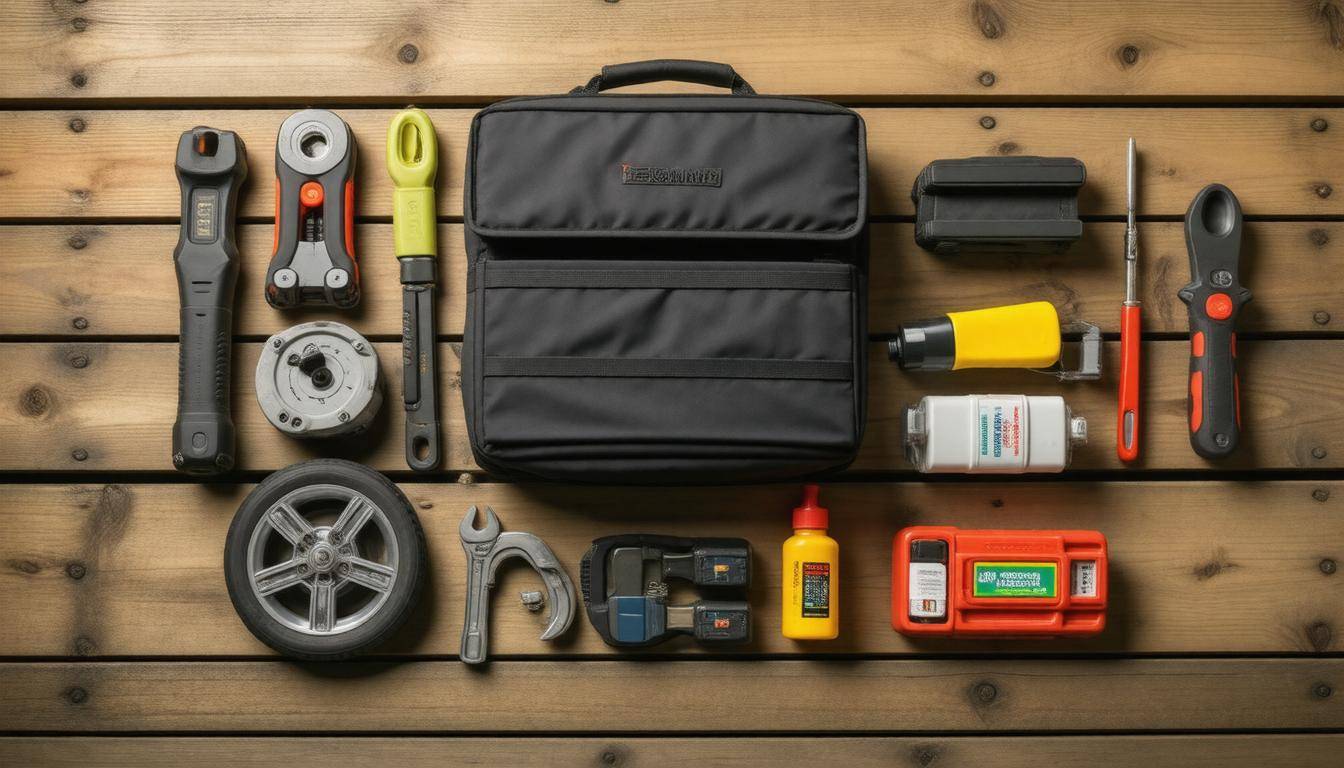
A Mobility Device Emergency Maintenance Kit should include essential items such as a spare tire, a jack, a tire iron, a portable air compressor, and a can of Fix-a-Flat for quick repairs. Additionally, consider including tools like a multi-tool, jumper cables, a first aid kit, and a flashlight to address various unexpected issues that may arise while using the mobility device.
Essential Items in Your Emergency Kit
When preparing for unexpected challenges while using mobility devices, having a well-rounded emergency kit can provide peace of mind. One of the most critical components is a spare tire. If your mobility device has inflatable tires, it’s essential to ensure you’re not left stranded after a puncture. Imagine facing an unexpected flat tire without a spare! The joy of preparedness cannot be overstated here; a spare tire gives you the freedom to address any tire issues promptly.
Next, let’s talk about a portable tire inflator. Investing in a 12V tire inflator can be incredibly beneficial when you’re out and about. This convenient gadget allows you to quickly inflate your tire after making any repairs. You won’t have to rely on others for help or struggle with manual pumps anymore. When seconds matter—whether you’re late for an appointment or simply eager to keep moving—this tool can be a true game changer.
An equally useful companion is tire sealant—products like Fix-a-Flat offer quick fixes for minor punctures by sealing leaks instantly. However, it’s important to remember that while it might get you rolling again, it’s not a permanent solution. Think of it as the first step toward more comprehensive repairs; it’s there to get you back on your path efficiently until you can seek professional help.
Another indispensable item is a multi-tool which encompasses various functions such as screwdrivers, wrenches, and pliers. With it, you could tighten loose screws or make adjustments as needed. In emergencies, being equipped with tools can mean the difference between a minor inconvenience and prolonged downtime. It’s worth practicing how to use this tool effectively; familiarity breeds confidence when you’re in a bind.
A first aid kit should also not be overlooked—a small yet vital addition for addressing any minor injuries that could happen during repairs or travel mishaps. Even something as simple as a scraped knee needs attention, ensuring you’re ready for unforeseen problems along your journey.
As we consider visibility in emergency situations, let’s highlight the importance of having a flashlight.
A sturdy flashlight is essential in low-light scenarios; whether you’re stuck at dusk or early dawn, having reliable light can help you see what you are working on and prevent accidents. Furthermore, carrying extra batteries ensures that your flashlight—and any powered mobility devices—can function when you need them most.
Don’t forget about those jumper cables! Occasionally our battery systems may falter, leaving us feeling vulnerable. With these cables at hand, a quick jump-start from another vehicle could get you back in motion without waiting for assistance.
Lastly, including a cleaning cloth should not be dismissed either. Regularly cleaning your mobility device keeps debris off vital parts and prevents possible mechanical issues down the line. It’s preventive care that pays dividends by allowing everything to function smoothly throughout its lifespan.
Having these items all ready is one thing; understanding how to use them effectively is crucial for maintaining mobility during unforeseen circumstances. With this foundation set, we can now explore practical strategies for addressing frequent issues that may arise.
Quick Fixes for Common Problems
A punctured tire is one of the most frequent headaches mobility device users encounter. When it happens, don’t worry—the solution is simpler than you might think! Begin by inspecting the tire to locate the puncture. Once identified, grab your can of tire sealant and follow the specific instructions provided on its label.
What makes many modern sealants especially handy is that they allow you to apply them directly onto the puncture without having to dismount the tire from the wheel. Just spray or inject the solution into the tire, and you’ll be amazed at how effectively it seals the hole.
After applying the sealant, it’s essential to pump some air back into the tire with your portable tire inflator. Simply monitor the pressure as it increases, ensuring it reaches the recommended PSI for your device. This process not only restores your tire’s functionality but gives you peace of mind as you continue your journey.
Another common issue involves loose screws on the frame or chair of your mobility device. With just a multi-tool in hand, you can easily tighten those screws and restore stability quickly. Conducting a quick visual inspection around your device can reveal these easily fixable components that need attention. A little proactive maintenance now can save you from bigger repairs later; that’s a lesson many seasoned users have learned through experience.
It’s important to feel comfortable using these tools—practice can go a long way in building confidence for when an emergency arises. With a few minutes invested in familiarizing yourself with your kit, tightening screws becomes second nature rather than a daunting task.
While these quick fixes are effective for many minor inconveniences, challenges may require more thorough measures. Keeping that in mind will better prepare you for unexpected situations on the road.
Solutions for Flat Tires
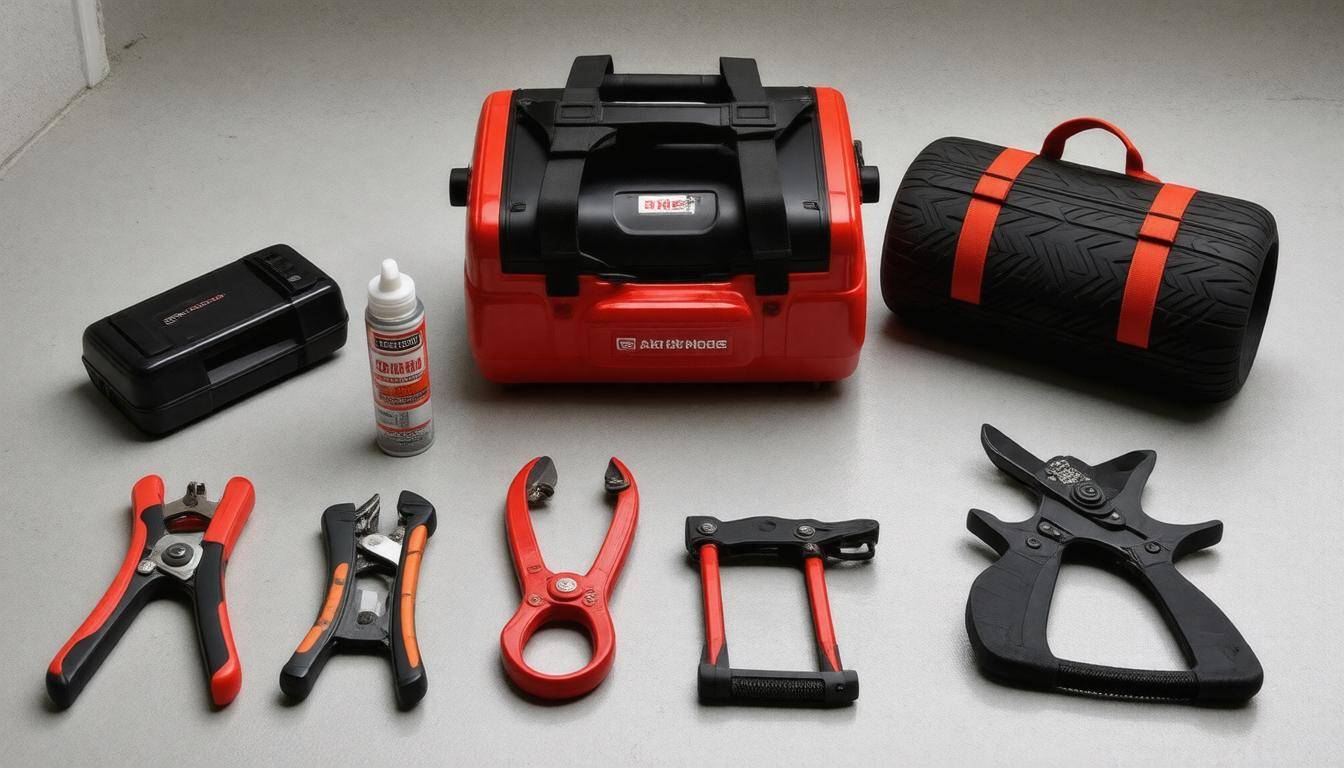
Flat tires rank high on the list of challenges faced by mobility device users, making it essential to know the best solutions available. When a tire loses air, quick actions can minimize inconvenience and restore functionality swiftly. A popular temporary fix involves using tire sealants like Fix-a-Flat. These sealants are particularly helpful as they seal punctures effectively while also inflating the tire, getting you back to your routine without much delay.
Detailed Steps:
To start, make sure to shake the can thoroughly before use; this activates the sealant and prepares it for application.
Next, gently remove the tire valve cap and then attach the hose from the sealant can securely onto the valve stem. This connection is crucial for ensuring effective delivery of the product.
Press the button on the can, allowing the sealant to enter the tire gradually. This process not only seals any punctures but also adds some air pressure back into the tire.
Finally, complete the repair by using your portable tire inflator to adjust the tire pressure to its recommended settings. It’s important that your mobility device’s tires maintain a level between 30-35 PSI for optimal performance.
While these sealants serve as a handy short-term fix, you should consider more permanent solutions when possible. Visiting your local car service center could be an economical choice for tire replacement or repairs. Often, these centers have special promotions or warranties that make repairing or replacing a tire surprisingly affordable—sometimes even under $20—especially at places like Costco or America’s Tire.
Many users recommend keeping an eye out for regional deals, as car service centers frequently offer competitive pricing compared to OEM kits, which tend to cost significantly more without providing additional value.
Once you’ve mastered managing typical flat tire issues, maintaining battery health is another critical aspect that will ensure your mobility device remains dependable in various situations.
Resolving Battery Issues
Battery problems can often seem daunting, but they are usually manageable with a bit of knowledge and preparation. One of the first things to remember is the critical role your battery plays in mobility devices; it’s essentially the heart that keeps everything running smoothly. Understanding how to troubleshoot battery-related issues can make all the difference when unexpected circumstances arise.
Troubleshooting Battery Problems
Checking the charge regularly is the first line of defense against battery problems. It might sound simple, but ensuring your battery is fully charged before heading out cannot be overstated. Missing this step can lead to being stranded or facing unnecessary delays. I recall a time when I planned an excursion only to realize my device wouldn’t start because I didn’t check its power level—an easy fix next time! To avoid this oversight, consider setting reminders on your phone for regular charging checks.
Additionally, inspect battery connections frequently. Loose or corroded connections can significantly disrupt power flow, leading to frustrating moments where devices simply won’t work. Make sure all wires are securely attached, and check for any signs of wear and tear around the connections. A little rust or corrosion doesn’t just hamper performance; it can cause irreversible damage over time. If you do find corrosion, don’t panic! Clean it up carefully using a specialized battery cleaning brush—these brushes are designed specifically to help maintain electrical components without causing damage.
Many users find that keeping a spare battery in their emergency kit provides an added layer of security during extended trips or outings. Not only does it offer peace of mind, but it can also be a lifesaver—I had a friend who was miles from home during a road trip and ran into unexpected trouble when her primary battery failed. Having that second battery allowed her to continue on without major disruption.
As we shift our focus from resolving battery issues, it’s essential to explore an equally critical aspect: the tools that ensure thorough care and maintenance for mobility devices.
Tools for Comprehensive Care
Comprehensive care requires having the right tools; therefore, equipping your emergency kit with versatile items is essential. Imagine being in a situation where you’ve encountered a minor issue with your mobility device but all you have is your smartphone—while it’s handy for many things, it won’t fix a flat tire. Having certain tools ready not only allows for quick repairs but also provides peace of mind, knowing that you’re prepared for unexpected situations. Each tool has its own role, and understanding their uses will make you feel more confident when handling any minor crises.
Recommended Tools
First on the list are screwdrivers. A good screwdriver set is a handyman’s best friend, perfect for adjusting or fixing small components on your device. Imagine needing to tighten a loose screw on your brake lever; with the right screwdriver in hand, it becomes a simple task instead of one that could derail your journey. I always recommend having both Phillips and flathead screwdrivers to ensure versatility; different screws require different heads.
Next, Allen wrenches come into play. These are often critical for mobility devices, especially when adjusting parts like brakes or seats that commonly use hex screws. Having an Allen wrench set in various sizes ensures that no matter what adjustment needs to be made, you’re ready.
Moving on, lubricants are crucial for keeping moving parts functioning smoothly. Whether it’s grease or spray oil, having these can prevent wear and tear over time. If you notice parts starting to squeak or stick, a quick application of lubricant may solve the problem before it turns serious.
It’s important to choose lubricants compatible with your device materials to avoid damage.
Finally, let’s discuss tape, specifically electrical tape. This might seem unassuming but can be a lifesaver when it comes to exposed wires or other minor issues. A few wraps around a frayed wire can keep everything operational until you can perform a more permanent repair.
Regularly using these tools not only helps to keep your device in optimal condition but can also reduce the need for emergency repairs later down the line.
With proper preparation in place, you’ll find that preventative care is far superior to reactive fixes, leading us naturally into techniques you can implement yourself for ongoing maintenance.
DIY Maintenance Tips
Taking charge of basic maintenance tasks for your mobility device can be incredibly empowering. It might feel intimidating at first, but establishing a routine is the key to ensuring everything functions as it should.
Think of routine inspections and upkeep as opportunities to familiarize yourself with your device instead of a burdensome chore.
Routine Inspections
Conducting a weekly inspection can reveal potential issues before they become problems. Take just a few minutes each week to look over your device. Check for wear and tear on tires, ensuring there are no punctures or depressions that could lead to flat tires during your travels. Additionally, verify that the battery is secure and retains enough charge for your needs. Remember, an ounce of prevention is worth a pound of cure.
If you notice something isn’t right during these checks—like loose screws or unusual noises—attend to those concerns promptly. This diligence pays off massively in avoiding inconvenient breakdowns later.
Monthly Lubrication
Monthly lubrication is another critical step that often gets overlooked. For moving parts to work well and avoid rust, it’s essential to apply lubricant across various components. Using a spray lubricant makes this process easier because it can reach difficult spots where other lubricants might miss.
As you go through this step, think about all the parts that need smooth movement, such as wheel axles and hinges. A quick application of spray lubricant helps keep everything gliding freely and prevents rust from eating away at those vital pieces over time.
Cleaning Your Device
A clean device is a well-functioning one! Dust and debris can accumulate easily and cause unnecessary wear on machinery, leading to larger, more costly repairs down the road. Make it part of your routine to wipe down surfaces regularly; using a soft cloth is perfect for this task as it captures dirt without scratching delicate finishes.
Use mild cleaning agents when necessary, particularly around areas that frequently come into contact with hands or clothing. Keeping your mobility device clean not only keeps it looking appealing but ensures mechanical parts function correctly.
By maintaining your mobility device regularly, you enhance its lifespan while building familiarity with its nuances. Knowing where to purchase replacement parts ensures you’re always prepared for any emergency repairs that may arise.
Where to Buy Your Kit
When it comes to securing an emergency maintenance kit for your mobility device, you have several avenues to explore. The most straightforward path is to visit local or online specialized mobility stores like Mobility Superstore or Spinlife. These retailers address the needs of mobility aids and offer a well-curated selection of kits designed for different types of devices.
Don’t overlook the convenience of online shopping. Websites like Amazon offer a vast array of options. However, approach your selection thoughtfully—read through customer reviews that provide insights into the quality and reliability of the kits. Similarly, eBay is another platform worth considering; it features competitive pricing and often has deals on gently used kits. Just remember to scrutinize sellers’ ratings before making a purchase.
Beyond general retailers, specialized websites like AliMed or Performance Health Solutions cater specifically to healthcare equipment and often carry kits tailored for unique mobility challenges. Many customers find their offerings worthwhile, even if the prices are slightly higher because of their understanding of specific needs.
| Retailer | Advantages | Considerations |
|---|---|---|
| Mobility Superstore | Targeted selection | Limited physical locations |
| Amazon | Wide selection, fast shipping | Quality may vary; check reviews |
| eBay | Competitive prices, pre-owned options | Seller reliability varies |
| Specialized Stores | High-quality, tailored products | Typically higher cost |
| Local Stores | Immediate purchase | Smaller selection |
Many users highlight that purchasing from specialized websites allows them access not just to products but also tailored advice—an invaluable resource worth the extra cost.
When you’re prepared with the right emergency kit tailored for your mobility device needs, it elevates your peace of mind on every journey. It ensures you maintain your freedom and safety without unnecessary worries about potential malfunctions.
In summary, taking the time to research and choose the right emergency maintenance kit can significantly enhance your ability to navigate life’s challenges safely and confidently.