
Imagine living in a place where the beauty of the coast is shadowed by the fear of sudden, powerful tsunamis. In Papua New Guinea, this is not just a thought to ponder; it’s a reality that many communities face daily. With stunning beaches and bustling seaside towns, life on the coast comes with risks brought on by nature’s whim. So, what can be done to protect ourselves and our loved ones from these unpredictable giants of the sea? This article takes a deep dive into how Papua New Guinea can strengthen its tsunami evacuation plans through better communication, community preparedness, and government support. It’s all about more than just the danger; it’s about building a safety net that ensures everyone knows how to act when the stakes are high.
A comprehensive tsunami evacuation plan for Papua New Guinea should include designated evacuation routes, local assembly points, and clear communication strategies to alert residents of an impending tsunami. It is also essential to conduct regular drills and ensure that all community members are educated about the risks and procedures associated with tsunamis, as well as utilizing resources from organizations like AmeriCares for disaster preparedness.
The Tsunami Threat in Papua New Guinea
Papua New Guinea (PNG) is perilously positioned on the Pacific Ring of Fire, an area notorious for its seismic activities. This positioning significantly increases the likelihood of earthquakes that can trigger destructive tsunamis. Over a span of more than a century, PNG has been shaken by over 25 significant tsunamis, emphasizing that this is not merely an abstract danger but a very real threat that communities must prepare for.
The catastrophic effect of these tsunamis can be staggering. For instance, the tragedy on July 17, 1998, remains etched in history where more than 2,200 lives were lost due to a tsunami triggered by an undersea earthquake near Aitape. This event serves as a dark reminder of nature’s power and unpredictability, illustrating the devastating impact that even a single natural disaster can have on a community.
Furthermore, recent seismic activity around the New Ireland region in 2021 reminds us that this threat is not only historical but ongoing. Each quake serves as a stark warning to coastal communities that preparedness and response protocols are vital to ensure safety. In PNG, where about 80% of the population resides in coastal areas, vulnerability escalates dramatically. These communities need rapid evacuation plans, as studies show tsunami waves can reach the shore within 10 to 30 minutes after an earthquake strikes.
Understanding the intensity of average tsunami wave heights—up to 10 meters (33 feet) during severe events—accentuates the urgent need for effective prevention measures. This means consistent education on evacuation routes and proper conduct during alarms can indeed save lives.
The establishment of a comprehensive tsunami warning system is imperative. Fortunately, PNG has put such a system in place through the National Disaster Centre, utilizing sirens, radio broadcasts, and mobile alerts to keep citizens alerted. However, implementing this infrastructure effectively requires not just government action but also community cooperation and participation to be fully functional.
Recognizing this pressing challenge sets the stage for understanding how communication and alert systems function to provide timely warnings and instructions when these threats arise.
Warning Systems and Communication
Effective tsunami warning systems are not just a formality; they are the lifeline that connects residents to safety during a disaster. In Papua New Guinea (PNG), the landscape is dotted with both international and local warning systems meticulously designed to provide timely alerts, enabling inhabitants to react quickly when danger looms. The Pacific Tsunami Warning Center (PTWC) plays a pivotal role in this network by continuously monitoring seismic activities across the vast ocean and generating warnings based on the data it gathers. Such swift action can mean the difference between life and death. Meanwhile, the National Weather Service serves as the conduit, transmitting these alerts to the public through various channels like radio broadcasts and social media.
Types of Warning Systems
The dual-layered approach ensures that no matter where you are located within PNG, you’re never out of reach from crucial information during a tsunami threat. Localized emergency response teams actively relay these warnings through community meetings, posters, and even word of mouth in more remote areas. It is essential for every citizen to be familiar with these systems—not just knowing that they exist but understanding how they function. Awareness plays a significant role in preparedness.
But it’s not just about receiving the alerts; how well those messages are communicated also matters deeply. The message must be clear, easily understandable, and disseminated swiftly to ensure everyone knows exactly what actions to take.
Enhancing Communication
To bolster these efforts, investing in robust community-based communication systems proves invaluable. Imagine walking through your village and hearing loudspeakers broadcasting real-time information about potential threats or evacuation procedures—that directness can save precious moments. Additionally, SMS alert services can target individuals directly, allowing for personalized updates according to their specific locations.
A shining success story comes from Matsunaga village, which piloted a satellite-based text alert system. When seismic tremors were detected, residents received text messages instantly, notifying them of impending danger. The outcome? Evacuation times decreased significantly as people were able to act swiftly upon receiving such critical alerts. This pilot program showcased how technology could bridge gaps between official warnings and individual responses.
As we review these enhancements in communication, one critical factor becomes glaringly obvious: rapid communication is only part of the equation; ensuring that effective shelters are accessible is equally crucial during such emergencies.
By intertwining advanced communication methods with localized actionable plans, PNG strives not just for efficient tsunami alerts but for a society that understands the importance of readiness when faced with natural disasters.
Transitioning from this vital communication framework, we move to explore how adequate facilities play a pivotal role in ensuring community safety during emergencies.
Shelter and Evacuation Facilities
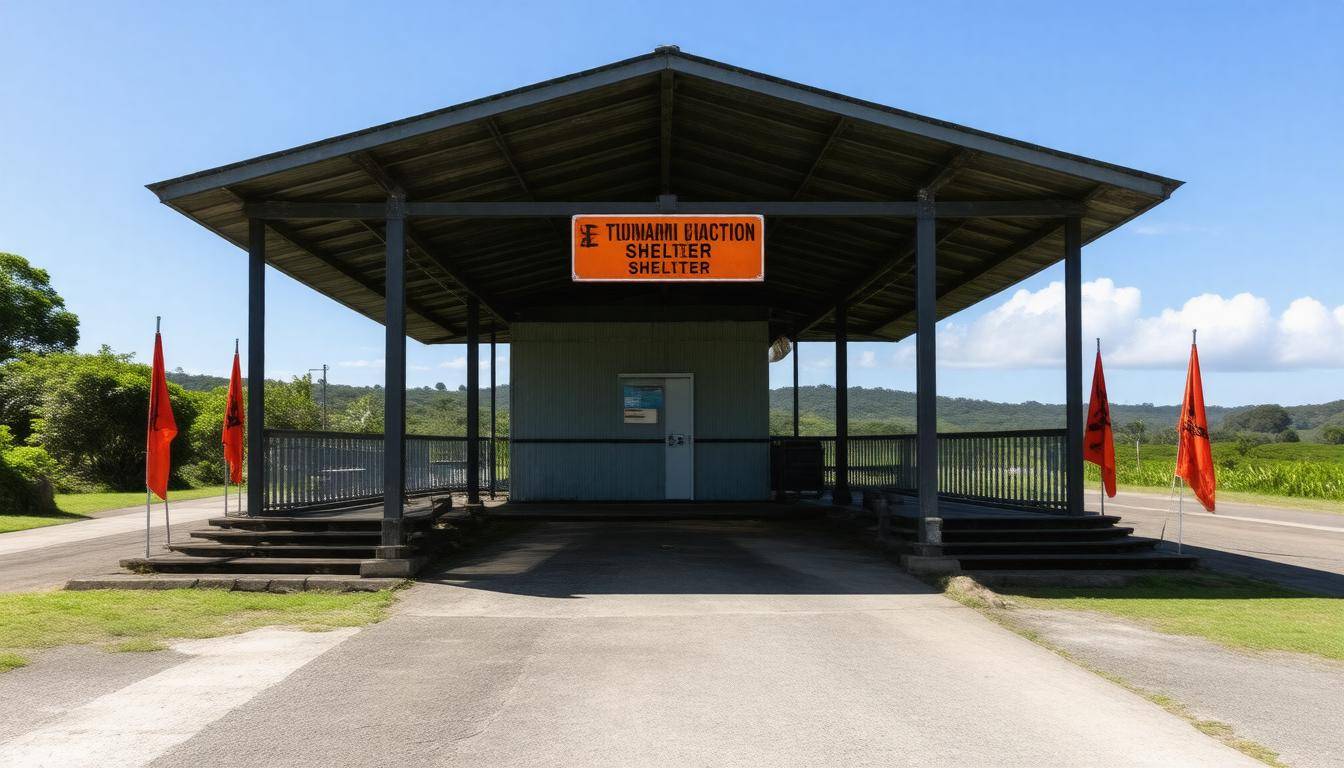
Well-maintained shelters can indeed save countless lives during a tsunami. These facilities serve as critical safe havens for communities living along the coastlines of Papua New Guinea (PNG). They protect residents from the immediate dangers posed by natural disasters, offering refuge during times of chaos and uncertainty. However, many of these designated evacuation sites require significant upgrades to provide adequate safety and comfort for those seeking refuge.
Current Status of Facilities
According to the PNG Disaster Management Office, there are approximately fifty designated evacuation shelters located throughout coastal provinces. While this number offers a crucial layer of preparedness, the reality is that many of these shelters remain inadequately equipped for emergencies. Issues such as poor structural integrity, insufficient supplies, and limited accessibility for vulnerable populations like the elderly or disabled often plague them.
This gap in readiness can create dire consequences when a disaster strikes. Imagine a family rushing to one of these shelters only to find it overcrowded or lacking essential supplies like food, water, and medical kits. Such scenarios remind us that quantity doesn’t always equal quality when it comes to disaster preparedness.
Improvement Measures
To bolster our evacuation response, constructing well-designed, multi-story shelters is paramount. These structures can accommodate more people while being outfitted with necessary amenities like food supplies and medical kits that ensure sustainability in times of crisis.
For instance, countries like Japan have successfully implemented multi-story tsunami shelters that cater not just to short-term safety but also address medium-term needs during an emergency—such as nutrition and health care. Their design incorporates compact living spaces alongside robust engineering to withstand tsunami forces. Adapting a similar model could prove beneficial within PNG’s geographical and socio-economic context.
As critical as physical structures are, however, they’re only part of the equation. The strength of evacuation setups ultimately rests on community preparedness initiatives.
By actively involving local stakeholders in disaster planning and response protocols, we can empower communities both physically and mentally. This fosters trust and ensures everyone knows their role when it becomes necessary to evacuate.
Through shared responsibility and collaboration, PNG can improve the efficacy and reliability of its tsunami evacuation plans, providing safer spaces for its citizens during their most vulnerable moments. Regular training exercises using realistic disaster scenarios will help citizens become familiar with logistics surrounding these shelters, creating a culture where preparedness becomes second nature.
Community Preparedness Initiatives
Active community involvement enhances tsunami preparedness, significantly contributing to the resilience of local populations. One prime example involves grassroots programs designed to empower communities directly in their response strategies. These programs, such as the “Safer Coastlines” initiative, focus on training local residents to recognize evacuation routes and conduct regular preparedness drills. Engaging in these drills not only prepares individuals physically, but also fosters a strong sense of solidarity among community members.
Local leader Josephine Komang noted, “Our drills make us feel more prepared and unified,” indicating the deep-seated benefits that come from community engagement and training.
Grassroots Programs
The importance of grassroots programs cannot be overstated. They create a platform where community members learn immediate actions during a tsunami and develop lasting bonds with their neighbors. For instance, sessions may include navigating evacuation routes, understanding warning systems, and recognizing natural versus technological hazards. Each drill reinforces awareness and responsiveness while allowing community members to share their experiences and strategies with one another. This collective knowledge ultimately creates a well-versed population capable of acting quickly during actual emergencies.
Moreover, expanding these initiatives to educate youth further solidifies community preparedness.
Educating and Engaging Youth
Incorporating tsunami education into school curriculums is instrumental for ensuring that even the youngest residents know how to respond during emergencies. Schools should develop specialized programs that cover vital topics such as recognizing warning signs of impending tsunamis and understanding safe evacuation procedures. Such education would enable children not only to protect themselves but also equip them to guide family members during crises.
Annual drills held at schools would strengthen this educational approach by providing students with firsthand experience in following evacuation protocols. Imagine a scenario where a child is playing near the beach with friends; if they’re armed with the knowledge of what sounds or signals indicate danger, they can lead their peers to safety—this can be impactful! By teaching students about tsunamis engagingly, educators can instill lifelong skills critical in real-life situations.
Intertwining grassroots education initiatives with youth engagement forms a holistic approach to community preparedness. Continuous efforts directed towards robust training programs equip communities against the unpredictability of natural disasters while fostering unity and strengthening ties among residents.
As we explore how these proactive measures yield tangible benefits, it becomes crucial to examine frameworks for effective immediate responses in times of crisis.
Immediate Response Protocols
When the warning sirens wail and the news flashes alerts of an impending tsunami, time becomes incredibly precious. Every second counts. The first step for anyone in a potential tsunami impact zone is to move swiftly to higher ground. Ideally, this means ascending at least 100 feet above sea level. If reaching a safe elevation isn’t possible, head directly toward the nearest designated shelter; these locations are marked and provide protection during such emergencies.
It’s imperative to remain calm and avoid using vehicles, as frantic efforts to drive away can lead to significant traffic jams. Cars can transform what should be a fluid evacuation into chaos, preventing timely departures that could save lives. Instead, choose to walk or run if it’s manageable.
Once you’ve relocated to safety, stay indoors if you’re in a sturdy building. Make sure doors and windows are secured against the elements. If you’re outside when the waves strike, quickly assess your best course of action: grasp a robust object or structure and anchor yourself firmly to avoid being swept away by powerful currents.
Preparation does not end once you’ve reached safety—it’s crucial to commit these practices to memory long before disaster strikes.
While you’re safeguarding against immediate threats, remember that local authorities will be working tirelessly on evacuation protocols, emergency services, and information dissemination. Understanding these systems is invaluable for community members as they provide logistical support and peace of mind knowing help is on the way.
Another important element arises as the skies clear. Post-tsunami conditions demand constant vigilance regarding aftershocks or additional warnings. Adhere strictly to government advisories and proactively communicate with family and neighbors about relocation plans or updates. The strength of community lies in collaboration—your preparedness can lead to collective safety during times of crisis.
Staying informed about post-tsunami procedures ensures safety while contributing to community recovery efforts enhances resilience and fosters unity among those affected.
Government and Local Efforts
The collaboration between national and local efforts in Papua New Guinea creates a robust framework for tsunami preparedness. For instance, the National Disaster Centre (NDC) plays a critical role by orchestrating nationwide strategies aimed at disaster risk reduction. Their work involves partnerships with international organizations like the US Geological Survey (USGS) to harness advanced technology, focusing on real-time data collection and innovative hazard mapping techniques. This collaboration provides invaluable resources that empower both government and communities in tackling the challenges posed by tsunamis.
Government Initiatives
Beyond just technology, the government’s commitment extends to educational programs aimed at raising public awareness about tsunami risks. Training sessions are held regularly, educating citizens on what to do before, during, and after a tsunami event. These programs stress the importance of drills and simulations so that when faced with an actual emergency, people can respond swiftly and calmly. It’s one thing to know what to do theoretically; it’s another to practice it under pressure.
However, the strength of these initiatives relies heavily on local authorities and their effective implementation on the ground.
Local Government Role
Local councils play an instrumental part by enforcing building codes designed to increase structural integrity against tsunamis. They ensure that newly constructed buildings meet stringent standards, which saves lives during disasters. Additionally, local government bodies prioritize the construction of seawalls in high-risk areas, serving as vital barriers that protect vulnerable coastlines from waves. These structures not only offer immediate protection but also foster a sense of safety among residents.
The effectiveness of these local government actions can be seen vividly when communities engage actively in discussions about risks and solutions tailored to their specific vulnerabilities.
Yet, while government efforts create frameworks and security measures, bolstered evacuation plans represent the next crucial step towards overall community safety.
Every successful evacuation plan must incorporate input from both government officials and community members who understand their own needs best. When locals have a say in how evacuation procedures are structured—what routes are safest and where they can gather during emergencies—the plan becomes inherently more effective. Furthermore, establishing clear communication channels ensures that information travels quickly during emergencies, maximizing the chances of a safe outcome for all. Regular drills involving local populations help cement these plans into everyday awareness—making readiness second nature.
As we review these safety measures and community involvement, it’s essential to consider how further enhancements can strengthen the existing evacuation strategies.
Enhancements to Evacuation Plans
Improvements in evacuation strategies can drastically reduce casualties. Inevitably, maintaining a focus on safety requires a keen awareness of current shortcomings and a commitment to implementing practical solutions. One glaring issue is the lack of clearly marked evacuation routes in many coastal regions. A 2024 study revealed that over 30% of these areas suffer from ineffective signage and poorly planned escape paths. This lack of preparedness could spell disaster, especially if residents aren’t equipped with the necessary knowledge to navigate their way to safety during a tsunami or similar emergency situation.
Take, for instance, a recent BBC report, which highlighted the confusion during drills in provinces like East Sepik. Residents often found themselves completely lost due to outdated maps and unclear instructions. Imagine standing there as the clock ticks down, struggling to decipher convoluted directions while panic begins to set in. Such experiences underscore the urgent need for comprehensive updates to evacuation protocols.
In light of this pressing need for improvement, we must turn our attention towards specific enhancements tailored to better prepare communities for potential evacuations.
Current Shortcomings
The aforementioned study about evacuation routes not only identifies gaps in physical infrastructure but also emphasizes communication failures during crisis drills. For example, many participants felt unprepared because they lacked knowledge about alternative exit routes or assembly points.
Thus, it’s essential for emergency management teams to engage in regular updates to both evacuation maps and the installation of visible signage throughout at-risk zones. Imagine bright, clear signs guiding individuals toward safe areas instead of them floundering in uncertainty amid chaos.
Suggested Improvements
To augment these efforts, practice simulations should involve all demographics within a community, ensuring that the evacuation drill accounts for everyone’s unique needs—particularly those with disabilities or the elderly who may require additional assistance. Scheduling regular training sessions that are tailored for various community segments would enable everyone to participate actively and ensure that no one is left behind in an emergency.
Fostering strong community ties and enhancing preparedness through education and practical drills will create an environment where individuals feel confident they can protect themselves and their loved ones during a crisis.
As we consider these vital enhancements to evacuation plans, it’s crucial to examine how educating the public plays a fundamental role in building resilience against natural disasters.
Educating the Public on Tsunami Safety
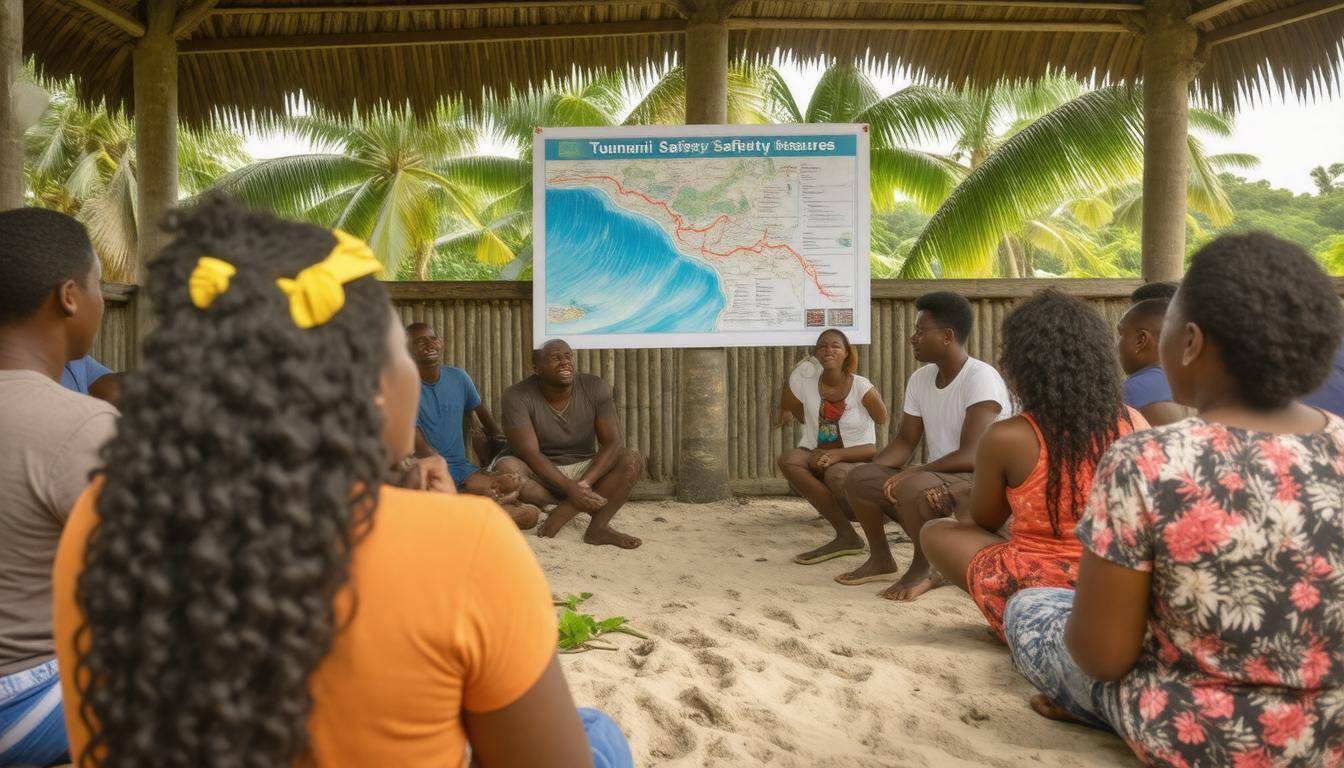
Public education is the cornerstone of effective disaster preparedness. When it comes to ensuring the safety of communities prone to tsunamis, understanding necessary protocols and responses can make all the difference. With 70% of Papua New Guinea’s population living in coastal areas, enhancing public knowledge isn’t just beneficial—it’s essential for saving lives when disaster strikes.
Methods of Education
One of the most effective ways to spread awareness about tsunami safety is by utilizing multi-platform methods that reach people wherever they are. Imagine a community where information flows seamlessly through social media, radio broadcasts, and community meetings. Schools also play a crucial role; offering education through curriculums ensures even younger generations understand what steps to take during an emergency.
A wonderful initiative is Tsunami Awareness Month in November, encouraging collaboration among NGOs, schools, and local authorities to educate masses about potential tsunami threats. This month-long program can include workshops, educational materials, and even simulations of evacuation procedures to solidify learning. The goal is clear: equip every community member with the knowledge they need when faced with an unexpected crisis.
Impact of Education
The impact of these educational efforts can be significant. Post-program surveys reveal that communities with higher levels of awareness show a reduction in evacuation times by up to 40%. This swift response can mean the difference between safety and tragedy. Local resident Maria Keve powerfully articulated this sentiment when she said, “Being informed gives us peace of mind; therefore we feel safer and more prepared.” Her experience mirrors that of many who recognize that education empowers them during crises.
Utilizing this foundational knowledge in daily life strengthens not only individual safety but also that of entire communities. It’s crucial to foster an environment where everyone understands their roles and responsibilities during emergencies, leading to quicker decision-making amid chaos.
To enhance preparedness efforts within affected regions, it’s recommended to implement several key strategies:
-
Implement clear evacuation signs throughout vulnerable areas.
-
Conduct regular community drills that simulate actual tsunami events to prepare residents.
-
Ensure vulnerable populations receive focused aid, considering they may face additional barriers during emergencies.
-
Update and disseminate hazard maps frequently so everyone knows current risk areas.
By embedding these practices into community norms, public education transforms from mere information sharing into a proactive culture of preparedness. Every effort counts as we work together to protect lives against natural disasters like tsunamis.
In conclusion, fostering a knowledgeable community not only enhances individual readiness but also fortifies collective action during emergencies. The future safety of Papua New Guinea hinges on these initiatives taking root effectively.