
In times of uncertainty, maintaining a nutritious diet can feel like a challenge, especially for vegetarians. What happens when your usual grocery run is disrupted? Having a well-planned emergency food supply specifically tailored to meet vegetarian needs can provide both nourishment and peace of mind during difficult times. Imagine facing an unexpected situation and knowing that you have hearty meals waiting at home—this is more than just prepping; it’s about caring for yourself and loved ones in every circumstance. This article walks you through how to build an effective 2-month vegetarian emergency food plan that covers all bases—from essential staples to meal planning strategies—ensuring that you’re not only prepared but also satisfied with each bite.
A 2-month vegetarian emergency food supply plan should include long-lasting staples such as rice, beans, lentils, and pasta, along with freeze-dried fruits and vegetables to ensure balanced nutrition. Additionally, consider incorporating non-perishable snacks like protein bars and ensuring you have a cooking method available, such as a camping stove, for preparing your meals during emergencies.
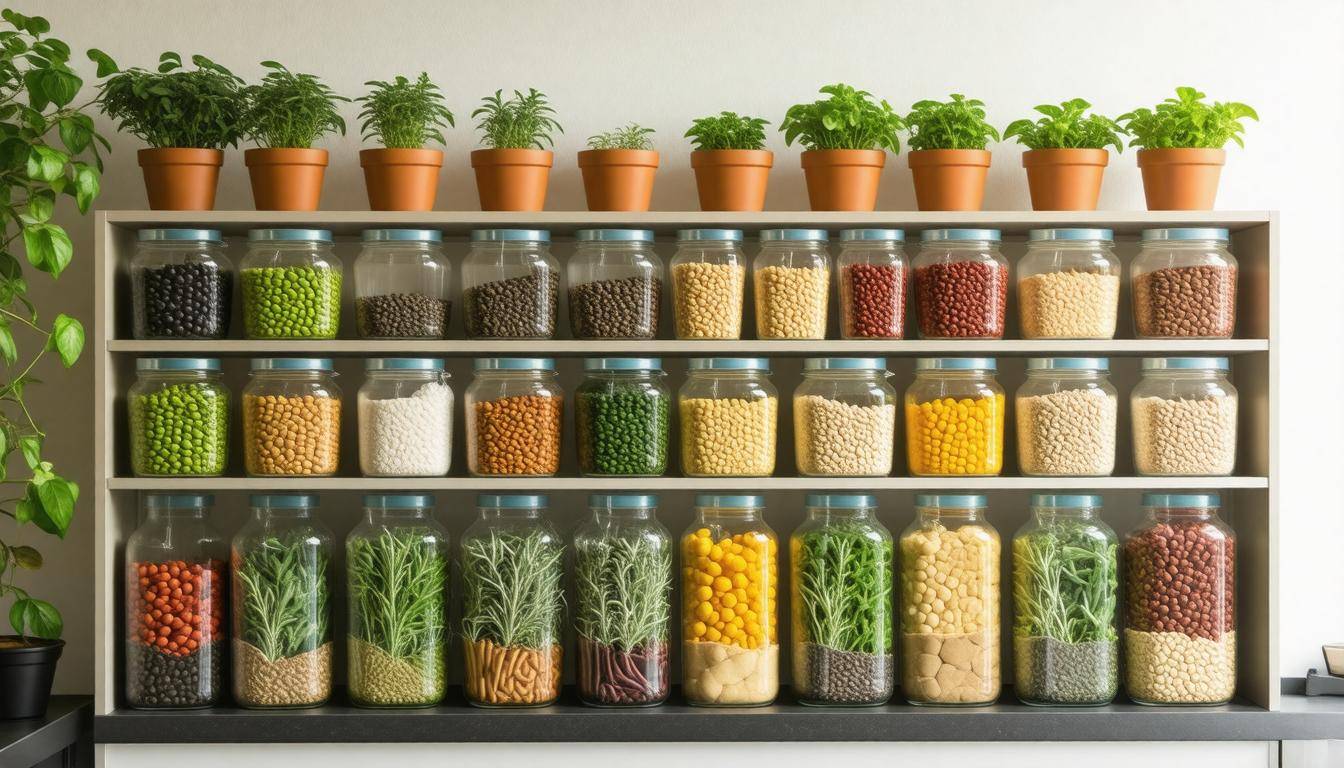
Planning Your Vegetarian Emergency Food Supply
Start by assessing your family’s unique dietary needs.
Calculating your daily caloric requirements is the first step, and it’s vital to tailor this based on various factors such as age, gender, and activity level. On average, adults require 2,000 to 2,500 calories per day; however, if you engage in regular physical activities or have specific health concerns, you may need even more. This initial assessment allows you to understand how much food you’ll need for emergencies.
Once you’ve calculated caloric needs, it’s time to think about nutritional diversity.
Assessing Dietary Needs
A well-rounded vegetarian supply should encompass a variety of food groups. It’s crucial to include an assortment of grains—like rice, quinoa, and oats—alongside legumes such as beans, lentils, and chickpeas. These staples not only provide adequate calories but also deliver essential nutrients like protein and fiber. However, relying solely on these basic items can lead to boredom (or worse, nutrient deficiencies) if you find yourself in an extended emergency.
Therefore, understanding the importance of variety cannot be overstated.
Ensuring Nutritional Variety
To prevent nutrient deficiencies during prolonged periods without fresh food access, think expansively about your pantry.
Besides your grains and legumes, add a colorful array of fruits and vegetables—preferably freeze-dried or dehydrated options that maintain their nutritional content while boasting long shelf lives. Don’t forget healthy fats; keep nuts or nut butter and seeds handy to further diversify nutrition sources.
Aim for a balanced macronutrient ratio when planning your food stocks: approximately 50% carbohydrates, 30% fats, and 20% protein. This balance helps ensure that your meals are satisfying and nourishing.
Additionally, consider integrating dietary supplements such as Vitamin B12 to address any potential shortfalls in your vegetarian diet since plant-based diets can sometimes lack sufficient amounts of certain critical vitamins. This approach fills any gaps left by non-perishable food choices.
Lastly, remember that preparing for an emergency isn’t just about what food you store; it’s also about how you prepare it.
For instance, plan for cooking methods that require minimal resources. In emergencies where power may be limited, a camping stove can work wonders for meal preparation, allowing you to cook dried beans or grains efficiently. Keep in mind too that having ready-to-eat snacks like protein bars or nut mixes provides instant nourishment without requiring any preparation at all.
With this comprehensive planning, you’ll ensure that you’re ready for unforeseen circumstances while enjoying nutritious plant-based meals.
The next step involves identifying the must-have ingredients necessary for sustaining a well-rounded diet over the course of two months.
Essential Items for a 2-Month Supply
When assembling a vegetarian emergency food supply, prioritizing non-perishable items that are not only nutritious but easy to prepare is crucial. Let’s explore the specifics of what you should stockpile to ensure that you have a variety of meals at your fingertips.
-
Grains: A solid base for any meal, grains provide essential carbohydrates and can be quite filling. Aim for approximately 50 lbs of rice for versatility, followed by 20 lbs of quinoa for added protein, and around 25 lbs of oats that can serve as both a breakfast option and baking ingredient. These grains can last a long time when stored properly in airtight containers.
-
Legumes: Rich in protein and fiber, legumes are indispensable for a vegetarian diet. Stock up on about 30 lbs of assorted beans—think black, pinto, and kidney beans—alongside 20 lbs of lentils that cook quickly and easily. Don’t forget about chickpeas; around 15 lbs will allow you to make delicious hummus or toss them into salads.
-
Nuts and Seeds: These provide healthy fats and keep hunger at bay. Consider including 10 lbs of mixed nuts for snacking, along with 5 lbs each of chia seeds and flaxseeds, perfect for adding nutrients to smoothies or oatmeal.
-
Canned Goods: Canned vegetables offer convenience and are great to include with main dishes or sides. Aim for about 40 cans of assorted veggies like corn or green beans, paired with 20 cans of fruit such as peaches or pears for natural sweetness. Having around 20 cans of soups can also add variety to your meals during emergencies.
-
Oils and Fats: Essential not just for cooking but also for enhancing flavors in your meals, store around 2 gallons of olive oil alongside 10 lbs of coconut oil. These oils have long shelf lives and play a key role in preparing various dishes.
-
Supplements: To ensure you’re getting all necessary nutrients during an emergency, don’t overlook vitamin supplements—specifically multivitamins and B12 (important for vegans). This ensures you’re covering the gaps that might occur with limited dietary options.
-
Spices and Condiments: Flavor can make even the simplest meals enjoyable! Include essentials like salt, pepper, dried herbs (like oregano or basil), garlic powder, and soy sauce to season your dishes effectively.
By stocking these essential items, you’re setting yourself up not just for sustenance but also comfort during uncertain times.
As you build your supply, remember to check expiration dates regularly to ensure that all items remain viable when you need them most. Additionally, considering the storage conditions is important; keep items in a cool, dry place away from sunlight to extend their shelf life further.
With this comprehensive guide on essential items set in place, we now turn our attention to effective methods for selecting quality ingredients that will enhance your emergency food options.
Dried Foods and Canned Goods Selection
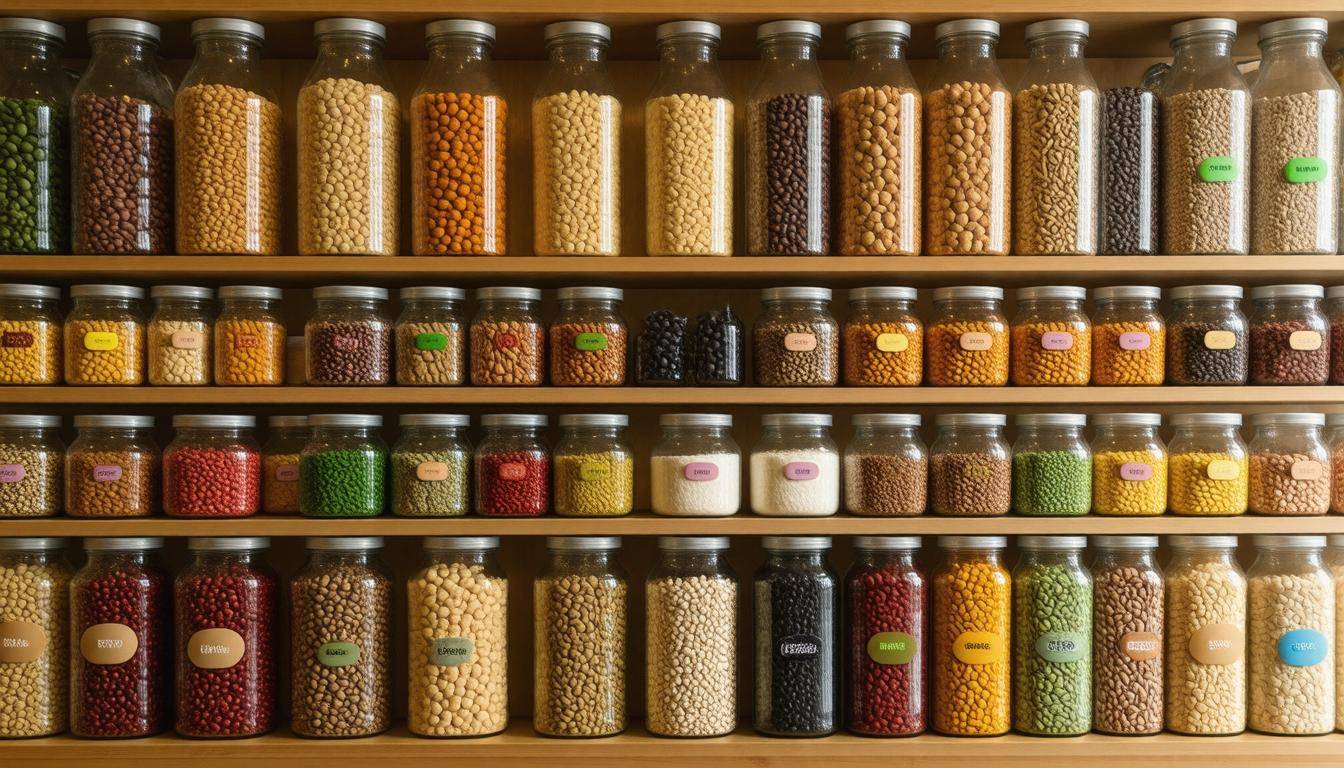
Dried foods and canned goods serve as the backbone of any emergency food supply because they offer long shelf lives and pack essential nutrition into lightweight packages. Think of dried foods as concentrated powerhouses of nutrients. Dried fruits like apricots or apples provide quick energy and are rich in vitamins, while nuts can add healthy fats and protein to your diet. For example, dried banana chips can last up to a year if stored properly, making them not only delicious but also a fantastic source of potassium necessary for bodily functions.
Selecting high-quality dried foods means considering variety too. Items like whole grains—think quinoa, rice, or oats—are not just nutritious but also versatile. They can serve as the base for many meal types when combined with beans or vegetables.
Now let’s explore canned goods, which complement dried foods remarkably well.
Canned goods are vital for any vegetarian emergency food supply, providing essential proteins and vitamins when fresh options aren’t available. Opting for low-sodium canned beans and vegetables helps maintain health standards by preventing excessive salt intake, while still giving you hearty meals that are easy to prepare. Beans, in particular, are excellent sources of plant-based protein and fiber—and thanks to their canning process, they have a lengthy shelf life ranging from 2-5 years.
| Type of Food | Examples | Shelf Life |
|---|---|---|
| Dried Fruits | Apricots, Apples, Banana Chips | 1 year |
| Nuts | Almonds, Walnuts | 1 year |
| Whole Grains | Quinoa, Brown Rice | 2 years |
| Low-Sodium Canned Veg | Green Beans, Peas | 2-5 years |
| Canned Beans | Black Beans, Chickpeas | 2-5 years |
Together, these dried foods and canned goods provide numerous opportunities for creativity and flexibility in meal preparation during emergencies.
Furthermore, an added benefit of maintaining a well-rounded selection of these staples is their ease of use. With just a few ingredients on hand—like some dried grains and canned beans—you can whip up nourishing meals with minimal effort. For instance, combine cooked quinoa from your pantry with canned tomatoes and spices for a comforting yet nutritious dish that feels both hearty and satisfying. The focus should remain not solely on storage time but on ensuring that each selected item contributes toward a balanced diet—even in times of crisis.
By selecting nutritious dried foods and low-sodium canned goods consistently, you ensure that your emergency supply remains both viable and beneficial to your overall health.
In preparing thoroughly for emergencies, it’s equally important to consider your water resources and how you’ll store them effectively to sustain yourself.
Water Storage and Alternative Sources
Water is essential for survival, especially during emergencies when access to fresh water might be compromised. It’s recommended to store at least one gallon of water per person per day. This means that for a two-month supply, you’ll need about 60 gallons per person! Storing that much water can take up quite a bit of space, which can pose a challenge. Therefore, it’s important to consider your storage solutions thoughtfully.
Safe Water Storage
A good strategy for storing water involves using clean, food-grade containers. You can repurpose old bottles or purchase specialized water storage barrels. Make sure whatever container you choose is clearly labeled as food-safe. When filling these containers, it’s best to use tap water that has been treated with chlorine or purchased bottled water to ensure safety and longevity.
Keeping your stored water in a cool, dark place will help preserve its quality. Sunlight and heat can encourage the growth of bacteria and algae.
Additionally, it’s wise to rotate your water supply every six months to keep it fresh. By periodically refreshing your stock, you avoid stale or contaminated water, ensuring that you’re always ready should an emergency arise.
Now that we’ve covered proper storage techniques, let’s discuss alternative sources of water if your supplies run low or are compromised.
Alternative Water Sources
In addition to storing water, having options for purification is key in disaster scenarios where municipal water sources may become contaminated or unavailable. Investing in water purification systems, such as filters and tablets, can provide peace of mind while saving you from potential health risks.
For instance, purification tablets are small yet powerful tools that can treat large quantities of questionable water. These packets typically contain chlorine dioxide which effectively kills bacteria and removes harmful protozoa without leaving any aftertaste. Another fantastic option many people rely on is the LifeStraw. This handy device allows individuals to drink directly from streams or lakes by filtering out harmful contaminants as you sip.
Imagine being in a predicament where your stored water runs out but you still have access to natural sources nearby; here’s where the LifeStraw shines. Instead of panicking about safely hydrating yourself, just fill it from that stream – the straw does all the hard work!
Diversifying your hydration methods enhances your preparedness and assures that you’ll have access to safe drinking water under various circumstances. Remember: Staying hydrated is more than just quenching thirst; it’s a vital element of health and survival during emergencies.
As we move forward, let’s explore how to create meals that not only satisfy nutritional needs but also align perfectly with emergency preparedness plans.
Balanced Meal Planning Tips
Proper meal planning ensures that your diet remains balanced even in emergency situations, safeguarding your health when access to fresh food may be limited. To begin, it’s essential to understand the caloric needs of each individual in your household. This knowledge helps you allocate portions of your stored food according to your daily requirements—typically ranging from 1,800 to 2,500 calories for adults, depending on factors like activity level and overall health.
As you map out your meals, consider diversifying your options to avoid boredom. A few easy-to-prepare dishes can help keep your taste buds cheerful while nourishing your body at the same time.
For example, rotating between rice, bean chili, lentil soup, and quinoa salad throughout the week provides a good mix of flavors and textures while ensuring a varied nutrient intake. After all, variety isn’t just the spice of life; it’s critical for maintaining an appetite during tough times.
However, simply switching meals isn’t enough—nourishing balance is the key.
Creating a Meal Plan
Each meal should ideally contain a source of grains, proteins, and fats to maximize nutrition. Grains like brown rice and quinoa offer essential carbohydrates for energy while legumes such as lentils and beans serve as fantastic protein sources rich in fiber. To complete the dish, include a healthy fat source like olive oil or nut butter. This type of nutritional balance is important not only because it provides sustained energy but also helps you feel satisfied after every meal.
Consider this approach: if one day features a quinoa salad loaded with vegetables and a drizzle of olive oil for lunch, pair it with hearty lentil soup for dinner alongside whole-grain bread. The next day could switch gears completely—try white bean chili served with cornbread! The continual cycling of different meals helps ensure that each member of the household receives proper nutrients while keeping mealtime interesting.
Lastly, don’t forget about tracking your pantry items as you plan the meals.
Tracking Your Supplies
A simple strategy known as “rotating stock” ensures that older items get consumed before newer ones are purchased. Keeping an inventory will simplify both grocery shopping later on and assist in managing what’s available during an emergency event. You wouldn’t want to find yourself with a supply of canned goods nearing their expiration date while you still have plenty of stockpiled non-perishable fruits sitting unused!
Effective meal planning truly gives you peace of mind knowing that you’re equipped with nutritious food supplies that cater collectively to everyone’s needs—even when halfway around the world, nature might strike without warning.
Armed with these meal planning insights, let’s explore some enjoyable recipes you can create with these supplies!
Delicious and Simple Recipes
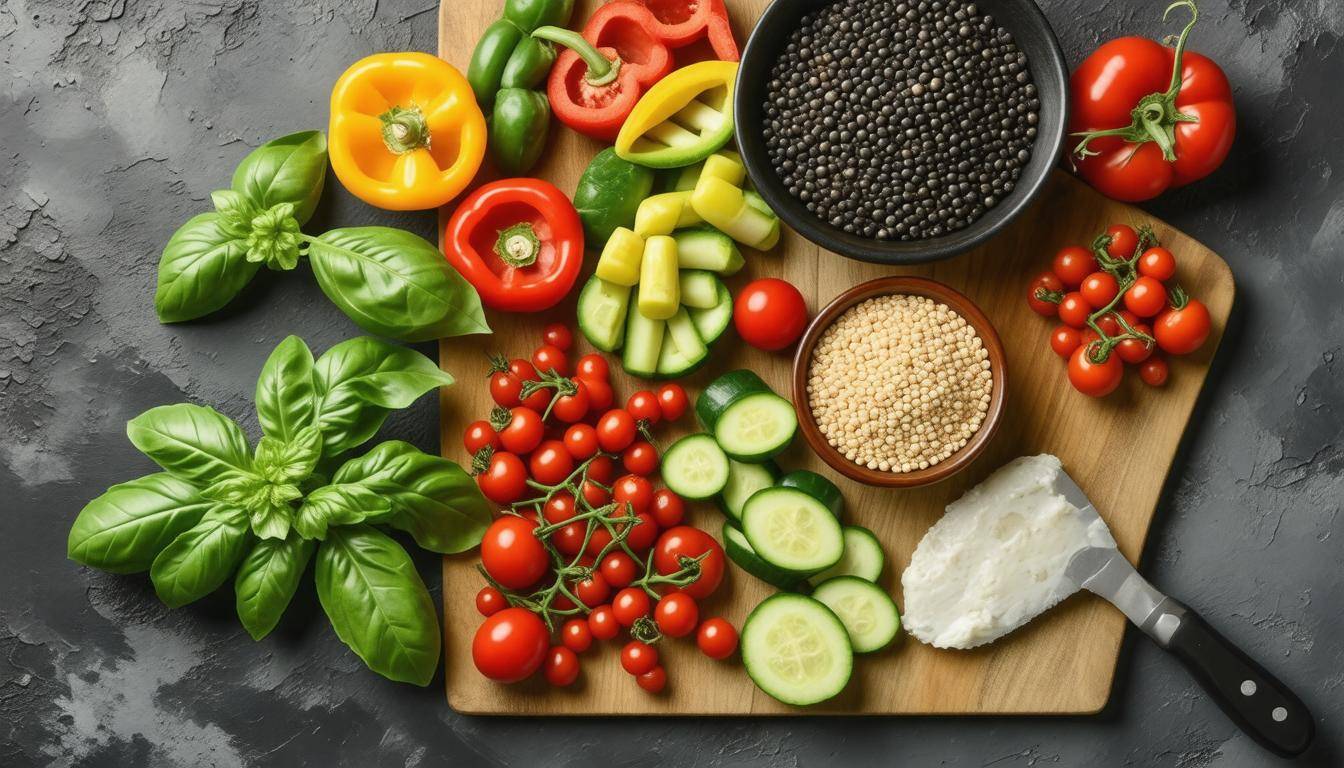
Even in the midst of a crisis, enjoying satisfying meals is possible with a bit of creativity. Cooking with pantry staples not only nourishes the body but also uplifts the spirit. The recipes below utilize the essential food items from your emergency supply list, proving that even the simplest ingredients can yield delightful dishes.
Recipe 1: Quinoa and Bean Salad
This Quinoa and Bean Salad is a fantastic option, particularly because it features high-protein ingredients. To prepare it, start with one cup of cooked quinoa and toss in one cup of drained and rinsed canned black beans. Then, add one can of corn and one diced bell pepper for color and crunch. Drizzle in two tablespoons of olive oil and a squeeze of fresh lime juice—if you happen to have fresh limes on hand—along with salt and pepper to taste.
Mix everything together for a nutritious dish that you can serve as a main meal or a hearty side. The beauty of this salad lies in its versatility; feel free to customize it by adding any leftover veggies or spices you might have stashed away.
Now that you’ve crafted this vibrant salad, let’s spice things up with another comforting dish.
Recipe 2: Spicy Coconut Lentil Soup
If you’re craving something warm and nourishing, the Spicy Coconut Lentil Soup is the perfect remedy. Start by gathering two cups of red lentils, which provide an excellent source of protein and fiber. In a pot, sauté one diced onion and two minced cloves of garlic until fragrant.
Next, add the lentils to soak in those flavors before pouring in one can of coconut milk, which introduces richness that elevates the soup’s taste immensely. Stir in one tablespoon of curry powder, along with salt and pepper according to your preference. Let it simmer until thickened—typically about 20-30 minutes—and enjoy the warm, comforting flavors that embrace your senses.
With these recipes in hand, dinners during emergencies need not be bland or unexciting; they can spark creativity while addressing necessity, setting the stage for exploring ingredients that store well over time.
Long Shelflife Ingredients
Certain foods stand out not just for their taste, but for their remarkable ability to withstand the test of time when it comes to shelf life. These long-shelf-life ingredients can eliminate the worry of spoilage during unpredictable times. For anyone looking to create a robust vegetarian emergency food supply, these staples become essential allies in maintaining both nutrition and peace of mind.
Examples of Long-Shelf-Life Foods
Take honey, for instance. This golden nectar can practically last forever if stored correctly—think about it, archaeologists even find thousands-year-old honey in ancient tombs that are still edible! Its natural composition prevents bacteria from growing, making it a fantastic natural sweetener for recipes or simply a way to add energy on-the-go.
Then there’s white rice and dried pasta. When sealed in Mylar bags with oxygen absorbers, these pantry staples can last up to an astonishing 30 years! Imagine having a durable source of carbohydrates at your disposal. Such longevity makes them invaluable for any emergency stash. Their versatility allows you to whip up hearty meals, whether combined with legumes for protein or served alongside vegetables.
To illustrate further, think about properly storing these items: utilizing containers that minimize exposure to air is crucial. Vacuum sealing not only prolongs their shelf life but also keeps pests at bay.
Don’t overlook dehydrated fruits and vegetables either—they retain many nutrients and flavor while being lightweight and compact. When properly packaged, they can last for years while providing essential vitamins during emergencies.
I always think back to the abundance of freeze-dried fruit snacks when camping; those charming little packs might seem like dessert options, but they also pack quite the punch when you need quick energy!
Armed with this knowledge about long-lasting staples, you’re now ready to explore how to effectively organize your supplies for optimal preparedness.
Preparing Your Emergency Kit
When it comes to readiness for unexpected events, a comprehensive emergency kit goes far beyond food. It acts like your lifeline, containing essential tools and supplies that can make a significant difference in challenging situations. Assembling this kit might feel daunting at first, but breaking it down into manageable parts simplifies the process. The primary goal here is to create a well-rounded collection of items that will keep you safe, nourished, and comfortable during emergencies.
Items to Include
-
Cooking Equipment: You’ll want portable cooking solutions that won’t weigh you down. A compact stove paired with lightweight pots and pans will be invaluable when preparing meals. Utensils are crucial as well—imagine trying to eat soup without a spoon! Consider including collapsible bowls for ease of storage.
-
First Aid Kit: This is not just a suggestion; having a first aid kit on hand is vital. Your kit should include basics like bandages, antiseptic wipes, and pain relievers. Including personal medications is crucial too; you never know when you might need them. Don’t forget a manual with CPR steps or basic first aid procedures—it could really save the day.
-
Sanitation Supplies: Hygiene might be the last thing on your mind during an emergency, but it’s essential for both health and morale. Pack soap, hand sanitizer, and disinfecting wipes to maintain cleanliness. In tough times, being able to wash your hands can greatly reduce stress and prevent illness.
-
Tools: A multi-tool can serve countless purposes—think of it as your mini toolbox ready for action. Ensure your flashlight has extra batteries; you’ll be thankful for light during those pitch-dark nights when the power is out.
-
Personal Items: Comfort plays a vital role in maintaining mental health during stressful periods. Stock extra clothes suited for various weather conditions and pack warm blankets along with hygiene essentials such as toothbrushes and toothpaste—we all deserve to feel our best no matter what’s happening around us.
Remember that quality matters: Take the time to choose good-quality items that you can rely on when you need them most because being prepared goes beyond just having items on hand; it’s about ensuring they work effectively when put to the test.
Regularly reviewing and rotating stocked items can also ensure your supplies remain fresh and functional—dates on food products can sneak up on you if you’re not careful! Being proactive about your kit elevates your preparedness level significantly while also giving you peace of mind. Above all, tailor your kit according to your specific needs and family size, so everyone feels catered for during any unforeseen circumstance.
In an ever-changing world, establishing a robust emergency kit can provide reassurance amidst chaos and uncertainty. Taking these steps is not just preparation; it’s an investment in your safety and well-being.
What types of vegetarian foods are best suited for long-term storage?
The best vegetarian foods for long-term storage include beans, lentils, whole grains (such as rice and quinoa), dehydrated fruits and vegetables, and nut butters. Beans and lentils are high in protein and can last up to 30 years when stored properly. Whole grains offer essential nutrients and dietary fiber, often lasting up to 10 years. Dehydrated fruits and vegetables retain vitamins while taking up minimal space, making them ideal for emergency supplies. According to USDA guidelines, these foods not only provide sustenance but also encourage a diverse diet during times of need.
How can I ensure my vegetarian emergency food supply remains nutritious over two months?
To ensure your vegetarian emergency food supply remains nutritious over two months, focus on incorporating a diverse range of dehydrated or freeze-dried foods that are high in protein, vitamins, and minerals, such as beans, lentils, quinoa, nuts, seeds, and dried fruits. Aim to include at least 5 serving types per week to maintain a balanced diet and prevent nutrient deficiencies; for instance, a varied diet can reduce the risk of deficiencies in iron and vitamin B12 by up to 30%. Additionally, store the supplies in a cool, dark place in airtight containers to preserve their nutritional quality throughout the two-month period.
How should I organize and rotate my emergency food supply to avoid spoilage?
To effectively organize and rotate your vegetarian emergency food supply, follow the FIFO (First In, First Out) method—storing newer items behind older ones to ensure older products are used first. Keep an inventory list to track expiration dates, with the goal of using up items at least 6 months before their expiration. Statistics show that about 20% of prepared foods can go to waste if not properly managed, so regular checks and meal planning for your stored foods can help minimize spoilage and maximize nutritional value during emergencies.
What pantry staples should be included in a vegetarian emergency food plan?
A comprehensive vegetarian emergency food plan should include pantry staples such as canned beans, lentils, rice, pasta, quinoa, dried fruits, nuts, and nut butter. These items are not only shelf-stable but also provide essential protein and calories—critical for energy during emergencies. According to the USDA, a well-balanced diet containing legumes can help meet daily protein needs without meat; for instance, 1 cup of cooked lentils offers about 18 grams of protein. Additionally, incorporating a variety of spices and herbs can enhance the flavor and nutrition of your meals, making it easier to maintain morale during challenging times.
Are there any specific considerations for allergy-prone vegetarians when planning an emergency food supply?
Yes, allergy-prone vegetarians should carefully consider their emergency food supply to avoid allergens such as nuts, soy, or gluten. It’s essential to read labels thoroughly and choose products specifically labeled as allergy-friendly. According to the Food Allergy Research & Education (FARE), about 32 million Americans have food allergies, which highlights the importance of selecting safe options that meet individual dietary needs in an emergency situation. Keeping an inventory of allergies and cross-referencing it with food supplies can ensure safety and health throughout the emergency period.