
When planning a trip to South Sudan, one of the first things that come to mind is its breathtaking landscapes and vibrant cultures. However, nestled within this beauty are some serious climate challenges that every traveler and resident must face. Extreme heat and flooding aren’t just seasonal inconveniences; they pose real risks that can impact health, safety, and overall enjoyment. In this guide, we aim to equip you with essential information and practical tips to navigate these extremes effectively. From preparing for blistering summer days to staying safe during sudden floods, understanding how to adapt will help ensure your experience in South Sudan is not only memorable but also safe. Let’s dive in!
The South Sudan Extreme Heat & Flooding Guide offers essential insights into the country’s climate challenges, including the causes and effects of extreme heat and flooding, health risks, and practical safety recommendations for travelers. Additionally, it provides tips on how to manage risks while visiting the region, such as optimal travel periods, emergency supplies to pack, and advice from local authorities on navigating these extreme weather conditions.
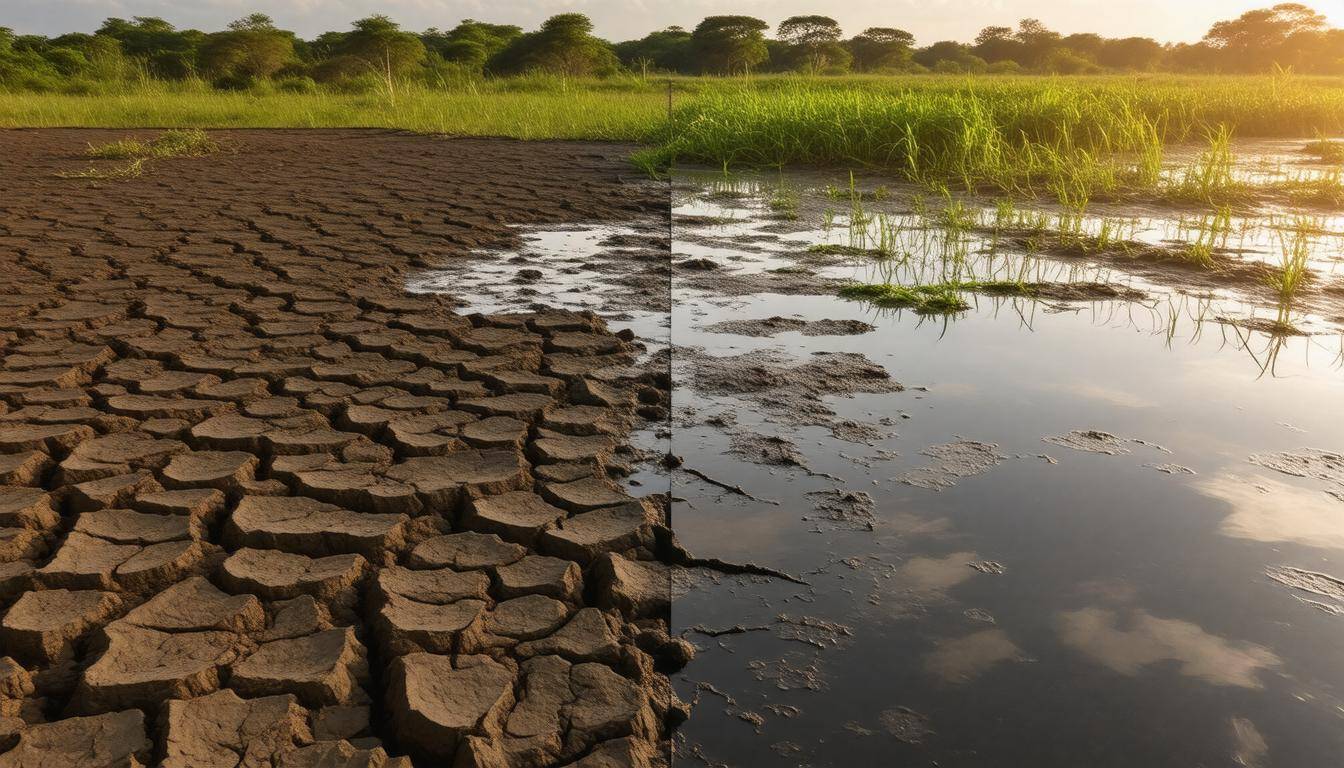
South Sudan’s Climate Extremes
As climate change alters weather patterns, the residents of South Sudan find themselves grappling with an environment characterized by both blistering heat and devastating floods. During the peak summer months, particularly in February and March, the intense heat can reach staggering heights of 42 degrees Celsius (107.6 degrees Fahrenheit). Imagine walking outside in those scorching conditions, where the sun feels like a relentless force bearing down on you. This extreme heat not only makes everyday tasks more arduous but also poses significant health risks such as heat exhaustion and dehydration.
With temperatures regularly soaring near 40°C (104°F), many areas face dire challenges when it comes to managing their daily water needs. Proper hydration becomes critical, yet access to clean drinking water is often limited amid this oppressive heat.
The juxtaposition of sweltering summers and torrential rainy seasons creates an alarming cycle for communities in South Sudan, where the annual rainfall from April through November leads to severe flooding. These rainy months wreak havoc, displacing approximately 1.8 million people every year as rising water levels inundate homes, crops, and essential infrastructure. Flooding brings a wave of destruction—homes are washed away, livelihoods lost, and food security threatened.
Statistics on Heat and Flooding
It’s vital to comprehend the scale of these climatic challenges. For instance, 640,000 South Sudanese returned home between April 2023 and October 2024, significantly stressing the humanitarian response already struggling under its weight. As these individuals attempt to rebuild their lives after displacement, they are faced with yet another hurdle: navigating extreme temperatures and potential flooding once again.
They now confront a precarious situation where their resilience is tested daily as they seek shelter from both the heat and the floods that follow. Safe housing is a luxury that many cannot afford during these crisis periods; thus, understanding how to deal with these extremes becomes essential.
Recognizing these challenges lays the foundation for actionable strategies to mitigate risks associated with extreme weather conditions. Transitioning into effective preparation will empower individuals and families to navigate these harsh realities head-on.
Preparing for Extreme Heat
Extreme heat can really take a toll on your health if you’re not prepared. The first line of defense is hydration. Drinking water isn’t just a suggestion; it’s a necessity in such sweltering conditions. Aim to increase your consumption to at least 3 liters per day, especially since dehydration can sneak up on you when the temperatures rise. To further assist with hydration, consider using rehydration salts; they’re invaluable for maintaining electrolyte balance when sweat flows freely under the scorching sun.
Alice Malokoon, a local resident, shared that her family effectively combats dehydration by whipping up homemade oral rehydration solutions (ORS) with simple ingredients like salt and sugar mixed in water. This proactive approach ensures their family’s hydration remains optimal even during those daunting heat waves.
While staying hydrated is crucial, adjusting your daily routine significantly contributes to your comfort and safety during extreme heat events.
Hydration Is Key
Try to schedule outdoor activities during cooler parts of the day, specifically early morning or late evening. These timeframes allow you to benefit from slightly lower temperatures while making your way through necessary errands or leisure activities. When venturing out, don’t underestimate the power of clothing; wear light, loose-fitting garments that promote airflow and shield your skin from the relentless sun.
Think cotton over polyester, as it tends to absorb sweat better, allowing for more effective cooling. Additionally, donning light-colored clothing can help reflect sunlight rather than absorb it, which is particularly important amidst the high humidity levels often experienced during South Sudan’s summer months.
Utilizing fans or air conditioning whenever possible can also provide much-needed relief. However, if those conveniences are unavailable, taking cool showers can be an alternative way to lower your body temperature effectively.
Lastly, always stay vigilant about recognizing symptoms of heat-related illnesses so that you can act quickly should they arise.
Modify Your Routine
Pay close attention to your body and be aware of symptoms such as dizziness, excessive sweating, rapid pulse, and nausea—all indicative signs of potential heat exhaustion or stroke. Addressing these situations promptly can mean the difference between a minor discomfort and a serious medical emergency.
It’s wise to maintain contact lists of local emergency numbers—whether for hospitals or community leaders—so you can access help immediately if needed during such high-risk periods.
Keeping these tips in mind will help you navigate extreme heat more safely and comfortably while living in or visiting South Sudan. Preparation and vigilance ensure you make the most of this beautiful region despite its challenging climate extremes.
As we transition to understanding the impact of flooding in this region, knowing how to manage both heat and water-related challenges is essential for ensuring safety and preparedness.
Coping with Flooding
Coping with flooding in South Sudan requires forethought and action. Given the possibility of rapid onset flooding during the rainy season, adopting proactive measures is essential to safeguard both your possessions and well-being. Imagine waking up to find the water level rising around your home; having a plan in place could save you from panic and chaos.
Elevate Important Belongings
One of the first steps you should take is to elevate important belongings. This isn’t just about saving that prized collection of family photos; prioritizing critical documents like IDs and medical records is key for a smoother recovery post-flood. If you have your essential paperwork elevated—or better yet, stored in waterproof containers—you are one step ahead. John Deng from Bor confirms this approach, saying, “It saved us a lot of hassle when our home got flooded last year.” His experience highlights that secure preparation is crucial.
Keep a list of emergency contacts readily available. This will help ensure that you can quickly reach necessary resources if problems arise.
Emergency Evacuation Plan
Another vital aspect is having an emergency evacuation plan. Formulating a clear plan, complete with safe routes and temporary shelters, ensures that everyone in your household knows exactly what to do when disaster strikes. Consider creating a designated meeting point outside your home or neighborhood where everyone can regroup. It’s easy to overlook something seemingly simple like communication, yet it plays a key role in effectively navigating an emergency situation.
Make sure the entire family understands the evacuation plan thoroughly, perhaps even practicing it together. This familiarity can reduce confusion when time is of the essence. Ensure you have local maps accessible or stored digitally on your phone to navigate efficiently through unfamiliar areas if you need to evacuate quickly.
Being informed and prepared doesn’t eliminate danger but allows you to approach potential flooding scenarios with confidence instead of dread.
While preparing for sudden natural events might feel overwhelming, taking certain steps can greatly increase safety and security. With this groundwork laid, we can now shift focus to broader strategies for enhancing resilience within communities and homes during challenging times.
Protecting Your Home and Community
Securing your home and community is essential not just for comfort but for safety. With climate conditions becoming more unpredictable, especially in South Sudan, being prepared can help mitigate the impacts of both heat and floods. For instance, investing in durable, heat-reflective roofing materials enhances the resilience of your home against soaring temperatures. These materials effectively reduce heat absorption, keeping indoor spaces cooler and temperate, which can lead to significant savings on cooling costs while promoting a more comfortable living environment.
However, just protecting your own home isn’t enough; it takes a community effort to truly safeguard everyone.
Constructing raised structures is another vital step toward flood protection. By elevating homes or critical facilities, you create a barrier that prevents floodwaters from invading living spaces. Ensure these structures are established on strong foundations designed to endure severe weather conditions. This is crucial, as improperly designed foundations may crumble under pressure or may be unable to handle the weight that comes with heavy flooding.
Beyond individual efforts, collaboration within the community can amplify protective measures effectively.
Coordinating with neighbors to build community drainage systems is a proactive approach that many communities overlook. By collectively working on a system that redirects floodwater away from residential areas, you significantly reduce the risk of widespread damage. These systems can channel excess water toward designated areas for safe dispersal or evaporation rather than pooling dangerously near homes. Efforts like this foster relationships among neighbors while ensuring everyone’s safety during adverse weather events.
Finally, remember that knowledge is power. Hosting workshops focused on emergency preparedness promotes awareness about potential risks posed by extreme heat and floods while encouraging residents to develop personal action plans. Engaging in discussions about local resources—for example, accessing Red Cross aid or utilizing local tour guides who understand safe pathways during floods—empowers everyone to respond effectively to emergencies as they arise.
Working together creates an environment where both individuals and families are better equipped to face the challenges presented by climate change—and ultimately leads to stronger, more resilient communities amid adversity.
As we explore further, understanding how infrastructure can be strengthened will play a pivotal role in ensuring these protective measures are sustainable long-term.
Building Resilient Infrastructure
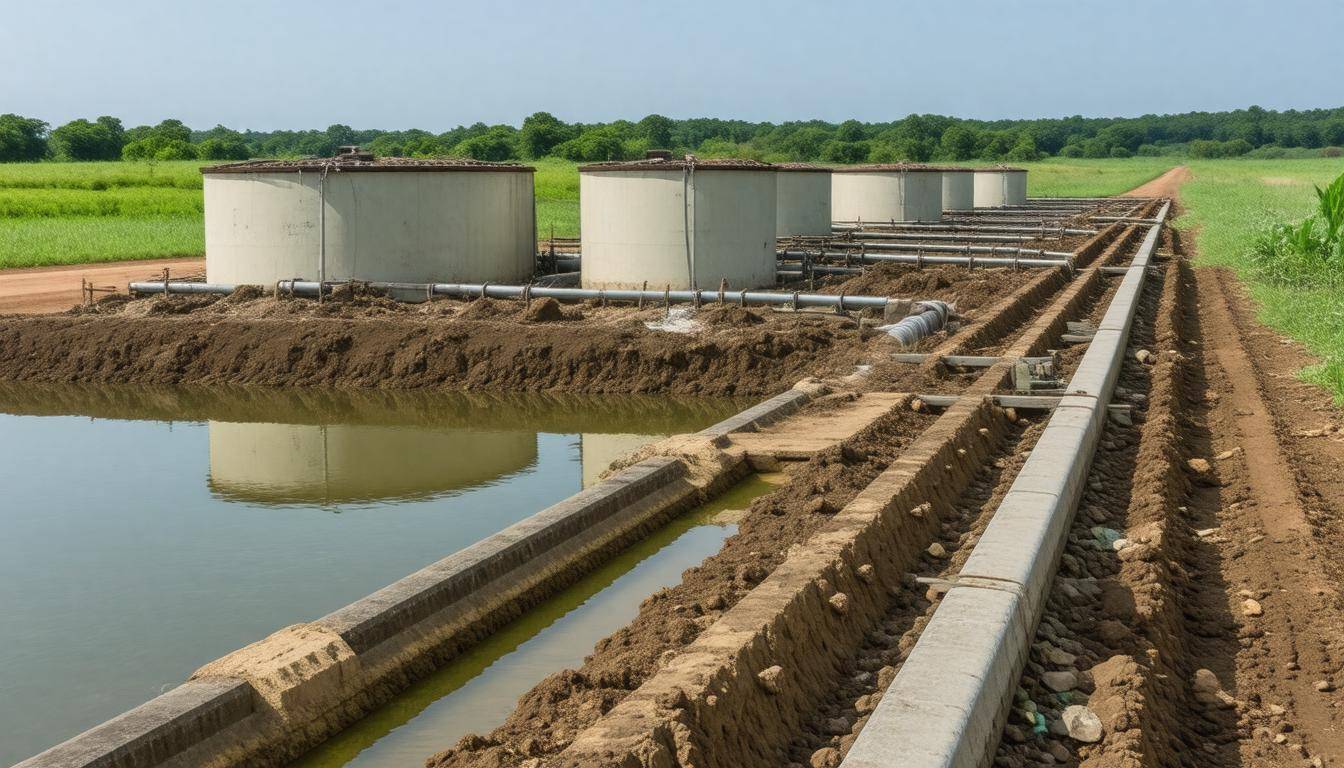
Infrastructure resilience is crucial for long-term sustainability, especially in regions like South Sudan that face extreme heat and flooding. It entails not only using the right materials but also designing structures that can withstand severe weather events. This ensures communities remain functional and stable during environmental changes, which can be life-saving when disaster strikes.
Incorporate Climate-Resistant Materials
One way to achieve this is by using materials specifically designed to handle fluctuating temperatures and harsh weather conditions. For instance, concrete is a preferred choice over asphalt for roads because it can effectively manage higher temperatures. While there may be higher upfront costs associated with using durable materials, these investments often lead to lower maintenance expenses.
It’s worth noting that materials should be selected not just for their immediate utility but for their longevity. Concrete roads may initially cost more to install, but the durability they offer reduces the frequency of repairs and replacements. This means fewer resources consumed over time and less waste generated, contributing positively to the environment as well.
Focus on Flood-Resistant Infrastructure
On top of material choices, implementing flood mitigation strategies is paramount in ensuring safety amid rising water levels.
Developing embankments and levees provides controlled barriers against floods by managing river flows effectively. These structures act as shields for vulnerable areas, preventing inundation during heavy rainfall or sudden flooding.
Certainly, integrating various types of infrastructure will contribute to a comprehensive approach to resilience.
| Type of Infrastructure | Weather Concern Handled | Benefit |
|---|---|---|
| Embankments | Flooding | Barrier against rising waters |
| Concrete Roads | Extreme Heat | Reduced maintenance |
| Heat-Reflective Roofing | Extreme Heat | Cooler indoor temperatures |
Choosing appropriate infrastructure not only aids in temperature control but also safeguards communities against catastrophic flooding events. As we explore methods to adapt our agricultural practices, understanding how resilience in infrastructure plays a role will provide critical insights into addressing environmental challenges.
Sustainable Agriculture Practices
Agriculture in South Sudan is not just an economic activity; it represents the very essence of survival for many families. However, as climate extremes become more frequent, the challenges facing farmers grow increasingly daunting. Implementing sustainable agricultural practices is vital to ensure that crops can withstand these harsh conditions while continuing to provide food for communities.
Practice Crop Rotation
One key practice to consider is crop rotation. This strategy involves planting different crops in a specific sequence across various seasons. By doing so, farmers can dramatically improve soil health and fertility over time. For instance, planting legumes such as lentils or peanuts one season will enhance nitrogen levels in the soil, enabling subsequent crops—like maize or millet—to thrive. Rotating crops can significantly reduce the risk of pest outbreaks because pests that feed on specific plants will have their food supplies disrupted, making it harder for them to propagate.
Engaging in crop rotation results in healthier soils, which translates to better yields and reduced dependence on chemical fertilizers and pesticides. It’s a win-win!
Beyond crop rotation, another practice worth exploring is the adoption of agroforestry techniques.
Implement Agroforestry Techniques
Agroforestry involves integrating trees and shrubs into agricultural landscapes. By incorporating trees into farming systems, farmers can create a more resilient ecosystem that improves biodiversity and increases resistance to soil erosion. Additionally, tree roots help capture and store moisture while providing shade for understory crops during extreme heat events—an invaluable benefit given the rising temperatures we’ve witnessed in South Sudan.
To start applying agroforestry principles, farmers could plant multipurpose trees like Moringa or Neem alongside traditional crops. These trees provide shade and improve soil quality while yielding nutritious leaves or medicinal products, creating additional sources of income.
It’s remarkable how a simple change like adding trees can lead to multiple benefits: healthier soil, improved water retention, increased biodiversity, and an extra source of nutrition or livelihood.
Finally, optimizing irrigation methods can make a significant difference in farming resilience amidst unpredictable weather patterns.
Optimize Irrigation Methods
While rainfall is often unpredictable, utilizing efficient irrigation practices can greatly enhance crop resilience. Techniques such as drip irrigation or rainwater harvesting not only conserve water but also ensure that crops receive consistent moisture throughout critical growth periods—especially during dry spells.
Smallholder farmers might consider installing simple drip irrigation systems that can deliver water directly to the roots of plants with minimal waste. This method saves precious water resources and reduces labor costs compared to traditional irrigation methods.
It’s fascinating how technology doesn’t need to be intimidating; even simple adaptations can lead to profound changes on the ground for communities who depend solely on their harvests for survival.
Having established these essential sustainable practices, we now turn our attention to additional strategies for ensuring safety and preparedness while navigating the challenges presented by extreme weather events.
Travel Safety Tips
Traveling during extreme weather conditions can be challenging, yet with the right precautions, it can be managed safely. First and foremost, when heading out in South Sudan’s extreme heat or rainy season, you need to think about when and how you’re traveling. Daytime temperatures can soar above 40°C, especially between February and April, making the midday sun quite unbearable.
That’s why it’s wise to plan your travel for early mornings or late afternoons when temperatures are cooler. For those unavoidable journeys during peak sun hours, taking frequent breaks in shaded spots can significantly improve your comfort.
Next comes your packing strategy—this aspect isn’t just about convenience; it’s about survival.
Pack Wisely
-
Lightweight, breathable clothing: Choose light-colored fabrics made from natural fibers like cotton to keep your body cool while allowing sweat to evaporate.
-
Reusable water bottles: Staying hydrated is critical. Fill up on clean drinking water before you leave and remember to refill often.
-
First aid kit: Always pack a small first aid kit containing band-aids, antiseptics, and any personal medications you might need. Accidents can happen anywhere.
-
Sunblock and hats: Protecting against UV rays is vital. A good quality sunscreen will shield your skin, while a broad-brimmed hat can provide additional shade.
-
Mosquito repellent (for wet areas): With flooding in certain regions from April to October, mosquitoes thrive. Having repellent helps protect against bites that can transmit diseases.
After you’ve packed thoughtfully, consider your travel companions and the areas you’ll traverse. Engaging with fellow travelers or locals not only enriches your experience but also provides insights into safe pathways and potential hazards.
In addition to physical preparations, always keep an eye on local weather forecasts and advisories. Regular updates allow you to adjust plans on the fly, ensuring you’re not caught off guard by sudden changes.
Finally, don’t forget to stay connected. Maintaining communication with family or friends back home regarding your itinerary can help ensure safety during unpredictable conditions—a simple check-in can go a long way if there are delays or unexpected changes in plans.
As you prepare for the journey ahead, understanding essential resources can make all the difference in your experience.
Essential Emergency Supplies
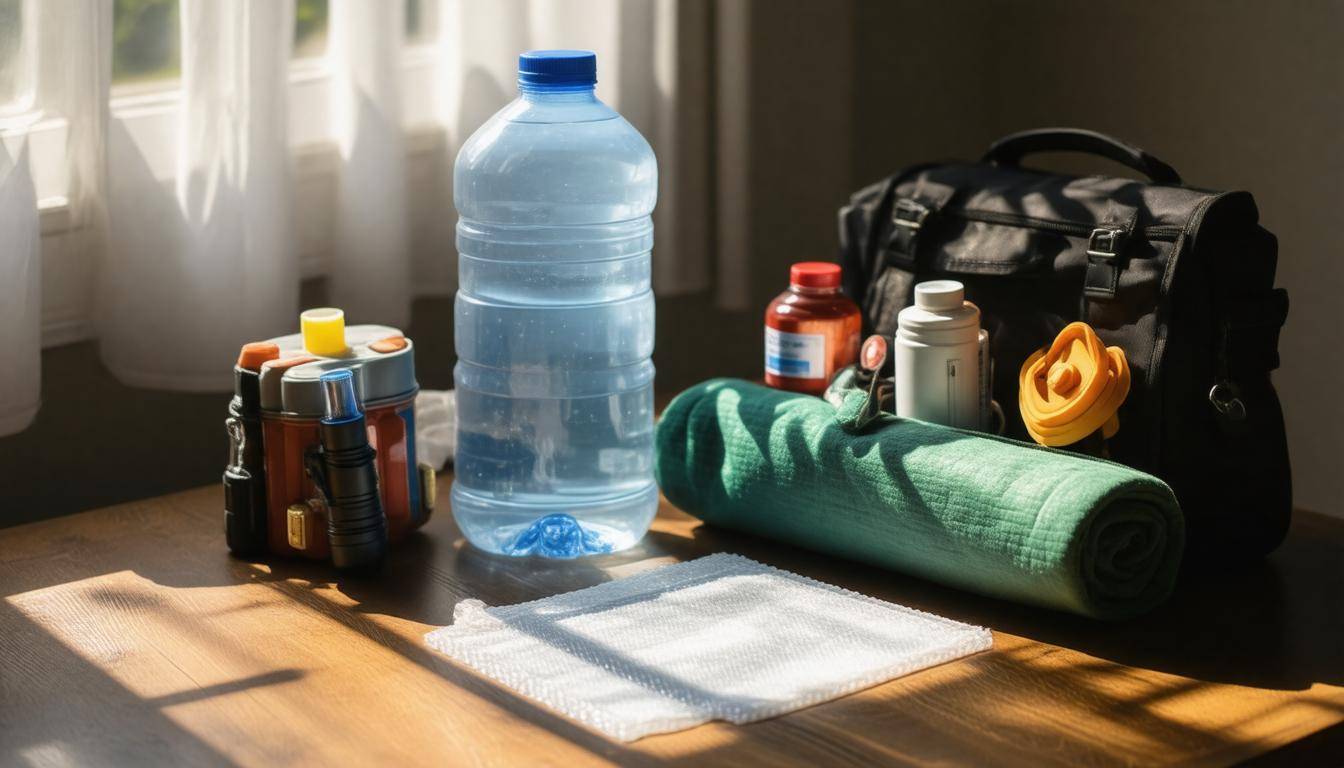
Having an emergency kit can truly be a lifesaver during extreme heat or sudden flooding, particularly in a region like South Sudan where conditions can change rapidly and without warning.
Imagine yourself suddenly facing soaring temperatures or navigating through floodwaters; being prepared can make all the difference. One of the main components of an effective emergency kit is having at least one gallon of water per person per day for drinking and sanitation. This is especially critical during those grueling heat waves when hydration becomes paramount. Always err on the side of caution; it’s wise to store extra water to account for higher needs.
In addition to water, it’s essential to have a supply of non-perishable food that lasts at least three days. Think along the lines of canned goods, energy bars, or dried fruits—the kind of food that won’t spoil easily and can provide the necessary energy when you need it the most.
Moreover, a comprehensive first aid kit containing items like bandages, antiseptic wipes, pain relievers, and any personal medications is crucial. You want to ensure that if anyone gets injured while navigating heat or flooding, you’re equipped to handle it.
The Environment Ministry also recommends keeping rehydration salts and basic medical supplies as part of your emergency kit. These essentials can help mitigate dehydration effects during extreme heat and treat minor health issues quickly.
Furthermore, a flashlight comes in handy during emergencies, particularly when power outages are common due to heavy storms or flooding. Opt for LED flashlights paired with extra batteries since they have a longer lifespan.
To top things off, a lightweight emergency blanket could be invaluable in keeping warm during unexpected weather changes after dark or if you find yourself without sufficient shelter.
Alongside these essentials, remember that every bit counts in an emergency situation, and being prepared is not just smart but essential for ensuring your safety amidst unpredictable conditions.
Being well-equipped with essential supplies can significantly improve your chances during extreme weather events. Stay safe and proactive as you navigate South Sudan’s challenging climate.