
When hurricane season arrives, many of us are left wondering: are we really prepared for the worst? Just the thought of unpredictable storms can stir up anxiety, and it’s easy to put off making a plan until it’s too late. However, taking the time to assemble a reliable hurricane kit is one of the best ways to face these challenges head-on. After all, a well-prepared household can transform panic into poise. In this checklist, we’ll go over essential items you need for your coastal region hurricane kit, ensuring that you and your loved ones can weather any storm that comes your way. Let’s dive in and build that peace of mind together!
A Coastal Region Hurricane Kit should include at least one gallon of water per person per day for a minimum of three days, non-perishable food for at least that same duration, a battery-powered or hand-crank radio, a first aid kit, and necessary sanitation supplies. Additionally, important documents and communication devices like cell phones with chargers should also be part of your emergency preparation plan.
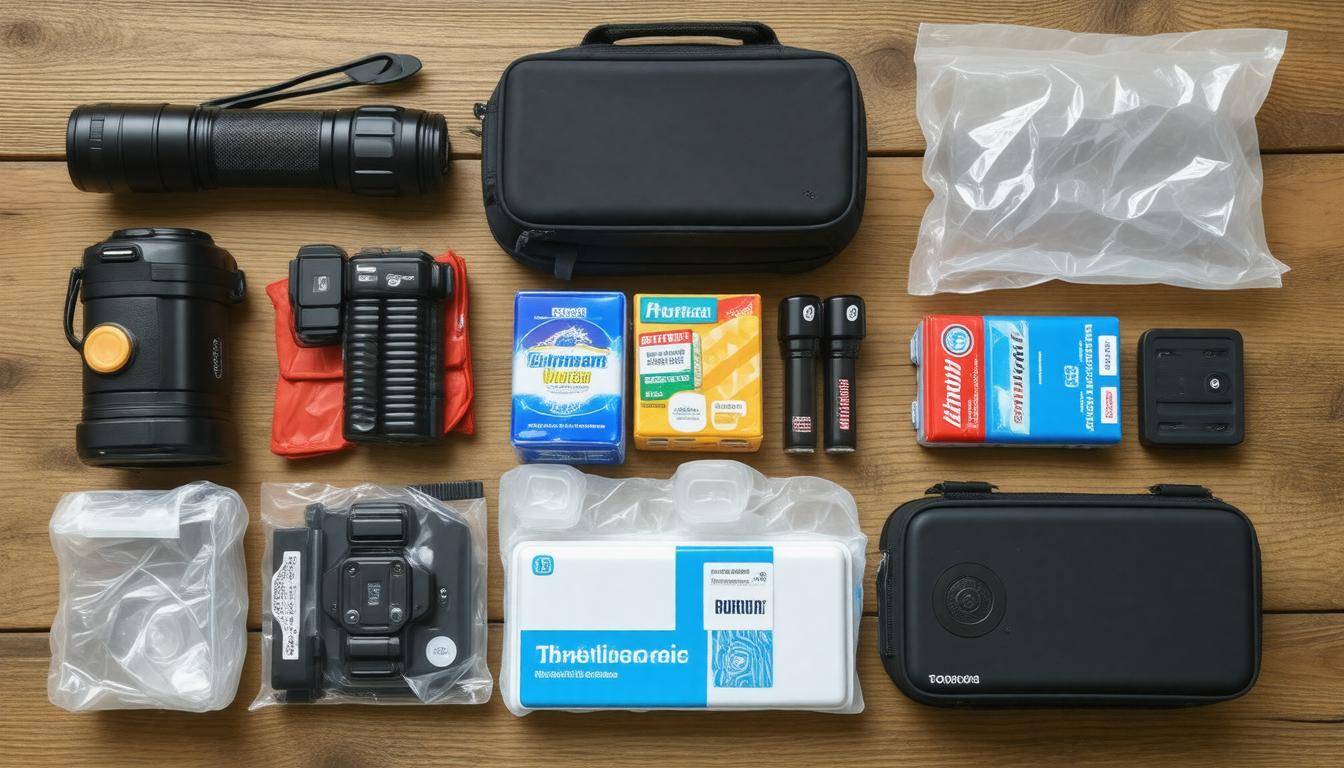
Preparing Your Coastal Hurricane Kit
Preparing your coastal hurricane kit is not just about stocking up on necessities; it’s an opportunity to ensure your family’s safety and comfort during a crisis. Start by assessing your household’s specific needs. Consider how many people live in your home, including any children, elderly individuals, or pets that might require special care. For example, if someone has dietary restrictions, you’ll want to include suitable food options. Think along the lines of how long you may need to sustain yourselves—at minimum, prepare for at least three days without outside help.
Once you have a clear picture of what your family requires, the next step is to put pen to paper and create a comprehensive list of supplies.
Step I – Assess Your Needs
Take a moment to ask yourself some critical questions: Do you have young children or babies who might need formula or diapers? Is anyone in your family reliant on medication? Are there pets that would necessitate extra food and water? Write these things down as they reflect individual needs. Personalizing this process will make a significant difference when you need quick access to what you’ll rely on most during an emergency.
With those necessities in mind, it’s now time to compile a detailed list based on your assessment.
Step II – Create a List
Start by jotting down items grouped into categories for easy organization. For instance, water should be at the top of your list—one gallon per person per day for at least three days is a good rule of thumb. Next comes food; focus on non-perishable items that require no cooking like canned goods, granola bars, or dried fruits. You can consider categorizing further into Safety, Communication, and Personal Items so nothing goes unnoticed.
Here’s a quick reference:
| Category | Essential Items |
|---|---|
| Water | 1 gallon per person per day for three days |
| Non-perishable Food | At least three-day supply (canned goods, snacks) |
| Safety | First aid kit, flashlight with extra batteries |
| Communication | Battery-powered radio, spare batteries |
| Personal Documents | Identification, insurance info in waterproof container |
| Pet Supplies | Food, water, medications for pets |
Now that you have a list structured according to categories, it’s time to gather supplies systematically.
Gather the items you’ve listed one by one while checking them off your master checklist. This approach not only keeps you organized but also provides peace of mind as you watch your hurricane kit take shape. Pay attention to expiration dates when purchasing new supplies; having expired food will do little to help you during an emergency.
As you prepare each component of your hurricane kit, you’re laying the groundwork for ensuring readiness in the face of unpredictable storms. The next key area involves focusing on what goes into your food supply and hydration strategy.
Non-Perishable Food and Water Supplies
Water serves as the cornerstone of any emergency kit, especially in hurricane-prone areas. The recommendation from FEMA is to store at least three gallons per person for a minimum of three days. This ensures you have enough for drinking, cooking, and sanitation purposes. Proper hydration can significantly affect your body’s ability to function and cope with stress during extraordinary circumstances.
Alongside water, having a stockpile of non-perishable food items is equally important. Consider foods that can provide sustenance without requiring refrigeration or cooking. Items like canned goods—vegetables, fruits, meats—offer a long shelf life and robust nutrition. They can easily be included in your kit and typically have a “best by” date that allows for extended use.
As a personal tip, avoid soup cans if you’re packing limited storage space; they can take up more room than solid foods without delivering extra energy. Instead, opt for high-calorie items such as peanut butter, which packs a nutritious punch and can be consumed directly from the jar.
Dried foods can also play a significant role during emergencies. Pack granola bars, nuts, and sealed bags of dried fruits not only for their longevity but also because they provide quick and accessible energy. Their convenience is invaluable when you’re dealing with the chaos of a storm or evacuation, as they require no preparation at all.
Food Categories and Strategies
| Type of Supply | Minimum Amount |
|---|---|
| Water | 3 gallons per person |
| Canned Goods | Enough for 3 days |
| Dry Foods (e.g., Granola) | Enough for 3 days |
| Instant Oatmeal | 1 packet per person per day |
Keeping an effective disaster supply kit doesn’t just improve your chances during a hurricane; it alleviates unnecessary stress during an already challenging time. You’ll find peace of mind knowing that essentials like non-perishable food and ample water supplies are readily available should you need them.
As we look toward preparing for unexpected power outages, it’s crucial to focus on reliable sources of light and power—these tools will be essential during any emergency situation.
Flashlights, Batteries, and Chargers
When the winds howl and the storm clouds roll in, flashlights become an invaluable lifeline. They illuminate your surroundings, allowing you to move safely through darkened spaces and assess any potential damage. Opt for LED flashlights, which are brighter, longer-lasting, and more energy-efficient compared to traditional incandescent ones. They provide a reliable beam of light while consuming significantly less battery—an essential consideration during extended outages.
Consider keeping at least two high-lumen LED flashlights with a minimum output of 300 lumens around your home. This brightness is particularly useful for navigating outdoor areas or assessing damage after a storm. Having multiple flashlights ensures that there’s always a backup available if one fails or runs out of power.
Batteries and Backup Chargers
I remember my neighbor scrambling to find extra batteries during Hurricane Harvey. They ended up using their flashlight continuously for three days, which served as a stark reminder of how quickly our resources can dwindle when relying solely on one source. To avoid such panic, make sure to stock both AA and AAA batteries—these are commonly used in most devices, including remote controls, radios, and digital thermometers.
It’s also wise to have a portable solar-powered charger for your smartphones and other devices. Not only do they help keep you connected with loved ones and emergency services during an outage, but they also reduce reliance on traditional power sources. During extended outages, being able to charge these devices without electricity can be a game changer.
Additionally, combining practical items enhances functionality: having rechargeable battery packs adds another layer of security. Select a portable power bank with a capacity of 10,000 mAh or higher for charging mobile devices multiple times throughout an outage.
Finally, don’t overlook the shelf life of your batteries. Standard alkaline batteries generally last between 5 to 10 years, while lithium batteries can extend beyond the 15-year mark under proper storage conditions. Having fresh batteries ready means you’re prepared and prioritizing safety during unpredictable weather events. This proactive approach can transform anxiety into assurance as you navigate through stormy times ahead.
As we prepare for unforeseen circumstances, securing safe shelter becomes essential to weather any storm effectively.
Portable Shelters and Tools
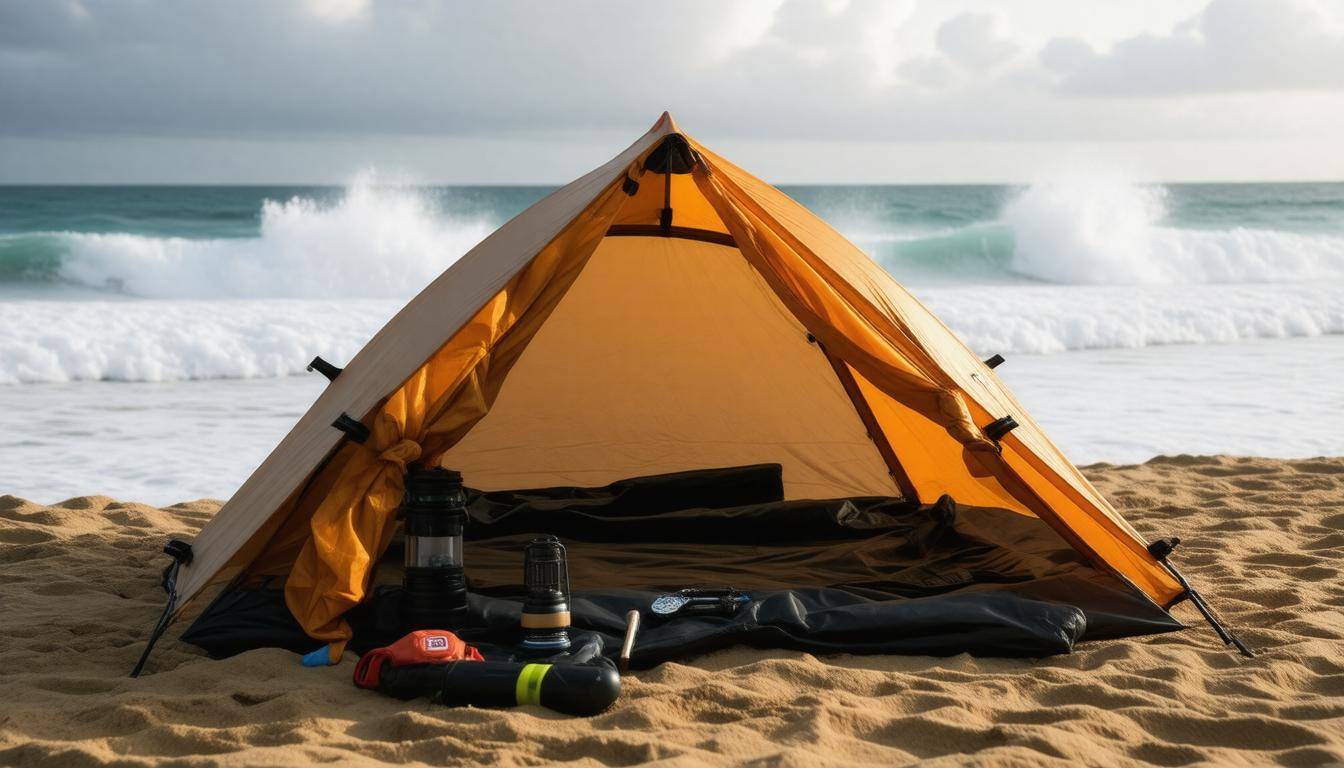
Investing in a durable, waterproof tent is one of the best decisions you can make for your hurricane kit. Look for options that are lightweight and designed for quick setup; you want something that can be pitched in minutes, not hours, especially if you find yourself needing to relocate on short notice. A two to four-person tent typically provides enough space for a small family, offering protection from rain and harsh winds. It’ll allow you to maintain some comfort in a challenging situation.
Tarps can serve multiple purposes beyond typical coverage—use them as a ground cover to keep moisture away from bedding or create makeshift walls for extra wind protection. Emergency blankets are another vital component that pack down small but provide crucial warmth by reflecting body heat.
Now let’s talk about the essential tools that will help you navigate unexpected challenges during a hurricane. While the basics like ropes and duct tape might seem mundane, their potential is limitless when you’re in survival mode. Ropes can be used to secure your shelter or hang essentials out of reach from rising water. Duct tape has almost magical properties; it can patch up leaks in tents, hold together gear, or even serve medical purposes in a pinch.
- Multifunctional knife: Not just sharp; its various tools can aid in opening cans, slicing through rope, or handling repairs.
- Duct tape: Its immense versatility makes it an indispensable tool for fastening items or making emergency repairs.
- Rope: Useful not just for tying things down; it could also be applied in building makeshift structures.
- Firestarter: In tough times, being able to start a fire offers warmth and cooking capabilities—essential for both comfort and safety.
Imagine having a Swiss Army knife on hand; it’s more than just a tool—it’s your portable toolkit. With features like scissors, screwdrivers, and even bottle openers tucked away inside, you won’t know how useful it was until you’re facing an unexpected need. In these scenarios, keeping your mind clear is paramount; having the right tools within arm’s reach allows you to pivot effectively amidst any chaos.
With the right portable shelters and tools at the ready, you’ll have the confidence needed to tackle whatever challenges arise during an emergency. Let’s now shift our focus to the critical supplies that can address medical needs when you’re weathering a storm.
Emergency First Aid Supplies
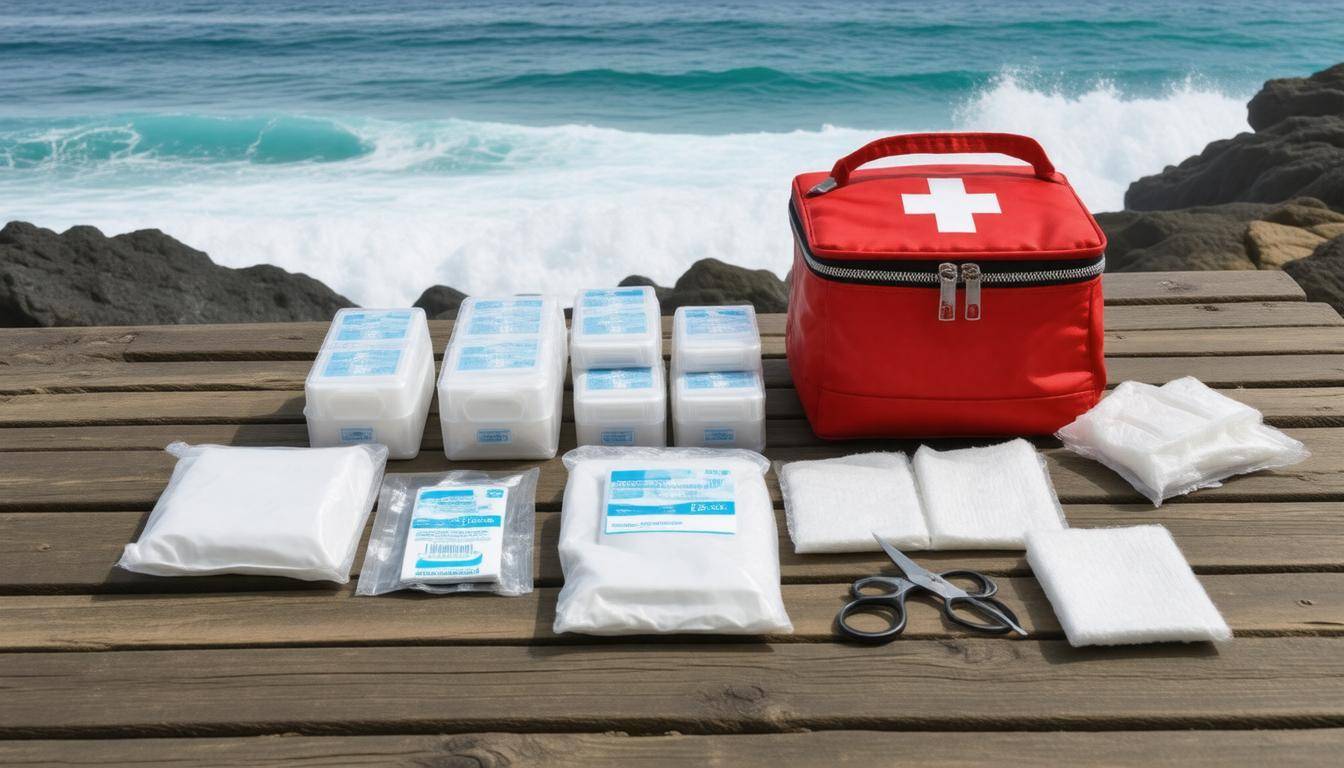
When it comes to preparing your hurricane kit, having essential first aid supplies is not merely a suggestion—it’s vital. The last thing you want in the chaotic aftermath of a storm is to scramble for medical assistance or the right equipment. A thoughtfully curated first aid kit can provide immediate relief during emergencies, helping you manage injuries and alleviate symptoms until professional help arrives.
The American Red Cross outlines several critical items that every first aid kit should have. It’s essential to include various sizes of adhesive bandages to treat minor cuts and scrapes. These small injuries might seem trivial, but they can lead to infection if not properly covered. Alongside these bandages, sterile gauze pads are equally important; they will help control bleeding from larger wounds or abrasions when necessary.
Don’t forget about antiseptic wipes, which will be useful for cleaning wounds and preventing infections. Luckily, they don’t need special storage, as their compact packaging makes them easy to stash away in any nook of your kit.
A pair of scissors and tweezers are indispensable tools for cutting tape, gauze, or even clothing away from wounds. Tweezers can also prove invaluable in case of splinters or debris lodged in the skin.
As for medications, don’t overlook including pain relievers like ibuprofen or acetaminophen. They’re often unsung heroes during stressful situations when tension and anxiety can amplify everyday pains.
Essential Supplies Checklist
- Adhesive Bandages: Various sizes (at least 30 pieces)
- Sterile Gauze Pads (4×4 inches): For larger wounds or bleeding (at least 10 pieces)
- Antiseptic Wipes: For cleaning wounds (20 pieces)
- Scissors: For cutting dressings and tape
- Tweezers: For removing splinters or debris
- CPR Face Shield: A protective barrier for performing CPR
- Prescriptions Medications: Ensure you have enough supply for your needs
When preparing your kit, include an example like what Sarah from Miami shared about her experience during Hurricane Irma—a time when she had extra prescription medication on hand that helped ease her mother’s condition when she could not leave the house. Stories like hers illustrate how essential preparedness truly is.
In addition to these supplies, consider personalizing your kit with any additional items specific to your family’s health needs. This tailored approach will enhance your readiness to face whatever challenges may arise during a storm as you ensure that both health and safety measures are effectively addressed.
Protecting Important Documents
Keeping your essential documents safe during hurricane season is more than a precaution; it’s a necessity. Imagine being in the midst of chaos, uncertain if you can access your identification, insurance papers, or property deeds. Using waterproof and fireproof containers is a practical way to safeguard these items. These containers can withstand the worst nature throws at them, ensuring that your critical information remains intact regardless of any flooding or fires that may occur.
Think about it: storing documents in typical cardboard boxes or standard plastic bags isn’t adequate when faced with the likelihood of a storm surge or rising water levels. For maximum protection, look for containers labeled with a minimum waterproof rating of IPX7, which can handle submersion in water without compromising its contents.
Additionally, while physical security is vital, digital backup is equally crucial. Scan all important documents—like your driver’s license, Social Security cards, insurance policies, and medical records—and save them in reputable cloud storage services. Platforms like Google Drive or Dropbox offer both accessibility and reassurance, allowing you to access these files from anywhere with internet service.
While you’re at it, don’t forget about securing those digital copies by encrypting them. This extra step prevents unauthorized access to your sensitive information, ensuring that even if someone gains access to your cloud storage, they won’t be able to read your private data without the correct decryption key.
Organizing these documents efficiently can also make a significant difference should the need arise to evacuate quickly.
Document Organization
When you’ve gathered all necessary documents, consider organizing them into folders or binders within your waterproof container. Use categories like “Identification,” “Insurance,” and “Medical Records” so you can find what you need without wasting precious time sifting through piles of paperwork.
- Identification: Driver’s licenses, passports, Social Security cards
- Insurance: Homeowners’ policies, vehicle policies
- Medical Records: Vaccination records, prescriptions
Each section should be clearly labeled for quick reference if you’re faced with an emergency scenario.
Making sure that every family member knows where to find these documents and understands how to access digital backups is also an integral part of preparation.
Involving everyone in this organization process not only builds familiarity but also fosters teamwork in stressful situations. That way, should the winds begin to howl and it be time to act fast, everyone knows their roles and can execute them promptly. Whether it’s gathering physical papers or logging into an account on a phone or tablet, preparedness can significantly reduce anxiety when every second counts.
As we consider other critical components of emergency readiness, let’s now explore how best to support our furry friends during challenging times.
Pet Care Essentials
Pets are indeed beloved members of our families, and during emergencies like hurricanes, their needs must be prioritized just as much as anyone else’s. It’s essential to not only think ahead about food and water but also how they will be kept safe and comfortable during what can be an incredibly stressful time.
Food and Water
You should pack at least a seven-day supply of pet food and fresh water for each pet. This isn’t just enough food; it’s a buffer that allows you a little peace of mind in case circumstances change unexpectedly. Dry kibble is a great choice because it has a longer shelf life, but if your pet enjoys wet food, pre-packaged options can also help provide hydration, especially for those reluctant drinkers.
Consider creating meal packs in resealable bags labeled with your pet’s name and dietary instructions, ensuring everyone knows what belongs to whom. Remember that your pets are used to their daily routines, so packing some treats they love can offer them comfort in distressing situations.
Comfort and Safety
The safety of your pets is paramount when evacuating or sheltering from a storm. Include items that ensure their comfort and security. Think of these items as not just luxuries, but essentials. A sturdy leash and collar are vital for keeping control over your furry friends during chaotic moments, especially since animals often react unpredictably under stress.
A reliable carrier is crucial—choose one that allows enough room for your pet to stand up, turn around, and lie down comfortably. Familiarity breeds comfort too! By including favorite toys or blankets, you’re giving them something that feels safe amidst uncertainty.
- Pet Food: At least a seven-day supply.
- Water: One gallon per pet per day.
- Medications: Ensure you have any necessary medications along with prescription copies.
- Identification: Current ID tags and recent photos of your pet for identification purposes.
- Carrier or Crate: Ensure it is well-ventilated and easy to transport.
- Comfort Items: Blankets, toys, or bedding to minimize stress.
Preparing adequately can significantly ease the transition for both you and your pets when facing the unexpected challenges brought by hurricanes. Prioritizing their well-being ensures that you’re ready to tackle subsequent steps involved in navigating these storms effectively.
Staying Informed During a Hurricane
During a hurricane, having access to timely and accurate information can empower you to make critical decisions for yourself and your loved ones. Given that hurricanes often come with high winds and heavy rains, it’s crucial to prepare for the possibility of power outages. One essential tool in your kit is a NOAA Weather Radio, which broadcasts continuous updates straight from the National Weather Service. Imagine huddling with your family, knowing that you can still receive information about the storm’s path, intensity, and any emergency alerts.
However, don’t solely rely on a weather radio; diversifying your sources of information is key. Be proactive and sign up for local emergency alert systems via SMS or mobile applications like FEMA or The Weather Channel app that deliver real-time alerts right to your smartphone. It’s a simple process: enter your phone number and location, and start receiving crucial updates. These platforms will provide notifications on evacuations, road closures, or changes in the storm’s trajectory.
Navigating real-life emergencies can be stressful, but having multiple information channels set up can give you peace of mind while ensuring your family’s safety.
Now, it’s not just about the hardware; you’ll also want to develop habits to keep informed. Setting aside time each day to monitor local news stations—either through television or radio—can establish an ongoing connection to your community’s needs. Social media platforms such as Twitter or Facebook are useful for live updates, especially when following reputable meteorologists or local emergency management agencies. You can easily gather critical insights about where to find shelters or fuel resources.
Communication is vital during these situations, yet keeping contact isn’t always straightforward due to the chaos surrounding natural disasters. Therefore, consider creating a family group chat before the storm hits. This preparation allows you to share updates quickly via text messages regardless of other communications being down. Plan for “check-in” times so everyone knows when to reach out for news on their well-being.
Monitoring these updates will help you make informed decisions about your own actions and those of your loved ones. Knowing how best to respond is equally important; preparing all the essentials will ensure you’re as equipped as possible during an emergency situation.
In light of this information, applying these strategies will enhance your readiness during hurricane season and safeguard your family’s well-being. Being proactive can make all the difference in ensuring a smoother experience should a hurricane strike.
How much water should I store for each person during a hurricane emergency?
During a hurricane emergency, it’s recommended to store at least one gallon of water per person per day for at least three days. This ensures sufficient hydration and basic sanitation needs, as FEMA suggests preparing for both dehydration risks and potential water contamination during severe weather events. For a family of four, this means a minimum of 12 gallons to last through initial recovery efforts.
What non-perishable food items should I include in my hurricane kit?
When creating a hurricane kit for a coastal region, it’s essential to include non-perishable food items such as canned soups, beans, fruits, and vegetables, as well as energy bars and dehydrated meals. These options provide high nutritional value and are easy to prepare with minimal resources. Studies show that maintaining a supply of these foods can significantly sustain individuals during emergencies; for instance, the CDC recommends having at least a three-day supply of food per person. Additionally, items like peanut butter or nuts offer protein and healthy fats, ensuring you remain energized during extended power outages or disruptions.
How can I ensure that my hurricane kit is up to date and ready for use?
To ensure that your hurricane kit is up to date and ready for use, regularly check and replenish supplies every six months, ideally coinciding with seasonal changes. Keep an inventory list of items like water, non-perishable food, first aid supplies, batteries, and important documents, and replace expired items immediately. According to the National Oceanic and Atmospheric Administration (NOAA), 40% of Americans do not have a household emergency kit, making regular checks crucial for preparedness in the event of a hurricane.
What first-aid supplies are necessary for a coastal region hurricane kit?
Essential first-aid supplies for a coastal region hurricane kit include adhesive bandages, sterile gauze pads, antiseptic wipes, adhesive tape, tweezers, scissors, and a digital thermometer. According to the American Red Cross, having these items on hand can significantly increase your chances of effectively managing minor injuries during and after a hurricane when professional help may be delayed. It’s crucial to prepare for potential cuts, scrapes, and other injuries that often occur during storm preparations and evacuations, ensuring you have the right supplies readily available.
Are there any specific tools or equipment needed for hurricane preparedness?
Yes, essential tools and equipment for hurricane preparedness include a sturdy flashlight, a battery-operated radio, extra batteries, a first aid kit, and multipurpose tools. According to the National Oceanic and Atmospheric Administration (NOAA), having these items can significantly enhance safety during emergencies; over 60% of families who prepared with proper equipment reported feeling more secure during storms. Additionally, keeping tarps, duct tape, and plastic bags handy can help with home repairs and securing belongings post-storm.