
Traveling through the vast deserts of Turkmenistan can be an adventure like no other, but it also presents unique challenges that require careful planning and preparation. Picture yourself standing amid endless dunes, where every grain of sand tells a story and every sunset paints the sky in breathtaking hues. However, beneath this beautiful exterior lies an environment that demands respect; without the right gear and knowledge, your experience could quickly turn from delightful to dangerous. The harsh conditions—ranging from scorching heat during the day to chilly nights—make it essential to be ready for anything, whether you’re traversing on foot or riding a motorcycle. Let’s explore some vital tips and equipment you’ll need to thrive in this stunning yet unforgiving landscape.
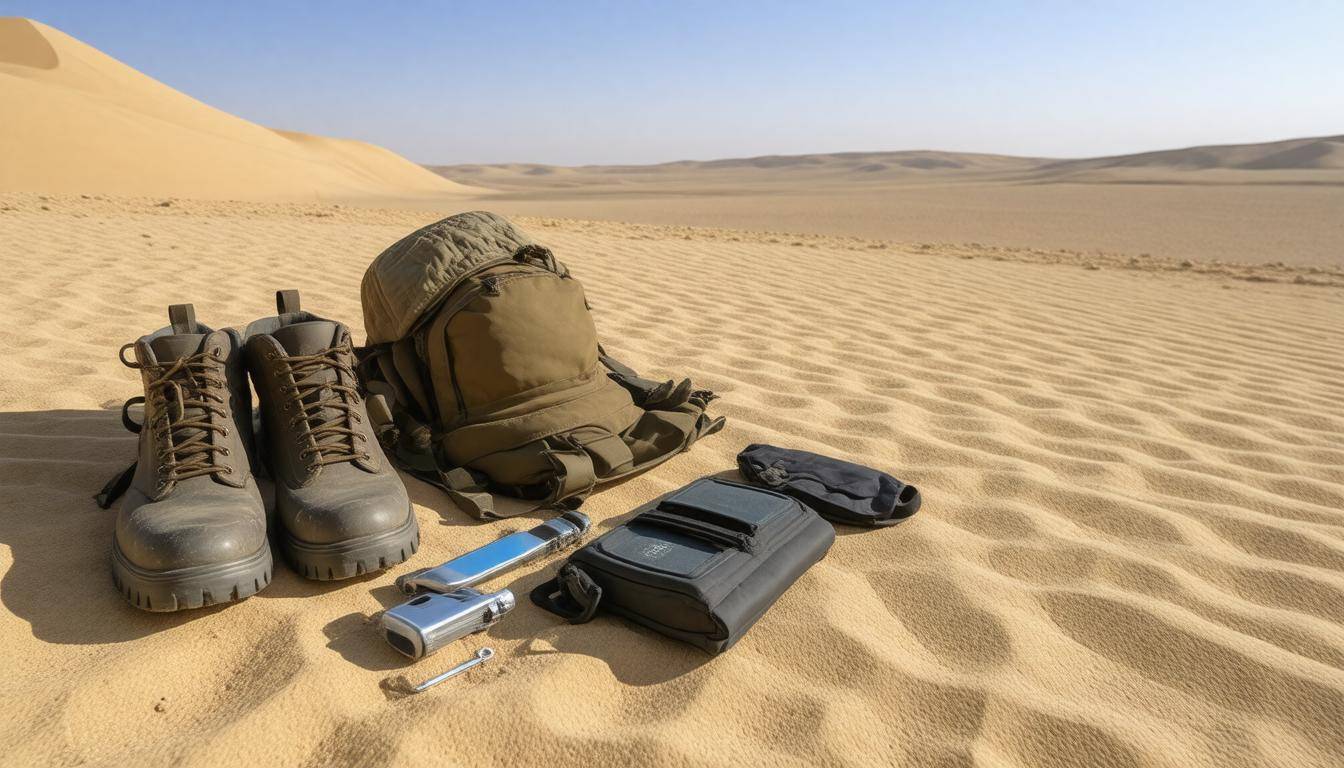
Essential items for survival in Turkmenistan’s desert include ample water supplies, high-energy food, protective clothing suited to extreme temperatures, a reliable means of transportation such as an all-terrain vehicle or motorcycle, navigation tools like GPS devices, and camping gear including tents and sleeping bags. It’s crucial to prepare these items well in advance to ensure safety and adaptability in this harsh environment.
Preparing for the Turkmenistan Desert
Research and Planning
Before setting off, thorough research about the desert is fundamental. You should familiarize yourself with everything from average temperatures—where daytime can soar to 40°C (104°F) and nighttime can plummet to around 10°C (50°F)—to the wildlife that might share your path.
Gathering information about key landmarks can also be a lifesaver, especially in such a vast and often desolate environment. Knowing where you can find water or shelter along your route is invaluable, as water scarcity, with rainfall averaging only 100 mm (3.9 inches) per year, is one of the foremost concerns.
Additionally, studying local customs and potential dangers, like areas known for rugged terrains or hazardous creatures, should not be overlooked.
While you’re deep in your preparations, the next step involves understanding the travel regulations that govern your journey.
Visa and Permits
Securing the appropriate documentation to enter Turkmenistan cannot be understated. The visa process can be intricate, but a transit visa might grant you passage without requiring a local guide—a helpful option for independent adventurers.
However, ensure you have this paperwork well in advance since processing times can vary. Delays could hinder your plans to experience the unique landscapes of the desert. Remember, preparation isn’t just about having a passport; it’s also anticipating and mitigating potential hurdles before they arise.
With your paperwork sorted out, shifting focus to personal readiness is essential for a journey through this unforgiving terrain.
Physical and Mental Preparation
Equipping yourself physically for such extreme conditions starts with regular exercise tailored to building endurance. Whether it’s hiking, running, or cycling, pushing your limits will serve you well during long stretches in the heat.
Acclimatizing to high temperatures before leaving helps maintain comfort levels when faced with scorching days. Moreover, it’s important not to neglect mental resilience; spending extended time in remote areas could lead to feelings of isolation—you’ll want to be emotionally prepared for those challenges.
Long-distance travelers often note that preparing emotionally was just as critical as any other preparation—being mentally equipped can mean the difference between enjoying your adventure and feeling overwhelmed by it.
By being proactive and attentive to these aspects of preparation, you set a solid foundation for embracing the beauty and challenges that Turkmenistan’s deserts have to offer.
As you consider these crucial elements for navigating the desert successfully, let’s shift our focus toward identifying specific gear and supplies necessary for surviving in such demanding conditions.
Essential Survival Gear and Supplies
In an environment as harsh and unpredictable as the Turkmenistan Desert, having the right tools can mean the difference between a thrilling adventure and a desperate situation. The barren landscape may look inviting under the sunlight, but make no mistake, it demands respect and preparation. As you pack your bags, think about your navigation tools, which should include a reliable GPS device and a detailed map. Even if technology falters, traditional tools like a compass can serve as dependable backups to guide you across the vast stretches of sand.
Beyond navigation, ensuring adequate shelter becomes paramount, especially during those cold desert nights.
Equipment Essentials
A lightweight tent should feature prominently in your gear—look for one that provides both portability and durability against wind and sand. Don’t underestimate the significance of a good thermal sleeping bag either; it will keep you warm when temperatures plummet after sunset. Combine these elements, and you’ll have a solid foundation for restful nights beneath a blanket of stars.
- Navigation Tools: GPS device, compass, and detailed maps.
- Shelter: Lightweight tent and a thermal sleeping bag.
- Tools: Multi-tool, knife, and a reliable fire starter.
Each of these items plays a crucial part in building your survival kit. For instance, a multi-tool can assist with everything from meal preparation to repairs. Similarly, having a quality knife at hand will not only help in cooking but can also be pivotal in emergency scenarios. Pair this with a sturdy fire starter, and you’re equipped to face unexpected cold snaps or cook meals when necessary.
Yet it’s not just about survival; protecting yourself against the elements is equally important.
Sun protection can never be overlooked in the intense desert heat. Applying sunblock generously will shield your skin from harmful UV rays while wearing sunglasses can protect your eyes from glare. A wide-brimmed hat keeps you cool by providing shade, while breathable protective clothing can shield your body from both sunburn and sharp debris.
Another key item to remember is communication equipment; consider investing in a satellite phone for emergency contact. This device could potentially save your life if you find yourself in a precarious situation far away from civilization. You never know when you might need to reach out for help.
As vital as personal gear is, preparation is equally important for any eventuality on your journey.
Importance of Reliable Vehicle
If you’re traveling by motorbike, like the Honda Africa Twin, ensure it’s equipped with features essential for navigating expansive desert regions; prioritize having a larger fuel tank to avoid running dry on long stretches without gas stations. Additionally, carry spare tires along with an air pump—issues with flat tires are common in sandy terrains. Finally, don’t forget extra fuel containers; they ensure you’re not left stranded without access to fueling points.
Packing wisely for adventure is like sketching out your safety net; it helps catch potential hazards before they fall into your path. Always remember that in the unforgiving conditions of the desert, preparation is not just advisable—it’s essential.
With these survival essentials firmly in mind, the next step involves understanding how to navigate this arid environment efficiently.
Navigating the Arid Terrain
Effective navigation can mean the difference between survival and getting lost, especially when traversing the vast expanses of desert where landmarks can be scarce. One critical piece of advice is to always have a robust navigation strategy that blends modern technology with time-tested traditional techniques.
Use of Technology
Modern GPS systems provide precise location tracking, allowing you to pinpoint your position accurately. It’s essential, however, to ensure you have offline maps downloaded before embarking on your journey since connectivity can be erratic in remote areas. Relying solely on GPS can be risky—what if your device dies or loses signal? To mitigate this possibility, carry a portable charging device and familiarize yourself with the GPS settings to maximize battery life. Always double-check that your device is updated with the latest maps.
Remember: Technology is wonderful, but it’s not foolproof.
Traditional Methods
Complementing tech navigation with traditional methods like reading the sun’s position and recognizing notable landmarks will serve you well if technology fails. For instance, the sun rises in the east and sets in the west; at noon, it culminates directly overhead. This knowledge can help determine cardinal directions during daylight—an invaluable skill in unfamiliar landscapes. Additionally, being aware of local geological features, such as the unique formations found in the Karakum Desert, can help guide you in a pinch. When planning your route, mark these landmarks on your map or take note of their coordinates if you’re using GPS.
Understanding the terrain’s layout also enhances your navigational skills. For example, being aware that certain areas may be prone to flooding or sandstorms is crucial for making informed decisions about when and where to travel.
Following Pre-Planned Routes
Stick to established routes known for having landmarks and potential water sources. Straying off the path increases risk significantly; without support structures like trails and safe havens, you’re much more vulnerable in a vast landscape that can feel endlessly monotonous. Pre-planning routes using both GPS and printed maps will give you additional confidence as you embark on your journey across desert terrains like those in Turkmenistan.
Quick Tip: Always share your planned route with someone back home before setting out on an adventure into the wild desert. It could be a lifesaver.
By combining various navigation techniques, you’ll enhance your safety as you explore arid regions. Building on this foundation of knowledge is essential for understanding how to handle severe weather conditions effectively.
Coping with Extreme Temperatures
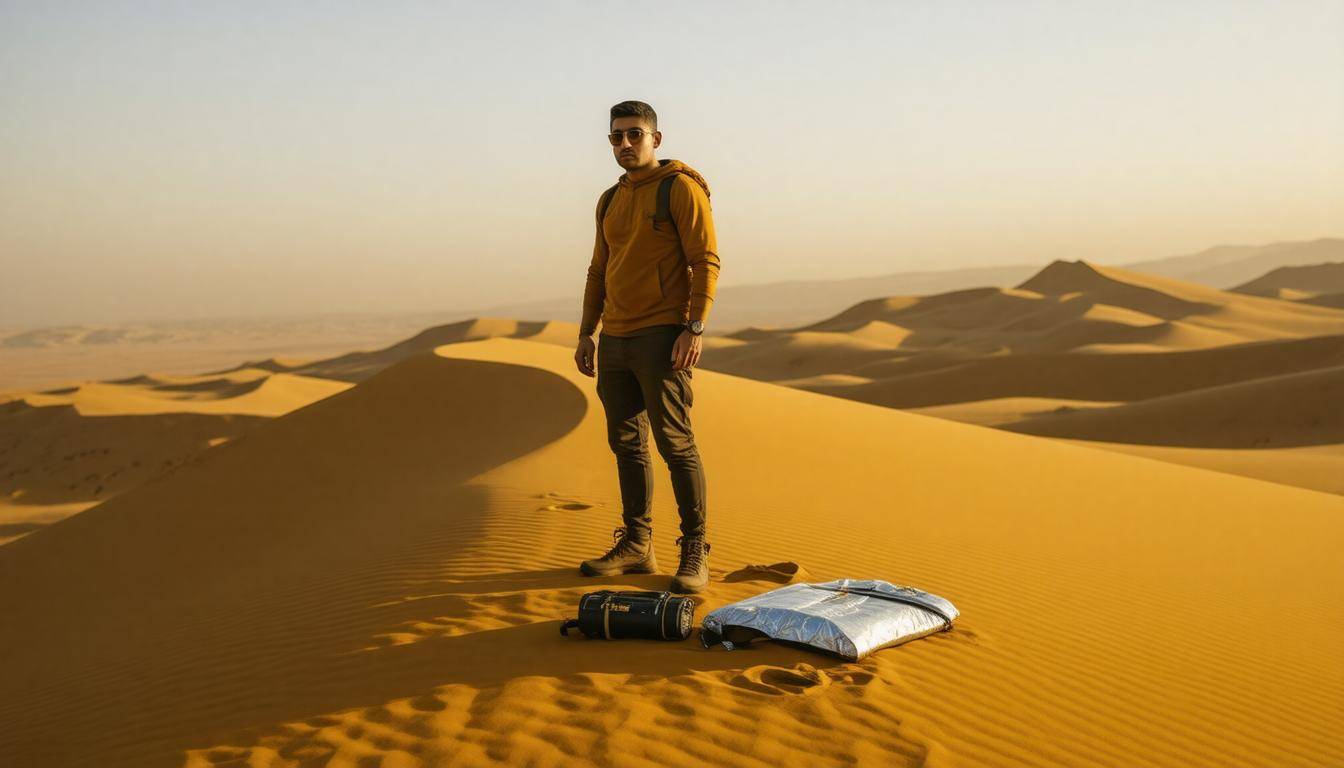
The desert is notorious for its extreme temperatures, and understanding how to manage these changes is crucial for any traveler. During the day, average temperatures can soar to a staggering 40°C (104°F), making it seem like you’re walking on the sun.
It’s vital to dress appropriately; wearing loose, light-colored clothing can reflect sunlight and significantly reduce your body temperature—potentially by as much as 5°C (9°F). This simple adjustment helps you feel more comfortable and prevents overheating.
Additionally, staying hydrated is not just a suggestion; it’s an absolute necessity. Aim to consume at least 3 to 4 liters of water daily when navigating these arid landscapes. The combination of appropriate attire and adequate hydration will keep your energy levels up as you trek through the desolate beauty of the desert.
As day gives way to night, the heat dissipates quickly, leading to a dramatic drop in temperature that can leave even seasoned travelers shivering if they aren’t prepared.
Staying Warm at Night
Nights in the desert can be surprisingly cold, with temperatures plummeting to around 10°C (50°F). This sharp contrast can catch many travelers off guard if they don’t plan accordingly. To combat the chill, investing in a high-quality thermal sleeping bag is non-negotiable—it helps retain body heat while providing comfort during those frigid nights.
When it comes to clothing, layering is key; wear multiple layers rather than one thick layer. This strategy allows you to adjust easily by removing or adding layers based on how your body feels. However, it’s crucial to avoid sweating in these layers because once you’re wet, the cold air can sap your warmth rapidly leading to dangerous situations.
Remember: It’s easier to lose body heat than it is to regain it once you’ve become too chilled.
Preparing for these extreme conditions doesn’t end with proper clothing and gear; it requires mindfulness around your activity levels as well.
While exploring during the daytime, be mindful about overexertion—especially between midday and 3 PM when temperatures are at their peak. This period is best utilized for resting in shaded areas or engaging in lighter activities. Not only does this protect you from heat exhaustion, but it also conserves energy for later adventures when the sun dips lower and temperatures become more favorable.
By paying careful attention to both extremes of temperature—the blazing days and freezing nights—you’re taking proactive steps in ensuring a safe and enjoyable experience in Turkmenistan’s stunning yet demanding desert landscape. Each choice you make contributes not only to your immediate comfort but also to your overall safety on this remarkable journey.
As we think about survival strategies, it’s essential to explore how we can secure consistent access to one of life’s most critical resources during our travels.
Ensuring Access to Water
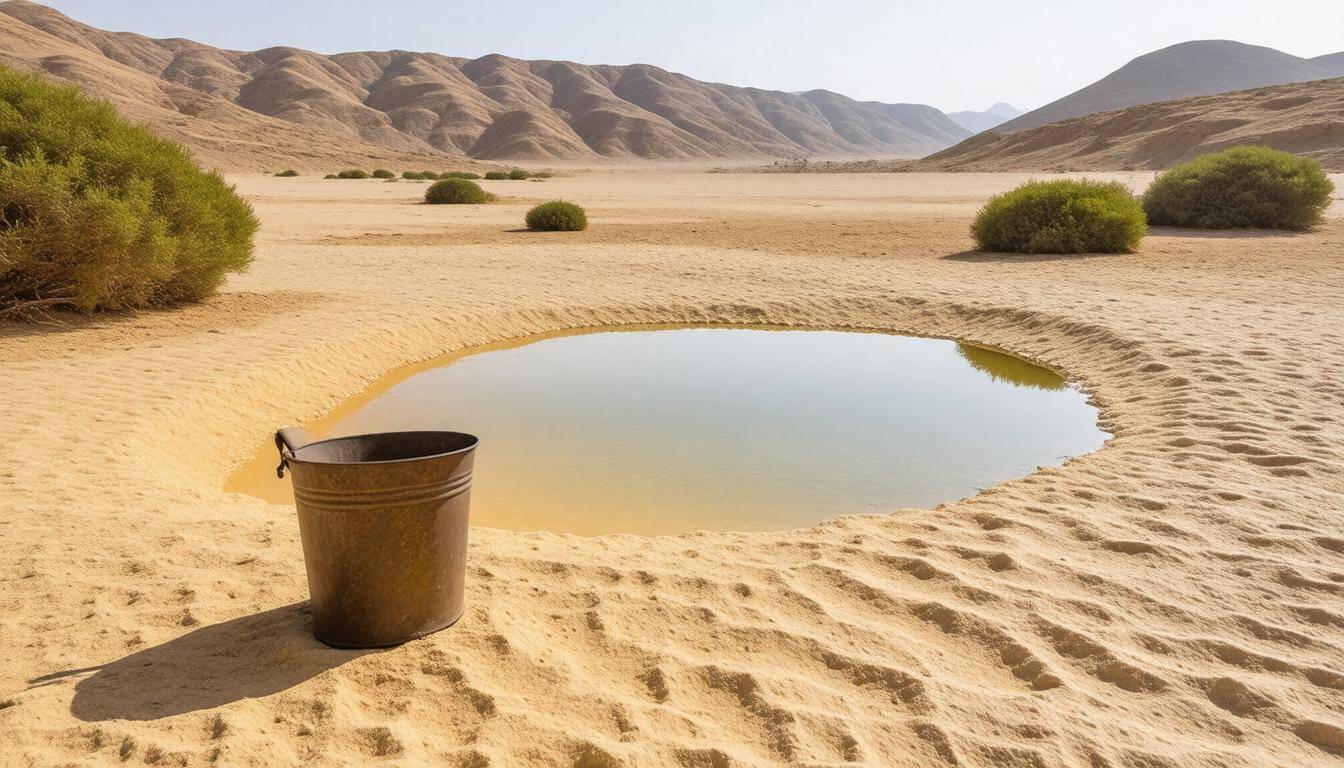
Having access to water isn’t just a good idea—it’s essential for survival in the harsh landscapes of the Turkmen desert. For every adult, a daily intake of approximately 1 gallon (4 liters) is necessary, especially when facing extreme heat. Packing enough water isn’t only about numbers; it’s about preparation.
Ideally, you want to carry a 2 to 3-day supply stored in BPA-free bottles that are insulated. This keeps your water cool under the scorching sun, making it far more palatable and refreshing after hours of riding or hiking.
What happens when you run out of your carefully packed supply? Identifying natural water sources before you set out can be an invaluable asset. Oases and wadis can often be found depending on your route, and these places may house surprise caches of water waiting to be tapped into. However, sourcing water from nature isn’t always straightforward; this is where tools like survival straws or portable water filters become crucial. These handy gadgets allow you to safely convert untamed water into drinkable supplies, offering yet another layer of security for your journey.
“Do not underestimate the power of planning ahead; knowing where your next sip will come from can mean the difference between life and death.”
Once you have your water supply established, you’ll need to implement effective conservation techniques. The key is to ration your intake by sipping small amounts regularly rather than gulping down large quantities all at once. Large consumptions deplete your reserves quickly and can lead to a deceptive sense of hydration that masks dehydration coming on. Instead, treat water like gold, using it sparingly throughout the day—as your energy levels deplete with heat exposure, having enough hydration in your system will keep dehydration at bay and spirits high.
By preparing thoughtfully and employing practical strategies for water management, you’ll be better equipped as you continue to explore the various facets of travel challenges in extreme environments. Next, we will turn our focus to proactive steps for maintaining well-being in demanding conditions.
Health and Safety Measures
Health and safety in the harsh environment of the Turkmenistan desert demand proactive strategies. It’s not just about being vigilant; it’s about arming yourself with knowledge and preparedness. The sun is relentless, and one small misstep can turn an adventure into a dire situation. Simple practices can be your first line of defense.
Preventing Common Ailments
-
Heatstroke: This is a very real danger, especially when temperatures soar. To prevent it, prioritize hydration; frequent, small sips of water are far more effective than guzzling down large amounts at once. It’s equally important to rest frequently in shaded areas or seek shelter from the sun during peak hours.
-
Dehydration: This sneaky condition creeps up on you before you know it. It may be tempting to ignore thirst while traversing the beautiful dunes, but breaking this habit is crucial. Set reminders throughout the day to drink—your body will thank you later.
-
Blisters: One of the easiest ailments to avoid if you’re prepared. Wearing well-fitted, breathable footwear is non-negotiable. If your shoes rub against your skin even slightly, consider applying blister prevention tape or using moisture-wicking socks to minimize friction.
Moreover, carrying a comprehensive first aid kit is essential for any desert traveler. Ensure it includes rehydration salts for quick recovery from dehydration, antihistamines for allergic reactions, and painkillers for any unexpected injuries that occur when you’re out on your own.
Emergency Response Plan
No one wants to think about emergencies while venturing into an isolated area, but planning for them is necessary. Designate a daily check-in time with someone reliable back home; this person should know your intended route and plans for each day. Keeping them informed provides an extra layer of safety that’s immensely reassuring.
Navigating the vast expanse might seem straightforward, but just like in an elaborate board game, all paths don’t lead to safety. An emergency response plan allows you to navigate with both excitement and caution, knowing someone is watching out for you at all times.
In addition to this plan, familiarize yourself with the nearest medical facilities along your route before departure. Cell signal can be spotty in remote areas—always have a backup communication plan like a satellite phone or GPS tracker to keep your loved ones updated.
Equipping yourself with these safety measures enhances your ability to face challenges head-on while transforming the intimidating desert landscape into an adventure waiting to unfold.
Shelter and Safety Tips
Finding adequate shelter in the vast expanse of the desert is essential not only for comfort but also for survival. Your first choice should be lightweight yet durable tents, such as two-person models weighing around three to five pounds, which are easy to carry while offering decent protection from the elements. When you set up camp, it’s advisable to pick elevated areas. This decision helps you avoid potential flash floods during sudden storms—something that can occur without warning.
Additionally, positioning your tent facing the sun’s path will provide optimal shade during daytime heat, making for a much more pleasant experience inside.
Setting Up Camp
Proper orientation and site selection when setting up camp can make all the difference. Beyond avoiding flood plains, ensure you’re at least 100 feet away from water sources to reduce bugs and other wildlife that frequent those areas.
Pay attention to wind direction as well; by aligning your tent entrance away from prevailing winds, you cut down on sand intrusion, creating a more comfortable haven when you need refuge from harsh conditions.
Now that you’ve established a solid camp, it’s essential to think about safety regarding wildlife interactions.
Protecting Against Wildlife
In the desert, storing food securely is non-negotiable. Always keep your rations in sealed bags or containers and store them far from your sleeping area to deter curious animals. Even using special netting or zipped tents adds an extra layer of security against insects and reptiles that might wander too close at night. Vigilance becomes your ally; staying alert during nighttime hours allows you to deter larger wildlife like foxes or jackals that see our provisions as fair game.
While camping offers endless adventure, remember: preparation can turn a potential hazard into a smooth encounter with nature’s wonders.
Keeping these strategies in mind enhances your overall comfort and significantly contributes to your safety in an unfamiliar environment. Safety measures extend beyond food storage; investing in a quality first-aid kit could be invaluable if small accidents happen. Don’t forget essential items like water purification tablets and extra layers of clothing to fend off chills once the sun sets—a common scenario where temperature drops can be deceptively sharp after dark.
Understanding how to properly set up camp and protect yourself against potential dangers greatly increases your chances of having an enjoyable experience while navigating through Turkmenistan’s stunning yet formidable landscape.
With these foundational elements in place, preparing for challenges unique to arid environments becomes crucial for any traveler ready to embrace the desert’s wonders. Next, we’ll explore specific skills that enhance your ability to thrive under such conditions.
Survival Skills for Desert Conditions
Beyond just having the right gear, knowing how to use it and mastering essential survival skills can be lifesaving in challenging environments like the desert. Fire starting is not merely a luxury; it’s often your best companion for warmth and cooking.
While many might rely on matches or lighters, I recommend mastering the art of fire-making using natural materials such as dry grass, twigs, and flint. This knowledge can prove invaluable should your equipment fail.
Imagine being out in the vast, empty landscape, darkened by nightfall. Without fire, survival becomes exponentially more difficult. In such scenarios, even when your tools seem uncooperative, knowing how to create a spark from two stones or friction between wood can make all the difference.
Furthermore, signaling for help is an essential skill that shouldn’t be overlooked. Always carry reflective signaling mirrors and practice their use before embarking on any trip. The sun’s glare can be a powerful means to get attention when you’re in distress.
Similarly, mastering smoke signals is a traditional technique that can alert nearby travelers or rescuers. Don’t forget about Morse code; it’s an effective strategy you can learn quickly and could very well become your lifeline in urgent situations.
Moving on from signaling issues, it’s crucial to be prepared for accidents and mishaps regarding shelter. You may lose your gear on a hike or find yourself in unexpected weather. In such cases, having the ability to build makeshift shelters using available natural resources is often a matter of life and death.
Gather branches to create supports and use rocks to secure coverings like tarps or leaves. These structures can protect you from harsh winds or intense sun exposure while allowing your body to conserve energy.
With these practical skills under your belt—fire making, signaling for help, and building shelters—you’ll be far better equipped to handle whatever challenges the desert throws at you.
In summary, acquiring these survival skills will significantly enhance your ability to navigate through the Turkmenistan desert safely and efficiently. Emergency preparedness is key to ensuring a successful adventure in such extreme conditions.