
When disaster strikes, our furry friends are often caught in the chaos alongside us. As pet owners, we naturally want to protect our pets just as we would our family members. However, many of us may not realize how vital it is to have specific plans and documentation in place to ensure their safety during emergencies. Whether it’s a natural disaster or a sudden illness, knowing how to prepare for these situations can make all the difference in keeping our pets safe and healthy. In this guide, we’ll cover crucial steps for creating an emergency plan, collecting important paperwork, and packing emergency supplies—everything you need to be ready when the unexpected happens. Let’s dive in!
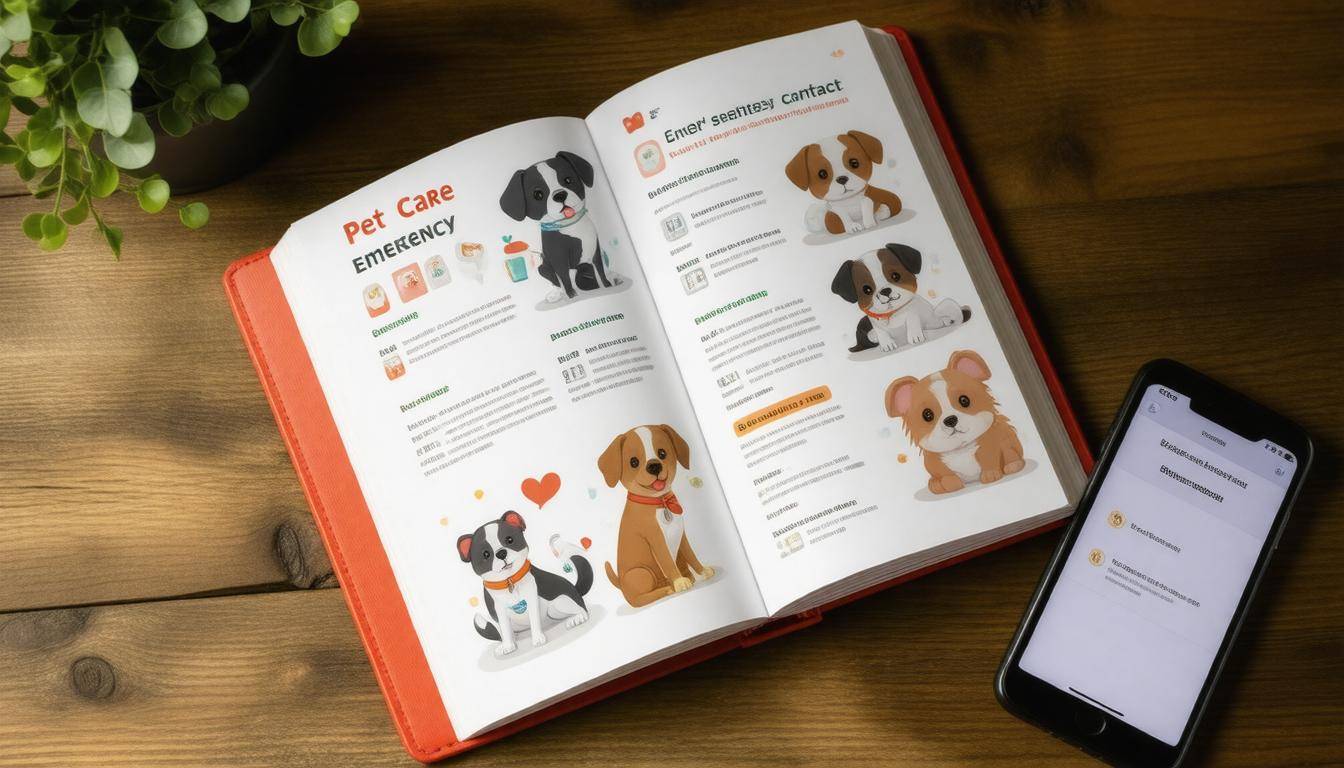
The Pet Ownership Documentation: Emergency Guide includes vital steps such as creating an emergency plan that incorporates your pets, assembling an emergency kit with necessary supplies, and ensuring all important paperwork—like vaccination records and microchip information—is readily accessible. This comprehensive guide is designed to help pet owners ensure the safety and well-being of their pets during disasters or emergencies.
Essential Pet Identification
Proper identification plays a vital role in reuniting pets with their owners, particularly in times of crisis. When situations like natural disasters arise, pets without proper identification face a higher risk of becoming permanently lost. A notable example is Hurricane Katrina, where countless pets were separated from their families due to insufficient identification measures. This emphasizes that adequate preparation could mean the difference between reunion and separation for our beloved animals.
Microchipping
One of the most effective and permanent solutions for pet identification is microchipping. This procedure involves inserting a tiny chip under your pet’s skin, which contains a unique identification number linked to your contact information. According to the American Veterinary Medical Association, pets with microchips are over 20 times more likely to be reunited with their owners compared to those without. Statistics reveal that dogs with microchips boast an impressive 52% return-to-owner rate, while those without have only a mere 21%. This stark difference underscores the importance of microchipping as a crucial lifeline for lost pets.
Regularly check the information associated with your pet’s microchip to ensure it remains updated. If you move or change your phone number, a simple call to your microchip registry can keep your details current. It’s a small but vital step that enhances your chances of being reunited should the worst happen.
Collar Tags
In addition to microchipping, collar tags serve as another straightforward yet effective method for immediate identification. A collar tag provides visible information on your pet’s collar and can quickly inform anyone who finds them about their identity. Items to include on the tag are your pet’s name, your phone number, and any relevant microchip identification number. It’s like giving your pet a little insurance policy they wear around their neck!
Remember, if your contact information changes, update the tags immediately! It may seem minor, but having outdated information could prevent someone from contacting you when they find your lost pet.
Once you’ve secured proper identification for your pet, we now focus on essential medical documents that will play a significant role during emergencies.
Key Medical Records
Up-to-date medical records serve as a lifeline when ensuring your beloved pet receives immediate and appropriate care during an emergency. Imagine rushing into a veterinary clinic, your heart racing, with your furry friend in distress. Having all their medical information at your fingertips can mean the difference between confusion and prompt treatment. When a veterinarian knows your pet’s vaccine history and medical conditions immediately, they can make informed decisions quickly, which is vital in times of crisis.
Vaccination Records
Keeping detailed vaccination records is essential. This documentation proves that your pets are immunized against common diseases, such as rabies, distemper, and parvovirus for dogs, and FVRCP for cats. These vaccinations protect their health and play a critical role in evacuations or sheltering during natural disasters. For instance, during the California wildfires of 2020, many shelters required proof of vaccinations before admitting pets. Without these documents, you may face delays or be unable to bring your pet to safety.
Imagine how comforting it is to walk into a shelter knowing that you’ve brought along all the necessary paperwork proving your pet’s health status. It can significantly reduce stress when time is of the essence.
Current Medications
Documenting current medications is equally crucial. If your pet has chronic illnesses requiring ongoing treatment—such as diabetes, epilepsy, or allergies—having a comprehensive list that includes medication names, dosages, and administration instructions will be invaluable during an emergency. For example, if you need to evacuate or seek emergency vet care quickly, this information helps avoid unnecessary complications or delays in treatment.
I recommend keeping a dedicated folder for these records, perhaps even digitally. With easy access on your phone or laptop, you’ll be prepared to share vital information without hesitation.
With these medical records ready for action, you should also ensure you’re equipped with essential documentation that may arise during emergencies.
Assembling Legal Documents

Having accessible legal documentation can bring peace of mind when it comes to the welfare of your furry friends. These papers can be lifesavers during emergencies when swift decisions need to be made—decisions that affect our pets’ well-being and safety.
A foundational item in this category is the Pet Care Agreement. Drafting an agreement isn’t just about listing instructions; it’s an opportunity to lay out your pet’s unique needs. This agreement should include their daily routine, specific dietary requirements, any allergies or health conditions, and detailed care instructions for grooming or medical attention. You also want to ensure that this document is signed by both you and the designated caregiver. Having this agreement in hand establishes clear expectations and responsibilities.
Another essential component involves Veterinary Authorization.
Many pet owners have benefited from pre-signing an authorization allowing emergency medical treatments. For instance, I recall a story from San Antonio where a worried owner was able to secure immediate treatment for their injured dog amid a flood because they had already filled out the necessary forms beforehand. Imagine being faced with the panic of trying to get help for your beloved pet while worrying if the vet can treat them without your consent! Pre-authorization removes that stress entirely—it allows caregivers to act immediately on your behalf without hesitation.
But don’t stop at just these two documents! Consider adding other vital paperwork like proof of ownership, recent vaccination records, microchip registration details, and even emergency contacts for veterinarians and pet sitters. Not only do these documents affirm that they are indeed your pets, but they also streamline processes when time is of the essence.
A folder containing all this information should ideally be kept in a waterproof bag to protect against any disaster-related damage. In fact, packing copies along with your emergency “Go Bag” ensures you’ll have everything you need on hand when it’s needed most.
Further, include legal documents related to custody arrangements if you have more than one person involved in your pet’s life. This can prevent confusion regarding who gets custody in case of unexpected scenarios. Documenting everything not only reassures those caring for your animal but also keeps relationships intact during stressful times.
As you gather all these important papers, remember that organized legal documentation will ultimately create a smoother transition for everyone involved when emergencies arise—especially for your beloved pets who rely on you wholly. Moving forward, it’s crucial to ensure that emergency communication details are readily available as well.
Emergency Contact Information
Having up-to-date contact details for all relevant parties ensures swift action during emergencies, starting with identifying your primary caregiver. Listing your primary veterinarian’s name, address, and phone number is essential. You should also keep the contact information of a backup caregiver handy—a trusted friend or relative who knows your pet well and can act if your regular vet is unreachable. Imagine the peace of mind you’ll have knowing there’s someone prepared to step in for your furry friend should something happen!
Animal Control
Another crucial element in your emergency plan is including contact details for local animal control and any nearby shelters. These organizations can offer vital assistance in various situations—from evacuations due to natural disasters to helping find lost pets. It’s not just about listing their names; ensure you have their addresses and operating hours as well.
Keep in mind that they may require valid identification or documentation to assist effectively, so having this information organized will save valuable time.
Storing these documents safely is the next logical step to ensuring that when an emergency strikes, you’re prepared to take immediate action on behalf of your beloved pets.
Organizing this information into a central place, such as a clear folder or digital file that can be accessed quickly, is an excellent strategy. Always revisit and refresh this data regularly—especially if you’ve changed vets, moved addresses, or if any pertinent regulations change within your locality regarding pet ownership.
In addition to the aforementioned contacts, consider keeping emergency numbers for veterinary specialists or poison control related specifically to animals. These numbers can be invaluable if your pet encounters an unexpected hazard like ingesting something harmful.
Always remember: being proactive today means a faster response tomorrow!
Now that we’ve covered crucial contact information for emergencies, let’s look at efficient ways to maintain and secure these important documents for easy access when needed.
Document Storage Solutions
Proper document storage is not just about keeping things in a drawer. It’s about creating a system that keeps your critical information organized, accessible, and protected from potential disasters. Think of it as building a mini vault of knowledge—not only will it make those frantic moments easier when searching for documents, but it can also save you heartache down the road if something goes awry.
Digital Copies
When considering digital storage options, scanning all your essential documents is key. Services like Google Drive or Dropbox allow you to back up these files and provide added convenience by enabling access from anywhere with an internet connection. Make it a habit to regularly update these files; this way, any changes to your pet’s medical history or important contact information are always current.
An added tip: Organize your digital files into folders—the easier you make it to find what you’re looking for, the more likely you’ll locate the right document quickly in an emergency. For example, you might have separate folders for Vet Records, Emergency Contacts, and Insurance Policies.
Physical Copies
Although digital copies are immensely valuable, there’s still merit in having physical copies at hand. Store these documents in a waterproof and fireproof safe to ensure they’re well-protected against potential damage.
Imagine the peace of mind knowing that even if a natural disaster strikes your home, those important documents are secure. Additionally, consider storing multiple copies of critical documents in strategic locations. Perhaps leave one set with a trusted friend or family member nearby who can access it on your behalf if needed.
Here are some additional measures to improve the security and accessibility of your physical copies:
- Label folders clearly so that anyone assisting you can easily understand where things are stored.
- Periodically check on these documents to ensure they remain intact—pages can degrade over time, especially in humid environments.
- Make sure those you’ve entrusted with extra copies know where to find them and understand that these documents are crucial for your pet’s well-being.
With everything securely documented and organized, you’ll be ready to navigate any unexpected situations that may arise. Let’s now explore how to ensure quick access during those critical moments.
Quick Access During Emergencies

Being prepared for an emergency involves more than just having the right documents; it’s about ensuring those documents can be retrieved quickly and efficiently. Imagine a scenario where you must evacuate your home because of an impending natural disaster. Every second counts, and having quick access to all relevant pet documentation can make a significant difference. Knowing exactly where your emergency folder is located can alleviate one source of stress.
Emergency Folder
Start by creating an emergency folder that contains all the essential documents specific to your pets. This folder should include vaccination records, microchip information, and any other pertinent documentation such as licenses and medical histories. Store this folder in a predetermined location that everyone in the household knows—perhaps near the front door or in a designated drawer. For instance, during the Texas freeze in 2021, families with organized emergency folders were able to evacuate rapidly, illustrating how crucial such preparedness can be.
You might want to use bright labels or color-coded folders so that even in moments of panic, they catch your eye easily.
Digital Apps
In our increasingly digital world, technology provides excellent solutions for keeping track of important information. Applications like the FEMA app or Pet First Aid by American Red Cross allow pet owners to store digital copies of vital documents right on their smartphones. These apps provide immediate access not only to pet health information but also to emergency contact details for veterinary services. When faced with a crisis, being able to pull up an entire folder of documents directly from your phone can save valuable time and help ensure your animal receives necessary care swiftly.
As you contemplate which documents to include in both physical and digital formats, remember that familiarizing yourself with local resources can enhance your efficacy during emergencies.
Given that approximately 45% of pet owners reported feeling unprepared for emergencies involving their pets, utilizing these strategies becomes essential. With proper directories—both physical and electronic—you can manage emergencies much more effectively and ensure your pets are taken care of despite unforeseen challenges.
The next step involves understanding how often you need to refresh this important information for continued effectiveness.
Periodic Document Updates
Regularly updating documents is essential to ensure all information regarding your pets is current and accurate. Life can change in an instant, and having the right documentation ready can make a world of difference during emergencies. Imagine rushing to save your furry friend while trying to recall when their last vaccination was—stressful, isn’t it? By scheduling regular reviews, you eliminate that panic.
Schedule Regular Reviews
I recommend setting quarterly reminders to review and update all relevant documents related to your pets. This habit allows you to incorporate any new medical conditions, changes in contact information, or legal adjustments into your records as they happen. For instance, if your pet is prescribed new medication or experiences a health issue, you’ll want to reflect that right away rather than waiting for the next scheduled check. Not only does this maintain accuracy, but it also builds confidence in your emergency strategy.
Consistency helps reinforce these updates, but how do we ensure we’re not just checking boxes?
Feedback Loop
Some people might argue that bi-annual updates suffice—after all, life is busy! However, a quarterly review aligns better with regular vet visits and potential medication changes. Keeping a routine documentation system can alert you when it’s time for those check-ins and help surface forgotten details. You might discover that a particular vaccine is soon due or that it’s time to evaluate your pet’s microchip status—items often neglected during less frequent reviews.
Remember, diligence pays off—it’s about more than just filling out forms; it’s about being ready for anything life throws at you.
In tandem with these updates, consider creating an organized folder—both digital and physical—where everything is stored. This accessibility ensures peace of mind knowing where essential information lives. The proactive steps you take now can alleviate stress later on, especially when every second counts in an emergency situation.
With a solid foundation for keeping documentation updated, we can now shift our focus to the vital items needed in case of emergencies involving our beloved pets.
Items to Include in a Pet Emergency Kit
One of the first things you should think about when crafting your pet emergency kit is food and water. Just like humans, pets need sustenance to endure tough times. A good rule of thumb is to pack at least a week’s worth of food tailored to your pet’s specific dietary needs. This often means high-quality kibble in airtight containers or resealable bags that keep the food fresh.
You also want to incorporate bottled water—about one gallon per pet per day will suffice. Make sure to have enough extra water on hand as well. Remember, if you change your pet’s food suddenly due to an emergency, it can lead to digestive issues, which can be the last thing you want when everything else is chaotic.
Next up is an easily overlooked but highly essential section: the first aid kit. This is where preparation truly shines. Imagine you’re in a panicked situation and realize your pet has a scraped paw or is experiencing an allergic reaction to something in their environment. Having basic first aid supplies handy can make a world of difference.
Important items to include in this kit are:
- Bandages
- Antiseptic wipes
- Tweezers (to remove splinters or ticks)
- Scissors (for cutting bandages or gauze)
- Emergency blankets that retain body heat in case your pet becomes cold.
It’s also wise to consult your veterinarian for any additional medications or recommendations that might address your pet’s unique health requirements. Each animal has its own set of needs, so professional advice can offer those extra peace-of-mind touches.
When I compiled my emergency kit, I took into account not only typical accidents but also how stress could impact my pets during emergencies; adding calming treats and familiar toys made an immense difference for my own dog during stressful situations.
Additionally, don’t forget that regular updates to this kit will ensure everything remains in good condition and ready for use when needed most. It’s all about being prepared long before adversity strikes, so take the time now to gather and check these important items for your furry family members.
In summary, a well-planned pet emergency kit not only prepares you for unexpected situations but also ensures your beloved animals remain safe and comfortable no matter what challenges arise. Taking these steps today can safeguard your furry companions tomorrow.