
Floods can strike when we least expect them, transforming peaceful landscapes into rushing torrents in the blink of an eye. For those living in the Pampas region of Argentina, understanding how to prepare for such events is no longer just a safety measure; it’s a necessary part of life. The Pampas is known for its flat terrain and sudden heavy rainfalls, meaning that being equipped with the proper knowledge and tools could make all the difference between chaos and calm during a flood. This guide covers essential preparedness tips, helping you become proactive rather than reactive when it comes to flooding risks. Let’s ensure that you and your community are ready to face whatever Mother Nature brings our way!
The Argentina Pampas Flooding Preparedness Guide outlines essential safety tips, such as assembling an emergency kit with supplies like food, water, and medications, understanding local evacuation routes, and having a family communication plan. It also emphasizes the importance of community engagement and staying informed through weather forecasts to mitigate risks associated with flooding.

Preparing for Floods in Argentina’s Pampas
Step I – Assembling Emergency Kits
A well-prepared emergency kit is a lifeline when floods threaten your safety. Ideally, this kit should include at least a three-day supply of bottled water—consider one gallon per person per day—and non-perishable food items such as canned goods and dried fruits.
Don’t forget to add essential medications and personal items, like hygiene products, to make your situation more comfortable. Flashlights and extra batteries are crucial too, as power outages commonly accompany severe weather. You’ll want to ensure that all vital documents—like identification, insurance papers, and any medical records—are safely stored in waterproof containers or bags, protecting them from potential water damage.
Emergencies unfold quickly; having these supplies ready will give you peace of mind and the resilience needed to cope with an unexpected flood event.
Step II – Staying Informed
The best preparation relies on staying informed. Regularly monitor weather updates from the Servicio Meteorológico Nacional to catch any alarming forecasts early. They provide timely alerts that can tip you off to inevitable flooding or other extreme weather conditions. Installing weather apps on your smartphone that offer real-time notifications can be indispensable. These alerts act as your first line of defense—allowing you to secure your home and family well ahead of rising waters.
Additionally, consider setting up a family communication plan so everyone knows how to get in touch or where to meet if evacuation becomes necessary.
Step III – Evacuation Routes
It’s not just enough to have a plan; you must execute it under pressure. Identify and map out safe evacuation routes leading from your home to higher ground. These paths should ideally steer clear of low-lying areas known for flooding. Once your routes are established, practice navigating them with family members; familiarity breeds confidence when every second counts during an emergency.
Community preparedness initiatives often host drills that can help consolidate this knowledge further. Engaging with local resources is key—they might share insights on the quickest and safest escape routes based on previous flood experiences.
By focusing on assembling emergency kits, staying informed through reliable sources, and practicing evacuation routes, you’ll be much better equipped against the flood risks inherent in the Pampas region. Each step builds a stronger foundation for safety while fostering a community that understands how crucial collective awareness and preparation truly are in times of crisis.
With these preparations firmly in place, it’s equally important to identify which areas pose the greatest risk so you can take proactive measures before disaster strikes.
Identifying Flood-Prone Areas
Understanding whether you are in a flood-prone area isn’t just a precaution; it’s an essential part of strategic planning for you and your family. Approximately 40% of rural areas in Argentina find themselves at risk of flooding during heavy rains—this statistic serves as a reminder that awareness can lead to better safety measures.
Mapping Flood Zones
To pinpoint vulnerable areas effectively, utilize local government resources. Organizations such as the Inter-American Development Bank offer valuable insights through detailed mapping of flood risks. These maps show topography, which can help identify valleys and low-lying regions likely to experience water accumulation. Historical flood data is crucial; this information outlines previous flooding events and helps forecast future risks based on past weather patterns. Keeping an eye on climate trends is important, as changes can increase the likelihood of floods in previously deemed safe areas.
However, while maps provide a good formal indication, recognizing signs in nature also plays a key role in identifying risks.
Recognizing Signs
Pay close attention to natural indicators. Low-lying regions are more susceptible to flooding because water naturally collects there. Being near rivers or creeks heightens this vulnerability, especially during peak rainy seasons when overflow becomes a significant concern. Adequate drainage systems are essential; if your neighborhood experiences frequent waterlogging or puddling after heavy rains, it’s time to reconsider your location’s flood safety.
Engaging with local communities can provide anecdotal evidence about flooding history. Conversations with long-time residents may reveal stories about past floods that official records might not capture. Additionally, consider organizing community discussions or workshops focused on flood awareness and management where neighbors could collectively analyze local risks.
With these resources and observations at hand, proactive measures can be taken to safeguard your home and property against potential flooding threats, setting the stage for further exploration into available resources aimed at enhancing preparedness.
Government Resources for Flood Prevention
The Argentine government has prioritized flood preparedness through collaborative efforts, attracting funding from multiple sources aimed at ensuring the safety of its citizens. One notable collaboration is with the Inter-American Development Bank, which has pledged a significant $500 million for climate action plans. This hefty investment is funneled into critical infrastructure projects required to withstand nature’s unpredictability. For instance, improved drainage systems are being implemented to help direct excess water away from populated areas, while reinforcing riverbanks combats erosion that could lead to devastating overflow during floods.
Agencies Involved
It often feels like we have an army of agencies specific to these concerns, making preparation a collective effort.
| Agency | Role |
|---|---|
| Servicio Meteorológico Nacional | Provides timely weather forecasts and emergency alerts that keep you informed and prepared. |
| Defensa Civil | Manages disaster response and evacuation procedures when floods strike. |
| Ministry of Environment | Oversees environmental conservation alongside climate change mitigation strategies that play a long-term role in flood prevention. |
Aligning goals across these agencies maximizes resources and ensures that information flows smoothly between organizations.
It’s this interconnectedness that leads to a more substantial response system, enabling them not only to react but also proactively prepare communities. For example, the forecasts provided by the Servicio Meteorológico Nacional can help local farmers decide when to harvest or plant crops, thereby minimizing their exposure to potential flooding risks. Likewise, Defensa Civil isn’t simply on standby; they conduct community drills to ensure residents know what actions to take during a flood situation.
The upcoming years will showcase whether investments such as these bolster Argentina’s defenses against flooding disasters, but one thing is clear: preparation today can mitigate damages tomorrow.
Furthermore, coordination between local governments and national bodies leads to better awareness campaigns designed to educate the public on individual precautions as well. As citizens become more informed about their environment and inherent flood risks, they become active participants in our society’s resilience against flooding.
This proactive stance underscores the importance of communal engagement and lays the groundwork for more targeted community initiatives focused on safety and readiness.
Community Safety Plans
When we talk about community safety plans, we’re really discussing a collective effort to protect lives and property during flooding events. The strength of any safety plan lies in the involvement of local citizens. By bringing people together for mutual support, communities can better anticipate and respond to potential floods.
Take for example the words of Maria Gonzales; her testimony highlights how organizing local groups for early warning systems saved lives during previous floods. This shows how important community engagement is in crafting effective solutions to disaster risks.
Creating Local Networks
Establishing local committees serves as the backbone for coordinated flood response activities. These groups can include representatives from various sectors—schools, businesses, health services, and emergency responders—to ensure diverse perspectives are considered.
By pooling resources and knowledge, communities can create targeted educational campaigns that inform residents about specific flood risks they may face. For instance, communities near industrial sites might develop tailored materials addressing chemical spill risks alongside natural flooding threats.
Engaging with these local networks allows for more personalized communication. Meetings can be held regularly where residents share their concerns, experiences, and suggestions that directly inform the safety plan. These discussions foster a sense of ownership over community resilience strategies, making individuals more likely to participate actively.
Engaging in Drills
One innovative approach communities can take is participating in regular drills that simulate flood scenarios. Such rehearsals aren’t just good practice; they help residents familiarize themselves with emergency procedures and encourage efficient cooperation when a real flood strikes.
During these drills, participants can practice everything from evacuating their homes quickly to communicating crucial information with each other. Importantly, these drills also highlight areas needing improvement within the safety plan itself. After each exercise, feedback should be gathered, allowing for adjustments that enhance readiness for future incidents.
Engaging both young and old in these exercises fosters an understanding of roles among family members—whether it’s packing an emergency kit or establishing a meeting point during an evacuation.
Community preparedness doesn’t merely reside within government guidelines or official statements—it thrives in the hands of the people who live there.
Effective community safety plans become living documents shaped by local input, regular practice, and adaptability. The fabric of community ties woven through these initiatives not only heightens awareness but ends up saving lives when disaster strikes.
As you consider enhancing your own neighborhood’s flood preparedness, remember: it is the planning and practicing together that truly builds resilience against whatever nature has in store.
With the groundwork laid for community involvement and preparation, it’s crucial to consider the specifics of immediate actions and strategies that must be executed once flooding begins.
Emergency Response and Evacuation Procedures
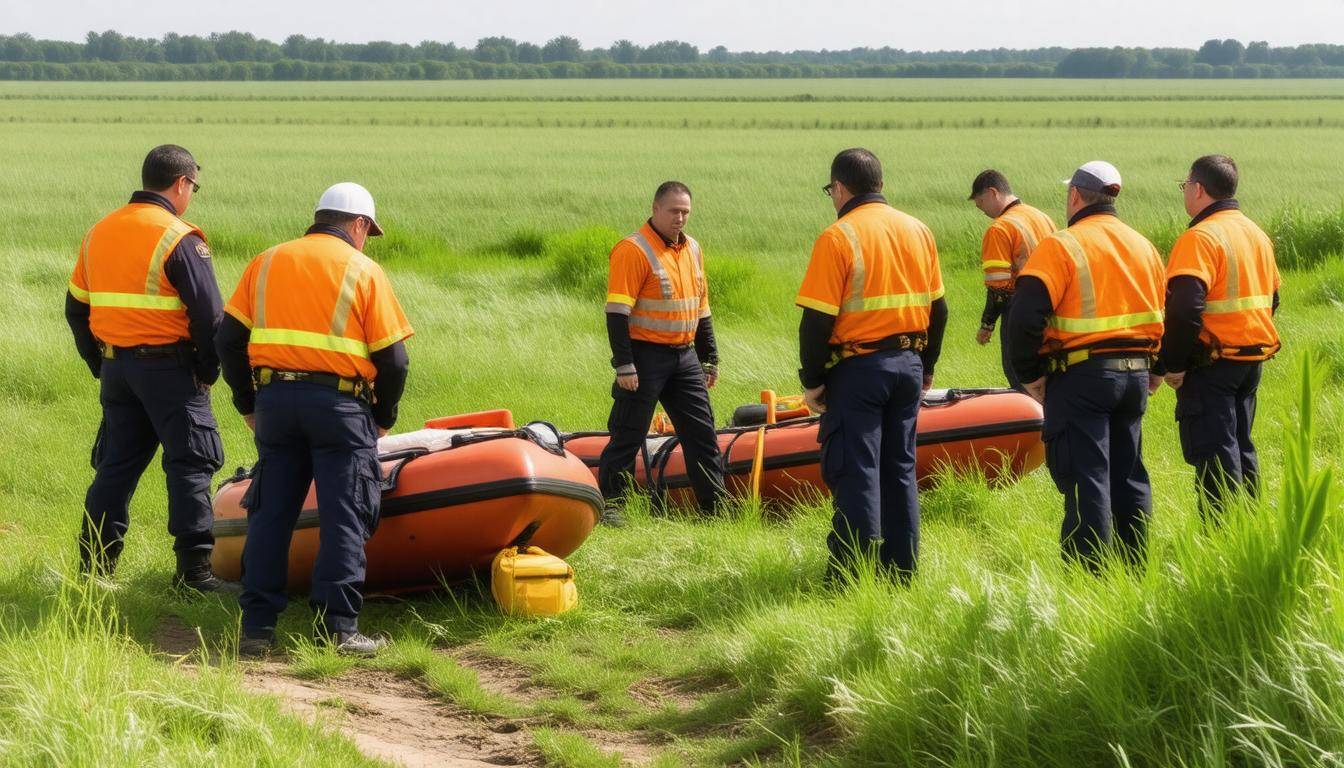
Efficient evacuation procedures are key during flood emergencies, and knowing the steps involved is vital for ensuring safety. The first step is staying informed. Upon receiving flood warnings, it becomes essential to promptly notify all household members about the situation. A good practice is to establish a routine check of local weather services or apps that provide real-time alerts. When the alarm goes off, so should your sense of urgency. It’s not merely about moving; it’s about swift action that prioritizes your safety and well-being.
With everyone aware of the impending danger, the immediate next step is to find a safe shelter.
Step I – Immediate Alert
Text alerts and push notifications from national warning systems often act as the initial trigger, giving you precious time to enact your emergency plan. Encourage every household member to keep their phones charged, as these devices can be lifelines during such crises. Once you receive an alert, gathering family members in a designated safe area is imperative. This helps ensure that, amidst chaos, no one gets left behind.
Now that the family has been alerted and prepared for potential evacuation, locating safe shelter becomes crucial.
Step II – Safe Shelter
If home evacuation is necessary, identifying nearby designated flood shelters can safeguard all family members against the elements. Local schools and community centers often serve as temporary shelters; however, it’s wise to familiarize yourself with their locations well ahead of any disasters. Not only does this provide peace of mind, but it also minimizes panic later on. Also, consider reaching out to neighbors or local groups who may know alternative shelter options if primary sites are overcrowded.
Having established sturdy lines of communication and identified shelter locations, maintain contact with your loved ones and community.
Step III – Communication Plan
Developing a comprehensive family communication plan prior to emergencies can minimize confusion and stress during a flood event. This includes exchanging relevant phone numbers, agreeing on meeting points within safe areas, and determining contact methods when conventional networks might fail due to overuse or disconnection. Make sure everyone knows how to reach one another when separated—whether through social media platforms, text messages or even through community bulletins regularly shared during emergencies.
Remember: Agree on safe places to reconvene as part of your communication strategy. Familiarizing everyone with these safe havens brings a sense of security amidst turmoil.
Understanding the protocols surrounding response and evacuation not only enhances personal safety but also prepares communities for potential flooding challenges. Next, we will focus on strategies for safeguarding your assets and structures against adverse weather impacts.
Protecting Property and Infrastructure
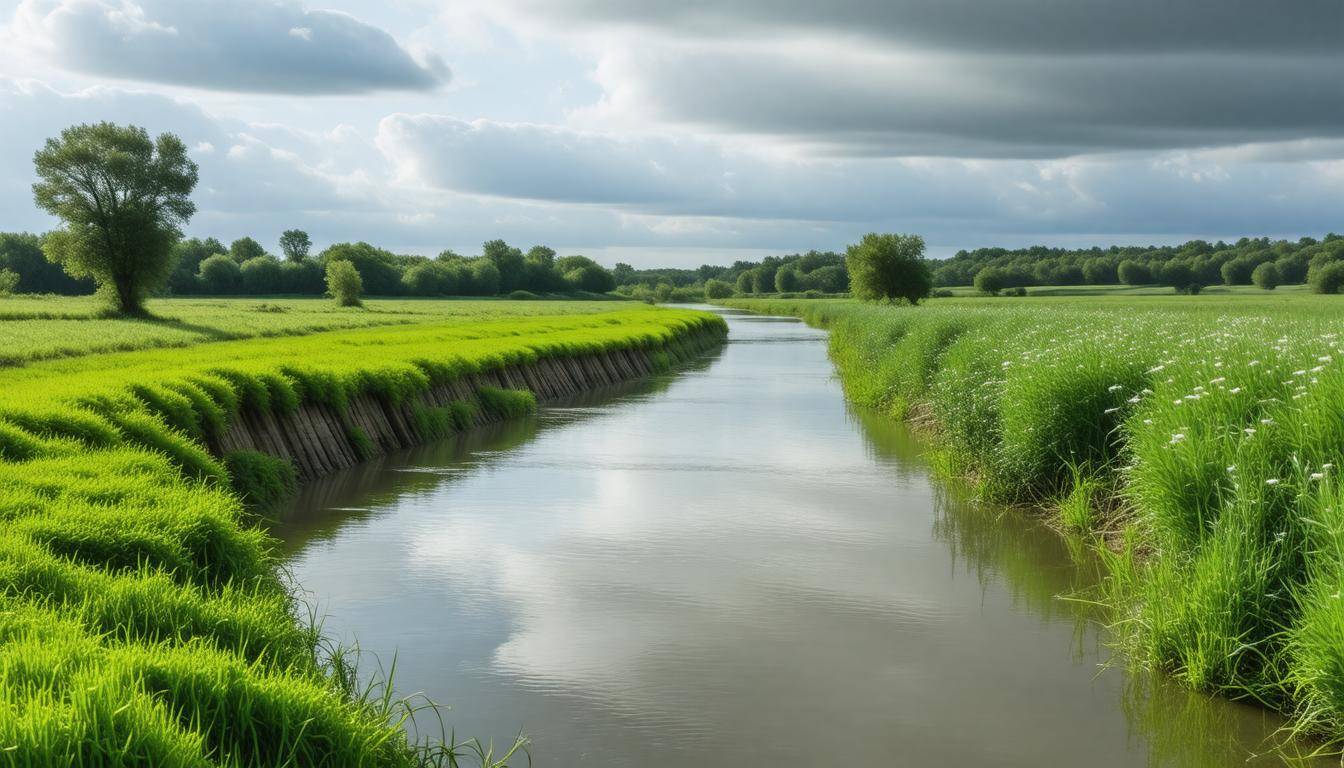
Mitigating property damage is not merely an afterthought; it requires a comprehensive understanding of how to adapt to the unique landscapes of the Pampas. The flat geography and severe weather patterns in this area make it susceptible to flooding, so taking precautionary measures can make all the difference.
Elevating crucial systems within your home is a fundamental first step. For instance, raising electrical systems and appliances above expected flood levels ensures that they remain operational even when the waters rise. This simple act might save you thousands in damages should a flood occur.
Furthermore, investing in sump pumps can be a game-changer for homeowners. These devices actively remove excess water from basements, providing peace of mind during heavy rainstorms. Installed alongside backflow valves, which prevent sewage from flowing back into your home, you create a solid layer of defense against potential disasters.
Structural Reinforcements
In addition to elevating electrical systems, reinforcing your home’s overall structure is essential. Inspecting and strengthening foundations can help absorb shock from the ground pressure caused by saturated soil. Use flood-resistant materials like concrete or treated wood for any renovations or additions to further safeguard your property.
But it doesn’t stop there; planning goes much deeper into landscaping, where strategic choices can significantly impact flood control. Imagine transforming your yard into a buffer zone capable of mitigating heavy rainfall’s effects!
Landscaping for Flood Control
By creating rain gardens filled with native vegetation, you facilitate natural water absorption and improve water quality as well. Native plants are particularly beneficial because they are adapted to local conditions, requiring less maintenance and water once established.
In tandem, constructing berms or elevated pathways can serve as barriers that redirect flow away from critical areas like your house or garden.
Additionally, community efforts toward sustainable land practices can enhance these individual actions. Engaging with local organizations dedicated to conservation not only aids your efforts but also fosters a sense of collective responsibility for managing flooding risks.
By embracing these strategies fully—structural reinforcements combined with thoughtful landscaping—you take significant strides toward protecting your home and community from floods in Argentina’s Pampas. Such measures allow residents to better coexist with nature while significantly lowering property damage risk during inclement weather.
With these preparation strategies firmly in place, the next essential focus will be on maintaining safety during adverse weather events, ensuring that everyone is equipped for challenges that may arise.
Maintaining Safety During Floods
Staying safe during a flood requires vigilance and strict adherence to safety protocols. One of the most significant aspects of flood safety is understanding just how deceptive floodwaters can be. While it may seem that you could wade through shallow water without issue, the reality is that floodwaters often hide dangers beneath the surface—sharp debris, strong currents, and even contaminated liquids. Thus, it’s advisable to avoid floodwaters completely.
Do not walk, swim, or drive through floodwaters. The allure to cross what appears manageable can have dire consequences; flood currents can swiftly sweep you away or lead to injury from concealed hazards.
Health Precautions
In addition to avoiding floodwaters, there are essential health precautions to keep in mind when faced with flooding. After a flood, many communities experience disruptions in clean drinking water supplies. As a precaution, ensure that any water from flooded sources is treated before consumption. Boiling water for at least one minute is an effective method to eliminate pathogens that could cause illness. This simple act can safeguard your health during a crisis.
If you must navigate through flooded areas, wear protective gear like waterproof boots and gloves. These protect against cuts from sharp objects and contamination from various debris, which can harbor harmful bacteria or mold. Staying aware of your surroundings while taking these measures is vital.
It’s also crucial to remain informed about weather forecasts and local emergency services during flooding. Equipping yourself with knowledge allows for quicker decision-making when conditions worsen.
Monitoring updates from national weather services can provide timely warnings regarding escalating flood situations, giving you the advantage of preparation. Emergency services often recommend staying indoors during severe floods and keeping away from windows where rising water might encroach unexpectedly.
Consider developing a family communication plan so everyone knows what actions to take if flooding occurs suddenly. This can include pre-arranging meeting spots where everyone can gather safely should evacuation become necessary. Flooding may happen quickly, and ensuring everyone understands their role keeps panic at bay during chaos.
Ultimately, improving your flood safety involves continuous learning and preparedness. Engaging with local community programs focused on emergency response prepares you for real-life scenarios while fostering resilience within your neighborhood.
As we consider the steps necessary for safety during floods, it’s also important to address the actions required after waters recede to ensure recovery and rebuilding efforts are effective.
Post-Flood Recovery Strategies
The aftermath of flooding can leave a community or household reeling, desperate for clarity during such chaotic times. Crafting an effective recovery strategy is more than just clearing water from your floors—it’s about securing your home and restoring normalcy in your life. This process involves several steps that intertwine physical inspection, cleaning, and emotional support.
Step I – Safety Inspection
As you step back into your home post-flood, the first impression may be overwhelming. That murky water once filled the area you cherished, but before returning to your everyday routine, performing a careful safety inspection should take precedence. Start by checking for significant visible damage; structural integrity is vital after such an event. Look closely at walls, ceilings, and foundations for cracks or warping. If you notice anything amiss, it’s best to consult a professional who specializes in structural repairs.
Safety should always come first. Remember to check for subtle issues such as gas leaks and electrical hazards by inspecting appliances or wiring that might have been affected by flooding. If any doubt arises about safety, never hesitate to call in experts. Better to err on the side of caution.
Step II – Cleaning and Sanitization
Once you’ve confirmed that your home is structurally sound, it’s time to tackle the muck left behind. This step is not just about aesthetics; it’s critical for health reasons too. Mold can develop quickly, so swift action is paramount. Gather supplies like gloves, masks, and a powerful cleaning solution—bleach is often suggested at a ratio of one cup per gallon of water for effective germ elimination.
Narrow down your cleaning efforts noting that high-traffic areas might need extra attention since they are prone to dirt accumulation. Pay special attention to carpets, upholstery, and wooden furniture which can quickly harbor mold if not cleaned thoroughly. This meticulous sanitization process will reveal both the strength of your resolve and the state of your living space—not only leaving it clean but also safeguarding your family’s health moving forward.
Aim for thoroughness over speed; rushing can lead to nooks being overlooked where mold likes to hide out.
Assistance and Support
The journey doesn’t end with cleaning — next comes the often overlooked emotional recovery aspect that is equally essential. Floods disrupt lives not just physically but emotionally too. Leverage local and national aid programs designed specifically for recovery assistance in times like this. Organizations like the Red Cross can provide immediate resources such as temporary housing, food supply, or counseling services to help transition from despair towards resilience.
Your community could become an invaluable ally in recovery; engaging with local groups can bring shared experiences that instill hope and create pathways toward rebuilding together. Sometimes just sharing stories of survival feels therapeutic; flooding may tear down homes but it won’t tear down a community.
Each of these steps—safety inspection, thorough cleaning, and emotional support—serves as foundational strategies for ensuring that recovery post-flood isn’t just about survival but about thriving once again in an environment that feels like home. Taking these proactive measures ensures a comprehensive approach to overcoming the challenges brought forth by flooding as you rebuild stronger than before.
In challenging times, fostering resilience through community support and detailed recovery strategies can lead not only to repair but also revitalization after a flood.
How can farmers in the Pampas protect their crops from seasonal flooding events?
Farmers in the Pampas can protect their crops from seasonal flooding events by implementing effective drainage systems and utilizing raised bed farming techniques. Constructing ditches or drainage channels can divert excess water away from fields, while raised beds help elevate crops above potential flood levels. According to recent data, proper drainage can reduce crop loss by up to 40%, making it a critical investment for sustaining agricultural productivity in flood-prone areas. Additionally, employing cover crops can improve soil structure and enhance water absorption, further mitigating flood damage.
What resources and local organizations are available for flood preparedness and recovery in Argentina?
In Argentina, particularly in the Pampas region, resources for flood preparedness and recovery include the National Civil Protection Directorate (Dirección Nacional de Protección Civil) which offers guidelines and training for communities to develop emergency plans. Local organizations such as the Argentine Red Cross provide assistance and relief during flooding events. Additionally, community-based groups often collaborate with government agencies to raise awareness about flood risks; statistics indicate that between 2000 and 2020, over 100 significant flooding events impacted this area, underscoring the importance of organized resources and response strategies for community resilience.
What actions should individuals take during a flood watch or warning in the Argentina Pampas?
During a flood watch or warning in the Argentina Pampas, individuals should immediately prepare by securing their homes, elevating electrical appliances, and moving valuable items to higher ground. It is crucial to stay informed through local weather reports and warnings, as the region can experience significant rainfall leading to rapid flooding. According to meteorological data, areas within the Pampas can receive up to 200 mm of rain in a single storm event, underscoring the importance of proactive measures. Additionally, having an emergency kit ready with essentials such as food, water, and medications can be lifesaving during unexpected flooding events.
What specific flood risks are faced by communities in the Argentina Pampas region?
Communities in the Argentina Pampas region face several flood risks primarily due to heavy rainfall and the region’s unique topography, which can exacerbate water accumulation. The Pampas’ flat landscape makes it prone to prolonged flooding following intense storms, with historical data indicating that certain areas can experience up to 400 mm of rainfall in a single month during peak seasons. Additionally, inadequate drainage systems and agricultural runoff contribute to increased vulnerability, leading to significant economic disruptions and threats to infrastructure and health for local populations.
How can residents create an emergency plan tailored to potential flooding scenarios in the Pampas?
To create an effective emergency plan tailored to potential flooding scenarios in the Pampas, residents should first conduct a thorough risk assessment of their property and surrounding areas, identifying flood-prone zones. They should establish a communication plan that includes alert systems and contact lists for family and neighbors. Additionally, it’s vital to develop evacuation routes to higher ground and stock emergency supplies such as water, non-perishable food, and medical kits. According to data from local authorities, regions in the Pampas experience flooding approximately every three to five years, making preparedness essential for minimizing risks and ensuring safety during such events.