
When you’re cruising down the highway or taking a leisurely road trip, the last thing on your mind is probably an emergency situation. Yet, unexpected events like a flat tire or getting caught in bad weather can happen to anyone at any time. Having a well-prepared vehicle emergency kit isn’t just smart; it can truly make a difference when you’re faced with roadside troubles. With so many essential supplies available today, it’s easy to get overwhelmed about what you really need. But don’t worry! This article will help you compile a comprehensive checklist of must-have items that ensure you’re equipped for whatever challenges come your way, no matter where your journeys take you. So let’s dive into the essentials you should always have on hand to keep your adventures safe and enjoyable!
A complete vehicle emergency kit checklist should include essential items such as a first aid kit, at least 2 gallons of water, non-perishable food items like meal replacement bars, blankets for warmth, a fire extinguisher, flashlights with extra batteries, basic tools and spare tire, road flares or hazard triangles for signaling, and seasonal items like ice scrapers and kitty litter for winter preparedness. Ensure to regularly check and replace any perishables or outdated supplies in your kit to stay prepared for emergencies.
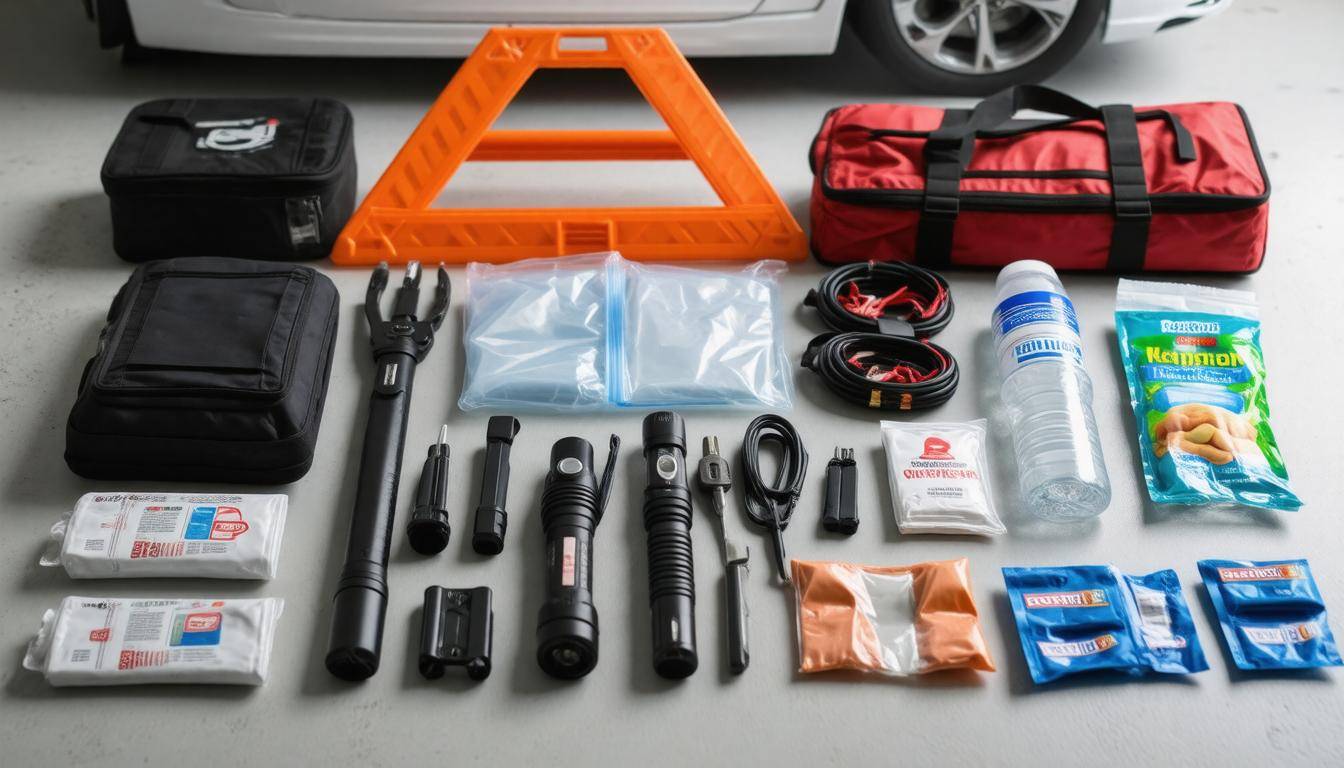
Essential Items for Your Emergency Kit
When it comes to being prepared for roadside emergencies, having a well-rounded kit can make all the difference. Beyond water and food, several other key components should be included. A solid first aid kit is essential; in case of minor injuries during a road trip, having easy access to adhesive bandages, antiseptic wipes, gauze pads, and pain relievers is crucial. Ideally, store this kit mounted to the back of the driver’s seat for visibility and accessibility.
Furthermore, having a multi-tool in your emergency kit can be invaluable. A high-quality multi-tool combines various functions—a knife for cutting, pliers for gripping, and even a screwdriver. This versatility means fewer tools cluttering your trunk while providing multiple solutions at your fingertips.
Don’t forget about jumper cables—another must-have item. In the event of a dead battery, having 12-foot cables with a minimum 4-gauge wire can save you from being stranded. Make sure these cables are neatly coiled in the trunk for quick deployment. Additionally, consider keeping a spare tire along with a portable floor jack—these can be lifesavers if you happen to get a flat. Portable jacks are preferred over scissor types because they generally allow for easier tire changes.
Next up is communication equipment which is crucial for ensuring you’re never completely off the grid during an emergency.
Communication and Tools
For effective communication during emergencies, ensure you have your cellphone charged and ready to go, alongside a backup burner phone stored conveniently in the glove compartment. It’s best to keep essential chargers on you and spares in the trunk to guarantee operational devices everywhere. You never know when you may need to call for help after an unexpected incident.
Alongside communication tools, having duct tape, especially quality variants like Gorilla Tape, can help secure loose parts of your vehicle or temporarily patch holes until further repairs can be arranged! Store it in one of your trunk crates; its multifunctional uses are boundless and could be the ticket to getting reliable aid while waiting for professional help.
Lastly, don’t underestimate the importance of proper signaling tools like roadside flares or hazard triangles tucked snugly in your trunk. They serve as crucial signals to alert other drivers of a roadside emergency, offering not just convenience but protection as well. If visibility is limited due to weather conditions or time of day, these tools ensure that help knows exactly where to find you.
With these essentials covered, let’s move on to specialized items tailored for winter conditions which could prove vital depending on your travel route.
Winter Preparedness Items
If you’re driving in areas prone to snow and ice, you’ll want specific tools dedicated to winter readiness. Consider packing non-clumping kitty litter; it’s an unconventional tool that provides excellent traction if your tires get stuck in slippery conditions. Keep it in your trunk ready for those moments when ice might thwart your travel plans.
Always keep an ice scraper handy along with a snow brush easily accessible thanks to its compact nature during winter months. Cold temperatures or snow accumulation on windows turn these tools into vital assets.
It may also be beneficial to invest in hand warmers or even an emergency blanket as part of your kit—these items provide much-needed warmth if you’re stranded for an extended period under harsh conditions.
Preparing adequately with these essentials will support your journey through any unforeseen challenges on the road ahead.
Roadside Emergency Tools
There’s something unsettling about the idea of being stranded on the side of a highway, especially when you realize you don’t have what you need to get back on your way. That’s why equipping yourself with essential roadside tools isn’t just smart; it’s necessary for safety and peace of mind.
Having a set of jumper cables is paramount, and I recommend getting cables that are at least 10 feet long. This length allows you to connect to another vehicle easily, even if they are parked a bit further away. Many folks have faced situations where their car battery unexpectedly dies, leaving them in an inconvenient spot. A quick jump can often bring you back to life within minutes.
Alongside your jumper cables, possessing a tire pressure gauge is equally important. Tires can lose air gradually and may go unnoticed until it’s too late. Keeping tire pressure within safe limits not only ensures better gas mileage but also enhances driving safety. Regularly checking tire pressure can save you from unexpected blowouts or accidents caused by poorly inflated tires.
Another invaluable tool to include is a multipurpose tool like a Leatherman. This compact device combines several tools into one, which can be handy more often than you might expect—whether you’re tightening loose screws or slicing open packaging, a multipurpose tool does it all. Its versatility means you’ll be ready for minor repairs that could arise during uncertain times on the road.
Furthermore, consider adding a towing strap with at least a 5,000-pound capacity to your kit. Engine troubles or accidents can happen anytime; perhaps a friend may call for help after running out of gas or needing assistance after an unplanned stop. With this strap in your kit, you can assist others or ensure you’re not left stranded yourself.
It’s also prudent to keep a fire extinguisher stored within easy reach in your vehicle. In emergencies involving engine overheating or flammable materials around, having quick access to this essential firefighting tool can avert disasters before they escalate.
While gathering these essential items may require an upfront investment of both time and money, they are tools that ensure readiness for various emergencies—all while providing peace of mind as you travel.
Addressing road emergencies requires immediate medical attention sometimes; therefore, having essential supplies for treating injuries is crucial—just like the tools you’ve gathered for roadside assistance.
First-Aid Supplies
A well-equipped first-aid kit is like a safety net; it helps you manage minor injuries effectively and can control more serious situations until professional help arrives. When you’re on the road, the last thing anyone wants is to be unprepared for an unexpected medical issue. Stocking your kit with bandages of various sizes ensures you’re ready for anything from small cuts to larger wounds. Antiseptic wipes are essential not just for cleaning the area but also for preventing infection. Additionally, a few sterile gauze pads accompanied by adhesive tape can help secure dressings over wounds that need protection.
Basic Medical Supplies
Your first-aid kit should definitely include elastic bandages to help provide support for sprains or strains. Don’t forget those little items we often overlook but which might be lifesavers in dire situations, such as scissors, tweezers, or safety pins; they come in handy more often than you’d think! Your goal is to ensure that when calamity strikes, you have everything you need close at hand.
Carefully organizing these supplies within your kit will help save precious time when every second counts. It’s wise to label compartments if you have multiple kits or organize them by injury type—such as cuts, burns, and sprains. Proper organization can streamline the process of finding what you need quickly.
Medication
Of equal importance are medications in your kit. Including universal pain relievers is essential—think ibuprofen or acetaminophen—as they deal with everyday aches and discomforts. If allergies tend to strike unexpectedly, packing antihistamines can help alleviate symptoms from allergic reactions—especially handy during family road trips or picnics where allergens abound! Most importantly, don’t forget any personal prescription medications; keeping those on hand could prove invaluable in emergencies.
A common oversight people make is underestimating the benefits of personalized medication lists next to their first-aid kits. Having a simple sheet detailing what each family member requires ensures that nothing gets missed during stressful moments.
Alongside first-aid essentials, it’s important to consider other critical items that play a pivotal role in ensuring safety and preparedness when unexpected situations arise.
Survival Essentials
Survival essentials are more than just optional gear; they’re vital tools that can keep you safe and comfortable if you find yourself in a predicament on the road. Think about these items as lifelines that might make all the difference during tough times.
Warmth and Shelter
In cold environments, maintaining warmth is crucial. Wool blankets are fantastic because they trap heat effectively, even when wet. Another excellent option is a space blanket—these compact marvels reflect body heat back towards you. When folded or rolled, they fit easily into your glove compartment, yet when unfurled, they provide essential insulation against the elements.
On top of that, consider including an emergency bivvy sack; it’s lightweight and can provide crucial protection against wind and moisture when you’re in need of temporary shelter.
Beyond warmth, staying connected and signaling for help is equally critical during emergencies.
Signaling and Communication
Safety signals and communication tools play pivotal roles in ensuring your rescue or at least keeping you informed of any developments surrounding your situation. Items like flares or hazard triangles act as visual signals to alert passing motorists or search teams to your presence. Pair these with a solar-powered or crank radio, which can keep you updated on weather changes or local news—essential information that could impact your decision-making process in dire situations.
Having a working mobile phone is also of utmost importance; it serves as your primary lifeline in emergencies, providing access to help and guidance from family, friends, or emergency services.
Consider carrying additional charging devices for your phone as well—solar chargers work particularly well without reliance on power sources. Being prepared for communication empowers you during challenging circumstances.
Anticipating unexpected events means understanding not just what items to pack but also how they can effectively support you through various scenarios on the road.
Preparing for Severe Conditions
First, let’s discuss winter weather preparations. When temperatures drop and snow blankets the ground, having the right supplies in your car becomes essential. One surprisingly beneficial item is non-clumping kitty litter; it’s not just for your feline friends. This versatile material can provide much-needed traction for your tires when you’re stuck in snow or icy conditions. Pouring some beneath your wheels can mean the difference between being stranded and getting back on the road.
Alongside kitty litter, consider adding a foldable shovel to your emergency kit. Compact and easy to store, a good shovel can help you dig yourself out of tricky spots or clear snow away from the tailpipe to prevent carbon monoxide buildup while waiting for assistance. The ease of transport coupled with practical utility makes it a must-have during the winter months.
Transitioning to summer, we face a different set of challenges—extreme heat can be just as threatening as a winter storm.
One effective tool against overheating is a reflective windshield cover. By blocking out sunlight, this material keeps your car’s interior cooler and reduces the likelihood of electronic components suffering from excessive heat. On particularly hot days, that intense sun can elevate cabin temperatures to dangerous levels, making a reflective cover invaluable in your emergency preparedness strategy.
| Condition | Preparation Item |
|---|---|
| Winter | Non-clumping kitty litter |
| Winter | Foldable shovel |
| Extreme heat | Reflective windshield cover |
| General | Emergency blanket |
It’s essential to have an emergency blanket handy regardless of season. This lightweight yet insulated item can wrap around you if you’re stranded or provide warmth during chilly nights or unexpected cold snaps, offering versatility year-round.
Equipping your vehicle with these critical items not only protects you from environmental hazards but also enhances your peace of mind while driving in unpredictable weather conditions. As we continue, let’s explore how to effectively pack your kit for maximum efficiency.
Packing Tips for Your Kit
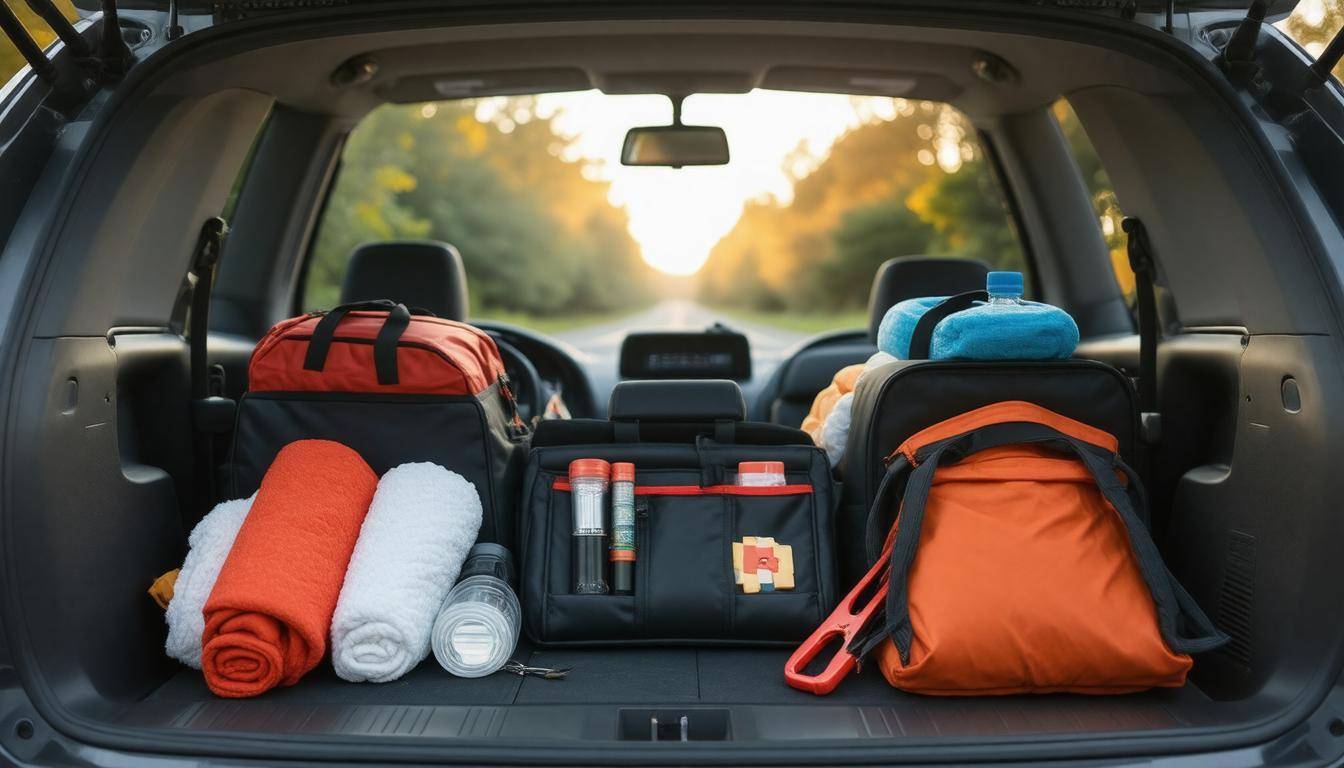
The way you store your emergency supplies can significantly impact your readiness in an actual emergency. Proper organization is vital, as it allows quick access to what you need without fumbling around in a panic. Consider using clear, labeled containers so that not only are the contents visible, but you can quickly spot what you may be searching for. It’s like having a well-organized closet; putting things in their designated spots saves time and eases stress.
Storage Solutions
One effective method is to use plastic crates for different types of supplies, much like how you would organize kitchen drawers. Group things by category: first-aid supplies in one crate, food provisions in another, and tools and safety equipment in a third. This creates a logical flow within your kit that will save you precious moments during frustrating circumstances. Plus, with crates stacked neatly, you’re not treating your trunk like a junk drawer which helps maintain a clean vehicle environment.
Imagine your vehicle’s trunk is an organized pantry instead of chaos; each item has its designated spot, eliminating the stress of searching through random items when trouble strikes. By keeping everything categorized and labeled, you’ll know exactly where to look when every second counts.
Accessibility
Further enhancing this organizational system involves considering the accessibility of each item. Pack frequently used items, such as the fire extinguisher and first-aid kit, in easily reachable spaces—ideally right behind the driver’s seat or at the top of your crate stacks. Lesser-used items, including spare tires or blankets that may come into play less often, can be stored deeper within the trunk or at the bottom of a crate. This strategy not only boosts your preparedness but also reinforces safe driving as clutter-free spaces minimize distractions while you’re on the road.
Ensure to regularly review and update these supplies as well; this could mean replacing expired food or checking if batteries are still functional in your flashlights. Just as any good chef ensures their pantry remains stocked with fresh ingredients, maintaining your emergency kit guarantees you’re equipped for whatever unexpected adventure awaits.
With these thoughtful packing strategies, you’re setting yourself up for both convenience and safety while traversing the roads ahead. Next, we will explore ways to enhance vehicle security and ensure readiness on every journey.
Best Practices for Vehicle Safety
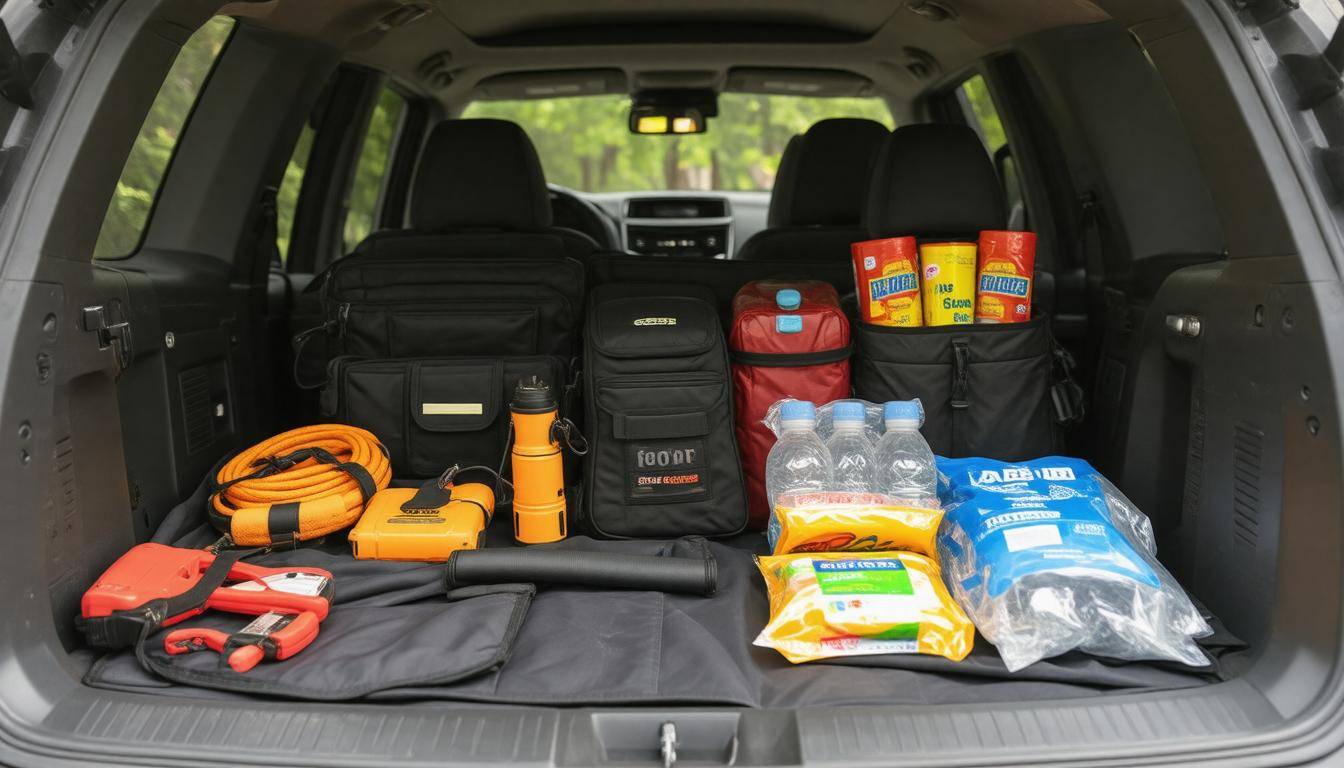
Understanding how to keep your vehicle safe involves a lot more than just maintaining its mechanics. It’s crucial to develop habits that enhance your awareness and preparedness while driving. One effective way to boost safety is to familiarize yourself with your vehicle’s layout and features. Knowing where essential controls like wipers, lights, and hazard signals are can make a difference during an emergency. Grasping these simple yet vital details can help you respond quickly in stressful situations.
But beyond getting to know your vehicle, it’s equally important to stay informed about driving conditions and your surroundings.
Always check weather reports before embarking on a journey. Sudden rain or snow can drastically change road conditions, creating hazardous scenarios. Adjust your driving style when the weather takes a turn by adding extra space between cars or even postponing trips if conditions are severe. A little foresight can protect not only you but also other drivers on the road.
Moreover, let’s discuss why keeping an emergency kit is just as vital as maintaining the car itself.
When equipped with the right items in your emergency kit, you’re arming yourself against unpredictable situations. Essential supplies like a first aid kit, flashlight, and reflective warning triangle are critical for roadside emergencies. According to surveys conducted in 2024, over 50% of drivers lacked basic emergency supplies in their vehicles, highlighting a substantial gap in preparedness that puts drivers at risk in emergencies.
To enhance preparedness further, automotive safety organizations recommend regularly checking expiration dates on items in your emergency kit at least every six months. This proactive approach ensures that each item will function properly when needed, including medications in first-aid kits and batteries for flashlights.
Lastly, let’s talk about incorporating comfort-focused items into your vehicle emergency kit.
Including non-perishable food and water can give you peace of mind when traveling long distances or venturing into remote areas. A couple of energy bars or snacks with an extended shelf life could sustain you if stranded longer than expected. Additionally, a multi-tool or Swiss Army knife adds versatility; these tools are invaluable during emergencies—think of them as insurance for countless scenarios.
As we continue to navigate our daily roads and long journeys alike, ensuring vehicle safety starts with consistent preparation and introduces a broader culture of responsibility both on and off the road.
Incorporating all these strategies leads to safer experiences on the road. By being prepared and informed, drivers can mitigate risks associated with unexpected situations.
How often should I check and update my vehicle emergency kit?
You should check and update your vehicle emergency kit at least twice a year, ideally during the change of seasons. This is crucial as items like food and batteries can expire, while seasonal changes may require different supplies (e.g., winter blankets or tire chains). According to a survey by the American Automobile Association (AAA), nearly 30% of drivers do not have an emergency kit in their vehicle, highlighting the importance of regular updates to ensure you’re prepared for any situation on the road.
Are there specific items that are particularly important for winter driving emergencies?
Yes, specific items are crucial for winter driving emergencies, including a snow shovel, ice scraper, jumper cables, and warm blankets. According to the Federal Highway Administration, nearly 70% of the U.S. population lives in areas that receive more than 5 inches of snow annually, making these supplies essential for safe travel. Additionally, having non-perishable food and water can be life-saving if you get stranded in extreme temperatures. Being prepared can significantly reduce the risks associated with winter driving conditions.
What are the essential items that should always be included in a vehicle emergency kit?
A well-equipped vehicle emergency kit should include essential items such as a first aid kit, flashlight with extra batteries, reflective triangles or flares, jumper cables, basic tools (like a wrench and screwdriver), a spare tire with a jack, non-perishable food and water, an emergency blanket, and a multi-tool. According to the National Highway Traffic Safety Administration (NHTSA), nearly 70% of drivers experience some form of roadside emergency during their lifetime, making these supplies crucial for safety and preparation in unexpected situations.
Would it be beneficial to include first aid supplies in my vehicle emergency kit, and if so, what should they be?
Yes, including first aid supplies in your vehicle emergency kit is highly beneficial, as they can be crucial in treating injuries sustained during an accident or while waiting for help. A well-stocked first aid kit should contain items such as adhesive bandages, antiseptic wipes, gauze pads, medical tape, scissors, and tweezers. According to the National Safety Council, more than 4.5 million people are injured in car accidents each year in the U.S., making having first aid supplies readily available an essential precaution for ensuring safety and immediate care in emergencies.
How can I personalize my vehicle emergency kit based on my specific driving habits or travel patterns?
Personalizing your vehicle emergency kit involves assessing your specific driving habits, such as the frequency of long trips, off-road adventures, or commuting in inclement weather. For instance, if you regularly travel in remote areas, include extra water, a portable battery charger, and additional food rations. According to the National Highway Traffic Safety Administration, over 80% of drivers experience a breakdown at some point; thus tailoring your kit to include items like tire repair kits or a first-aid supplies can significantly enhance your preparedness based on the patterns you observe in your driving routine.