
Disasters can strike at any moment, leaving communities scrambling to respond and recover. But what if we could flip the script? Instead of waiting for catastrophe to unfold, we can take proactive steps to build resilience before disaster ever knocks on our door. This complete guide offers a roadmap for communities looking to enhance their preparedness and response capabilities, filled with strategies that range from risk assessments to effective communication plans. We’ll explore how smart planning and collaboration can help us all weather the storms—literally and figuratively—making it clear that when it comes to resilience, an ounce of prevention is worth a pound of cure.
The Complete Guide to Resilience Building Pre-Disaster covers essential strategies such as comprehensive planning, community engagement, and risk assessment to enhance preparedness and response capabilities. It includes actionable insights on developing effective communication during emergencies, establishing evacuation plans, and fostering collaboration across various sectors to mitigate risks before disasters strike.
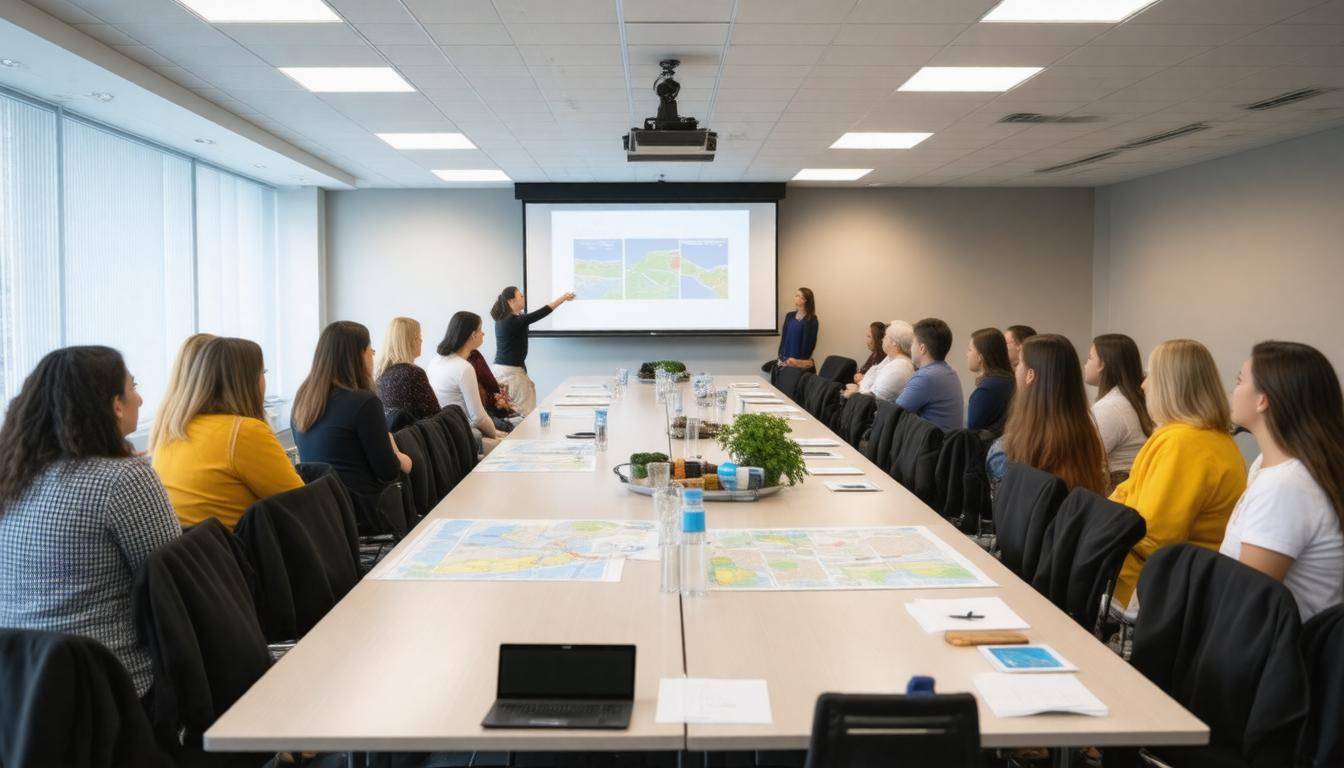
Assessment of Risks and Vulnerable Assets
The process begins with Threat and Hazard Identification, where communities utilize the Threat and Hazard Identification and Risk Assessment (THIRA) framework. This structured approach helps identify potential hazards—be they natural disasters like earthquakes, floods, or hurricanes, or even man-made threats such as industrial accidents or civil unrest. According to FEMA, THIRA not only pinpoints threats for the next five years but also fosters an understanding of community readiness. For instance, in earthquake-prone regions, recognizing the likelihood of seismic events is crucial as it enables communities to prepare adequately by securing buildings and infrastructures against possible tremors.
Step I – Threat and Hazard Identification
Imagine living in a coastal area at risk for hurricanes; understanding how frequently these storms occur can significantly alter your preparedness strategy. In this step, it’s essential to engage local stakeholders—government entities, emergency services, and residents—to gather insights about historical data and communal concerns. By mapping out what threats are most likely to impact daily life, communities can prioritize resources and planning efforts effectively.
Once the potential threats have been identified through THIRA, it’s imperative to move to the next phase: Vulnerability Analysis.
Step II – Vulnerability Analysis
Analyzing vulnerabilities involves examining which community assets are at the greatest risk if a disaster strikes. Critical infrastructure such as hospitals, schools, utilities, and emergency services must be scrutinized closely. For example, a flood-prone coastal community would focus on assessing the strength of levees or sea walls that protect against storm surges. At the same time, inland areas might have to evaluate their readiness for tornadoes or severe thunderstorms. A thorough vulnerability analysis not only ranks these assets based on their susceptibility but also considers factors like age, structural integrity, and historical performance in past disasters.
Utilizing tools like a Vulnerability Index, which scores assets on a scale from 1 to 5—where 1 indicates low vulnerability and 5 indicates high vulnerability—can provide a clearer picture of what needs immediate attention. Supplementing this with community surveys might reveal that many residents feel insecure about their homes’ resilience against localized hazards.
With this understanding of vulnerabilities established, the focus shifts toward Impact Assessment, determining how these identified risks could affect critical community services.
Step III – Impact Assessment
This step examines how disruption from an event could change lives within a community. Critical infrastructure impacts are paramount; for instance, if over 25% of businesses never reopen after a major disaster—as reported by the Institute for Business and Home Safety—the implications for local economies can be dire. Evaluating this allows communities to gauge the ripple effect not just on immediate safety but on economic stability as well.
Assessments should include projections on casualties and economic losses depending on the severity of threats identified earlier in THIRA. Understanding these potential impacts helps tailor emergency plans more effectively to address specific vulnerabilities faced by each community member.
Recognizing these assessments’ significance prepares us for moving ahead; in this journey towards building resilient communities, we must shift our attention to developing actionable plans that will ensure effective responses when disaster strikes.
Creating a Comprehensive Emergency Plan
Developing a well-structured emergency plan is like preparing for an important game — you need to know your playbook, anticipate potential challenges, and ensure everyone on your team knows their role. A detailed emergency plan not only keeps individuals informed but also ensures coordinated efforts across the community when disaster strikes. It embodies both preparation and strategy, fostering a sense of security in the face of uncertainty.
Components of an Emergency Plan
Command Structure: At the heart of any emergency plan is a clearly defined command structure. Imagine it as the backbone of your response strategy: everyone must understand their roles and responsibilities. This hierarchy can include community leaders, emergency response coordinators, and volunteers, each with specific tasks that contribute to the overall success of the mission. Clearly outlining this structure prevents confusion and enables effective decision-making during high-stress situations.
Just as important as knowing who leads is ensuring everyone can communicate effectively.
Communication Plan: Establishing reliable communication channels is essential to keep all stakeholders informed and engaged. This includes identifying primary means of communication, whether it be through social media alerts, text messaging systems, or local community bulletin boards. It’s crucial to ensure that information flows seamlessly — both horizontally among community members and vertically from leadership teams down through to residents. During an emergency, timely information can save lives; hence having backup channels (such as ham radios) is wise in case conventional methods fail.
With effective communication established, it’s time to think about logistics.
Evacuation Routes: Planning multiple evacuation routes is paramount for any community facing disasters such as floods or wildfires. These routes should take into account various scenarios and ensure they remain accessible at all times. In addition to routes, establishing gathering points adds another layer of safety and accountability; these sites serve as places where individuals can go to meet up with family members or receive assistance from responders.
Finally, while you can plan communication and evacuation, what matters in chaos is resource availability.
Resource Allocation: Effective distribution of essential resources — including food, water, medical supplies, and shelter — must be intricately woven into your emergency plan. Consider conducting an inventory assessment of what resources your local organizations currently possess and identify gaps that may need filling before an emergency occurs. An efficient resource allocation strategy ensures swift assistance to those in need during critical moments.
Once these components align in your emergency plan, taking further steps to connect with local entities will enhance community resilience significantly.
Engaging Community Resources
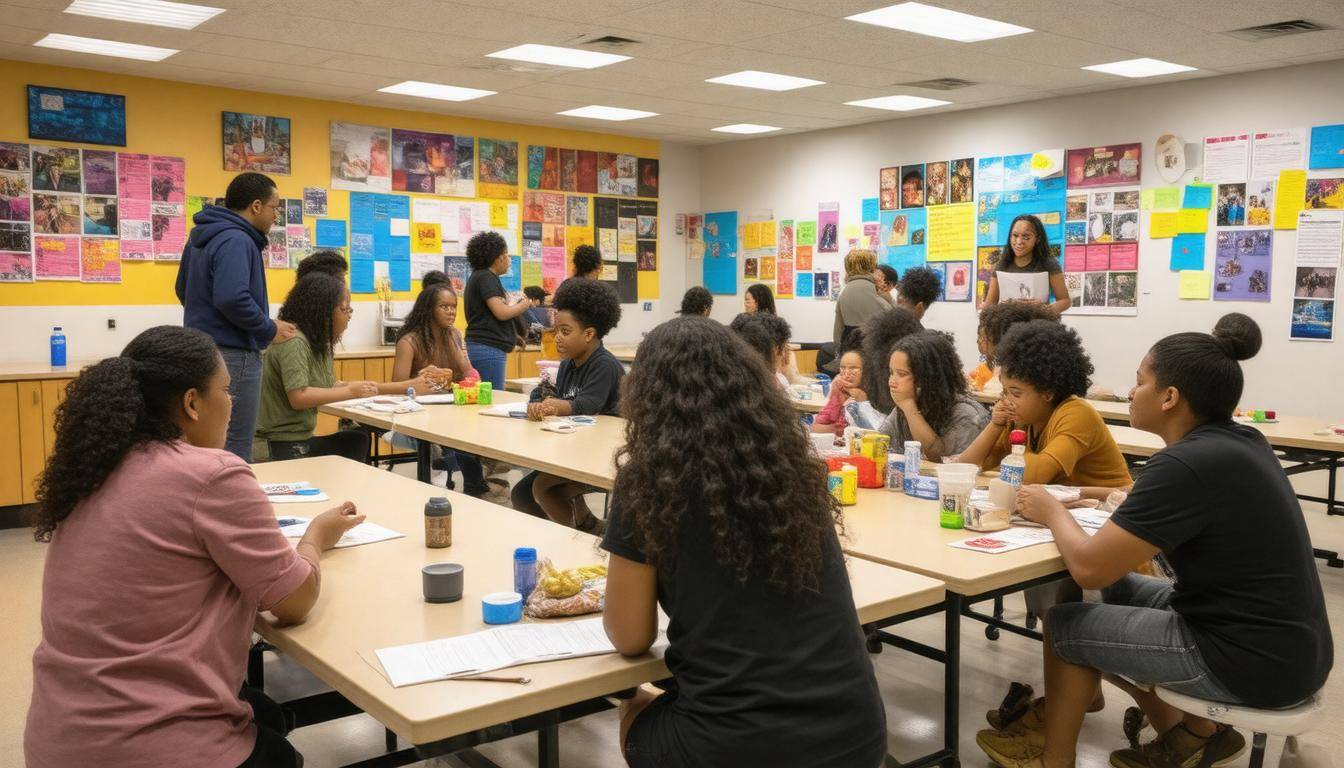
Engaging community resources plays an essential role in resilience building, particularly before disasters strike. By tapping into local organizations, businesses, and volunteers, we create a safety net that enhances preparedness and strengthens response capabilities. Each group brings unique insights and resources to the table, making them invaluable partners in building a resilient community.
Involving Local Organizations
Collaboration with local organizations can dramatically amplify your community’s disaster response effectiveness. These groups often have established networks, trusted relationships, and a wealth of knowledge about the specific needs of your area. For instance, faith-based groups frequently serve as communal hubs where people gather for both worship and support services. Partnering with them can expand outreach and ensure critical information about preparedness is disseminated to populations that may be more difficult to reach otherwise. Local non-profits focusing on disaster recovery might possess specialized skills and equipment that can be lifesaving during emergencies.
Imagine a local church stepping up during a crisis, offering its facility as a shelter or providing food and supplies when local grocery stores are empty. Such collaboration not only leverages existing resources but also fosters stronger bonds within the community.
Leveraging Volunteer Networks
Creating a task force of volunteers demonstrates the power of collective effort in times of need. Training these volunteers in basic emergency response techniques lays the foundation for an agile and resourceful community ready to face challenges head-on. Most communities observe improved efficiency in their responses with the development of Community Emergency Response Teams (CERT).
Testimonials from various communities reveal that having a well-trained team of volunteers accelerates emergency response times and boosts community morale during crises as neighbors come together to aid one another.
One key success factor is ensuring ongoing training; it keeps those involved sharp, informed, and prepared to act decisively when necessary. Regular drills and refresher courses can make all the difference when seconds count during an actual disaster.
Enhancing Communication Channels
Establishing effective communication channels will further enhance these efforts. Consider implementing a multi-platform approach that includes social media updates, text alerts, and town hall meetings to keep everyone informed about preparation actions, potential hazards, and available resources. Engaging local media outlets can widen your reach and guarantee that no one is left out of crucial conversations surrounding disaster readiness.
By combining multiple resources—local organizations, volunteer networks, and robust communication systems—you’ll cultivate an informed populace that shares the responsibility of resilience building while paving the way for stronger recovery when faced with unexpected challenges.
As we look ahead, strengthening physical frameworks will be pivotal in supporting these collective efforts to ensure communities can withstand future adversities.
Strengthening Infrastructure and Environment
Strengthening community infrastructure is a crucial strategy for mitigating the impact of disasters before they occur. This idea goes beyond just repairs and renovations; it’s a proactive commitment to resilient design that accommodates our changing environment. Upgrading critical systems, such as retrofitting buildings to withstand seismic activities or reevaluating flood defenses in flood-prone areas, creates safer living spaces for everyone.
For instance, cities like New Orleans have taken significant strides since Hurricane Katrina by investing heavily in levee systems, which have dramatically reduced future flooding risks. This investment not only improves safety but also revitalizes local economies.
Upgrading Critical Systems
When we talk about upgrading critical systems, it’s essential to consider various aspects of infrastructure. This includes evaluating the structural integrity of older buildings and ensuring they can withstand seismic events. States prone to earthquakes have implemented strict building codes and conducted assessments on existing structures to determine necessary enhancements. Retrofits might involve adding steel brackets or reinforcing walls with shear panels to distribute stress more evenly. By proactively updating these structures, communities safeguard themselves against potential disasters instead of responding reactively after an event.
Dimensional upgrades can also be applied to flood defenses. Communities must leverage innovation by adopting advanced technologies in hydrology and meteorology that provide real-time data on potential flooding risks. These insights allow for timely interventions, such as keeping waterways clear and monitoring precipitation levels. The integration of intelligent systems contributes significantly to safeguarding properties while supporting the municipality’s ability to respond rapidly when threats arise.
Environmental Safeguards
Implementing natural barriers—such as trees and wetlands—serves a dual purpose: protecting against wind and water erosion while enriching local ecosystems. These solutions are not only cost-effective but also support biodiversity and enhance the beauty of our landscapes. Consider urban areas where concrete jungles dominate; integrating green spaces through parks or restored wetlands can make a tremendous difference. For example, urban forests can lower temperatures during heatwaves while retaining stormwater, alleviating flooding issues tremendously.
Equipped with an understanding of environmental safeguards, communities should advocate for policies that prioritize these natural solutions in city planning. During public consultations about new developments or renovations, residents should present clear evidence illustrating how greener approaches not only protect their homes but also create vibrant spaces that promote health and well-being.
Embracing both infrastructure upgrades and environmental safeguards will lead to cohesive strategies that build resilience before disaster strikes.
By weaving together these innovative approaches, communities can effectively position themselves for the challenges that lie ahead, paving the way for actionable mitigation efforts that enhance safety and sustainability.
Implementing Mitigation Strategies
Mitigation strategies are essential for reducing the impact of disasters before they even occur. They come in various forms, addressing both physical and policy-based aspects that enhance community safety and preparedness.
Physical Mitigation
One of the most practical approaches is implementing physical measures. For instance, installing storm shutters or using reinforced roofing materials can significantly bolster homes against intense storms and high winds. These investment decisions aren’t merely protective; they’re smart financial choices, too. According to the National Institute of Building Sciences, every dollar spent on mitigation efforts can yield as much as a $6 return in avoided losses—now that’s a figure worth taking note of when planning community budgets! By encouraging homeowners to adopt these strategies, not only do we create a safer environment, but we also enhance property values over time.
Envision neighborhoods that stand resilient against nature’s fury because they invested wisely in protective structures.
Beyond the physical safety measures, there’s a critical need for fostering an environment shaped by sound policies.
Policy-Based Mitigation
On the policy front, enacting stricter building codes plays a monumental role in ensuring long-term disaster readiness. Communities can benefit immensely by creating zoning laws that restrict construction in high-risk areas. Imagine living in a place where you don’t have to worry constantly about potential floods or landslides because your town has taken steps to avoid such vulnerabilities. These proactive measures protect lives and mitigate potential damage caused by disasters.
The outcomes of these policies speak volumes: reduced risks translate into enhanced public safety and lower recovery costs for municipalities post-disaster. With communities adhering to higher building standards, citizens might find themselves feeling empowered and secure within their environments—a key component of resilience.
Considering the dynamic and unpredictable nature of climate change, it’s critical for communities to stay ahead and continuously adapt policies based on evolving risks. By doing so, we cultivate an environment where public awareness grows, and residents actively engage in local decision-making processes surrounding hazard mitigation.
Each step taken is an investment in collective well-being. Through continuous efforts—whether it be reinforcing structures or implementing sound policies—communities strengthen their defenses against future calamities.
As we consider further avenues for enhancing preparedness, let’s explore how education and partnerships can significantly elevate community resilience.
Training and Collaboration Initiatives
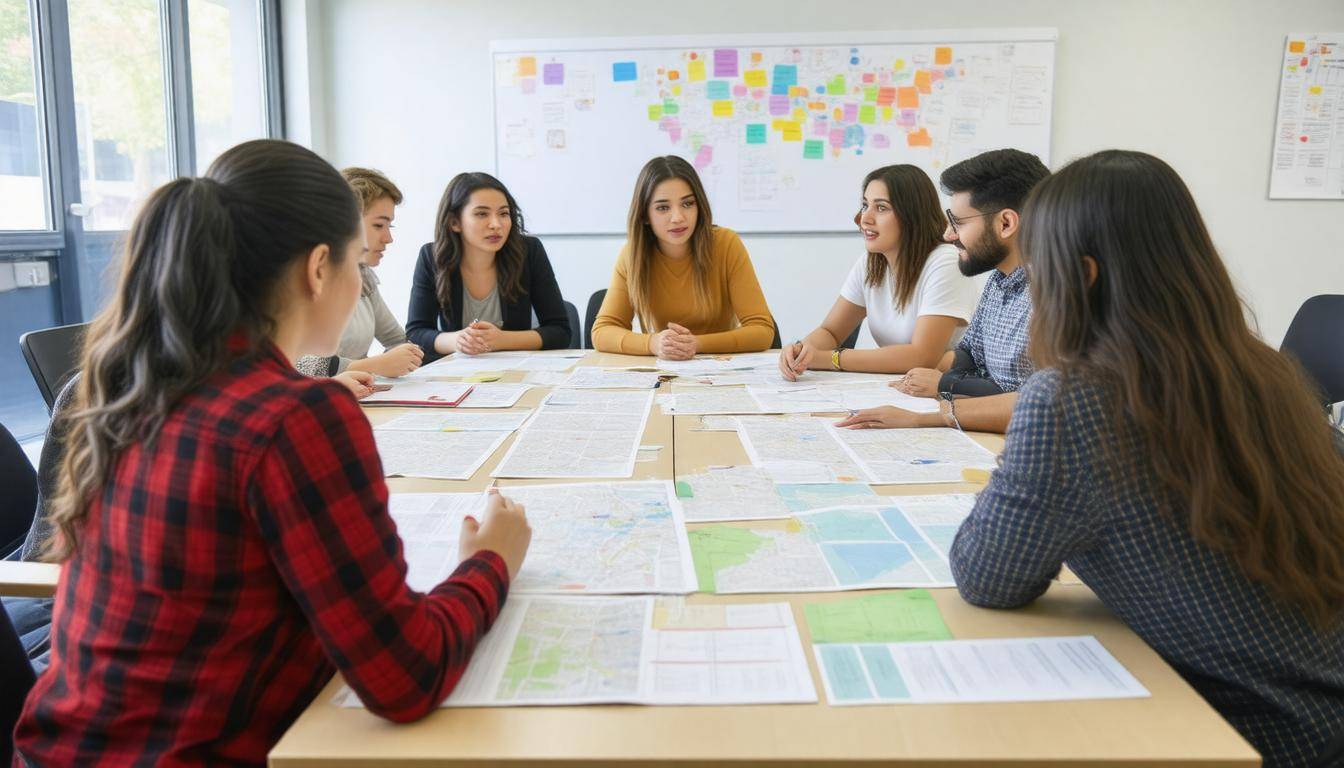
Continuous training and collaboration form the backbone of effective disaster preparedness systems. They ensure that individuals are equipped with the necessary skills and that there is a cohesive effort across community sectors in responding to crises. By investing time and resources into these initiatives, communities can create robust safety nets, significantly enhancing their overall resilience in times of need.
Regular Drills
Hosting regular emergency response drills is essential to keep the community engaged and informed about disaster preparedness. These drills simulate various disaster scenarios, such as fires, floods, or earthquakes, allowing participants to experience firsthand what actions they should take during real emergencies. They serve not only as training opportunities but also as moments for reflection—participants can identify what went well and what needed improvement.
For instance, Japan conducts annual earthquake drills in which millions participate nationwide. This approach helps citizens instinctively know where to go and what to do during an actual quake, reducing panic and ensuring more lives are saved.
While drills prepare individuals for personal action during disasters, their effectiveness deepens significantly when interagency collaboration takes place.
Interagency Collaboration
To truly bolster resilience, it is vital to foster strong relationships between local government agencies, first responders, and healthcare providers. This interconnectedness leads to improved coordination during emergencies. Each entity plays a crucial role; while firefighters tackle immediate hazards, medical personnel care for the injured and government bodies manage evacuation protocols and resource distribution.
Such collaborations enhance information sharing, ensuring that everyone involved is on the same page regarding available resources and potential challenges. For example, joint training sessions can highlight potential issues like communication breakdowns among agencies, allowing them to strategize solutions preemptively. Better collaboration ultimately ensures a more efficient and effective disaster response, minimizing chaos when time is sensitive and lives hang in the balance.
Investing in continuous training together with building these vital connections lays down a foundation of trust within communities. The more people interact purposefully—practicing drills or discussing strategies—the stronger their capacity to respond effectively when an actual disaster strikes becomes.
As we explore methods of creating lasting connections among community members during times of crisis, it’s important to look at how these relationships can be nurtured further.
Building Support Networks
Support networks play a vital role in enhancing disaster resilience, operating as lifelines for individuals and communities alike. When disasters strike, whether it’s a flood, earthquake, or any other crisis, people often turn to those around them. Having a solid network not only provides immediate assistance but also instills a sense of belonging and collective strength. These connections can be the difference between feeling isolated and feeling empowered during challenging times.
Neighbor-to-Neighbor Programs
One effective way to strengthen these networks is through neighbor-to-neighbor programs, which encourage residents to check on each other, especially during crises. Imagine a community where neighbors routinely connect—sharing resources, information, and emotional support. By fostering relationships through regular gatherings or organized communication channels, such as neighborhood WhatsApp groups or bulletin boards, communities can create a culture of mutual aid. This enhances preparedness and transforms houses into a cohesive unit ready to support one another.
In organized engagements, small acts like sharing food supplies during an emergency or updating each other about local safety measures can substantially improve collective responsiveness. It’s the everyday interactions—where casual conversations lead to stronger bonds—that ensure when a crisis occurs, everyone is more likely to reach out or respond.
Mental Health Support
Including mental health professionals as part of the community support network is crucial as well. After a disaster strikes, emotional scars can linger longer than physical ones. Studies indicate that post-disaster counseling significantly diminishes long-term psychological impacts. Community members benefit from having access to trained professionals who provide guidance and coping mechanisms for stress and trauma. Integrating mental health resources within these networks shows that the community values both physical safety and emotional well-being.
Furthermore, incorporating mental health workshops ahead of time fosters resilience in preparation for potential disasters. Activities may include sessions on stress management techniques or mindfulness practices that bolster community members’ ability to cope with uncertainty. Engaging local schools and churches in spreading awareness also positively contributes to this aspect of resilience-building.
Statistics reveal that communities with robust social ties report higher preparedness levels—averaging 80% effectiveness in disaster recovery efforts compared to those without such networks.
As we move forward in our exploration of strategies for fostering resilience, understanding how to review and refine these plans is equally critical for community robustness.
Reviewing and Updating Your Resilience Plan
Plans should never be static—just like our communities, they grow and evolve. To ensure your resilience plan is relevant and effective when disaster strikes, it’s essential to schedule regular updates. This isn’t just a formality; it’s about taking a proactive approach to readiness. Annual reviews of your resilience plan will allow you to incorporate valuable lessons learned from recent drills or real-life events, ensuring your community is prepared for whatever may come its way.
Regular Updates
To facilitate this process, I recommend mapping out a clear timeline for regular updates throughout the year. Think of this as your community’s routine maintenance checklist. For example, consider the following schedule:
| Month | Action |
|---|---|
| January | Review communication protocols |
| April | Conduct community-wide drills |
| July | Update resource inventory |
| October | Assess and update evacuation routes |
By setting aside specific months for various actions, your community ensures that no detail slips through the cracks. Each of these steps plays a vital role in strengthening not only individual preparedness but also community cohesion.
However, scheduling is just one part of the equation; it all must be grounded in feedback and continuous improvement.
Feedback Loop
Utilizing after-action reports from drills or actual emergencies can provide significant insights into areas of strength and weakness. By gathering feedback from participants—whether they are emergency responders or community members—you can identify what worked well and what could be improved for next time. This emphasis on evaluation creates a feedback loop that is critical for fostering resilience.
For instance, if a drill reveals that certain evacuation routes led to confusion, then adjustments can be made promptly before an actual event requires their use. Involving members of the community in this process not only enhances trust but also enriches the plan with diverse perspectives.
Keep in mind that this continuous improvement cycle ensures your resilience plan evolves with emerging challenges, whether it’s adapting to new climate realities or incorporating technological advancements.
In essence, regularly revisiting and refining your resilience strategy is not merely an administrative task; it embodies a commitment to safety and preparedness. By integrating lessons from past experiences and encouraging active participation among community members, you foster an environment where everyone feels empowered to contribute towards a safer future together.
As communities adapt to ever-changing risks, prioritizing resilience through consistent updates and inclusive practices is paramount for achieving lasting security.