
Water damage can turn your living space into a nightmare, leaving you staring at wet carpets and soaked belongings, wondering what to do next. The thought of salvaging your cherished items might feel overwhelming, but with the right approach, there is hope for recovery. Whether it’s that favorite leather jacket or the family photo album, many items can often be saved if you act quickly. In this guide, I’ll walk you through the step-by-step process of salvaging your belongings after water damage, sharing practical tips and insights to help you navigate this challenging situation with confidence. So let’s roll up our sleeves and dive into how to reclaim what’s been lost.
To successfully salvage belongings after water damage, begin by promptly removing items from the affected area to prevent further deterioration. Assess and prioritize the items based on their value and condition, then use appropriate cleaning techniques—such as drying wet items with fans and dehumidifiers, and employing suitable cleaning agents for various materials—to restore your possessions safely.
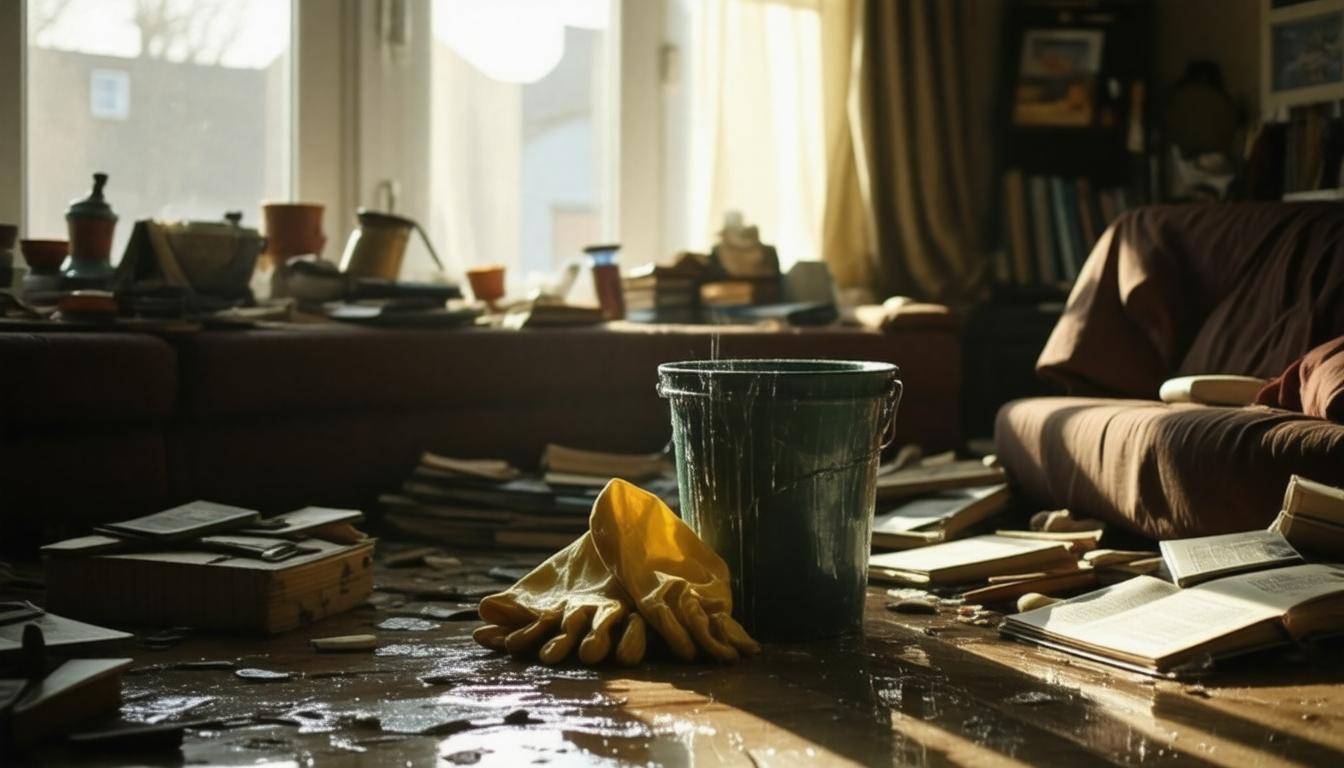
Preparing for Salvage Work
The importance of preparation cannot be overstated when it comes to salvaging belongings after water damage. Just like Sarah Thompson, who managed to recover her precious items following a flood, you too can increase your chances of saving beloved possessions with a well-structured plan in place. This journey starts with gathering necessary supplies for the task ahead.
Step I – Gather Necessary Supplies
To begin, collect essential items that will aid in the salvage process. At minimum, you will need gloves and masks to protect yourself from contaminants or mold spores that may lurk in the air. Protective clothing, such as long sleeves or waterproof boots, should also be considered for further protection against potential hazards. As you gather your tools, think about everyday items that could assist you during cleanup. Heavy-duty garbage bags will help dispose of irreparable materials, while buckets and mops will assist with water removal. Here’s a quick list of supplies to have on hand:
- Gloves
- Masks
- Protective clothing
- Buckets
- Mops
- Towels
- Sponges
- Heavy-duty garbage bags
- Cleaning agents (gentle detergents and mold inhibitors)
By preparing these items beforehand, you’ll streamline your efforts during the recovery phase.
Step II – Document Everything
Next up is documentation—it might seem tedious, but trust me; it’s a game-changer when it comes time to file insurance claims. Start by taking thorough pictures and videos of all affected areas before any cleanup begins. Ensure you capture every angle and detail: damaged walls, soaked carpets, and any personal belongings impacted by the water. This record not only helps verify losses but also allows you to present irrefutable evidence for your claim.
According to insurance expert James Kelly, “clear, comprehensive visual evidence can expedite the claims process by up to 30%.”
So, make sure your documentation is as detailed as possible because this effort will pay off when dealing with insurance companies later on.
Once you’ve gathered your gear and completed your documentation, it’s crucial to consider the necessary precautions to safeguard your safety throughout this demanding operation.
Essential Safety Precautions
Safety must be your top priority to avoid any health risks or injuries during the salvage process. While salvaging belongings after water damage may seem straightforward, several critical considerations can make the difference between a safe restoration and an accident waiting to happen.
Avoid Contaminated Water
First and foremost, it’s essential to approach any standing water with caution. You must never touch water that might be contaminated with sewage or harmful chemicals. It’s easy to underestimate the dangers hidden beneath the surface. Water from floods can carry pathogens or toxic substances; therefore, if you’re uncertain about the water’s quality, it’s prudent to err on the side of caution. Patrick Green, a professional restorer, emphasizes, “Ignoring safety precautions can result in severe health complications.” If necessary, don’t hesitate to contact professionals for safe removal—your health could depend on it.
Experts advise that if you ever feel unsure about what type of water you’re dealing with, it’s always wise to seek expert guidance before proceeding.
Ensure Electrical Safety
Next, let’s address electrical safety. Do remember that water and electricity don’t mix well at all. Therefore, turning off the electricity at the main breaker is crucial in preventing electrocution hazards. Water-soaked areas can conduct electricity making the risks even more severe. Before approaching any damp appliances or electrical outlets, ensure they are fully disconnected from power sources.
Electrical safety isn’t just about turning off switches; it’s also about being vigilant. With every step of your salvage process, continuously assess your environment for potential electrical hazards.
Use Protective Gear
Another vital precaution involves protective gear. Wearing rubber gloves can protect your skin from contaminants lurking in the water and harmful chemicals that might be present. Furthermore, consider wearing a mask or respirator to avoid inhaling mold spores and other harmful particles commonly found in damp environments. Ensuring proper ventilation by opening windows and using fans is crucial as well; fresh air circulation can help mitigate unusable odors while potentially harmful vapors dissipate.
Here are some essential items to consider for personal safety during salvage work:
- Rubber gloves: Protects against contaminants.
- Masks or respirators: Shields you from inhaling harmful particles.
- Goggles: Safeguards your eyes from debris.
- Sturdy boots: Offers footing stability on wet surfaces.
Keep Children and Pets Away
Equally important is to keep children and pets away from the affected area. Their curiosity may lead them into dangerous situations; thus securing the environment not only protects them but also allows you to focus completely on assessing and salvaging items without distraction.
Once these essential safety measures are firmly in place, you can effectively move forward with evaluating the situation and prioritizing what needs attention first. Having prepared for potential hazards, your next steps will involve a strategic assessment of damaged items.
Assessing Damage and Prioritizing Items
When faced with water damage, the situation can feel overwhelming. However, taking a deep breath and approaching the recovery process methodically can make all the difference.
Begin by carefully scanning the affected areas and documenting visible damage. This initial assessment serves as your roadmap; it’s essential for deciding which items are salvageable and which may need to be discarded. Your goal is to act swiftly—not haphazardly—because delaying action may lead to further deterioration.
Categorize Items
Now, let’s explore item categorization. Think of it as sorting through a puzzle where each piece has its unique recovery needs. Start by separating items into distinct categories: paper, electronics, furniture, and textiles.
Understanding the material composition of your belongings influences how you approach cleaning, drying, and restoring them. For example, electronic devices may require professional assistance if they have been submerged in water, while textiles might only need a careful wash or dry-cleaning.
With your items categorized, it’s crucial to identify irreplaceable pieces that warrant immediate attention.
Identify Irreplaceable Items
Always prioritize family heirlooms and vital documents that cannot be replaced. They carry immense sentimental value. Documents like birth certificates or property deeds are essential for everyday life and should be at the top of your list.
In fact, placing any wet photographs in a plastic bag and then freezing them is an effective way to prevent further damage until you can dive into more extensive restoration efforts later.
This immediate attention can help save treasures that time cannot replace. Remember that feelings are valid; letting go of possessions can be tough for anyone.
Keep in mind that a quick photograph of your damaged items can also aid in insurance claims later down the road. Consider capturing images of irreplaceable items before attempting recovery techniques.
With priorities established, it’s time to transition into methods that will effectively restore your belongings to their former glory.
Effective Drying and Cleaning Techniques
Proper drying methods are essential for recovering your belongings. First off, air drying is one of your best allies. By using fans, dehumidifiers, and opening windows, you can significantly enhance air circulation. This is critical for preventing mold growth and minimizing damage. It’s tempting to rush the process with direct heat sources like hair dryers or heaters; however, this could lead to cracking or warping of materials—a risk not worth taking. Instead, let nature do its work by circulating fresh air around.
Air Drying Methods
When it comes to air drying methods, think about where you place your items. Elevating wet objects—such as clothing or rugs—can help maximize airflow beneath them. This will expedite the drying process efficiently, especially in rooms with high humidity. If possible, set up multiple fans in different parts of the room to avoid stagnation in one area. Remember, a little bit of patience in this step can extend the life of your belongings immensely.
But sometimes, natural methods alone won’t cut it when it comes to water extraction.
Wet/Dry Vacuum
That’s where a wet/dry vacuum becomes indispensable. These vacuums are specifically designed to tackle liquid messes and can extract water from carpets and upholstery with remarkable efficiency. According to a study conducted by the Restoration Industry Association, professional-grade vacuums can remove up to 95% of water from fabric surfaces. Imagine walking on damp carpet and hitting a patch that pulls moisture away like magic—that’s what these tools do for you! Just be sure to follow the manufacturer’s instructions closely for optimal results.
After extracting the bulk of the moisture, cleaning hard surfaces is the next logical step.
Cleaning Hard Surfaces
For those solid surfaces such as floors or furniture, it’s crucial to use a mild detergent mixed with water for cleaning. A gentle solution will help break down any residual grime without causing further damage that harsh chemicals might inflict. Think of your favorite dish soap—it’s effective yet gentle on delicate items, much like how you want to approach your water-damaged possessions.
After applying the detergent solution, remember to wipe everything down with a clean cloth; this helps remove debris while avoiding spread during your cleanup.
At this point in your restoration journey, you’ve made significant strides. Following careful drying techniques alongside effective cleaning methods sets the stage for addressing specific items in your next phase of recovery.
With each thoughtful action you take, you’re one step closer to restoring your cherished belongings to their original glory after experiencing water damage. Understanding how to handle furniture and electronics will guide you in safeguarding more complex items effectively.
Salvaging Furniture, Electronics, and Personal Items
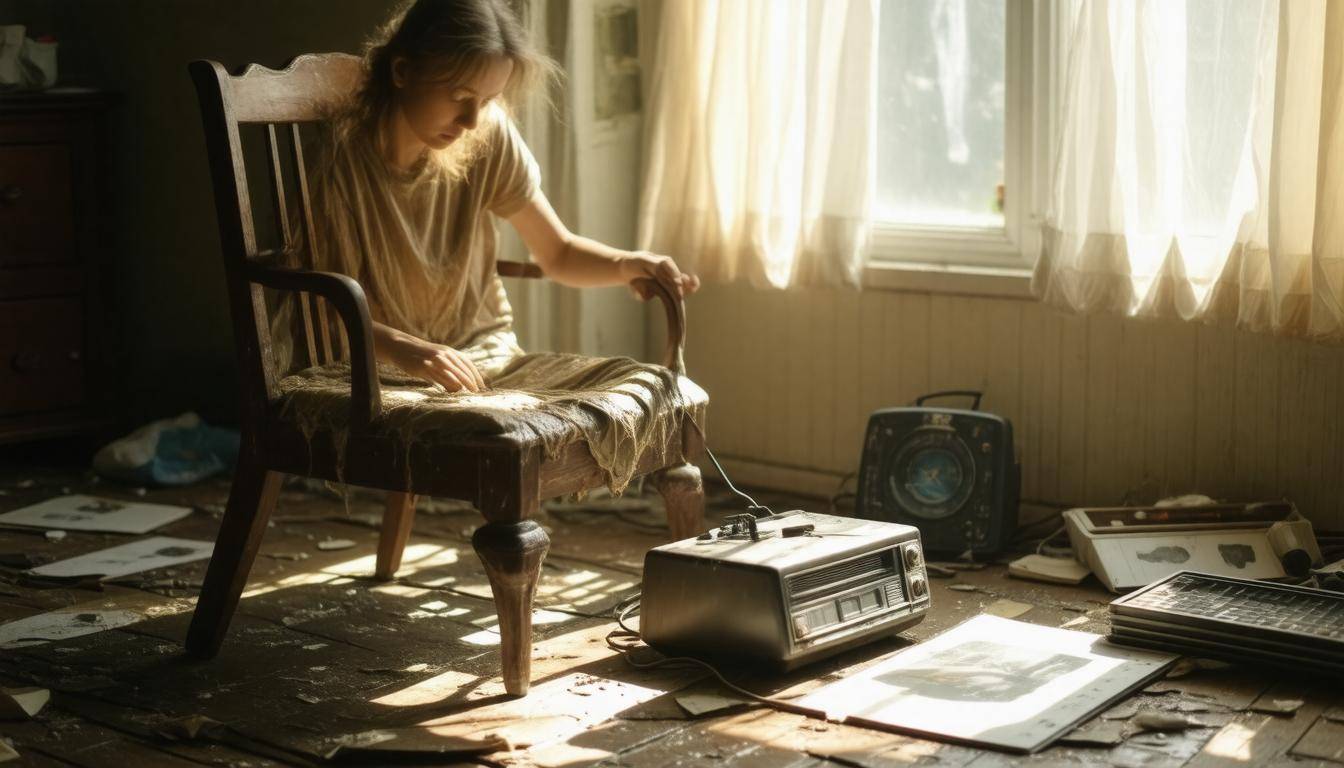
Each type of item you’re dealing with after water damage requires specific techniques to ensure careful preservation. This is especially true for furniture, electronics, and personal items like clothing or documents. Each category poses its own challenges but also offers methods to recover and restore effectively.
Furniture
When it comes to upholstered furniture, the safest route is often to consult professionals who specialize in cleaning techniques suitable for various fabric types. However, if you have wooden furniture, you might be able to salvage it yourself. For wooden surfaces, start by gently wiping the areas with a damp cloth. It’s crucial that the cloth isn’t dripping wet because excess water can seep into the wood and cause warping or further damage.
After wiping it down, allow the furniture to air dry naturally—but keep it out of direct sunlight. Direct light can lead to uneven drying and potential warping as well. The goal here is to maintain the integrity of the wood while removing any residual moisture that could lead to issues down the road.
As we move from furniture to electronics, it’s essential to understand the risks involved with water-damaged devices.
Electronics
One of the first rules of salvaging electronics after water exposure is do not turn them on, no matter how tempting it may be! Attempting to power on a wet electronic device can result in severe damage due to short circuits. Your immediate action should be to remove batteries from any devices that use them—this step is vital in preventing further corrosion within the circuitry.
To absorb any moisture, place the device in a bag filled with uncooked rice or silica gel packets—these desiccants are excellent at drawing out moisture. According to the Consumer Electronics Association, properly dried electronics can recover successfully about 60-70% of the time if cared for properly. Always inspect internal components meticulously for corrosion using appropriate magnification tools before attempting repairs.
Lastly, let’s not overlook personal items, which require a different approach altogether.
Personal Items
Clothes that have been soaked in clean water should ideally be laundered immediately—which means a hot wash cycle would do wonders for removing any remaining contaminants or odors. If however, your clothes were exposed to contaminated water—such as floodwater—it’s best to contact specialists who have protocols in place for safe cleaning; this is important for your health as well as preserving the item itself.
In addition to clothing, consider carefully inspecting other personal items such as photographs or documents. For these delicate materials, acting quickly is key. Seek advice on moisture-content removal methods; specialized services often employ techniques like vacuum freeze-drying that many households simply can’t replicate affordably.
With every step towards recovery being significant, understanding when to seek expert help becomes equally important as you navigate through this challenging process.
Utilizing Professional Restoration Assistance
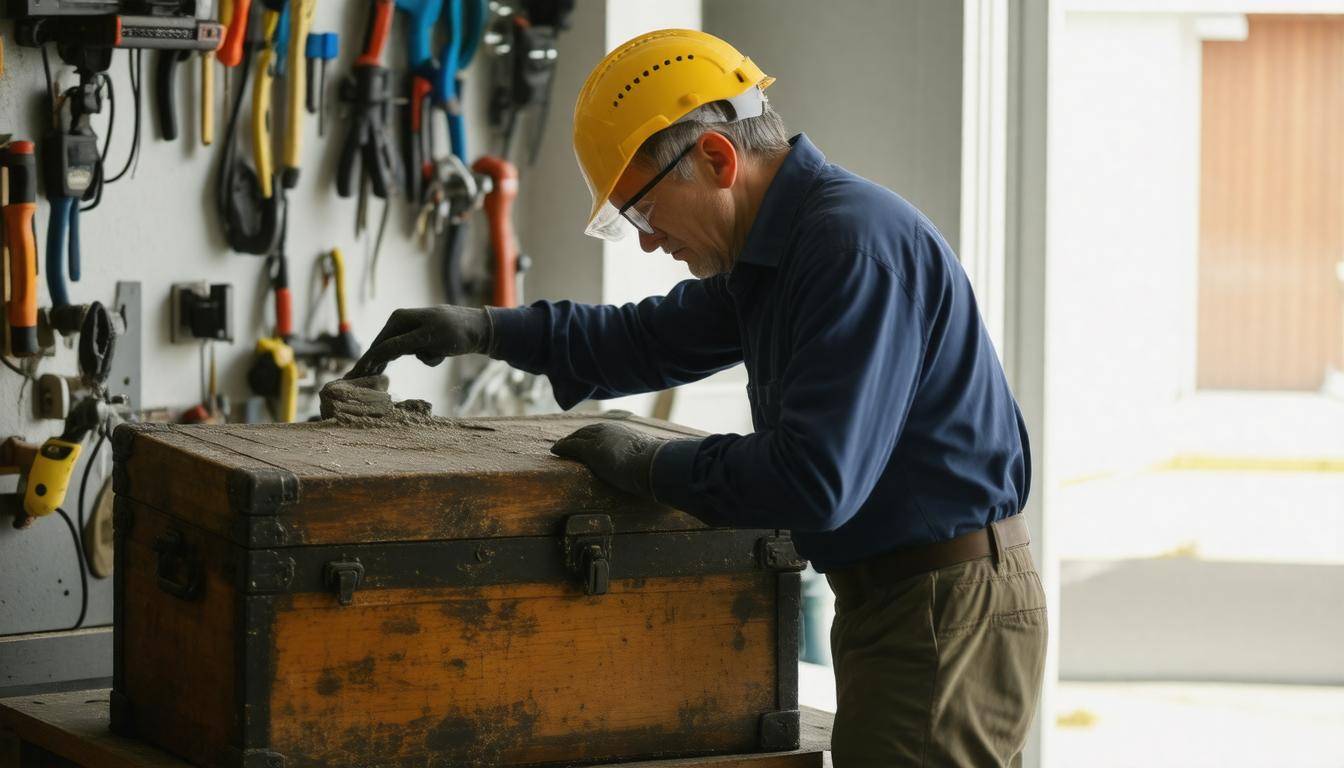
When faced with extensive water damage, hiring a professional restoration service is not just a luxury—it’s often a necessity. These experts bring essential tools and extensive knowledge to the table, which can make all the difference when it comes to salvaging your property and belongings. Imagine standing in a flooded room, overwhelmed by the mess while knowing that time is of the essence. This is where professionals shine. They possess advanced equipment like industrial-grade dehumidifiers and thermal imaging cameras that are beyond what’s available for consumer use. Such technology allows them to detect hidden moisture and address it swiftly, preventing further damage.
Moreover, these experts are trained to manage hazardous materials safely. After water damage, toxic substances such as mold can begin to grow almost immediately. Handling mold requires specialized training and protective gear that most homeowners don’t have. By enlisting the help of skilled technicians, you mitigate health risks associated with exposure to these dangers. In essence, they don’t just clean—they ensure that your home is safe for you and your family.
Take it from individuals like Becky Hughes, who experienced a basement flood: “They saved items I would have otherwise thrown away.” This highlights the value of professional restoration services—not only do they restore your home, but they also preserve irreplaceable possessions through their expertise.
Final Thoughts on Professional Services
The cost of hiring a professional restoration service varies based on the extent of damage and services required; for example, comprehensive cleanup could range upward of $1,000 while mold remediation might be around $500. However, investing in these services can save thousands in long-term repair costs and emotional distress from losing cherished items.
As we look toward taking proactive measures, understanding how to safeguard against potential future incidents becomes crucial. Let’s explore practical approaches to keep your space secure from water-related challenges.
Tips for Preventing Future Water Damage
Once you’ve salvaged your belongings, maintaining your home’s integrity is crucial to avoiding future water damage. It’s often said that an ounce of prevention is worth a pound of cure, and when it comes to water-related issues, this rings especially true. Small actions taken today can save you from significant headaches tomorrow. One of the first steps I recommend is engaging in regular maintenance.
Regular Maintenance
Consider scheduling annual inspections of your plumbing. A simple check-up by a professional can uncover leaks or weak spots in your pipes before they turn into crises. Having a plumber examine high-risk areas, like under sinks and behind appliances, will help identify issues that might otherwise go unnoticed.
Additionally, installing sump pumps and backflow valves provides peace of mind. These devices work quietly and can make all the difference if heavy rainfall threatens to inundate your basement or foundation.
Transitioning to the infrastructure outside your home, improving drainage plays an equally vital role in reducing the risk of water intrusion.
Improve Home Drainage
Regularly maintain your gutters and downspouts; ensure they are free from debris that could block water flow. It’s crucial that they direct rainwater far away from your home’s foundation—ideally ten feet or more—to reduce the likelihood of pooling around the base of your house. Furthermore, consider grading the land surrounding your home so that it slopes away from the foundation. This may involve some additional landscaping but offers excellent long-term benefits.
Another protective measure worth discussing is safeguarding your valuables against unforeseen circumstances.
Protective Measures
Invest in waterproof containers for storing important documents and valuable items. This small investment can save not only cherished possessions but also substantial time and money if disaster strikes again. Look for containers labeled specifically as “waterproof” and test them occasionally by submerging them in water temporarily to ensure they perform as expected.
This provides a solid layer of protection and minimizes stress during times when every minute counts after flooding occurs. Knowing that important papers are safe can allow you to focus on other pressing concerns without worrying about lost irreplaceable items.
By integrating these preventive strategies into your routine—between inspections, improved drainage solutions, and protective measures—you’re equipping yourself with tools to combat potential water damage effectively. It’s all about being proactive rather than reactive when safeguarding your home against nature’s unpredictable events.
In taking these steps, you’ll not only protect your current belongings but also set a foundation for lasting security against future water damage challenges.
What types of belongings can typically be salvaged after water damage?
Typically, belongings that can be salvaged after water damage include hard surfaces like metal and plastic items, clothing that can be washed and dried, and some types of furniture, especially those made from solid wood. According to restoration experts, up to 60-80% of affected belongings can often be saved if properly treated within 24-48 hours. However, porous materials like carpets and mattresses may not be salvageable due to mold growth risks.
When is it necessary to seek professional help for salvaging belongings after water damage?
It is necessary to seek professional help for salvaging belongings after water damage when the extent of the damage exceeds your capabilities, particularly if it’s extensive, involves contaminated water, or could pose health risks such as mold growth. According to the Environmental Protection Agency, mold can develop within 24 to 48 hours in wet conditions, increasing potential health hazards. If you’re unsure about the safety of salvaging items or lack the proper tools and knowledge for effective restoration, professionals can provide expertise and equipment that ensure both your belongings and your health are safeguarded.
How should you assess the damage to your belongings before attempting to salvage them?
To assess the damage to your belongings before attempting to salvage them, start by categorizing items into three groups: salvageable, partially damaged, and unsalvageable. Carefully inspect each item for water penetration signs, structural integrity, and mold growth potential. According to the Institute of Inspection, Cleaning and Restoration Certification (IICRC), quick assessment is crucial as most personal items can suffer irreversible damage within 48 hours of exposure to water. This systematic approach not only helps prioritize salvage efforts but also minimizes health risks associated with mold and mildew.
What cleaning methods are most effective for restoring items affected by water?
The most effective cleaning methods for restoring items affected by water include thorough drying, vacuum freezing, and specific chemical treatments depending on the materials involved. For example, items made of wood can benefit from desiccants to remove moisture, while fabrics may require gentle cleaning solutions to prevent further damage. Studies show that prompt action within 24-48 hours significantly increases the likelihood of successful restoration, with over 80% of affected items salvageable when treated immediately compared to only 20% after a week.
What precautions should be taken to prevent mold growth on salvaged items?
To prevent mold growth on salvaged items, ensure that they are thoroughly dried within 24 to 48 hours after water exposure, as mold can begin to develop quickly in damp conditions. Use fans and dehumidifiers to facilitate drying, and store items in well-ventilated areas. Additionally, consider applying antimicrobial treatments to surfaces before storage. According to the CDC, mold can develop on damp surfaces in as little as 24 hours, emphasizing the importance of prompt action in mold prevention.