
When you’re out in the wild or faced with an unexpected situation, access to clean drinking water becomes a top priority. Whether you’re hiking on a lonely trail, camping by a river, or caught in an emergency, having a reliable water filtration straw can be a game changer. These handy tools not only provide a portable solution to hydration but also ensure that you’re sipping safe, filtered water free from harmful contaminants. With countless options available, it’s vital to understand what features matter most—like how effectively they filter out bacteria and viruses, their ease of use, and how long they last. In this article, we’ll dive into our top 10 picks for water filtration straws, helping you find the one that best meets your adventure needs.
In our comparison of the top 10 water filtration straws, we evaluate key factors such as filtration effectiveness, portability, longevity, and user feedback. Among the top contenders, the Sawyer Mini/Squeeze stands out for its reliability and extensive lifespan, while the Lifestraw is recognized for its compact design suitable for emergency situations.
Our Selection Criteria for Water Filtration Straws
Selecting the right water filtration straw can feel like navigating a maze with so many options available. To help simplify this process, we focus on key criteria that ensure users, whether adventurers or casual travelers, have access to clean, safe drinking water.
Primary Criteria
- Filtration Efficiency: The effectiveness of the filtration is paramount. The straw should be capable of removing harmful bacteria, protozoa, and other contaminants that can compromise your health. We specifically look for products certified to remove 99.999% of these harmful elements, giving users peace of mind whether they’re sipping from a mountain stream or an uncertain water source. Imagine being deep in the wilderness after a long hike; having assurance that you’re protected from those invisible threats allows you to relax and enjoy your well-deserved break.
While performance is crucial, it’s not the only aspect to consider.
-
Flow Rate: Another important factor is the flow rate, which refers to how quickly water passes through the filter. A faster flow rate means you can hydrate with less effort, making it possible to take larger gulps without waiting forever to drink. For example, imagine parched hikers waiting impatiently as they struggle to extract even a few drops from their straws—it could ruin not only their hydration strategy but also their morale during a long trek.
-
Lifespan: Equally significant is the lifespan of the straw, typically measured in liters filtered before it requires replacement. Straws that can effectively filter 100,000 liters are highly valued among serious outdoor enthusiasts. Consider this: having a product that lasts ensures that you won’t need to frequently replace it during extended trips into nature or while traveling abroad where clean water isn’t guaranteed.
Secondary Criteria
-
Weight and Size: For travelers and backpackers alike, lighter and more compact designs make all the difference. A good water filtration straw should seamlessly fit into your pack without taking up precious space or adding unnecessary weight—especially for ultralighters who meticulously manage every ounce in their gear.
-
Durability: Ruggedness is another critical factor; materials should withstand rough conditions while maintaining optimal functionality. Picture yourself halfway up a mountain when your gear takes an unintended tumble—having durable equipment means you won’t find yourself stranded without access to clean water simply because your filtration device failed at a critical moment.
Lastly, after evaluating performance and practicality, cost-effectiveness becomes a vital consideration. This foundational knowledge leads us naturally into examining specific models and features that set the best products apart in today’s market.
Top Features of Leading Filtration Straws
The market is indeed teeming with water filtration straws, but what truly sets them apart is their advanced filtration technology. Many models use specialized methods to ensure that harmful contaminants are effectively removed before you take a sip. For example, the popular LifeStraw employs hollow fiber membrane technology, which captures contaminants like bacteria and protozoa using tiny pores smaller than those pathogens. This ensures safe drinking water even from murky sources, giving you peace of mind while trekking through the wilderness.
Advanced Filtration Technology
Some brands have gone above and beyond within this realm. The Grayl, for instance, combines hollow fiber technology with activated carbon to further refine your water, removing not just viruses but also heavy metals and unpleasant tastes that could spoil your outdoor experience. Furthermore, advancements in filtration methods include UV sterilization, utilizing ultraviolet light to neutralize not only bacteria but also viruses. Imagine having a tool that guarantees safe drinking water with minimal effort, allowing you to fully enjoy your hiking adventures.
As we explore the features further, consider how flexibility and compatibility play pivotal roles in different scouting scenarios.
Versatility and Compatibility
Effective filtration straws should also exhibit versatility—a feature that allows them to adapt to various situations. Take the Sawyer Mini, for instance; it’s not limited to being just a straw but can easily screw onto standard water bottles, turning them into easy-to-use hydration systems. This frees you from the constraints of needing separate equipment when weight is at a premium for hikers and backpackers alike.
In addition to versatility, compatibility is often overlooked yet incredibly significant. Selecting a filtration straw with features such as screw-on functionality enables users to fit different bottle threads effortlessly. This small advantage can prove invaluable during a long hike when you’re juggling multiple tasks—no one wants to spend extra minutes fiddling with their gear when they’re desperate for water in challenging conditions.
Understanding these critical aspects will empower you further as we continue to examine important features related to safety and effectiveness in hydration solutions.
Contaminant Removal Capabilities
The removal efficiency of contaminants is a cornerstone in evaluating the effectiveness of water filtration straws. Each straw boasts different levels of purification capabilities, helping users make an informed choice tailored to their specific environments. For instance, many models target bacteria and protozoa with impressive success rates, often achieving 99.999% removal. This level of efficacy ensures that harmful organisms like E. coli and Giardia are effectively filtered out.
However, not all filtration systems offer comprehensive protection. While LifeStraw and Sawyer Mini excel at eliminating bacteria and protozoa, they fall short when it comes to purifying viruses or heavy metals. Relying solely on one of these products might leave you vulnerable in areas known for viral outbreaks or contaminated water with heavy metal presence. In contrast, the Grayl offers robust purification by targeting both viruses and heavy metals, making it an excellent choice for travelers heading into regions with questionable water safety.
As consumers navigate the sea of options, it’s crucial to determine whether their primary concern is bacteria removal or if there’s a broader need encompassing viruses and pollutants.
When considering the type of contaminants targeted by these straws, here’s a quick rundown:
-
LifeStraw: Primarily focuses on bacteria and protozoa.
-
Sawyer Mini: Similar strengths as LifeStraw with no effect on viruses or heavy metals.
-
Grayl: Positioned as a powerhouse by removing bacteria, protozoa, viruses, and heavy metals.
Beyond just looking at theoretical efficiencies, real-world performance is equally vital.
Field Considerations
Observational reports from field users shed light on practical limitations that might not be evident when simply reading specifications. Many backpackers have noted that certain filters struggle in less-than-ideal conditions—muddy waters can accelerate the clogging process and impede flow rates. The BeFree filter, for instance, has been criticized for clogging too quickly with fine sediment, which compromises its long-term reliability on multi-day trips where access to clean water sources may be scarce.
A friend of mine once shared her experience on a backcountry trip where her BeFree filter became nearly unusable within hours due to continual exposure to silty river water. Although it worked fine for clear freshwater sources, she learned the hard way that environmental factors can significantly influence filter performance.
Hence, it is wise to test your filtration system under various conditions to ensure you make the best choice based on your unique travel itinerary.
While efficiency charts provide insights into what each straw can achieve theoretically, remember that real-life scenarios can sway your experience dramatically. Your choice should also consider where you plan to use these tools most—whether navigating urban areas with accessible clean water or more rugged terrain where natural waters may pose unforeseen challenges.
With an understanding of how different filtration systems perform against contaminants and in various environments, it’s essential to examine how convenient these systems are to carry along during your adventures.
Portability and Ease of Use
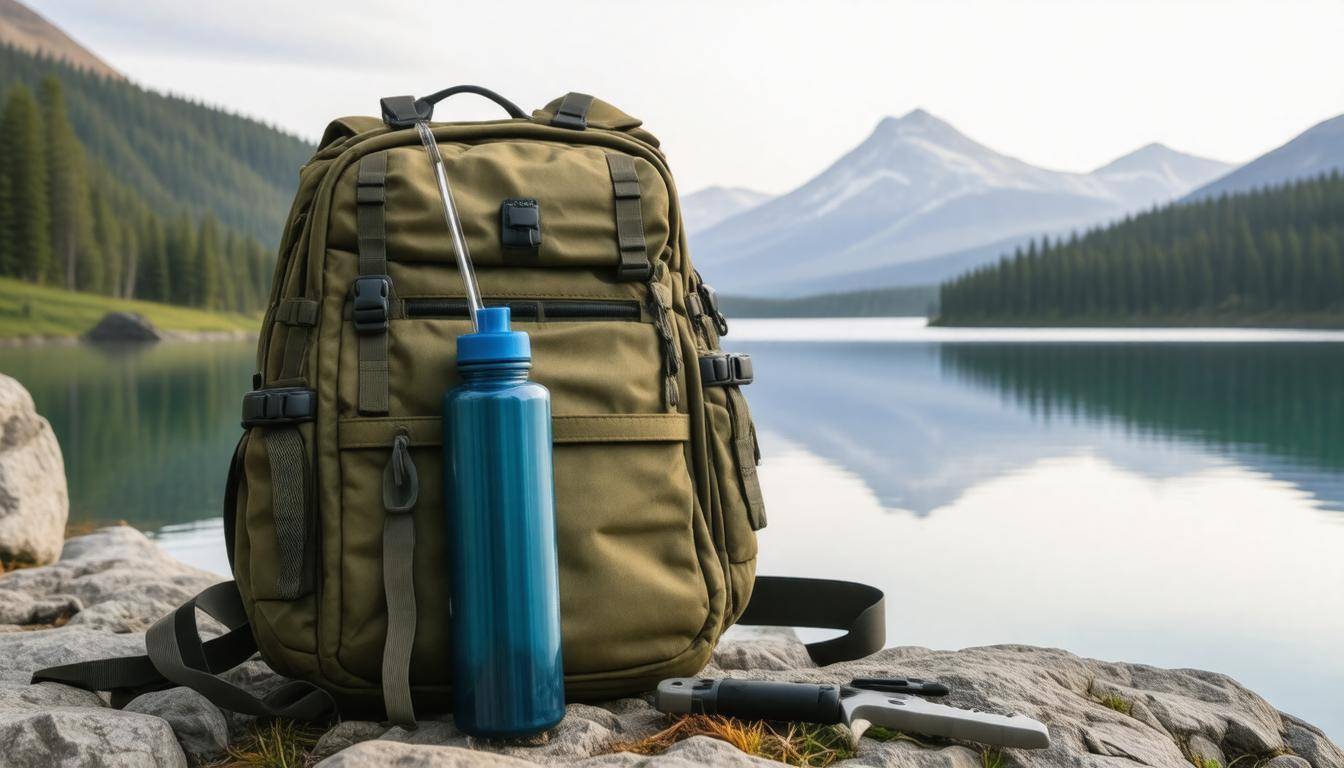
In outdoor adventures or emergency situations, having a water filtration straw that is lightweight and user-friendly can truly make all the difference. The LifeStraw Personal Water Filter exemplifies this principle perfectly; at under 2 ounces, it is designed specifically for those on the move. This compact size, measuring 9 x 1.2 inches, ensures that it fits effortlessly into your backpack or even a pocket without adding unwanted bulk. Imagine hiking up a steep mountain trail, finally making it to your water source, and pulling out a tool that feels like nothing at all—this is the kind of convenience that makes any outdoor excursion more enjoyable.
Beyond just weight, let’s explore how the design helps facilitate user experience.
Lightweight and Compact Designs
Many competitors highlight similar features. For instance, the Sawyer Mini weighs around 2 ounces and is praised not just for its portability but also for stellar filtration capabilities. Just like the Sawyer Mini, the LifeStraw offers an efficient solution, filtering water through a 0.2-micron pore size to remove virtually all harmful contaminants. This remarkable capability allows peace of mind while you enjoy the great outdoors. Each sip you take is not only refreshing but also safe—giving you one less thing to worry about amidst nature’s challenges.
Yet, it’s not just about being lightweight; user experience plays an equally vital role.
User Experience
Feedback from outdoor enthusiasts often emphasizes how crucial ease of suction is when choosing their filtration method. One frequent comment from a hiker on a forum highlights this perfectly: “The Sawyer Mini required less effort to draw water through, making it a favorite on my Appalachian Trail hike.” Users cherish that moment when they realize they’re not struggling with their gear but instead easily accessing clean drinking water. The seamless interaction between person and product fosters confidence and comfort in challenging environments.
But ease of use encompasses more than just initial usability; it extends to maintenance as well.
Quick assembly and disassembly are essential for cleaning and longevity. The LifeStraw excels here too; users can easily backflush the filter by blowing air through it after use. This simple maintenance step ensures that your filter stays functional for up to 1,000 gallons of water—enough to last over five years based on daily usage. Knowing you can maintain your gear without complicated processes adds another layer of reassurance as you venture into the wild or prepare for emergencies.
With these thoughtful design elements in mind, it’s clear how critical functionality is when assessing various options in the market. Now let’s look more closely at the durability and overall lifespan of these essential tools.
Build Quality and Lifespan
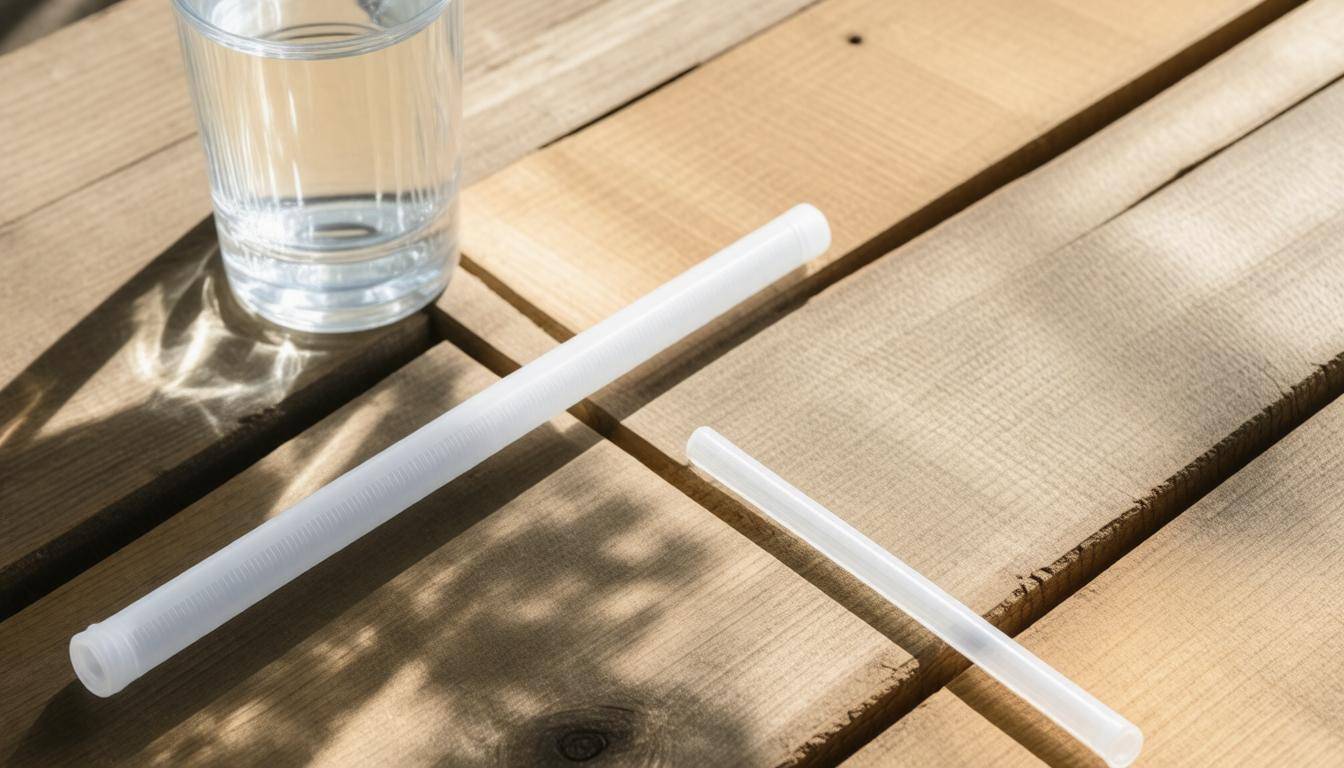
A flimsy filtration straw might not hold up in tough conditions, which is why considering build quality becomes paramount. The material used in construction can significantly affect not just the performance of the straw but also its durability under various circumstances. Premium models often utilize robust materials like BPA-free plastic, stainless steel, or even advanced polymers that can withstand rigorous outdoor adventures. When camping or hiking, your equipment needs to be reliable; after all, nothing diminishes a scenic mountain view quite like the concern over whether your filtration system will fail at a critical moment.
Material Durability
Take the Grayl bottle for example: while it boasts exceptional durability due to its high-quality material, it does come with the trade-off of being bulkier than other filtration straws. It’s essential to consider how the straw feels in hand and whether it can endure drops or impacts without cracking. You want a filtration straw that can handle being tossed into your backpack alongside sharp rocks or heavy tools. A well-built product not only improves your confidence in using it but ensures longevity too.
Durability typically correlates with lifespan—a key metric that every potential buyer should examine closely.
Lifespan Metrics
-
LifeStraw: Known for filtering up to 1,000 liters of water before needing replacement. This impressive lifespan makes it an excellent choice for short-term backpacking trips or emergency kits.
-
Sawyer Mini: Offers an astounding capacity of up to 100,000 gallons, provided you regularly backflush it after use—an easy maintenance step that pays off immensely.
-
Katadyn BeFree: While it also filters about 1,000 liters, users have noted that it may be prone to clogging, especially if used frequently in murky waters.
The numbers speak for themselves; evaluating both durability and lifespan gives a comprehensive view of a product’s value. When faced with harsh environmental factors, you don’t want to compromise on these attributes. You want to know that your investment can stand the test of time while providing clean drinking water.
As you assess the features that align with your needs, understanding the financial implications will further guide your decision-making process.
Cost Analysis
When looking at the prices for various water filtration straws, it’s important to recognize their affordability in relation to the features they offer. For instance, the LifeStraw, sitting at a modest $19.95, provides essential filtration without breaking the bank. In comparison, the Sawyer Mini retails for $24.95, offering more flexibility in its design, while the Grayl UltraPress is on the higher end at $89.95, boasting advanced filtration technologies and additional capacities.
Price Comparison
- LifeStraw: $19.95
- Sawyer Mini: $24.95
- Grayl UltraPress: $89.95
This information prompts a deeper analysis as you consider how these price points reflect their long-term usefulness.
Now, let’s discuss value for money. While the LifeStraw is enticingly priced and effective, it does lack some advanced capabilities offered by its pricier counterparts. For those who are frequently in outdoor settings or drawn toward more adventurous activities, investing in the higher-priced options may yield better returns in terms of health safety and water quality. Conversely, those who need a reliable and portable solution might find that LifeStraw’s lower cost makes it a suitable choice without sacrificing much functionality.
Additionally, it’s vital to consider not only the upfront costs but also the longer-term cost-effectiveness of these products. The LifeStraw filters up to 1,000 gallons (approximately 4,000 liters) of water, which translates to substantial savings compared to purchasing bottled water over time. By calculating your cost-per-liter using these capacities, you gather valuable insight into which option allows you to drink safely without continuously spending money.
With this understanding of cost and value in mind, let’s explore which options perform best based on different scenarios and environments.
Best Straws for Different Environments
When it comes to backpacking and hiking, ease of transport and efficiency are non-negotiable. That’s where the Sawyer Mini shines. This compact filtering device fits seamlessly into most backpacks without taking up much space. Lightweight and designed for versatility, it can be used with a standard water bottle or directly from a water source.
Whether you’re sipping from a stream or filling a canteen, the Sawyer Mini provides excellent filtration capabilities while only weighing a few ounces. It’s perfect for those long treks, letting you traverse the wilderness without the burden of heavy gear.
In contrast, international travel often demands more comprehensive filtration due to varying water quality across different regions.
Enter the Grayl UltraPress. This filtration system does not just clean your water; it goes a step further by addressing viruses along with bacteria and sediment. For global explorers, using the Grayl UltraPress means peace of mind knowing that you can tackle any drinking water concern almost anywhere in the world. Despite its slightly bulkier design compared to lighter alternatives, its all-in-one style simplifies access to safe drinking water—an essential feature when you’re trekking through countries with uncertain water supplies.
Now let’s pivot our focus to those unexpected moments that call for immediate action: emergencies.
Here, the LifeStraw stands out as an outstanding choice for emergency preparedness kits. Its lightweight and straightforward design make it incredibly user-friendly, requiring no additional tools or setup. Simply place it into a water source and drink! At an affordable price point, it provides reliable filtration during critical times without straining your budget.
Whether you’re braving a natural disaster or embarking on outdoor adventures, having the LifeStraw at your side promotes a sense of security regarding your hydration needs.
Ultimately, what makes these straws exceptional is their adaptability to specific environments. Understanding where and how you will be using your filtration device significantly informs your choice, enabling you to make the best decision tailored to your unique circumstances.
Making informed selections ensures safety and convenience in whatever adventure life may take you—be it deep within untouched nature or bustling city streets where accessibility remains key.
As we explore various options available on the market, it’s vital to consider brand reliability and user experiences that help guide these purchases effectively.
Brand Highlights and User Reviews
The world of water filtration straws is teeming with brands, each offering unique features tailored to different needs.
Let’s begin with Sawyer. Known for its durability and reliability, Sawyer products are a favorite among outdoor enthusiasts. Users frequently praise the filter’s ability to deliver clean water quickly, often taking less than a minute to filter one liter. However, it’s important to note that while Sawyer straw filters are effective, they require regular maintenance, particularly backflushing, to prevent clogs. This upkeep can deter some users, but those who remain diligent find it significantly prolongs the life of their filtration systems.
On the other hand, we have LifeStraw, which presents an economical option for those seeking simplicity without bells and whistles. User reviews highlight its ease of use: just place the straw in a water source and sip away. While many appreciate the straightforward design and affordable price point, they often feel limited since LifeStraw does not support backup storage or treat larger quantities of water at once. It’s definitely a champion for on-the-go hydration but might leave some users wanting when it comes to bulk applications or versatility.
For those willing to invest a bit more into their water purification solution, Grayl emerges as a premium contender in this space. Users rave about its advanced filtration capabilities that effectively eliminate toxins and pathogens. With professional-grade performance in mind, Grayl has built a reputation for thorough contaminant removal processes through innovative designs. However, feedback indicates a trade-off: while it provides robust cleaning power, its bulkiness may not appeal to campers aiming for lightweight gear. Ultimately, many users believe the investment is justified due to the peace of mind it offers when accessing potentially contaminated water sources.
Therefore, considering user experiences alongside product specifications not only enhances your knowledge but also equips you with insights necessary for making informed decisions. As you weigh your options, think about what features resonate most with your lifestyle and travel habits. Whether you value compactness or comprehensive treatment capability can steer you toward the right choice tailored for your adventures.
With so many options available, it’s essential to prioritize your needs and preferences when selecting a water filtration straw that complements your adventures for clean drinking water. Each brand brings something unique to the table; understanding these nuances will empower you to make an educated decision.