
Storm surges—those towering walls of water that crash onto shore during hurricanes—are not just a meteorological term; they’re life-threatening forces that put communities in the Bahamas at risk year after year. Imagine waking up to the sound of crashing waves, only to realize they are racing toward your home, fueled by an approaching storm. For many residents, this terrifying scenario isn’t just a thought; it’s a reality that looms over their lives. The urgent need for a solid protection plan cannot be overstated, as each hurricane season carries with it the potential for destruction and loss. In this article, we’ll explore the comprehensive strategy crafted specifically for the Bahamas aimed at reducing these risks, from stronger infrastructures to community preparedness and natural defenses, ultimately ensuring that people not only survive but thrive amidst such challenges.
The Bahamas Storm Surge Protection Plan outlines a comprehensive strategy designed to mitigate the impacts of storm surges caused by hurricanes and severe weather events. This plan includes infrastructure improvements, community preparedness training, and coordination with local emergency services to ensure citizens are well-protected and informed during storm events.

Overview of the Bahamas Storm Surge Protection Plan
The Bahamas Storm Surge Protection Plan is not just a document filled with policies; it represents a coordinated effort among various stakeholders aimed at preserving both lives and livelihoods in this vulnerable archipelago. Given its geographic layout, the Bahamas is no stranger to severe weather events, particularly hurricanes that bring along devastating storm surges. Understanding the potential impact of these surges has driven the development of this comprehensive strategy to safeguard communities.
Key Elements
One of the cornerstones of this plan is infrastructure enhancement. Investment in sea walls, levees, and breakwaters plays a vital role. These structures are engineered to absorb or deflect the force of incoming waves, reducing the likelihood of flooding in low-lying areas. Imagine standing on a beach, watching waves crash against strong, well-built barriers. You can feel more secure knowing that they are designed to protect your community from what might otherwise be catastrophic storm surges.
Implementing robust infrastructure minimizes destruction and allows for quicker recovery after storms.
Alongside physical defenses, the plan emphasizes community actions. Education programs tailored for local residents empower them with knowledge about storm surge preparedness. Think about it—an informed community is better equipped to respond during emergencies. By sharing best practices and emergency strategies through local workshops and outreach efforts, residents learn not only about storm preparation but also how to preserve family safety amidst chaos.
Furthermore, effective government policies bolster these initiatives. Regulatory frameworks ensure that new constructions adhere to stringent safety standards while providing financial incentives for upgrading existing structures. For example, local governments may offer grants or low-interest loans for homeowners wishing to elevate their properties or reinforce their foundations against potential flooding.
However, man-made defenses should work in harmony with natural defenses. The restoration and conservation of coral reefs and mangroves provide critical buffers against wave energy while also offering ecological benefits such as fish habitats and shoreline stabilization. These natural systems act as nature’s own security measures, softening the impacts of waves before they reach populated areas.
Recognizing these diverse components lays a strong foundation for understanding how vulnerabilities can be assessed and addressed effectively when storms threaten coastal regions. This approach ensures a comprehensive understanding of risks associated with storm surges.
Assessing Storm Surge Risks
Storm surge risk assessment begins with a thorough analysis of various factors that directly impact a given region’s vulnerability. For the Bahamas, this means examining elements such as geographic location, sea level rise, and historical data from past storms. Each aspect plays an integral role in painting a comprehensive picture of potential threats posed by storm surges.
Risk Factors
According to recent studies by NOAA, the Bahamas stands at a moderate to high risk due to its low-lying topography. This geographical feature makes it especially susceptible to flooding when hurricanes sweep through. Furthermore, frequent hurricanes exacerbate this vulnerability. The urgency to assess these risks becomes clear when you consider how these factors intersect.
One essential factor is the geographic position of the islands; their proximity to hurricane-prone areas substantially increases their susceptibility to storm surges. Imagine living in a place where storms are almost annual visitors. Each passing season brings waves of anxiety wrapped around anticipation, and knowing how geography interacts with these storms is key to being prepared.
Next, we must also consider how rising waters affect these risks.
The impact of sea level rise cannot be overstated. As global temperatures increase, polar ice caps melt, contributing to rising sea levels. The result? A greater height for storm surges during hurricanes—meaning that areas previously considered safe may no longer be so when a major storm strikes. This reality is particularly jarring for coastal regions in the Bahamas, where even a small rise can have increasingly catastrophic effects.
And then there’s the invaluable asset of historical data.
Historical data from past storms like Hurricane Dorian provides a treasure trove of insights into how severe surges can become. Analyzing prior events allows us not only to understand what has happened but also to forecast future needs based on those patterns. By studying the intensities and behaviors of previous surges, communities can anticipate potential vulnerabilities and strategically implement protective measures.
In assessing storm surge risks in the Bahamas, we must embrace these intricate layers—geographic factors, sea level rises, and historical precedents—all coalescing into a clearer picture of our future vulnerabilities and necessitating robust proactive strategies tailored toward both short-term preparedness and long-term resilience.
As we continue our exploration, it’s important to look at how past storm events have shaped our understanding of current threats and influenced protective strategies moving forward.
Historical Impact of Storm Surges

The Bahamas has a long and often devastating history with storm surges that leaves an indelible mark on its communities. Each significant storm has affected the physical landscape and transformed lives. For example, when Hurricane Dorian struck in 2019, it unleashed a surge ranging from 18 to 23 feet high, obliterating entire neighborhoods in its wake. The sheer force of water surged over land, resulting in catastrophic destruction that devastated homes, businesses, and critical infrastructure.
Similarly, Hurricane Joaquin in 2015 produced a storm surge of around 10 feet, unleashing fury upon the southern islands of the Bahamas. The aftermath saw widespread flooding and displacement; residents grappled with loss while recovery efforts lagged amidst damaged roads and bridges. These incidents are not mere statistics but poignant reminders of how nature can turn serene coastal life into chaos within moments.
When you consider that approximately 70% of hurricane-related damages in the Bahamas are attributed to storm surges, it highlights the urgency behind implementing effective protective measures.
This historical backdrop is vital for planning as we navigate evolving climate conditions and changing weather patterns. Understanding past events helps mitigate future risks effectively. Each storm experience has imparted lessons about resilience and preparedness that should shape our policies moving forward. Foresight informed by historical impact isn’t just wise; it’s essential for safeguarding future generations against potential storms.
By examining these past challenges through a comprehensive lens, we can better strategize our protective responses. Next, we will explore essential measures that bolster our infrastructure against future threats.
Strategic Infrastructure Measures
One of the cornerstones of a robust storm surge protection plan is enhancing existing infrastructure to withstand and mitigate the impact of severe weather events. A proactive approach can significantly reduce damage and save lives when storms strike.
Constructing Sea Walls and Levees
The construction of sea walls and levees stands out as one of the most effective measures to prevent storm surges from inundating inland areas. These barriers are not merely structures; they are lifeguards for communities that border vulnerable coastlines. For instance, Tokyo’s Sea Wall System has garnered global admiration due to its sophisticated engineering and effectiveness during typhoons. By utilizing materials that can absorb and deflect wave energy, these walls serve a dual purpose: they protect while also enhancing the natural beauty of coastal landscapes.
Imagine walking along a calm beach, where behind you lies a powerful guardian—an invisible shield protecting your home from nature’s fury. This is what well-constructed sea walls provide, allowing communities to thrive even in the face of impending storms.
Elevating Buildings
Elevating buildings is another vital strategy in the fight against storm surges. By lifting structures above projected surge levels, communities can protect their homes and critical services from catastrophic flooding. This isn’t just an aesthetic upgrade; it’s an essential safety measure that allows families to live with greater peace of mind. For example, in Key West, Florida, many homes have been elevated to meet new building regulations aimed at reducing storm damage. This foresight helps create resilience in the face of climate change—one raised foundation at a time.
Think of your home as a boat on water: if it’s anchored securely above sea level, it will float safely above the rising tides while those below may be at risk.
Improving Drainage Systems
Lastly, improving drainage systems cannot be overlooked. Enhanced urban drainage ensures that floodwaters do not accumulate after heavy rains or storm surges. When cities don’t invest in sound drainage systems, they risk turning into temporary lakes after a storm passes. Improvements may include widening existing drains, creating retention basins to hold excess water, or implementing permeable pavements for better water absorption. Amsterdam serves as an excellent example of an urban area that has successfully integrated advanced drainage and water management techniques to handle its challenging geographical situation.
While these strategic infrastructure measures form a strong defensive front against storm surges, it’s crucial to explore how local initiatives can complement these efforts and further enhance community resilience.
Community-Level Solutions
Community involvement is vital in developing a storm surge protection plan that truly meets the needs of local residents. One key approach is establishing education programs aimed at informing the public about potential risks and best practices for emergency preparedness. Imagine a neighborhood gathering where residents come together not only to learn about storm surges but also to share their own experiences and strategies. Workshops can be customized to address specific concerns relevant to the community, providing practical knowledge on how to secure homes against flooding and identify safe evacuation routes.
To maximize impact, these workshops might include:
- Short demonstrations on how to sandbag an area effectively.
- Instructions on assembling emergency kits tailored to family needs.
- Role-playing scenarios that emphasize quick decision-making in emergencies.
Alongside education, implementing localized warning systems ensures timely communication during critical moments.
For example, a community-specific warning system can use loudspeakers or text alert systems directly reaching residents’ mobile phones. This creates a culture of readiness, where everyone understands what actions they need to take when warnings are issued. Personalized updates can help distinguish between levels of urgency, giving clear instructions on whether residents should stay put or evacuate. By fostering connections across neighborhoods, social media platforms can also serve as real-time response tools for information sharing, resource management, and encouraging support amongst residents.
Emergency Protocols
Establishing clear and effective emergency protocols is another significant aspect of community-level solutions. Communities must work together to create defined evacuation routes that are well-marked and known by all residents; this could be the difference between safety and confusion during an emergency. Identifying sufficient shelters ahead of time is equally important—these locations should be accessible for everyone, particularly those with mobility challenges.
Imagine if every household had a designated meeting point outside their house if communication fails. Not only does it foster accountability, but it also encourages families to practice their plans periodically without needing to wait for an emergency.
Engaging the whole community in these efforts ensures that everyone understands the risks associated with storm surges and feels empowered to protect themselves and each other effectively. Building upon these proactive measures, we can now explore the natural defenses that exist within our environment.
Natural Protection Mechanisms
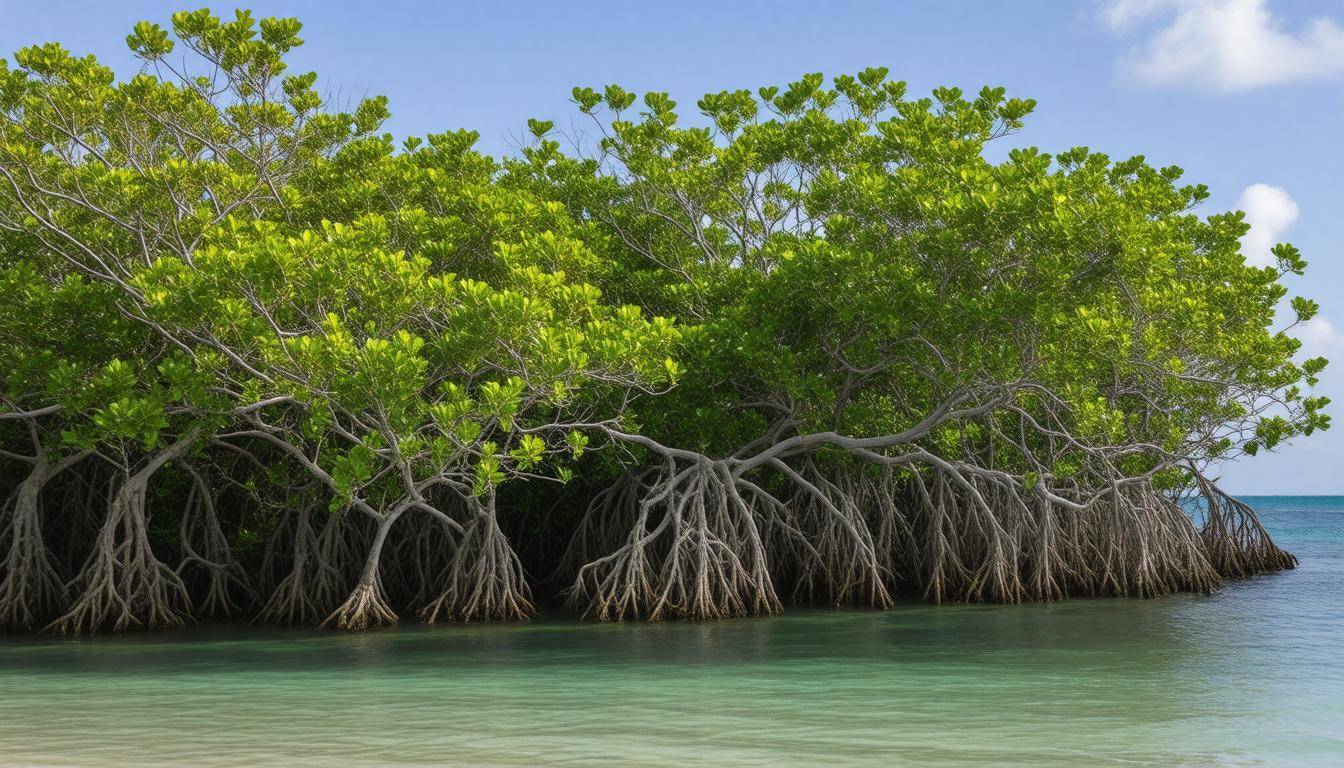
Among the most vital natural defenses are coral reefs and mangroves. These ecosystems not only enhance the beauty of the Bahamian seascape but also serve critical functions in protecting land from the ravages of storm surges. Their ability to dissipate wave energy means that they act like buffer zones, intercepting and diminishing the force of storms before they reach the shore.
Coral Reefs
Coral reefs are remarkable structures that play a substantial role in flood prevention. Studies have shown that these reefs can reduce wave energy by up to 97%, significantly lowering the impact on coastal areas during fierce storms. Through conservation efforts, especially in areas like Andros Island, we are witnessing revivals in coral health. One effective strategy has included the transplantation of resilient coral species that can withstand rising ocean temperatures and acidification. This not only helps restore damaged reefs but also amplifies their protective capabilities against storm events.
While it’s encouraging to see successful conservation efforts, these natural barriers need continuous support to thrive.
Mangroves
Mangrove forests are equally essential; they act as nature’s buffer zones. They absorb storm energy, preventing extensive inland flooding while serving as crucial habitats for diverse wildlife. The story of a restoration project in Abaco encapsulates both promise and challenge—initial plans aimed at restoring 100 acres of mangroves but faced funding shortages that limited progress to about 70 acres. This situation highlights how sporadic financial backing can directly impact ecosystem resilience. To truly harness the full potential of these natural barriers, consistent investment and commitment from both local communities and governments are imperative.
Understanding the interaction between these powerful natural mechanisms and the necessary policy frameworks will be key to formulating effective strategies for future protection efforts.
Policy and Government Initiatives
Effective policies are pivotal in formalizing and funding storm surge protection measures. They serve as the backbone of any comprehensive plan, ensuring that preventive actions are not only recommended but also enforced and financed adequately. The vigor of these policies can directly impact community resilience against natural disasters, establishing a safety net that allows citizens to feel secure in their homes.
Current Policies
The Bahamas National Policy for Disaster Preparedness stands out as a significant endeavor, featuring a $50 million annual budget earmarked for infrastructure projects. Critics voice concerns about it being grossly underfunded compared to the escalating risks of climate change and increasing storm intensity.
For perspective, with rising sea levels, the cost of infrastructure that meets modern protections may dwarf what’s currently allocated.
“Without adequate funding, even the most well-intentioned policies can fall flat, leaving communities vulnerable just when they need support the most.”
This underscores an urgent call for policymakers to reevaluate financial allocations and ensure sufficient resources are available for locals facing imminent threats.
Proposed Initiatives
Looking forward, several initiatives could transform the landscape of storm surge protection in The Bahamas. One such proposal is introducing tax incentives aimed at encouraging private sector involvement in protective infrastructure projects. These financial benefits could motivate businesses to partake in the broader framework of community safety while enhancing their own operations.
Additionally, implementing mandatory building codes for new constructions to ensure they stand above predicted storm surge levels is critical. Such regulations would not only protect investments but also integrate risk management into urban planning effectively.
It’s essential for stakeholders—government officials, communities, and private enterprises—to collaborate on refining these proposed initiatives, focusing on practical implementation steps and a shared vision for the future.
By marrying innovation with legislative action, the Bahamas can set actionable benchmarks that inspire other nations facing similar challenges. Insightful governance, paired with community engagement, will establish a durable defense against storm surges while fostering economic resilience.
As we transition from the policies that shape protection measures to the environmental factors influencing those designs, it becomes increasingly clear how interconnected these elements are in crafting effective strategies.
Engineering and Environmental Factors
When it comes to storm surge protection, marrying technology with nature is essential. Combining engineering solutions with environmental sustainability offers a balanced approach that not only fortifies coastlines but also preserves the delicate ecosystems that surround them. Sustainable engineering involves using eco-friendly materials in constructing seawalls, which has become a popular trend. The challenge here is finding materials that offer durability while ensuring they do not disrupt local marine habitats.
Sustainable Engineering
You might think traditional concrete is the go-to material for robust seawalls, but innovative alternatives are emerging that lessen environmental impact. Options like recycled plastics or bioblocks made from organic materials provide excellent resistance against erosion while being lighter and easier to implement. A significant aspect is ensuring these solutions are designed thoughtfully so that they do not interfere with marine life during their deployment.
Moreover, integrating vegetation into coastal defenses is another sustainable engineering practice gaining traction. Establishing mangrove trees along shorelines can effectively reduce wave energy while providing homes for various marine species. This dual benefit—strengthening coastlines while enhancing biodiversity—is vital to the overall storm surge protection plan.
Environmental Impact Assessments (EIAs)
To achieve successful outcomes in storm surge protection, comprehensive Environmental Impact Assessments (EIAs) should be mandated before launching any new infrastructure projects.
Why is this necessary? Because EIAs help identify potential negative impacts on ecosystems before construction begins. They ensure any proposed development does not compromise vulnerable habitats by enforcing regulations based on scientific research. Involving local communities and stakeholders can also provide valuable insights, helping to align projects with both environmental stewardship and public interest.
Furthermore, EIAs create a foundation for transparency. When communities know what changes are happening in their environment and how those changes will affect them, it fosters greater trust and collaboration between residents and developers.
By addressing both engineering and environmental factors through innovative practices and thorough assessments, we pave the way for long-term sustainability and effectiveness of the protection plan. Such a forward-thinking approach ensures that the Bahamas can withstand future storms while preserving its unique natural beauty for generations to come.
Ensure that the strategies implemented not only protect against immediate threats but also safeguard the ecosystem for future generations.