
Living on the stunning Amalfi Coast can feel like a dream come true, with its breathtaking views and charming villages. However, beneath this picturesque surface lies a hidden danger: landslides. Many homeowners may not realize how vulnerable their properties are until it’s too late. That’s why it’s essential to take proactive measures to protect your home from potential landslide risks. In this guide, we’ll dive into the necessary tools and strategies you can implement to safeguard your property, ensuring that your coastal paradise remains safe and beautiful for years to come.
An Amalfi Coast Landslide Protection Kit typically includes essential tools and materials such as geotechnical assessment services, drainage systems to manage water flow, retaining walls tailored for coastal environments, and vegetation management solutions to stabilize soil. These resources aim to mitigate the risk of landslides and ensure the safety of properties in this picturesque yet vulnerable region.
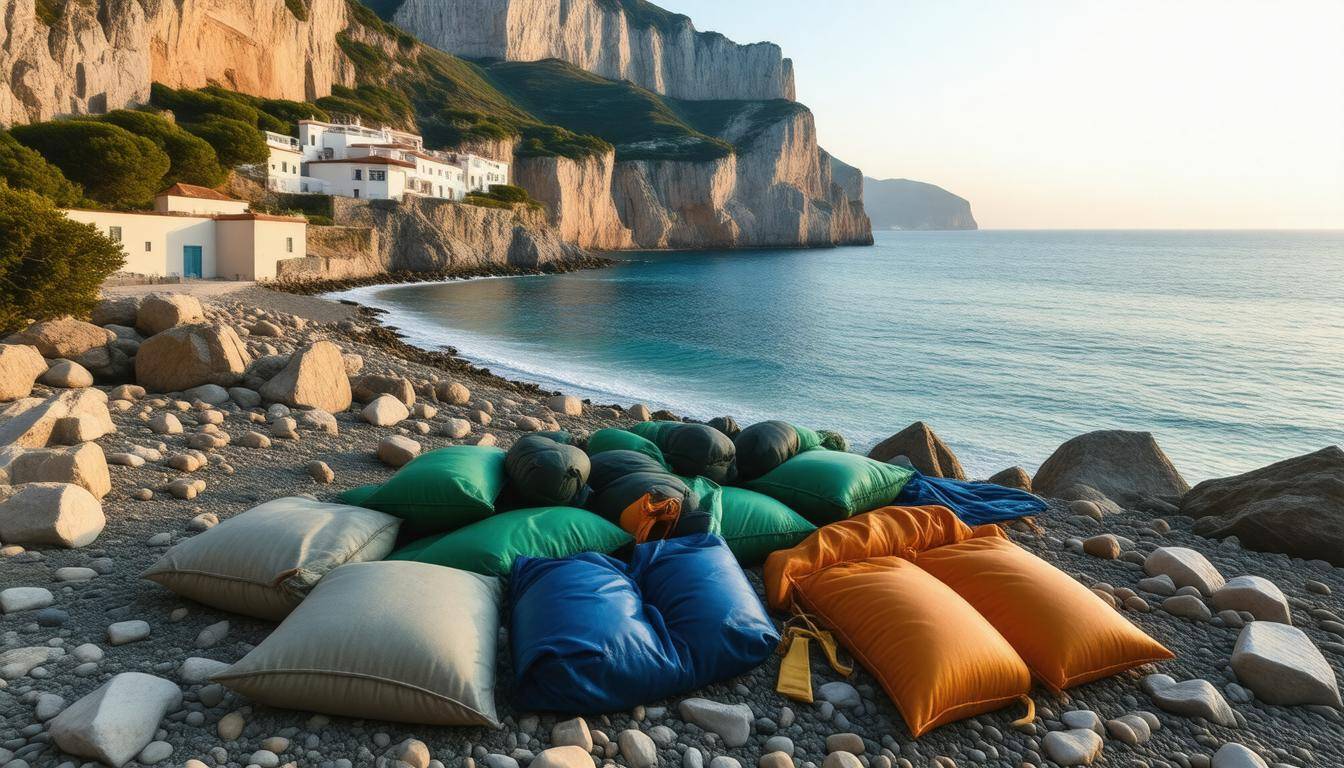
Comprehensive Landslide Protection Kit
A well-structured landslide protection kit is as vital to homeowners on the Amalfi Coast as sunscreen is for beachgoers. Protecting your property requires that every piece plays a significant role in minimizing the risk of landslides, which are all too common in this picturesque region. One key element is geotextiles. These sturdy fabrics actively enhance soil cohesion by preventing water infiltration. With excessive moisture often leading to instability, these materials act like protective armor for your land.
Think of geotextiles as the heart of your landslide prevention strategy: without them, you’re risking disaster during heavy rains.
Another crucial element included in most kits is anti-erosion mats. These mats serve a dual purpose: they protect ground cover and effectively reduce runoff. By anchoring soil in place and providing a barrier against wind and water, they help maintain stability and promote vegetation growth, which reinforces the soil structure. Imagine planting seeds that not only bloom but also fortify your land’s foundation. While this ingenuity might seem simple, it’s remarkably effective.
As we assess specialized gear for landslide mitigation, consider how securing these materials can significantly enhance effectiveness.
Here’s where specialized anchors come into play. Designed to secure various materials to the terrain, these anchors ensure that they remain intact even under duress from heavy rainfall or shifting earth. The innovative design allows these anchors to adapt to different environments, which is especially beneficial given the varying terrains throughout the Amalfi Coast. When anchored correctly, each component synergizes with others to create a formidable defense against potential landslides.
Components Included in a Comprehensive Kit:
| Component | Function |
|---|---|
| Geotextiles | Soil stabilization and erosion control |
| Anti-erosion mats | Protect ground cover and reduce runoff |
| Specialized anchors | Securing materials to the terrain |
| Flexible drainage | Diverting water away from susceptible areas |
Finally, let’s talk about flexible drainage systems—they’re essential with the increasing occurrences of severe weather patterns. These systems work meticulously to divert water away from vulnerable areas before it can cause any damage. Imagine redirecting a flood before it reaches your doorstep; that’s what effective drainage systems do for property owners on the coast.
Incorporating these essential components into your landslide protection strategy isn’t just smart—it’s critical for safeguarding your home and enhancing its longevity against nature’s whims.
With these safety measures firmly established, we now turn our focus to the specific materials that enhance these protective strategies further.
Essential Materials for Prevention
The Amalfi Coast, with its stunning cliffs and breathtaking views, is undeniably a picturesque locale; however, its unique geography also means that homeowners must be diligent in implementing protective measures. Each of the essential materials for landslide prevention serves a distinct purpose and contributes to overall stability.
Retaining walls are undoubtedly one of the most discussed items in this arsenal. While they can be costly and require professional installation, their benefits far outweigh their drawbacks. These structures provide physical barriers that hold back soil, preventing it from sliding down slopes during heavy rains. Their construction material can vary—from concrete to stone—and though the upfront investment is significant, the long-term peace of mind they offer is invaluable. Furthermore, retaining walls can be designed to blend harmoniously with the coastal landscape rather than detracting from its beauty.
Moving along to soil nails, which may sound like something out of a construction site but are crucial for maintaining soil integrity. By inserting steel bars into unstable terrain, soil nails effectively reinforce loose soil layers that are especially prone to movement in wet conditions. This method improves stability and adds minimal disruption to your landscape, allowing you to maintain that beautiful coastal charm while enhancing safety.
Another vital aspect is vegetation. Although it might seem simple at first glance, rooted plants play an essential role in stabilizing slopes. The roots of trees and shrubs intertwine with soil particles, binding them together and creating a natural barrier against erosion and landslides. Select native plants that thrive in your local environment as they require less maintenance and water while promoting biodiversity.
Now let’s not forget about drainage systems. Proper management of water flow is critical on sloped terrains like those found on the Amalfi Coast. Heavy rainfall can compromise even the best-prepared landscape if water isn’t adequately redirected away from vulnerable areas. Effective drainage systems channel excess water through trenches and pipes away from slopes and toward designated drainage areas or absorption pits, significantly reducing the risk of mudslides and washouts.
These materials highlight the importance of proactive measures in safeguarding your home. As we move forward, strategies to prepare your living space for potential hazards will further enhance your home’s resilience against nature’s unpredictability.
Preparing Your Home for Disasters
Preparing your home against natural disasters like landslides goes beyond just filling in cracks or adding a bit of paint to the walls. It’s about taking proactive measures to ensure your family and property can withstand potential hazards. Imagine sitting in your living room during a storm, feeling secure because you know that every corner of your home has been examined for weaknesses. This peace of mind stems from thorough preparations that not only make your house safer but also protect its value.
Step-by-Step Guide:
Step I – Conduct a Geotechnical Assessment
The first step in protecting your home involves hiring a geotechnical specialist. This may sound daunting, but think of it as investing in the future safety of your property. An expert will evaluate the stability of your land, pinpointing any weak spots that could lead to issues down the line. Wouldn’t you prefer to address a problem before it becomes a headache? These assessments may reveal vulnerabilities such as sandy soil or steep slopes that need careful monitoring. Not only can this help guide preventative measures, but it also equips you with information that could save you thousands in repairs later on.
Step II – Install Drainage Systems
Next, let’s discuss the importance of effective drainage systems in maintaining soil stability. Heavy rain, which is all too common along the Amalfi Coast, can lead to saturation, making soil highly unstable and prone to shifting. Installing efficient drainage solutions—like French drains or surface channels—can be one of the most effective ways to manage water accumulation that poses a threat to your home’s foundation. With proper drainage in place, you’ll create pathways that direct excess water away from vulnerable areas and significantly reduce the chances of a landslide impacting your dwelling.
Step III – Strengthen Your Home Foundation
Once you’ve tackled drainage, it’s time to focus on reinforcing your home’s foundation. Underpinning is one method that helps enhance stability by extending the foundation deeper into more stable soil layers. Imagine building a house on solid rock versus loose sand; the difference is remarkable! Fortifying your foundation is especially important for homes located on steep terrain where gravity works against you. By ensuring a solid base, you enhance both structural integrity and safety—a worthy investment for peace of mind.
Even while you take these steps to prepare your home, remember that ongoing maintenance is crucial for all protective measures put in place. Whether it’s checking drainage systems after heavy rains or regularly consulting updates from local geological assessments, being proactive can make all the difference when disaster strikes. As we move forward, it’s essential to understand how to further enhance land stability and minimize risks effectively.
Strengthening Slopes and Terrains
Strengthening slopes is paramount to minimizing the risk of landslides, particularly in regions like the Amalfi Coast where steep terrains are commonplace. Among the many techniques available, terracing stands out as a highly effective method for combatting soil erosion by creating stepped levels that slow down the movement of soil. Each terrace acts like a supportive step that gently cradles the soil, allowing it to settle without slipping away. However, this technique requires significant labor and planning because proper drainage must be integrated into the design to manage water runoff effectively.
Imagine walking up a staircase where each step is designed not just for convenience but also for safety. Similarly, terracing provides a safe walk for soils, which might otherwise perilously slide down an incline during heavy rains.
Another widely used approach involves applying rock bolts. This technique entails anchoring unstable rock faces securely to more stable sections underneath. A well-placed rock bolt can make all the difference, securing those loose rocks tightly enough to withstand both gravity and water flow. Such stabilization methods not only enhance the safety of your property but can also lend themselves to aesthetic designs in landscaping—think about how these strong yet subtle features can intertwine with your garden or pathway.
Beyond rock bolts and terracing, innovative projects have emerged focusing on bioengineering and vegetation strategies aimed at maintaining slope stability effectively.
Bioengineering combines biological processes with engineering principles. Planting deep-rooted vegetation becomes essential here, acting almost like nature’s own reinforcement system. The roots bind the soil together, reducing erosion while also absorbing excess water that could lead to mudslides. It’s fascinating how trees and shrubs work alongside our efforts; when strategically placed on slopes, they offer both structural stability as well as beautiful greenery.
Installing retaining walls is another key technique worth considering. These structural barriers hold back soil and prevent it from collapsing during heavy rainfall or seismic events. When built with materials tailored to withstand moisture and high pressure, retaining walls can extend the life of your landscape considerably. Moreover, these walls often vary in height and form, providing an opportunity for homeowners to blend functionality with aesthetics in their outdoor spaces.
Understanding these different methods of strengthening slopes empowers homeowners to make informed decisions when it comes to safeguarding their properties against potential hazards. By blending traditional techniques with modern innovations, residents along the Amalfi Coast—and beyond—can create resilient landscapes that bring peace of mind during stormy weather while embracing the stunning beauty of their surroundings.
As we explore further solutions for enhancing stability in these vulnerable areas, innovative strategies take center stage in ensuring safety amidst nature’s unpredictability.
Methods for Slope Stability

Achieving slope stability is not just a one-size-fits-all solution; it requires an intricate blend of methods tailored to the unique characteristics of the terrain. Physical methods play a significant role, with retaining walls often being the first line of defense against landslides. These structures act like anchors, holding back soil and providing a barrier against intense rainfall or erosion. For homeowners on the Amalfi Coast, investing in high-quality materials for these walls can mean the difference between safety and disaster. Retaining walls behave like thoughtful guardians, standing firm against the push of gravity.
However, adding physical reinforcements alone isn’t enough. Geosynthetic materials offer additional support—think of them as flexible, resilient companions providing structural integrity to sloped landscapes. These materials are designed to filter water while allowing soil movement, thus preventing water from accumulating in harmful ways. A well-placed layer of these can enhance drainage capabilities and directly contribute to the longevity of your slopes.
Vegetative methods introduce nature’s own solutions to reinforce slope stability.
Planting deep-rooted species such as vetiver grass is a simple yet effective strategy that utilizes natural mechanisms. The roots of these plants penetrate deep into the soil, creating a web that helps bind the soil particles together. Picture this: each vibrant green blade supports the earth beneath by acting like tiny anchors, effectively reducing the chance of erosion and landslides during heavy rains. Furthermore, these plants don’t just sit pretty—they also absorb excess water, contributing to moisture management in potentially saturated soils.
The effectiveness of both physical and vegetative methods often hinges on two key variables: the specific characteristics of the slope you’re working with and the local climate conditions. Understanding these factors helps you select suitable approaches tailored for your particular situation. If you’re situated in an area that experiences heavy rainfall, for example, reinforced structures combined with dense vegetation can create an impenetrable barrier against frequent erosion.
To further enhance safety along the Amalfi Coast, exploring practical techniques for managing erosion will provide additional layers of protection in your residential landscape.
Effective Erosion Control Techniques
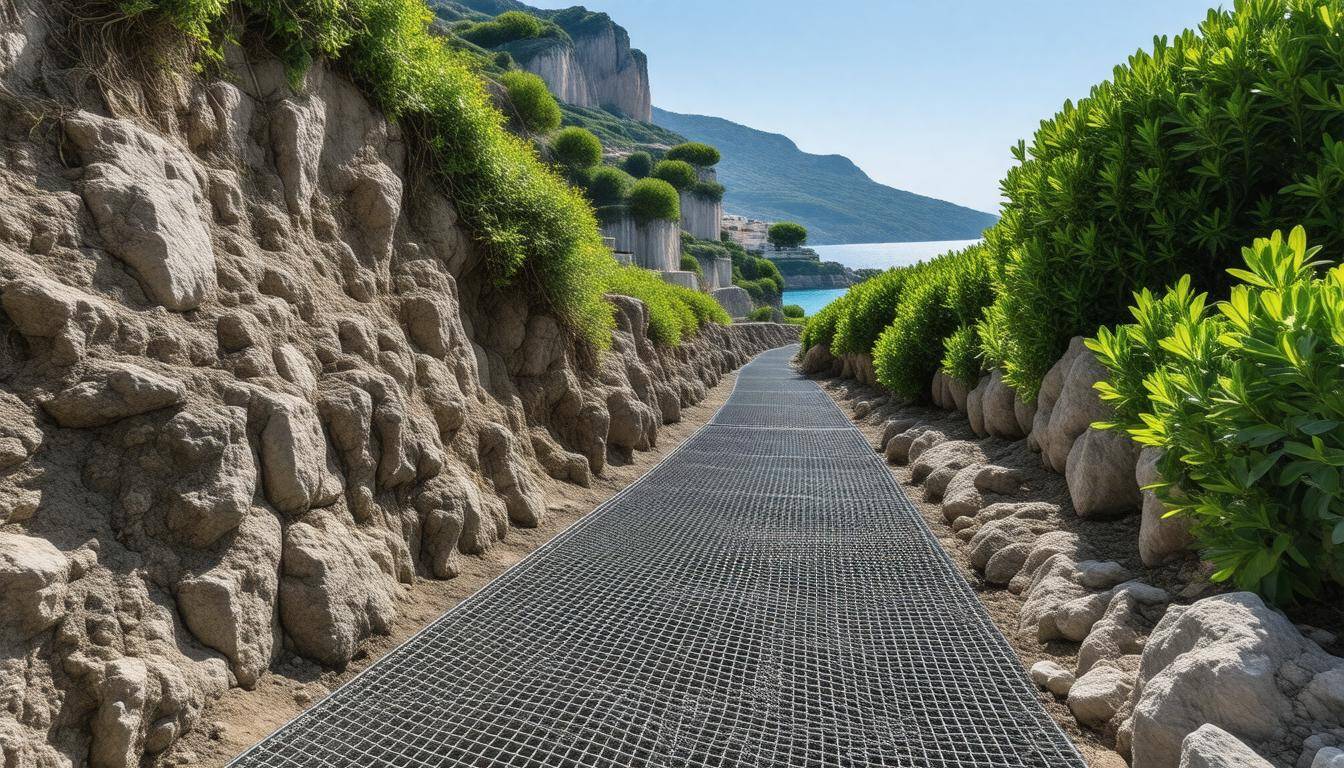
Effective erosion control is not just a matter of aesthetic landscaping; it serves as a critical component in safeguarding your property against landslides. When we talk about controlling erosion, think of it as preserving the integrity of your sloped land.
For instance, techniques such as erosion control blankets and hydroseeding are invaluable tools that stabilize soil efficiently and quickly, especially when rainfall threatens to saturate your slopes.
Erosion control blankets are typically crafted from biodegradable materials like straw or coconut coir. These blankets act as protectors for your soil during heavy rains by preventing displacement while providing necessary moisture retention. They can be incredibly effective in creating a robust environment for vegetation to establish itself. This vegetative cover is vital because roots bind the soil together, creating a natural defense mechanism against erosion. Regular monitoring is key—these blankets need checking for wear and tear to ensure they continue doing their job effectively.
Hydro-seeding, on the other hand, is another innovative method that not only helps with immediate stabilization but also fosters long-term plant growth. In this process, a mixture of seed, water, fiber mulch, and bonding agents is sprayed over bare soil. The mulch acts like a blanket itself, keeping moisture in while suppressing weed growth that could compete with young plants. Using hydroseeding can lead to quicker germination and establishment of vegetation compared to traditional seeding methods.
It’s intriguing to note how nature provides its own layers of defense against erosion when given the right tools.
In many cases, integrating both erosion control blankets and hydroseeding presents synergistic benefits that optimize slope stability. However, these techniques shouldn’t be viewed in isolation. Other measures should also be included in your strategy.
Additional Strategies
- Terracing: Creating terraces reduces runoff velocity by breaking up large stretches of slope into smaller sections.
- Retaining Walls: These structures help manage lateral pressure exerted by wet soil.
- Vegetative Buffers: Utilizing native plants along the top edges of slopes can absorb excess water and reduce soil moisture levels.
With all these options available, it’s essential to evaluate which combination best suits your particular landscape and erosion challenges.
Understanding geological conditions plays a crucial role in customizing your protection plan and choosing the most effective erosion control practices for your environment.
Identifying Geological Risks
Understanding the geological landscape of the Amalfi Coast plays a crucial role in safeguarding your property against landslides. This involves a careful examination of factors such as soil composition, slope stability, and historical land movement patterns. For instance, performing soil tests can reveal the clay content in the earth around your home. It’s no secret that clay-rich soils are notorious for retaining water, making them much more susceptible to becoming saturated during heavy rains—thus increasing the risk of landslides.
It has been shown through various studies that around 70% of landslides are triggered by intense rainfall. This statistic serves as a stark reminder of why understanding your immediate geological environment is vital.
One effective method for assessing these risks is to consult local geological surveys or hire a qualified geotechnical engineer. These professionals can provide not just soil analysis but also insight into the specific challenges unique to your part of the Amalfi Coast. Such evaluations often include detailed studies of slope angles and underlying rock formations, which can offer a clearer picture of potential vulnerabilities.
Additionally, reviewing historical data on landslides in your area is invaluable. Past incidents can highlight common triggers—like particular weather patterns or construction practices—that homeowners should be aware of. It helps paint a narrative about when and where land movements typically occur, guiding future prevention efforts.
In conjunction with personal observations and professional assessments, consider establishing a monitoring system if you live in an identified high-risk zone. Installing devices that track soil moisture levels can let you know when conditions may become dangerous before a landslide occurs, providing an early alert and dramatically enhancing safety measures.
Having established a solid foundation regarding geological risks, it’s now time to explore additional proactive measures that further secure your property against future incidents.
Long-Term Protection Strategies
Structurally, installing retaining walls is one of the first proactive measures homeowners on the Amalfi Coast can take. These walls provide essential support for sloped areas, effectively reducing the pressure that soil and water exert during heavy rains.
Deep foundation systems are equally vital; by extending below the surface layer, they stabilize your property against shifts in soil and rock that might occur due to landslides. The choice of materials also plays a crucial role. For instance, opting for reinforced concrete over traditional brick can enhance durability against erosive tendencies common in coastal regions.
Beyond structural modifications, it’s essential to embrace non-structural methods as well. Homeowners should prioritize better land-use practices, which include planting vegetation to improve soil health and reduce runoff. Plants not only anchor the soil but also absorb excess moisture, thereby mitigating erosion.
Moreover, enforcing strict building codes ensures any new construction adheres to safety standards designed to minimize risks associated with landslides. This holistic approach to land management creates an environment where risks are actively managed rather than simply reacted to.
Many homeowners who have taken these steps report experiencing fewer maintenance woes after implementing solid protective measures like retaining walls combined with careful landscaping. They also express heightened peace of mind knowing their properties are less vulnerable to natural events.
It’s this partnership between structural integrity and responsible land stewardship that allows residents to safeguard both their homes and livelihoods along such a picturesque yet perilous stretch of coastline.
Engaging with these comprehensive strategies not only strengthens personal safety but also contributes positively to the broader community’s resilience against climate challenges.
To secure homes effectively against potential landslides, homeowners on the Amalfi Coast must adopt both structural and non-structural measures. A combination of smart planning and steadfast implementation will pave the way for safer living in this beautiful region.