
Anxiety can be a tough challenge to tackle, almost like trying to juggle while riding a unicycle—difficult and often overwhelming. Many people experience this at one point or another, and the search for relief can feel daunting. What if you could arm yourself with just the right tools to bring a sense of calm back into your life? That’s where an Anxiety Reduction Kit comes in. It’s not just a random assortment of items; each piece is chosen for its ability to help you manage anxiety more effectively. Whether it’s through soothing scents, engaging physical activities, or mindful techniques, these kits offer multi-layered support to combat anxiety’s effects. Let’s dive into what makes up these kits and how they can become a part of your plan to reclaim your peace of mind.
An Anxiety Reduction Kit typically includes essential components such as cognitive-behavioral therapy (CBT) worksheets, mindfulness techniques resources, tools for cognitive restructuring to modify thought patterns, and behavioral strategies like exposure therapy exercises. These elements work together to provide users with effective methods to manage and reduce anxiety symptoms.
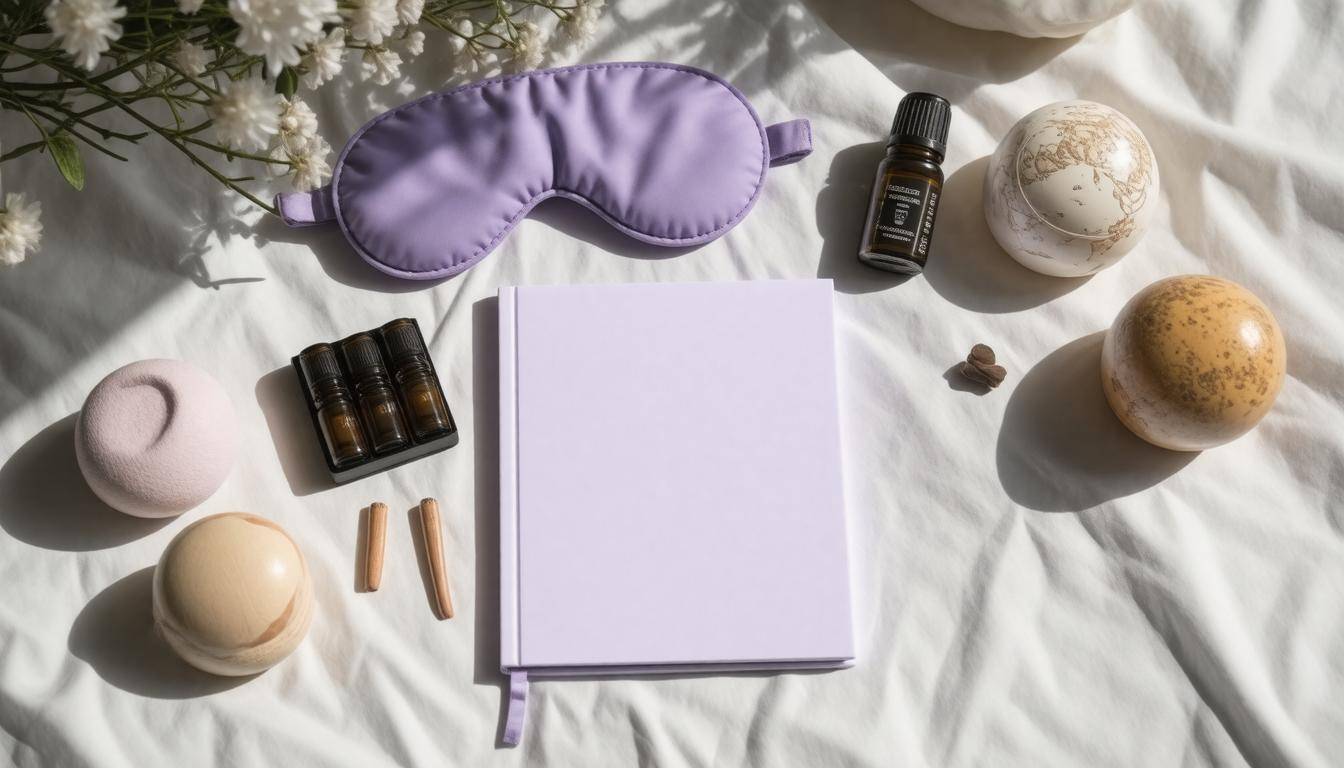
Overview of Anxiety Reduction Kit Components
Anxiety reduction kits are thoughtfully assembled with a variety of items, each selected for its potential to alleviate symptoms associated with anxiety. The beauty of these kits lies in their holistic approach; they provide tools that target not just one aspect of anxiety but address the mind and body as an interconnected system. Imagine walking into a room filled with soothing scents—from lavender essential oil gently wafting through the air to the soft pressure of a stress ball nestled in your palm. Each component contributes to a larger strategy of wellness.
It’s fascinating to note that studies support the idea that utilizing multiple strategies together can yield greater efficacy than any single approach alone. By combining physical items and psychological techniques, anxiety reduction kits cater to a broader range of needs. While mindful breathing exercises help ground you in the moment, having a journal by your side encourages reflection and deeper understanding of your feelings. This multi-faceted toolkit is crucial, especially considering that approximately 18% of adults struggle with anxiety disorders annually, yet fewer than 40% receive adequate treatment, emphasizing the need for accessible solutions.
Common components that one might find in an anxiety reduction kit include:
-
Stress balls: Provide a physical outlet for tension and restlessness, allowing for quick releases of pent-up energy and worries.
-
Essential oils: Oils like lavender and chamomile are renowned for their calming effects; when inhaled or applied topically (diluted properly), they can help create a sense of peace.
-
Cognitive-behavioral therapy (CBT) worksheets: Guided materials assist individuals in identifying negative thought patterns and replacing them with healthier alternatives, fostering more constructive ways of thinking.
-
Guided meditation recordings: Audio resources guide individuals into mindfulness states, providing clear directions to navigate calming mental landscapes alongside relaxing background music.
Each item serves a distinct purpose in managing anxiety; however, understanding how to effectively use these tools is critical. Next, let’s explore specific resources that can further enhance your journey toward improved mental well-being.
Stress Relief Tools for Your Kit
Physical tools for stress relief provide not only immediate relief but also an accessible way to engage with your anxiety in tangible ways. When you’re feeling overwhelmed, having something within reach to distract or soothe you can truly make a difference. For instance, stress balls are more than just squishy toys; they serve as a simple yet effective tool that allows you to release muscle tension. When you squeeze them, the repetitive motion helps to channel nervous energy and promotes relaxation in your hands, which can extend throughout your body.
Fidget spinners and cubes have gained popularity, lending themselves well to busy hands and distracted minds. When anxiety strikes, these tools allow for mechanical movement that keeps your hands occupied, giving your mind a much-needed break from racing thoughts. It’s fascinating how a small device can redirect your focus and lower general feelings of tension.
Acupressure rings, on the other hand, tap into ancient wisdom by applying gentle pressure to specific points on your fingers. This stimulation can lead to calmness and relaxation, akin to a mini-massage right at your fingertips. Their flexibility makes them an excellent addition to any anxiety toolkit—just slip one on while you’re waiting in line or during a meeting when nerves start to creep in.
Now let’s not forget about one of the standout favorites: weighted blankets. These blankets provide deep touch pressure stimulation, enhancing serotonin levels while reducing cortisol, the stress hormone. Many users report improved sleep quality, making weighted blankets an incredible investment for anyone looking to manage their anxiety effectively.
Incorporating these stress relief tools into your daily routine can yield measurable benefits. Research indicates that tactile sensations can significantly reduce nervous energy. In fact, a study published in the Journal of Behavioral Therapy found that individuals utilizing items like stress balls experienced a notable 15-20% decrease in anxiety levels. Such empirical evidence invites us all to rethink how impactful physicality can be in our quest for serenity.
However, it is vital to balance these physical tools with cognitive and emotional resources for a more comprehensive approach to anxiety management. Just as you wouldn’t rely solely on one aspect of wellness—like diet—you shouldn’t depend entirely on tangible tools without nurturing mental health through techniques like mindfulness or therapy options such as cognitive-behavioral therapy (CBT).
In merging these strategies, you carve out a holistic path toward managing anxiety effectively, embracing both body and mind in this journey toward peace.
As you explore the options available within the realm of stress relief tools, trust your instincts and listen to what works best for your unique needs.
With this understanding of various physical aids, it’s essential to also consider the mental frameworks that can support emotional well-being as we navigate life’s challenges.
Cognitive and Emotional Resources
Among the most valuable components of these kits are resources designed to facilitate cognitive restructuring. This refers to techniques that empower individuals to identify and challenge negative thought patterns that fuel anxiety. For instance, worksheets dedicated to cognitive restructuring guide users through recognizing their cognitive distortions—like all-or-nothing thinking or catastrophizing. Each time a user works through these worksheets, they’re engaging actively with their thoughts, thereby fostering a healthier mindset.
Furthermore, mood tracking journals are another powerful addition. By diligently noting daily emotions alongside events or situations encountered, individuals gain insights into what specifically triggers their anxiety. This allows them to create a personalized map of their anxiety landscape, making it easier to anticipate and deal with stressors before they escalate. An often underappreciated aspect of journaling is its ability to reinforce self-awareness and promote emotional regulation—crucial skills for anyone managing anxiety.
Many users report transformative experiences when incorporating these resources into their routines. One individual stated that consistently completing cognitive restructuring exercises was like “lifting a fog” that had clouded their thoughts for years. As they replaced unhelpful beliefs with more rational ones, they noticed not just a reduction in their anxiety levels but also a newfound sense of empowerment over their mental well-being.
Research reinforces these personal stories; studies indicate that participants utilizing CBT techniques observe a significant reduction in anxiety symptoms—averaging a 50–75% improvement during treatment periods.
Let’s now examine how these tools can be further enhanced by the inclusion of various items that enrich your journey toward improved mental health.
Physical and Holistic Items
Holistic items target the body and mind, providing tangible ways to alleviate anxiety while promoting relaxation and well-being. The combination of physical touch, soothing scents, and calming rituals can create an environment conducive to peace and focus.
To begin with, essential oils play a pivotal role in many people’s daily routines. Oils like lavender and chamomile are often diffused in homes or applied during massages to create a serene atmosphere. The practice of aromatherapy has garnered attention for its effectiveness; indeed, a study published in Evidence-Based Complementary and Alternative Medicine found that 64% of participants who used lavender essential oil reported significant reductions in their anxiety levels. This potent little oil serves as both a fragrant companion and an accessible remedy, proving that nature has much to offer those seeking calm.
Next up are herbal teas, which have been cherished for centuries for their calming effects. Variants like chamomile and peppermint often make appearances at tea time not just for their taste but for their ability to soothe restless minds. Brewed hot or iced, these herbal infusions provide a ritualistic act of self-care that can momentarily whisk you away from daily stressors, giving both your body and mind a break.
Healing crystals have also gained traction as people look for alternative therapies to aid relaxation. While scientific support may vary, many individuals swear by the calming properties of stones like amethyst and rose quartz. These stones are believed by some to carry energies that promote tranquility; whether held during meditation or placed around living spaces, they offer both aesthetic beauty and spiritual comfort.
Integrating Movement
Another critical component is integrating physical activity into one’s routine. This is where yoga mats come into play. Regular engagement in yoga not only improves flexibility but has significant benefits for mental health as well—actions like stretching and controlled breathing encourage the release of endorphins, ultimately reducing feelings of anxiety. Think of the yoga mat as more than just a workout accessory; it’s a dedicated space where you can find your center amidst life’s chaos.
The incorporation of these elements provides a foundational approach towards emotional stability and self-care. Building on this foundation, we now look into practices designed to enhance awareness and presence in our everyday lives.
Mindfulness Exercises
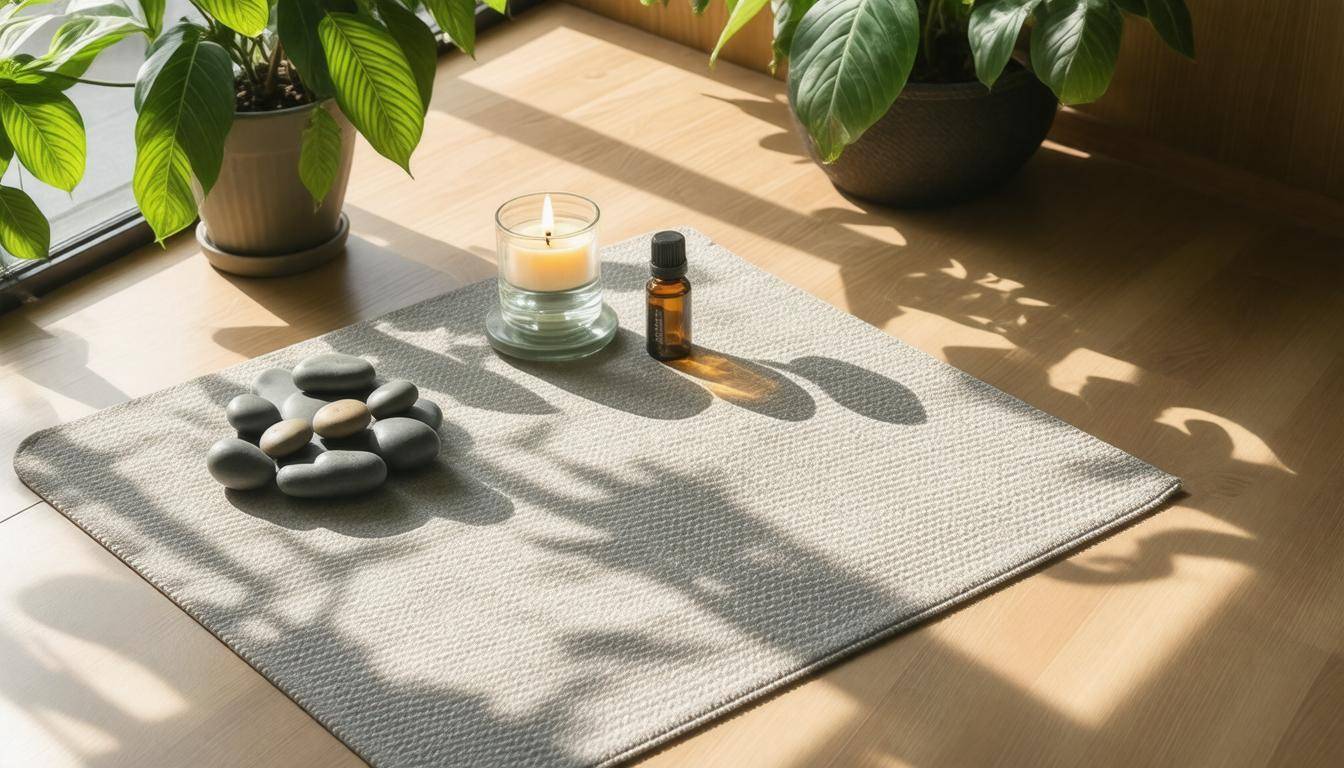
Mindfulness exercises are like gentle anchors that help you stay grounded in the now, lessening the grip of anxious thoughts that often revolve around what has been or what might be. By engaging fully with the present, these practices reduce feelings of stress and emotional turmoil, making it easier to navigate life’s challenges.
Types of Mindfulness Exercises
-
Body Scan Meditation: This practice encourages you to bring your attention to each part of your body, from your toes to your head. Start by lying down comfortably and closing your eyes. By directing your focus systematically through your body, you can identify areas of tension or discomfort. Not only does this enhance relaxation but it also promotes a deeper understanding of how stress manifests physically.
-
Five Senses Exercise: Here’s a quick yet powerful technique: take a moment to pause and concentrate on each of your senses. What can you see? Hear? Smell? Touch? And taste? This dynamic exercise helps redirect restless thoughts about the past or future by immersing you fully in the current moment, reinforcing that this very instant is where your attention needs to reside.
-
Mindful Walking: Imagine walking not just as a means of transportation but a mindful journey. As you walk, focus on each step, feeling the weight shift from heel to toe, noticing how the ground feels under your feet. Observe the rhythm of your breath and the sensations in your legs. This connection turns an everyday activity into a meditative experience, enhancing both physical movement and mental clarity.
Engaging in mindfulness doesn’t have to be complicated. Simple tools like mobile apps such as Headspace or Calm provide guided meditations that can slot seamlessly into anyone’s routine, making it easy to embrace mindfulness without extensive preparation or time commitments. These resources offer structured exercises tailored for various experiences, helping beginners find their footing while also catering to those who have been practicing for years.
According to research by the American Psychological Association, mindfulness-based therapies are effective; they can reduce anxiety symptoms by as much as 30%. Incorporating these exercises into your life may lead to significant improvements in overall mental well-being and make stress feel considerably more manageable.
Another vital aspect of an anxiety reduction kit involves incorporating different practices aimed at enhancing calmness and focus. These complementary activities can further amplify the benefits derived from mindfulness exercises.
Meditation and Breathing Activities
Meditation and breathing exercises form the cornerstone of effective anxiety management. By incorporating these practices into your daily routine, you can develop a toolbox that enables you to navigate life’s challenges with greater ease. One of the most appealing aspects is how these methods can be tailored to fit various lifestyles, offering an accessible path towards calm and clarity.
Types of Meditation
-
Guided Meditation: This approach utilizes audio recordings or apps that lead you through visualizations and calming narratives. Whether you aim for stress relief or deeper insight, guided meditation serves as a gentle guide, leading you down a peaceful path.
-
Focus Meditation: In this method, the objective is to concentrate on a single point, like a candle flame or your breath. By honing in on this focal point, distractions fall away, allowing the mind to settle into stillness.
Navigating through your thoughts isn’t as daunting when you have structured forms of meditation guiding you. As you practice these meditative techniques, your ability to manage anxiety gradually strengthens.
Breathing Techniques
-
Box Breathing: Perfect for acute stress, box breathing involves inhaling for four counts, holding for another four counts, exhaling for four counts, and holding again for four counts. This rhythmic pattern helps reduce anxiety while promoting relaxation.
-
4-7-8 Breathing: Developed by Dr. Andrew Weil, this technique entails inhaling for 4 seconds, holding for 7 seconds, and exhaling for 8 seconds. It’s designed to induce a state of calm and has been shown to be particularly effective in reducing sleep-related anxiety.
Consistent use of these techniques is crucial. A study published in the Journal of Psychiatric Research highlighted that participants practicing breathing exercises twice daily experienced an astonishing 56% decrease in anxiety levels after just eight weeks.
Regularly integrating these practices into your life fosters resilience against anxiety’s grasp. Embracing these methods empowers you to navigate each moment with renewed confidence and serenity. With ongoing engagement in these techniques, one can cultivate a clearer mind and a heart at ease while facing various life situations.
Managing Anxiety Through Practice
The journey to managing anxiety isn’t merely about picking a few strategies from your toolbox; it’s about crafting a personalized routine that weaves those strategies into the very fabric of your daily life. Establishing a consistent practice can create a sense of stability, ultimately allowing you to navigate your day-to-day with more ease. Imagine using elements from your anxiety reduction kit not as isolated tasks, but woven into an enriching daily tapestry.
Creating a Routine
Begin by creating a daily routine that integrates various components of your anxiety reduction kit. For instance, consider starting each morning with a simple 5-minute meditation to set a positive tone for the day ahead. This brief moment of stillness allows you to center your thoughts before diving into daily responsibilities.
You might also choose to keep a stress ball handy during work breaks, squeezing it gently while taking deep breaths—this small act can significantly diffuse tension and redirect your focus.
Moreover, as the day winds down, dedicate time for a mindfulness exercise before sleep. Whether it’s gentle stretching or focused breathing, this practice can help clear your mind of the noise accumulated throughout the day. By infusing these techniques into your routine, you’ll find that they naturally become habits that bolster your resilience against anxiety.
Tracking Progress
Alongside building this routine, tracking your progress is invaluable. Consider maintaining a journal specifically dedicated to recording your experiences with different techniques. In it, jot down notes on what works best—perhaps you find that meditation has been particularly calming or that journaling serves as a powerful outlet for reflection.
This reflective practice not only provides insight into your progress but also fosters awareness about which components resonate most strongly with you.
Keeping track of your feelings and reactions can empower you to tailor your routine more effectively over time. Just like any athlete improves through regular assessment and adjustments, so too can you refine your approach to anxiety management based on personal insights.
As you establish these grounding practices and track their impact, consider how deeper personalization could further enhance their effectiveness while enriching your experience in this journey toward well-being.
Creating Your Personalized Anxiety Reduction Kit
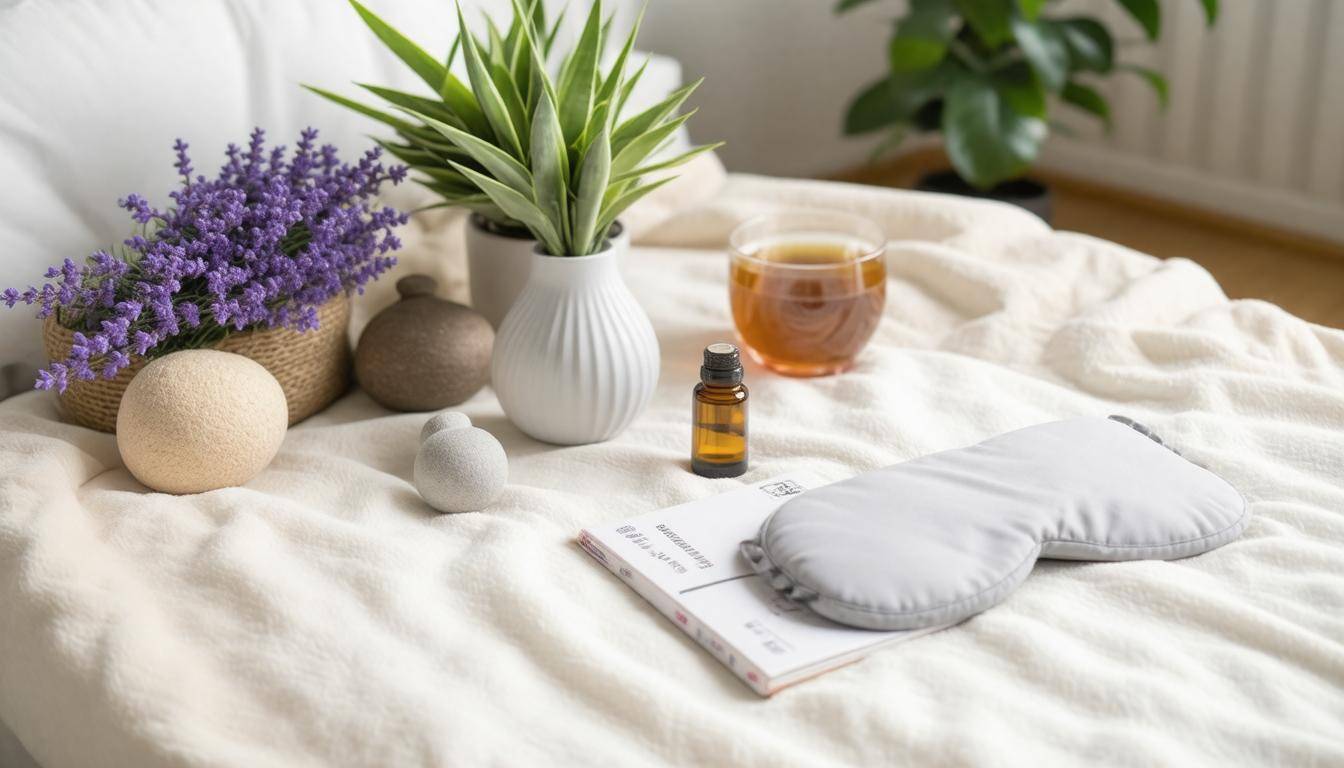
Building a custom anxiety reduction kit allows you to tailor the contents to your specific needs. To start, think about what specifically triggers your anxiety and which tools have provided relief for you in the past. This could involve jotting down instances that raise your stress levels or recalling moments when certain techniques made a difference for you. Once you identify these triggers, you can select components most likely to support you in managing those anxious feelings. Understanding your needs is a significant first step toward creating something truly beneficial.
Step I – Assess Your Needs
Reflecting on your anxiety triggers goes hand-in-hand with examining which strategies have proven effective in the past. For instance, if work-related stress frequently leaves you feeling overwhelmed, it might be beneficial to include tools that promote immediate relaxation, such as stress balls or soothing essential oils. Conversely, if social situations are where anxiety creeps in, mindfulness aids like guided meditation apps or CBT worksheets may serve you better by helping to address the underlying thoughts driving your discomfort. Identifying these patterns will empower you to choose tools that resonate with you personally.
Step II – Choose Core Components
After assessing your needs, it’s time to choose core components for your kit. Think about including at least one item from each category:
- Physical (like stress balls or acupressure rings)
- Cognitive (perhaps CBT worksheets)
- Holistic (try using essential oils)
- Mindfulness exercises
- Meditation resources
By diversifying the types of tools in your kit, you’ll have various strategies at your disposal that can address anxiety from different angles, enhancing their overall effectiveness. The blend of physical engagement, cognitive restructuring, and holistic approaches provides a well-rounded arsenal against anxiety.
Step III – Test and Adjust
With your selected items assembled, it’s crucial to experiment with them. Monitor how each component affects your anxiety levels over time; this might include keeping a simple journal to note what works for you and what doesn’t. After some time has passed, don’t hesitate to replace or add items based on your experiences—personal preference plays a key role in effectiveness. This ongoing process of adjustment means that your kit can evolve alongside you, adapting to meet your changing needs as they arise.
Example Kit:
| Category | Example Item |
|---|---|
| Physical | Stress Ball |
| Cognitive | CBT Worksheet |
| Holistic | Lavender Oil |
| Mindfulness | Headspace App |
| Meditation | Guided Meditation Apps |
Many users have found that personalizing their kits makes the tools more effective and easier to integrate into their daily lives. They report enhanced self-awareness and engagement with their mental health practices as they connect with the items they’ve chosen meaningfully.
By assembling a kit tailored to your unique needs, you can better manage anxiety and enhance your overall sense of well-being. This proactive approach empowers you not only to confront anxiety but also fosters resilience through mindfulness and strategy—a valuable toolbox ready whenever you need it most.
In crafting an individualized anxiety reduction kit, you’ll find greater comfort and understanding in addressing your mental health challenges, paving the way for lasting positive change.
How often should one reassess the contents of their anxiety reduction kit based on changing needs?
One should reassess the contents of their anxiety reduction kit at least every six months, or sooner if experiencing significant life changes or increased stressors. Regular evaluations ensure that the techniques and tools remain relevant and effective, as individual needs can evolve over time. According to a study published in 2022, 70% of participants reported improved anxiety management when they regularly updated their self-care strategies, highlighting the importance of adapting one’s toolkit to align with personal growth and shifting circumstances.
How do different components of an anxiety reduction kit work together to alleviate symptoms?
Different components of an anxiety reduction kit, such as mindfulness tools, relaxation techniques, and physical activities, work synergistically to alleviate symptoms by addressing multiple pathways of anxiety. For example, mindfulness practices can enhance emotional regulation and decrease stress levels, while physical activities like exercise release endorphins that naturally boost mood. Research indicates that integrating these methods can reduce anxiety symptoms by up to 60% in some individuals when consistently practiced together, as they create a holistic approach that combines mental and physical wellness strategies.
Can you provide examples of DIY components that can be added to an anxiety reduction kit?
Some effective DIY components to include in an anxiety reduction kit are stress balls, essential oils, herbal teas, and a journal for mindfulness practices. For example, stress balls can significantly reduce muscle tension and promote relaxation, while lavender essential oil has been shown to decrease anxiety levels in 60% of users according to various studies. Herbal teas like chamomile and valerian root have calming properties, and journaling has been found to improve emotional well-being in up to 70% of individuals who practice it regularly. These DIY components not only provide immediate relief but also encourage long-term mental health maintenance.
What essential items should be included in an anxiety reduction kit for optimal effectiveness?
An effective anxiety reduction kit should include items such as stress balls for tactile engagement, essential oils like lavender or chamomile for their calming scents, guided meditation apps for mindfulness practice, a journal for expressive writing, and herbal teas known for their soothing properties. Research shows that engaging in sensory activities can lower anxiety levels by up to 40%, and practices like journaling can reduce feelings of anxiety, with studies indicating a significant decrease in emotional distress among regular users. These components work synergistically to create a comprehensive approach to managing anxiety.
Are there specific materials or tools recommended for creating a personalized anxiety reduction kit?
Yes, specific materials and tools recommended for creating a personalized anxiety reduction kit typically include items like stress balls, guided meditation apps, journals, aromatherapy oils, and calming teas. Research shows that using tactile tools such as stress balls can reduce feelings of anxiety by offering a physical outlet for stress, while journaling has been found to improve mental clarity and emotional regulation in 70% of participants in related studies. Incorporating these components can create a comprehensive approach to managing anxiety tailored to individual preferences.