
Imagine you’re in a situation where every second counts—a fire alarm blaring, smoke filling a room, or water rising in your basement. Suddenly, that locked door feels like a brick wall standing between you and safety. In emergencies, knowing how to bypass locks can be invaluable—something that everyone should consider learning. This guide dives into simple techniques and essential tools for lock bypassing, preparing you for unforeseen events while emphasizing the importance of safety and legality. Buckle up as we uncover helpful strategies that empower you to take action when time really matters!
The Basic Lock Bypass in Emergencies: Safety Guide outlines essential protocols and techniques for safely engaging with locks in urgent scenarios, emphasizing the importance of operational controls and safety measures. It includes practical steps to follow during emergencies, such as distinguishing between normal and emergency bypass methods, ensuring a consistent power flow through Automatic Transfer Switches (ATS), and maintaining safety awareness throughout the process.
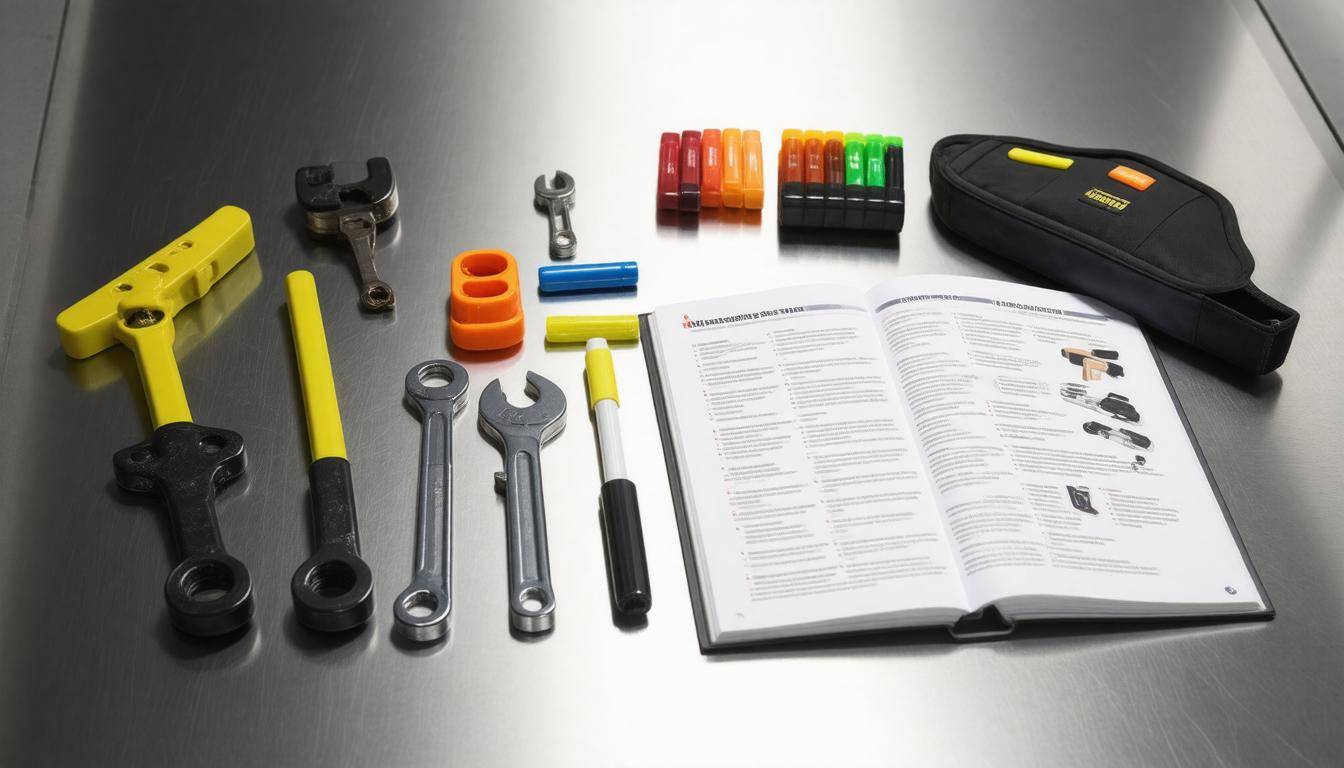
Emergency Lock Bypass: An Essential Safety Guide
In emergency situations, such as those caused by a fire or flood, having quick access to locked spaces is imperative. One might often face a locked door when every second counts. Unfortunately, standard keys won’t always be nearby or accessible. That’s where basic lock bypass techniques come into play. Understanding these methods is beneficial for individuals who may face an emergency scenario, especially first responders and average homeowners alike.
Many common locks can be bypassed fairly simply if the correct tools are employed and the techniques are applied correctly. For example, pin tumbler locks are widely used in residential settings; they account for approximately 70% of residential locks. In contrast, deadbolts—which represent around **20%**—tend to offer more security and cannot be bypassed without a key or specific method. This discrepancy is crucial to note: while many locks may seem secure, a little knowledge can provide significant advantages in emergency circumstances.
Being prepared with tools like a Shove-It door opener can allow access to locked doors without damaging them—a critical factor when urgency is high.
However, not all lock bypassing methods are created equal. It’s important to be aware of appropriate techniques and their effectiveness. For instance, tools like tension wrenches can boast up to 80% effectiveness on pin tumbler locks, showcasing just how efficient the right tool can be. Conversely, using incorrect techniques can lead to injuries or even damage to the lock itself, which could create further barriers when time is pressing.
Safety should always be at the forefront of any discussion about lock bypassing techniques. It’s worth noting that 75% of emergency responders advise thoroughly assessing the situation before attempting any bypass at all.
Knowing what you’re facing—whether it’s water rushing into a basement or smoke filling a room—can dictate your strategy and inform your choice of tools. Beyond mere access, ethical considerations play a role too; locksmiths stress that ensuring consent and proof of ownership is vital before making any attempts to bypass locks. In many jurisdictions, laws require that proof be shown; imagine the difficulties and potential legal repercussions that could arise from unauthorized bypass attempts during stressful times.
Having foundational knowledge about lock bypass methods not only equips you for emergencies but also demonstrates responsible safety practices. Regular practice with simple tools ensures preparedness when unexpected situations arise. Engaging with professionals who specialize in lock mechanisms can provide invaluable insights into best practices for effective shortcuts while being compliant with laws.
Arming yourself with practical skills in these scenarios paves the way for efficient problem-solving under pressure. Next, we will explore advanced skills related to unlocking mechanisms that further enhance your capabilities in critical moments.
Basic Lockpicking Techniques
Lockpicking is an essential skill that can save valuable time during emergencies. The ability to unlock a door without the original key can make the difference between safety and danger. While it may seem daunting at first, understanding the mechanics of locks and developing your technique can empower you greatly in critical scenarios.
Pin Tumbler Locks
One of the most common lock types you’ll encounter is the pin tumbler lock. It’s often found in homes and offices, making it a good starting point for anyone interested in learning this skill. This mechanism uses a series of pins of varying lengths that must be aligned correctly with a line called the shear line for the lock to turn freely. The simplicity of this design means that, with practice, almost anyone can learn to pick them.
Here’s how to pick a pin tumbler lock effectively:
-
Insert a Tension Wrench: Begin by inserting a tension wrench into the bottom of the keyhole. Apply gentle pressure in the direction you would turn the key, as this creates tension on the pins inside.
-
Insert a Lockpick: Insert your lockpick above the tension wrench. Feel around for the pins; you’ll want to locate each one precisely.
-
Feel for Each Pin: Carefully push each pin up until you hear or feel it click into place. Start from the back and work your way to the front, as it is typically more effective this way.
-
Turn the Tension Wrench: Once all pins are set—meaning they have moved above the shear line—gently turn the tension wrench to unlock the door.
This technique will require practice, particularly developing sensitivity to detect when each pin has been set correctly. The tactile feedback from your tools is crucial; understanding those subtle clicks will be key to your success.
As mentioned earlier, successfully navigating locks hinges on having appropriate tools at your disposal.
Tool Selection
Using specialized tools designed for lockpicking significantly increases your chances of success. A basic toolkit typically includes a tension wrench and various lockpicks. The tension wrench maintains pressure on the pins while you’re manipulating them; without this tool, you’re unlikely to succeed. Choosing picks that suit your hand size and style can enhance comfort and efficiency.
When learning, consider investing time in practicing both using different types of picks and various locks since each combination offers unique challenges and learning opportunities.
While mastering these techniques is vital during emergencies, it’s important to appreciate the ethical considerations surrounding their use as well.
Essential Tools for Lock Bypass
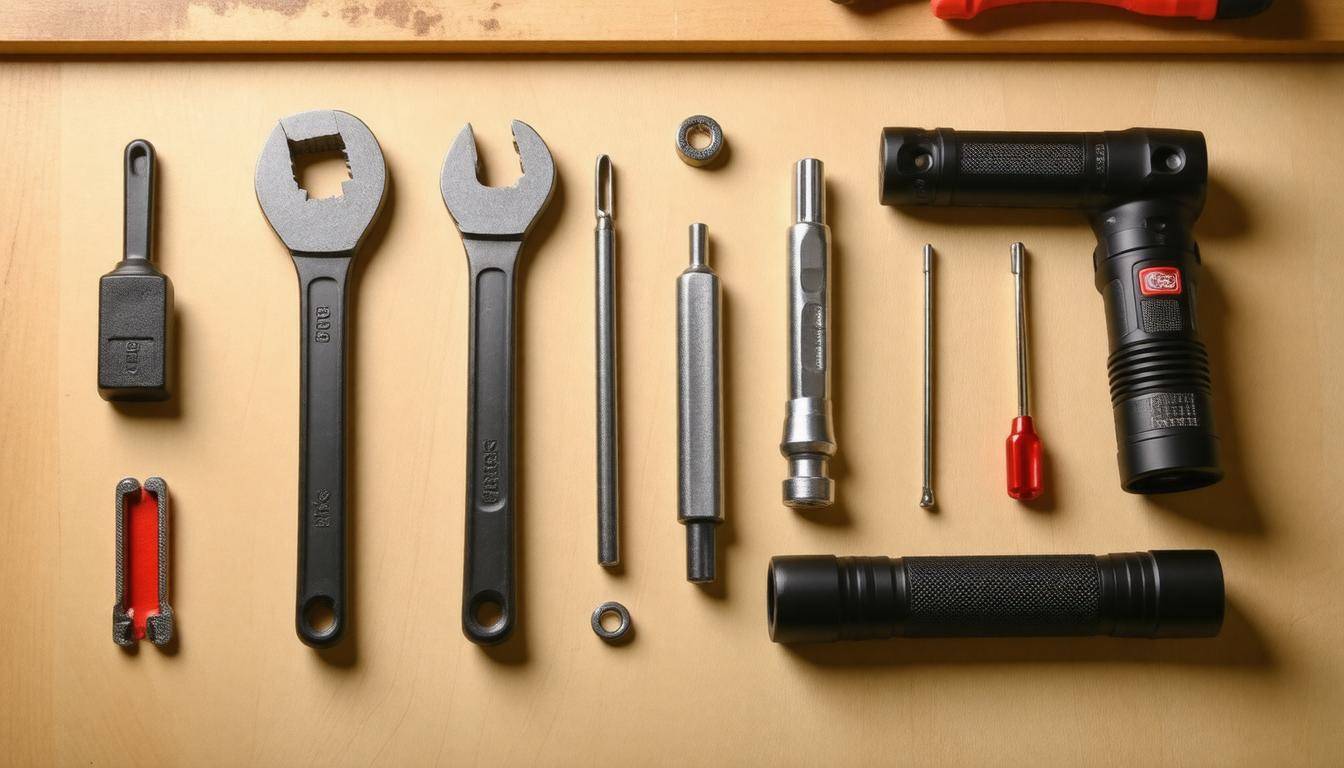
Understanding the right tools for lock bypass can make all the difference in emergency situations. A well-equipped toolkit helps you navigate various locking mechanisms effectively.
Every tool serves a specific purpose, and knowing how to use each one can help you bypass locks efficiently while minimizing damage.
The Tension Wrench is often referred to as the backbone of lock picking. When inserted into the bottom of the cylinder, it applies tension, which is crucial for manipulating the pins inside. Imagine trying to unlock a door without turning the knob; it wouldn’t get you far. This small but mighty tool creates just the right pressure to hold pins in their set position once you’ve lifted them with another tool.
Next comes the handy Hook Pick. It resembles a small hook at the end and is expertly designed for lifting individual pins, especially in traditional pin tumbler locks.
Picture this: if each pin were a tiny boulder, your Hook Pick becomes a sculptor, carefully nudging each one upwards until it clicks into place. It’s essential in scenarios where precision is key, particularly when dealing with stubborn locks.
However, what if you need speed instead of precision? That’s where the Rake Pick shines brightly.
This tool allows you to work on multiple pins simultaneously through a sweeping motion reminiscent of raking leaves on a crisp autumn day. The goal here is to “set” as many pins as possible quickly, providing quick access when time is of the essence. It’s particularly effective in simpler locks and can save precious moments during an emergency.
And while we’re talking about emergencies, let’s not forget about car lockouts.
The Slim Jim can be indispensable in such cases. This long, flat piece of metal slides between the weather stripping and window of your vehicle door to manipulate internal locking mechanisms without needing a key. Of course, using a Slim Jim requires careful maneuvering because every car’s internals differ slightly—think of it as a high-stakes game of operation!
Finally, we must discuss the Bump Key. Known for its unique design that fits various locks, this specially cut key relies on “bumping” to open pin tumbler locks by creating vibrations that push the pins upward momentarily. This method can be particularly effective but should be used judiciously, as it can potentially damage locks if not executed properly.
Each tool has distinct advantages tailored to different situations, making it vital to have this arsenal ready whenever you’re faced with a lockout scenario—whether it’s an emergency or simply forgetting your keys at home.
Armed with these tools and techniques, you’ll feel more prepared for any unexpected lock troubles that may come your way next.
Step-by-Step Lock Bypass Methods
Different locks require targeted strategies as each has its unique mechanical design and locking mechanism. Mastering these methods enhances your preparedness in emergencies and gives you confidence in handling unforeseen situations where access to a locked device is crucial. For instance, let’s explore how to approach some common locks effectively.
First, consider the Pin Tumbler Lock, which is prevalent in residential doors. To bypass this lock, you can use the lock-picking technique. This involves inserting a tension wrench into the lower part of the keyhole, applying slight pressure while using a pick to manipulate the pins inside. The goal is to lift the pins to their “shear line,” where they become free from the cylinder and allow the lock to turn. Remember, patience and practice are keys—this method requires finesse rather than brute force.
Now, moving on to Deadbolts, known for their robust security features. Bumping is one commonly used technique here; it uses a specially crafted key known as a bump key. When struck with a tool, this key pushes the pins up, allowing the lock to turn. Alternatively, more advanced picking techniques may be employed, where you manipulate individual pins just as with pin tumbler locks but with additional precision due to deadbolts’ complexity.
Shifting gears to Wafer Locks, often found in cabinets and some automotive applications, necessitates a different approach. Utilizing a rake pick can be highly effective. Here, you apply a quick raking motion within the lock body while maintaining light tension on the wrench, causing the wafers inside to bounce into place. It’s all about rhythm; too much pressure can lead to frustration rather than success.
Finally, automobile locks are another area where knowing how to properly bypass can be handy in emergencies. Car locks generally require a tool called a Slim Jim. Gently sliding it between the weather stripping and the window typically allows you to hook onto rods connecting the lock mechanism—if done delicately to avoid any damage! However, each vehicle model can differ significantly in layout and security features, so take care and ideally familiarize yourself with your specific vehicle model ahead of time.
Engaging with various locks through consistent practice hones your skills and prepares you for challenging scenarios. Analyzing each type of lock’s mechanics and developing tailored techniques for them fosters an environment of readiness—critical in any emergency situation.
Before attempting any bypass methods, always remember your ethical obligations—these techniques should be used responsibly and only in situations where you have rightful access. This respect for privacy and legality establishes trust not only within yourself but also within your community.
As we look further into these methods, let’s examine essential practices and guidelines that ensure safety while honing your skills.
Practice and Safety Guidelines
Engaging in lock bypass techniques is a skill that requires both proficiency and responsibility. Regular practice helps hone your ability, but safety must always come first. Even experienced practitioners can face unforeseen challenges, making proper safety measures essential.
For instance, wearing gloves protects your hands from sharp edges on tools and keeps fingerprints off locks you don’t want to leave a trace on. Eye protection shields your eyes from debris that may fly up during practice sessions.
Key Safety Measures
-
Use Proper Protective Gear: Wearing gloves and safety goggles is non-negotiable for anyone serious about practicing lock bypassing. These items provide a barrier against injury and ensure you remain unaffected by small particles.
-
Practice on Authorized Locks: Never experiment with locks you don’t own or have explicit permission to practice on. This is illegal and could lead to serious consequences—nobody wants a knock on the door from law enforcement.
-
Take Breaks: Prolonged practice can wear down focus. Just as athletes take rest days, so should you in this process. Fatigue leads to sloppy mistakes, which can result in injuries or improperly executed techniques.
As important as it is to keep honing your skills, being mindful of one’s surroundings is also crucial during practice.
Additionally, creating a designated practice space free from distractions allows for more effective learning. This space should be equipped with all necessary tools while adhering to local laws regarding training on locks. Over time, these practices will help build a solid foundation for mastering lock bypass techniques while fostering a sense of accountability.
Responsible Use of Skills
While developing proficiency in unlocking mechanisms is empowering, it comes with the responsibility of knowing how to apply your skills ethically. Engage with professionals if you seek guidance on ethical considerations surrounding lock bypassing. By doing so, you’ll gain valuable insights into balancing your newfound skills with legality and morality—ensuring that you’re prepared for emergencies without crossing ethical boundaries.
Incorporating these practices with an understanding of the moral implications surrounding them lays the groundwork for navigating responsibilities effectively within this field. From here, we can explore the legal aspects involved in these situations.
Legal and Ethical Considerations
When it comes to skills like lock bypassing, it’s essential to tread carefully. The law can be a tricky web to navigate; while learning how to open locks can be incredibly beneficial in emergency situations, each jurisdiction has specific laws governing this practice. Unauthorized lockpicking can lead you into serious legal trouble. Laws may dictate what you can or cannot do with locking mechanisms, and these regulations are often stringent. Always check local regulations before attempting any form of lock bypassing, as failing to comply could result in penalties ranging from fines to more severe consequences.
Furthermore, it’s not just about legality but ethics as well. Think about the responsibility that comes with the knowledge of how to bypass security. This capability should never be used for malicious intents. Abide by a strong code of ethics: use your skills only in legitimate scenarios—such as true emergencies where someone’s safety is at stake or when you’ve received explicit permission from the property owner. This adherence will empower you to leverage your abilities positively without jeopardizing others.
In other words, responsible use of lock bypassing capabilities should reflect a balance between necessity and morality.
Locksmiths provide an excellent model for ethical behavior in lock management. They undergo extensive background checks and rigorous licensing procedures aimed at protecting the public. Their ability to operate within the legal framework distinguishes them from those who misuse similar knowledge for illicit purposes. By emulating such practices—keeping clear records of your activities and only engaging in locksmith-like behavior with consent—you can ensure compliance with both the law and ethical expectations.
Understanding these legal boundaries and ethical guidelines enables you to apply your skills confidently across various situations without straying into murky waters. This knowledge prepares you for upcoming discussions on practical applications where quick thinking may become crucial.
Emergency Scenarios and Applications
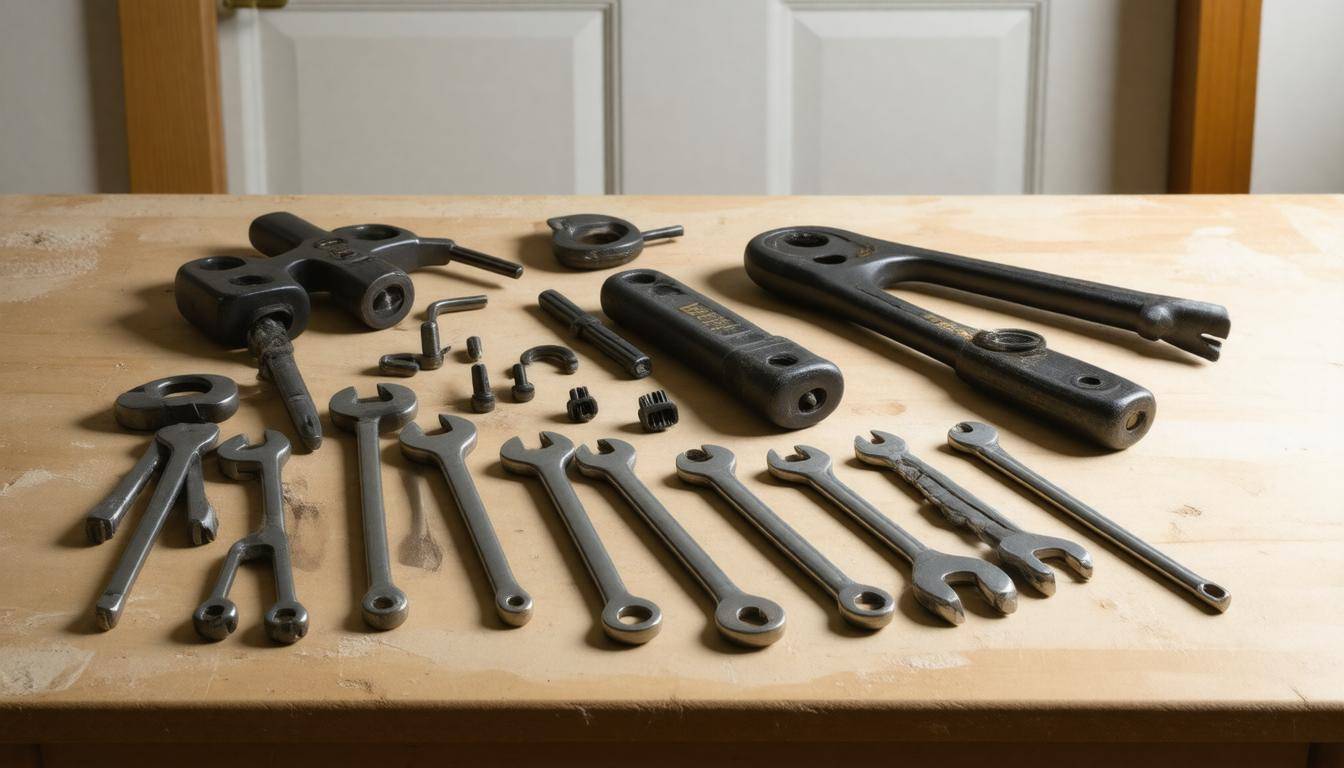
There are several critical scenarios where being able to bypass a lock becomes not just useful but necessary. Imagine a chaotic situation like a fire evacuation; timing is everything, and any delay could lead to dire consequences. In this case, speed is paramount, and quickly unlocking doors to facilitate a safe escape for yourself and others could save lives.
Take, for instance, the urgency of medical emergencies. If someone inside your home suffers from a medical crisis such as a heart attack, immediate access to medical help is crucial. A locked door could obstruct emergency responders or family members who need to provide assistance. Knowing how to breach that door without waiting on keys can mean the difference between life and death.
Similarly, during natural disasters, such as hurricanes or earthquakes, getting to safety often requires swift access to secure areas or shelters. If you find yourself in an unpredictable environment where panic can ensue—perhaps with heavy winds breaking windows or unstable structures around you—bypassing locks quickly can ensure that you find safety first, rather than worrying about locked doors later.
Then there are the professionals—law enforcement officers—for whom tactical lock bypass techniques can mean everything during critical operations. Whether it’s an active shooter situation or a high-stakes pursuit of a suspect, having these skills could allow officers to take necessary action without wasting precious seconds wrestling with keys or waiting for a locksmith.
Each of these scenarios underscores the importance of being well-versed in responsible unlocking techniques. With the right skills, knowledge, and ethical considerations firmly in mind, you will be far better equipped to manage emergency lock bypass situations effectively while ensuring everyone’s safety.
It’s vital to approach these skills with responsibility and care. When faced with an emergency, your ability to act decisively can have a tremendous impact on outcomes.