
In moments of crisis, having the right tools at your disposal can mean the difference between managing a situation and feeling completely overwhelmed. Imagine facing a sudden power outage or needing to secure your home during a storm without the proper equipment. It’s easy to underestimate the importance of battery-powered tools in these scenarios, but they’re essential for ensuring you stay prepared and proactive. This guide will help you navigate the selection process, emphasizing what to look for in crucial emergency tools. With thoughtful planning and informed choices, you’ll be well on your way to building a reliable emergency toolkit that can handle whatever life throws at you, all while keeping you comfortable and safe.
When selecting battery-powered tools for emergencies, it’s crucial to assess factors such as battery life, portability, and the specific tasks you need the tools to perform. Additionally, focusing on user-friendly features and reliability in high-stress situations can significantly enhance your preparedness and effectiveness during emergencies.
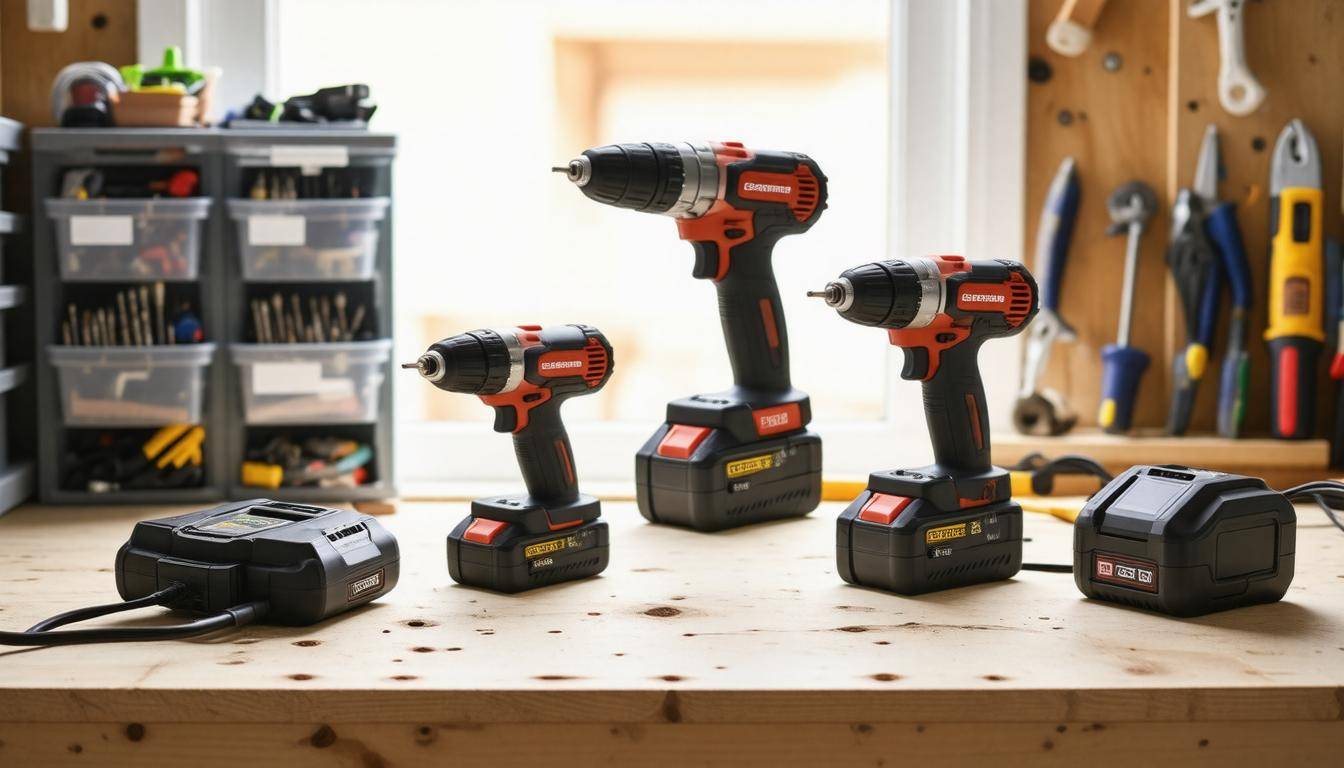
Essential Battery-Powered Tools for Emergencies
One of the most critical aspects of emergency preparedness is ensuring you have the proper battery-powered tools at hand. These tools afford you flexibility and ease of use while providing essential functionality when traditional power sources might fail. Each tool mentioned here serves a specific purpose that can be invaluable during unforeseen circumstances.
-
Flashlights and Lanterns: Never underestimate the importance of light during a power outage. A good flashlight does more than just provide illumination; choose models with both flood and spot beams to adapt to different scenarios. For instance, floodlights illuminate wide areas, while spot beams focus on specific tasks—like reading a map or making repairs. Look for LED options, as they offer longer battery life and are shock-resistant.
-
Portable Power Banks: In today’s world, keeping your electronics charged is crucial. A robust portable power bank enables you to maintain communication with emergency services or loved ones. Opt for power banks with multiple charging ports—this allows you to charge several devices simultaneously, ensuring your phone and radio won’t lose juice when it matters most.
-
Cordless Drills/Drivers: Whether it’s about quickly affixing items together or making essential adjustments, cordless drills are indispensable in emergencies. Their versatility means they’re not just useful for construction—imagine needing to secure a loose piece of siding during a storm! With various bits available, you can tackle everything from wood to metal repairs.
-
Cordless Saws: A cordless saw simplifies cutting through debris or adjusting structures post-disaster. Some individuals may overlook this tool’s significance until faced with fallen branches blocking their path or needing to make an emergency repair at home. Featuring high-capacity batteries, these saws can handle multiple cuts on a single charge.
-
Portable Fans and Heaters: Comfort is vital in extreme temperatures, whether it’s sweltering heat or frigid cold. Battery-operated fans can keep air circulating during oppressive heat waves, significantly improving living conditions. Conversely, portable heaters ensure warmth during sudden cold snaps, preventing hypothermia and maintaining overall well-being.
Equipping yourself with these vital battery-powered tools prepares you for unexpected events and ensures you’re ready for anything nature throws your way. As we move forward, let’s explore the finest options available for drill and driver sets that can enhance your emergency toolkit.
Best Drill and Driver Sets
Drills and drivers are not just about drilling holes or driving screws; they’re like trusted companions in your toolbox ready to handle a multitude of tasks efficiently. When you’re considering a drill or driver set, it’s crucial to look beyond marketing claims and examine real-world performance based on user feedback and practical applications.
For example, DeWalt’s 20V Max XR unit consistently receives accolades for its brushless motor design, leading to longer battery life and remarkable durability. This feature alone makes it a significant contender for anyone who often finds themselves in tight spaces that require precision or repeated use of various settings.
The Milwaukee M18 Fuel, while slightly pricier than some options, stands out due to its powerful performance and REDLINK PLUS Intelligence technology. This system is designed to prevent overheating, which is a common concern when working on extensive projects. Users have reported this tool’s exceptional ability to handle demanding tasks without faltering, making it ideal for both seasoned contractors and ambitious DIYers alike.
On the other hand, the Makita XFD131 provides an excellent ergonomic design paired with an impressive 18V battery pack that strikes a balance between power and value. It’s less about how much it costs and more about the efficiency it introduces into your projects.
To emphasize its reliability, consider Tony’s experience: “I’ve relied on my DeWalt 20V Max XR through multiple storms, and it always performs when needed. The battery life is impressive, even after heavy use.” His perspective underscores the importance of a durable tool—one that withstands not just everyday wear but the demands of unpredictable situations.
Each of these sets caters to different needs; hence it is essential to reflect on what you expect from your tools. If you’re tackling light household jobs around the weekend or if you require robust equipment for larger renovations, budget considerations will naturally influence your choice. However, opting for higher-quality tools can often save money down the line by reducing repair costs caused by inferior products.
As you make this essential selection, consider also purchasing a combination kit if you’re looking to maximize functionality. Many combo kits come complete with an impact driver alongside a hammer drill—perfect for diversifying the range of tasks you can tackle effectively. As of 2025, buying during seasonal sales ensures you won’t break the bank while outfitting your toolkit with reliable equipment.
With this knowledge at your disposal about optimal drill and driver selections, you’re now prepared to explore specific options that excel in their respective categories.
Top Cordless Saw Options
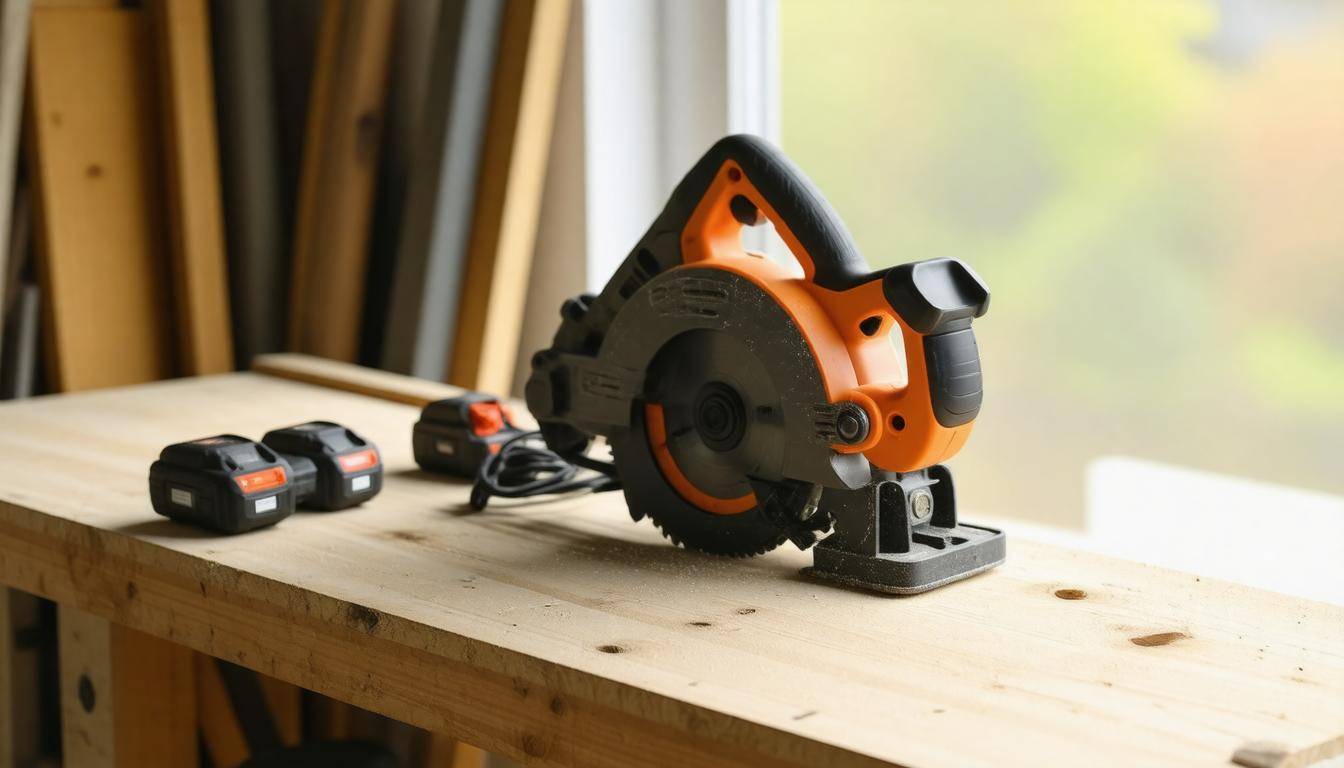
In emergencies, having the right tools at hand can mean the difference between a minor inconvenience and a major setback. Among those tools, battery-powered circular saws stand out as essential allies for both professionals and avid DIYers. These saws combine portability with high performance, allowing you to tackle various projects without the limitations of cords.
When selecting the best cordless saw for your needs, it’s crucial to consider aspects such as cutting performance, ease of use, battery life, and weight.
To illustrate this point, let’s take a closer look at some top recommendations:
| Model | Cutting Performance | Battery Life | Weight | Highlights |
|---|---|---|---|---|
| Milwaukee M18 Fuel 2732-20 | 10.0 | Not specified | 8.9 lbs | High power; fastest cross-cut time; attached rafter hook. |
| Milwaukee M18 2631-20 | 9.7 | Good | Not specified | Professional cutting power with reliable usage. |
| SKIL CR540601 | 5.3 | 9.0 | Not specified | Long-lasting battery; accurate sightlines. |
| Kobalt KCS 6524B-03 | 8.3 | 10.0 | Not specified | Powerful motor with great battery life; comfort focused. |
Beyond these specific models, there are general factors to consider when choosing your ideal cordless circular saw:
First up is size. The size of the tool can significantly influence its portability and handling during cuts. A lightweight saw will maneuver effortlessly in tight spaces but might sacrifice some cutting strength compared to heftier counterparts.
Next comes features. Modern advances like brushless motors can make a marked improvement in efficiency while reducing wear over time. Built-in lights can also enhance usability by illuminating work areas in low-light conditions or shadowed corners.
Finally, ergonomics play an indispensable role—especially if you find yourself engaged in lengthy cutting sessions. A well-designed handle can greatly impact comfort and control, minimizing fatigue and enhancing precision.
An informed choice often incorporates not just the raw specifications but how they translate into your personal experience using these tools day after day.
As you navigate through these considerations, remember to think about how each factor will influence your unique project needs, ensuring you have a reliable tool when urgency strikes.
With this foundation laid out, we can now transition into understanding how to assess the effectiveness of these tools that may become a part of your toolkit in crucial times.
Evaluating Tool Performance
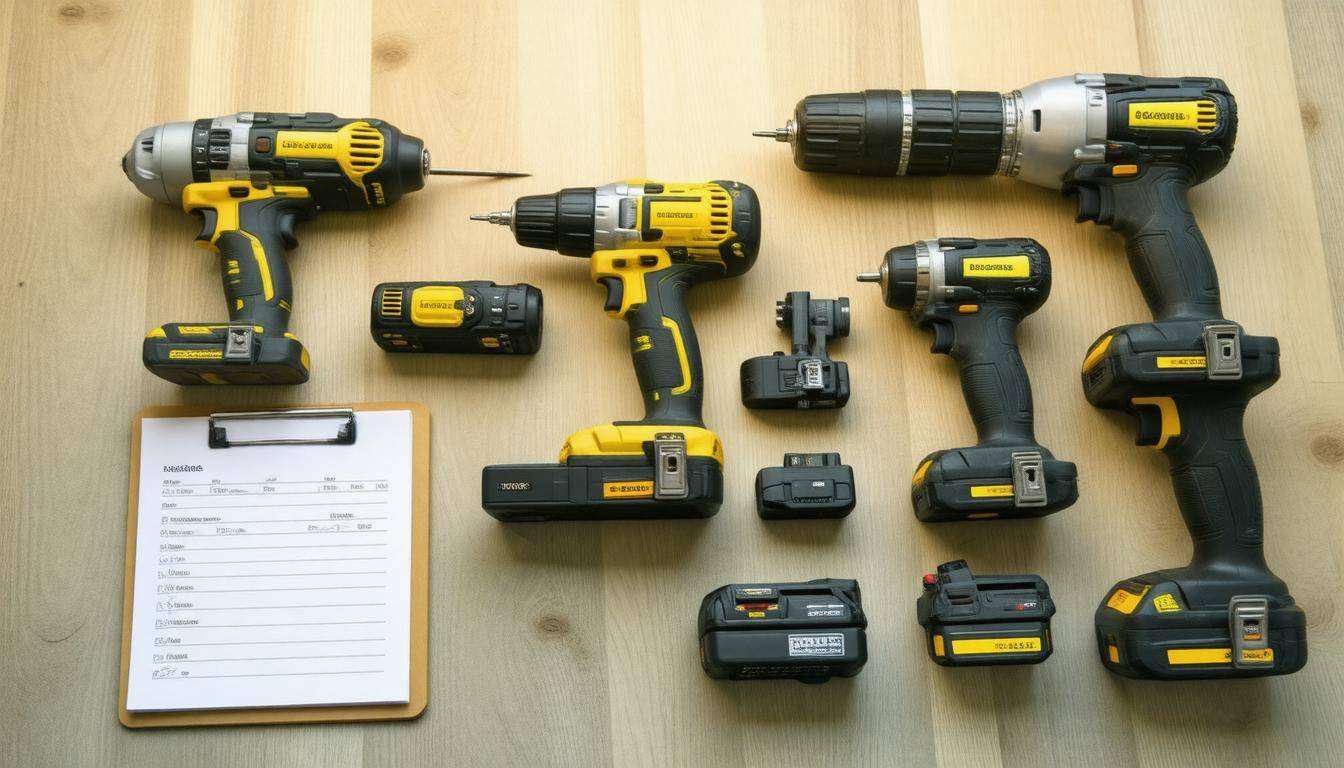
Performance evaluation should encompass not just power ratings but practical usage scenarios. After all, the power you see on paper might not translate well into your real-world tasks. While a certain battery-powered tool may boast impressive specs, examining how it performs during actual use is crucial for making an informed decision.
Key Metrics
To truly gauge a tool’s capability, you need to measure torque, RPM (revolutions per minute), and battery efficiency. For instance, high torque is beneficial for tackling tougher tasks—think of it as the muscle behind the tool. If you’re using a leaf blower or a drill, you’ll want plenty of torque to cut through dense materials or push leaves against resistance. On the flip side, high RPM can mean faster operation, allowing you to complete jobs more quickly. However, keep in mind that both torque and RPM often lead to higher battery consumption; thus, it becomes vital to find a balance that suits your needs.
If you’re looking at something like the Ego 765 CFM Leaf Blower, for example, its ability to output impressive air volume is backed by a powerful motor that attracts homeowners seeking efficient leaf clearing without the guilt of harmful emissions. With up to 765 CFM and a peak performance mode, this blower not only stands out in terms of performance metrics but also demonstrates versatility across different yard sizes.
Yet numbers only tell part of the story; practical experience from other users can provide invaluable insights.
To get the best idea of performance, check customer reviews and ratings specific to emergency scenarios. Look for feedback regarding how tools operate under different conditions, such as wet or windy weather for blowers or thicker materials for saws. Reviews often feature details about battery life during prolonged use—an aspect critical for any emergency situation where reliability is paramount.
Customer feedback can tell you:
- How long a tool lasts under continuous use
- Any overheating issues encountered during heavy workloads
- The maneuverability and ease of use when handling different tasks
- Battery longevity in real-world applications versus lab settings
By considering such factors along with technical specifications, you’ll gain a comprehensive view of what makes a tool genuinely effective in emergencies. It’s also worth noting the evolution of battery technology; many current models are designed to improve energy efficiency without sacrificing power.
With these insights in hand, you’re now better prepared to select tools that fit your needs seamlessly while ensuring you’re equipped for any situation that arises. Let’s now shift our focus to understanding vital considerations influencing how long these batteries will last in real-world applications.
Factors Influencing Battery Life
Battery life is more than just a number; it’s influenced by various factors that impact how long your tools will run and perform efficiently.
One of the biggest influences on battery life is usage patterns. Continuous heavy usage can accelerate battery drainage, leading you to frustration in the middle of a project when your tool starts to sputter. To combat this, consider intermittent use. By taking short breaks between tasks, you give your battery some breathing room, effectively preserving charge for when you truly need it.
“Next time you notice your tool struggling, just remember: a little rest can go a long way in preserving its power.”
Another crucial aspect is the temperature in which your tools operate.
Extreme temperatures can significantly affect battery efficiency. Have you ever tried using a battery-powered device only to find it sluggish in freezing conditions or overheated after sitting out in the summer sun? Both hot and cold temperatures pose challenges to battery life. Ideally, keep your batteries stored in a moderate environment whenever possible. This helps maintain their efficiency longer and prevents degradation.
As we explore further, we can’t overlook the significance of voltage and capacity.
Generally, higher voltage tools may seem enticing due to their added power; however, they often sacrifice run-time for that mightier output. Striking a balance between power requirements and how long you need the tool to last is important. If you discover that moderate power suffices for specific tasks, opting for lower voltage could serve you better in the long run.
Lastly, let’s talk about battery type.
In recent years, lithium-ion batteries have carved out a reputation as the most reliable option available due to their longevity and efficiency—albeit at a higher cost. They perform excellently across varying temperatures compared to traditional nickel-based alternatives, which tend to lose power faster in extreme conditions. While investing in lithium-ion might feel like a splurge, it could save you money over time through durability and reduced replacement frequency. Consider what fits best with your work habits and budget when making your decision.
Many enthusiasts have noted the benefits firsthand: “After switching to lithium-ion batteries, I noticed a marked increase in my drill’s uptime, even in cold weather,” shares an experienced DIYer on a popular forum.
Each of these factors serves an essential purpose: ensuring your tools are prepared to tackle any emergency situation without stalling when you need them most. With a thoughtful approach, you’ll be equipped to handle various challenges that come your way next.
Building Your Emergency Tool Kit
A well-rounded tool kit is not just a collection of tools; it’s your insurance policy against the uncertainties that life can throw your way. When building your emergency tool kit, focus on items that serve multiple purposes—even within limited space. For example, a multi-tool combines pliers, blades, screwdrivers, and even can openers—all into one device. This utility makes it invaluable for emergencies ranging from mundane repairs to unexpected situations.
Alongside multi-tools, invest in battery-powered lights. They’re lifesavers during power outages or when you need reliable light off the grid. A flashlight with adjustable brightness settings helps preserve battery life, ensuring you have illumination for as long as possible. Look for versatile options, like lanterns, which can provide broader illumination by lighting up an entire area rather than focusing on a single point.
Once you’ve gathered the essentials, ensure that your toolkit remains easy to transport.
Portability becomes a critical consideration. Look for durable cases or backpacks specifically designed for tools. Having everything organized not only makes it easy to grab what you need but also protects your tools from damage. A solid carrying case should have compartments for various tools and extra pockets for items like batteries and chargers, so you’re never caught unprepared.
Don’t forget about power banks. In today’s technology-driven world, energy sources for devices like phones and tablets can be a game-changer. Ensure they are reliable and carry enough capacity to recharge your devices fully—ideal during emergencies when access to traditional power outlets is unavailable.
Then there are specialized tools worth adding based on anticipated needs. For instance, if you live in an area prone to storms or heavy winds, a cordless circular saw could assist in safely removing fallen branches or debris blocking paths. Having such tools expands your capability during emergency clean-ups.
And speaking of expanding capabilities,
- Consider incorporating items such as first-aid kits, essential in emergencies where injuries may occur.
- Include duct tape; it’s synonymous with quick fixes because it can repair almost anything temporarily until more permanent solutions are available.
- Carry safety gloves; they protect your hands while enabling a better grip with tools.
As you accumulate these various items, ensure each aligns with your lifestyle and personal experiences. The ultimate goal is to have a tool kit that’s not just comprehensive but tailored specifically to your unique requirements. This personalized approach equips you to stay ready for any scenario—even when life takes unexpected turns.
With this foundational knowledge of assembling an effective tool kit under your belt, it’s time to explore how the elements of mobility and adaptability can further enhance preparedness.
Portability and Versatility
Emergency situations are often unpredictable, which is why having tools that you can easily carry and use is essential. Battery-powered tools shine because they provide the freedom of movement and the ability to fit into tight spots. For instance, a compact cordless drill weighing about 3.5 pounds can be conveniently stowed away in your emergency kit while being ready for action when needed.
Portability doesn’t just mean lightweight; it’s also about size. A tool like the cordless multi-tool, measuring around 10 x 4 x 3 inches, strikes an excellent balance between dimensions and functionality, making it easy to carry yet capable of handling various tasks such as cutting, sanding, or scraping. This multi-tool’s interchangeable attachments amplify its usefulness in different scenarios, from fixing things around the house during a power outage to packing light for outdoor adventures.
The versatility of these tools is often what makes them stand out; their ability to take on various tasks means fewer items need to be packed into your kit.
However, while portability is important, achieving a harmonious blend with versatility ensures you have the right tools for any challenge.
Investing in tools that serve multiple functions can save space and time. Take the cordless impact wrench, for example. At a manageable 5 pounds, it excels at quickly tightening and loosening bolts—an invaluable asset when time is of the essence during an emergency.
Additionally, consider practical features like ergonomic design and foldable components. These attributes contribute to user comfort and ease of storage, ensuring that you can swiftly deploy your tools without fumbling around. A cordless circular saw with a foldable handle allows for seamless transport without sacrificing power or usability.
With these considerations in mind, focusing on selecting tools that prioritize ease of use and adaptability can significantly enhance your preparedness for a range of unforeseen situations.
Making the Right Selection
The task of choosing the perfect battery-powered tool may seem daunting, but breaking it down can simplify your decision-making process. First and foremost, you’re going to want to establish a budget that aligns with your needs without sacrificing quality. It’s like shopping for a new phone—spending a bit more on a reliable brand often yields better performance and durability in the long run.
You should also consider how much you will actually use the tool; investing in an expensive drill makes sense if it’ll be a workhorse in your projects, but less so for something you might use only once or twice.
Once you have cost considerations sorted out, the next important aspect to weigh is tool performance.
While flashy marketing can be enticing, it’s essential to refer to real-world performance metrics and user reviews. Imagine starting a project only to discover your cordless saw doesn’t provide enough torque for the job; that’s frustrating and counterproductive! Always check online forums, review sites, or ask friends for personal experiences with specific models or brands. This due diligence goes a long way in ensuring that what you’re purchasing can truly withstand rigorous use.
After assessing performance, you will also need to nail down battery life, which is pivotal when choosing a battery-powered tool.
Understanding energy consumption is critical for maintaining efficiency during tasks. If you constantly need to recharge mid-project, your workflow will inevitably suffer. Tools with shorter runtimes can be frustrating, especially if they can’t keep pace with your demands. Look for options that offer a good balance between power output and longevity; ratings such as amp-hours (Ah) provide valuable insight into how long you can expect your tools to run on a full charge.
As we dive deeper, we come to another factor: portability.
If something is heavy or unwieldy, it’s more likely to stay on the shelf than join you in the field. Choose tools designed with portability in mind—those that won’t weigh you down but still pack sufficient power for the job at hand. And don’t forget about storage; compact models may save space and make organization easier. When you’re managing an emergency situation, being able to grab your tools quickly is critical.
Finally, let’s discuss brand reputation, an often overlooked element in the purchasing process.
You know how some people swear by certain brands for reasons that go beyond just advertising? Brands like DeWalt, Makita, and Milwaukee have established themselves through years of reliability and quality assurance. Investing in these reputable brands typically means you’re minimizing risk; they stand behind their products and have service departments ready to assist with any issues you may face down the line.
By considering these factors—budget, performance, battery life, portability, and brand reputation—you’ll arm yourself with knowledge for building a robust emergency tool kit capable of meeting any challenges head-on.
In today’s fast-paced environment where emergencies are unpredictable, being well-informed about your battery-powered tool selection can be invaluable. Equip yourself wisely and stay prepared.