
In today’s unpredictable world, being prepared for emergencies is no longer just a smart choice—it’s essential. Whether you’re a small business owner or part of a larger organization, having a solid plan and the right supplies can mean the difference between chaos and calm when disaster strikes. Picture this: an unexpected emergency occurs, and you find yourself scrambling for essential items like first aid kits or flashlights, only to realize that they’re not readily accessible. That’s why proper emergency supply storage isn’t just about stocking up—it’s about strategically planning where and how you keep those supplies safe and accessible. With a little thought and effort, you can create a system that not only protects your assets but also ensures the safety of your team during critical moments. Let’s dive into how to choose the best location for storing your emergency supplies effectively.
When choosing a location for Business Emergency Supply Storage, consider factors such as accessibility, security, temperature control, and proximity to potential hazards. It is crucial to ensure that the location is easily accessible during an emergency while also being secure enough to protect supplies from theft or damage.
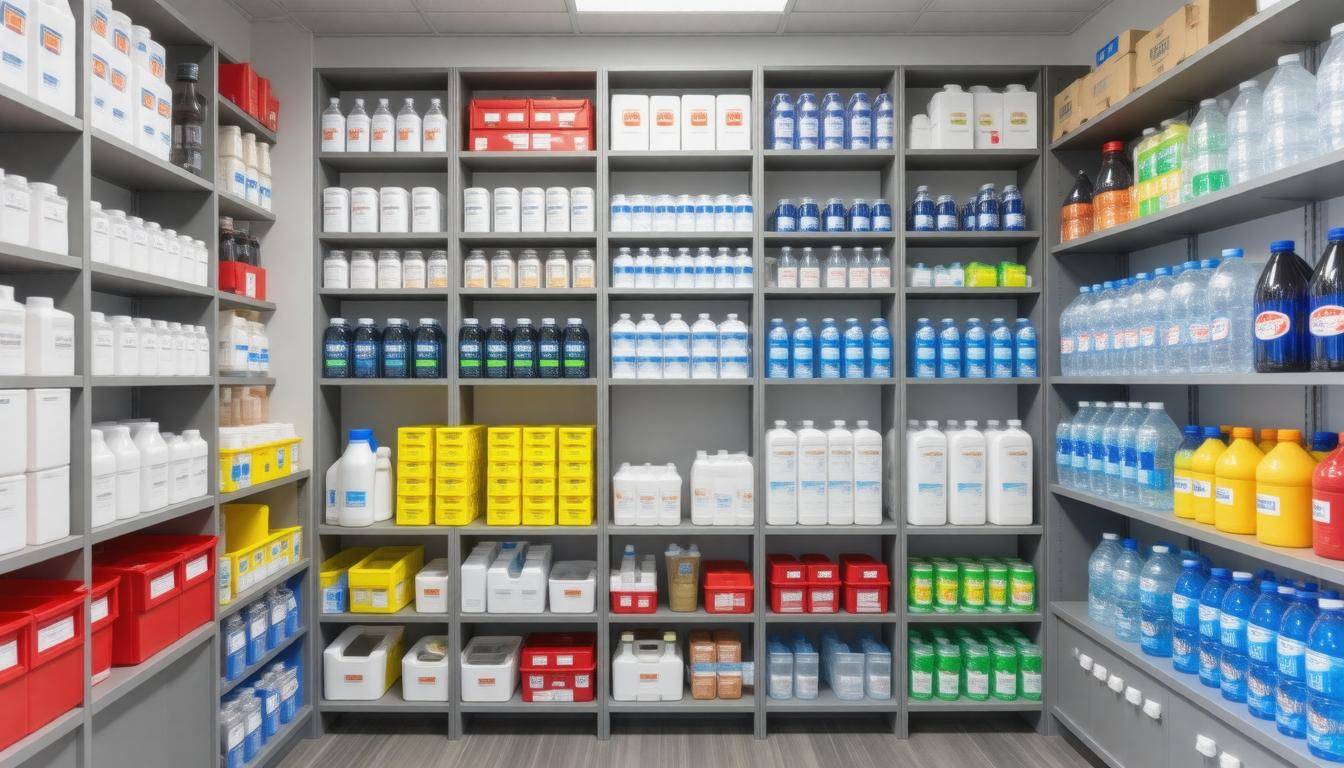
Selecting the Right Storage Location
Your choice of storage location isn’t just about convenience; it’s about creating a strategic advantage during critical moments. The factors you need to consider extend beyond simple space allocation. For starters, assessing the space is vital. You’ll want to determine how much room you’ll actually need, not only for storing the current inventory but also for any future growth in supplies. This means calculating square footage and planning for enough space to install shelving units or storage containers effectively without hindering access.
Space Assessment
Think about what you currently have on hand and any potential needs down the line. It may help to sketch out a floor plan or create a list of items that will be stored. By doing this, you can visualize whether your current space meets demands or if adjustments are necessary. One often-overlooked consideration is vertical space; utilizing shelves instead of just floor space can maximize your storage capacity efficiently.
Once you’ve mapped out your space needs, the next element to consider is environmental control.
Environmental Control
Your chosen storage location should ideally have climate control features—this is especially important when dealing with items sensitive to temperature and humidity. For example, if you’re storing medical supplies, they may require consistently cool, dry conditions to remain effective. Equipment like dehumidifiers or temperature monitors can be beneficial tools in maintaining the integrity of sensitive materials. In contrast, perishable goods will require a different approach entirely, perhaps refrigeration units in more controlled environments.
After ensuring the right temperature and humidity are manageable, let’s talk about accessibility.
Accessibility
An easily accessible location is crucial for all employees who may need to retrieve supplies in an urgent situation. You want this area to be central within your business premises but not so much that it interferes with daily operations and becomes congested during emergencies. Opting for dedicated spaces like a well-organized basement or a distinct room adjacent to core operational areas can strike that ideal balance. It’s also worth noting that clear signage leading to this storage area enhances reachability during high-pressure scenarios.
Finally, we arrive at an equally essential factor: security.
Security
While easy access is crucial, securing your supplies against potential threats is equally important. Your storage area should have a robust locking mechanism and possibly surveillance cameras installed to ensure safety without impeding accessibility when required. Consider the use of security protocol training for employees tasked with managing these supplies—empowering them with knowledge about both access and protection can enhance security for your valuable inventory.
As you contemplate these components—space assessment, environmental control, accessibility, and security—you pave the way for future discussions about strategies that keep safety at the forefront while ensuring efficiency in operations.
Accessibility and Safety Measures
The safety and accessibility of your emergency storage directly impact how effectively you can respond in a crisis. Being able to reach your supplies quickly not only saves time but also can make all the difference in critical situations. This means your emergency supply room should be strategically positioned so that everyone knows where it is and can easily get to it without hesitation.
Additionally, marking the emergency supply room with clear signage aids quick identification during emergencies, making navigation more intuitive under stress.
Safety Regulations
Adhering to safety regulations like those provided by OSHA (Occupational Safety and Health Administration) is paramount for ensuring both compliance and practicality. Ensuring proper lighting, adequate ventilation, and clear pathways maintains an environment that’s safe during emergencies. Not only does this keep hazards at bay, but it also ensures that your team members feel comfortable accessing the supplies. Compliance with these guidelines will help avoid penalties that could arise from oversight or negligence, emphasizing that preparation extends beyond just stocking supplies.
Moreover, consider implementing a routine inspection schedule that enables you to regularly check for compliance with safety regulations. Regular checks can prevent small issues from developing into larger problems down the line. For instance, ensuring that all exit paths leading to your emergency supply storage are unobstructed could save critical minutes during an evacuation process.
Emergency Training
Employees must be well-trained in knowing not only where the storage location is but also how to efficiently retrieve supplies when needed. Regular drills are essential because they help reinforce this knowledge. As Sarah from XYZ Corp notes, “After our quarterly drills, access times to emergency supplies halved.” This statement illustrates that practice helps embed the necessary skills into employees’ minds.
Putting the theory into practice through simulated drills allows everyone to become acquainted with their surroundings without the pressure of a real crisis. Incorporating various scenarios prepares your team for different types of emergencies—be it natural disasters or other urgent events—giving them the confidence and competence needed in stressful moments. Frequent training sessions also promote a culture of preparedness within your organization, connecting each employee with their responsibility in an emergency situation.
As preparedness takes center stage, focusing on what items are essential will ensure you have everything needed at hand when it truly counts.
Essential Emergency Items Checklist
Having a comprehensive checklist ensures that nothing essential is forgotten in times of need. To prepare your business effectively, consider each of the following items as vital components of your emergency supply storage.
First on the list is First Aid Kits. These kits should be stocked with bandages, antiseptic wipes, gauze pads, and other basic medical supplies. It’s not just about having them on hand; understanding how to use them can make all the difference in an emergency.
Following close behind are Fire Extinguishers. Every workplace should have at least one, if not more, strategically placed throughout the premises. Regularly inspect these extinguishers to ensure they’re charged and functioning properly. You may view them as just another item on the checklist, but in reality, they can be life savers when every second counts.
Next up is the necessity of Water and Non-perishable Food. In disasters, access to clean drinking water can become scarce. Always keep enough bottled water to last at least three days per person in your workplace. Pair this with non-perishable food items such as granola bars or canned goods that don’t require cooking or refrigeration. This will help ensure everyone has sufficient sustenance during emergencies.
Moving on, Flashlights and Batteries play a critical role in emergency preparedness. If there’s a power outage, adequate lighting becomes essential—not just for safety, but also for carrying out necessary actions without panicking. Opt for durable flashlights built to withstand physical disturbances (think drops or weather!). Ensure you have plenty of spare batteries too; running out of light is not an option when time may be of the essence.
Then come Thermal Blankets, which are compact and can make a significant difference in maintaining body heat during emergencies—especially if you’re dealing with potential evacuations or prolonged periods without basic utility services.
You might think they look more like aluminum foil than anything else, but trust me: those shiny sheets are your best friends when temperatures drop unexpectedly.
Equally important tools include Multi-purpose Tools. These versatile gadgets can perform several functions—including cutting, screwing, and even opening cans—making them indispensable in various situations when you might need a quick solution without locating multiple tools.
Another often-overlooked aspect of emergency readiness involves having access to Personal Protective Equipment (PPE) like gloves, masks, and goggles. Depending on your industry, exposure to hazardous materials may pose significant risks. Ensuring that protective gear is readily available amplifies everyone’s sense of security during emergencies.
Finally, don’t underestimate the importance of Communication Devices, such as walkie-talkies or two-way radios. Cell phones rely on connectivity that could falter during emergencies, so alternative communication methods can maintain flow and organization among team members.
To remain organized and prepared for unforeseen circumstances, it’s wise to revisit and update this checklist every six months. This small commitment ensures you stay ready for new emergencies while adapting to your location’s ever-changing needs and potential threats.
As you develop your emergency preparedness plan further, understanding the legal obligations tied to safety measures will be crucial. This next segment will provide insights into ensuring compliance with applicable regulations that safeguard your business environment.
Legal and Regulatory Compliance
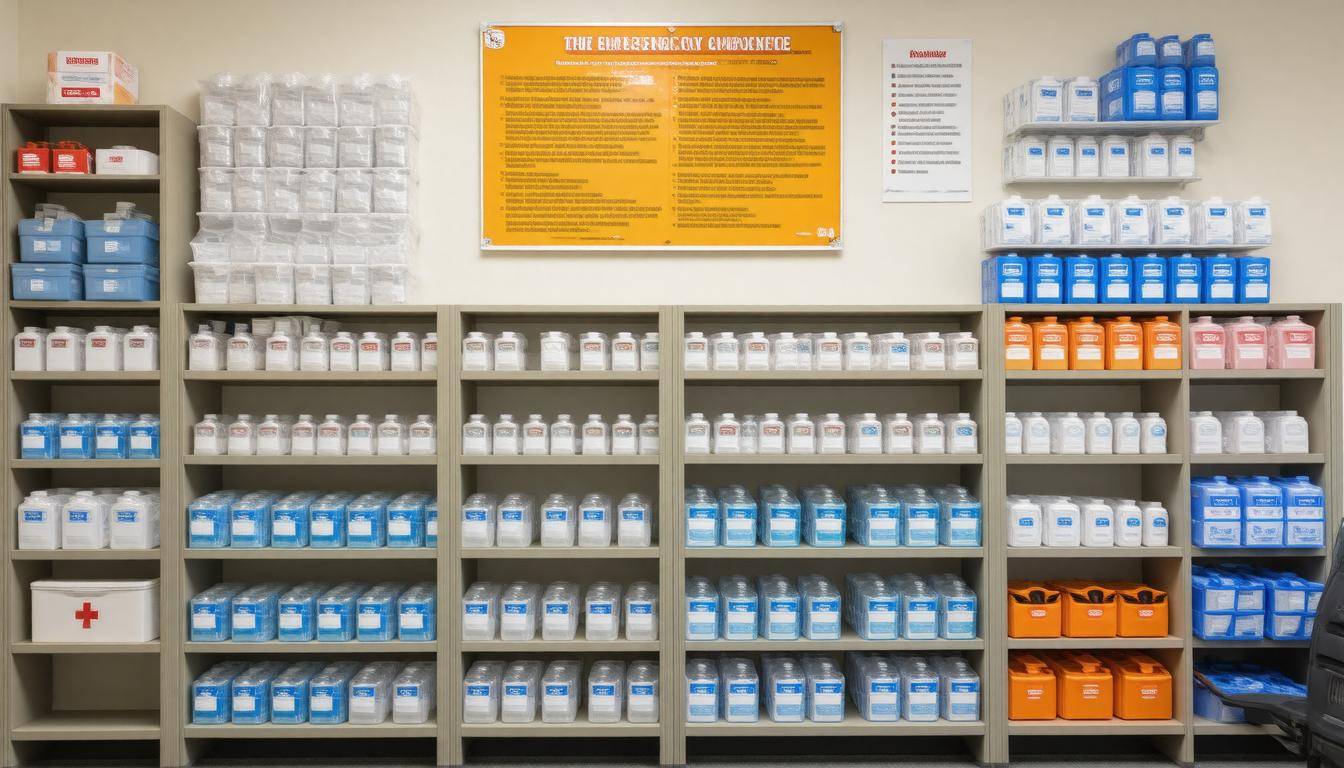
Regulatory compliance guarantees that you meet local, state, and federal laws while protecting your business from potential liability. Navigating this landscape can be daunting, particularly regarding emergency preparedness. Yet, it is essential for effective risk management and safety protocols in the workplace. Companies that prioritize compliance often enhance their operational efficiency, making it a worthy investment.
Regulatory Bodies
Various regulatory bodies guide businesses on proper emergency management practices. Among these are the Department of Homeland Security (DHS) and the Federal Emergency Management Agency (FEMA). These organizations provide frameworks and resources to help companies understand what they must include in their preparedness plans. For instance, FEMA outlines specific criteria for storing emergency supplies safely and effectively. Familiarizing yourself with their guidelines ensures that your business meets standards that contribute to a safer work environment.
It’s not just about ticking boxes; adapting your emergency plan according to these guidelines can promote a culture of preparedness within your organization.
Documentation
Keeping thorough records is another critical aspect of regulatory compliance. Documenting all emergency supplies, training sessions, and safety checks comprehensively ensures you are prepared for inspections conducted by local authorities or insurance companies who may require documentation as proof of compliance during audits or emergencies.
A smart approach is to leverage technology by storing these records on secure, cloud-based platforms. Digital documentation allows for easy access and reduces the risk of losing important information due to physical damages such as floods or fires. Consider implementing a structured filing system where you categorize documents according to type—supplies inventory, training logs, and maintenance checks—for quick reference when needed.
By maintaining compliance documentation and connections with regulatory bodies, you create a robust framework that protects your business legally while ensuring preparedness in times of crisis. Preparing for risks involves looking at strategies that reinforce your overall safety net.
Risk Mitigation Strategies
Risk mitigation is not just about identifying potential threats; it involves proactive preparation and response. By systematically identifying vulnerabilities in your workplace, you can take steps to minimize risks and ensure that your business continues to operate smoothly, even in challenging situations.
Risk Assessment
Conducting regular risk assessments is a crucial first step. Start by creating a comprehensive inventory of potential vulnerabilities within your business setup. For instance, if you’re located in a flood-prone area, explore how water might affect your essential supplies or infrastructure during a storm. Consider physical threats like floods or electrical hazards as well as other risks such as cybersecurity breaches that could disrupt operations or lead to data loss.
Remember, the more you understand your risks, the better prepared you’ll be. A thorough assessment often reveals insights you might overlook day-to-day that are vital for maintaining operational integrity.
Mitigation Techniques
After identifying vulnerabilities, implement targeted mitigation techniques. For instance, if flooding is a concern, elevating storage units off the ground helps prevent water damage to vital resources. Water-resistant barriers can add an additional layer of protection, safeguarding your assets from inundation. In this scenario, every inch matters; even minor elevations can significantly reduce the impact of a flood.
Conversely, fire risks require different preparations. Flammable materials should be housed in fireproof cabinets specifically designed for this purpose. Not only does this keep the area safe, but it also ensures compliance with safety regulations enforced in your jurisdiction. Installing smoke alarms and regularly testing them can further enhance your fire readiness.
Implementing these strategies fosters not only resilience against potential disasters but also a culture of safety among employees. This proactive approach contributes to a reliable and trustworthy presence in your industry, laying the groundwork for handling various emergencies effectively. Now, let’s explore specific preparations needed to face natural disasters directly.
Fire, Flood, and Earthquake Preparations
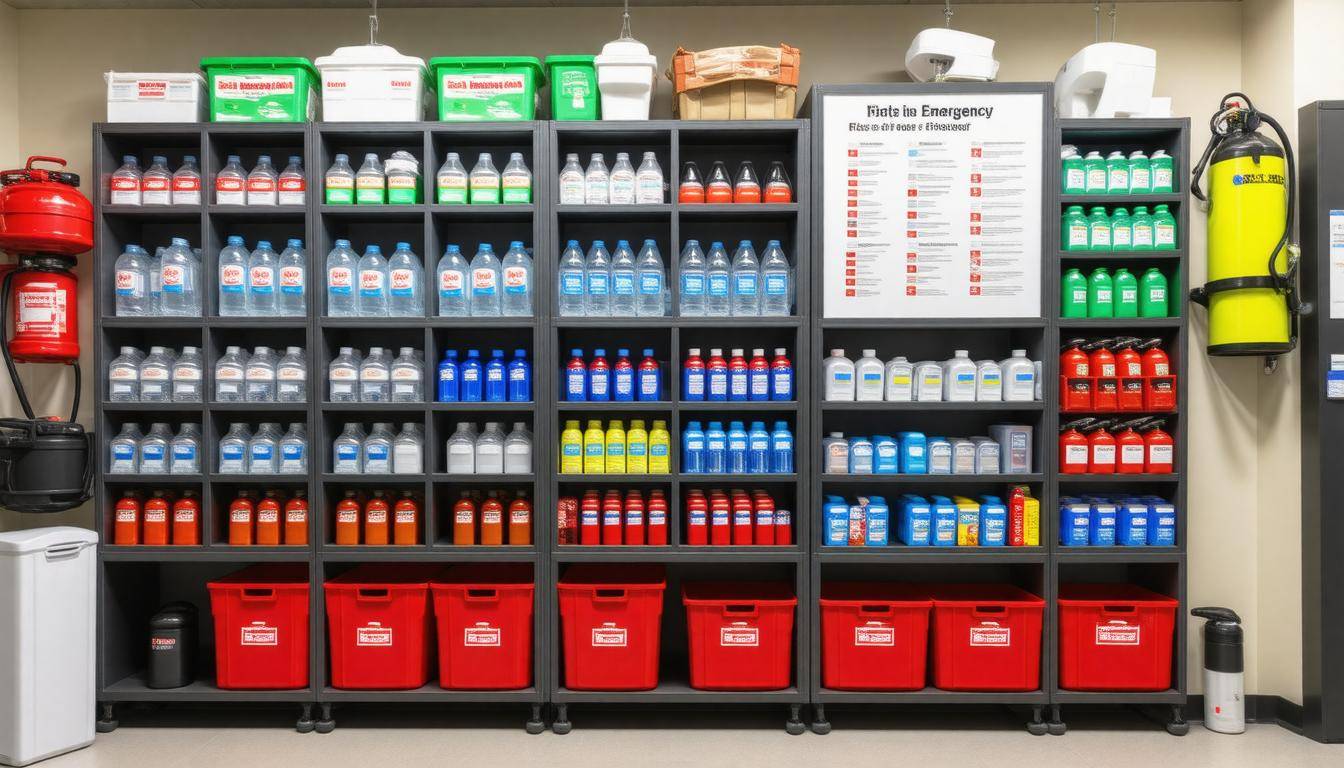
Preparing for various emergencies requires a tailored approach specific to each threat. By identifying how your business could be affected by fire, flood, or earthquake, you can implement effective strategies to protect your assets and ensure employee safety.
Fire Preparations
One of the first steps in fire preparedness is installing smoke detectors and fire alarm systems throughout your facility. Regularly test these devices to ensure they function properly. Just think of them as the diligent sentinels watching over your safety.
It’s equally important to stock fire extinguishers and train employees on their location and proper usage. A well-placed fire extinguisher is useless if no one knows how to operate it. Consider running periodic fire drills so that everyone understands how to react swiftly in an emergency situation.
A 2019 survey indicated that nearly half of adults do not know how to properly use a fire extinguisher. Training empowers your team with confidence.
Flood Preparations
When it comes to flooding, preparation involves both prevention and response. Elevating important documents and supplies off the ground can significantly help when waters rise. For sensitive items like electronics or customer files, using waterproof containers provides an additional layer of security.
It’s wise to regularly audit your storage methods: take a moment to assess what critical items need elevation or enhanced protection against water damage.
Remember, floods can also lead to power outages or contamination issues; hence, having an emergency supply kit that includes flashlights, batteries, medical supplies, and clean water is crucial for any flood plan you devise. Keep this kit accessible but out of usual clutter zones.
Earthquake Preparations
Earthquake preparedness leans heavily on securing heavy items within the workplace to prevent them from creating hazards during tremors. Use safety straps to anchor bookshelves and heavy machinery securely to walls, acting as restraints against gravity’s pull.
Storing breakable items on lower shelves minimizes the risk of shattering glass sending shards across a room during a quake. Furthermore, consider storing these fragile items in padded containers as extra safeguarding against potential impacts.
In addition, familiarizing employees with drop-and-cover protocols can save lives during an earthquake. Conduct workshops that simulate what actions should be taken in real scenarios so that there are no surprises when the earth starts shaking beneath them.
By focusing on these preparations, businesses can lay a solid foundation for overall safety that extends into broader concerns such as monitoring and protection systems tailored specifically for their environment.
Security and Surveillance Systems
Security plays a pivotal role in emergency preparedness, particularly when it comes to safeguarding your supply storage. Without adequate protection, the supplies you’ve meticulously gathered can be at risk from unauthorized access or damage. In this context, surveillance systems become not just a helpful tool but an essential component of your overall strategy.
Surveillance Systems
Modern surveillance systems are quite sophisticated and can significantly enhance the safety of your storage areas. For instance, CCTV cameras equipped with night vision allow for 24/7 monitoring, which means you can keep an eye on things even in the dark. Imagine receiving notifications if someone enters your supply area after hours; this type of technology ensures you’re always one step ahead.
Furthermore, motion-detection functionalities add another layer of protection. When motion is detected, these systems can alert you immediately, allowing for prompt responses to potential threats. The beauty of these devices lies not only in their advanced features but also in their versatility—they can often integrate into existing security protocols you may already have in place.
But having eyes on the ground is just part of the solution; controlling access to your materials is equally vital.
Access Control
Now that we’ve established the importance of surveillance, let’s talk about access control. Utilizing keycard access or biometric systems for your storage room helps ensure that only authorized personnel can access critical supplies. Each employee or security personnel can be given a unique keycard that allows entry only during designated times or for designated individuals. This minimizes the risk posed by unauthorized visitors who might otherwise wander into sensitive areas.
Moreover, biometric systems—those that use fingerprints or facial recognition—offer an even stricter level of security. These methods ensure that only those whose credentials match are allowed access, making it almost impossible for unauthorized individuals to gain entry.
Regular reviews of access logs can provide invaluable insights, helping you track who accesses your supplies and when. This information supports both accountability and security enhancement strategies.
Together, these measures create a comprehensive security strategy that safeguards not just your supplies but also the integrity of your entire preparedness plan. Moving further into effective management strategies will help maintain ongoing efficiency and security within your organization.
Routine Maintenance and Updates
Regular maintenance ensures that your emergency supplies remain in good condition, thereby always being ready for use when you need them the most. When life throws you a curveball, the last thing you want to worry about is whether your supplies have spoiled or degraded due to neglect. Research indicates that proper maintenance checks can reduce the risk of supply degradation by an impressive 35%. Taking the time to conduct these checks offers peace of mind and bolsters your preparedness.
Scheduled Inspections
It’s paramount to conduct monthly inspections of your emergency supplies. These routine audits allow you to check expiration dates on food items, medical supplies, and other essential materials. Imagine facing an unexpected emergency only to discover that your first aid kit has expired or that your canned goods are far past their shelf life. To avoid such situations, go through your inventory systematically: handle each item, confirm its usability, and replace anything that no longer meets quality standards. Keeping a checklist can turn this process into a quick and efficient exercise rather than an overwhelming chore.
Additionally, consider designating a specific day each month for this task; pairing it with another recurring activity—like paying bills—can help reinforce the habit.
Update Protocols
In conjunction with your inspections, it’s important to regularly update your inventory list. Digital inventory management systems can be particularly beneficial here since they can automate alerts for replenishing supplies. This way, you’ll never overlook what needs replacement when stock runs low. As you inspect and replace items, make sure to log their details in your system, which should include quantities, expiration dates, and any additional notes regarding their condition.
Consistent updating courtesy of technology allows you not only to maintain organization but also enhances overall efficiency. A robust inventory system won’t just safeguard against shortages; it provides a clear picture of what you have at hand and what you still need.
Ultimately, investing time in routine maintenance and updates keeps your emergency supplies in top shape while laying a solid foundation for confidence and security during unforeseen events.
In summary, by committing to regular inspections and smart inventory management practices, you empower yourself to tackle emergencies head-on effectively. Preparing for the unpredictable is key to business resilience.