
When it comes to safety in the workplace, having the right emergency eyewash solutions is like having a safety net beneath a tightrope walker—essential for preventing serious falls. It’s easy to think that accidents won’t happen, but they often do when you least expect them. Imagine dealing with potentially harmful chemicals every day and being unprepared for an eye injury; it’s not just risky, it’s preventable. That’s why understanding how eyewash stations work, knowing the different types available, and ensuring they’re properly maintained can make all the difference in protecting your employees and minimizing risks. In this guide, we’ll explore the importance of eyewash stations and provide you with the necessary tools to keep your workplace safe from eye hazards.
In the Emergency Eyewash Solutions: Complete Guide, you will find essential information covering the significance of eyewash stations for workplace safety, various types of eyewash solutions available, regulatory standards such as ANSI/ISEA Z358.1, and guidelines for proper installation and maintenance. The guide also includes recommendations for selecting the right eyewash system based on specific workplace hazards and real-life incident examples that emphasize the necessity of these safety measures.
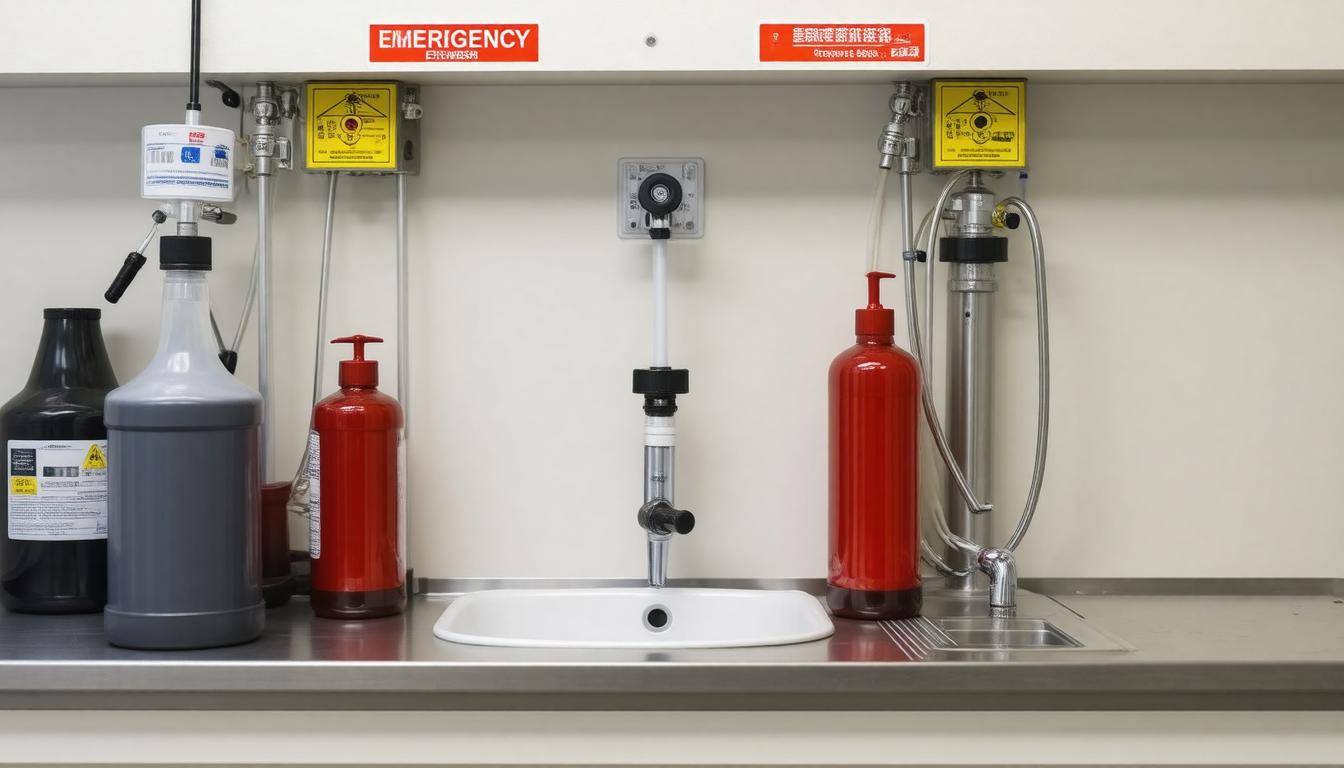
Essential Emergency Eyewash Solutions
In any workplace that deals with hazardous substances, having the right emergency eyewash solutions is not just a recommendation; it’s a necessity. Imagine being in a scenario where an unforeseen accident occurs—chemical splashes, flying debris, or toxic fumes. The clock starts ticking the moment an incident unfolds, and having immediate access to effective eyewash solutions can mean the difference between a minor inconvenience and a serious injury.
-
Portable Eyewash Units: These are particularly beneficial in settings like remote construction sites or temporary labs, where fixed installations may not be available. The beauty of portable units lies in their flexibility; they can be moved to wherever they’re needed most at any given moment.
-
Wall-Mounted Eyewash Stations: Commonly found in chemical processing plants, these units are designed for quick access. They’re strategically placed near potential hazard zones so that employees can flush their eyes within seconds of an exposure incident.
-
Self-Contained Eyewash Bottles: Ideal for smaller spaces or as supplementary support at workplaces where full installations aren’t feasible. These bottles allow individuals to have a personal method for immediate treatment, which is crucial when every second counts.
Availability isn’t just about having the equipment; it also encompasses proper installation and diligent maintenance to ensure functionality when emergencies strike.
Maintenance plays a critical role here. For instance, regulations such as ANSI standards dictate that all eyewash solutions need to be inspected regularly to ensure they’re in working order. A non-functioning unit in a time of crisis could have disastrous results. The recommended response time to reach an eyewash station should be within 10 seconds, emphasizing how crucial it is for these stations to be both accessible and functional.
The effectiveness of an eyewash unit is directly tied to its maintenance routine. Regular fluid checks and inspections not only prevent malfunctions but also ensure that the eyewash solution remains free from contamination. It’s worth noting that some solutions have a shelf life, generally around 24 months; keeping track of expiration dates is just as important as checking fluid levels. For example, if you were working with corrosive materials, having expired fluid could result in improper treatment during emergencies.
It’s easy to overlook these essential safety instruments until they’re needed most. Yet, by prioritizing accessible and properly maintained emergency eyewash solutions, workplaces can significantly reduce the risks associated with hazardous materials and ensure employee safety effectively.
With a clear understanding of critical eyewash solutions and their maintenance needs established, we can now shift our focus toward exploring different categories of eyewash stations available in various workplace settings.
Types of Eyewash Stations
When it comes to emergency eyewash solutions, not all setups are created equal. Selecting the appropriate type for your work environment can make a significant difference in providing instant relief during eye exposure incidents. Here’s a closer look at the various eyewash stations available and how they cater to different needs.
Plumbed Stations
The first type we’ll explore is plumbed stations. These are permanently connected to a continuous water supply—think of them as your heavy-duty safety net. They are especially beneficial for long-term facilities or spaces where hazardous materials are routinely handled, such as manufacturing plants or chemical laboratories. Since they provide an uninterrupted flow of clean water that meets ANSI standards, they are indispensable for situations where immediate flushing is critical.
Imagine a scenario where an employee accidentally splashes a harmful substance into their eyes; there’s barely time to think, let alone seek help elsewhere. A plumbed station enables instant access to life-saving water without any delay.
Self-Contained Portable Stations
However, what if your workspace lacks plumbing? That’s where self-contained portable stations come into play.
These units are designed specifically for locations without direct access to running water. They typically include pre-mixed or sterile eyewash solutions stored in a tank ready for emergencies. Compact and easy to set up, self-contained stations are perfect for construction sites, outdoor environments, or remote areas where plumbing isn’t feasible. Regular maintenance checks are essential here to ensure these units remain effective; replacing solutions before expiry guarantees that they’re always ready to go when needed.
Reflect on the unpredictability of accidents—they can happen anywhere, anytime, and having a portable station can be a real game changer in keeping your team safe.
Combination Showers & Eyewash Stations
There’s another level of protection provided by combination showers and eyewash stations.
These units combine both full-body drenching capabilities with eyewash treatment, making them particularly useful in laboratory and industrial settings. For instance, if someone gets splashed with corrosive chemicals on their clothes and in their eyes, these combination units ensure thorough decontamination in one go while cutting down on response time. Not only do they meet regulatory requirements but they also offer dual functionality—a true ally in high-risk environments.
Personal Use Bottles
Lastly, let’s consider personal use bottles. While these may seem small and handy—they serve as immediate relief tools rather than replacements for proper eyewash stations.
Typically filled with saline or sterile water, these bottles are ideal for quick responses when professional eyewash options aren’t around. They fit conveniently into toolkits or backpacks, making them easy to grab when you need them most. However, it’s vital to remember that these portable bottles lack the required volume and consistent flow rate needed during serious incidents; hence, they should always accompany more robust options.
Gaining insight into the types of eyewash stations prepares you to enhance workplace safety effectively and ensures adherence to necessary guidelines that protect employees from potential hazards.
Regulatory Compliance: OSHA and ANSI Standards
Compliance with the Occupational Safety and Health Administration (OSHA) and American National Standards Institute (ANSI) standards is more than just a formality; it’s a commitment to creating a safe workspace for employees. OSHA outlines that emergency eyewash stations must be readily accessible and operational at all times. This means that regardless of where an employee might be within a facility, they should have quick access—ideally within ten seconds—to an eyewash station in the event of an accident.
Failure to adhere to these guidelines can result in severe penalties, including hefty fines and increased liability during incidents. Workplace injuries related to chemical exposure or hazardous materials can lead to serious health complications if not addressed immediately. According to ANSI/ISEA Z358.1 standards, every eyewash unit must deliver a minimum flow rate of 0.4 gallons per minute for a continuous duration of 15 minutes. This ensures that any chemical contaminating the eyes is adequately flushed away and reduces the risk of long-term damage.
“Safety regulations are not mere suggestions—they are mandates intended to protect lives.”
Regular inspections can prevent potential fines and enhance overall safety measures in your workplace. Organizations should develop a maintenance schedule that includes checking water pressure, ensuring the unit remains uncontaminated, and testing the water temperature to provide a soothing experience for users instead of discomfort from extreme temperatures. As part of this routine, it’s essential to document all checks conducted, as this creates an accountability trail which proves invaluable during safety audits.
By taking compliance seriously and understanding these regulatory specifications, you’re not just investing in equipment; you’re fortifying your commitment to protecting your workforce. Additionally, ensuring that every employee knows where their nearest eyewash station is located—as well as how to use it properly—creates an added layer of security that embeds safety into your workplace culture. With that foundation established, we now turn our attention to selecting the best solutions tailored for your specific needs.
Choosing the Right Eyewash Equipment
When it comes to choosing eyewash equipment, the process starts with a comprehensive understanding of your workplace’s unique needs. It’s like customizing your safety gear for an adventure; think about what you really need in each specific scenario. The first step is to assess workplace hazards because knowing what you’re dealing with helps shape the kind of equipment you’ll require. Look closely at all potential eye hazards present in your environment—are there harmful chemicals? Biological agents? Or even physical hazards like dust and debris? Identifying these threats will guide you toward selecting the best eyewash solution.
Now that you’ve pinpointed what dangers lurk in your workplace, let’s talk about placement.
Step II – Determine Proximity and Accessibility
Once you have a clear grip on your hazards, it’s time to consider where the eyewash station will reside. You want it to be accessible—it should be installed within a 10-second reach from any potential hazard. Imagine you’re working closely with a material that could splash into your eyes. If the closest eyewash station is located far away, every second counts. In such moments, those precious seconds can mean the difference between significant injury and minor irritation. So when considering location, choose high-traffic areas or spots near workstations that present a risk, and ensure that the pathway to the station is unobstructed.
Of course, accessibility isn’t just about distance; water quality is equally critical for effective eye irrigation.
Step III – Evaluate Water Quality and Temperature
While proximity matters greatly, the quality of water is central to the success of an emergency eyewash solution. The ideal temperature for eyewash solutions should be tepid, ideally between 60-100°F (15-38°C). This range helps prevent additional discomfort when treating injuries. Cold water can shock sensitive eyes and hot water can cause scalding; neither is desirable during an emergency situation. Therefore, if you’re opting for plumbed stations, ensure their plumbing is up to standard and capable of delivering water at this crucial temperature range.
Having considered accessibility and water quality, your next step is really about matching your resources to different needs.
Step IV – Select According to Specific Needs
The choice between plumbing and portable eyewash units depends on facility layout and usage requirements. For workplaces with permanent locations for hazardous materials—like industrial sites—a plumbed unit may be more appropriate since it can provide a continuous flow of water. On the other hand, if you work in dynamic environments or host activities in multiple locations—such as manufacturing or laboratories—portable units offer the flexibility needed to address eye safety wherever you go. Think about how frequently you might need these solutions: perhaps only occasionally or maybe more regularly than you’d expect?
Investing in suitable eyewash facilities revolves around thoughtful assessment and tailored equipment choices, enhancing workplace safety significantly.
With careful planning in place regarding eyewash equipment selection and placement, it becomes essential to understand how to maintain these systems effectively while ensuring team readiness for emergencies.
Maintenance and Training for Eyewash Stations
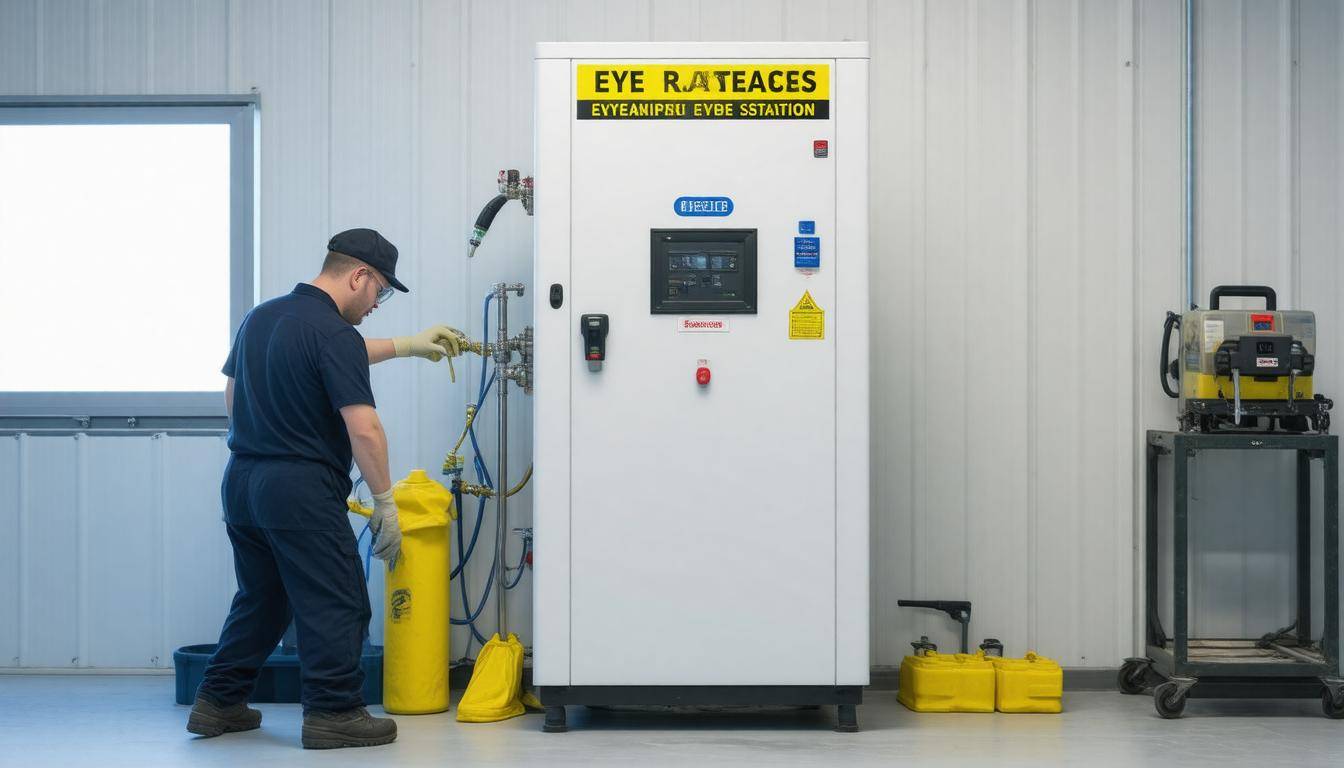
Just as you wouldn’t drive a car without regular servicing, an eyewash station also requires consistent upkeep.
The first step in effective maintenance is conducting weekly activation tests. This simple procedure involves flushing the system to ensure that the valves open properly, water flows freely, and the temperature remains within the required range of 60–100°F. Not only does this confirm that everything is functioning as intended, but it also serves as a reminder to employees that the eyewash station is available and ready for use. As an additional tip, keeping a log of these tests can be helpful for tracking compliance and recognizing any patterns in issues, particularly in busy environments.
Once maintenance is established, the next crucial component revolves around proper employee training.
Employees should be thoroughly trained on how to use the eyewash stations effectively. It might seem straightforward, but when faced with an emergency, panic can cloud judgment. Therefore, teaching staff about correct usage techniques—including flushing the eyes for a full 15 minutes—ensures they know exactly what to do in case of exposure. Utilizing mock drills can help familiarize employees with the process, enabling them to act quickly and confidently when every second counts.
To fortify these efforts even further, consider scheduling quarterly inspections by safety officers. These inspections play a pivotal role in identifying potential issues before they escalate into real problems. During these assessments, compliance with OSHA and ANSI standards should be checked rigorously. Inspectors not only verify that all equipment is functional but also provide feedback on areas of improvement for both training and maintenance protocols.
Ensuring that your eyewash stations are well maintained and that staff is adequately trained fosters a culture of safety—a vital aspect of any workplace.
Moreover, having clear signage near eyewash stations enhances visibility and directs employees during emergencies where time is of the essence. Consider using bright colors and simple graphics that effectively communicate instructions at a glance.
As we evaluate various safety practices, it’s essential to explore alternatives aimed at personal use for greater accessibility during emergencies.
Personal Use Eyewash Options
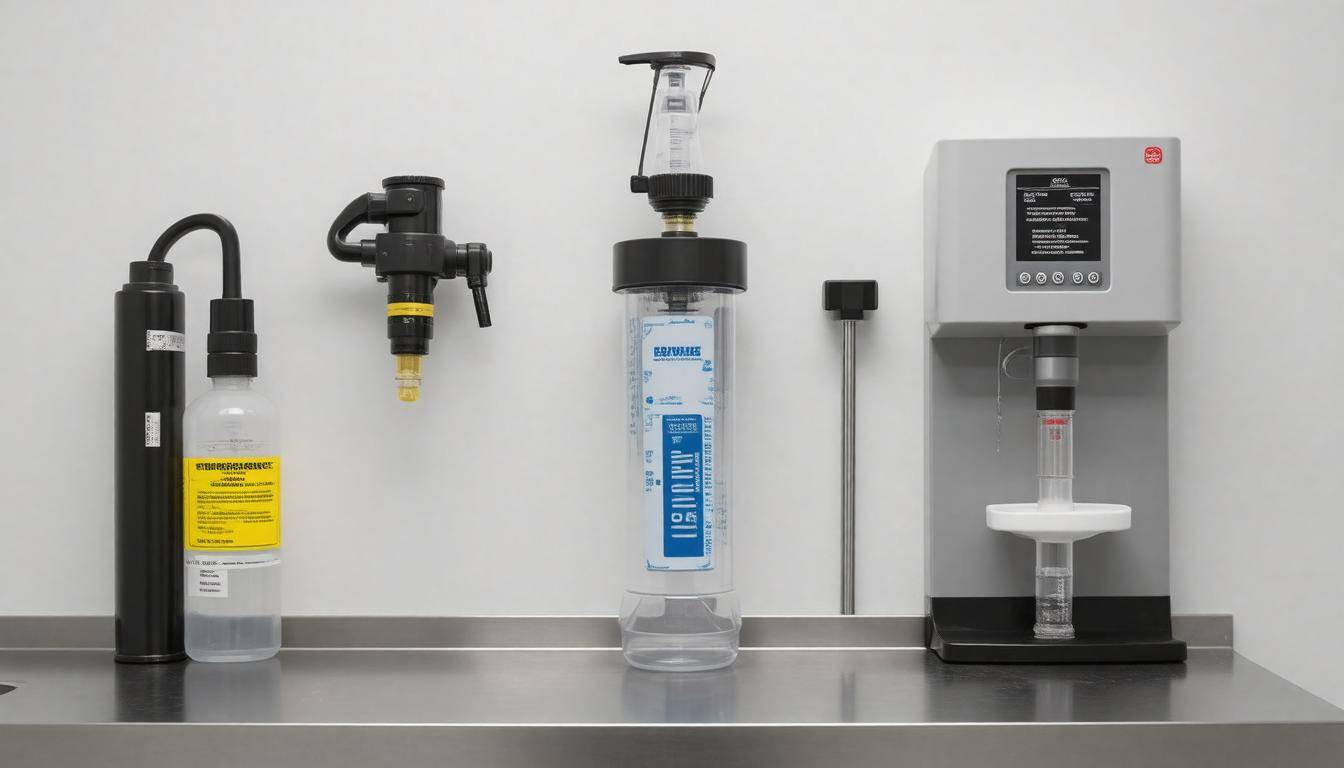
For anyone working in an environment where hazardous materials are common, having accessible eyewash solutions can mean the difference between minor irritation and serious injury. Personal use eyewash options provide that critical first line of defense when accidents occur. Think of these portable solutions as the small tools in your toolbox—they’re not meant to replace your heavy-duty equipment but serve to give you an immediate advantage when time matters most.
Portable eyewash bottles are designed for just such scenarios, allowing for a rapid flush of the eyes before getting to a more comprehensive eyewash station. For instance, a quick spritz from a saline bottle can offer temporary relief from irritants and help reduce the risk of damage to the eye. However, it’s vital to remember that these personal options should never replace properly installed systems; they work best as supplementary aids that enhance the overall safety protocol within the workplace.
In discussions with employees working in industries with high exposure rates—such as metallurgy—we often hear that having personal eyewash bottles has dramatically cut down initial treatment times. Workers appreciate knowing they have something readily available during those crucial minutes before emergency services or primary eyewash stations become accessible. The key takeaway is that while they are effective, portable units like these cannot provide the prolonged irrigation needed in severe cases.
So, how do you choose the right personal eyewash solution? Key factors include portability, ease of access, and maintaining proper cleanliness. Look for bottles that are lightweight and can easily be carried on belts or within work bags. Furthermore, regular inspections of these bottles are essential. Just as you would check fire extinguishers to ensure they’re charged, you must also check your personal eyewash supplies to guarantee they’ve not expired or become contaminated.
When considering personal use eyewash options, keep these points in mind:
- Size: Smaller bottles allow for easy transport but ensure they are sufficient for quick initial rinses.
- Content: Opt for sterile saline solutions specifically designed for eye flushing.
- Labeling: Clearly label eyewash products so they’re easy to locate in an emergency.
Combining the accessibility of personal eyewash solutions with traditional stationary systems creates a robust safety net against chemical exposure. By integrating both options—portable and fixed—you ensure that workers have immediate interim protection until more extensive care can be administered. In doing so, workplaces can foster a culture of safety and preparedness that keeps everyone secure and informed.
As we explore further into safety practices, it’s essential to examine strategies for effectively handling potential chemical spills that may occur in various work environments.
Preparing for Chemical Spills
Being prepared for chemical spills begins long before any incident occurs. It hinges on having well-documented protocols that all laboratory employees can access and understand. Establishing clear guidelines for spill response is not just a good idea; it’s an absolute necessity. These guidelines should include identifying potential risks, assigning specific roles to staff members, and detailing the cleanup process step by step. When everyone knows what to do, chaos can be avoided during those critical first moments of a spill.
One key aspect of being prepared involves creating effective spill kits. These kits should include absorbents, personal protective equipment (PPE), and neutralizing agents tailored to the specific chemicals being used in your laboratory. By placing these kits within easy reach of areas where high-risk chemicals are handled, you ensure that immediate action can be taken without wasting valuable time searching for supplies.
Step I – Immediate Response
In the event of a spill, your first move should be to shut down the source of the leak if it is safe to do so. This could mean turning off valves or securing containers that have become compromised. When acting quickly, make sure to stay aware of your surroundings and prioritize your own safety above all else. A quick evaluation can make all the difference in successfully handling the situation.
Step II – Contain the Spill
Once you have dealt with the source of the spill, it’s crucial to focus on containment. Use appropriate containment measures based on the nature and size of the spill. For instance, if you’re dealing with liquids, perimeter barriers such as absorbent booms or pads may effectively stop further spreading. Taking this cautious approach protects both people and property from hazardous exposure.
Step III – Use Eyewash Stations
If any chemical has come into contact with eyes, do not hesitate to use eyewash stations immediately—this is critical! Flushing exposed eyes thoroughly for at least 15 minutes can significantly reduce the risk of serious injuries caused by chemical exposure. Every moment counts when it comes to protecting vision. Encourage lab personnel to familiarize themselves with the location and operation of eyewash stations during safety training rather than scrambling to find them in an emergency.
Step IV – Report and Clean
After addressing immediate hazards and performing necessary first aid, don’t forget to notify safety personnel right away. Informing them about the spill ensures proper documentation and allows trained specialists to address any lingering concerns or perform deeper analysis where needed. Following notification, use designated spill kits for cleanup while ensuring that you adhere to proper procedures throughout the process.
Implementing these vital procedures will build a stronger foundation for workplace safety while enhancing employee preparedness in emergencies. As we explore further, let’s examine how effective systems contribute significantly to overall safety in the workplace.
Benefits of Effective Eyewash Systems
To understand the true value of effective eyewash systems, consider how they impact workplace safety on multiple levels. First and foremost, these stations play a crucial role in providing immediate relief when hazardous materials come into contact with the eyes. Studies show that environments equipped with operational eyewash stations see a remarkable reduction in injury severity and recovery time—up to 40% less severe outcomes compared to workplaces without them. This statistic highlights not only the efficacy of these systems but also the vital function they serve in emergency situations.
Imagine a scenario: A lab technician accidentally spills a small amount of acid on her face. With an accessible eyewash station nearby, she can quickly rinse her eyes to minimize injury and damage. This swift action makes a significant difference in her treatment and recovery.
Additionally, effective eyewash systems contribute to lowering legal liabilities for employers. According to OSHA regulations, eyewash solutions are often mandated for workplaces handling hazardous materials. By addressing potential hazards swiftly and efficiently, companies can demonstrate their commitment to employee safety and mitigate negligence claims should an incident occur.
Beyond health benefits and legal protection, effective eyewash stations foster a sense of safety and confidence among employees. When workers feel secure in their environment, job satisfaction increases, which directly enhances morale. Statistics reveal that about 70% of employees report feeling safer in workplaces equipped with effective safety measures like eyewash solutions. This vigorous sense of security translates into greater productivity and reduces turnover rates.
As we explore different types of eyewash stations available, it’s essential to recognize how each product serves unique purposes within the workplace to maximize their protective capabilities.
| Type of Eyewash Station | Key Features | Ideal Use Case |
|---|---|---|
| Plumbed Stations | Continuous water supply, fixed locations | Permanent facilities, laboratories |
| Portable Stations | Self-contained, require no plumbed water | Remote sites, temporary setups |
| Combination Stations | Full-body drenching and eyewash capabilities | Industrial settings, chemical plants |
| Personal Eyewash Bottles | Immediate first-aid, small and portable | Initial response, before reaching a station |
Each type of eyewash station is designed for specific environments and needs. For instance, plumbed stations provide an uninterrupted flow of water at permanent sites like laboratories where spills are common; while portable stations are invaluable for temporary worksites without direct access to water sources.
By ensuring that the right type of eyewash system is installed in suitable locations, organizations can seamlessly enhance their overall safety protocols.
Investing in effective emergency eyewash solutions is not just about compliance; it’s about fostering a culture of safety that prioritizes employee well-being and operational efficiency.
How often should emergency eyewash stations be inspected and maintained?
Emergency eyewash stations should be inspected and maintained weekly to ensure they are functional and accessible when needed. Regular checks help identify any issues, such as blockages or expired solution, which is crucial since approximately 90% of eye injuries can be prevented with prompt care. Maintaining these stations not only ensures compliance with OSHA standards but also significantly enhances workplace safety by ensuring employees have immediate access to emergency decontamination when accidents occur.
In what scenarios is it essential to have portable emergency eyewash solutions versus fixed installations?
Portable emergency eyewash solutions are essential in scenarios where fixed installations are impractical, such as in remote worksites, temporary job sites, or when employees frequently change locations. According to the American National Standards Institute (ANSI), 70% of eye injuries occur in environments without adequate eyewash facilities, underscoring the necessity for portable options to ensure immediate access to decontamination. Additionally, portable units allow for swift deployment in emergencies where time is critical for preventing serious eye damage.
How should employees be trained to use emergency eyewash facilities effectively when needed?
Employees should receive regular training on the proper use of emergency eyewash facilities, including periodic drills that simulate real-life scenarios. This training should emphasize the importance of knowing the location of eyewash stations and understanding the correct procedure to use them—flushing the eyes for at least 15 minutes while holding the eyelids open. Research indicates that timely rinsing can significantly reduce eye injury severity, with studies showing a potential decrease in permanent damage by up to 60% when immediate action is taken. Regularly updated training ensures that knowledge remains fresh, and incorporating these practices into safety culture can enhance overall workplace safety.
What specific requirements do OSHA (Occupational Safety and Health Administration) or other regulatory bodies have regarding emergency eyewash stations?
OSHA requires that emergency eyewash stations be readily accessible, located within a 10-second travel distance from potential hazards, and must provide a continuous flow of tepid water for at least 15 minutes. Additionally, the ANSI Z358.1 standard mandates that these stations should be inspected weekly to ensure they are functional and compliant. Studies have shown that immediate flushing can reduce the severity of eye injuries by up to 80%, underscoring the critical importance of maintaining these safety measures in the workplace.
What are the different types of emergency eyewash equipment available for workplace use?
There are several types of emergency eyewash equipment available for workplace use, including plumbed eyewash stations, self-contained eyewash bottles, and portable eyewash stations. Plumbed stations provide a continuous flow of water and are often connected to the building’s plumbing system, while self-contained bottles offer flexibility and can be easily relocated. According to OSHA guidelines, having readily accessible eyewash stations can dramatically reduce the risk of long-term eye damage in chemical exposure incidents, making them essential for workplaces handling hazardous materials. Statistics show that immediate rinsing within seconds can prevent damage in over 90% of cases; hence, choosing the appropriate type is crucial for effective emergency response.