
Preparing for hurricane season isn’t just about boarding windows or stocking up on canned goods; it’s about taking control of your family’s safety before the storm clouds roll in. Everyone knows that hurricanes can be unpredictable, and that’s why having a plan makes all the difference. Whether you’ve faced one before or are preparing for your first, proper planning helps reduce fear and uncertainty when it matters most. In this article, we’ll break down a week-by-week guide to ensure you have everything in place—so let’s get ready to protect our homes and loved ones together!
The “Hurricane Season Planning: Week-by-Week Guide” offers a structured approach to hurricane preparedness, detailing specific tasks and actions to take in the weeks leading up to the Atlantic Hurricane Season, which starts on June 1. This guide encompasses essential preparation activities such as forming emergency plans, stocking supplies, securing your home, and reviewing evacuation routes to ensure you and your family are ready for potential storms.
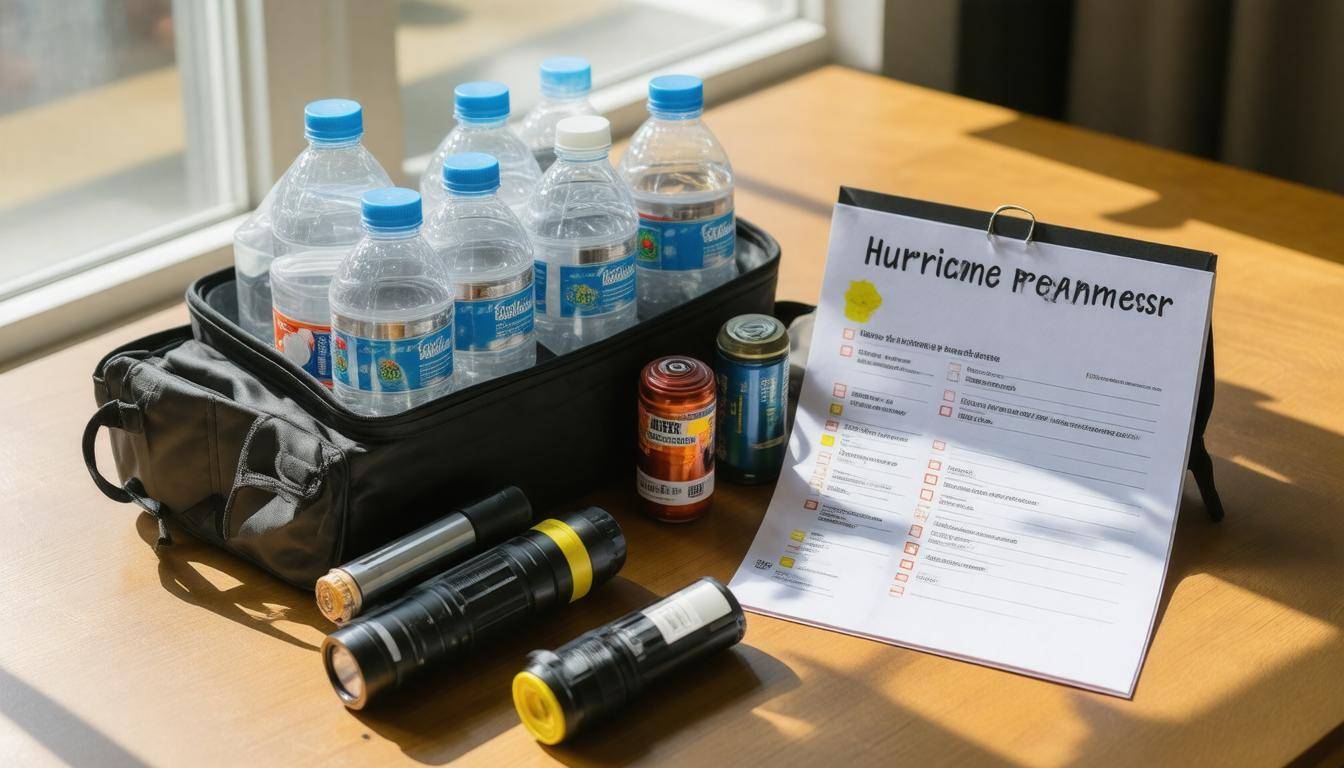
Week 1: Gathering the Essentials
Step I – Non-Perishable Food and Water
Non-perishable food and water are the lifeblood of your emergency supplies. Aim for at least a three-day supply of nutritious, easy-to-prepare foods like canned goods, dried fruits, nuts, and granola bars. Each person in your household should have one gallon of water per day as a benchmark, but remember that potential longer outages mean more water is always better.
You may find yourself in a situation where getting essential supplies becomes impossible due to hazards or restrictions. So, don’t underestimate the value of bulk buying non-perishables when exploring grocery aisles.
Think about what your family already enjoys eating; this will make it easier to stick to your emergency plan during the stressful moments after a storm. Perhaps you like oatmeal; pack some instant varieties that only require hot water. Maybe you’re a fan of spaghetti; don’t forget those canned tomatoes! It can be surprisingly comforting to have familiar flavors even in challenging times.
Step II – Medication and First Aid
Medicine is just as crucial as food and water. Ensure that you have at least a week’s worth of prescription medications readily available as part of your emergency stockpile. Additionally, supplement this with a comprehensive first aid kit that includes items like bandages, antiseptics, pain relievers, and any necessary medical supplies that might help you tend to injuries or ailments when help isn’t readily available.
Having these items at hand can significantly impact your ability to respond calmly and effectively when the world seems chaotic outside.
Step III – Emergency Supplies Kit
In addition to food and medication, an Emergency Supplies Kit should be assembled without delay. Each family member should know where it’s located because it’s essential to access these resources quickly if a storm hits unexpectedly. Your kit should include items such as flashlights and extra batteries to keep you illuminated during power outages. It’s equally important to have a battery-powered or hand-crank radio on hand, allowing you access to critical weather updates when conventional communication may fail.
Here’s what else should be included in your kit:
- Multi-tool: This will come in handy in numerous situations.
- Waterproof matches: Fire can be vital for warmth or cooking.
- Manual can opener: Essential if you’ve packed canned goods.
- Local area maps: Even in the age of smartphones, physical maps offer reliability during blackouts or service disruptions.
With essentials gathered, let’s now explore methods to ensure your home is secure and ready for whatever challenges may arise.
Week 2: Securing Your Home
Protecting your home from potential hurricane damage is paramount. When considering all that a hurricane can bring—strong winds, flying debris, heavy rains—it becomes clear that solid preparation can save you not just money but immense stress. A few proactive steps taken now can make a substantial difference when the storm clouds start to gather.
Windows and Doors
One of the most effective defenses against hurricane winds is securing your windows and doors. Installing storm shutters is the best solution as they are specifically designed for such extreme weather. If storm shutters aren’t an option due to budget or time constraints, using plywood sheets cut to size can provide a temporary shield for your glass surfaces.
Make sure you have all necessary supplies ready beforehand so you can act quickly when needed. Additionally, don’t forget about your doors; ensure they are properly sealed and consider reinforcing them with additional locks or hinges. For those without these means, heavy-duty masking tape can offer a minimal level of defense to prevent shattering, although it should be viewed as a last resort rather than a foolproof method.
Roof and Gutters
Next in line for review is the roof. It’s crucial to inspect your shingles for any signs of looseness or damage that could exacerbate leaks during heavy rains. Replace any missing shingles immediately because one missing piece can lead to substantial water damage inside your home when hurricane-season downpours hit.
Equally important is the condition of your gutters; clean them regularly to prevent clogs that could lead to overflow during storms. Water accumulation from blocked gutters can undermine your home’s foundation and lead to flooding issues both inside and outside. Routine maintenance of gutters is crucial even during calmer seasons to avoid future headaches.
Yard Maintenance
Now let’s turn our attention outdoors. Your yard may seem like a safe haven, but it has its own vulnerabilities during a hurricane. Begin by trimming back overhanging branches that could snap off and fall onto your home or fence, causing damage or injury.
Remove loose yard debris like fallen leaves or branches that could become dangerous projectiles in high winds. Don’t overlook outdoor furniture either – secure it or simply bring it indoors if you have room. This simple task could save your garden chairs and tables from turning into missiles in gusty conditions.
As we focus on these practical preparations for safeguarding your home, it’s essential to also consider how well you and your family are ready to respond collectively during an emergency. With this in mind, let’s explore strategies for establishing an effective family emergency plan.
Week 3: Family Emergency Plan
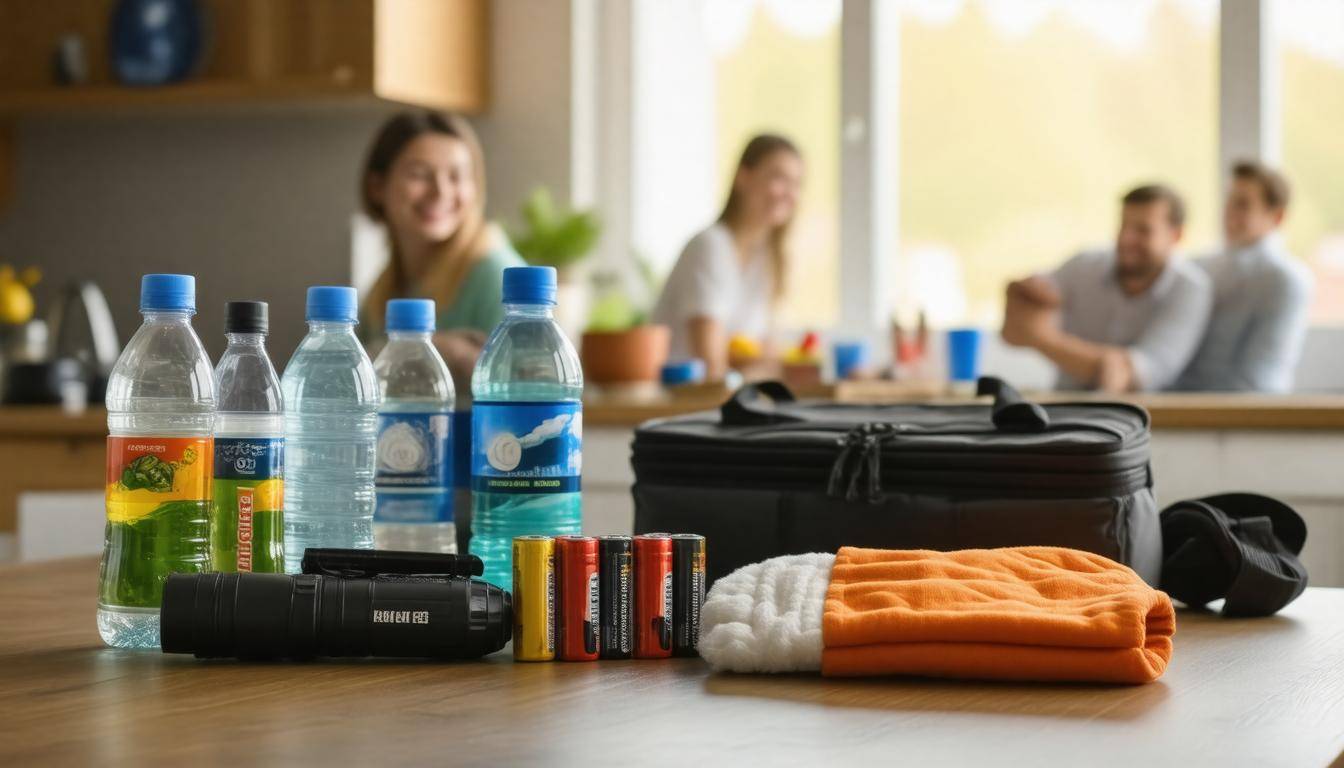
When the winds pick up and storm warnings blare, chaos can often ensue. This makes having a well-thought-out family emergency plan not just useful—it’s essential. Think of it as your family’s lifeline; when every second counts, knowing what to do can save lives. The key is to ensure that each family member understands their role and responsibilities when the time comes.
How to Put Together a Plan
Start with identifying evacuation routes specific to your area, which is vital in case local authorities call for an evacuation. Knowing where to go and how to get there can reduce confusion when every moment matters.
Alongside this, establish a meeting point outside your home and within your neighborhood if anyone gets separated. It’s not enough just to declare a meeting place; everyone must know how to get there.
Each family member should carry a small card with critical contact information tucked away in their wallets or pockets. This can include numbers for local authorities, medical facilities, and loved ones living in safer areas.
Once these details are outlined, involve everyone in the household—especially children—in the planning process. It’s essential they know the steps to take during an emergency, so practicing the plan puts them at ease when the real thing happens. Conducting a mock drill can help reinforce the procedures and provide a good opportunity for questions—invaluable when nerves might otherwise take over.
Keeping Important Documents Safe
As you prepare, don’t overlook the significance of keeping vital documents secured safely. Store copies of essential papers such as birth certificates, insurance policies, and medical records in a waterproof container. This small action can be lifesaving if flooding occurs or damage happens to your home.
In addition to physical copies, consider digital backups stored securely online or on an external hard drive kept outside of your home. This layered approach ensures that you’re prepared, whether by securing physical copies or having alternate access through technology.
With a solid emergency plan in place, anxiety diminishes as expectations become clear for every family member during intense situations like hurricanes. As we transition from preparation to operational strategies, engaging with community resources will strengthen your network of support during challenging times.
Week 4: Communication System Setup
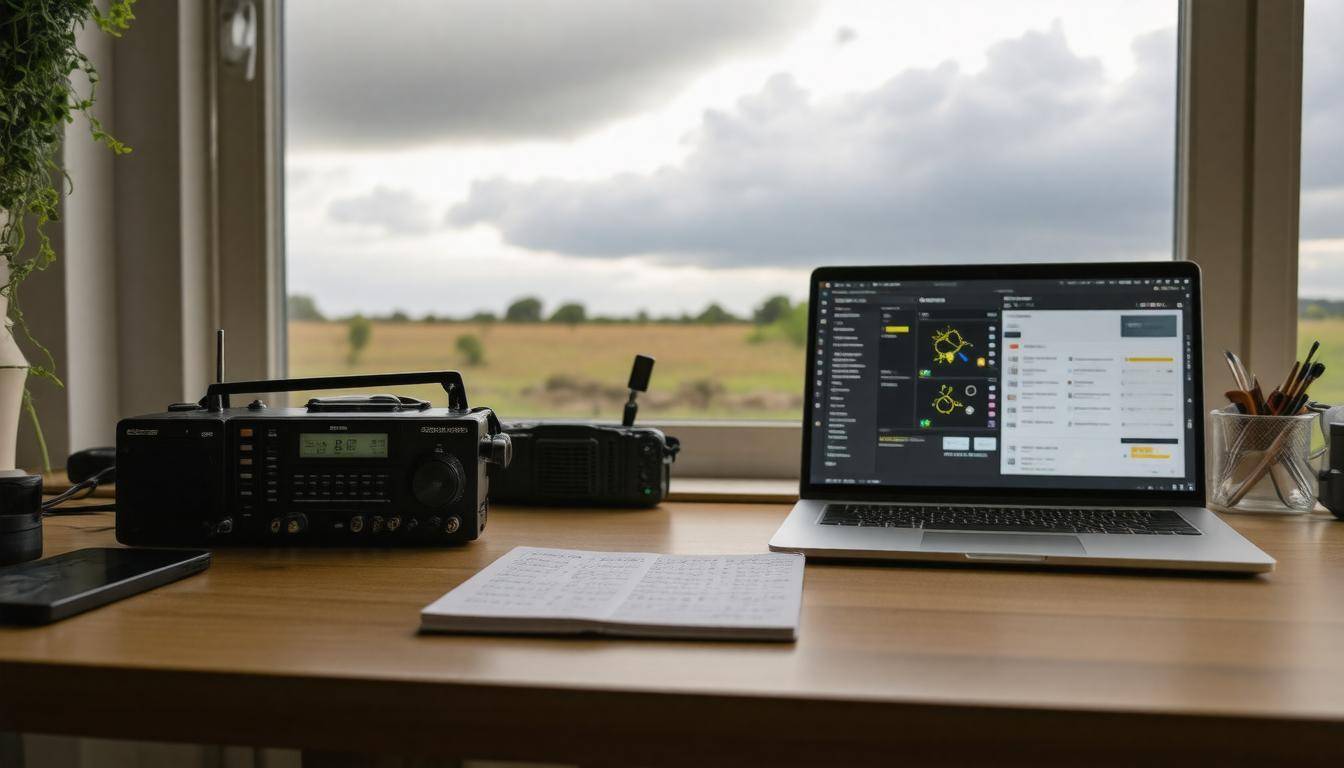
Establishing reliable communication is critical during a hurricane. The chaos of a storm can make it difficult to reach loved ones, and having a structured system in place can be the difference between feeling overwhelmed and staying calm. This involves not only investing in the right technology but also crafting a clear family communication plan.
Stay Connected with Technology
Begin by equipping your home with essential devices. Investing in a battery-powered or hand-crank radio is a smart choice, as it will keep you informed about weather updates and emergency alerts even when the power goes out. Additionally, portable power banks for mobile phones are indispensable. With these charged and ready to go, you can venture into uncertain conditions without worrying about losing access to your phone.
During a hurricane, the last thing you want is to find yourself reaching for your phone only to discover it’s dead. To conserve battery life, remember to limit non-essential usage. Turn off background apps and consider switching your phone to low-power mode.
While technology plays an important role, forming an effective family communication plan takes priority.
Family Communication Plan
A successful family communication plan should begin with establishing contact protocols before disaster strikes. Agree on a designated out-of-town contact person whom everyone can check in with throughout the event; this person serves as a reliable intermediary in case local networks become congested or fail entirely.
It’s also worthwhile to create a group messaging app like WhatsApp or GroupMe, which is particularly useful when cell service is spotty. Text messages tend to go through more easily than calls, which is crucial in times of dense network use. A shared check-in time should also be established—perhaps every couple of hours—to ensure everyone remains updated on each other’s safety and status.
By preparing ahead, you’re mitigating anxiety during the storm. I remember hearing one story about how texting saved a family during Hurricane Irma when cell lines were overwhelmed; people could communicate simply and quickly through text instead of adding to the congestion on voice calls.
In addition to these steps, here are some quick strategies to enhance your family’s communication preparedness:
- Create an Emergency Contact List: Ensure all family members have easy access to local emergency services and shelters.
- Test Communication Devices: Regularly check any emergency devices—cell phones, radios—to ensure they’re functional and fully charged.
- Backup Methods: Keep two-way radios as an alternative means of communicating if cell service collapses.
Setting up a robust communication system isn’t just about acquiring gadgets; it’s about being proactive and thoughtful in planning how best to stay connected when it matters most. With that foundation laid, attention turns now to effectively monitoring weather updates, which will help you stay informed throughout the season.
Week 5: Monitoring Weather Updates
Keeping abreast of weather updates during hurricane season is not just a precaution; it’s a necessity. The changing tides of weather can dramatically alter the fate of communities, and understanding what’s happening around you ensures that you’re ready for whatever comes next. As storms approach, it’s vital to turn to credible sources for your information. Although many people rely on social media platforms for updates, they can sometimes spread both timely advice and disinformation. Therefore, it’s best to rely on dedicated meteorological services.
Reliable Sources
For the most accurate reports, I suggest tuning into the National Hurricane Center and Weather Channel. These organizations provide essential safety recommendations tailored to each storm. Local news stations are invaluable as well; they deliver pertinent details relevant to your specific region.
To further enhance your preparedness, consider installing weather apps like NOAA Weather Radar or The Weather Channel app directly onto your smartphone. This makes staying informed easier than ever; alerts pop up right at your fingertips.
It’s true that some people argue in favor of using social media for real-time updates since platforms like Twitter have become popular for sharing breaking news. However, while social media offers immediacy, it imposes a certain risk. The rapid dissemination of information can lead to misunderstandings or panic due to posts lacking verification and context.
Statistically speaking, weather conditions change rapidly during hurricanes—a reality that can lead to severe outcomes if not monitored closely. In fact, experts recommend checking for updates hourly as the storm draws nearer. This allows you to track the path of the hurricane and receive any emergency alerts and advisories issued by local authorities.
Once you establish reliable sources you trust, you’ll find yourself more prepared as the storm approaches. Staying updated will help you make informed decisions about your safety and preparedness measures. Now, let’s turn our attention towards creating a comprehensive checklist to ensure nothing is overlooked as we prepare for the impending storm.
Week 6: Pre-Storm Checklist
As the hurricane approaches, last-minute tasks become crucial. It’s easy to dismiss these tasks when you’re busy with life, but constant vigilance can make all the difference in ensuring safety. Start by checking supplies. You’ll want to recheck your food and water stocks, ensuring that you have at least a three-day supply of non-perishable food and one gallon of water per person per day. It can be a comforting thing to know you’ll have what you need even if roads get impassable for a while.
-
Double-check your medication supplies as well; any prescriptions or over-the-counter medications should be gathered now to prevent any last-minute scrambles.
-
And don’t forget about your flashlights and radios—test them before the storm hits! There’s nothing quite like the sinking feeling of reaching for a flashlight only to find dead batteries or no signal when you need news updates most.
After confirming your supplies, it’s essential to take steps around the home that will protect your property and loved ones.
Home Preparations
Securing outdoor items may seem mundane, but those patio chairs or garden decorations can become deadly projectiles in strong winds. Gather them up, store them in a garage or shed, or weigh them down if they must stay outside. Additionally, reinforcing windows is critical; this can be done using storm shutters or even plywood if necessary. Those few extra minutes spent reinforcing your home could save you from extensive damage.
A practical tip here is to fill your car’s gas tank, which is an often overlooked step in hurricane prep. Waiting until an evacuation is recommended may lead to long lines at gas stations or even empty pumps. Keeping at least a half-tank not only ensures mobility but also provides peace of mind.
Finally, it’s vital to have safety precautions in check as you wrap up your pre-storm checklist.
Safety Precautions
Ensure that first aid kits and emergency kits are easily accessible in your home, especially in areas where everyone knows their location. Something simple like knowing where band-aids are can really ease stress during potential chaos. Put signs on doors if needed, or send out reminders to family members so everyone remembers where key supplies are located.
These small efforts contribute significantly to alleviating anxiety during emergencies, as knowing exactly where to find necessary items provides both confidence and security.
Preparation doesn’t stop here; understanding what actions to take during the storm is equally important for safety and security.
Week 7: During the Hurricane
Your actions during a hurricane can indeed be life-saving. As the storm rages on, the first line of defense is your own home. Staying indoors and away from windows should be your guiding principle. It might seem obvious, but during intense storms, it’s easy to forget this vital advice. Seek refuge in an interior room—preferably one without windows—like a bathroom or closet, and keep your family together to promote both safety and morale. If you happen to have a basement, it can provide a safe haven away from potential debris hurled through the air.
If you find yourself in a particularly vulnerable spot within your home, consider using mattresses or sturdy furniture as buffers against any unexpected impacts. Not only does this serve as physical protection, but it also provides some psychological comfort amidst the chaos.
While securing your immediate safety is incredibly important, staying informed plays a pivotal role as well.
Keeping a battery-powered radio tuned to emergency broadcasts can provide crucial updates during power outages. This way, you will be alerted to any changing conditions and instructions from local officials. Have those radios prepared in advance with fresh batteries tucked away in your emergency kit so they’re easily accessible when the storm hits. It’s essential not just to monitor for weather updates but also to receive guidance on evacuation orders, shelter information, or impending flooding.
It’s understandable that storms can cause anxiety; reassuring family members can go a long way in maintaining a calm atmosphere. Try engaging in activities like reading or storytelling to distract from the storm noise. Of course, always remain prepared to move to higher ground if you sense that flooding is occurring. Flood waters can rise quickly and without warning, so having an escape plan is key for everyone involved.
When local authorities issue alerts about safety evacuations, it’s paramount that you listen closely.
If emergency services advise moving to a shelter, do not hesitate to follow their guidance on how to get there safely. Many people underestimate the importance of these shelters—they are designed specifically for situations like these where communal support is essential alongside physical safety.
[TESTIMONIAL] “Staying calm and following instructions saved my family during Hurricane Harvey when we had to evacuate suddenly,” shares one storm survivor who faced similar circumstances. Her experience underscores how vital it is to stay composed and adhere to guidance in times of crisis.
By being proactive and prepared during the hurricane itself, you are making choices that protect not only you but also your loved ones from harm while maintaining clarity amidst the heightened stress.
As the winds die down and thoughts turn towards recovery, understanding how best to navigate what comes next becomes essential.
Week 8: Post-Storm Recovery
The aftermath of a hurricane requires a blend of caution and resourcefulness. As the winds die down and the clouds begin to part, it’s time to check on your home and ensure that you are safe before re-entering. Many people are eager to return to their routines, but taking a moment to assess the situation is key. Prioritize safety first; avoiding floodwaters will help protect you from potential hazards like toxic debris or insects that may have taken up residence in standing water.
Safety First
Listening to local authorities is crucial during this time. They provide essential updates on when it’s safe to return home and alert you to any risks that remain in your area. Always keep an ear out for these announcements, as information may evolve rapidly post-storm. When venturing outside, be vigilant for downed power lines and other dangers that might not be immediately visible.
Remember: If you can’t see where you’re stepping, it’s best not to step at all.
Inspecting Your Home
Before entering your home, take a moment to perform a visual inspection for structural damage. Look for any cracks in walls or ceilings and assess whether there has been water intrusion—this could indicate serious issues that may require professional assessment.
- Ensure that the roof is intact; damaged shingles can lead to further leaks.
- Use caution with electricity—avoid using candles or matches unless you are certain there are no gas leaks.
- Document any damages thoroughly with photographs; this will greatly aid your insurance claims process.
Community Resources
| Agency | Service Provided | Contact Information |
|---|---|---|
| FEMA | Disaster assistance and support | 1-800-621-FEMA |
| Red Cross | Emergency shelters, food, and medical aid | 1-800-RED-CROSS |
| Local Gov. | Specific local advisories and aid directions | Local Website |
Community resources play a vital role during recovery periods. Organizations like FEMA and the Red Cross offer services tailored for immediate relief and longer-term rebuilding processes. They can provide you with food, shelter, and assistance in navigating insurance claims.
Taking steps towards recovery not only puts you back on track but also ensures that you’re protecting yourself through careful planning and community engagement. As life resumes its normal pace slowly but surely, remember that prioritizing safety remains paramount throughout this entire process.
In the world of hurricane preparedness, being proactive can make all the difference when faced with challenges during recovery. Stay informed, stay safe, and rely on your community as you navigate this journey.
What role do local government resources play in personal hurricane preparedness efforts?
Local government resources play a crucial role in personal hurricane preparedness efforts by providing vital information, tools, and support systems that enhance community resilience. They often issue timely alerts about impending storms, offer evacuation routes, and establish emergency shelters equipped with essential supplies. For instance, statistics show that communities with proactive local government preparedness initiatives report 30% higher rates of proper evacuation compliance compared to those without such measures, illustrating the significant impact of governmental support in ensuring public safety during hurricane events.
How can homeowners assess the resilience of their property against hurricane damage?
Homeowners can assess the resilience of their property against hurricane damage by conducting a thorough inspection of structural elements, such as the roof, windows, and doors, ensuring they meet or exceed local building codes designed for hurricane safety. Additionally, evaluating landscaping to prevent flooding and checking for potential debris hazards can be crucial. According to FEMA, homes built with wind-resistant features can reduce wind damage costs by up to 75%, emphasizing the importance of proactive planning and retrofitting.
What are the most critical actions to take in the weeks leading up to hurricane season?
The most critical actions to take in the weeks leading up to hurricane season include reviewing and updating your emergency plan, assembling a disaster supply kit, and ensuring your property is fortified against potential damage. According to the National Oceanic and Atmospheric Administration (NOAA), around 60% of families do not have a family emergency plan in place. Additionally, securing windows, trimming trees, and checking insurance coverage can significantly mitigate risks, as hurricanes can produce winds over 150 mph, causing extensive property damage and financial loss if preparations are inadequate.
What should be included in a comprehensive emergency kit for hurricane preparedness?
A comprehensive emergency kit for hurricane preparedness should include at least one gallon of water per person per day for at least three days, non-perishable food supplies to last a week, a flashlight with extra batteries, a first aid kit, essential medications, and important documents packed in a waterproof container. According to the National Hurricane Center, having these supplies ready can significantly reduce stress and increase safety during emergencies, as studies show that nearly 60% of individuals affected by hurricanes regretted not being prepared ahead of time.
How can communities effectively communicate hurricane warnings and updates to residents?
Communities can effectively communicate hurricane warnings and updates through a multi-channel approach, utilizing local radio stations, social media platforms, text alert systems, and community bulletin boards to reach residents. According to the National Oceanic and Atmospheric Administration (NOAA), timely communication can improve response times and reduce casualties; studies show that communities with robust emergency notification systems saw a 30% increase in preparedness actions among residents during hurricane seasons. Engaging community leaders and organizations to distribute information can further enhance outreach, ensuring that vulnerable populations are not overlooked.