
Flooding can come unexpectedly, turning a serene landscape into a chaotic scene in just minutes. If you live in a region where floods are a possibility, it’s crucial to be prepared, not just for the inconvenience of being disrupted, but for potentially life-threatening situations. Creating a Flooding Kit is an essential step in keeping yourself and your loved ones safe. In this guide, we’ll walk you through the must-have supplies, safety details, and tips to ensure that when the waters rise, you have what you need to stay secure and calm. Taking these proactive measures not only provides peace of mind but also empowers you to handle emergencies with confidence. Let’s dive into assembling your very own Lake Region Flooding Kit!
The Lake Region Flooding Kit should include essential supplies such as one gallon of water per person per day for at least three days, a three-day supply of non-perishable food, a flashlight with extra batteries, a first aid kit, and personal sanitation items like moist towelettes. Additionally, ensure you have important documents in a waterproof container and familiarity with local emergency contacts and evacuation routes.
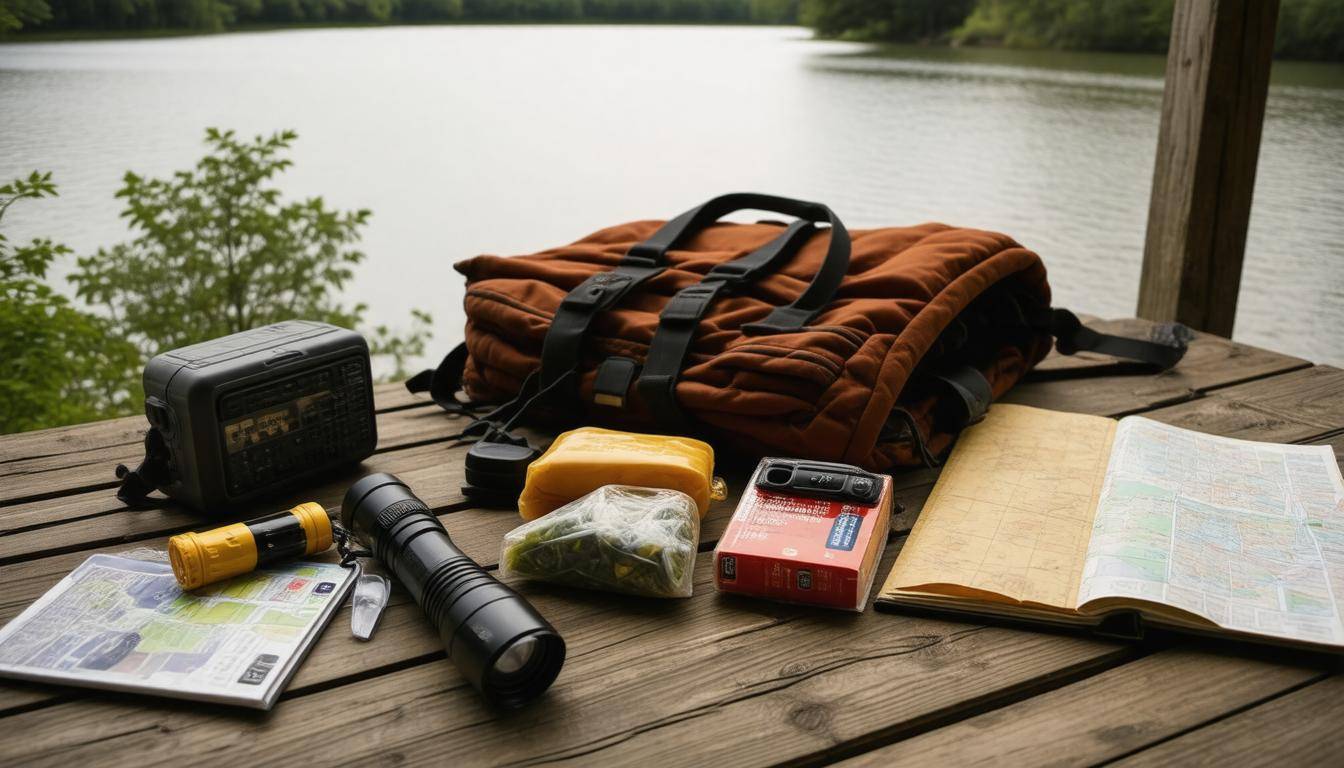
Essential Survival Items
During a severe flood, having the right survival items isn’t just a suggestion; it can literally mean the difference between life and death.
Consider this: when the water begins to rise swiftly, every moment matters. Having at least one gallon of water per person per day for at least three days is crucial. But it doesn’t end there. While it’s easy to grab bottled water from the store, think about incorporating portable water filters or purification tablets into your kit. These additions ensure you have safe drinking water even if your supply runs low or if you find yourself in an unexpected situation where access to clean water becomes compromised.
As you gather your food supplies, remember that variety and dietary needs play essential roles as well.
Stocking up on non-perishable food items is another important step. It’s not just about grabbing the first canned goods you see; choose foods that are energy-dense and easy to prepare, such as granola bars, dried fruits, or canned meals that don’t require cooking. Be mindful of special dietary requirements or allergies, ensuring everyone in your household has what they need. And don’t forget about your pets! They also need food on hand—consider incorporating extra pet supplies into your stash.
Next comes the matter of health and safety; this is where your first aid kit truly shines.
A well-equipped first aid kit is like having a small clinic at your disposal amidst chaos. Ensure yours includes bandages, antiseptics, and prescribed medications individualized for each family member’s needs. Pain relievers should also be a staple here because stress can often lead to headaches or discomfort, making them invaluable in crisis scenarios.
With essentials in place, let’s examine practical tools that will serve multiple purposes beyond just survival.
The tools you pack can drastically affect how well you manage during an emergency. Items like multi-tools, a manual can opener, and sturdy scissors become indispensable when navigating challenges like opening cans or making minor repairs around your home. Additionally, having a durable knife on hand can assist in various tasks, whether it’s cutting rope or preparing food.
Light is another necessity during power outages—this brings us to flashlights.
Having a reliable flashlight is critical for safety during floods; but don’t stop with just one! Include extra batteries or opt for hand-crank options that don’t rely on disposable power sources. Adding glow sticks—which emit light for hours—can give you additional options when visibility takes a turn for the worse.
Finally, let’s focus on an often-overlooked yet essential item: the humble whistle.
A whistle may seem simple, but it’s one of those tools whose effectiveness becomes evident in emergencies. It requires less breath than yelling, allowing you to conserve energy while signaling for help over long distances. In chaotic situations filled with noise, this small tool could make all the difference when you need someone to hear you.
You’re now equipped with the essentials; therefore, it’s time to consider additional supplies that will enhance both safety and preparedness during this challenging time.
Safety and Evacuation Supplies
Evacuating during a flood can be chaotic, but having a well-organized plan with the correct supplies can significantly improve safety and peace of mind. Think about it: you never want to be scrambling around at the last minute trying to find essentials when time is of the essence. Packing a go-bag ahead of any potential flooding event is a smart move. This bag should contain items like a change of clothes, durable shoes, and appropriate wet weather gear to keep you comfortable in uncertain conditions. It’s also vital to include N95 masks, which can filter out contaminated air, as well as rubbish bags to maintain sanitation during your evacuation.
Emergency Contacts and Maps
When disaster strikes, knowing who to contact becomes paramount. Therefore, carry a printed list of emergency contacts incorporating local authorities, nearby shelters, and family members. Having this information physically available ensures you’re not solely relying on your phone or other digital devices that could fail due to battery issues or lack of service.
Moreover, physical maps showing evacuation routes are indispensable; they provide guidance when GPS applications might become unreliable. In regions prone to flooding where quick decisions need to be made, these tangible resources can guide you to safety without the hassle of technology.
Shelter Necessities
Furthermore, ensuring you have shelter necessities is equally important for your well-being during an evacuation. Consider including a thermal blanket for warmth in case temperatures drop unexpectedly—many people underestimate how chilly it can get during storms. A lightweight tent or tarp can offer temporary shelter if needed while sleeping bags provide comfort for resting when safe space is found.
Moreover, inflatable life vests are practical and essential; they take minimal space yet are immensely useful for any immediate evacuations via water transport when conventional roads may be compromised.
Thinking through these elements ahead of time and equipping yourself with the right tools and information greatly enhances your chances of navigating through emergencies safely and effectively.
With these safety supplies ready, let’s explore effective strategies for securing your property against incoming floodwaters.
Protecting Your Home from Flood Waters
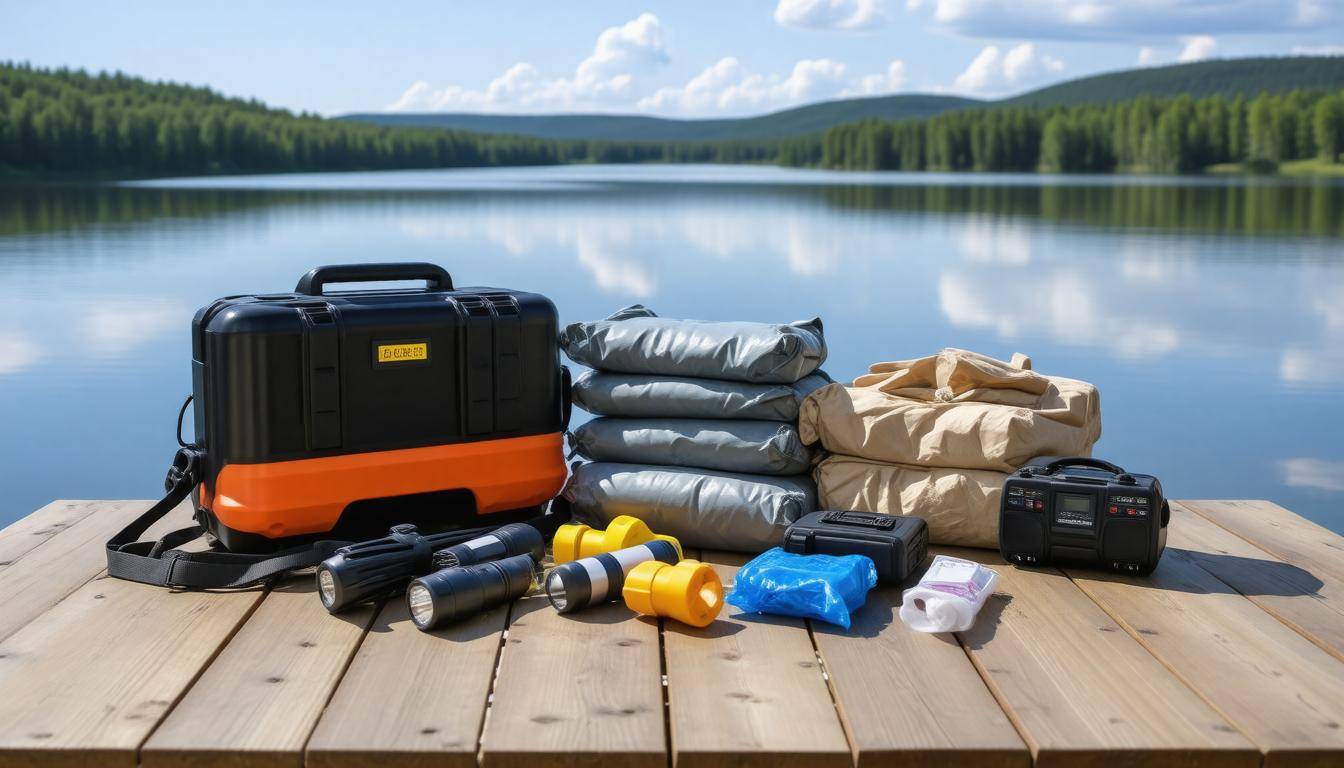
While flood waters can cause extensive damage in a very short time, there are several proactive measures homeowners can take to mitigate the risks. First off, installing sump pumps is one of the best strategies to keep water at bay. These devices efficiently pump out any accumulated water from basements or crawl spaces, particularly during heavy bursts of rain. To enhance their effectiveness, be sure to install them with backup power sources, so they can continue functioning even during power outages triggered by severe weather.
Alongside sump pumps, consider creating barriers to redirect water away from your property. Using sandbags is an age-old method that still proves its worth. By strategically placing sandbags around doorways and window areas, you create a first line of defense against rising water levels. This tactic can significantly protect your home’s foundation. Furthermore, invest in water-resistant sealants for windows and doors to prevent leaks from seeping into your home.
Beyond barriers and pumps, elevating critical electronics and utilities is crucial. Make sure to raise items such as furnaces, electrical panels, and water heaters at least 12 inches above the expected flood level. This precaution protects these important devices from damage and can save you from costly repairs down the road. Anchoring fuel tanks securely and using flood skirts around appliances helps in preventing them from floating away when water inundates your space.
[QUOTE] “An ounce of prevention is worth a pound of cure.” This timeless phrase holds true when it comes to flood preparation.
Developing a robust drainage system is another vital step toward home flood protection. Ensuring proper grading allows water to flow away from the house instead of pooling around the foundation. Additionally, consider installing check valves in sewer lines to prevent backflow if flooding occurs.
Regular maintenance checks on these systems play an essential role in long-term protection. Don’t wait for a storm to evaluate the state of your sump pump or barriers; consistent outdoor inspections will help you catch potential issues before they escalate into serious problems.
With these protective measures outlined, let’s explore how to compile the essential items needed to put these precautions into action effectively.
Gathering Necessary Materials
When gathering materials for your flood kit, the objective is to ensure that you’re not only prepared for immediate emergencies but also equipped for any inconveniences that might arise after the storm has passed. A well-planned flood kit can make the difference between discomfort and safety during those critical moments.
Local Resources
First, don’t overlook the value of local resources. Reach out to your community’s emergency management agency. These agencies often have invaluable insights into available resources in your area, including community programs that provide essential supplies like hand-cranked radios or even blankets. Many municipalities may distribute free water containers or promote local initiatives to support residents during flooding emergencies. What might seem trivial could be a lifeline when time is of the essence.
Equally important is keeping an eye on accessibility to these items. Flood scenarios can shift rapidly, so knowing where to find resources—be it community centers or local aid organizations—can save precious time. Familiarity with your environment can put you ahead in obtaining necessary supplies before they run out.
Purchase Considerations
As you think about acquiring materials, consider visiting hardware stores and outdoor retailers—they often stock a robust selection of flood preparedness supplies. Many people have found success shopping online, where bulk discounts can help lighten the financial load when buying larger quantities of batteries or compact camping stoves useful in emergencies. Retail giants often offer great deals and a wider array of products.
Here’s a tip: when purchasing long-term supplies like non-perishable food items, aim for freshness by checking expiration dates carefully. Keeping an updated inventory means refreshing consumables every six months to ensure they’re up to date rather than allowing them to spoil.
Furthermore, don’t forget to add useful documentation to your kit, such as copies of insurance policies and personal identification—all securely stored in waterproof containers. This small action can help protect you from additional stress should you need these documents quickly after a flood event.
Having meticulously gathered all necessary supplies ensures readiness and resilience as we prepare for the unpredictable forces of nature that lie ahead.
Future Storm Preparations
The importance of staying prepared cannot be overstated, especially in regions prone to flooding. Being proactive can mean the difference between a minor inconvenience and a major disaster. One of the first steps I recommend is using technology to your advantage. Having the National Weather Service app on your phone will grant you immediate updates on severe weather alerts, allowing you to act quickly when necessary. These live updates can keep you one step ahead of impending storms, giving you ample time to make critical decisions.
Home Modifications
In addition to keeping an eye on weather updates, consider implementing some home modifications to better safeguard your dwelling against floods. For instance, elevating utility systems like your electric panel and heating units above potential flood levels is a smart move. Additionally, installing check valves in your plumbing can prevent floodwater from backing up into your home.
Imagine coming home after a storm only to find water flooding from your sink or toilet—this simple modification could save you from that headache and the costly repairs that come along with it.
Remember, prevention is key. Small actions taken today can significantly reduce risks tomorrow.
Community Engagement
Let’s not overlook the power of community engagement in flood preparedness. Participating in local flood preparedness workshops not only benefits you but strengthens community ties as well. Knowledge is best shared, and by learning together, we build resilience against future storms. These workshops often address practical concerns, share essential skills, and provide resources that can make all the difference in times of crisis. Furthermore, when neighbors come together regularly, they not only gain knowledge but also form support networks that can be invaluable during emergencies.
Equally important is preserving vital documents and records. Store important insurance policies, property deeds, and medical records in waterproof containers or digital formats. In times of disaster, having immediate access to these documents can expedite recovery efforts, easing the stress of an already overwhelming situation.
With consistent preparation at both personal and community levels, it’s essential to focus on protecting those crucial documents that hold significant value during emergencies.
Preserving Important Documents
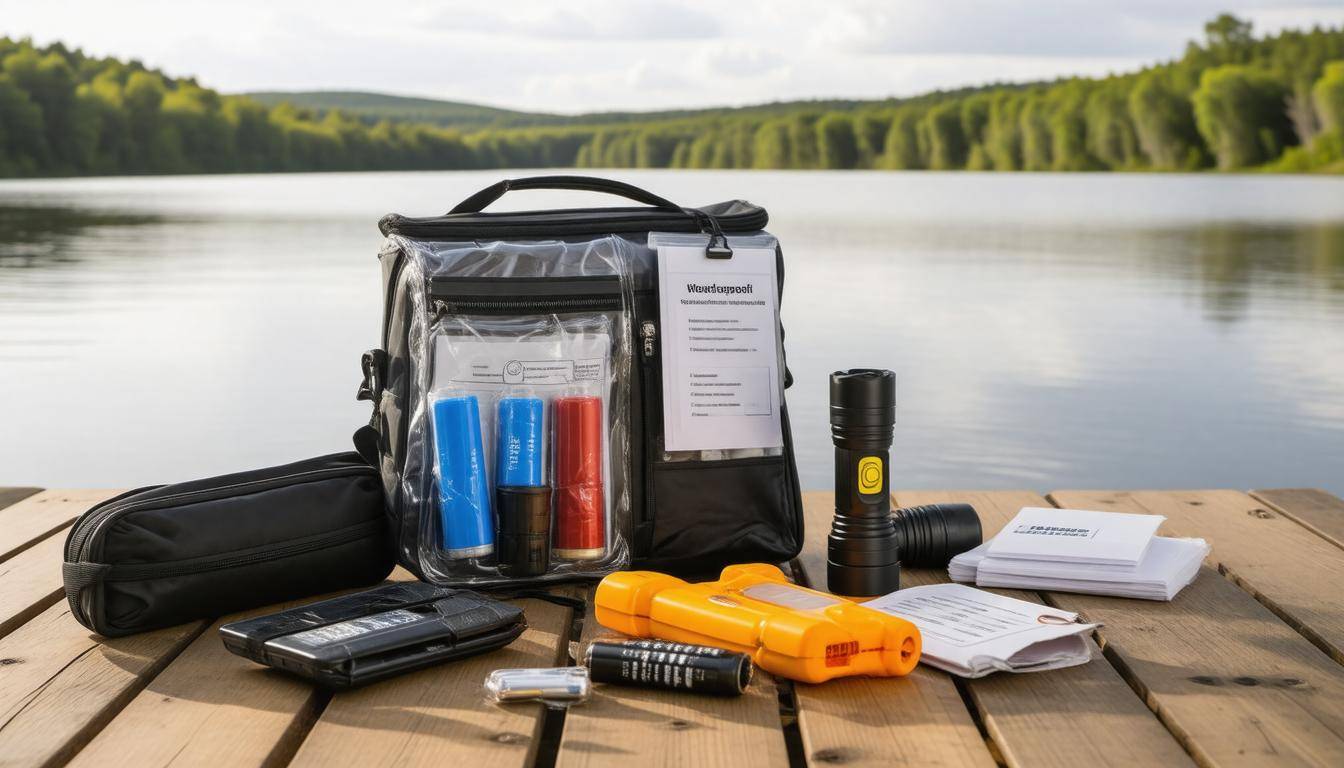
Losing critical documents can lead to significant complications, especially during a disaster like flooding. Imagine the chaos of scrambling for vital information—insurance policies, medical records, or even birth certificates—only to realize they’re damaged or lost in the floodwaters. This is why it’s essential to take proactive steps to safeguard these documents.
One effective approach is to store physical copies of your insurance policies, medical records, and other key documents in a waterproof container. Look for durable plastic bins that can withstand submersion. It’s worth taking the time to gather all necessary paperwork and ensure this container is easily accessible, perhaps in a designated emergency spot within your home. If you ever find yourself in a situation where evacuating is necessary, this simple step could save you from hours of stress later on.
In addition to physical backups, consider the advantage of keeping digital copies safe and sound.
Digital Backups
Utilizing cloud storage or external drives is an excellent strategy for securing digital copies of your important documents. With various services available today—like Google Drive or Dropbox—it’s easy to upload scanned versions of your documents so that they are stored off-site and protected from physical damage. Don’t forget, though: simply uploading files isn’t enough.
Encrypting these digital files adds an extra layer of security against unauthorized access. There are many user-friendly software options available that can encrypt your sensitive data without requiring extensive technical knowledge. This ensures that not only are your documents secure from physical threats like flooding but also from potential cyber threats when stored online.
Remember, it’s also crucial to review these documents regularly; any personal circumstances, such as changes in health or family situation, might necessitate updates to what you have saved.
After you’ve taken stock of your vital documents—both physical and digital—you’ll feel more prepared and secure knowing you have backup plans in place should calamity strike. Protecting these pieces of information now can save you from considerable hardship later.
As we look ahead, understanding how to effectively communicate during urgent situations becomes paramount in ensuring safety and preparedness for yourself and those around you.
Communicating During Emergencies
Having reliable communication tools during emergencies can make all the difference. Not only does it allow you to keep in touch with family or friends, but it also ensures you are promptly informed about changing weather conditions or rescue efforts. As we navigate potential floods, it’s essential to have multiple methods of connecting with others, which provides more flexibility should one method fail.
Wireless Devices
Start by making sure that all family members have access to a fully charged cell phone. However, relying solely on conventional chargers may not be sufficient during an emergency when power outages can occur. That’s where solar chargers come into play—they provide a sustainable way to keep your devices powered without depending on traditional electrical sources. Keep these chargers readily available; they might be a lifeline in times of crisis.
In addition, consider investing in short-wave radios. These invaluable tools can function even when cell towers are down, allowing you to tune into emergency broadcasts that may carry critical information for your area. It’s good practice to familiarize yourself with these devices well ahead of any event so that you can operate them efficiently when the need arises.
The importance of these communication strategies cannot be overstated. According to FEMA, seven in ten residents feel unprepared when it comes to communication during emergencies. This statistic highlights how many people might find themselves isolated and uninformed just when they need connections most. By diversifying your communication methods now, you can effectively mitigate that feeling of preparedness and maintain stability.
Now that we understand the significance of effective communication during emergencies, let’s turn our attention to maintaining readiness by ensuring that your crucial supplies are always up-to-date and effective when needed most.
Regularly Updating Your Flood Kit
A flood kit is truly your lifeline during a crisis, but it only works if its contents are up to date and relevant to your current needs. Just like any other preparation in life, staying on top of your supplies can mean the difference between being prepared or facing panic when an emergency hits. Set a reminder to review your kit every six months; mark it on your calendar, even set an alarm on your phone!
During this bi-annual assessment, check the expiration dates on critical items like food, medications, and batteries. Fresh supplies will ensure you have access to effective resources when you need them most.
Moreover, as you check these items, bring in some basic culinary wisdom: rotate your non-perishable food items. This means replacing the old with newer ones, so every time you open that kit in an emergency, you’re greeted with fresh supplies that won’t compromise your safety or health.
Tailor to Seasonal Changes
As seasons shift, so do the considerations for maintaining a practical flood kit. In winter months, warmth becomes paramount; it’s essential to add warm clothing, thermal blankets, or even hand warmers. Something as simple as a wool blanket can make a world of difference in increasing comfort and safety if you find yourself without power.
During the summer, heat can be just as threatening as cold. During those warmer months, reconsider your supplies—adding cooling items such as portable fans and extra water is essential to avoid heat-related illnesses amidst other emergencies.
“Preparedness isn’t just about materials; it’s about adapting those materials to suit the environment you’re in.”
By tailoring your flood kit according to seasonal changes, you essentially enhance its effectiveness and usability while smoothing out potential pitfalls that might arise during various weather conditions. Being vigilant about these updates not only fosters a sense of control but also reinforces your confidence in handling whatever nature throws your way.
In conclusion, staying proactive with your flood kit ensures not just survival but also peace of mind in uncertain circumstances. The right supplies, regularly updated and tailored to seasonal needs, can transform anxiety into readiness.