
Hurricane season can be a tough time for anyone living in Jamaica, filled with anxious moments as we prepare for the worst. Knowing how to keep yourself and your loved ones safe is essential, and that starts with being prepared. Whether you’re a seasoned pro at hurricane preparation or new to facing these storms, having a solid plan in place will ensure you are ready when the winds begin to howl. This guide provides straightforward safety tips and an easy checklist to help you make sure you have everything covered, so you can focus on what matters most: staying safe and supporting each other through whatever comes our way.
Your hurricane preparation guide for Jamaica should include assembling a ‘Ready Kit’ with essential supplies, creating a family communication plan, understanding hurricane alert terms, securing your property, and ensuring you have a vehicle ready for evacuation. Additionally, consider the importance of monitoring local weather updates and following instructions from authorities during a hurricane event.
Preparing Your Home for the Storm
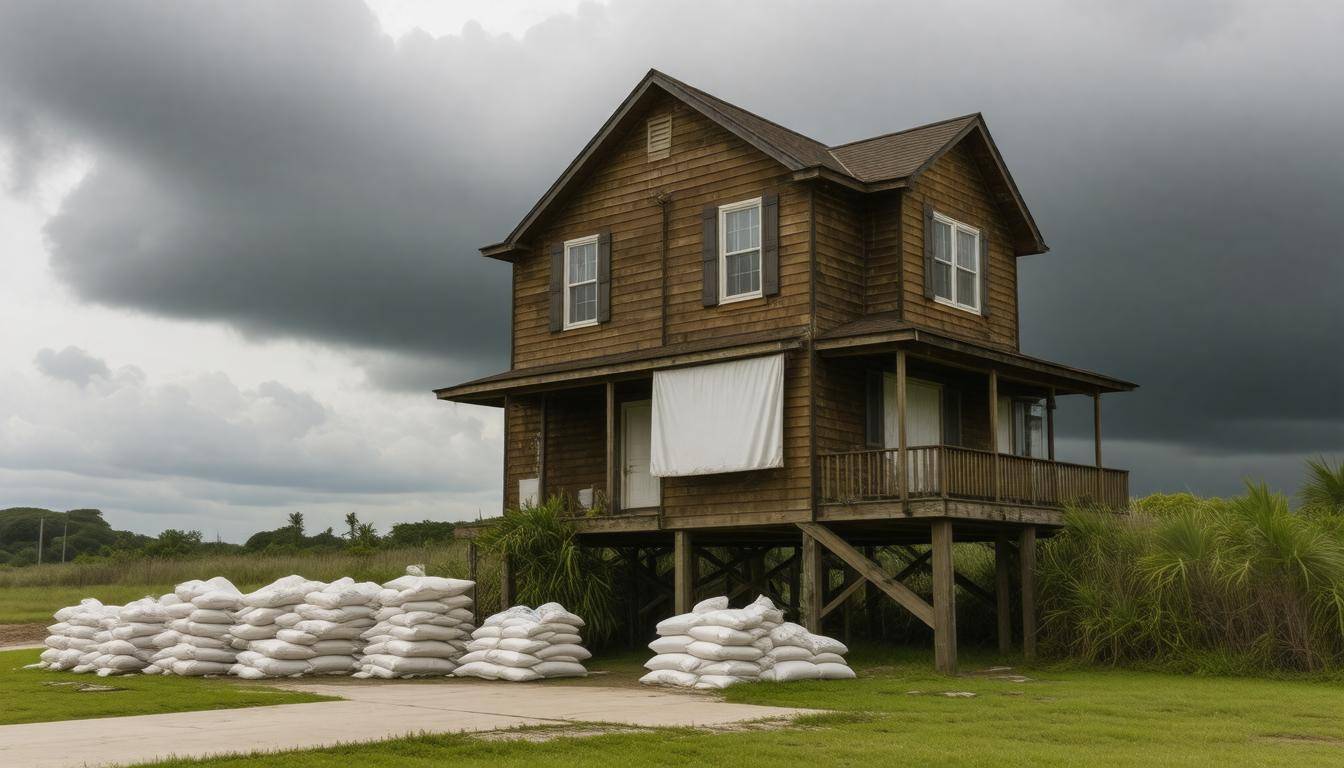
To protect your home effectively against the harsh conditions of a hurricane, securing your living space is critical. A strategic approach starts with reinforcing windows and doors to ensure they can withstand strong winds. Installing storm shutters shouldn’t just be an afterthought; materials such as aluminum or heavy plywood are recommended due to their durability and wind resistance. Homes equipped with aluminum shutters often face minimal damage during hurricanes, particularly in coastal regions like Montego Bay.
Fortifying Windows and Doors
When it comes to storm shutters, it’s essential to choose the right material. Plywood offers a cost-effective solution, but aluminum provides better longevity and ease of installation. Regardless of your choice, these shutters must be properly fitted and securely attached at least 24 hours before a storm hits. For those living in high-risk areas, having an emergency plan for last-minute installations is vital; local hardware stores tend to become crowded.
Once you’ve fortified your windows and doors, addressing the roof structure becomes next on the list.
Roof and Structure Inspections
Before hurricane season strikes, inspect your roof diligently for loose shingles or worn-down tiles. Surprisingly, many homeowners overlook this vital area until it’s too late. A little maintenance goes a long way when it comes to securing your roof; ensuring every shingle is fastened tightly is key. For homes with gable roofs—especially common in Jamaica—consider adding braces along the length of the wall for extra strength. This simple reinforcement can prevent structural shifts during storms.
After ensuring that your house is well-fortified structurally, let’s not forget about the outdoor spaces surrounding your property.
Clearing Outdoor Spaces
Clearing away outdoor furniture, decorations, and garbage cans should be prioritized when preparing for an impending storm. These seemingly innocent items can transform into dangerous projectiles during high winds. Troubling statistics indicate that over 60% of injuries reported during hurricanes stem from unsecured outdoor items being swept up by storm winds.
As you prepare your home, give yourself ample time to complete each step thoroughly. It’s much better to take care of these essentials now rather than scrambling at the last minute when anxiety levels rise.
With your home secured, the next focus will be on gathering essential items that may be needed in the event of an emergency.
Securing Essential Items
Securing essential items is a crucial step in preparing for a hurricane, as it provides peace of mind and helps you remain organized in the face of chaos. Start by backing up all critical documents, ensuring you have everything stored in a waterproof container to protect against potential flooding. It’s wise to use a durable, waterproof bag or box that can be easily identified in an emergency situation.
Beyond just keeping your documents dry, make sure to store personal identification, insurance policies, and medical records in a designated safe place. These are vital for immediate needs and play a significant role in post-hurricane recovery processes. Having them readily accessible can lead to smoother interactions with authorities and service providers after the storm.
Backing Up Essential Data
In addition to physical copies, it’s important to back up essential data digitally. Utilizing cloud services such as Google Drive or iCloud ensures that your important digital files are safe from potential damage. Consider creating folders specifically for each family member’s documentation, including birth certificates, tax records, and photographs.
On top of that, don’t forget the irreplaceable family photos and important documents—submit scanned or photographed copies of these files to your cloud account so they’re protected even if the physical copies are lost.
Create comprehensive lists of what’s in your waterproof container as well as what files you’ve backed up online; this can aid tremendously should you need specific information quickly during or after the hurricane.
This preparation aligns perfectly with ensuring you have the right supplies on hand for any eventuality during the storm’s impact.
Essential Supplies Checklist
Having a comprehensive checklist ensures that nothing is overlooked when disaster strikes. Think of it as your roadmap to safety during a hurricane, guiding you through what you’ll need in uncertain times.
Basic Necessities
-
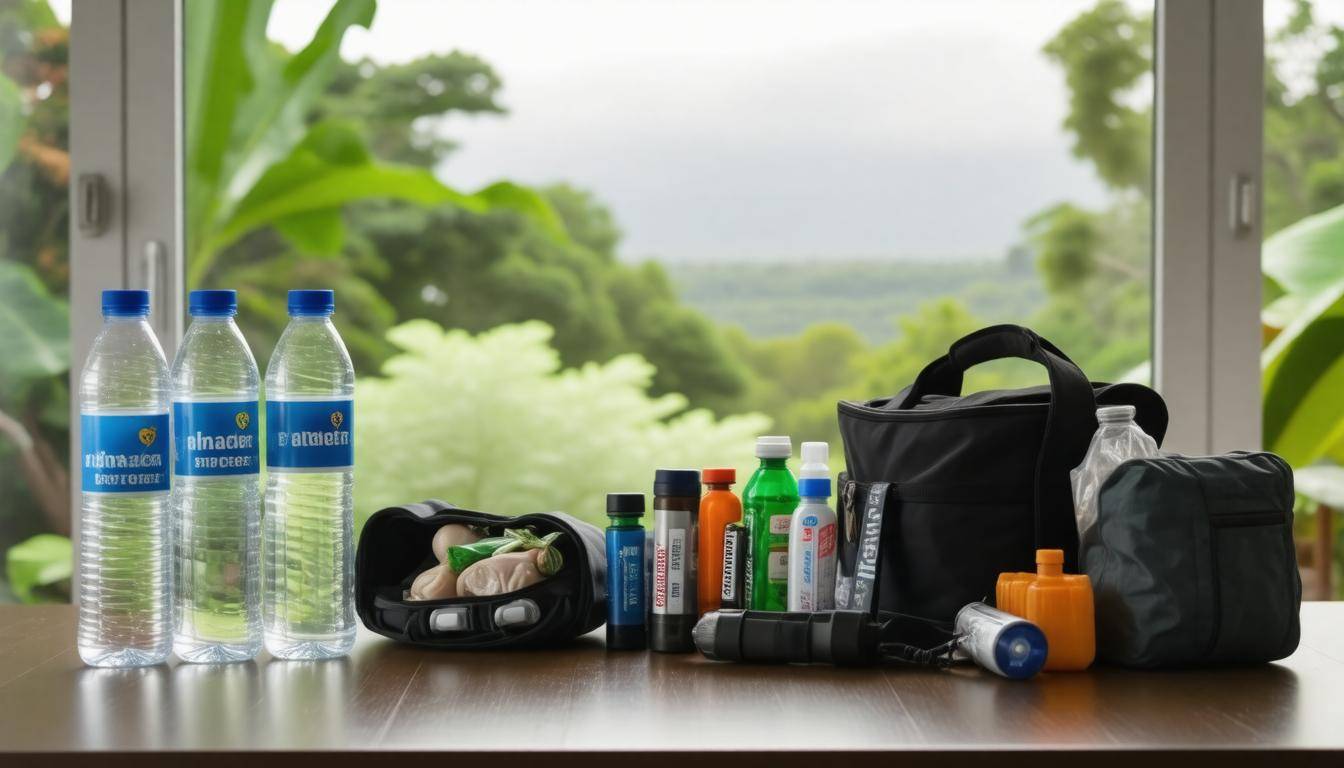
Water: At least one gallon per person per day for three days. It’s amazing how quickly thirst can sneak up on us, so having enough water is paramount.
-
Food: Focus on non-perishable items that can last at least three days. Think canned goods, granola bars, and dried fruits—anything that can keep hunger at bay when fresh supplies are unavailable.
-
Flashlight and Extra Batteries: Power outages are common during storms, so a reliable source of light is essential.
-
First Aid Kit: Have a kit ready with bandages, antiseptic wipes, pain relievers, and any prescribed medications. The last thing you want during an emergency is to be scrambling for basic medical assistance.
-
Whistle: A whistle can be your best friend if you find yourself in trouble; it’s an excellent way to signal for help without using too much energy.
These items form the critical foundation of any emergency kit. They provide the essential means to sustain yourself and manage unexpected injuries during crises. Prepare them now; don’t wait until the storm is at your doorstep.
Special Needs
In addition to basic necessities, consider any special needs among your family members—infants, elderly individuals, or pets will require extra attention during preparation.
For instance, a baby may need specific supplies like formula and diapers while pets will require their food and medicine as well. Being proactive about these unique needs not only shows foresight but also reduces stress when facing potential emergencies.
Storing emergency food and water is just as crucial, especially if the storm disrupts supply chains, creating challenges in procuring fresh supplies after the storm has passed. This preparation allows you to navigate the aftermath with confidence and assurance.
Emergency Food and Water Storage
Food and water are paramount in sustaining life in the aftermath of a storm. When a hurricane strikes, it can disrupt supply chains and make it difficult or even impossible to access fresh resources for days or even weeks. This is why proper planning and stocking up on emergency supplies is vital. Every household needs to ensure that each member has access to adequate hydration and nutritious food to weather the storm and recover effectively.
Water Storage
A good rule of thumb is to store at least one gallon of water per person per day for a minimum of three days. This recommendation comes from the World Health Organization, emphasizing that adequate water storage is crucial not only for drinking but also for basic hygiene needs. Imagine a scenario where you and your family are confined at home for several days; having enough clean water would give you peace of mind amidst the chaos.
One way to store water effectively is by using food-grade plastic containers that can seal tightly. Avoid reusing containers that previously held items like soda or juice, as they might not be safe for long-term water storage. Consider labeling each container with the date filled, making it easier to rotate your supplies every six months to ensure freshness.
An easy hack is to refill empty one-gallon milk jugs with tap water, then freeze them. Not only does this provide cold water when needed later, but it also keeps other food items colder if the power goes out.
Non-perishable Foods
Next, let’s discuss non-perishable foods. Stocking up on items that require no refrigeration or cooking is essential for storm preparedness. Focus on canned vegetables, fruits, meats, and ready-to-eat meals like soups and peanut butter. These items tend to have a long shelf life and are relatively easy to prepare when you lack power or cooking options.
Residents in Port Antonio found that canned beans and tuna were lifesavers during Hurricane Ivan. When faced with limited resources, these items provided both sustenance and essential proteins without the need for complicated cooking methods.
Another smart choice includes high-energy foods such as granola bars, dried fruits, nuts, and trail mix; they are nutrient-dense while being lightweight and easy to store. Remember that taste matters too! Stock up on foods you enjoy—nobody wants a survival kit full of bland meals when you’re trying to feel comfortable during stressful times.
And don’t forget a manual can opener—it’s an essential tool for accessing your supplies! Packaged kits often come with one but double-check your inventory before things get hectic.
Taking these proactive measures will equip you better for any challenges ahead. As we transition into discussing family organization during emergencies, consider how preparing together can strengthen your resilience when facing unexpected events.
Creating a Family Plan
Having a family plan ensures that everyone knows what to do during a storm. It’s crucial that each member understands their role and knows how to communicate effectively with one another. When the winds start howling and emergency alerts blare, clear guidelines can make all the difference. Establishing key components like communication strategies and meeting points prepares your family for potential emergencies.
Communication Strategy
One essential aspect of your family plan should be a robust communication strategy. It’s important to outline how family members will contact each other if separated. During a natural disaster, cellular networks can become congested, making phone calls difficult or impossible. Rather than relying on voice calls, consider utilizing SMS texts, which often go through even in high-traffic situations. This method not only conserves battery life but also increases the chances of important messages being delivered.
It may help to have designated roles within the family for managing communications. For instance, one person could keep up with local news via radio or internet, while another might check in with relatives to let them know everyone is safe.
Meeting Points
Identifying safe locations for family members to regroup is pivotal. Have clear meeting points both inside the home—like an interior room—and outside—such as a neighbor’s sturdy garage or community center. This way, if the storm forces you to evacuate or if someone is caught outside when severe weather strikes, there’s always a planned destination.
The Jackson family from Kingston successfully reunited during Hurricane Matthew thanks to a pre-designated meeting point.
It’s wise to practice these scenarios ahead of time during calmer moments, reiterating where everyone should go and how they’ll look out for one another. Regular drills can help cement these routines into memory so no one hesitates when faced with real decisions under pressure.
Besides personal plans, leveraging community resources can provide broader support during emergencies and enhance your family’s ability to respond effectively to hurricanes.
Community Resources and Shelters
The strength of a community often shines brightest in times of crisis, like during a hurricane. Knowing where to go for safety can be a lifesaver. Start by identifying your nearest official hurricane shelters. These have been specially designated to offer refuge during storms. In Jamaica, the Ministry of Local Government and Community Development maintains an updated list of these shelters on their website. Familiarity with this information before a storm is crucial.
Having multiple shelter options can alleviate confusion and stress when you’re faced with an evacuation order.
Alongside physical shelters, tapping into community networks is equally important. Social media has made it incredibly easy for people to connect and share real-time updates during emergencies. Consider joining local groups like “Jamaica Disaster Preparedness” on Facebook; these platforms provide essential information, vital resources, and support from fellow residents who understand the local landscape and challenges. This fosters a sense of community that becomes invaluable in times of hardship.
Engaging with your neighbors can make all the difference in your preparedness efforts.
Participating in these discussions can lead to learning about additional resources, such as local volunteer groups offering help or services during the storm. These connections often mobilize quickly during emergencies to support those affected by natural disasters, organizing food drives or first aid training that benefit everyone.
Local Shelters
Besides understanding how social networks can assist you, knowing how to reach physical shelters is crucial. With hurricanes being unpredictable, time may be of the essence when seeking refuge.
To ensure a smooth transition when evacuating, remember that each designated shelter has different capacities and amenities. Regularly checking the Ministry’s website helps you locate the nearest option and provides insights into necessary supplies like blankets or personal hygiene items.
Additionally, understanding what local shelters offer can make preparing for an evacuation more manageable.
Each shelter typically has provisions for basic needs like water and food; however, you might need to bring specialized items such as medications or baby supplies for comfort while away from home. Be mindful of guidelines regarding pets; some shelters accept them while others do not.
Community Networks
As previously mentioned, engaging family and friends through social media can prove beneficial in staying informed during hurricanes. These digital connections enhance community resilience because they allow team-driven approaches toward problem-solving.
For example, when updates about road conditions or available assistance programs arise, shared access ensures no one falls behind in planning. Moreover, these platforms make it easy for those with spare resources — whether food or shelter space — to offer help when it’s most needed.
Overall awareness of local resources and active participation in community networks strengthens not just your preparedness but also enhances the entire community’s capability to respond effectively during emergencies.
Staying Safe During the Hurricane
One of the best ways to ensure your safety during a hurricane is to stay indoors. However, not just any room will do. While it might seem comforting to stay in a familiar setting, seeking refuge in a reinforced room like a bathroom or an interior hallway can provide better protection against strong winds and debris. Remember, windows can easily shatter under severe conditions, so keeping away from them is essential.
Equip yourself with reliable communication tools, such as battery-powered or hand-cranked radios. It’s surprising how many people underestimate these devices until they need them most. Weather updates can be critical during a hurricane, and NOAA radios are particularly recommended for their dependency and accuracy. They provide continuous forecasts and emergency announcements that can guide you on what to do next.
Always have extra batteries on hand, as you don’t want to deal without power when you need it most.
Moreover, it’s wise to prepare an area in your home to serve as your safe haven during the storm. Lay out mattresses or blankets in case you need additional padding, especially if high winds cause hazardous projections outside. Also, securing important documents in waterproof containers ensures that you have everything in case you need to evacuate quickly after the storm passes.
If possible, gather your family members into this designated safe space. Keeping everyone together not only maintains morale but also enables better communication during such a tense time.
Finally, make mental notes on how to adequately address potential hazards indoors: heavy furniture should be secured or moved away from windows, and personal items that could become projectiles must be stored safely. Awareness of internal dangers is often overlooked amidst the chaos of storm preparation.
In these challenging moments, remaining vigilant and informed while communicating effectively can significantly enhance safety as the forces of nature loom nearby.
Post-Storm Safety and Recovery
The storm’s end is just the starting line of a new challenge—recovery. It’s crucial to tackle this phase methodically, ensuring both your physical safety and the well-being of your home. Immediately after the storm passes, your first action should be to steer clear of floodwaters. These waters can easily carry contaminants that pose health risks, from sharp debris to harmful bacteria. Additionally, don’t forget about those downed power lines; they may still pose a serious electrical risk even when they appear harmless. Reporting these hazards promptly to your local authorities can help prevent accidents in your community.
Immediate Actions
Once you’ve ensured that you’re safe from immediate dangers, take a moment to assess your surroundings with caution. Before re-entering your home, it’s essential to conduct a thorough assessment for structural damage. Look out for cracks in walls, sagging roofs, or any signs that the stability of your home could be compromised. If you see anything concerning, it may be wise to have professionals evaluate it rather than risking injury.
Remember to document any damage by taking photos, which can serve as crucial evidence for insurance claims later on. This record can make the process smoother and speedier when it’s time to restore your home.
| Item | Action |
|---|---|
| Floodwater | Avoid, seek higher ground |
| Downed Power Lines | Stay away and report |
| Structural Damage | Inspect before re-entering home |
| Document Damage | Photographic evidence for claims |
Emotional Recovery
While physical safety is paramount, we mustn’t overlook emotional well-being. After experiencing the stress of a hurricane, many individuals find themselves feeling overwhelmed or anxious. Accessing counseling services through local health departments can provide much-needed support. Many Jamaicans have found comfort and guidance through mental health professionals after storms, helping them navigate their feelings and foster resilience in tough times.
Being fully prepared from start to finish makes all the difference in resilience against hurricanes. Regular evaluations and family discussions about emergency plans ensure preparedness while cultivating familiarity with responding effectively during crisis situations. As the old adage goes, “an ounce of prevention is worth a pound of cure,” and never has this been truer than in discussing post-storm recovery practices.
It’s essential to approach both safety and emotional recovery with care after facing such challenges. Your journey might be difficult, but with proper planning and support, recovery is entirely possible.
What resources are available in Jamaica for support and information during a hurricane?
In Jamaica, residents can rely on resources such as the Office of Disaster Preparedness and Emergency Management (ODPEM), which provides critical information and support during hurricanes. The government also utilizes a comprehensive network of community disaster relief centers and employs local radio stations for timely updates. According to ODPEM, over 90% of Jamaicans have access to emergency alerts via mobile devices, ensuring that essential safety information is widely disseminated before and during a hurricane event.
How can residents determine whether they need to evacuate before a hurricane?
Residents should monitor local weather forecasts and follow official advisories from authorities such as the National Hurricane Center. If a hurricane is projected to make landfall near their location, especially if it falls within a Category 3 or higher storm (sustained winds of 111 mph or more), evacuation may be necessary. Statistics show that over 40% of hurricane-related fatalities are due to individuals remaining in high-risk areas, underscoring the importance of heeding evacuation orders for safety.
What essential items should be included in an emergency kit for hurricane preparedness?
An emergency kit for hurricane preparedness should include essentials such as non-perishable food, water (at least one gallon per person per day), a first aid kit, flashlights with extra batteries, a multi-tool or knife, personal hygiene items, important documents in waterproof bags, and a battery-powered or hand-crank radio for weather updates. The National Hurricane Center recommends preparing for at least 72 hours without assistance, which highlights the importance of having adequate supplies ready to ensure safety and survival during severe weather events.
Are there specific communication strategies recommended for families during a hurricane situation?
Yes, effective communication strategies during a hurricane are crucial for family safety. Families should establish a pre-determined plan that includes a designated meeting place and alternative ways to communicate, such as text messages or social media, particularly since phone lines may be down. According to the National Oceanic and Atmospheric Administration (NOAA), 40% of families do not have an emergency communication plan in place, which can lead to confusion during disasters. By having clear communication strategies, families can enhance their coordination and ensure that all members are accounted for and informed about safety measures.
What steps can homeowners take to fortify their properties against hurricane damage?
Homeowners can fortify their properties against hurricane damage by installing storm shutters, reinforcing garage doors, and securing roof connections to withstand high winds. Additionally, using impact-resistant windows can reduce glass breakage significantly—statistics show that homes with such features are 25% less likely to sustain severe damage during hurricanes. Furthermore, ensuring proper drainage and removing weak branches around the property can mitigate flooding risks and wind damage, enhancing overall safety during storm events.