
When a cyclone threatens to hit Mackay, being prepared is not just a smart move; it could be the difference between safety and chaos. With history showing us just how unpredictable weather can be, having a solid plan in place becomes essential for every household. Whether you’re new to storm preparedness or have experienced cyclones before, this checklist will walk you through the necessary steps to safeguard your home and family. From securing your outdoor spaces to stocking up on vital supplies, understanding what needs to be done in advance allows you to face the storm with confidence—because when the winds start to howl, you want to be ready, not scrambling.
The Mackay, Queensland Cyclone Defense Checklist should include securing outdoor furniture, stocking up on emergency supplies such as water and non-perishable food, reinforcing windows and doors, creating an emergency plan with family members, and ensuring that your emergency kit includes flashlights, batteries, a first aid kit, and important documents. It is crucial to stay informed through local weather updates and to have an evacuation plan ready if necessary.
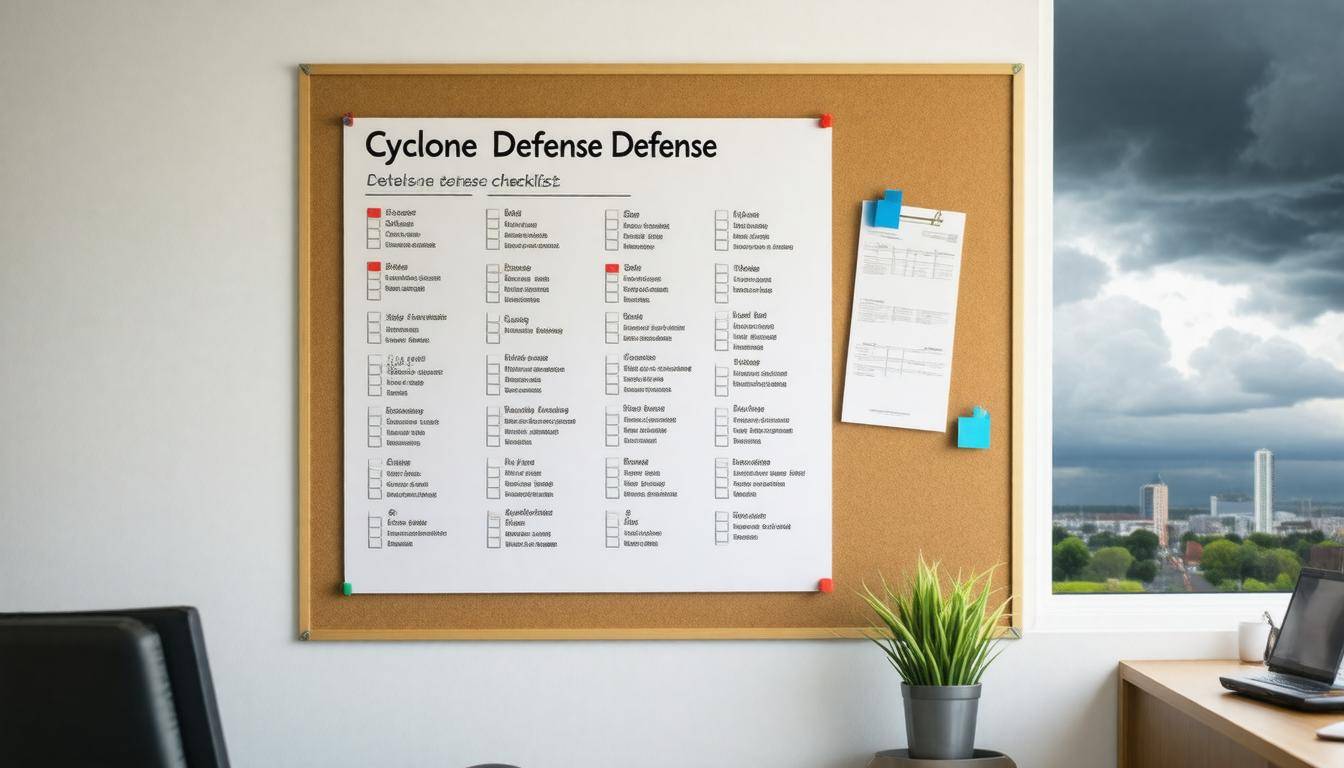
Pre-Cyclone Preparations
The first step in your cyclone preparation is keeping an eye on the weather. Regularly monitoring updates can make a significant difference when a cyclone approaches. Make it a habit to check local weather forecasts via the Bureau of Meteorology website or trusted weather apps on your phone. Mackay residents benefit from local radio stations like Sea FM, which provide timely and real-time weather updates that might not reach you online.
By establishing a routine of checking these sources daily, you’ll be well-informed about any potential threats. Being aware of cyclone warnings allows you to act quickly and with confidence. If you receive alerts about increasing wind speeds or changing storm paths, don’t hesitate—begin your preparations immediately.
Once you’re informed about the potential threat, securing supplies comes next.
Stocking up on non-perishable supplies is essential because when a cyclone hits, access to fresh food and water may become limited for days. It’s recommended to secure enough provisions to last at least three days. This should include a variety of canned foods like beans and soups, dried fruits for quick snacks, and plenty of bottled water—one to two liters per person per day is a good rule of thumb.
Essential items include:
- Canned goods such as vegetables, fruits, meats, and soups.
- High-energy snacks like nuts and granola bars.
- A first-aid kit stocked with necessary medications and medical supplies.
- Personal medications or prescriptions that are vital for daily health maintenance.
Having these supplies ready sets you up nicely but don’t overlook another critical aspect: safeguarding your important documents.
Keeping important documents safe requires some planning but provides great peace of mind during tumultuous times. Gather essential papers like birth certificates, insurance documents, and property records, then place them in waterproof bags to protect against potential flooding.
A helpful addition would be creating a backup on a USB drive—a practical precaution in case physical copies are lost or damaged. Ensure this backup is stored with your other prepared items so that it’s not left behind in the chaos during evacuation.
Incorporating these systematic preparations into your plan will significantly enhance your safety during inclement weather. With each step taken, you’re better equipped for the uncertainty ahead, allowing you to focus on building the next vital aspect of readiness.
Creating an Emergency Plan
An emergency plan is your family’s roadmap during a cyclone, ensuring that everyone knows what to do and where to go. Without a clear plan, panic can easily set in, making the situation even more challenging. The key here is to communicate openly about potential roles and responsibilities before a cyclone strikes.
When establishing roles, it’s helpful for each family member to understand their specific tasks well in advance. For example, assign someone to care for the pets, another person to gather essential items like water, food, and medications, and ensure there’s a designated leader who coordinates efforts. This structure minimizes confusion and empowers each person to contribute meaningfully.
In addition to assigning roles, you should establish designated meeting points. It’s important to choose locations both inside your home and outside—perhaps at a neighbor’s house or a nearby community facility. As storms can disrupt normal routines, having multiple options ensures everyone knows where they can find safety if separated.
Ensuring communication is streamlined during emergencies is vital; that’s where your list of emergency contacts comes into play. Compile this carefully, including local emergency services like SES QLD, as well as important numbers for friends or family who live farther away. Always keep this list in a visible area so it’s easy to access when needed.
Another often overlooked part of any emergency plan is documenting health information and specific medical needs. Maintaining an updated record of allergies, prescriptions, and contact information for healthcare providers ensures that vital health needs are addressed promptly during any crisis. Consider keeping copies of these records in both physical and digital formats for easier access.
Regularly reviewing the emergency plan with every family member ensures that everyone understands their responsibilities and feels comfortable with the course of action. This ongoing preparation fosters a sense of readiness as you move forward to outline essentials for your survival kit when the storm approaches.
Preparing Cyclone Kits
Preparing cyclone kits means having essential items ready for quick access, allowing you to act swiftly before a cyclone strikes. It’s often said that being ready is half the battle won, and when it comes to severe weather, this couldn’t be more true. A well-stocked cyclone kit not only gives you peace of mind but also ensures that you and your loved ones have what you need during an emergency.
The key items to include in your cyclone kit are as follows:
-
Water: Aim for at least 10 liters of water per person. Staying hydrated is vital, not just for drinking but also for hygiene purposes during extended outages.
-
Non-perishable Food: Stock up on ready-to-eat canned meats, fruits, and vegetables. Energy bars or dry snacks like nuts can also be great additions since they are lightweight and provide a good energy boost.
-
First Aid Kit: A fully stocked first aid kit is invaluable. Include bandages, antiseptics, and any prescription medications you may need. It’s always better to be overprepared when health issues can arise unexpectedly.
-
Tools: A multi-tool can be beneficial for various tasks. Don’t forget a flashlight with extra batteries—power outages are common during cyclones—along with waterproof matches for starting fires if needed.
-
Sanitation: Maintaining hygiene is crucial in emergencies. Pack sanitary wipes, personal hygiene products, and garbage bags to manage waste effectively.
-
Communication: A battery-operated radio will keep you informed about weather updates and news alerts, while copies of personal documents ensure that important information is readily available.
Here’s how the checklist looks visually:
| Item | Quantity | Notes |
|---|---|---|
| Water | 10 liters pp | Essential for drinking and hygiene |
| Non-perishable food | Sufficient | Canned goods, energy bars |
| First aid kit | Full set | Medications, bandages, antiseptics |
| Tools | 1 set | Multi-tool, flashlight, matches |
| Sanitation | Sufficient | Hygiene products, wipes, bags |
| Communication | 1 set | Battery-operated radio |
Once you’ve assembled your cyclone kit with these essentials, the next step focuses on enhancing your home’s resilience against potential storm damage.
Securing Your Home

Securing your home against cyclone damage is not just about lowering the risk of structural damage; it’s about significantly enhancing your safety during severe weather events. Storms can come at any time, and a little preparation can make a world of difference when the winds start howling.
Step I – Reinforce Windows and Doors
One of the first things to tackle is your windows and doors. These vulnerable points are often the weakest links in a home during cyclones. Installing cyclone shutters is an effective way to safeguard your windows; they act as a barrier against flying debris and powerful winds. If you can’t install shutters, boarding up the windows with sturdy plywood will also provide essential protection. Make sure to use high-quality screws or nails to secure the boards, ensuring they don’t fly off in high winds.
In addition to securing windows, pay careful attention to your doors. Reinforcing them with stronger locks can help resist forced entry from wind pressure, while adding cross braces provides extra support against potential impacts from storm debris. A sturdy door keeps not only the elements out but also helps maintain peace of mind for you and your loved ones during a stressful storm.
Step II – Secure Outdoor Items
After reinforcing the openings of your home, it’s crucial to take a look outside. Many homeowners underestimate how outdoor items can become life-threatening projectiles during cyclones. Furniture, toys, grills, and decorations can easily be swept up by gale-force winds and turn into hazardous missiles.
Always bring inside items that can be moved – this includes anything lightweight or easily shifted by wind. For larger items that cannot be brought indoors, like patio furniture or grills, securely tie them down using heavy-duty ropes or straps anchored into the ground if possible. By preparing these outdoor areas ahead of a cyclone, you greatly reduce the risk of damaging both your property and neighboring homes.
Taking these precautions protects your physical space and creates a much safer environment for everyone inside. Knowing you have taken steps to secure your home allows you to focus on other important aspects of preparedness.
As we shift our focus, understanding how to find safe locations and what actions to take when circumstances change becomes crucial for effective crisis management.
Shelter and Evacuation Procedures
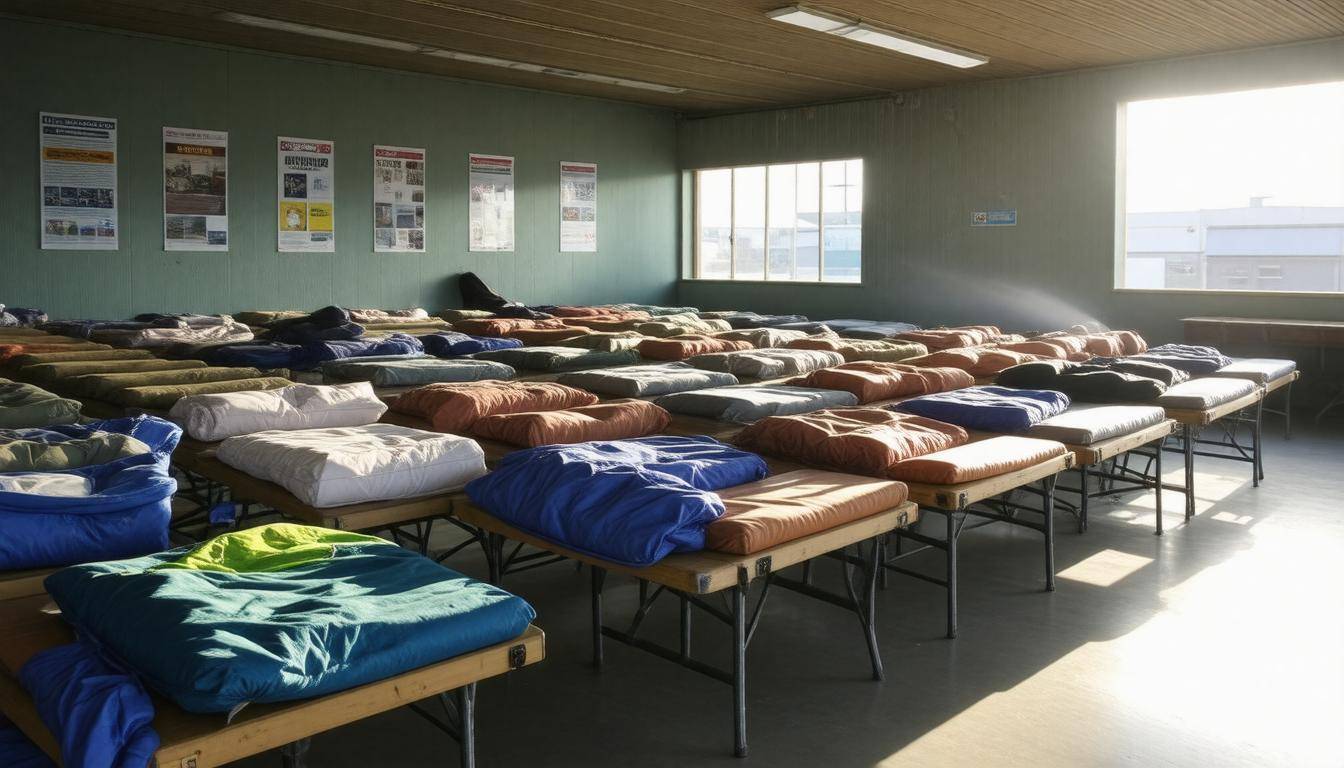
Understanding the location of shelters and having evacuation procedures in place is vital. Mackay, being prone to cyclones, requires that every household be prepared with this knowledge. Identifying local cyclone shelters ahead of time can provide peace of mind. The Mackay Regional Council offers valuable resources where you can find designated shelters in your vicinity. These shelters are often equipped to accommodate residents in times of emergency, ensuring you and your family can stay safe.
To prepare effectively, I recommend you take time to familiarize yourself with these locations and note their addresses in an easily accessible way. Perhaps keep a list on your fridge or saved on your phone as a quick point of reference. This proactive approach means there’s no last-minute scrambling when the storm warnings go out; you’ll know precisely where to go under pressure.
Think of planning for a cyclone like practicing for an important presentation: by rehearsing beforehand, you eliminate some of the chaos when the actual moment arrives. You’ll feel more confident navigating your evacuation route amidst any confusion—a crucial advantage during such chaotic times.
Additionally, discuss these routes with your family members. Everyone should know not only where to go but how to get there. Driving a practice run can also help alleviate anxiety down the road; knowing what streets may be blocked or flooded helps you adjust your route when evacuation becomes necessary.
Ensure that everyone has a communication plan in place as well; whether it is checking in by phone or sending messages via social media, maintaining contact during evacuations minimizes worry and keeps everyone informed about safety statuses.
By establishing a solid foundation with shelter locations and effective evacuation plans, families can bolster their readiness for impending storms—therefore, understanding how to stay safe during the cyclone itself becomes equally important.
Safety Measures During the Cyclone
Prioritizing safety when a cyclone strikes is paramount; adhering to structured actions can significantly decrease both injuries and damage. It all starts with staying indoors. The strongest part of your home, often a small room such as a bathroom or even a space under the staircase, serves as your safest haven. This area typically has fewer walls exposed to the outer elements, which helps shield you from debris and structural failures.
However, it’s important to remember that while you are in this secure area, avoid windows at all costs. Glass can shatter during high winds, turning shards into dangerous projectiles. To further protect yourself, consider using mattresses or sturdy objects to create a makeshift barrier around you. These simple steps can bolster your defense and provide some cushioning against unexpected impacts.
As the storm rages on outside, maintaining access to information is crucial. You should keep a battery-operated radio on hand, ensuring you’re tuned into emergency updates and instructions from local authorities. This will keep you informed about any developments regarding the cyclone’s trajectory or changes in safety recommendations.
Having an emergency kit ready—complete with bottled water, non-perishable food items, and first-aid supplies—will also prove invaluable if you find yourself cut off from outside help for an extended period.
Lastly, anticipate the noise; cyclones generate terrifying sounds ranging from howling winds to the crashing of objects hitting your home. Familiarize yourself with these sounds ahead of time to reduce fear and anxiety during such a chaotic experience.
Implementing these precautionary measures ensures that you remain as safe as possible amidst the storm’s fury while keeping an eye on developments and staying prepared for what comes next. Let’s take a look now at what steps to take once the cyclone has passed.
Post-Cyclone Steps
Once you’ve ensured your immediate safety, the next step is to comprehensively assess the situation surrounding your property. This might mean looking out for downed trees that could pose a danger or identifying structural damages. Pay close attention to your home’s exterior and interior; a thorough inspection will reveal not just visible problems, but also those hidden away in corners or beneath layers of debris. Don’t forget to check roofs and gutters as well, as wind-driven rain can wreak havoc on these areas, leading to leaks if left unattended.
Following this inspection, take the time to document any damage meticulously. Photographs are invaluable here; they serve as crucial evidence for insurance claims. When documenting, be methodical—capture images from various angles and include details like destruction of valuables or potential injuries to your property that occurred because of the cyclone. This isn’t just about making an insurance claim; having clear documentation might also help local authorities as they assess community damage.
After documenting the damage, it’s time to connect with assistance resources. If you used Mackay’s SES QLD before the cyclone, now is the moment to reach out again. Local authorities can provide immediate support in organizing additional emergency services or helping coordinate community efforts for debris management. They can even share resources if you need help navigating the recovery process. Understanding what options are available makes all the difference as you begin rebuilding.
While waiting for professional help, consider engaging involved neighbors in your cleanup efforts. Sharing resources and tasks may lighten the burden drastically. Creating a plan together can make it easier to tackle larger issues collectively—like sweeping streets free of debris or clearing common access ways that may have fallen victims to storm rubble.
Finally, prioritize cleanup efforts around utilities. Check with your utility companies regarding power restoration timelines, as downed lines must be reported immediately for safety protocols to be established correctly. Remember that some damages may not be immediately apparent until you start removing debris. Hence, maintaining a cautious approach is advisable—if something doesn’t seem right, don’t hesitate to call in professionals.
Navigating through these crucial steps prepares you for what lies ahead while ensuring both safety and efficiency during recovery efforts.
Assessing Damage and Clean-Up
The aftermath of a cyclone can leave your home in disarray, making it critical to take focused steps toward assessment and cleanup. Your first task is to meticulously inspect for structural damage. Start with the roof; check for missing shingles or any signs of leaks.
Next, move on to the walls and windows, looking for cracks or breaks that could expose your home to further elements. This initial inspection helps identify immediate hazards and plays a significant role in any subsequent insurance claims you may need to file.
Once you’ve assessed potential structural issues, it’s time to focus on the environment around your property.
Taking Immediate Actions
As daunting as it might seem, clearing away debris and fallen branches from your yard is an essential step in the recovery process. Begin this clean-up by carefully removing larger items first—ensure that you’re aware of your surroundings as hidden dangers may lurk beneath the debris. For instance, nails, sharp glass shards, or even exposed electrical wires could be hiding beneath what appears to be an innocuous pile of leaves.
To protect yourself while undertaking this cleanup task, wearing proper protective gear is crucial. Sturdy gloves will shield your hands from cuts, while durable boots can help prevent injuries from sharp objects hiding beneath the debris. An additional layer—such as long pants—can further protect against scrapes and unwanted encounters with hazardous materials.
If the cleanup feels overwhelming, remember that you don’t have to face this challenge alone.
Many residents recommend hiring professional assessors and cleanup crews to ease the burden during such stressful times. Local forums in Mackay are filled with testimonials praising the peace of mind these professionals provide—allowing homeowners to focus on recovery rather than being bogged down by extensive labor and potential safety risks. Engaging skilled help ensures that the assessment is thorough and that cleanup is performed efficiently, allowing households to get back on their feet quicker after a tumultuous cyclone experience.
In conclusion, being proactive about assessing damage and initiating clean-up efforts can significantly ease the path to recovery after a cyclone. Take these essential steps seriously for your safety and well-being.