
Disasters can strike when we least expect it, leaving communities in distress and individuals searching for ways to help. If you’ve ever felt that urge to make a difference but didn’t know where to start, you’re not alone. Many people want to lend a hand during tough times, but figuring out how and where to volunteer can be overwhelming. Thankfully, there are a variety of opportunities tailored to different skills and interests. Whether you have time to spare or specific talents to share, your contribution is important. In this guide, we’ll walk you through effective ways to get involved in volunteer efforts after a disaster, shaping recovery one small act at a time.
After a disaster, there are several volunteer opportunities available including helping with disaster relief efforts through local organizations, participating in cleanup and recovery initiatives, and providing support services for affected individuals and families. Check with local NGOs, community centers, and emergency management agencies for specific volunteer options and coordination efforts in your area.
Finding Local Volunteer Opportunities
The first resource you should turn to are city and county government websites. These platforms often serve as the hub for organizing disaster response efforts. Many municipalities have dedicated pages that detail how individuals can help during emergencies, especially post-disaster recovery efforts. They may provide an updated list of organizations seeking volunteers, upcoming community events, and even training sessions for those willing to assist in specific roles. It’s a convenient way to find verified opportunities directly from local authorities.
Though government websites are instrumental, don’t overlook the importance of local news outlets.
Local television stations and newspapers play a crucial role during disasters by informing communities about available volunteer opportunities. They often conduct interviews with nonprofit leaders or local officials who give insights on what kinds of help are needed most urgently. This is where you can glean timely information about specific areas or organizations looking for assistance, and it also keeps you connected with the pulse of your community’s needs. Tune in regularly and read articles; these outlets are reliable not just for breaking news but also for ongoing support initiatives.
As you diversify your search methods, social media can add another layer of connectivity to your volunteer quest.
Utilizing social media platforms like Facebook and Twitter opens up real-time conversations and updates from fellow community members regarding volunteer needs. By engaging with local hashtags, you can discover initiatives and groups that may not be widely advertised elsewhere. Facebook’s Community Help feature allows users to both seek assistance and offer help seamlessly, making it a perfect space for connection. More often than not, there are groups dedicated specifically to disaster recovery and relief efforts where you’ll find consistent updates and immediate requests for support.
Make sure to interact with posts by liking or sharing them, which further spreads awareness about the need for volunteers while connecting you with others who share similar motivations.
All these platforms provide invaluable pathways to ensure you’re aligned with your community’s urgent needs—you just have to take that first step! As we explore more avenues of support, connecting with established organizations can enhance your volunteering experience even further.
Partnering with Non-Profit Organizations
Collaborating with established non-profits not only streamlines your volunteer experience but amplifies your impact, allowing you to assist more people in need. Many well-known organizations like the Red Cross, United Way, and Habitat for Humanity have vast networks and resources that help them mobilize quickly during disasters.
However, this doesn’t mean you should overlook smaller, local non-profits. In fact, these often possess intimate knowledge of community needs, enabling them to assist more effectively on a grassroots level. This local focus can be especially crucial after disasters when immediate assistance is vital.
Once you’ve identified potential partners, it’s essential to gain a deeper understanding of their specific needs to maximize your contribution.
Step I – Identifying Reputable Non-Profits
After recognizing potential non-profit partners, the next step is to thoroughly research them. Look into their track records and how they responded in past disasters. Websites like Charity Navigator can offer insights into an organization’s credibility and financial health. Don’t hesitate to reach out and ask questions about their mission and methods. The best collaborations often stem from shared values and visions for recovery.
Now that you have a list of reputable organizations, it’s time to understand their unique organizational needs.
Step II – Understanding Organizational Needs
Communication is key here. Speaking directly with representatives can provide valuable insights into their specific demands. For example, during recent disasters such as the California wildfires, many animal shelters required volunteers to help evacuate pets and provide care for displaced animals. Similarly, food banks may need assistance with packing food items or distributing them to families affected by crises.
By engaging in open dialogue, you can discover where the gaps exist and determine how best you can assist.
This discussion leads naturally into aligning your personal skills with the needs of these organizations.
Step III – Aligning Your Skills with Their Needs
The importance of aligning your skills with an organization’s needs cannot be overstated. For instance, if you’re a healthcare professional or have experience in emergency medicine, teaming up with medical non-profits will allow your expertise to shine in areas that desperately require support. Alternatively, if you excel in logistics or are adept at organizing events, collaborating with organizations involved in arranging evacuations or distribution centers will ensure that your contributions are both meaningful and impactful.
Successful partnerships hinge on effective communication, a clear understanding of needs, and a willingness to adapt your strengths to make a difference.
As we consider how best to apply our skills in these collaborative efforts, it’s equally important to evaluate the immediate requirements of those affected before planning long-term strategies.
Assessing Immediate and Long-Term Needs
When a disaster strikes, it’s easy to focus solely on urgent requirements like food, water, and medical supplies. Immediate needs are typically the most visible; survivors often require swift assistance. Direct aid can spring into action in various forms, including distributing essential resources like canned goods, clean drinking water, and hygiene kits.
For instance, during Hurricane Katrina, volunteers flooded shelters with support, providing not only sustenance but also emotional comfort amid chaos. This response is vital because it sets the foundation for what comes next—helping people regain their sense of normalcy before tackling deeper issues.
However, while addressing these urgent needs is important, volunteering efforts should not overlook long-term considerations.
Immediate Needs
Focusing purely on the present can result in short-lived solutions that leave communities exposed to future risks. To ensure your efforts yield productive outcomes, think ahead. Evaluate what assistance will not just serve today’s crisis but prepare communities for tomorrow’s challenges. Understanding local cultures and how they recover from setbacks is essential; each community may have unique ways in which they rebuild or adapt.
But just as crucial as addressing immediate concerns is recognizing the importance of long-term needs.
Long-Term Needs
Long-term assistance includes reconstructing homes, restoring services like schools and healthcare facilities, and revitalizing local economies. For example, in Nashville after the tornadoes, volunteers continued to aid recovery efforts long after the event occurred. They weren’t just laying bricks; they were rebuilding lives by creating stable environments for families to return to.
A steady commitment helps ease anxiety about the future. Balancing immediate and long-term needs creates a foundation for sustained improvement within affected communities. This allows volunteers to transition from delivering instantaneous relief to offering ongoing support that empowers individuals and families. Be prepared to think innovatively: establishing job training programs can significantly enhance economic recovery once initial aid succumbs to time.
Engaging comprehensively within both immediate and long-term frameworks enables transformative change—shaping resilience into a common narrative as recovery unfolds.
Supplying Essential Goods
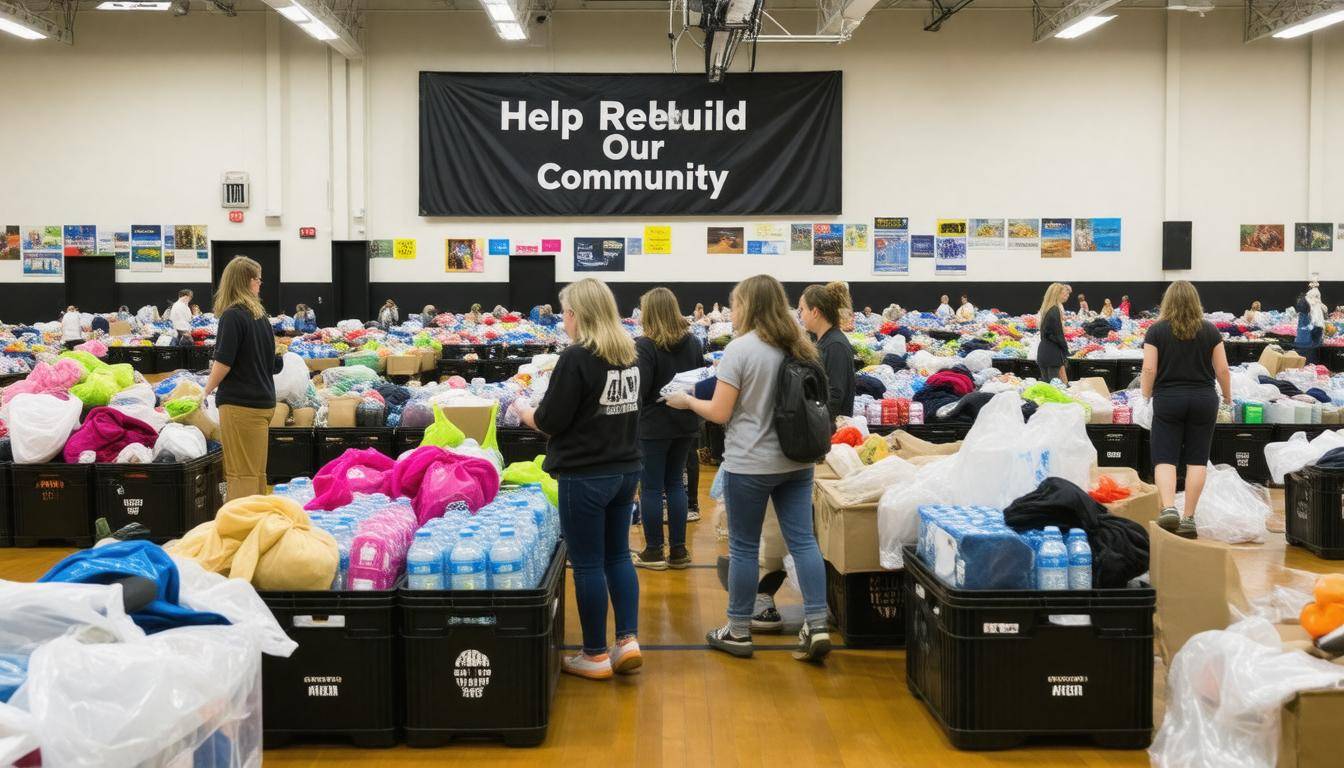
Providing essential goods is more than just a charitable act; it can be a lifeline for families rebuilding their lives after a disaster strikes. Imagine standing in a bustling warehouse, surrounded by volunteers as everyone works together to pack boxes filled with food and supplies. It’s gratifying to know that your effort will help those in desperate need.
Identifying Critical Supplies
To ensure your contributions are truly helpful, it’s vital to identify what goods are most needed. A well-thought-out approach can amplify your impact. Essential items often include:
- Canned goods: Easy to store and nutrition-packed.
- Water bottles: Clean drinking water is vital, especially after infrastructure failure.
- Basic clothing: Consider warm items or even blankets, as many may have lost everything.
- Hygiene kits: Cleanliness maintains health; providing soaps, toothpaste, and feminine products can make a significant difference.
- First-aid supplies: Simple bandages, antiseptics, and other medical items help address minor injuries during crises.
Knowing what’s needed most ensures you’re not sending items that might go unused therefore making your donation count.
Coordinating Drop-Off Points
Once you’ve gathered these essential goods, coordinating drop-off points effectively becomes crucial. Work with local shelters or city officials to establish accessible locations where people can both donate and receive supplies. This makes the process streamlined and organized.
For instance, consider how community efforts coalesced during the recent Texas snowstorm—local churches sprang into action as collection and distribution centers. They became hubs where generous neighbors left donations, while volunteers sorted through items, ensuring that families impacted by the storm received necessary provisions promptly.
Setting up clear guidelines about the types of goods accepted at these drop-off points can also steer clear of clutter and disorganization. Encouraging donors to stick to specific lists not only keeps the effort efficient but boosts morale by focusing on needed supplies.
With an understanding of essential goods and how to organize their distribution effectively, we can now explore how to provide comfort and reassurance to those recovering from significant loss.
Offering Emotional Support
Emotional and psychological support can be just as crucial as physical aid but often overlooked. The wounds caused by disasters are not always visible; survivors often carry heavy emotional burdens that need to be addressed. This is where you can make a tremendous impact. By simply being present, you help create a space for healing, empathy, and understanding.
Providing Crisis Counseling
If you have prior training, consider offering counseling services to those affected. Your knowledge about coping strategies can empower individuals who may feel lost or confused during such intense times. It’s not just about providing relief from distress; it’s about helping survivors find their footing again in their reality. Sometimes people just want to know that it’s okay to feel what they’re feeling—anger, sadness, confusion—and they need someone who understands this complex mix of emotions.
“After the Paradise Fire, volunteers offering emotional support helped me cope with the overwhelming loss,” shares a local survivor. This tells us how much impact trained individuals can have in guiding others through their pain.
For those without formal training, the value of simply being a compassionate listener cannot be understated.
Being a Compassionate Listener
Sometimes, simply being there to listen and provide comfort can help those in distress feel less alone. You don’t need to have all the answers; just showing up with an open heart can be life-changing. Create an atmosphere of patience and acceptance; let them express what they’re experiencing without judgment. In these situations, small gestures like offering water or a blanket while listening deeply can reassure individuals that they are cared for and valued.
Being a listener also means acknowledging their feelings even if you don’t fully understand them yourself. It’s important to validate their emotions by saying phrases like, “That sounds incredibly tough” or “I can’t imagine how you must feel.” Such affirmations can foster trust and encourage further expression—a vital step toward emotional recovery.
Remember, the act of listening is powerful, but so too is respect for personal boundaries.
When offering emotional support, avoid forcing conversations; instead, gently encourage them to share when they are ready. Each person grieves differently. Some may not want to talk at all, and that’s perfectly fine too. Letting them know you’re available if they wish to chat later offers comfort without pressure.
As we move forward from emotional support, we’ll explore practical ways to lend your abilities in hands-on projects that help rebuild communities after disaster strikes.
Participating in Construction Projects
Rebuilding structures after a disaster isn’t just about physical labor; it’s a community effort that brings hope and healing. By participating in these construction projects, you are not only helping restore homes and facilities but also reestablishing a sense of stability within the community. Each nail you hammer and wall you raise symbolizes resilience and collective recovery. To get started, however, planning must be thorough.
Step I – Identifying Areas in Need
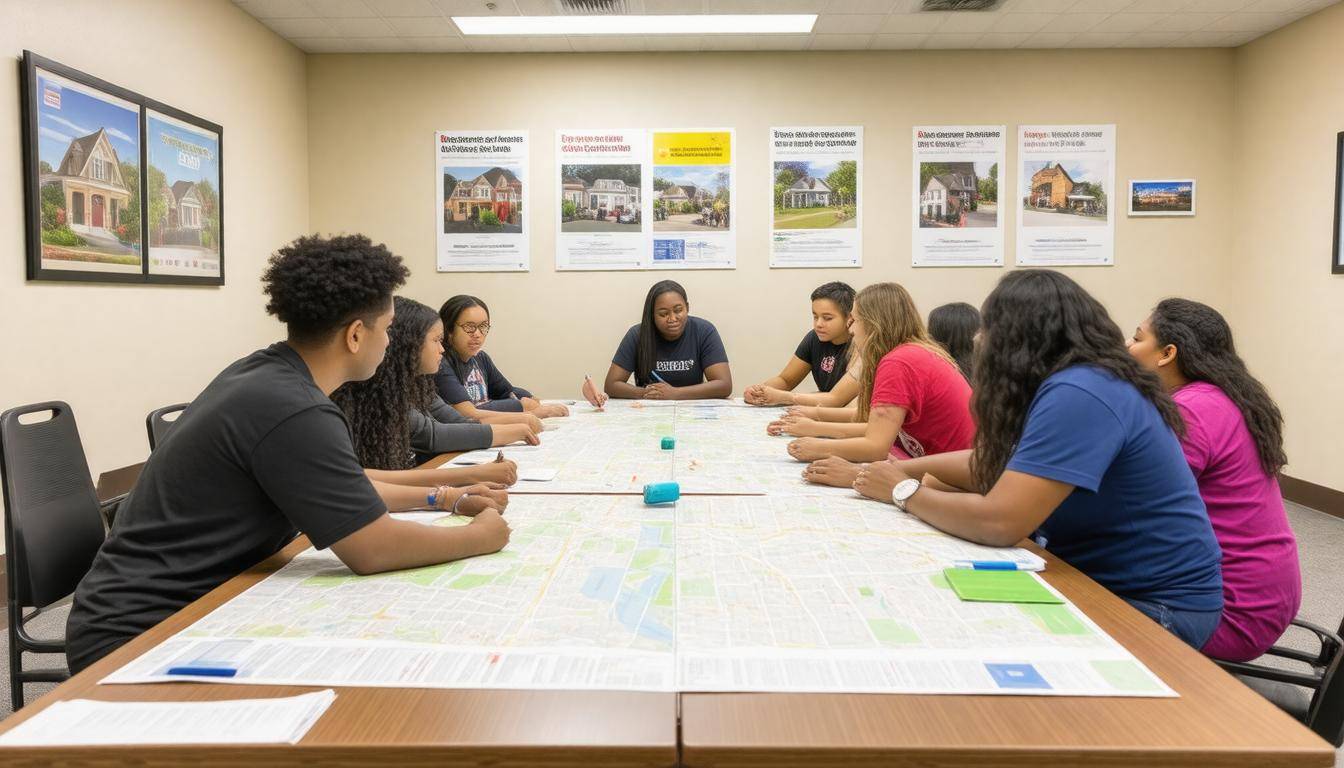
The first step involves careful assessment of which areas require attention. Local government websites serve as valuable resources, often providing lists of neighborhoods hardest hit by the disaster. Community bulletin boards or local organizations can shine a light on specific families or individuals still requiring assistance. Conversations with local residents can offer insights into pressing needs. It’s essential to focus your efforts where they will have the most significant impact.
With those areas identified, it is crucial to equip yourself properly for the tasks ahead.
Step II – Gathering Necessary Tools
Having the right tools can make a world of difference in construction projects. Partnering with hardware stores or local contractors can yield access to essential equipment like hammers, nails, wood, and other building materials at reduced costs or even donated supplies. Don’t hesitate to reach out to these businesses; many are eager to contribute to community upliftment efforts. Creating a list of necessary tools based on your project’s scope prior to reaching out can streamline the process significantly.
Once you have your tools ready, it’s time to focus on safety—something that cannot be overlooked.
Step III – Ensuring Safety
Before any project kicks off, safety should reign supreme. Ensure every volunteer has basic protective gear such as helmets, gloves, and sturdy footwear. A well-structured training session covering proper lifting techniques, hazard identification, and emergency procedures can go a long way in mitigating risks during construction. Fostering an environment of communication encourages team members to voice concerns or identify potential dangers.
Participating in construction projects following a disaster goes beyond just rebuilding; it weaves together compassion along with bricks and nails, fostering resilience—an essential ingredient for recovery from catastrophic events. With this foundation laid, let’s examine the vital role of logistical support that underpins these relief efforts.
Providing Logistical Assistance
Logistics management is indeed as essential as the actual aid provided during a disaster. It involves meticulous planning and execution to ensure that help gets where it needs to go without unnecessary delays or losses. Effective logistical assistance helps maximize the impact of volunteer efforts by streamlining processes and making sure resources are put to good use.
Coordinating Transportation
Consider the scenario during Hurricane Sandy: volunteers like Sarah organized transport for supplies into areas worst affected by the storm. They coordinated with various stakeholders, ensuring trucks were available and routes were clear. In many cases, using local knowledge was invaluable; knowing which streets were flooded or compromised allowed for quicker deliveries of crucial food, water, and medical supplies.
Once transportation is arranged, the focus shifts to another equally vital challenge—distributing those supplies effectively.
Managing Supply Distribution
Efficiently distributing supplies ensures an even spread of resources throughout affected communities. Think of it like this: if one part of town receives all the donations while another is left empty-handed, you create further tensions and challenges. Using community centers or schools as distribution hubs can make things smoother and provide centralized points for people to access aid easily.
Picture a busy school gymnasium filled with tables, each designated for different types of aid—food on one side, clothing on another, hygiene kits somewhere else. This setup not only organizes donations but provides a familiar space for residents to come seeking help, fostering a sense of community in what might feel like chaotic times.
To continue optimizing your logistics, stay in close contact with local organizations and first responders. They can provide valuable information regarding shifting needs in real time, helping adjust distribution efforts as necessary. For example, if reports indicate increased demand for blankets due to unexpected cold weather following a flood, being able to swiftly redirect resources to meet that need can save lives.
Utilizing volunteers who understand the area can enhance logistical effectiveness tremendously. They know where each road leads and which neighborhoods have suffered most from disasters, enabling faster decision-making and responsive action that truly meets the needs of the affected population.
As we consider the intricate framework of logistical support in disaster relief, it’s also important to examine how we can gauge the effectiveness of our volunteering efforts.
Measuring Your Volunteering Impact

Evaluating your impact ensures that your efforts not only bear fruit but also enhance future volunteering activities. A well-rounded approach involves two key areas: quantitative metrics and qualitative feedback, both of which provide insights into how effective your contributions have been.
Quantitative Metrics
First, let’s explore quantitative metrics, which are vital to understanding the tangible results of your work. Simple numbers such as the amount of food distributed or the number of individuals assisted can give a clear picture of what you’ve achieved.
For instance, measuring the number of people served, supplies provided, or homes repaired can be eye-opening. These metrics help in assessing the scale of your efforts and highlight the necessity for additional resources or support in specific areas. It paints a straightforward image of productivity and can be motivating for volunteers to see their hard work quantified.
While numbers are compelling, they don’t tell the whole story alone.
Qualitative Feedback
This brings us to qualitative feedback, an equally important aspect of measuring impact. Gathering personal stories from individuals who benefited from your assistance can provide insight that numbers alone cannot convey.
This might involve simply asking questions like: “How did this help improve your situation?” or “What difference did our support make to you?” Collecting these narratives allows you to capture the emotional and human aspects of disaster relief, showcasing not just progress but heartfelt changes in people’s lives.
A volunteer named John shared this approach; he collected personal testimonies that illustrated how small actions had led to significant improvements for families affected by disasters, transforming abstract numbers into relatable stories.
By synthesizing both quantitative and qualitative approaches, you can get a holistic view of your efforts.
Compiling and Sharing Results
Once you’ve gathered all this information, it’s essential to compile and share the results with others. Presenting findings on social media platforms or community boards not only spreads awareness about ongoing relief efforts but also highlights the urgency of volunteer needs.
This sharing fosters community engagement and may inspire more volunteers to step up and contribute. For example, posting heartfelt testimonials alongside impressive stats can create a compelling narrative that resonates with potential volunteers. Not only does it inform others about how they can help, but it also builds a sense of unity and support within your community, amplifying everyone’s collective impact.
Measuring your volunteering impact involves careful consideration of both numerical data and personal stories. Together, they represent a powerful tool for driving continuous improvement in relief efforts while promoting a cohesive community spirit.
In every act of service, whether big or small, lies an opportunity to create lasting change and inspire collective healing among those affected.