
When the cyclone season rolls around in Perth, it’s like nature gives us its own version of a surprise party—only this one comes with strong winds and heavy rain! But instead of panicking, it’s crucial to be ready. Every year, residents face the challenge of preparing for potential storms that can disrupt daily life and pose safety risks. That’s where a well-stocked Cyclone Season Kit comes into play, ensuring you have all the essentials at your fingertips. In this guide, we’ll break down everything you need to know about preparing for cyclones, from understanding what they are to creating a kit that keeps you and your family safe. So let’s dive in and make sure you’re well-prepared for whatever the season may bring!
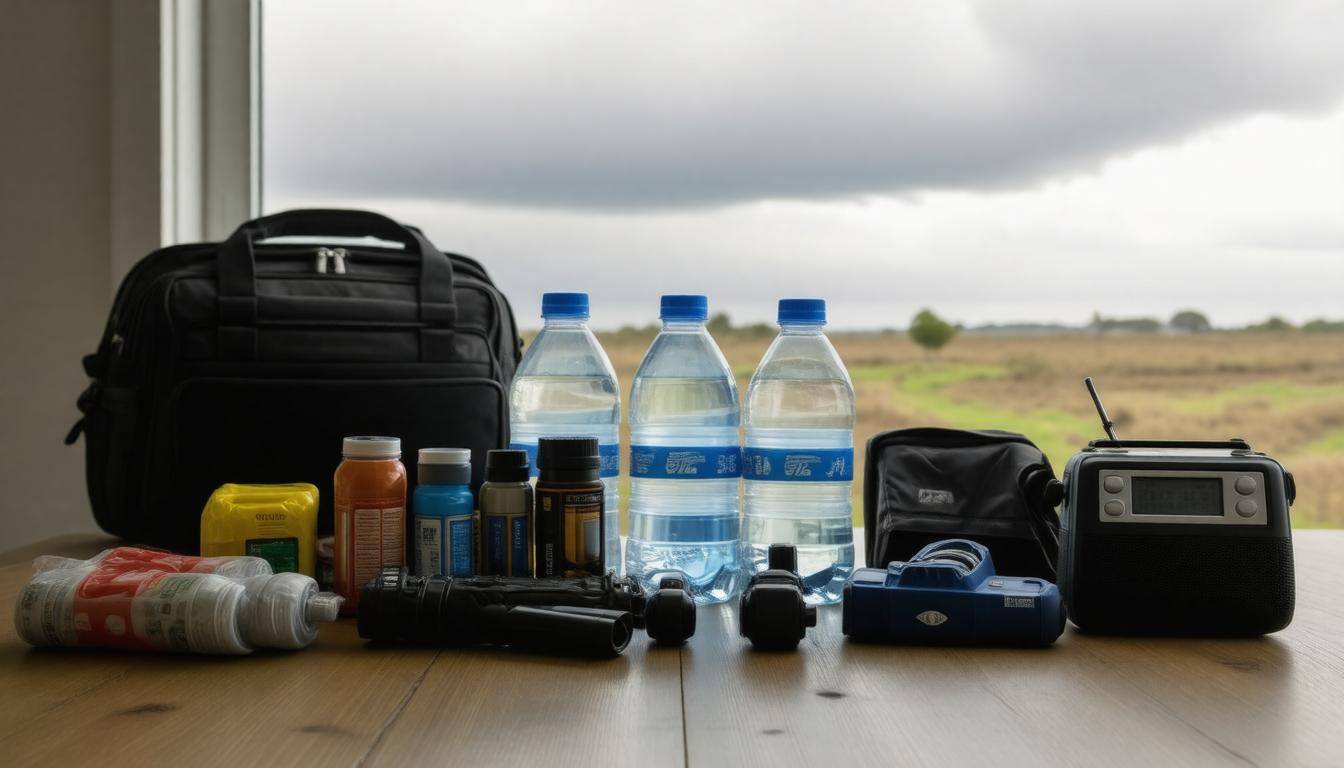
The Perth Cyclone Season Kit should include essential items such as non-perishable food, water, a first-aid kit, flashlights with extra batteries, important documents in a waterproof container, and a battery-operated radio. Additionally, consider including personal hygiene products, a multi-tool, and emergency contact information to ensure you are fully prepared for any situation during the cyclone season.
Overview of Perth’s Cyclone Season
The cyclone season in Perth, spanning from November to April, brings dramatic changes to the area. Known as the wet season in Western Australia, this period signals not only an increase in rainfall but also the potential for severe weather events. As these tropical cyclones develop off the coast, they can impact daily life significantly. The intense winds can lead to property damage, while heavy rains may cause localized flooding.
Understanding how cyclones are categorized is crucial for assessing their potential threat. They are rated from Category 1—where wind speeds are less than 125 km/h—to Category 5, where winds can exceed 250 km/h. Having this knowledge allows residents to gauge the urgency of their preparations when forecasts predict a storm’s approach. For example, a Category 1 cyclone might involve securing loose items around your home, whereas a Category 5 storm could necessitate evacuation plans and emergency shelter arrangements.
According to the Bureau of Meteorology, over the last decade, Perth has typically experienced around 1-2 cyclones per season. While this may seem manageable on the surface, it’s important to remember that even weaker systems can cause significant disruption and damage if adequate precautions aren’t taken.
With so much at stake during these months, preparation becomes even more vital to ensure safety and minimize risks associated with sudden weather changes. Regularly updating your cyclone kit and staying informed about weather conditions will help safeguard your family and property throughout this unpredictable season.
As we shift our focus now, let’s explore the important items needed to ensure that you’re fully equipped for any challenges that may arise during the cyclone season.
Essential Supplies for Your Cyclone Kit
Creating a comprehensive cyclone kit is like crafting a safety net. You want it equipped with everything you might need during an emergency. First and foremost is a First-Aid Kit. This should contain not just bandages, but also antiseptic wipes, pain medications, and any specific prescription medicines you might rely on regularly. Imagine dealing with an injury during a storm—having these supplies handy means one less worry at a time you need to focus on safety.
-
Flashlights and Batteries: It’s critical to have multiple sources of light available since power outages are common during cyclones. Think about how frustrating it might be to try to navigate a darkened home filled with debris after you’ve experienced the storm, so make sure to stock up on both flashlights and extra batteries.
-
Waterproof Matches and Lighters: These are vital should you need to start a fire for warmth or cooking, especially if electricity is lost for an extended period. When everything feels chaotic, having a reliable way to create heat can provide comfort.
-
Multi-Tool: A multi-tool becomes your best friend in emergency situations—the Swiss Army knife of cyclone preparedness. Whether it’s opening cans, making repairs, or other tasks that arise unexpectedly, this level of versatility can be invaluable.
-
Emergency Blankets: These simple yet effective items retain body heat when temperatures drop or can help protect against winds if you find yourself outside.
As important as these basic supplies are, don’t overlook additional items that could enhance your level of preparedness.
Additional Supplies
Sanitation needs often fall by the wayside when thinking about cyclone emergencies, yet they are just as crucial. Include items such as toilet paper, wet wipes, and hand sanitizers in your kit. During intense weather events, accessibility to proper sanitation may become limited, and feeling clean can provide crucial mental relief during stressful times.
Moreover, consider including important documents in waterproof containers. Having your insurance papers, identification, and medical information organized and protected means you save valuable time if evacuation becomes necessary. In those moments when time is of the essence—when you’re actively trying to protect yourself and your family—the last thing you want is to be rummaging through piles of important papers at the risk of losing them altogether.
With thoughtful consideration given to each item included in your cyclone kit, you’re setting the stage for safety and peace of mind during tumultuous weather conditions.
With all these essentials in place, it’s crucial to take a closer look at how to effectively store food and water for your safety during the cyclone season.
Food and Water Storage
Ensuring you have an adequate supply of non-perishable foods and clean water is crucial for survival during a cyclone. Imagine being cut off from grocery stores or running low on supplies; that’s why it’s vital to think ahead about both food and water storage. Non-perishable food items are ideal because they provide necessary nutrition without needing refrigeration or complicated cooking processes, which can be difficult if power outages occur.
Food
Stocking up on canned goods like beans, vegetables, and fruits is practical. They have long shelf lives and are often opened easily with can openers—make sure you have one handy! Dried fruits such as apricots or raisins serve not only as quick snacks but also pack energy-boosting nutrients. Nuts are another excellent choice; they’re high in protein and healthy fats to keep you feeling full. Protein bars, while sometimes more expensive, offer a convenient option filled with essential vitamins and minerals. Given how unpredictable cyclone conditions can be, ensure that all these items have a long shelf life and require minimal preparation for consumption.
Remember: The goal is to plan for at least seven days worth of meals for everyone in your household.
Water
Just like food, having sufficient water on hand is non-negotiable during a cyclone. Aim to store at least 4 liters per person per day—this includes water for drinking, cooking, and sanitation needs. Some may overlook water purification tablets, but they can come in handy if your stored water supply runs low. These tablets allow you to treat questionable water sources by making them safe for drinking.
Furthermore, it’s wise to rotate your water supply every six months to keep everything fresh and usable in an emergency.
Storage Tips
When it comes to storing your food and water supplies, consider the storage location carefully. Find a cool, dry place that remains consistent in temperature; heat can reduce shelf life drastically. Organize your supplies in clear containers or labeled boxes so you know exactly what you have at a glance. Also, make sure these storage areas are easily accessible so that when the winds pick up or rain begins to fall, you can grab what you need quickly without rummaging through clutter.
As we start preparing for potential challenges ahead, it’s equally important to ensure reliable ways to communicate and maintain power during emergencies.
Communication Devices and Power Sources
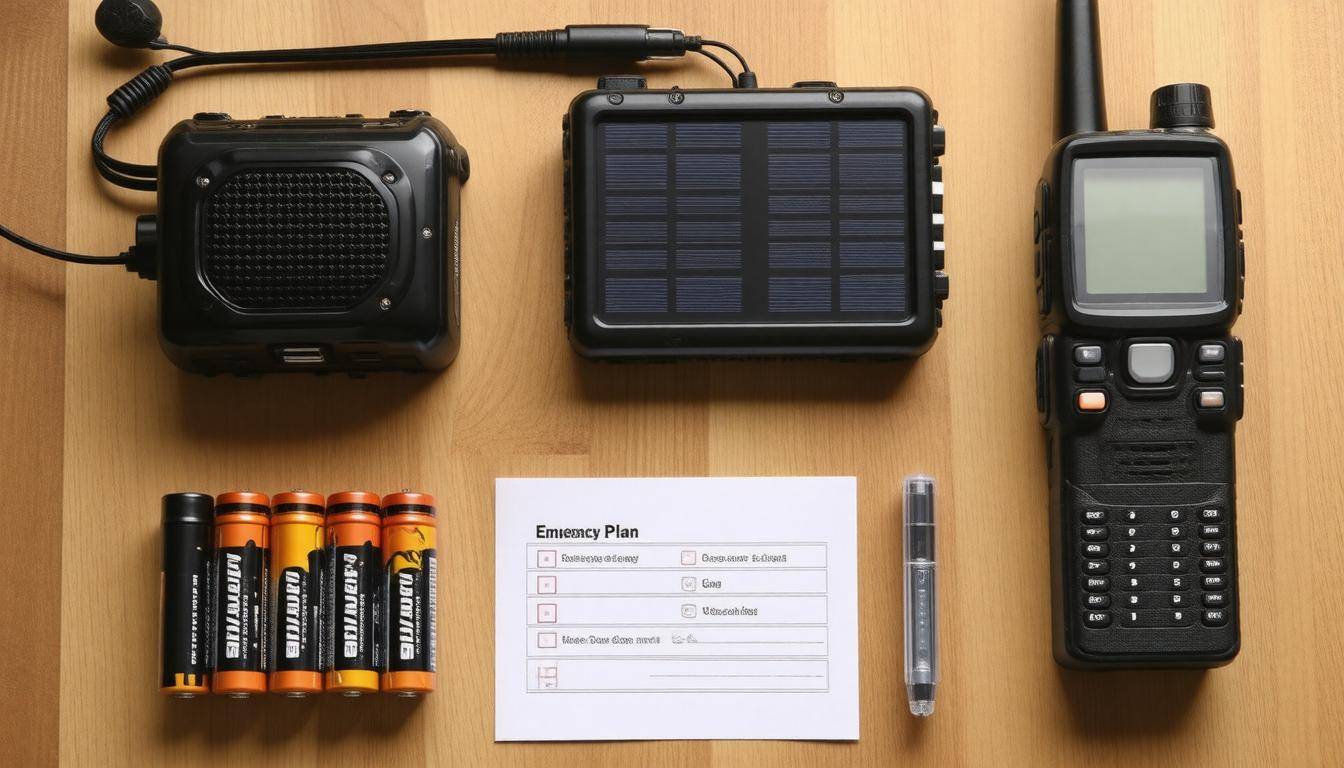
Communication is vital during a cyclone as it enables you to receive important updates and stay in touch with family and friends. A reliable way to access news even when the power goes out is through a battery-powered or hand-crank radio. This device can be a true lifeline, allowing you to hear crucial weather reports and emergency alerts without depending on electricity. It’s advisable to invest in a good-quality radio, as it often serves as the sole source of information during extreme weather conditions.
Don’t forget to include a fully charged mobile phone along with backup power banks. Keeping your phone charged is essential, as it not only allows for communication but also provides access to apps that may deliver real-time updates on the cyclone’s progression. Make sure to download any local emergency apps or subscription services that send alerts straight to your device beforehand.
Power Sources
While it’s critical to have communication devices, maintaining their operational status is equally important. Therefore, packing extra batteries is an absolute must. Consider choosing rechargeable batteries since they can be used multiple times and reduce waste. In addition to regular batteries, opt for solar chargers – they are lightweight and can be very efficient during long power outages. Even if the sun isn’t shining, some solar models still generate enough power to keep small devices functioning.
A portable solar-powered generator can be a game-changer, providing a steady backup power source for essential electronics like laptops, phones, or medical devices that require continuous operation. These generators can help maintain connectivity while also powering necessary appliances, showing their versatility beyond merely charging devices.
Finally, don’t overlook the utility of car chargers. If you have an electric vehicle or a conventional car, these chargers can help keep your devices powered while you wait for the storm to pass. Just make sure that your car has fuel so you can run it at intervals safely without unnecessary exposure to the weather outside.
By equipping yourself with robust communication tools and reliable power sources, you’re ensuring you’re prepared for whatever a cyclone might throw your way. Next, we will explore how to effectively fortify your home against severe storms for enhanced safety.
Securing Your Home Against Cyclones

Protecting your home requires steps to mitigate damage from heavy winds and rain. Structural reinforcement is crucial to ensure that your house can withstand the harsh conditions that accompany a cyclone. One effective approach is to install storm shutters or board up windows with plywood, which can significantly reduce the risk of glass breakage. A simple sheet of plywood over each window not only acts as a barrier against flying debris but also supports the structure itself.
Now, it’s equally essential to consider what lies beyond the walls of your home.
Exterior Precautions
Just as vital as preparing your windows is securing outdoor furniture, garden sheds, and other loose items that could become hazardous projectiles during a storm. Secure these potential missiles by bringing them indoors if possible, or at least anchoring them down tightly if they must remain outside. This prevents them from becoming damaging objects hurled by strong winds.
In addition to securing smaller items, consider investing in landscape modifications. Trimming trees and shrubs near your home can help minimize risks, as broken branches can easily cause severe damage when caught up in gusty winds.
Having addressed the exterior threats, we must also turn our attention to the interior of your home.
Interior Preparations
Establishing a safe room within your home is an essential step in cyclone preparedness. This dedicated space should ideally be windowless and positioned as close to the center of the house as possible. Think of it as your personal storm shelter—keeping you safe amid turmoil outside. Equip this room with essential supplies including water, non-perishable food, flashlights, first-aid kits, and any needed medications.
Key Considerations:
- Ensure this room is easy to access from various parts of your house.
- Practice regular drills with family members so everyone knows where to go when a cyclone warning is issued.
By taking these proactive steps—both outside and inside—you create a fortress against the fierce forces nature may unleash.
As you prepare for cyclones, understanding what actions to take during emergencies becomes paramount for ensuring safety and well-being. Let’s now explore those critical procedures.
Emergency Safety Protocols
Pre-Cyclone Actions
One of the first steps in preparing for a cyclone is to stay informed. Regularly check reliable sources like the Bureau of Meteorology for updates on cyclone warnings and weather changes.
It can be easy to confuse one storm with another, as they often come in quick succession. That’s why it’s crucial to ensure your information comes from trusted establishments. When warnings are issued, take them seriously—this could be your vital lifeline, guiding you to make informed decisions before a cyclone hits.
During the Cyclone
When the winds start howling and the rain begins to pound, your priority should be safety. Staying indoors is non-negotiable; find a designated saferoom without windows where you and your loved ones can gather.
Once there, engage everyone with calming stories or games to help alleviate anxiety while keeping an ear out for updates from local authorities. Remember to have a battery-operated radio handy in case power goes out—keeping lines of communication open is critical during these times.
Post-Cyclone Safety
Once the cyclone has passed, don’t rush back into your old routine just yet. The aftermath can be fraught with dangers, including downed power lines and unexpected floods.
Before venturing outside, listen closely to emergency services’ guidance. They provide important instructions about what areas are safe or too hazardous to enter. Always approach suspected electrical hazards with caution; look from a distance before assessing situations further. Implementing these safety protocols not only protects you but also reflects a proactive approach that can save lives.
Observing these emergency protocols not only ensures your safety but also inspires those around you to adopt similar practices. As we shift focus now, it’s important to consider the ongoing necessity of maintaining your preparedness.
Regularly Updating Your Cyclone Kit
Cyclone kits are not static; their effectiveness leans heavily on proactive checks and updates. It’s essential to take a moment at the beginning of each cyclone season to ensure your kit is fully equipped for any emergency situation. Think about how quickly time passes—before you know it, your trusty supplies could be well past their prime, leaving you unprepared when the next cyclone approaches. An easy way to manage this is to set a recurring reminder on your phone or calendar, prompting you to review the contents of your kit.
Scheduling Checks
When you lovingly assess your cyclone kit, don’t just glance over it—get hands-on. Examine expiration dates on food, water, medications, and batteries. You’d be surprised how often items kick the bucket without you even realizing it. It can help to create a checklist beforehand so that no item goes unchecked. Use these scheduled assessments as an opportunity not only for checking vital supplies but also for gauging which items have been consumed since the last check.
Rotating Supplies
Another aspect of upkeep involves using items that are nearing expiration while promptly replacing them with fresh substitutes. This practice keeps your kit perpetually stocked and reduces waste. By consuming those near-expiration items before they go bad, you’re making sure that nothing goes to waste while ensuring that you’re prepared for an emergency. However, never compromise on quality; if it’s expired, it must go.
Quarterly Re-evaluations
Beyond mere supply checks, it’s wise to engage in quarterly re-evaluations of your household’s ever-changing needs. Let’s say there’s a new family member or an adorable pet added to your tribe—this necessitates an update to what you store. Consider specific dietary needs, types of medication required, or even comfort items that could be crucial during stressful times. Family dynamics can change, and your cyclone kit should reflect those changes in order to serve everyone adequately.
| Item | Check Interval | Action |
|---|---|---|
| Food | Every 6 months | Replace expired items |
| Water | Every 6 months | Refresh stock |
| Medications | Monthly | Check expiration dates |
| Batteries | Monthly | Test and replace if needed |
| Key Documents | Annually | Update as necessary |
Keeping an updated cyclone kit is integral to your safety; therefore, making proactive preparations ensures you’re always ready for the unexpected. Taking these straightforward steps means that when a cyclone does hit, you’ll be relaxed and ready rather than scrambling at the last minute.
In preparing for the cyclone season, staying organized and informed will make all the difference in ensuring safety for you and your loved ones. By keeping your kit up-to-date and responsive to changing needs, you’ll foster peace of mind as storms approach.
What specific precautions should I take to protect my home during cyclone season in Perth?
To protect your home during cyclone season in Perth, ensure that your windows and doors are secured with storm shutters or plywood, clear the yard of debris that could become projectiles, and reinforce your roof and eaves. According to the Bureau of Meteorology, cyclones can produce winds exceeding 200 km/h, which can cause significant damage to unprotected structures. Additionally, consider securing outdoor furniture and installing a reliable emergency power source to prepare for potential outages.
What resources are available for learning more about cyclone preparedness in Western Australia?
To learn more about cyclone preparedness in Western Australia, resources such as the Department of Fire and Emergency Services (DFES) website offer comprehensive guides and safety tips specifically tailored for cyclone season. Additionally, local councils provide community workshops and information sessions to educate residents on emergency plans and evacuation procedures. According to DFES, while Western Australia experiences cyclones between November and April, having an emergency kit ready can significantly increase survival rates during adverse weather events. Engaging with these resources can empower residents to take proactive steps in safeguarding themselves and their communities.
What essential items should be included in a cyclone season kit for residents of Perth?
Essential items for a cyclone season kit in Perth should include non-perishable food and water (at least 2 liters per person per day for three days), a first-aid kit, medications, a flashlight with extra batteries, a portable phone charger, important documents in waterproof bags, and a multi-tool. Given that Perth can experience strong winds and heavy rainfall during cyclone season, having these supplies on hand can significantly enhance safety and preparedness, as highlighted by the Bureau of Meteorology’s warnings about increasing cyclone activity in the region.
How do I create an emergency plan that aligns with the contents of my cyclone season kit?
To create an effective emergency plan that aligns with your cyclone season kit, start by identifying a safe location in your home where you can gather during severe weather, ensuring it is stocked with essentials from your kit like food, water, and medical supplies. Set up communication strategies to stay in touch with family members and establish a check-in system. According to the Bureau of Meteorology, approximately 44% of Australians don’t have a cyclone emergency plan in place, making it crucial to prepare proactively. Regularly review and practice your plan, ensuring everyone knows their roles and the importance of your cyclone kit contents for a swift response when needed.
How can I make sure my cyclone season kit is up to date and effective?
To ensure your cyclone season kit is up to date and effective, conduct a thorough inventory of all supplies at the start of the season, replacing expired items such as food, medications, and batteries. Check the functionality of essential gear like flashlights and radios. With about 10% of Australians living in cyclone-prone regions, staying prepared can significantly reduce risk during severe weather. Regularly reviewing your kit helps maintain readiness for potential cyclones, minimizing panic and maximizing safety when it matters most.