
When it comes to earthquake preparedness in San Salvador, the mantra is clear: it’s better to be safe than sorry. Earthquakes can strike unexpectedly, leaving little time for preparation or panic. Knowing what steps to take in advance not only helps protect you and your family but also provides peace of mind during stressful times. From gathering essential supplies to reinforcing your home and creating an efficient communication plan, each part of your strategy matters. This guide is designed to walk you through everything you need to do now—so you’re ready for anything that might come your way. Let’s dive into the basics of staying safe when the ground starts to shake!
Essential items for an earthquake preparedness plan in San Salvador include a well-stocked emergency kit with water, non-perishable food, a flashlight, batteries, a first-aid kit, and a whistle. It is also crucial to have a family communication plan and knowledge of safe spots within your home, such as under sturdy furniture or against interior walls away from windows.
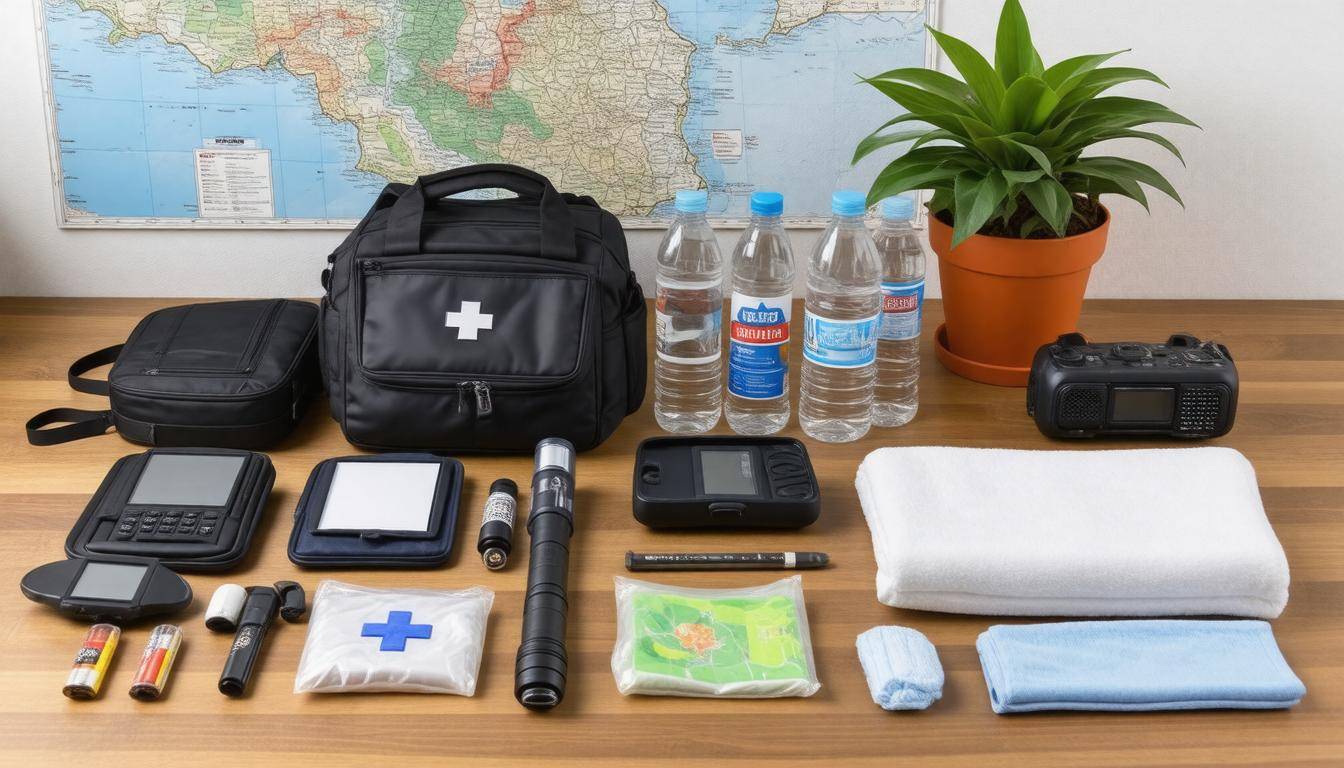
San Salvador Earthquake Preparedness Kit
When preparing for an earthquake, think of your emergency kit as a lifeline. The goal is to ensure you have everything necessary to sustain yourself and your loved ones until help arrives or conditions stabilize. It’s essential that this kit isn’t just thrown together at the last minute—you need to consider your unique circumstances, such as family size and any medical needs, when gathering supplies.
Essential Items
These are the building blocks of a reliable earthquake preparedness kit:
-
Water: It’s vital to have at least one gallon per person per day for three days. To make this more manageable, consider storing water in large containers and keep smaller bottles ready for immediate use.
-
Food: Focus on non-perishable food items such as canned goods and dried foods; these are not only easy to store but also provide ample nutrients.
-
First Aid Kit: This should include band-aids, antiseptic, tweezers, and personal medications. Personalize your first aid kit with specific items that address your family’s health needs.
-
Flashlight and Batteries: After an earthquake, power outages are common; having a flashlight ensures you can navigate safely.
-
Whistle to Signal for Help: A whistle can cut through the noise more effectively than shouting, allowing rescuers to locate you.
-
Dust Masks: Protect yourself from debris and contaminated air; multiple masks may be prudent for larger families.
-
Tools: A wrench or pliers can turn off utilities in an emergency. Ensure each family member knows how to operate these tools properly.
-
Local Maps: Have physical maps on hand since digital versions might not be accessible during an emergency.
Once you’ve gathered these essentials, enhancing your kit with additional considerations can further boost your readiness for both short-term survival and long-term safety.
Additional Considerations
You might want to add portable phone chargers. In our increasingly digital world, keeping a way to communicate can be crucial in emergencies. Additionally, store copies of important personal documents in waterproof containers; losing identification or insurance information during chaos can complicate recovery. Don’t forget about pets—adding extra food or supplies ensures their well-being too.
A crank or solar-powered radio is invaluable since it will keep you updated if power or internet service is interrupted. Staying informed helps reduce anxiety during uncertain times.
Think of your preparedness kit as a living project that requires updates as your circumstances change—new family members arrive, dietary needs shift, or new seasons bring different challenges. Regular checks mean you’re not just prepared for potential disasters; you’re confidently equipped to handle whatever comes your way.
As we transition from preparation to implementation, understanding safety methods within your living environment becomes essential for fostering resilience against any eventuality.
Home Safety Measures
Securing your home minimizes damage and injury during an earthquake and begins with assessing your home’s structure. One of the first steps is to reinforce your home’s foundation. This means ensuring that your foundation is bolted securely to the frame, providing stability in case of tremors. Homes built before certain building codes often lack this feature, making it imperative to consult a professional who can assess your property. Moreover, reinforcing unbraced walls creates additional support and prevents structural failures.
It’s not just about holding the house together; it’s also about safeguarding your family.
Structural Reinforcements
In addition to foundational changes, consider other adjustments that fortify the overall structure. Retrofitting techniques such as installing shear walls or bracing can significantly reduce movement during seismic activity. If you’re uncertain about what specific measures are necessary, don’t hesitate to seek guidance from local government resources—they often provide valuable information tailored to the unique geological conditions of your area.
Next, let’s focus on interior safety adjustments. If you’ve ever experienced a minor bump or sway during an earthquake, you know how unsettling it can feel when heavy objects begin to tip. Therefore, it’s essential to anchor heavy furniture like bookshelves and televisions securely to the walls. This protects your belongings and keeps your family safe by preventing dangerous tipping hazards.
Interior Safety Adjustments
Additionally, keeping heavy items on lower shelves mitigates the risk of them falling during a quake. This simple adjustment could save lives—imagine encountering a broken lamp versus an entire bookshelf crashing down! For smaller, fragile items that you cannot part with, use museum putty for extra security on shelves. This adhesive material firmly holds smaller items in place without causing any damage.
Don’t overlook kitchen safety either! Installing safety latches on cabinets prevents contents from spilling out during unexpected shakes. Think about those glassware collections; they mean a lot more when they stay undamaged and intact.
While physical adjustments around the house are crucial for home safety, preparing for effective communication during an earthquake is another vital aspect of enhancing your overall emergency preparedness strategy. Knowing how to communicate quickly and assist others ensures that everyone knows what steps they should take should disaster strike.
As we navigate through these preparations, it’s equally important to have an understanding of how to effectively share information and coordinate responses during emergencies.
Emergency Communication Systems

Efficient communication can indeed be lifesaving during emergencies, especially when traditional methods may fail. Think of a scenario where an earthquake has struck. You grab your phone, but there’s no signal; your mind races, and you realize you need an alternative way to communicate with loved ones. This is why it’s vital to have reliable emergency communication systems in place.
While mobile networks might go down due to increased demand or physical damage, having backup systems ensures that you can connect with family or emergency services. Investing in a dependable two-way radio system can be transformative; not only can these radios function without cellular service, they’re often easier to use in tense situations. However, purchasing the radios is just the beginning; practice makes perfect! It’s advisable to regularly conduct drills where each family member practices using the radios so that everyone feels comfortable when the actual situation arises.
Key Communication Steps
Let’s break down several key steps for setting up effective emergency communication. First, designate an out-of-town contact who can serve as a central figure for gathering information and relaying messages between family members in different locations. This individual should be someone whom all family members can easily reach out to when local lines get tangled.
Next, write down all necessary emergency numbers—this includes not just local authorities and services but also contacts of family and friends who live outside the immediate area. Distributing copies to everyone in the household ensures that no one is left scrambling for a number during a moment of chaos.
Having this predetermined strategy allows families to stay connected and calm in an emergency situation, increasing the chances of a coordinated response should disaster strike.
In addition to these steps, consider establishing a “family meeting point” where everyone can gather if they get separated. Whether it’s a neighbor’s house or a local park, knowing where to regroup significantly reduces the anxiety of not knowing how other family members are faring.
With solid communication strategies securely established, it’s crucial to explore further preparedness measures that enhance your family’s resilience and security during emergencies.
Family and Community Plans
Developing a family emergency action plan is essential for ensuring everyone’s safety during and after an earthquake. This plan should establish clear roles and responsibilities for each family member. For instance, designate someone to grab the emergency kit while another checks on immediate safety. Mapping out these responsibilities in advance creates a sense of order amidst chaos, significantly lessening anxiety during a crisis.
Practicing different scenarios is equally important, as it prepares your family for various situations that might arise. Imagine being at home when the tremor hits—everyone needs to know where to go and what to do. Alternatively, consider a situation where you’re at work or school. Make rehearsals feel like second nature by simulating these scenarios during evening family meetings or casual weekend activities. This practice not only builds confidence but also strengthens communication within your family.
When it comes to community involvement, your network can serve as an invaluable resource before, during, and after an earthquake.
Community Involvement
Participating in local community preparedness programs is a proactive way to ensure that you are informed and ready for emergencies. Knowing your neighbors can be advantageous; they may provide immediate support when instinct kicks in during stressful moments. Building relationships fosters a strong support system, allowing everyone to rely on one another in times of need.
Local schools and community centers often organize drills and informational meetings designed to enhance overall preparedness. Attending these sessions is not just about learning practical tips; it’s also about establishing a communal bond where everyone feels responsible for one another’s safety. During these gatherings, you can share experiences and strategies, making it easier to craft even more effective plans tailored to your neighborhood’s unique characteristics.
Considering both individual actions within your family unit and the dynamics of your broader community creates a robust framework for staying safe in emergencies. Next, we will explore critical considerations for planning safe shelter options and effective evacuation routes in case of an earthquake.
Shelter and Evacuation Planning
When it comes to earthquakes, being prepared means knowing exactly where you will go when you need to leave your home. Your family should have a well-thought-out plan that includes multiple evacuation routes, as conditions may change rapidly during an emergency. It’s not just about getting out; it’s about making sure you reach a safe place quickly and efficiently. Having routes mapped out in advance can save precious time when every second counts.
Identifying Safe Shelters
One of the first tasks in your planning should be to identify nearby public shelters, such as schools or community centers known for being safe during a seismic event. Ideally, these locations would be away from potential hazards like building facades, trees, or power lines that might pose risks during quakes. Keeping a personal list of these shelters readily accessible can provide peace of mind in case of evacuation.
| Shelter Type | Location | Distance from Home |
|---|---|---|
| School | 5th Street, Downtown | 2 miles |
| Community Center | Elm Road, Central Zone | 1 mile |
| Designated Park | Oak Avenue, East End | 1.5 miles |
Besides identifying these locations, it’s worthwhile to engage children in this process if they are old enough. Involving them creates a sense of responsibility, ensuring they know where to go if they become separated. It also eliminates confusion; kids often remember information better when they actively participate in the planning.
Once you’ve established your shelter options, focus on how you will reach those destinations safely.
Practice Makes Perfect
Regular drills are invaluable for reinforcing your family’s preparedness and helping alleviate fear and anxiety during an actual emergency. Schedule practice evacuations so everyone understands the routes and knows what to do. Consider varying your drills by practicing different scenarios: what if heavy debris blocks one path? Or what if smoke in the air makes another route impassable? The more familiar everyone becomes with alternative plans, the more confidence will grow among family members.
By engaging in realistic rehearsals, you are setting the stage for a calm response during an emergency, which could potentially save lives.
Remember, maintaining this preparedness takes continual effort; update your escape routes and shelter lists based on any changes in your environment or community. Doing so ensures that you are ready for whatever challenges an earthquake might bring. This commitment to readiness lays the groundwork for effective safety measures as we examine the importance of consistent training and preparedness drills next.
Regular Drills and Training Sessions
Engaging in regular drills reinforces the measures your family will take during an earthquake. These practice sessions not only instill confidence but also prepare everyone for real-life scenarios. For instance, scheduling monthly family drills helps keep the information fresh and accessible. By simulating different situations, such as practicing how to safely exit your home or gathering at predetermined meeting points, each family member becomes accustomed to the procedures.
It’s essential to incorporate various scenarios in these drills as well. Consider practicing shutdown procedures for utilities like gas or electricity, which can prevent further hazards after an earthquake strikes. It’s one thing to know what to do; it’s another to experience it in a controlled setting. This hands-on practice equips families with the skills needed during a moment of panic, allowing them to react swiftly and with assurance.
Participating in local earthquake readiness training sessions can be incredibly beneficial. Often, organizations offer courses that teach attendees about emergency preparedness, response tactics, and recovery techniques. Additionally, pursuing first aid certification or joining a Community Emergency Response Team (CERT) program can greatly enhance your preparedness. These trainings provide valuable lessons on how to handle injuries, evacuate safely, and assist others during emergencies.
Investing your time in these educational opportunities can significantly improve your family’s response capabilities during an earthquake. When faced with an emergency situation, having this knowledge can mean the difference between chaos and effective action.
As we explore the next area of focus, understanding medical preparedness plays a crucial role in ensuring that your family is ready to handle any health-related emergencies that may arise during an earthquake.
First Aid and Medical Preparedness
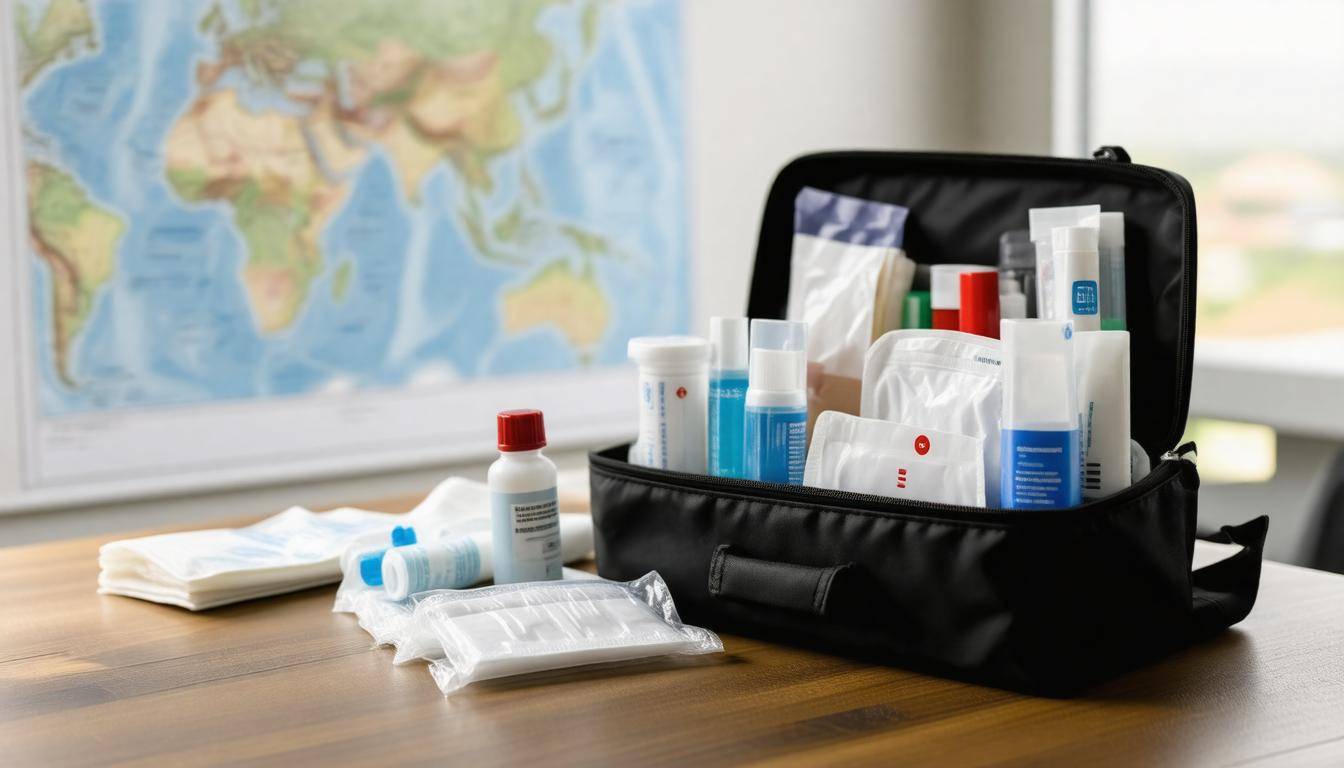
Having medical supplies and knowledge is not just an option; it’s a necessity during crises. When the ground trembles and chaos ensues, having a well-stocked first aid kit at your fingertips can mean the difference between managing injuries effectively or facing dire consequences. Imagine a scenario where you only have minutes to act—whether it’s treating someone for a cut from debris or dealing with a more serious injury. The quicker you respond, the better outcomes can be.
First Aid Kit Essentials
- Adhesive Bandages: Stock up on various sizes to cover cuts and scrapes.
- Antiseptic Wipes: Essential for cleaning wounds to minimize infection.
- Scissors: A reliable pair for cutting tape or clothing in emergencies.
- Tweezers: Perfect for removing splinters or debris that may have entered wounds.
- Gloves: Include sterile, non-latex gloves to protect yourself while treating others.
- Pain Relievers: Over-the-counter medications like ibuprofen or acetaminophen will help manage pain until professional help arrives.
- Burn Cream: Essential for treating minor burns quickly.
- Antibiotic Ointment: Helps prevent infection in any opened wounds.
But having a first aid kit is only half of the equation; it’s crucial to know how to use the supplies effectively. Administering proper wound care helps not just to alleviate immediate discomfort but also prevents serious complications later on.
In addition to stocking your kit, consider investing some time into learning basic first aid practices. Local workshops on first aid can be lifesavers—both literally and figuratively. Many places offer free or low-cost training sessions where you can learn hands-on skills about CPR, wound care, and how to respond to both minor incidents and life-threatening emergencies.
“Knowing what to do in an emergency can save lives.”
Those few hours spent in a workshop could empower you with life-saving skills that remain with you indefinitely. You never know when those skills might come in handy—not just during an earthquake but also in everyday situations like car accidents or sports injuries.
As you cultivate your preparedness strategy, integrating effective medical training and essential supplies will help fortify your readiness against unforeseen circumstances. Let’s explore the importance of safeguarding critical documents and records next.
Legal Documents and Records Safekeeping
Protecting critical documents like identification, property deeds, and medical records is essential to ensure they are easily accessible when you need them the most. Imagine facing the aftermath of a disaster, sifting through chaos, and finding that your vital papers have become lost, damaged, or destroyed. This is where a well-thought-out plan for document safekeeping comes into play.
One key step is to invest in fireproof and waterproof safe boxes. These should be your first line of defense, providing a secure location for important documents. It’s not just about purchasing a safe; it’s about ensuring it’s big enough to accommodate your essentials—think about everything from birth certificates to insurance policies. Ideally, this safe should be in a location that’s easy to access but also out of harm’s way in the event of a quake.
Beyond physical copies, another effective strategy is digital storage.
Consider digitizing these essential documents as an additional layer of protection. When you scan important paperwork or take high-quality photos of each document, you create an electronic backup that can be stored on a USB drive. Keep this drive in your emergency kit so it’s available at a moment’s notice. Digital records vastly simplify retrieval processes after an emergency—you can email necessary documents or print them out fairly quickly if you have access to another computer.
The real beauty of combining both approaches lies in redundancy: if anything happens to your physical copies, you’re not left completely vulnerable.
It’s wise to regularly review and update this collection of documents. Doing so ensures that any new legal changes or life events—like marriage, purchase of property, or the birth of a child—are accurately reflected in your records. Additionally, as new technology emerges or updating procedures change, staying ahead means less stress when disaster strikes.
Keeping these documents organized is just as crucial as protecting them from the elements.
Utilizing labeled folders or binders makes it easier to find what you need quickly in times of stress. A systematic approach isn’t just beneficial for you; family members who may need access during an emergency will appreciate knowing exactly where everything is stored. Furthermore, sharing copies with trusted friends or relatives can provide yet another safety net.
By safeguarding legal documents now, you’re taking proactive measures that can minimize confusion and chaos during emergencies. Ensuring their protection both physically and digitally can yield significant peace of mind later on.
What supplies should be included in an earthquake preparedness kit for residents of San Salvador?
A well-equipped earthquake preparedness kit for residents of San Salvador should include non-perishable food and water (at least one gallon per person per day for three days), a first aid kit, flashlight with extra batteries, multi-tool or Swiss army knife, personal hygiene items, important documents in waterproof containers, cash, and a battery-powered or hand-crank radio for updates. According to the US Geological Survey, earthquakes can occur suddenly and without warning; thus, having these supplies on hand is crucial to ensure safety and survival during emergencies.
What are the best practices for ensuring personal safety during an earthquake in urban environments like San Salvador?
To ensure personal safety during an earthquake in urban environments like San Salvador, it’s crucial to follow the “Drop, Cover, and Hold On” method—drop to your hands and knees, take cover under a sturdy piece of furniture, and hold on until the shaking stops. Additionally, identify safe spots in your home or office beforehand, away from windows and heavy objects that could fall. According to seismic research, cities in earthquake-prone areas can reduce injury risk by up to 50% when citizens practice these guidelines regularly. Always have an emergency kit ready and a communication plan with loved ones.
What local resources or organizations provide support and information on earthquake preparedness in San Salvador?
In San Salvador, local organizations such as the Civil Protection Department (Dirección General de Protección Civil) and the National Mayors’ Association play crucial roles in providing support and information on earthquake preparedness. They offer training programs, workshops, and resources for citizens to enhance community resilience. Additionally, the government has implemented various initiatives aimed at improving infrastructure stability, with recent statistics indicating a 30% increase in public awareness campaigns focused on disaster preparedness since 2022. Engaging with these organizations can significantly increase individual and community readiness for earthquakes.
Are there community response plans or drills in place in San Salvador for earthquake emergencies?
Yes, San Salvador has implemented community response plans and regular drills to prepare for earthquake emergencies. The local government collaborates with organizations such as the National Civil Protection System to ensure readiness, conducting annual earthquake drills that involve schools, businesses, and community members. Statistics show that since the introduction of these initiatives, there has been a significant increase in community awareness and preparedness levels, with surveys indicating over 75% of residents feeling more equipped to handle an earthquake situation compared to previous years.
How can individuals assess their homes for earthquake safety and make necessary improvements?
Individuals can assess their homes for earthquake safety by conducting a thorough inspection of structural elements such as the foundation, walls, and roof connections. Look for any cracks in these components and ensure that heavy furniture or appliances are secured to prevent tipping. The Federal Emergency Management Agency (FEMA) recommends retrofitting homes built before 1980 to improve resilience, as older structures may not meet current seismic standards. Additionally, securing items like water heaters and large bookcases with straps can reduce the risk of injury during an earthquake. Implementing these improvements can significantly enhance safety, as studies indicate that properly retrofitted homes are less likely to sustain severe damage during tremors.