
Transportation is a huge part of our daily lives, but have you ever thought about how we can move around without relying solely on cars? That’s where alternative transportation routes come in—they offer fresh ways to get from point A to point B while being kinder to the planet and our wallets. Think about it: cycling down a scenic path or taking a bus with a few friends not only lightens the traffic jam but also makes your commute more enjoyable. As someone who’s spent time discovering these innovative options, I can tell you that exploring them isn’t just good for the environment; it can also open up new experiences in your community. In this guide, we will dive into what alternative transportation routes are all about, highlighting practical choices that can transform the way we think about travel.
The Alternative Transportation Routes Planning Guide provides a comprehensive framework for identifying, evaluating, and implementing sustainable transportation options. It includes strategies for route planning, safety considerations for multiple modes of transit, and resources for engaging with local stakeholders to promote effective alternative transportation solutions.
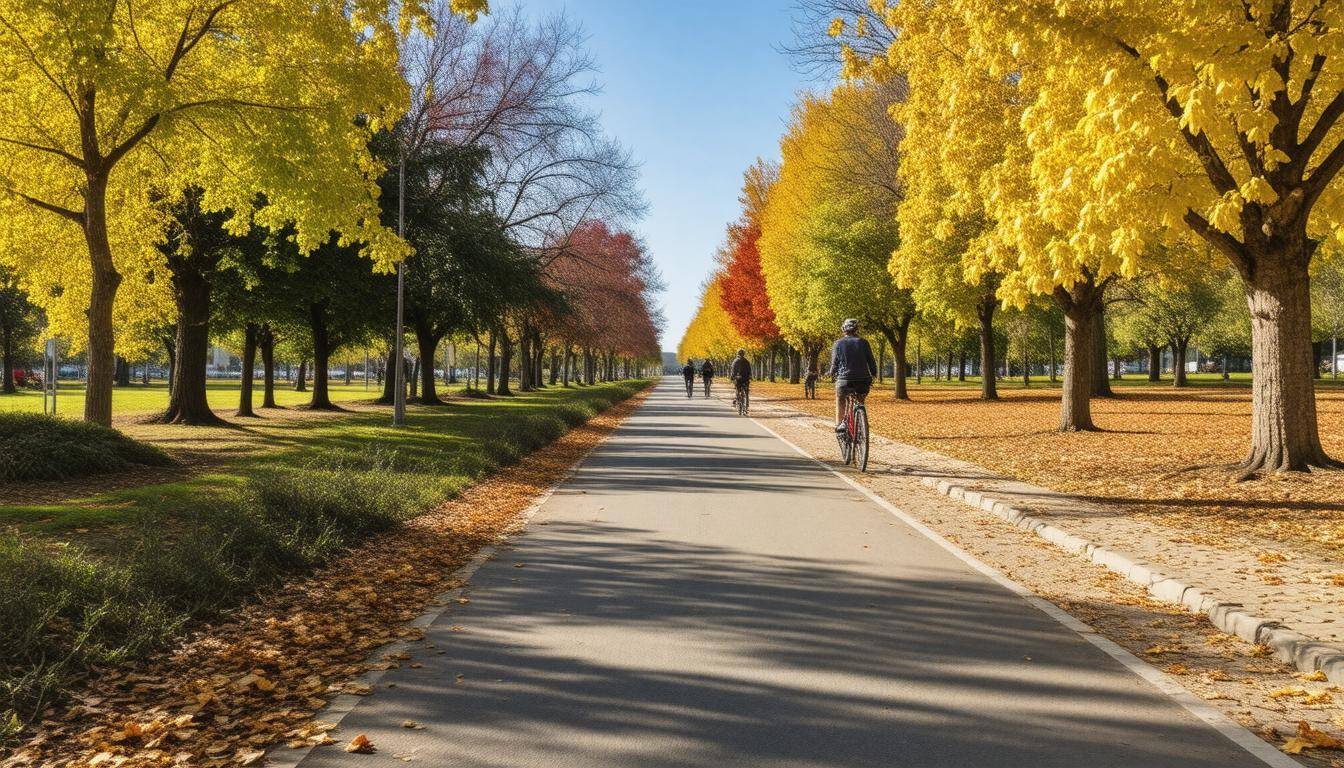
Alternative Transportation Routes Overview
Alternative transportation routes are not just a trendy concept; they represent a fundamental shift in how we move within our communities. These options go beyond the conventional highways filled with cars, offering diverse modes of travel that reflect modern needs for sustainability and accessibility. From bustling public transit systems to serene bike paths, these routes encourage a more active lifestyle while reducing our collective carbon footprint.
To give you an idea of the myriad forms of alternative transportation available, consider a few common ones: public transit, cycling, walking, carpooling, and even electric scooters. Each has its own role in creating a balanced transportation ecosystem that meets the needs of different users. Public transit systems like buses and trains provide vital connections across cities, helping reduce vehicle congestion while offering higher mobility efficiency. When used effectively, public transit can significantly lower the environmental impact of individual trips.
Biking continues to gain popularity as a healthy commuting option, especially in urban areas where dedicated bike lanes are becoming standard. Not only does it promote physical fitness, but it’s also a quiet way to explore neighborhoods without contributing to noise pollution. Meanwhile, services like Uber and Lyft facilitate carpooling, making it easier than ever to share rides with others going in the same direction.
Impressively, research shows that households can save an average of $10,000 per year by opting for public transit instead of owning multiple vehicles. Additionally, according to studies by the American Public Transportation Association, for every mile traveled, public transport produces 95% less carbon monoxide and 50% less carbon dioxide and nitrogen oxides compared to driving personal vehicles. This stark contrast highlights why considering various transport modes is not just beneficial for individuals but crucial for entire communities aiming for long-term viability.
Moving between these modes doesn’t have to be an inconvenience; tools like Google Maps and various local transit apps can make route planning seamless. Imagine combining a brisk walk with a short bike ride—delivering you straight to your job without the stress of traffic jams or parking woes! Connecting options into one cohesive travel experience encourages smart decisions that benefit both personal health and our planet.
In this complex landscape of alternatives, navigating various options presents opportunities for many travelers looking to improve their daily commutes. Next, we’ll explore essential strategies that enhance the entire planning process for effective movement through these diverse systems.
Key Planning Processes
Successful planning of alternative transportation routes involves a systematic approach that addresses the needs, feasibility, and cooperation among various stakeholders. It all starts with a comprehensive needs assessment. This initial step requires examining travel patterns, preferences, and requirements of the community.
To gather valuable insights, consider utilizing tools like surveys and public forums. Engaging with citizens provides an opportunity for them to voice their opinions and help shape the future of transportation in their area.
Not only does a needs assessment illuminate the current landscape of transportation demands, but it also lays the groundwork for the next critical phase: feasibility studies.
Step I – Needs Assessment
After gathering feedback from the community, it’s important to analyze the data to gauge what transportation options are most desired or needed. For instance, if surveys indicate that a significant portion of residents is interested in cycling-friendly routes, this can influence decisions moving forward. Identifying these preferences not only encourages community buy-in but also helps reduce resistance later as initiatives unfold.
With these insights at hand, we proceed to feasibility studies.
Step II – Feasibility Studies
Conducting thorough feasibility studies is crucial in determining possible routes by analyzing existing infrastructure and projected usage alongside potential barriers. Are there roadways suitable for bike lanes? What about public transport stops?
By assessing current conditions, planners can identify limitations and opportunities without overlooking essential factors like safety or accessibility. In some cases, obtaining precise traffic data can significantly improve route planning accuracy. For example, traffic data analysis indicates that real-time adjustments can make journeys 20% more efficient by avoiding congested areas.
Following these assessments and analyses brings us to engaging key players in this process.
Step III – Stakeholder Collaboration
Stakeholder collaboration involves reaching out to local government agencies, community groups, and potential users who will directly benefit from new transportation options. Establishing consensus regarding route choices fosters greater investment in the initiative’s success.
Transparency should be emphasized throughout discussions; keeping communication open builds public trust and alleviates fears or uncertainties surrounding implementation. Ultimately, involving diverse voices early on leads to better decision-making.
It’s wise to maintain a keen awareness of local trends too; as more funding becomes available through federal programs dedicated to enhancing transport alternatives, now is an opportune time to align community goals with funding opportunities.
Once stakeholders have reached a consensus on route plans, it’s time to implement those ideas while closely tracking their performance.
Step IV – Implementation and Monitoring
Effective implementation requires rolling out changes in phases to manage transitions smoothly while continuously monitoring effectiveness. Utilize tracking tools that allow for data collection on how well newly established routes meet intended goals. This could include measuring metrics such as usage rates or average travel times on specific pathways.
By establishing clear evaluation protocols during this phase and being flexible enough to make necessary adjustments based on user feedback or observed efficiency levels, planners can ensure that alternative transport routes fulfill their objectives—providing safe, efficient travel while contributing positively towards sustainability goals.
As we proceed deeper into planning logistics, exploring other available options is essential for enhancing overall mobility across communities.
Public Transit Options
Public transit forms the backbone of many alternative transportation networks by offering an economical and eco-friendly solution to urban travel. In urban environments, options include buses, trams, subways, and commuter trains, each coming with unique advantages that cater to different commuter needs. Understanding these options can help you navigate your city while minimizing your carbon footprint.
Urban Bus Systems
Urban bus systems are typically the most accessible form of public transit. They offer flexibility in routes and schedules, making them ideal for daily commuters who might not live near a major rail line. Cities like Bogotá have capitalized on Bus Rapid Transit (BRT) systems to significantly cut travel times and reduce pollution. For example, dedicated lanes allow buses to bypass traffic congestion, demonstrating how effective urban planning can enhance efficiency and user experience.
Using local bus services also supports community economies; the more riders there are, the more viable these services become.
While bus systems provide essential connectivity, rail and subway systems further elevate public transit capabilities.
Rail and Subway Systems
Rail systems represent a transformative approach to urban travel. Subways and commuter rails usually deliver speed and higher capacity compared to buses but require substantial investment and ongoing maintenance. Take the New York City subway system as an example: it connects millions of residents across diverse neighborhoods quickly and efficiently. However, achieving this level of service comes with challenges such as aging infrastructure requiring constant upgrades.
When considering rail transport for daily commuting, evaluating both its potential for high ridership and significant environmental benefits is crucial. Reduced traffic congestion translates to lower greenhouse gas emissions, making rail travel an attractive option for eco-conscious individuals.
Complementing these heavier systems, trams and light rails serve as vital components in bridging gaps between bus services and expansive metro networks.
Trams and Light Rail
Trams provide a blend of flexibility and capacity that can be very beneficial in medium-sized urban areas where full-fledged rail systems might be impractical or too costly. These surface-level transport options often operate in mixed traffic, enhancing last-mile connectivity while reducing dependency on personal vehicles.
Navigating through busy city streets while providing frequent stops along bustling commercial corridors makes trams an appealing choice for both daily commuters and casual travelers. They not only ease congestion but also enrich the urban landscape, serving as a scenic way to explore the city.
By understanding the strengths of various public transit options—whether utilizing a bus for convenient local travel or hopping onto a subway for rapid transit—you can discover alternatives that suit your lifestyle while positively impacting the environment. Let’s now explore another significant element of urban mobility that includes some of the most enjoyable ways to traverse your surroundings on two feet or two wheels.
Cycling and Walking Paths
These dedicated pathways serve as lifelines for communities, providing safe spaces for residents to engage in physical activity while enhancing the quality of urban life. Imagine starting your day cycling through a peaceful park instead of sitting in traffic for hours. Well-planned cycling and walking paths invite individuals to embrace healthier lifestyles while promoting sustainable transit. Accessible routes reduce the reliance on cars, easing congestion and significantly lowering air pollution levels.
Step-by-Step Guide to Implementing Safe and Effective Paths
The foundation of cycling and walking paths begins with Infrastructure Development. Constructing dedicated bike lanes and pedestrian paths separates these users from motor vehicle traffic, which is crucial for safety. When cyclists and pedestrians feel secure from the threat of cars rushing by, they are more likely to use these routes regularly. Take Copenhagen, for instance—this city has proven that integrating extensive cycling routes into its urban framework encourages cycling and inspires similar initiatives worldwide.
But it’s not just about creating these pathways; connectivity is key to their success.
Enhancing Connectivity
Paths should connect vital points within a community, such as business districts, schools, parks, and transit hubs. This ensures residents have viable options for getting anywhere without resorting to gas-guzzling vehicles. It’s essential to think about the entire journey: how does one get to work or school? If the paths seamlessly link these destinations, one might be encouraged to swap out a car ride for a bike ride or a walk. A truly interconnected network increases foot and bike traffic in these areas, resulting in vibrant neighborhoods that foster greater community interaction.
To further promote this way of life, it’s important to consider additional elements that support user needs.
Support Facilities
Incorporating support facilities along these paths is fundamental to encouraging more usage. Consider adding bike repair stations, where a quick fix is just a few steps away, making it easier for cyclists to maintain their rides without stress. Parking spaces specifically designated for bicycles are another great asset because they provide secure storage and protect bikes from theft while giving cyclists peace of mind as they go about their errands.
Moreover, rest areas are vital spots throughout long-distance pathways, offering spaces where people can take a breather or enjoy their surroundings. Well-placed benches or shaded seating can transform a simple path into a lovely experience during travel.
When communities implement these strategies effectively, they create not only efficient travel options but also an environment that nurtures well-being, sustainability, and connection among residents.
Environmental Benefits
One of the most compelling reasons to embrace alternative transportation routes is their profound impact on our environment. Not only do these options contribute significantly to cleaner air, but they also promote the sustainable use of natural resources. Imagine a city where instead of choking on exhaust fumes from countless cars, residents can breathe fresh air reminiscent of countryside mornings. This is not merely a dream; it’s an achievable reality through thoughtful transit solutions.
Air Quality Improvement
When we reduce our reliance on private vehicles, we simultaneously slash emissions of harmful pollutants such as carbon dioxide (CO2), nitrogen oxides, and particulate matter. The result? Cleaner air for all of us. For instance, consider Los Angeles: after increasing public transportation usage, a study indicated a staggering 20% reduction in smog levels. This isn’t just about aesthetics; it’s about health—breathe easier and enjoy improved respiratory health across communities.
It becomes clear that enhancing public transport options translates directly into improved urban living conditions and higher quality of life for residents.
As we see tangible improvements in air quality, another significant benefit arises—the conservation of our precious natural resources.
Conservation of Natural Resources
By diminishing the demand for fossil fuels through increased use of buses, trains, bicycles, and walking paths, alternative transportation routes help mitigate the depletion of our natural resources. Think about it: while conventional vehicles guzzle gasoline at alarming rates, public transportation systems operate more efficiently and require less fuel per passenger mile. Consequently, we limit the harmful environmental impacts associated with fossil fuel extraction and processing, which can be detrimental to local ecosystems and biodiversity.
A noteworthy aspect often overlooked is that every bike ride or bus trip taken instead of driving contributes to monumental changes over time. Each small action counts towards a larger collective effort to preserve our planet’s health. If more people choose to switch from single-occupancy vehicles to bicycles or public transit for just some errands or commutes, cities can experience drastic reductions in pollution levels and energy consumption.
With these significant environmental advancements firmly established, the next key focus shifts toward alleviating traffic issues and enhancing urban mobility.
Reducing Traffic Congestion
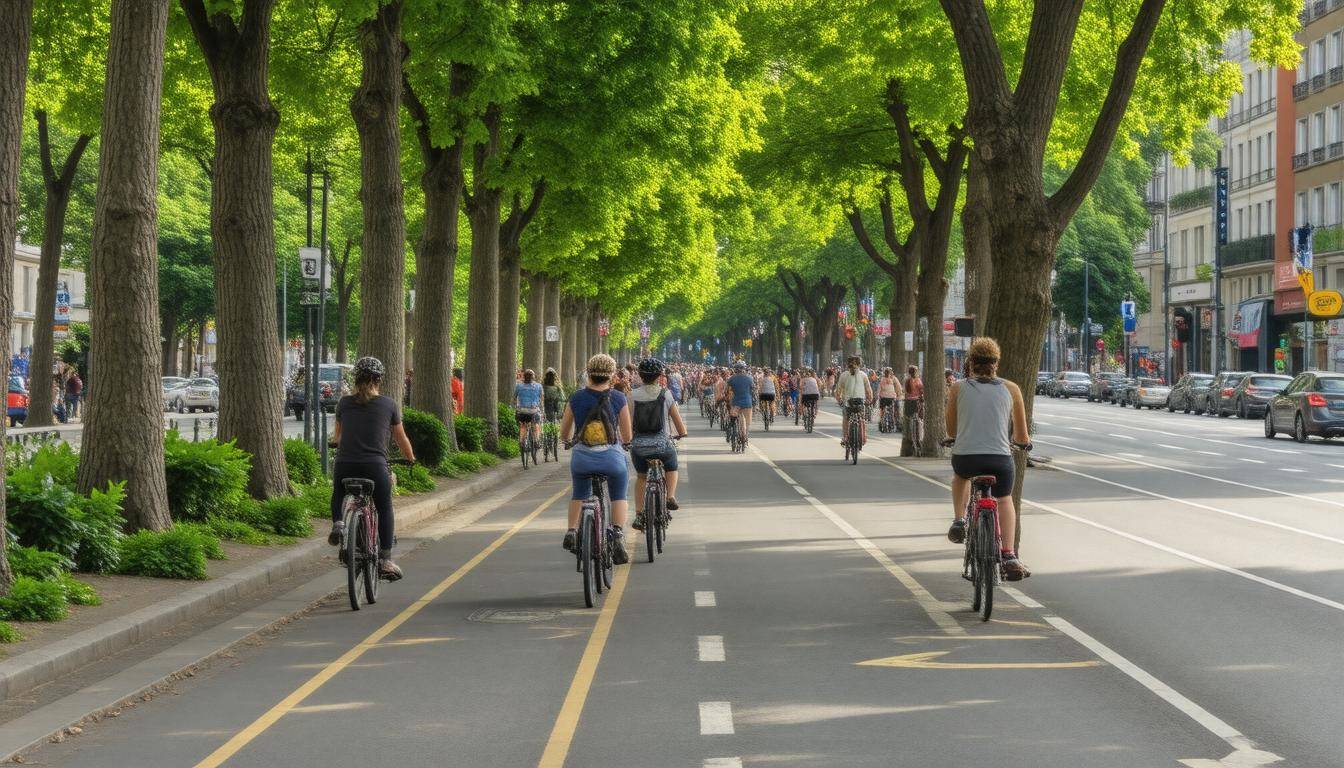
Implementing alternative transportation routes is a strategic way to combat the overwhelming problem of urban traffic congestion. Many cities around the world are recognizing that the key to more efficient travel lies not just in expanding roadways, but in creating viable alternatives to car travel. Urban planners are increasingly designing pedestrian-friendly spaces that encourage walking while integrating dedicated bike lanes that make cycling a safer and more appealing option. This shift helps redistribute the flow of commuters, reducing the pressure on congested streets.
Consider this: According to the Texas A&M Transportation Institute, congestion costs the average American commuter about $1,348 each year in lost time and fuel. That’s a staggering figure that highlights why it’s vital to explore alternatives—both for our wallets and our mental well-being. Less time spent in traffic translates to reduced stress levels, and who wouldn’t want that?
Personal Anecdote
Reflecting on my travels, I’ve experienced this first-hand in Swedish cities renowned for their robust public transit systems and expansive biking networks. During peak hours, these cities display noticeably less congestion compared to car-dependent urban areas. You see people effortlessly hopping onto trams or bicycles instead of sitting idle in traffic, which promotes a healthier lifestyle and fosters a communal atmosphere. There’s a rhythm to city life when locals prioritize alternative transport options.
Policymakers can play a pivotal role by focusing on alternative transport initiatives that offer sustainable solutions to congestion woes.
Policy Implementation
To ease traffic burdens, local governments have the opportunity to introduce several practical measures. Congestion charges, where fees are levied on vehicles entering high-traffic zones during peak hours, can incentivize commuters to reconsider their transport choices. Prioritizing dedicated bus lanes will encourage public transport use by providing faster and more reliable options. Additionally, financial incentives such as discounts for those who choose trains, buses, or bicycles can further shift commuter habits away from single-occupancy vehicles.
Collectively, these measures offer promising avenues to relieve strain on city roads while facilitating a more fluid traffic pattern. Each small change contributes to a larger goal—creating urban environments that promote sustainable travel and an improved quality of life for all residents.
As we contemplate these strategies for enhancing urban mobility, it becomes essential to consider how to actively address and overcome obstacles that might hinder implementation.
Overcoming Implementation Hurdles

Despite their numerous benefits in optimizing travel efficiency and reducing congestion, alternative transportation routes encounter significant hurdles during their implementation phase. Tackling these challenges head-on is essential for creating a transport system that meets the needs of the public while ensuring environmental sustainability and long-term functionality.
One of the most pressing issues faced by communities is funding and budget constraints. Securing financing for new projects can feel daunting, especially when local governments may already be stretched thin. The Bipartisan Infrastructure Law (IIJA), passed in 2021, allocated $1.2 trillion towards transportation infrastructures, providing a unique opportunity to access funding; however, many municipalities may still find themselves needing additional financial backing or grants to complete their projects successfully.
If financial resources are available, another challenge to consider involves the community’s perception of these changes.
Often referred to as public resistance to change, this barrier can manifest in various forms—ranging from skepticism about the benefits of alternate routes to outright opposition based on fears of increased taxes or disruption during construction. To combat this, authorities must engage with community members through transparent communication strategies that explain the advantages while addressing concerns directly. For instance, studies show that when local leaders take the time to educate residents on how these changes will improve daily commutes and reduce congestion over time, support tends to grow.
Even with financial backing and community support, regulatory and policy barriers can throw a wrench into plans for alternative routes.
Existing laws and regulations sometimes resist incorporating innovative solutions like electric vehicle networks or sustainable options, making it imperative for urban planners to collaborate closely with policymakers. By working across departments and involving stakeholders early in project design, planners can pave the way for smoother approvals and ensure compliance with all necessary regulations.
Additionally, no plan is complete without addressing the practical aspects of implementation: technical and logistical issues.
From unanticipated complications during construction to challenges related to integrating new technologies into existing systems, cities may face difficulties that require flexibility and quick problem-solving skills. Employing project management techniques that prioritize clear communication and systematic troubleshooting can help alleviate these complexities during any phase of development. Moreover, investing time in pilot programs could shed light on potential bottlenecks before a full rollout occurs.
Successful examples from other regions demonstrate that overcoming these hurdles is not just possible—it often leads to innovative solutions and improved public services.
Acknowledging these common obstacles empowers us to proactively strategize ways around them, creating pathways that benefit everyone rather than impediments that hinder progress.
Transitioning from identifying these challenges allows us to explore how building connections within communities can facilitate solutions and enhance project outcomes.
Effective Network Building Strategies
Building an alternative transportation network is more than just the physical implementation of routes; it’s about creating a cohesive system that meets the needs of both individuals and communities. A collaborative strategy incorporating various elements can make this endeavor successful. Each facet plays a crucial role in ensuring the network is built efficiently and supported by the users it aims to serve.
Coordination Among Agencies
One of the cornerstones of successful transportation planning is fostering essential coordination among diverse city planning, transportation, and environmental agencies. When these groups align goals and resources, they create a streamlined process capable of addressing contemporary challenges.
For instance, consider how the U.S. Department of Transportation Volpe Center has collaborated with local agencies for over fifty years to tackle complex transportation issues. Their combined efforts not only promote innovative ideas but also allow cities to share best practices. By communicating openly, these agencies can eliminate redundancy, preventing wasted time and money while enhancing overall project outcomes. The emphasis should be on establishing regular meetings and collaborative planning sessions where strategies can be evaluated and harmonized.
Community Involvement
Engaging community members in the planning processes brings invaluable insight and fosters a sense of ownership among those who will utilize the transportation network. Without proper input from residents, initiatives may fail to meet actual needs or could even be met with resistance.
So, how can planners effectively gather community input?
An excellent starting point would be to organize public consultations where residents can share their thoughts directly with decision-makers. Additionally, using social media polls offers a low-barrier platform for gathering feedback on specific aspects of proposed routes or features. Neighborhood meetings provide another avenue for discussions, allowing stakeholders to dive deeper into topics important to them. Ultimately, integrating community perspectives ensures the solutions resonate with those who will rely on them.
Adoption of Technology
Embracing technology is paramount in constructing an efficient alternative transportation framework. Advanced tools like Geographic Information Systems (GIS) enable urban planners to visualize and analyze various data layers, facilitating informed decision-making regarding route optimization.
Real-time monitoring systems contribute as well by collecting critical data on usage patterns and potential bottlenecks within the network. This real-time feedback can enhance responsiveness, allowing for adaptations when necessary—like rerouting during high congestion periods or improving particular intervals based on usage trends.
By implementing these strategies holistically, cities aren’t merely building transport connections; they’re crafting resilient frameworks designed to thrive amidst evolving challenges.
Summary Table
Here’s a summary of best practices for effective network building:
| Strategy | Explanation | Example |
|---|---|---|
| Coordination Among Agencies | Align goals and resources shared by different departments | Collaborative projects between New York’s DOT and Environmental Protection Department |
| Community Involvement | Involving locals in planning processes | Public consultations held in San Francisco |
| Adoption of Technology | Using modern tools to optimize routes | GIS mapping utilized in Chicago |
This structured approach serves as a blueprint for cities striving to develop sustainable, efficient, and accessible alternative transportation networks that truly serve their communities’ needs.
Incorporating these strategies not only enhances connectivity but also makes travel more efficient and enjoyable for everyone involved.