
Are you ready for a tsunami in Auckland? It might sound like something that only happens in movies, but the reality is that living near the stunning coastlines of the North Island comes with some risks. Tsunamis can strike without warning and cause serious damage in mere minutes. Preparing your family and household for such an event isn’t just smart—it’s essential. In this guide, we’ll walk you through crucial steps to ensure you and your loved ones are as safe as possible. From understanding the risks and planning evacuation routes to building emergency kits, let’s dive into what you need to know before disaster strikes.
To prepare for a tsunami in Auckland, residents should create an evacuation plan that includes multiple routes away from the coast and establish a family emergency communication plan. Additionally, it’s crucial to stay informed through local news channels and weather apps for real-time alerts about tsunami warnings and updates.
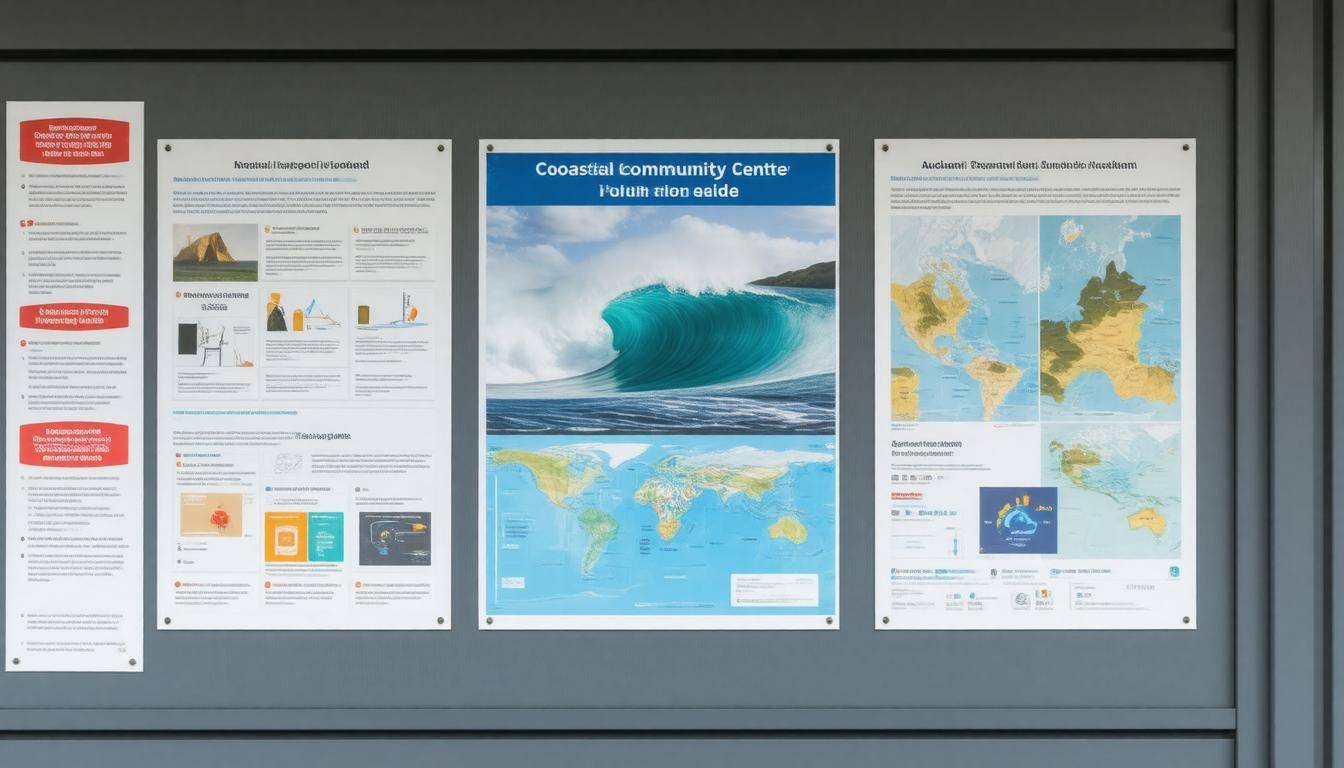
Tsunami Risks in Auckland
Auckland’s breathtaking coastline presents significant challenges due to its vulnerability to tsunamis. The city’s unique geographical formation sits on the boundary of two major tectonic plates, increasing the threat level for seismic activity. This emphasizes the importance of being aware of the potential dangers lurking beneath the surface.
Research indicates that Auckland could face tsunamis generated from both distant earthquakes in the Pacific Ocean and local seismic events along regional fault lines such as the Kermadec Trench. The unpredictability of these natural phenomena highlights how urgent it is for everyone to understand their risks thoroughly. According to recent studies conducted by the New Zealand Geological Survey, there is a notable 10% chance of a significant tsunami impacting Auckland within the next 50 years. This statistic isn’t just a number; it’s a wake-up call.
The past serves as a teacher—one need only reflect on events such as the 2011 Japanese tsunami, whose shockwaves reached far beyond its shores and caused widespread devastation across the Pacific. The repercussions were felt globally and serve as a sobering reminder that we’re connected in ways we might not fully comprehend.
Stats like this might sound alarming, but they emphasize how essential it is for residents to be proactive rather than reactive when preparing for emergencies. Approximately 30% of Auckland’s coastline is considered vulnerable to tsunami inundation, particularly in low-lying areas where water can surge dramatically in minutes. This underscores the necessity of having effective preventive measures in place.
Understanding Warning Systems
Given these sobering statistics and historical lessons, it becomes clear that communities must have efficient systems ready to alert residents swiftly when warnings occur.
New Zealand’s government has identified 12 key evacuation routes specifically for tsunami warnings in Auckland. These routes not only guide residents away from coastal areas but also ensure that everyone understands their options during an emergency. Annual community drills establish familiarity with these routes, paving the way for organized evacuations and reducing panic when seconds count.
As you contemplate your family’s safety plan, consider integrating up-to-date information sources—keeping alert through local news channels or dedicated weather apps can be immensely helpful. Also, familiarize yourself with natural warning signs: An earthquake can often precede a tsunami—a phenomenon every resident needs to recognize.
Arming ourselves with knowledge about these risks is vital; now let’s explore how technology aids in keeping residents informed during critical situations.
Emergency Alert Systems
Auckland is equipped with sophisticated emergency alert systems designed to protect its residents during tsunami events. The core of this system revolves around instant notifications from the National Emergency Management Agency (NEMA), which plays a pivotal role in ensuring that people receive timely updates. By subscribing to these services, you can receive essential alerts directly sent to your mobile device via text messages or apps. This makes it easy for you to stay informed wherever you are.
It’s worth noting that these alerts can save lives, providing critical information about impending threats and tailored recommendations on protective actions. When subscribers receive such notifications, they are better positioned to react swiftly and effectively, whether it’s evacuating or finding safe shelter.
While digital services are crucial, local radio and television broadcasts are equally significant during a tsunami emergency. These platforms offer real-time updates from civil defense authorities, ensuring that accurate information flows consistently. A useful tip here is to keep a battery-powered radio handy. This ensures that even during power outages—often cascaded by natural disasters—you will still have access to continuous updates and instructions.
Step-by-Step Guide to Understanding Alerts
- Sign Up: Start by subscribing to NEMA’s emergency alert system. This will activate notifications that help keep you informed about local tsunami risks.
- Stay Tuned: During an active event, monitor local radio stations or TV channels that relay updates from civil defense.
- Batteries Matter: Equip yourself with a battery-powered radio as a fail-safe, ensuring that you’re not cut off from crucial information when the power goes out.
In addition to these proactive measures, preparation is much more than just receiving alerts; it’s about knowing how to interpret them and act accordingly. When alerts indicate a tsunami threat, they often carry specific directives based on the type of warning issued—ranging from evacuation notices to advisories about staying away from coastal areas due to dangerous currents.
Effectiveness and Reliability
The technology behind these alert systems is both impressive and reassuring. Using advanced equipment like seismographs and tide gauges, authorities can detect seismic activities and anticipate waves before they reach the coastline. This technological prowess significantly improves the reliability of warnings issued to residents.
Reports indicate that the accuracy rate of tsunami alerts stands at an impressive 95%. This means that when you receive a notification about a potential tsunami, there is a high level of confidence in the information being accurate.
However, knowing when a tsunami might strike is just the beginning; it calls for immediate action in line with established procedures for safe evacuation.
Evacuation Plans and Routes
Effective evacuation plans are vital when it comes to preparedness for tsunami scenarios. With Auckland’s unique coastal geography, understanding the layout of roads and pathways can be the difference between safety and danger during an emergency. Planning is not just about knowing where to go; it’s also about how you’re going to get there swiftly and efficiently. Therefore, the first step involves identifying multiple evacuation routes: don’t rely on just one escape path because accessibility can change in an instant.
Key Steps in Planning Your Evacuation
Begin by mapping out various routes from your home or workplace to safe zones, which could be established shelters or higher ground. This means considering different modes of transport—whether you’ll be driving, biking, or even walking. You never know when traffic conditions may leave your primary route blocked, especially under duress. Make sure to review these paths regularly to ensure that they remain clear and accessible.
It’s beneficial to physically walk or drive these alternate routes at least once every few months. By doing so, you’ll not only familiarize yourself with the landscape but also cultivate the confidence needed when you need to act fast. Furthermore, practice makes perfect; consider participating in community drills that simulate evacuations. These exercises enhance personal readiness and foster camaraderie in neighborhood connections, further aiding community resilience.
As you create your evacuation routes, take note of potential hazards that could arise during an emergency situation. For instance, if heavy rains or strong winds are expected before a tsunami warning, some paths may become unsafe or obstructed.
Here’s a simple reference chart to help visualize your options:
| Route | Mode of Transport | Distance to Safety (km) | Potential Obstacles |
|---|---|---|---|
| Route A | Car | 5 | Traffic congestion |
| Route B | Foot | 3 | Steep hill |
| Route C | Bicycle | 4 | Narrow paths |
By organizing such details ahead of time, you set yourself up for success in both planning and execution when it counts most. It’s crucial to understand that knowing multiple evacuation routes won’t solely protect you; it will also help reduce panic, allowing for well-informed decisions during stressful situations.
With effective routes mapped out, it’s essential not only to know where to go but also where to find safe shelters along these routes. Understanding destination points ensures you have a clear plan established that aligns with your travel methods.
Identifying Safe Shelters
Safe shelters act as sanctuaries during tsunamis, and your ability to identify them beforehand can make all the difference in an emergency. Begin by locating shelters officially recognized by civil defense authorities, as these spots are specifically designated for disaster situations.
Examples include school gyms or community centers, which not only provide ample space but are also built with structural integrity to withstand potential impacts. In Auckland, prominent examples like the Mt. Wellington Community Centre and Western Springs College Gymnasium stand out as reliable options.
However, it’s not enough just to know the locations; you must also check if these facilities have essential amenities. When you’re seeking refuge from a life-threatening situation, comfort and safety need to be prioritized.
One critical aspect is ensuring the shelters are equipped with backup power supplies. You want assurance that they can function properly under adverse conditions, especially in case of future power outages following a natural disaster. Medical kits are another vital resource; shelters should have first aid supplies available and ideally, personnel trained to use those resources effectively.
But don’t stop at just identifying these shelters; ensure you’re engaged with your community regarding preparedness efforts.
Collective safety also lies in community awareness and preparedness.
Sharing knowledge about these safe spaces fosters a sense of readiness among residents. Take time to discuss these identified shelters with your neighbors and friends—this conversation could prove lifesaving later on. You might be surprised by how many experiences your community members have related to past disasters; their insights could help paint a clearer picture of what works well and what doesn’t. By banding together, you increase everyone’s awareness and preparedness level while building strong ties within the community.
- Identify recognized shelters: Always seek locations approved by local civil defense.
- Verify amenities: Check for power supplies and medical kits.
- Engage with your community: Share insights and gather knowledge about shared experiences in disaster preparedness.
- Stay informed: Keep updated on any changes to shelter locations or services offered.
Your proactive measures can pave the way for collective security, creating a shared responsibility in preparing for such natural disasters. Each person’s knowledge contributes to the communal safety net, enhancing an entire neighborhood’s resilience against looming threats like tsunamis.
As we explore the importance of preparedness further, it’s crucial to examine how communities can come together during drills and utilize available resources effectively to enhance their readiness.
Community Drills and Resources
Community preparedness can save lives. In Auckland, local authorities recognize the invaluable role of regular drills in fostering a culture of safety. These bi-annual drills simulate real tsunami scenarios where residents participate in mock evacuation exercises. Such drills help everyone better understand the necessary steps to take when an emergency strikes.
For instance, Jane Harris, a resident from Auckland, shared her experience: “The last drill I participated in was eye-opening. It made the threat seem real.” A drill brings to life what we often regard as mere conversation; it challenges us to think critically about our responses and reactions in unusual situations. The emotional engagement that comes from experiencing these drills allows individuals to comprehend the risks associated with tsunamis fully.
Beyond participating in drills, it’s vital for residents to take advantage of all available resources. Knowledge is power, especially regarding emergency preparedness. Various organizations offer workshops and information sessions specifically focusing on safety measures before and after seismic events. Attending these sessions regularly is important—staying informed helps keep your family safe.
Civil defense agencies play a crucial role in educating communities about safety protocols. They provide numerous resources—from pamphlets detailing evacuation routes to interactive workshops that simulate emergency scenarios. Engaging with these resources empowers individuals and creates a connectedness within the community, ensuring everyone shares the responsibility of preparedness.
As of October 2024, more than 56.8 million participants globally have registered for earthquake drills through initiatives like ShakeOut. This statistic highlights how essential these programs are for cultivating awareness that spans beyond just one location; they promote global safety practices. New Zealand is becoming increasingly active in such initiatives, underscoring its commitment to safeguarding vulnerable populations against potential tsunami threats.
While participating in community drills is critical, creating a personal emergency plan tailored to your family’s specific needs is equally important for ensuring overall safety during a tsunami event.
With this foundation in community readiness laid out, it’s now time to explore how you can put together your own customized strategy for emergency preparedness.
Creating a Personal Tsunami Plan
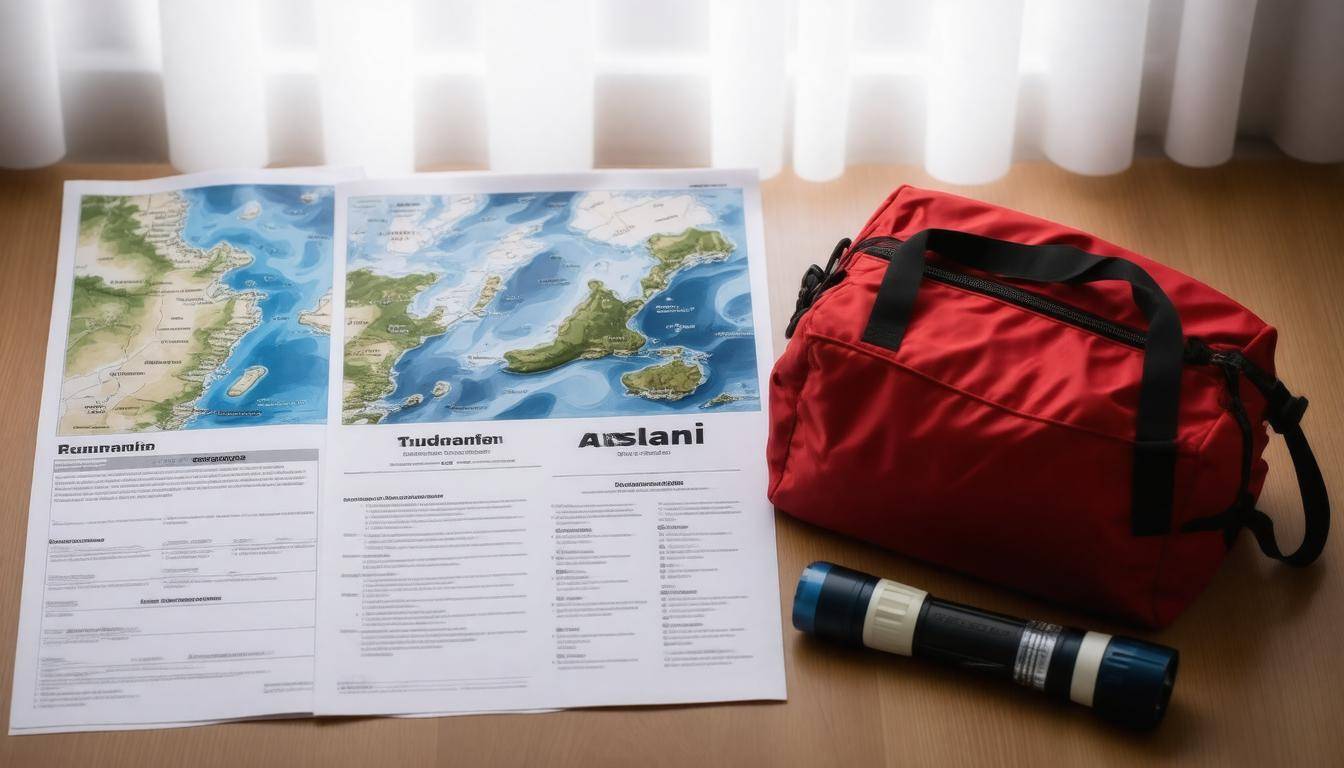
A personalized tsunami plan acts as your first line of defense in the face of this unpredictable threat. The goal is to ensure everyone in your household knows what actions to take when that urgent warning arises. Start by drafting a detailed evacuation plan; this isn’t just a nice-to-have—it’s crucial for saving lives. Involve all family members in this dialogue so everyone understands their role.
Step I – Assign Responsibilities
Begin by assigning specific responsibilities within your family unit. Think of it as forming a small, cohesive team for your safety. For instance, designate one person to grab the emergency kit while another ensures pets are secured and prepared for evacuation. This division of tasks helps make efficient use of time, especially in the chaos that might ensue during an emergency.
“It’s not just about knowing what to do; it’s about having a plan that every member can easily remember.”
Step II – Establish Meeting Points
Next, establish both primary and secondary meeting points where family members can reconvene after evacuating. Choose easily accessible locations, such as a friend’s house or a local school, located outside the immediate area prone to tsunamis. Ensure these spots are well understood by everyone so if someone gets separated during an evacuation, they’ll know where to go.
Consider practicing how you’ll navigate to these meeting points—whether you drive or walk can affect how quickly you’re able to get there or even compromise safety. If mobility is an issue for any family member, ensuring accessibility to these locations becomes even more essential.
Step III – Practice the Plan
Regularly practicing your personal plan will solidify each member’s understanding and readiness. Conduct drills at least once every few months. Each practice round can reveal gaps in your planning—perhaps someone doesn’t know where the emergency kit is located or forgot which meeting point was designated. Adjust based on new information or changes within the household, such as welcoming new family members or pets.
Learning from these drills is invaluable; ideally, they turn potential panic into proactive action.
With your personalized plan crafted and practiced, it’s time to focus on gathering essential supplies that will support these preparations effectively.
Emergency Kits and Supplies
An effective emergency kit is not just a collection of random supplies; it’s a carefully curated assortment of items specifically designed to sustain you and your family during an unexpected crisis like a tsunami. The goal is to prepare for at least three days without access to usual resources, which can be daunting but entirely achievable when organized properly.
Essential Items
-
Non-perishable food for at least three days: Think canned goods, energy bars, dried fruits, and nuts. They’re not only easy to store, but they also provide essential nutrition and energy.
-
One gallon of water per person per day: This might sound excessive, but hydration is crucial for each family member over three sunny days full of adrenaline.
-
First aid kit with essential medications: Include band-aids, antiseptic wipes, allergy medication, and specific medications your family needs. Don’t forget the instructions for administering any prescription medication!
-
Battery-operated radio: When the power goes out—often the case during emergencies—keeping informed about developments and further instructions from local authorities is vital.
-
Flashlight with extra batteries: A reliable flashlight will prevent any darkness-induced panic. Remember to test it periodically to ensure that it’s functional.
-
Important documents in a waterproof bag: Lifesaving documents like identification, insurance policies, and medical information are crucial. Having these readily accessible in an emergency scenario can save time and effort.
Personalized Additions
Family dynamics often come into play when preparing your emergency kit. If you have infants or small children, stock up on baby formula or food suitable for their dietary needs. Personal hygiene products, such as moist towelettes and hand sanitizers, can help maintain comfort in stressful situations. It’s also wise to think about diversifying your kit based on individual needs—maybe someone requires a specific daily medication or has allergies that need addressing.
As you’re putting together your emergency kit, remember that it should reflect not only the general necessities but also the unique needs of everyone in your household.
After ensuring you have these essentials packed away neatly in a single location—perhaps a backpack or sturdy plastic container—it’s vital to ensure everyone knows how to access them easily if evacuation becomes necessary. Preparation expands beyond just physical supplies; it encompasses knowledge about what your family members need during such adversities. Your emergency strategy isn’t truly complete until every detail has been considered and rehearsed.
With a well-organized emergency kit in place, it’s important now to focus on how families can effectively communicate during crises, ensuring that everyone stays connected and informed when it matters most.
Family Communication Strategies
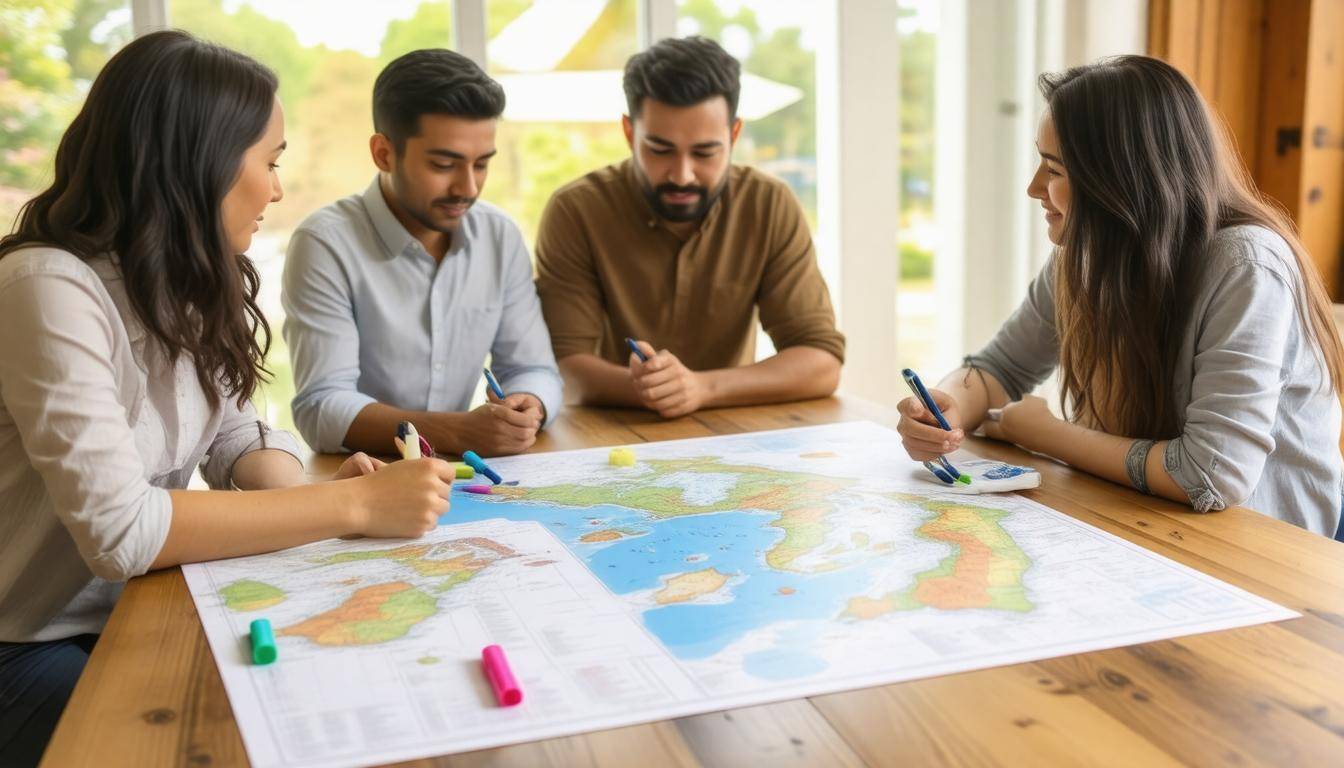
Clear communication can mean the difference between chaos and calm in times of disaster. Establishing a communication plan is vital to ensure every family member knows how to reach each other if they become separated.
When creating this plan, begin by identifying a designated family coordinator who lives outside the tsunami-prone zone. This person will serve as the central point of contact, which can be invaluable in relaying information back and forth when local lines of communication may be compromised.
Developing your communication strategy further involves understanding the tools you can utilize. Equip each family member with emergency contact cards that list important phone numbers, addresses, and meeting points where everyone should gather post-disaster. Having this information readily available alleviates confusion and helps facilitate quick reunions amidst the turmoil.
Effective Tools
Consider using group messaging apps like WhatsApp or GroupMe to keep all family members informed during emergencies. These platforms allow for swift updates, enabling everyone to share their status or location easily. Whether checking in from a safe distance or coordinating disaster responses, these tools foster real-time communication.
Sam Wilson shares, “Our communication plan helped us stay connected during the last severe storm. Everyone knew exactly what to do.”
To reinforce your family’s preparedness, conduct regular drills practicing this communication plan. These exercises ensure that each member knows their roles and responsibilities when disaster strikes. The more familiar everyone becomes with the process and procedures, the calmer and more composed your family can be when faced with unexpected circumstances.
A well-structured communication strategy doesn’t just connect family members; it builds confidence and reinforces a sense of security that no matter what happens, you will be able to support one another effectively.
In conclusion, safety begins with preparation and effective communication. Empowering families through planning ensures resilience in the face of potential disasters.
What are the primary warning signs of an impending tsunami in Auckland?
The primary warning signs of an impending tsunami in Auckland include a noticeable and rapid rise or fall in ocean water levels, often referred to as a “drawback,” along with strong earthquakes or shaking felt in the region. According to research by the New Zealand National Emergency Management Agency, any significant seismic event, particularly with a magnitude of 7.0 or greater, can trigger tsunami warnings. Residents should also listen for official alerts from authorities and observe natural indicators like unusual sea behavior, as these may signify an approaching wave.
What evacuation routes are recommended for various areas in Auckland during a tsunami warning?
During a tsunami warning in Auckland, residents are advised to evacuate to higher ground, specifically to designated safe zones such as the Auckland Domain or Mount Eden. Key evacuation routes include using main roads like the Southern Motorway (State Highway 1) towards elevated areas. It is crucial to remain aware of local emergency services updates and follow established procedures, as statistics show that timely evacuations can reduce casualties by up to 75% in impacted regions.
How should I prepare my home and family for a potential tsunami?
To prepare your home and family for a potential tsunami, first identify if you live in a tsunami risk zone and create an evacuation plan that includes designated meeting points. Secure heavy furniture and appliances to prevent them from tipping over during tremors, and maintain an emergency kit stocked with essentials like water, non-perishable food, flashlights, medications, and first aid supplies. Regularly practice your evacuation drills with the family so everyone knows what to do—this is crucial since studies show that preparedness can reduce panic and increase survival rates during disasters. Stay informed about local emergency alerts for real-time updates.
How can local authorities communicate tsunami alerts to residents effectively?
Local authorities can effectively communicate tsunami alerts to residents through a multi-channel approach, including SMS alerts, social media updates, and community siren systems. Research shows that immediate mobile notifications can increase awareness and prompt timely evacuations; for instance, a study indicated that communities receiving SMS alerts had a 30% faster response time during emergencies. Additionally, public information campaigns to educate residents on evacuation routes and safety protocols can enhance preparedness, ensuring higher compliance in the event of an actual tsunami threat.
What items should be included in an emergency kit for tsunami preparedness?
An emergency kit for tsunami preparedness should include essential items such as non-perishable food, water (at least one gallon per person per day for three days), a flashlight, batteries, a first aid kit, medications, important documents, a whistle for signaling help, and sturdy shoes. Statistics indicate that during significant tsunami events, survival often hinges on having immediate access to these supplies; for instance, the 2011 Japan earthquake and tsunami highlighted the importance of preparedness as survival rates drastically improved among those equipped with comprehensive emergency kits.