
Flooding in Ayutthaya isn’t just a seasonal nuisance; it’s a reality that impacts daily life for residents and visitors alike. With its historical charm nestled between three rivers, this city is at constant risk of heavy downpours and rising water levels, especially during the monsoon season. If you’re planning a trip or thinking about settling here, it’s essential to grasp the flood risks that come with this beautiful locale. Knowing how to prepare and what precautions to take can make all the difference between a memorable visit or a stressful evacuation. This guide will help you navigate through effective strategies and tips to keep yourself and your loved ones safe amid the waters.
The Ayutthaya Flood Protection Guide offers essential strategies, such as understanding seasonal flooding patterns, utilizing sandbags, and ensuring proper drainage around properties. Visitors are also advised to stay informed through local weather updates and consider planning travel during the dry season for a safer experience.
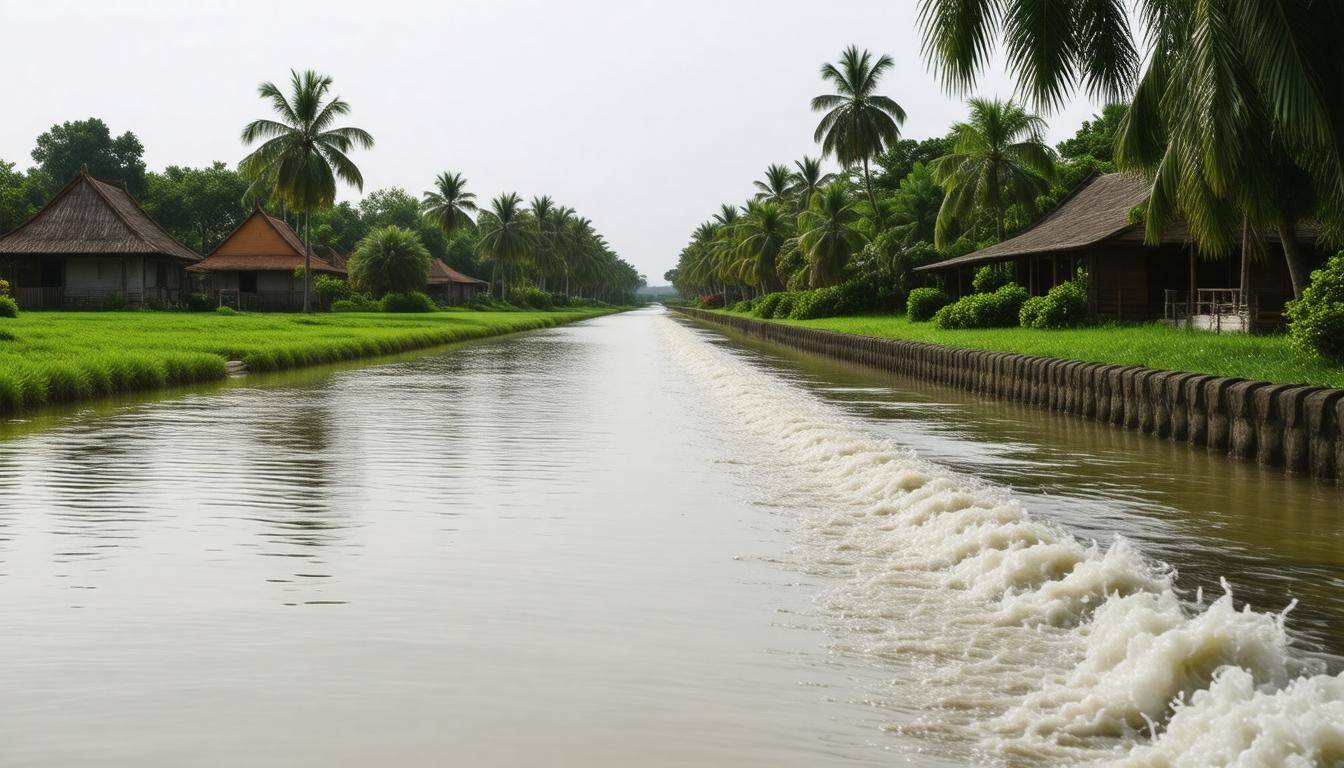
Ayutthaya’s Flood Risk Overview
Situated in central Thailand, Ayutthaya’s unique geography significantly contributes to its flood risk. While this once-thriving capital was strategically established on elevated land surrounded by the merging currents of three rivers—the Chao Phraya, the Pa Sak, and the Lop Buri—this natural defense has become a double-edged sword.
During the monsoon season, which typically begins in May and lasts until October, these rivers can overflow, especially after heavy rainfall that averages around 1,400 millimeters annually. This scenario has intensified due to urban development and deforestation, disrupting the natural flow of waterways.
Historical data reveals that Ayutthaya has faced devastating floods several times, with notable events recorded in 1983, 1995, 2011, and 2021. In fact, the flooding in 2011 affected over a million residents and lasted for as long as four months in some areas. Approximately 60% of Ayutthaya is at risk of flooding during severe weather conditions, with flood depths often ranging from 1 to 3 meters. This structural vulnerability underscores the importance of being proactive.
Every year, local authorities work to improve infrastructure and implement flood defenses, but community awareness and personal readiness play critical roles too.
For visitors and locals alike, understanding these dynamics can greatly influence safety preparations. If you’re planning to visit during the rainy season or reside there long-term, consider investing in flood insurance options like SafetyWing for your peace of mind.
Additionally, it’s advisable to keep an eye on weather forecasts and stay informed about potential flood warnings. By doing so, you’ll not only ensure your own safety but also that of others around you.
As we further explore strategies tailored to Ayutthaya’s flood landscape, we’ll examine additional measures that enhance both individual safety and community preparedness.
Government Flood Protection Measures
The Thai government has recognized the critical need to safeguard Ayutthaya from devastating floods, which have historically caused immense damage and disruption. As a response, comprehensive measures have been put in place that go beyond just constructing barriers. One significant aspect of this strategy involves infrastructure projects designed to bolster the region’s defenses against rising waters.
Infrastructure Projects
Notably, one of the most impactful initiatives is the Chao Phraya Flood Wall, completed in 2023. This expansive structure runs for an impressive 14 kilometers and is engineered to withstand water levels reaching up to 3.5 meters, thereby acting as a formidable barrier against floodwaters. Such infrastructure not only protects urban areas but also helps secure agricultural lands that are vital to local economies. These investments reflect a forward-thinking approach where protecting communities and livelihoods take precedence over merely reacting to natural disasters.
In addition, the construction of embankments along key waterways serves to redirect potential floodwaters away from densely populated areas. This further reinforces existing defenses against unforeseen deluges that climate change can bring. The goal here isn’t just survival; it’s about creating stability and confidence within affected communities.
Early Warning Systems
Equally important are improvements in early warning systems aimed at informing residents promptly about impending floods. The Department of Disaster Prevention and Mitigation has taken proactive steps by installing over 200 flood monitoring stations across Ayutthaya province. These stations collect crucial data regarding water levels and rainfall patterns, enabling authorities to predict flood events more accurately.
Real-time updates from these monitoring stations can alert communities early enough to evacuate if necessary or prepare their homes adequately. In many cases, timely information can mean the difference between destruction and minimal impact, allowing families and businesses to make informed decisions.
Furthermore, community outreach programs educate residents on best practices for flood readiness—from creating emergency kits to understanding evacuation routes—ensuring everyone feels prepared rather than vulnerable. Such proactive measures empower locals, fostering a sense of resilience and community unity amid uncertainty.
When paired with robust infrastructure projects, these early warning systems create a comprehensive safety net that bolsters Ayutthaya’s defenses against climatic threats. They illustrate how a combination of technology and community engagement forms the foundation for effective flood management strategies.
By integrating advanced technologies with community efforts, Ayutthaya creates a model for others facing similar challenges while embracing a future focused on preparedness and resilience.
Community Emergency Preparedness
Community involvement plays a vital role in emergency preparedness concerning floods. Strong local participation enhances the resilience of communities, transforming them from passive recipients of aid into active participants in their own safety.
For instance, the village of Wat Jan has established a volunteer flood response team that conducts drills twice a year and educates residents on emergency procedures. Such initiatives empower individuals and create a collective spirit of preparedness, reminding us that safety begins at home and flows outwards.
Community Training Programs
One effective way to foster this spirit is through training programs tailored to the community’s specific needs. Communities are encouraged to develop local emergency action plans that incorporate designated shelters, communication methods, and evacuation routes. This personalized approach ensures that everyone knows what to do when crisis strikes.
As I’ve seen in various disaster-prone areas, these programs enhance not only individual knowledge but also build camaraderie among community members as they learn together.
Regularly scheduled drills don’t just prepare people for an emergency; they also instill confidence and calmness. People are less likely to panic if they are familiar with procedures and each other’s roles during a crisis.
Some might argue that government intervention should suffice to protect communities from floods. However, local preparedness has proven to significantly reduce response times and mitigate panic during floods. When the community comes together to share knowledge of local conditions—for example, understanding which areas are most prone to flooding—they can better respond to threats before external help arrives.
Government resources may be limited or slow in reaching all areas during a disaster, making local preparedness even more critical.
One important aspect of these community initiatives is the inclusion of diverse voices within the planning process. By engaging various groups—women, children, elderly citizens, and disabled individuals—communities ensure their strategies are inclusive and comprehensive. Every member has unique insights and experiences that can inform more successful emergency plans.
By prioritizing local engagement and preparedness strategies, we can better equip ourselves against natural disasters while fostering a sense of unity. Exploring the broader implications of climate trends will shed light on how these local efforts can align with global environmental challenges.
Impact of Climate Change
One of the most pressing challenges posed by climate change is its role in exacerbating flood risks, with erratic weather patterns becoming more common. In Ayutthaya, we are likely to experience unexpected heavy rainfall that can arrive without warning. According to a study by the Intergovernmental Panel on Climate Change (IPCC), there is a projected 20-30% increase in rainfall across Southeast Asia by 2050. Imagine the consequences when an increase of such magnitude occurs; local waterways may easily become overwhelmed, leading to devastating floods that can wreak havoc on communities and cultural heritage.
As these unprecedented rainfalls increase, our existing flood defenses struggle to keep pace. Infrastructure designed for one set of weather norms may simply not suffice under a new reality marked by higher volumes of water.
It becomes increasingly critical to continually assess and upgrade flood defense systems. If we don’t adapt our infrastructure to accommodate the effects of climate change, we risk exposing ourselves to catastrophic events that could lead to loss of life as well as damage to property and historic sites like the 17th-century Chaiwatthanaram Temple (Wat Chai). These structures reflect the history and culture of Thailand but are also susceptible to degradation from relentless flooding.
Long-term Implications
Furthermore, rising sea levels impact groundwater supplies and contribute to saltwater intrusion, which can degrade sensitive ecosystems. This creates a feedback loop where increased salinity compromises plant growth that traditionally helps stabilize soil and protect against erosion. Eroded landscapes make communities even more vulnerable when heavy rains come.
Indeed, changes in temperature and precipitation do more than disrupt the natural water cycle—they intensify the severity and frequency of flooding events. Communities must engage with government entities and local stakeholders to develop adaptive strategies suitable for their unique environments. Educational programs aimed at raising awareness about environmental challenges help local populations better understand how their actions contribute to or mitigate flood risks.
Consider this an opportunity—while the challenges presented by climate change may seem daunting, they also prompt innovative solutions that bring communities together around a common goal: protecting their homes and heritage from inevitable fluctuations in weather patterns.
With proactive measures taken today, including strengthening flood defenses and nurturing local ecosystems, Ayutthaya stands a better chance at withstanding what lies ahead. Understanding the intricate relationship between climate change activities and our environment empowers us to cultivate resilience within our communities.
These essential safety considerations pave the way for implementing effective personal strategies that safeguard lives and properties. Next, we will explore ways to create comprehensive safety plans tailored specifically for individual needs.
Crafting a Personal Safety Plan
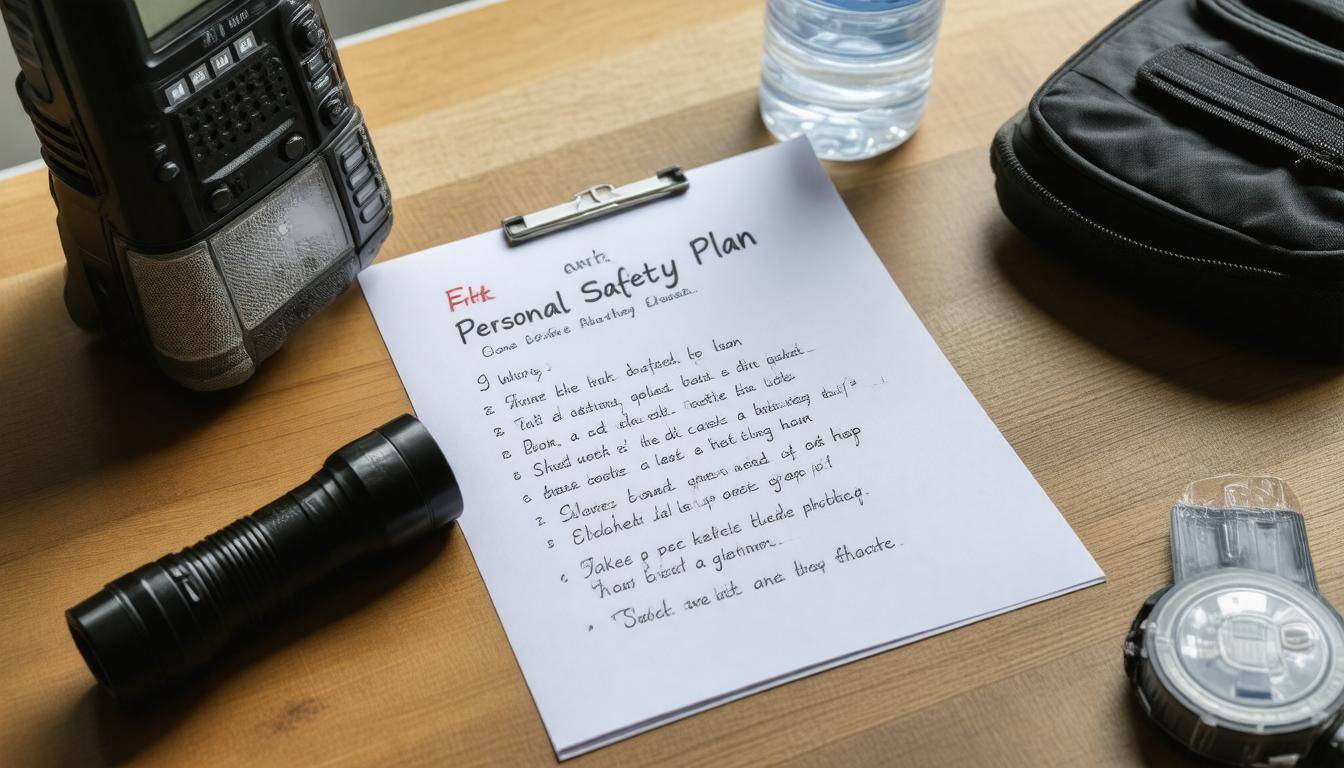
Having a well-thought-out personal safety plan is essential for protecting oneself from flooding. Crafting this plan requires diligence and an understanding of your environment. The first crucial step in creating your safety plan is conducting a risk assessment.
Step I – Risk Assessment
Identify if your home or workplace is in a flood-prone area by consulting local flood maps and historical data. This may involve reaching out to local authorities or even neighbors who have been seasoned by past floods. Pay attention to any changes in geography that may alter risk levels, as urban development can shift water flow patterns. Knowing where you stand all boils down to being aware of the specific risks in your area.
It’s wise to consider factors such as proximity to rivers, drainage systems, and elevation. Knowledge of these risks can guide you in crafting a more focused plan tailored specifically to your situation.
Once you have a good grasp of the potential dangers lurking around you, it’s time to prepare yourself with the necessary resources.
Step II – Emergency Kit Preparation
Assemble an emergency kit containing vital items like water, non-perishable food, medications, a battery-powered radio, flashlight, extra batteries, and copies of important documents such as identification and insurance policies. When putting together these supplies, think about at least three days’ worth of essentials—the last thing you want is to find yourself scrambling when disaster strikes.
Once you’ve gathered these necessities, keep this kit accessible—ideally in a designated place known to every family member. This could be a cupboard near an exit or even a closet that people pass regularly. Regularly check the kit to replace expired items and ensure everything remains stocked up.
In moments of upheaval like flooding, preparation can transform potential chaos into organized action. Setting up communication plans with family members during such emergencies adds another layer of assurance so everyone knows what to do.
With your risk assessment complete and emergency supplies in hand, identifying evacuation routes becomes the next logical step to ultimately enhance your personal safety plan.
Step III – Identify Evacuation Routes
Determine at least two routes to higher ground or designated shelters far removed from flood risk areas. Mapping them out ahead of time ensures that all family members know where they are heading. Practicing these escape routes through family drills can further instill confidence and familiarity when facing unexpected floods.
Additionally, compile an emergency contact list with numbers for local authorities, family members, and close friends whom you might need during emergencies. With all these aspects in place, your personal safety plan will not only guide you through floods but empower you with the knowledge that you’re prepared for whatever nature throws your way.
In considering how best to protect ourselves individually, fostering community engagement becomes equally important for creating resilient solutions.
Building Community Resilience
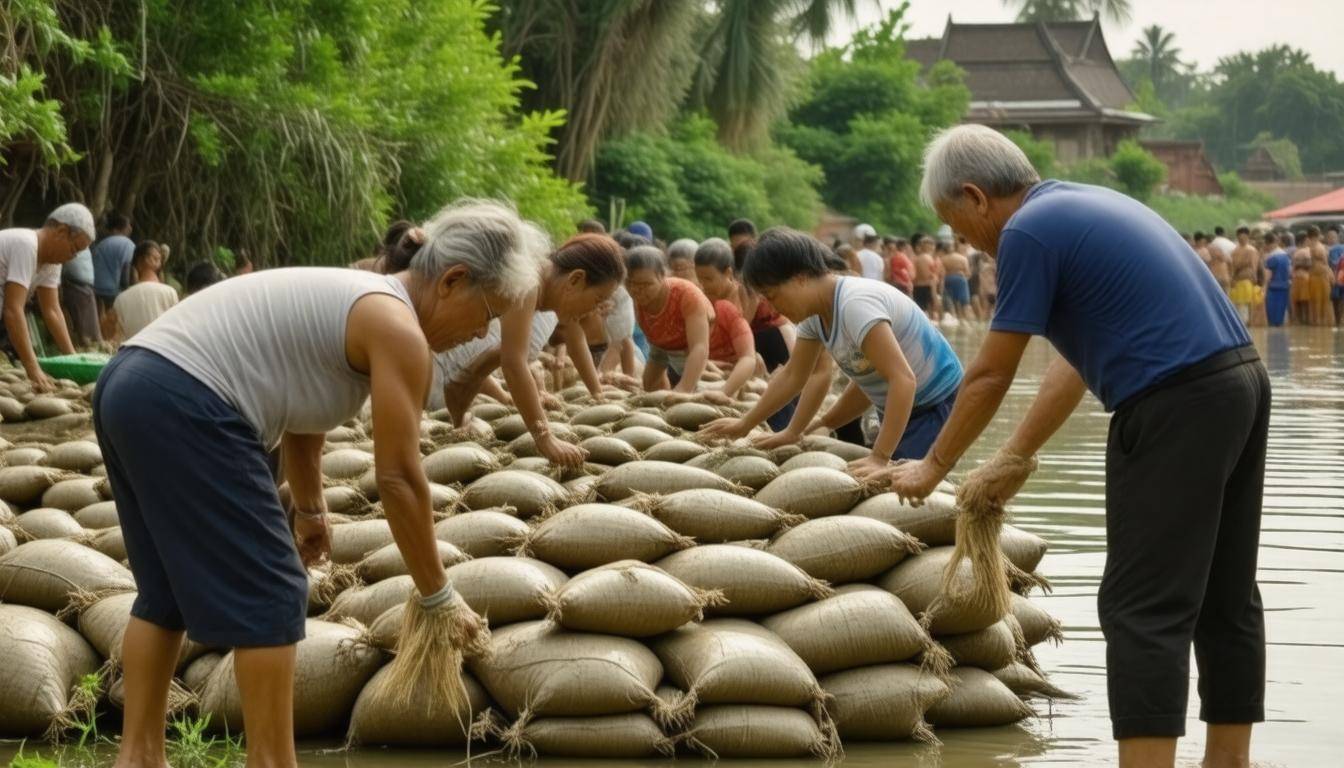
Community resilience is about more than just bouncing back after a flood; it’s about being ready for future challenges and ensuring everyone’s safety. When communities come together, they can create systems that save lives, preserve property, and foster connections. The strength of a community lies in collaborative efforts, where each member plays a vital role in increasing preparedness.
One effective strategy is to hold regular community meetings focused specifically on flood risks. These gatherings provide opportunities for neighbors to share information, discuss concerns, and brainstorm solutions. Each voice adds value; whether someone has experienced flooding firsthand or they’re new to the area, different perspectives can lead to innovative ideas and stronger response plans. Imagine sitting in your local town hall, surrounded by familiar faces, united in purpose—you immediately feel the supportive fabric that a resilient community weaves.
Community Initiatives to Enhance Resilience
To illustrate how this collaboration manifests into actionable measures, consider these initiatives as foundational steps towards enhancing your community’s overall resilience:
-
Establishing Local Flood Warning Systems: Investing in alert systems allows for immediate communication about rising water levels or inclement weather. Whether via text alerts or siren systems, having real-time information can save countless lives.
-
Conducting Regular Flood Response Drills: Just like fire drills in schools, these practice sessions prepare residents for what to do when disaster strikes. They help familiarize everyone with evacuation routes, communication channels, and resource locations while building confidence in the community’s ability to respond effectively.
-
Tree Planting Campaigns to Reduce Soil Erosion: Trees do much more than beautify spaces; they serve as natural barriers against soil erosion, particularly during heavy rains. Communities can band together for planting events that improve local ecology and instill a sense of pride among participants.
-
Encouraging the Creation of Green Spaces: These areas absorb excess water during rainfall, reducing runoff and preventing flooding. Parks and gardens aren’t merely attractive additions; they act as essential parts of a robust environmental strategy when strategically placed within neighborhoods.
While individual action is important, these community-wide initiatives underscore the power of working together. Statistics show that communities conducting regular flood drills see a 40% increase in preparedness among residents. This kind of collective action reduces risk and inspires a culture of cooperation that strengthens relationships among neighbors.
Fostering community resilience requires commitment from every member within your locality. It’s not solely about preparing for floods; it’s about nurturing a network of support that thrives even in challenging times. Investing time and effort into these initiatives lays down fertile ground for immediate recovery and long-term sustainability—because at the end of the day, resilience is built on relationships as much as structures.
As we explore further, the focus shifts toward practical strategies that enhance safety for visitors and locals alike when navigating through potential flood scenarios.
Essential Safety Tips for Travelers
When visiting Ayutthaya, understanding and preparing for potential flood risks is crucial. It’s not just about enjoying the historical beauty; it’s also about ensuring a safe trip that allows you to soak in the culture without worry.
First and foremost, make sure to monitor weather updates regularly. Utilize reliable sources, such as the Thai Meteorological Department website or local news apps, for real-time information on potential flooding conditions. Being aware of any severe weather can greatly increase your chances of staying safe during your visit.
The next step in ensuring your safety is establishing a solid emergency plan.
It’s essential to keep a list of emergency contacts readily available. Include important numbers such as local authorities, the nearest hospitals, and your embassy. This enables quick access to help if needed and provides peace of mind while exploring the city.
Additionally, familiarize yourself with your hotel’s emergency procedures—knowing the best exits and what actions to take in case of an emergency are invaluable.
As you prepare further, consider practical measures that can enhance your safety.
Beyond having contact information, always have a contingency plan for transportation. Ensure that you know how to reach higher ground or designated evacuation areas quickly should the situation arise.
Additionally, keep personal items like identification, credit cards, and cash in a waterproof bag or pouch, as sudden weather changes can occur.
Equipping yourself with knowledge beforehand can significantly boost your confidence as you navigate Ayutthaya.
Remember that being prepared extends beyond emergencies. Carrying essentials, such as extra water, snacks, and perhaps a compact poncho or raincoat, can help you remain comfortable while roaming through the city’s many wonders—even if unexpected rain showers occur. Staying hydrated is important, especially when exploring outdoor sites.
As you journey through Ayutthaya’s historic landscapes, always maintain situational awareness. Stay alert to your surroundings while moving through unfamiliar areas. This means paying attention to changing water levels near pathways and being respectful of any local advisories regarding safe travel routes during floods.
All these strategies collectively contribute to an enriching travel experience.
Lastly, one often overlooked aspect of travel safety is community support. Engage with locals and fellow travelers regarding their experiences with floods; they can provide insights not captured in guides or online platforms. Local knowledge is invaluable in anticipating changes in weather patterns based on firsthand experiences.
Collectively adopting these essential precautions will not only enhance your safety but also allow you to engage more fully with Ayutthaya’s rich cultural tapestry.
With these strategies in mind, let’s explore additional protective measures you can implement within your own home environment.
Practical Protection Strategies at Home
Implementing practical measures at home can significantly shield your property from flood damage. For instance, elevating electrical appliances—such as washing machines, dryers, and outlets—above potential flood levels is a fundamental step. This action reduces the risk of electrical hazards while minimizing costly damage to your equipment, keeping your home safe and functional. Additionally, ensure that any valuable documents or electronics are stored in waterproof containers or on higher shelves away from potential water intrusion.
Next, sealing basements with waterproofing compounds provides an effective buffer against water seepage. If you live in a flood-prone area, applying these products to walls and floors creates a barrier that prevents moisture from penetrating through cracks and gaps. Regular inspections for signs of wear and tear can greatly enhance your home’s defenses against flooding.
Reinforcing Home Infrastructure
Investing in sump pumps equipped with battery backups ensures continuous protection against rising water levels. When heavy rainfall occurs or if nearby rivers swell, a sump pump can automatically remove excess water from your basement or lower areas of your home, reducing the risk of flooding. Coupled with backwater valves that stop sewage from entering your home during flooding events, these tools offer an added layer of security.
Constructing water barriers like sandbags or specialized flood barriers at critical entry points—doors and windows—can further secure your property. These barriers serve as shields during heavy rains, preventing water from entering your living spaces and significantly decreasing the likelihood of extensive damage.
According to a study conducted by the National Institute of Building Sciences, every dollar spent on flood-proofing measures can save up to six dollars in potential repairs down the line. This statistic emphasizes not only the economic benefits of proactive strategies but also their importance in safeguarding homes from devastating impacts.
With these thoughtful precautions implemented, homeowners can breathe a little easier knowing they’ve taken significant steps toward protecting their dwellings from the unpredictable nature of seasonal floods. Whether it’s elevating appliances, sealing basements, or reinforcing infrastructure with smart investments and tools, each measure contributes to a robust defense against potential water damage.
In summary, taking practical steps in flood protection not only safeguards your property but also ensures peace of mind during challenging weather events.