
Bahrain’s summer heat can feel relentless, making even the simplest outdoor tasks a challenge. With temperatures soaring, it’s crucial to prepare if you want to stay safe and comfortable during those sweltering days. A smart approach is to create an Urban Heat Emergency Survival Kit tailored specifically for the extreme weather conditions in Bahrain. This isn’t just a random collection of items; it’s your safety net against heat-related illnesses and discomfort. In this article, we’ll guide you through essential items to include in your kit, explore effective heat protection gear, and share helpful strategies to protect yourself when the heat waves strike. So let’s get ready to beat the heat together!
A Bahrain Urban Heat Emergency Survival Kit should include essential items such as water bottles, lightweight clothing, sunscreen, a wide-brimmed hat, portable fans, and an emergency first aid kit. Additionally, it’s important to have non-perishable snacks and cooling towels to help manage and prevent heat-related illnesses during extreme temperatures.
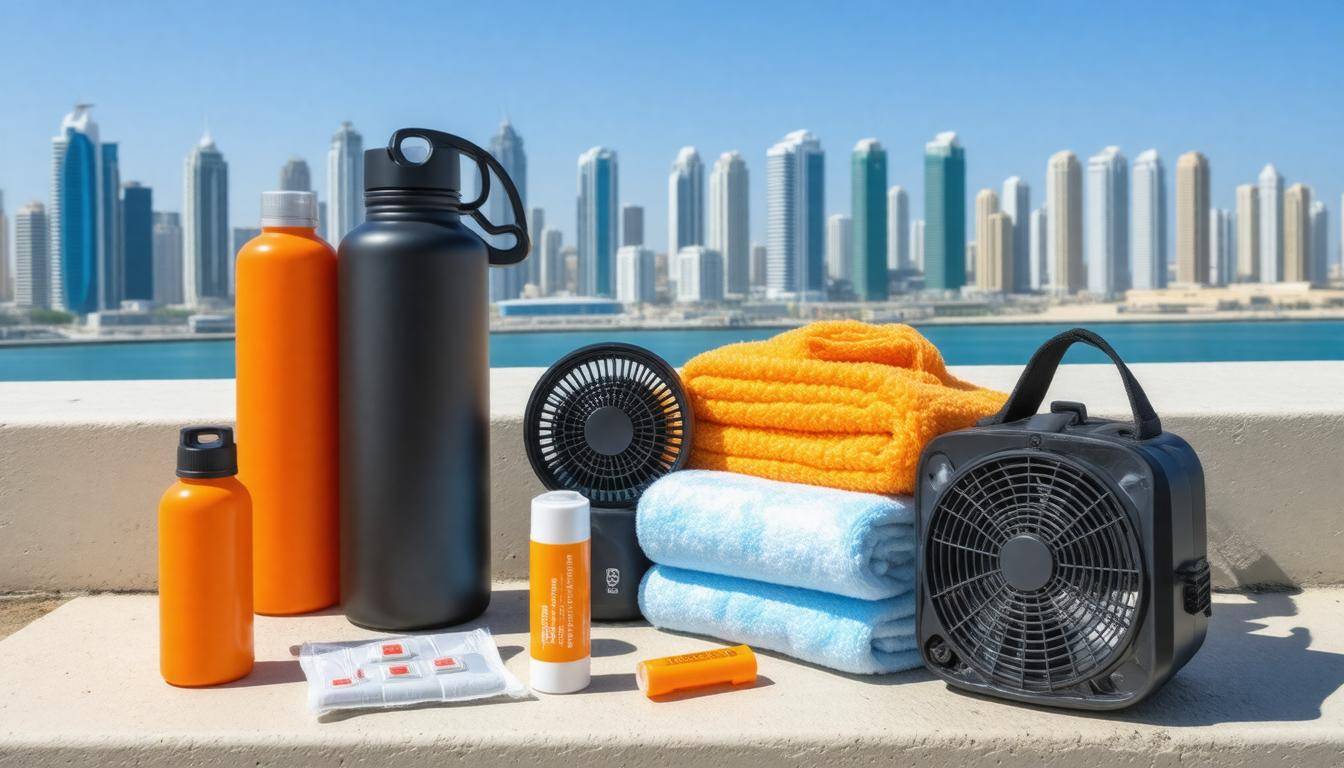
Essential Items in Your Heat Emergency Survival Kit
A well-thought-out heat emergency survival kit is your ally when the sun blazes down mercilessly. It’s not just a list of supplies but a lifeline that can significantly enhance your safety and comfort during heatwaves. Each item has been meticulously selected to combat the challenges that extreme weather presents, especially in a place like Bahrain, where temperatures can soar.
First on the list are portable water filters. In an environment where staying hydrated is essential, these filters guarantee safe drinking water, which is crucial during scorching afternoons. Imagine being stuck outdoors, parched with no clean source of hydration! With a portable filter, you can refill from streams or questionable sources without worrying about contaminants. This simple tool can make all the difference between a close call and serious dehydration.
Next up are battery-powered fans. Whether you’re indoors without air conditioning or caught outside, these fans provide a much-needed breeze and relief from the intense heat. They’re easy to pack and operate, ensuring that you can create your own personal cool space anywhere you go. The sound of that gentle whirring while feeling the breeze whipping across your face can turn a sweltering day into something more bearable.
Electrolyte powders or tablets, too, are essential. When you sweat profusely under the unforgiving sun, you’re not just losing water; you’re losing important minerals. These little sachets can be added to your water to quickly replenish lost salts and keep your energy levels stable—remember, dehydration can sneak up on you quickly!
As we move to health essentials, don’t overlook the importance of a well-stocked first aid kit. Heat-related illnesses such as heat exhaustion or heat stroke can develop unexpectedly. A first aid kit allows you to treat minor injuries or symptoms before they escalate into something more serious.
Furthermore, having non-perishable foods readily available is always wise; choose high-energy options like nuts, dried fruits, and granola bars that give you a quick energy boost without needing refrigeration.
You may think twice about what constitutes an effective survival kit when considering sunscreen with high SPF importance in protecting your skin from harmful UV rays during long stretches outside. Neglecting this simple yet effective barrier could lead to severe sunburn or increase skin cancer risks later on.
A remarkable item to consider adding is a heat-reflective blanket. Known for its ability to keep people warm in extreme conditions, it also works in reverse by reflecting body heat away during hot weather! It’s lightweight and compact; keeping one in your bag is sensible whenever you venture out under those relentless rays.
In today’s tech-centric world, feel free to include a solar-powered charger in your kit as well. Reliable communication or access to information could prove crucial in emergencies, particularly if the power grid faces any disruptions due to intense weather conditions.
It might also seem strange, but including face masks can be incredibly relevant when facing dust storms or periods of high air pollution often witnessed during summer months in Bahrain. While they are generally common items during times of illness prevention, they can serve another purpose: protecting yourself from particulate matter brought on by winds.
With such essential items at your disposal, the next step involves understanding the protective gear that’ll help shield you from extreme elements even further.
Heat Protection Gear: What You Need
Gear specifically designed for heat protection can significantly enhance your comfort and safety during intense heatwaves. One of the most beneficial investments you can make is in clothes that fight the heat instead of amplify it. Consider materials like cotton or linen, which are breathable and moisture-wicking; they allow airflow and help pull sweat away from your skin, promoting quick evaporation to keep you cool.
When out in the sun, lightweight, wide-brimmed hats are essential companions for shielding your face and neck from harmful UV rays. This isn’t merely a matter of comfort; long-term sun exposure can lead to serious skin issues, like sunburn or even skin cancer. Additionally, light-colored clothing reflects sunlight more effectively than darker colors that absorb heat.
Specialized Gear
As heatwaves amplify in intensity and duration, specialized gear has become increasingly important. Here’s a closer look at some items that could provide you with significant relief during extreme temperatures:
| Gear Type | Example Product | Benefits |
|---|---|---|
| Cooling Vest | FlexiFreeze Ice Vest | Reduces core body temperature significantly |
| UV Protective Umbrella | SunTek UV Umbrella | Blocks harmful UV rays while providing portable shade |
| Heat Reflective Tarp | Heavy Duty Mylar | Can be used for emergency shelter or additional shading |
| Cooling Towel | Frogg Toggs Chilly | Provides instant cooling relief when soaked in water |
Take the FlexiFreeze Ice Vest, for example. This innovative piece not only cools your torso but helps lower your overall body temperature when worn properly. The impact can be immediate and transformative on sweltering days. Similarly, a UV Protective Umbrella provides vital shade wherever you go—be it at the beach or while waiting for public transport. Many underestimate how effective a simple umbrella can be in blocking harmful rays while still allowing you to enjoy outdoor activities comfortably.
Another invaluable tool is a Heat Reflective Tarp made from heavy-duty Mylar material. This multi-functional gem not only serves as extra shade but also as makeshift emergency shelter when the heat becomes unbearable. Finally, Cooling Towels, like those from Frogg Toggs, offer instant relief by soaking them in water before use. They actively cool off your skin thanks to evaporative properties when placed around your neck or forehead.
While the right gear is crucial for managing high temperatures effectively, it’s equally important to consider hydration and preventive measures against heat exposure as we navigate through these challenges.
Maintaining Adequate Water Supply
When faced with extreme heat conditions, your body can quickly lose water through sweat, which is why a consistent supply of fresh drinking water is paramount. It’s not just about your daily needs; you should prepare for emergencies where access to water might be cut off or limited. Imagine the discomfort of waking up in a sweltering heatwave only to find the taps running dry. With careful planning, you can avoid such a hair-raising scenario.
According to experts, each person requires a minimum of 3-4 liters of water per day when temperatures soar. This means that for a family of four, you’re looking at 12-16 liters daily—a substantial amount that emphasizes the need for preparation. To ensure you have enough on hand, consider stocking up for at least three days in advance. Knowing how much you need puts you in control during those scorching periods, allowing you the comfort of knowing hydration won’t be an issue.
Choose BPA-free containers for storing your water, as this helps maintain both safety and taste. Storing these containers in cool, dark places is equally important; it prevents algae from taking root and keeps the refreshingly cold water ready for those hot moments. You want your sips to feel like a breeze on a summer’s day rather than an experience reminiscent of murky swamp water.
Supplementing Your Supply
Beyond the initial storage, here are some steps to supplement your supply wisely:
-
Purchase reusable water bottles: Investing in insulated bottles not only keeps their contents cool but makes them portable. You’ll appreciate having chilled water by your side whether you’re out on errands or simply lounging in your backyard.
-
Install water collection systems: Consider environmental options like rain barrels to collect precipitation during storms. With simple filtering techniques, collected rainwater can potentially serve emergency purposes and provide peace of mind.
-
Utilize water purification tablets: These tablets can turn non-potable sources into drinkable ones, an invaluable resource during dire circumstances when clean drinking water isn’t available at first glance.
With a comprehensive understanding of hydration and maintaining an adequate water supply, we can now explore the vital aspects of shelter and clothing to protect ourselves from extreme heat.
Shelter and Clothing Tips
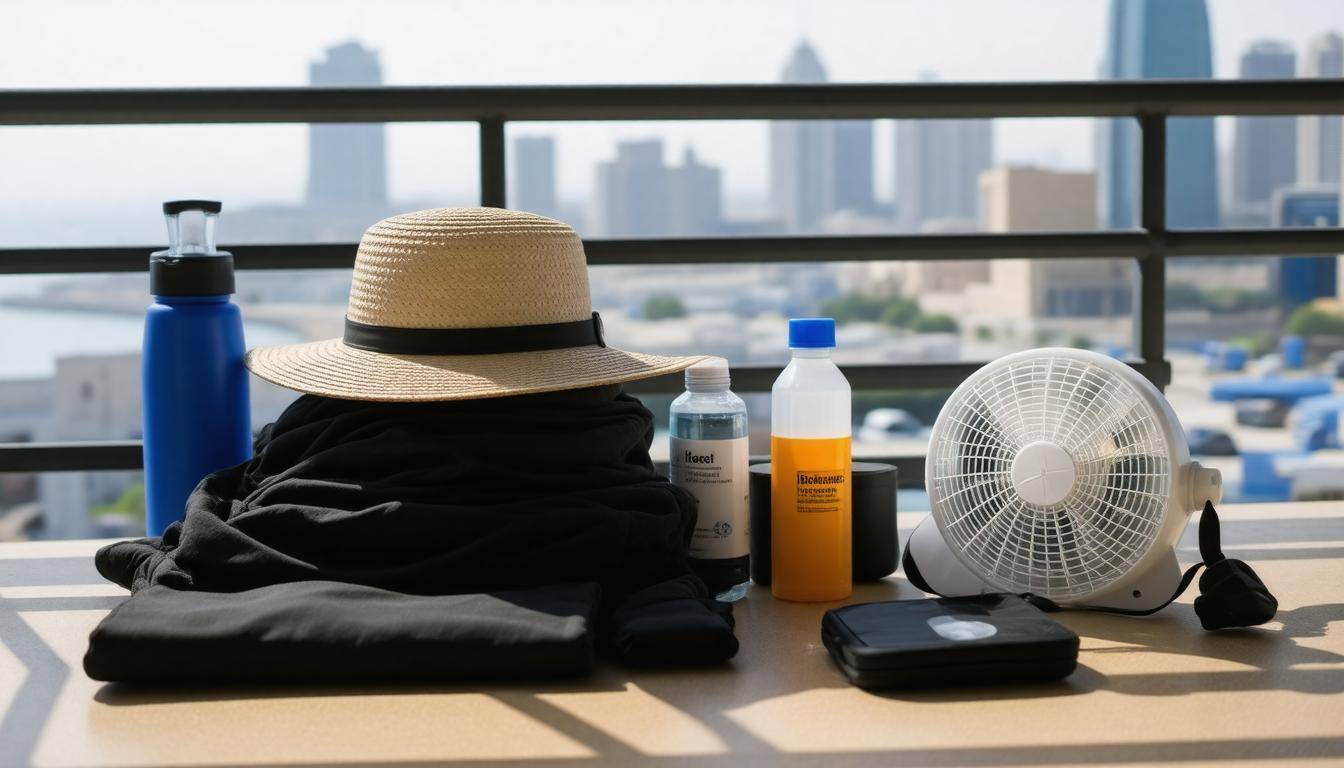
When it comes to surviving a heatwave in Bahrain, your environment and attire play an integral role in keeping you cool. First and foremost, creating cool shelters can provide refuge from the unforgiving sun. In homes that lack air conditioning, applying a few innovative strategies can bring down indoor temperatures significantly.
Imagine draping wet sheets over open windows or using fans to circulate the air; this low-tech solution cools the air as water evaporates. You can also triple the effect by hanging reflective tarps or aluminum foil on your windows to block direct sunlight. These simple actions can reduce indoor temperatures by several degrees, providing a more comfortable living space during sweltering days.
Beyond creating cool zones inside your home, paying attention to what you wear is equally important.
Creating Cool Shelters
Your choice of clothing can either exacerbate discomfort or help you stay cool. Opt for loose-fitting, light-colored garments made from breathable fabrics like cotton or linen. These materials allow air to circulate around your body, helping sweat evaporate efficiently—your body’s natural cooling system.
The trick is to avoid dark colors which absorb heat instead of reflecting it. Think of it this way: Picture walking on a hot beach in black sandals versus white ones. Which would you prefer? This choice holds true for your entire outfit! By dressing smart, you not only protect yourself from overheating but also enhance your overall comfort while navigating Bahrain’s intense heat.
Let’s explore some additional recommendations that intertwine shelter and smart dressing with effective hydration.
Dressing Smart
Consider layering your houses with good ventilation while using breathable clothing; this combination can be advantageous in managing heat exposure. If you have a chance to go outside, choose large-brimmed hats or lightweight scarves to shield your head and neck from direct sun rays when leaving your shelter.
Remember that even short walks outdoors should be treated with caution; always plan these outings during cooler parts of the day, like early morning or late evening.
By effectively leveraging these strategies in both shelter creation and smart dressing choices, you’ll not only combat the high temperatures but also maintain an enjoyable quality of life during heatwaves. Staying proactive about your environment and what you wear will make all the difference.
With these vital tips for staying cool during extreme conditions, let’s now shift our focus to other crucial preparations that can further enhance safety and comfort.
Preparing for Extreme Temperatures in Bahrain
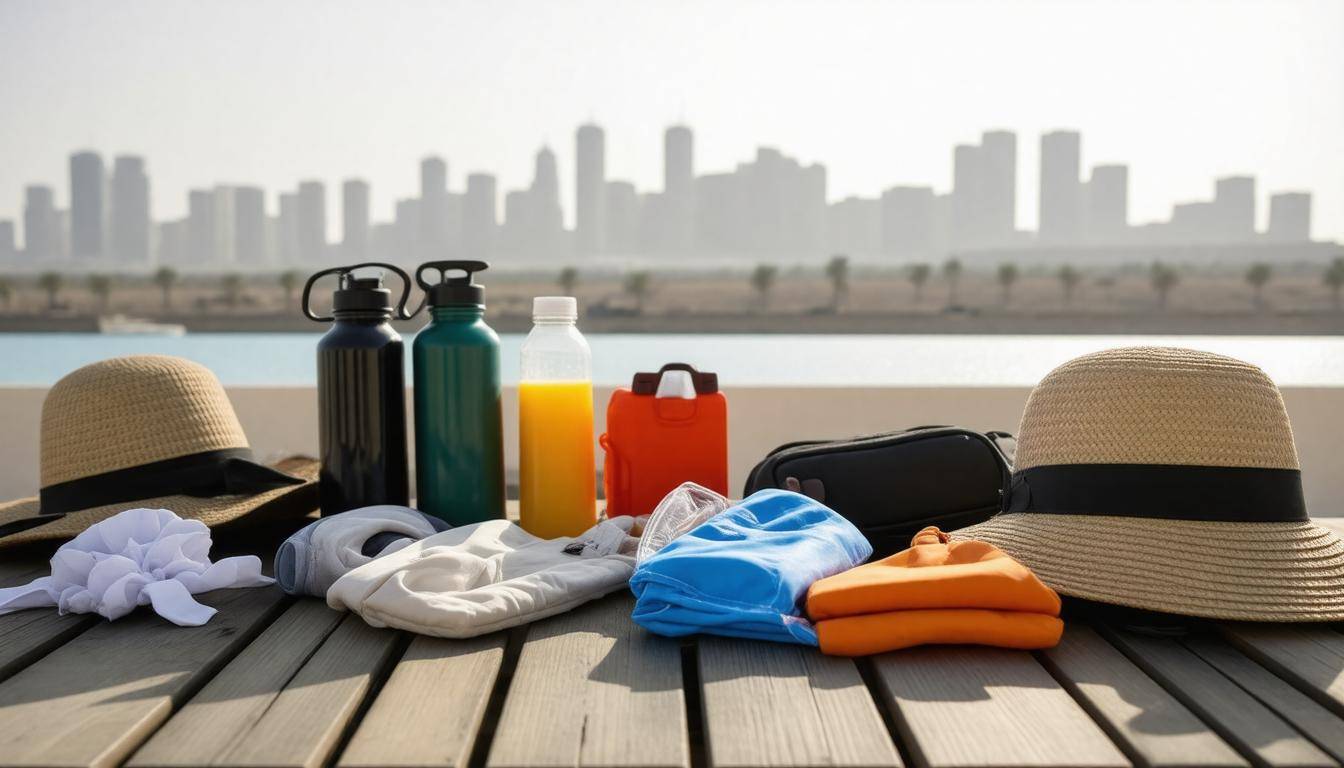
Bahrain’s extreme heat can be daunting, but with the right strategies, you can navigate through it comfortably. One of the simplest yet effective ways to beat the heat is by adjusting your schedule. By planning outdoor activities during cooler parts of the day—early morning or late evening—you avoid peak sun exposure. Imagine indulging in a serene walk along the beach while the sun rises or enjoying an evening picnic as the city starts to glow under the twilight sky.
Insulation is key. Keep your home a sanctuary against the blistering heat. Installing thermal curtains is one popular option; they prevent sunlight from heating up your living spaces. Yet, if you’re looking for budget-friendly alternatives, don’t underestimate the power of heavy-duty aluminum foil! When strategically applied to windows, it reflects sunlight away and can significantly reduce indoor temperatures.
Remember: Staying hydrated is just as essential as keeping your surroundings cool. The human body needs to combat high temperatures, so keep a glass of water close by and try setting reminders on your phone to drink regularly.
Another effective strategy involves creating shaded outdoor areas using umbrellas or portable awnings for whenever you have to venture outside. This offers an oasis where you can relax without direct sun beating down on you, making any outdoor gathering more enjoyable.
Finally, consider investing in cooling gadgets. Fans that can be placed near open windows will help circulate air—a great way to keep things breezy without cranking up the air conditioning all day. Additionally, personal misters or handheld fans can provide instant relief when you’re out and about.
These preparations are not just about comfort; they’re vital for maintaining good health under intense heat conditions. Taking proactive measures ensures you not only survive but also maximize your time outdoors during Bahrain’s hottest days, leading us smoothly into a discussion about techniques for enhancing comfort in those scorching conditions.
Shading and Cooling Techniques
Effective shading and cooling methods can significantly improve comfort levels during a heatwave. One of the simplest approaches is to create shaded areas both indoors and outdoors. Using shades, awnings, or umbrellas might seem basic, yet these measures effectively block direct sunlight and reduce indoor temperatures.
Imagine lounging under a large patio umbrella while sipping your favorite drink, with cool breezes making the heat more bearable—that’s the magic of proper shading.
Additionally, think long term by planting trees and climbing vines around your property. They provide natural shade and enhance the aesthetic appeal of your garden. A well-placed tree can dramatically decrease the temperature around your home, creating a sanctuary against the relentless sun.
Planting greenery isn’t just about enjoying the view; it’s a smart investment in your summer comfort.
Inside your home, ensure air circulation by installing ceiling fans. These fans are not merely decorative; they play a critical role in maintaining airflow. A fan helps distribute cooler air more evenly throughout a room. The initial investment is small compared to the relief you’ll feel when temperatures soar.
Tried and Tested Methods
Now let’s explore how to get the most out of these strategies. Utilizing curtains made from reflective materials can be another effective layer of defense against heat. These materials bounce back sunlight instead of absorbing it, keeping your rooms significantly cooler.
When indoors, consider closing curtains or blinds during peak sun hours—usually between 10 AM and 4 PM—to minimize heat gain. You might be surprised how this little action can create a notable difference in temperature! Coupled with keeping windows closed on particularly hot days, you can trap cooler air inside.
Advanced Cooling
As we look toward more advanced solutions, evaporative cooling methods start to show their potential. Installing misting systems or swamp coolers brings refreshing relief, allowing water evaporation to lower temperatures in your surroundings without excessive electricity usage.
If you live in areas with high humidity, traditional air conditioning may not be as effective as evaporative cooling systems. These methods use water to create a fine mist that cools the air as it evaporates—a cooling breeze that mimics nature’s way of bringing comfort on a hot day.
Not only are these systems cost-effective to run, but they’re also environmentally friendly alternatives to conventional air conditioners.
Taking proactive measures in cooling isn’t just about comfort; understanding how to identify early signs of heat stress is essential for ensuring safety during extreme temperatures.
Identifying and Responding to Heat Stress
Heat stress can escalate quickly and is often sneaky; it creeps up on you when you’re least expecting it. Recognizing the symptoms early on is crucial for your safety, as ignoring them can lead to serious health complications. Symptoms typically start with excessive sweating and a rapid heartbeat, which might seem merely inconvenient at first, but they signal that your body is struggling to cool itself down.
Alongside these, you may experience fatigue, dizziness, or even muscle cramps—a clear reminder from your body that it’s time to take action.
A friend of mine once shared her own brush with heat stress during a particularly oppressive summer in Bahrain. She mentioned, “I almost fainted during a heatwave because I ignored the early signs of heat stress. Quick rehydration and moving into a cooler area saved me.” Her experience serves as an important reminder: don’t wait until you feel worse.
Once you’ve identified the signs, it’s just as important to respond appropriately.
Response Steps
The first step in responding to suspected heat stress is urgent action. Move to a shaded or air-conditioned place immediately; this creates an environment that helps your body cool down.
Next, remember that hydration is not just about drinking water—opt for cool water or sports drinks that replenish lost electrolytes. While sipping on fluids, apply cool, wet cloths to your skin; this can greatly assist in lowering your body temperature.
If symptoms persist despite taking these measures, don’t hesitate to seek medical attention. Sometimes the effects of heat can linger longer than we anticipate, only compounding the issue if ignored.
Promptly recognizing the effects of heat stress and knowing how to respond can make all the difference between discomfort and potential health risks. Being proactive rather than reactive equips you with the tools needed to stay safe in extreme weather conditions.
Having established how to effectively manage heat stress, we now turn our focus toward further strategies for safeguarding yourself and others during such intense environmental challenges.
Precautionary Measures for Urban Heatwaves
Taking proactive steps is essential when facing the challenges of an urban heatwave. While cities play a significant role in mitigation efforts, personal actions also matter greatly. Let’s explore two primary avenues: urban planning initiatives and individual measures.
Urban Planning
One effective way cities can combat oppressive heat is by prioritizing green infrastructure. This could include expanding parks, planting trees along streets, or creating vertical gardens on buildings. These strategies provide shade and help cool the air while reducing heat absorption in urban areas.
In addition to greenspaces, implementing reflective roofing materials on buildings can significantly lower surface temperatures. Just like how wearing light colors reflects sunlight, reflective roofing deflects heat away from homes and businesses.
However, such initiatives require coordinated efforts from local governments and city planners who must prioritize these investments over others. Enhancing transportation systems to encourage cycling and walking can create a cooler environment. For instance, adding bike lanes through shaded areas can entice citizens to commute without relying on motor vehicles, which exacerbate heat levels.
While structural changes to city landscapes are vital, individual practices can enhance personal resilience against heat stress.
Personal Measures
On a grassroots level, each of us can contribute meaningfully towards reducing heat impacts. Staying informed about heat alerts through local weather services ensures awareness of impending heatwaves before they hit. This foresight allows you to plan indoor activities during peak sun hours when temperatures soar.
Gathering a network of friends or neighbors fosters community support where information about coping strategies can be shared or even organizing group activities during cooler times of day.
Furthermore, consider your home environment: if your living space isn’t adequately ventilated or insulated, it will retain heat longer than necessary. Simple upgrades like weather-stripping doors and windows can keep hot air at bay while enabling cooler air to circulate effectively indoors. Additionally, using fans strategically promotes airflow without heavily relying on energy-draining air conditioning units.
These personal actions may seem small compared to broader municipal efforts, but collectively, they engender resilience within neighborhoods.
By adopting both community planning perspectives and individual actions, residents of Bahrain can enhance their ability to endure extreme temperatures while maintaining comfort and safety throughout the scorching summer months.
In doing so, we build communities that are not only prepared for today’s challenges but also resilient against future heat emergencies.
What items are typically included in a Bahrain Urban Heat Emergency Survival Kit?
A Bahrain Urban Heat Emergency Survival Kit typically includes essential items such as water bottles to stay hydrated, lightweight and breathable clothing to reduce overheating, a portable fan for cooling, sunscreen to protect against UV rays, and an emergency first-aid kit. Given that Bahrain experiences extreme temperatures often exceeding 40°C (104°F) during summer months, these items are vital for preventing heat-related illnesses and ensuring safety during heatwaves.
Can community organizations help in distributing Urban Heat Emergency Survival Kits in Bahrain?
Yes, community organizations can play a crucial role in distributing Urban Heat Emergency Survival Kits in Bahrain. They are often more connected to local needs and can effectively target vulnerable populations such as the elderly and low-income families. According to data, community initiatives have successfully increased outreach during previous heatwaves, demonstrating that localized efforts can improve access to essential resources. By leveraging their networks, these organizations can ensure that survival kits reach those who need them most, ultimately enhancing public safety during extreme heat events.
Are there specific guidelines on how to use the contents of the survival kit during a heat emergency?
Yes, there are specific guidelines for using the contents of the survival kit during a heat emergency. It’s essential to stay hydrated by consuming water regularly, ideally 2-4 liters per day, and to wear lightweight, light-colored clothing to reflect sunlight. Utilize items such as portable fans or cooling towels to lower body temperature, and seek shaded or air-conditioned areas when possible. The guidelines emphasize the importance of recognizing heat-related illnesses early, such as heat exhaustion and heat stroke, which can affect individuals within just 30 minutes of exposure to excessive heat. Following these recommendations can significantly enhance survival chances during extreme temperatures in Bahrain.
What are the signs of heat exhaustion or heat stroke that users should be aware of?
Signs of heat exhaustion include heavy sweating, weakness, dizziness, nausea, and headache, while heat stroke can manifest as a high body temperature (often above 104°F or 40°C), confusion, rapid pulse, and even loss of consciousness. It’s crucial to recognize these symptoms early; according to the CDC, about 600 people die each year from extreme heat-related conditions in the U.S., highlighting the importance of awareness and timely intervention during heatwaves in Bahrain.
How can residents effectively prepare for an urban heat emergency in Bahrain?
Residents in Bahrain can effectively prepare for an urban heat emergency by creating a personal survival kit that includes hydration supplies, lightweight clothing, sunscreen, and cooling gadgets like fans or cooling towels. Given that temperatures can soar above 45°C during peak summer months, it’s crucial to stay hydrated and limit outdoor activities during the hottest hours. Moreover, investing in home cooling solutions and maintaining air conditioning systems will provide relief indoors, while community awareness programs can educate residents about heat-related illnesses and prevention strategies.