
As winter blankets Barrie, Ontario, with its icy grip, staying safe becomes a top priority. Severe winter weather can turn ordinary days into challenging experiences, filled with snow, freezing rain, and biting wind chills. But did you know that being prepared can be your best defense against these frosty foes? From ensuring you have the right gear to gathering emergency supplies, taking a little time to plan can make all the difference in how comfortably and safely you face the elements. In this article, we’ll explore the essential items every resident should consider for their severe winter weather kit, helping you embrace the season with confidence rather than dread.
Your Severe Winter Weather Kit for Barrie, Ontario should include essential items such as non-perishable food, water (at least one gallon per person per day), blankets, a flashlight with extra batteries, a battery-powered radio, a first aid kit, and any necessary medications. Additionally, it’s important to include items like warm clothing, snow shovels, and ice scrapers to ensure you are fully prepared for harsh winter conditions.
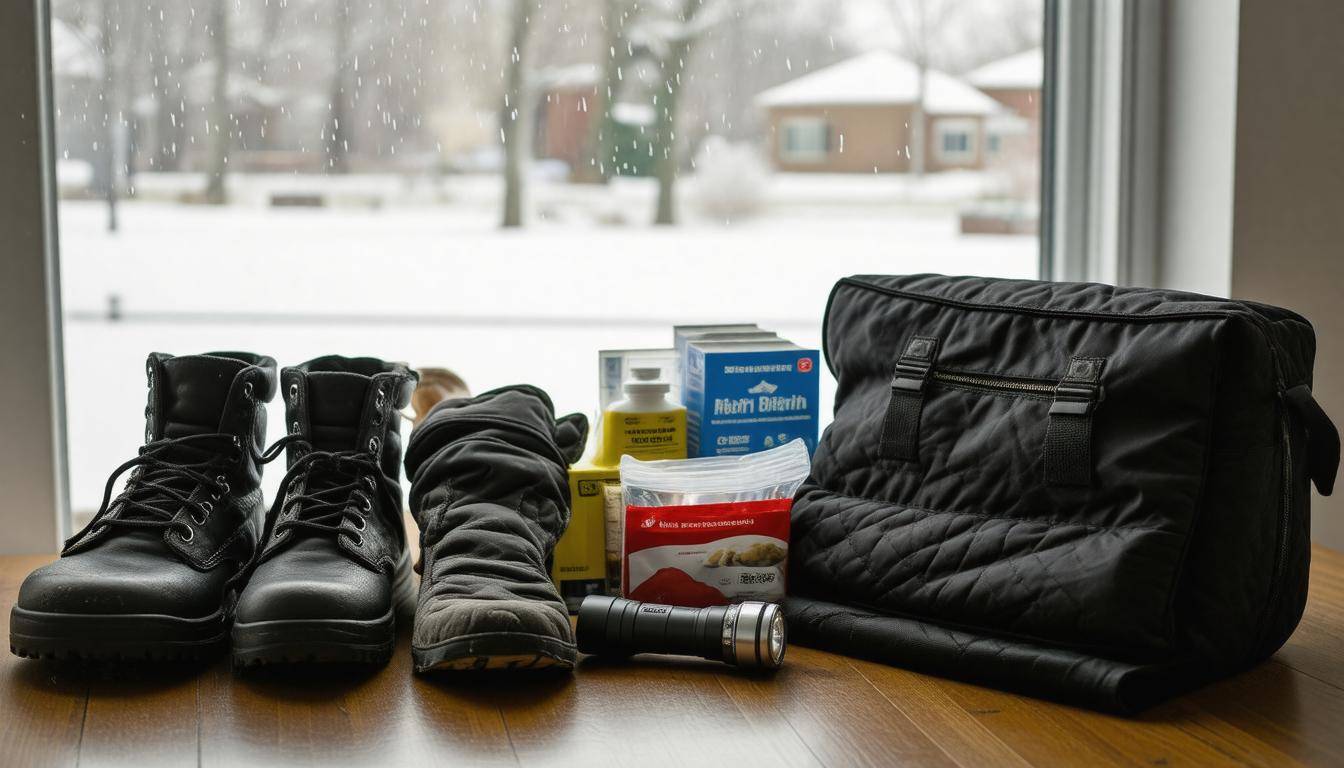
Preparing for Barrie’s Severe Winter Weather
A critical part of preparing for severe winter weather involves gathering the right tools and supplies that will help keep you safe no matter what the elements throw at you. In Barrie, where snowfall can blanket streets and temperatures dip alarmingly low, it’s essential to be ready for anything. Think of your equipment as your allies: each item serves a specific purpose in preserving your safety and comfort.
Start by assembling a winter survival kit that includes essentials like food, water, blankets, and a first aid kit. Aim for non-perishable foods—items such as canned soups or energy bars that require minimal preparation can go a long way when it’s not safe to venture outside. It’s also recommended to store at least three days’ worth of water per person; in freezing temperatures, maintaining hydration is crucial but often overlooked.
A reliable flashlight with extra batteries is imperative for those sudden power outages that can occur during severe snowstorms. Nobody enjoys stumbling around in the dark, especially when there’s real danger lurking outside.
Now, moving beyond food and water, let’s talk about the importance of specialized gear that will help you navigate the wintry environment safely.
Equip yourself with durable winter clothing that includes insulated boots, waterproof gloves, and a heavy coat to protect against bone-chilling winds. Layers are your best friend in this scenario; wearing multiple layers allows you to adapt easily if indoor heating makes things too warm. Don’t forget accessories like hats and scarves; covering extremities can significantly improve your comfort levels and prevent frostbite.
Personal experience has taught me the value of having a good shovel at hand. During one particularly snowy winter week, I found myself shoveling snow every few hours just to keep my driveway clear. An effective snow shovel can save you backaches and stress while ensuring you have access to your home when snow accumulates quickly.
And while we’re on the subject of getting around town safely…
It’s wise to ensure your vehicle is winter-ready too. Regular maintenance checks on tires—switching to winter tires for better traction—is necessary, as is stocking up your car with an emergency kit: think flares, blankets, water, non-perishable snacks, and even cat litter for added traction if you find yourself stuck on icy roads. Having a charged cell phone is essential as well; it’s always good to be able to communicate if you find yourself in unexpected trouble.
By taking these proactive steps, you’re setting yourself up for success in braving the elements ahead.
Essential Winter Clothing and Gear
When winters hit in Barrie, the right clothing isn’t just a luxury; it’s a necessity. Imagine stepping outside in freezing temperatures without proper attire—it’s an experience many would prefer to avoid. Armed with insulated and waterproof clothing tailored for severe weather can make all the difference, transforming a challenging day into a more manageable one.
Starting with your outer layer, an insulated, waterproof jacket is crucial. The wind chills can bite through fabric, so look for jackets designed specifically for harsh climates. Materials like Gore-Tex or similar fabrics will keep moisture at bay while allowing your body heat to stay trapped inside. Investing in quality outerwear can save you from uncomfortable, shivery days.
Underneath, thermal base layers play a pivotal role in trapping heat while wicking away sweat. This layer should be snug but not restrictive. Wool or synthetic materials will keep you cozy without adding bulk. Comfort is key when layered up for long durations outside—whether you’re waiting for the bus or enjoying a winter walk.
Continuing downwards, don’t neglect your feet! Choose waterproof boots with good traction. The last thing you want is to slip on ice or end up with wet feet from poorly made footwear. Look for boots lined with insulation; they’ll keep your toes warm even if you need to trek through snow drifts on your way to work. Wearing stylish boots instead of functional ones can lead to unpleasant frozen toes!
And let’s not forget your extremities; insulated gloves and hats are essential as well, since much of our body heat escapes through our hands and head. Losing warmth here can make it feel exponentially colder. Aim for gloves that provide enough dexterity while still being insulating—you’ll want to easily grab those unexpected coffee cups during your breaks.
Finally, a simple item like a scarf or neck gaiter can shield your face from biting winds. Covering exposed skin is not only about comfort; it also helps prevent frostbite in extreme conditions.
With these clothing essentials and gear at hand, you’re setting yourself up for success against Barrie’s severe winter weather. Next, we will explore the range of emergency supplies that every household should have ready to go!
Emergency Supplies for Home
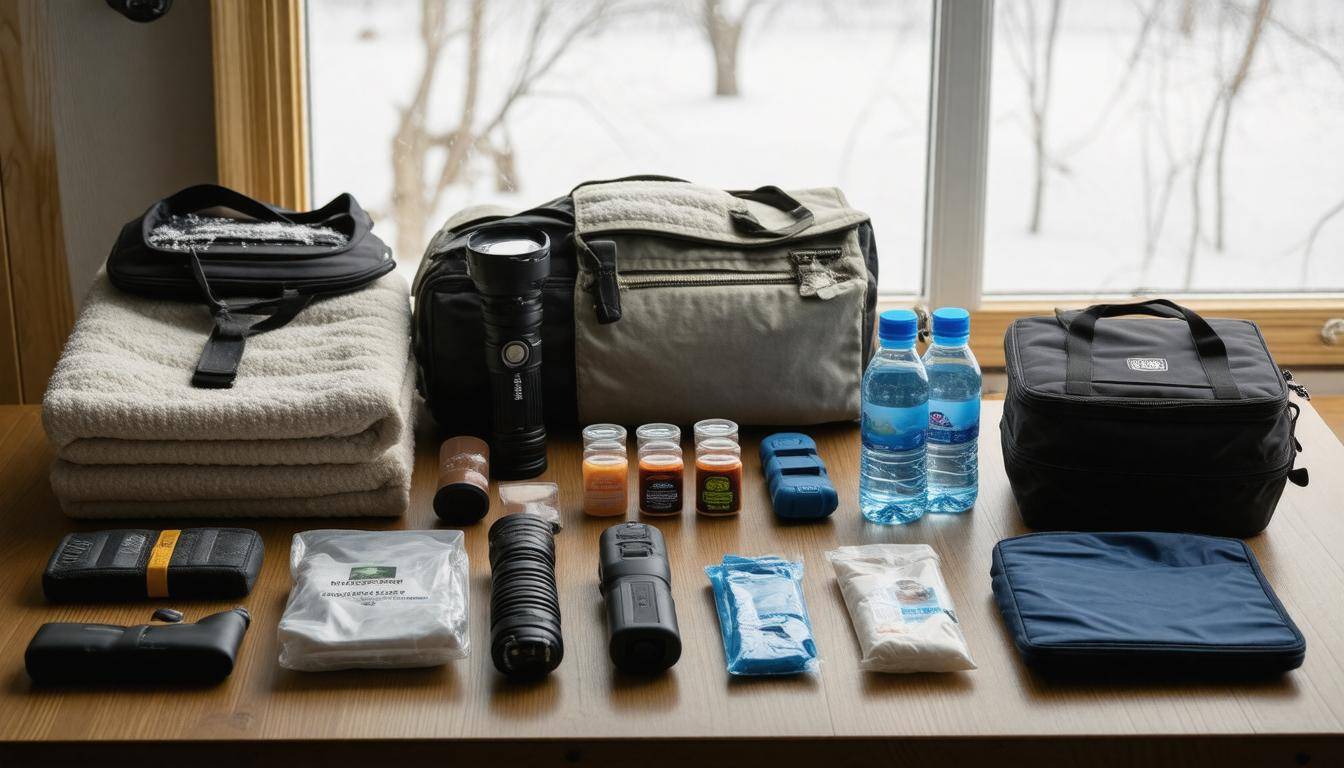
Stocking up on emergency supplies is a smart and proactive strategy for weathering severe winter storms. It’s reassuring to know that you can rely on your home for safety and comfort when the weather outside takes a turn for the worse. This extends beyond just having food and water; it means being prepared for a range of situations that might arise during winter emergencies.
To start, non-perishable food is essential. The rule of thumb is to have enough food to last at least 72 hours. Think about items like canned goods, which are often more reliable than fresh produce in terms of longevity. Canned soups, beans, and vacuum-sealed nuts can offer both nourishment and warmth on chilly nights. Energy bars also provide quick power boosts when your energy dips during an unexpected situation.
In addition to food, it’s critical to stock bottled water, aiming for at least one gallon per person per day. Hydration should never be neglected, especially if power outages disrupt your normal water supply.
Another vital component of your winter emergency kit is a battery-operated or hand-crank radio. This can keep you informed about changing weather conditions without relying on smartphone batteries that might run out at a crucial moment. You’d be surprised how comforting it is to hear your favorite station or to stay updated with weather reports.
Next comes flashlights. Having several flashlights with extra batteries is essential for navigating darkened spaces during power outages. Remember that a reliable light source can lift morale as well—there’s something undeniably calming about having warm light during a stormy night.
Equally important is ensuring you have a first aid kit readily available. Essential medications should go hand in hand with this kit, especially if you or someone in your household has ongoing health concerns. A well-stocked first aid kit means you can handle minor injuries without concern.
Lastly, don’t forget about warmth. Blankets and sleeping bags are indispensable—not just for comfort but for safety in case the power goes out and temperatures drop significantly. They can also double as additional layers if you’re ever forced to leave the house during an emergency.
Having these supplies will not only provide peace of mind but also make sure you’re ready for almost anything that winter throws your way. Preparing ahead will save you from panic when these situations arise, and investing some time now can lead to better outcomes later on.
This thorough preparation sets the stage for how to effectively secure safety while traveling or commuting in winter conditions, ensuring that every journey remains safe regardless of the challenges posed by the season.
Vehicle Safety and Emergency Items
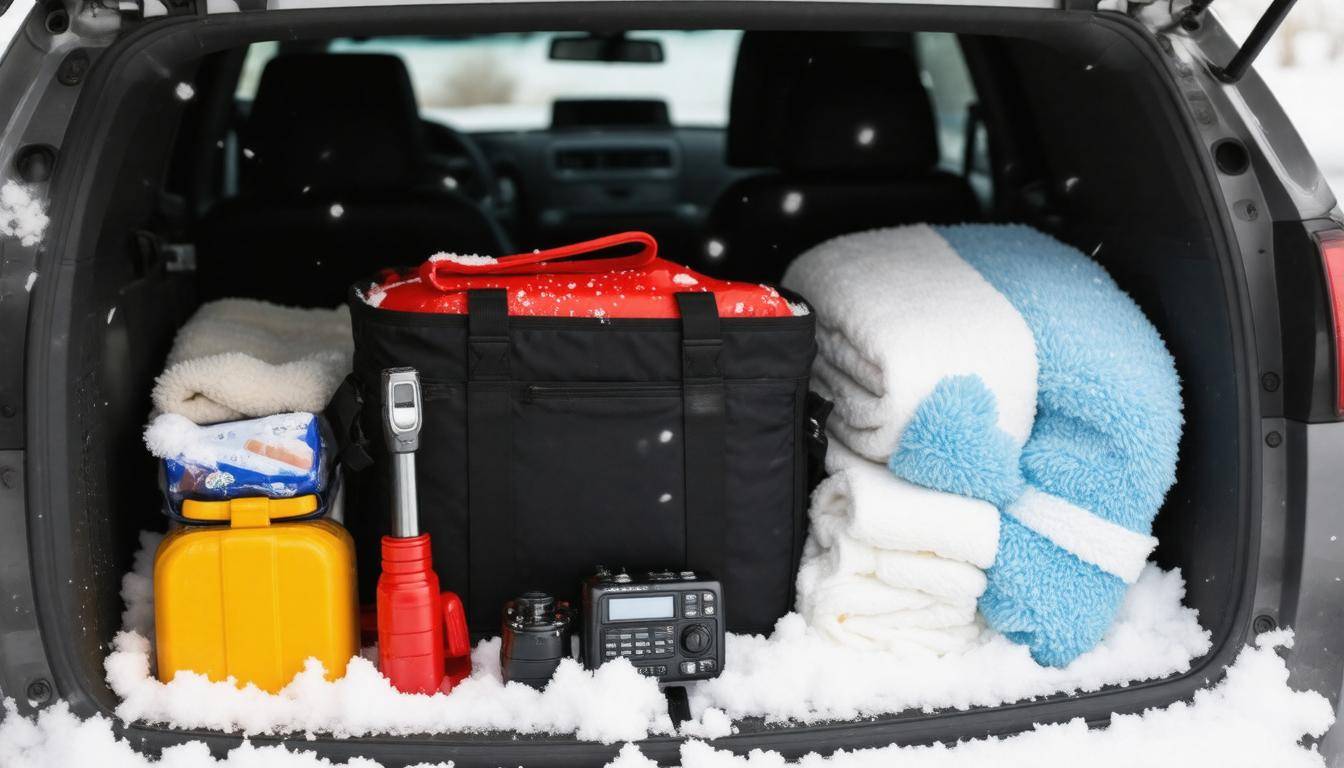
A well-equipped vehicle emergency kit is essential, particularly in regions like Barrie, Ontario, where severe winter weather can strike unexpectedly. It’s about more than just having supplies; it’s about ensuring that you can safely navigate challenging conditions and assist not only yourself but also others who might find themselves in trouble. Imagine being stuck in your car during a snowstorm with nothing but the clothes on your back; it wouldn’t take long for the situation to become dire. That’s why a winter emergency kit can be a lifeline.
Recommended Vehicle Safety Items
Start by thoughtfully packing your winter emergency kit with essential items tailored for cold weather scenarios. Core components should include jumper cables and a portable battery charger—both vital for reviving a dead battery after prolonged exposure to freezing temperatures. A snow shovel and ice scraper facilitate clearing paths and windows, ensuring you can see and navigate when it matters most.
Consider keeping sand or cat litter in your vehicle. These materials provide excellent traction if your tires get stuck in snow or ice, allowing you to regain control without needing external assistance during a blizzard.
Adding emergency blankets or sleeping bags is a smart move as well; they retain body heat in case you have to wait for help during extremely low temperatures. Moreover, high-energy snacks like granola bars or trail mix are indispensable since they’ll keep your energy levels up when you’re stranded, preventing fatigue from setting in. Don’t forget necessary vehicle fluids—engine oil and antifreeze are crucial; a low engine fluid level could spell more trouble when temperatures plummet. Finally, depending on your driving habits, tire chains or traction mats may save you from getting stuck altogether.
Product Recommendations
For those looking for ready-made solutions, consider kits such as the AAA 42-Piece Winter Safety Kit. This comprehensive kit generally includes critical items like a snow shovel, high-energy snacks, and even first aid supplies. Having everything organized means less time fumbling around in your trunk so that you can devote your energy to addressing any mishaps efficiently.
By assembling these essential items in your vehicle, you’ll be well-prepared for the unexpected. Next, we’ll explore how to ensure safety when dealing with interruptions in power supply.
Power Outage Preparedness
In Barrie, winter storms can bring not just snow and ice, but also the potential for prolonged power outages. Being ready for such an event means making strategic decisions ahead of time. One essential step is to invest in a generator. This might come with a financial investment, but when the lights go out and the temperature plummets, that generator could be a lifesaver. It’s crucial to have it installed by a professional; improper installation can lead to dangerous situations like carbon monoxide poisoning. Always remember to position your generator outside—never indoors—to ensure safety while still providing needed power.
The next action step involves preparing for warmth. During an outage, temperatures can drop dangerously low, so keeping extra blankets and warm clothing accessible becomes paramount. You might consider adding propane heaters, designated for indoor use, to your arsenal. Just remember: if you’re depending on these old-fashioned heating methods, stock up on fuel before the storm hits; waiting until the last minute could leave you without heat when you need it most.
A well-prepared home isn’t just one with good lighting; it’s about being ready for every inch of comfort through careful foresight.
Another critical aspect of avoiding a communication blackout during emergencies involves ensuring all devices are fully charged before an outage occurs. Prior to facing any storm, make it a routine to charge all electronics—especially your mobile phone—as this will be your lifeline to updates or emergency contacts. You might even consider purchasing solar-powered chargers or hand-crank chargers as backup options. These can serve you well if the outage extends into days; they don’t rely on grid power and allow you to stay connected when it counts most.
Preparing thoroughly for power outages lays the groundwork for managing not only comfort but also safety during severe winter conditions. As we explore further, let’s consider additional steps necessary to safeguard your well-being during these challenging times.
Health and Safety Measures
Protecting yourself during the cold months goes beyond just bundling up in a thick coat; it involves a comprehensive approach to ensure your well-being. One of the first things to consider is avoiding prolonged exposure to the cold. When you’re outside in frigid temperatures for too long, your body loses heat more quickly than it can produce it, which can lead to serious issues like frostbite or hypothermia. It’s essential to limit outdoor activities when temperatures plummet, especially during wind chill warnings. If you must be out, wearing multiple layers of clothing can keep you warm, with particular emphasis on covering extremities like fingers, toes, ears, and noses.
Next is ensuring that your indoor environment remains dry and warm. Moisture within your home can lead not only to discomfort but also to mold growth, which poses health risks such as respiratory issues and allergies. Keeping your house heated properly while using dehumidifiers can promote a healthier atmosphere. Regularly checking for leaks around windows and doors can help prevent drafts that might cool down living spaces unnecessarily. Additionally, it’s critical to take precautions with heating units—make sure that space heaters are used correctly and safely without flammable items nearby.
Having clear pathways also plays a crucial role in maintaining safety during snowfall.
Snow and ice create hazards that may lead to slips and falls, particularly for those with mobility challenges or elderly individuals. As snow accumulates, dedicated efforts should be made to regularly shovel driveways, walkways, and steps leading up to your home. Applying salt or sand after shoveling will help melt any remaining ice and provide traction for safely navigating these areas.
In fact, according to the Canadian Institute for Health Information, thousands of Canadians are hospitalized annually due to weather-related injuries from slips and falls attributed to winter conditions. This statistic highlights why taking preventive measures seriously is essential for winter health safety.
By being proactive about these precautions—staying warm, maintaining a dry home, and keeping pathways clear—you not only protect yourself but also lay the groundwork for a safer experience as you navigate the season ahead. Now, let’s shift focus to strategies that ensure secure travel during winter conditions.
Safe Winter Travel Tips
Safe travel during Barrie’s harsh winters demands attention to detail. To start with, always steer clear of traveling during severe storm warnings. A little bit of planning goes a long way, especially when the forecast predicts heavy snowfall or icy conditions. If you absolutely have to travel, make sure you check the latest weather updates on reliable platforms like Environment Canada, which provides timely alerts and forecasts.
This leads us to the importance of preparing your vehicle for winter conditions.
Pre-Travel Checklist
Before hitting the road, perform a thorough evaluation to ensure your vehicle is ready. Confirm that you have winter tires installed; they offer significantly better traction and control compared to all-season tires in snowy conditions. It’s also wise to check that your fluid levels—including antifreeze and windshield washer fluid—are topped up and appropriate for colder temperatures. Additionally, assess your battery’s condition; if it’s struggling during the autumn months, replacing it now may prevent a headache later.
Beyond checking your car, it’s essential to let someone know your travel itinerary, including your expected arrival time. Should anything go awry—like unexpected car trouble—you want someone aware of your plans, ensuring that you won’t be alone in the event of an emergency.
With the preparations in place, let’s discuss what to keep in mind while driving.
On-the-Road Safety
Once on the road, safety takes precedence. Begin by adjusting your speed; drive slower than you normally would. On snow and ice, stopping distances increase dramatically, so maintaining ample space between vehicles is vital. Aim for at least three times the usual distance behind the car ahead of you. This extra cushion offers peace of mind and added safety if sudden stops are necessary.
Visibility is equally important; keep your headlights and taillights on, even during daytime driving. Thoughtful drivers understand that visibility can fluctuate quickly due to weather changes, making it safer for everyone on the road when lights are utilized.
Investing in quality products such as Michelin X-Ice winter tires can make a significant difference in gripping snowy or icy roads, helping enhance safety during winter driving conditions.
All these precautions contribute significantly to creating a solid foundation for a comprehensive survival kit tailored for any winter journey. Let’s explore each item you’ll need to ensure you’re fully prepared for whatever winter throws your way.
Complete Kit Checklist
A thorough checklist ensures nothing essential is overlooked when preparing for Barrie’s severe winter weather. The idea here is to create not only peace of mind but also practical readiness. Imagine a sudden snowstorm hitting you while you’re at home or on the road. Having all your essentials sorted and in one place can make all the difference.
Home Emergency Kit
When you consider your home emergency kit, think about items that will sustain you and your family during unexpected power outages or long durations without access to outside resources.
Items like non-perishable food are crucial—canned goods, pasta, and dried fruits provide nourishment without going bad quickly. Right beside food, make sure you have enough bottled water. An adult typically needs at least a gallon of water per day, so having more than just a few bottles is essential for staying hydrated.
A battery-operated radio becomes your lifeline during emergencies. Without power, traditional media won’t reach you. Therefore, a radio can keep you updated on weather conditions and safety information.
As darkness approaches, flashlights become vital. Keep extra batteries close too; there’s nothing worse than fumbling in the dark. Adding a first aid kit gives you peace of mind as well—band-aids, antiseptic wipes, and pain relievers should all be included.
Warm blankets aren’t just for comfort; they can be lifesavers in dangerously cold situations. Layering them helps trap heat effectively.
Vehicle Emergency Kit
On the road, a vehicle emergency kit is equally important. Consider what could go wrong while driving during the winter months. Start with jumper cables, which can give your car that vital boost if it decides not to start in the cold. Pair this with a snow shovel, making it easier to clear pathways if you find yourself stuck.
It’s essential to pack some extra warm clothing, like gloves and hats, specifically designed for harsh conditions. You never know when you’ll need to step out of the vehicle to help someone else or dig your way out of trouble!
Meanwhile, high-energy snacks like protein bars are perfect for keeping energy levels up when you’re stranded longer than expected.
Adding sand or cat litter can provide traction on slippery surfaces, enhancing safety when trying to regain control in snow-covered environments.
Here’s a summarized table of the essentials:
| Home Kit Items | Vehicle Kit Items |
|---|---|
| Non-perishable food | Jumper cables |
| Bottled water | Snow shovel |
| Battery-operated radio | Extra warm clothing |
| Flashlights and batteries | High-energy snacks |
| First aid kit | Sand or cat litter |
| Warm blankets | Emergency blankets |
With this checklist firmly in mind, you’re not just prepared; you’re empowered to confidently navigate whatever Barrie’s winter throws your way. In unpredictable weather conditions, having the right resources can ensure safety and readiness for any situation that may arise.