
When lives hang in the balance, knowing the right rope rescue techniques can make all the difference. Whether it’s a climber stranded on a steep cliff or someone trapped in a tight spot, first responders must have the skills and tools needed to execute a rescue safely and effectively. This guide dives into the essential ropes, equipment, and techniques designed for these high-pressure scenarios. Drawing from my own experiences in training and practice, it’s clear that understanding these basics not only builds confidence but also significantly enhances our ability to save lives. So, let’s get started on the journey to mastering basic rope rescue techniques that every first responder should know!
The Illustrated Guide to Basic Rope Rescue Techniques provides detailed visual instructions on essential skills such as escaping the belay, safely lowering a climber, and troubleshooting stuck ropes. This guide is designed for first responders and climbers, ensuring they are well-equipped to handle emergencies with practical, illustrated steps.
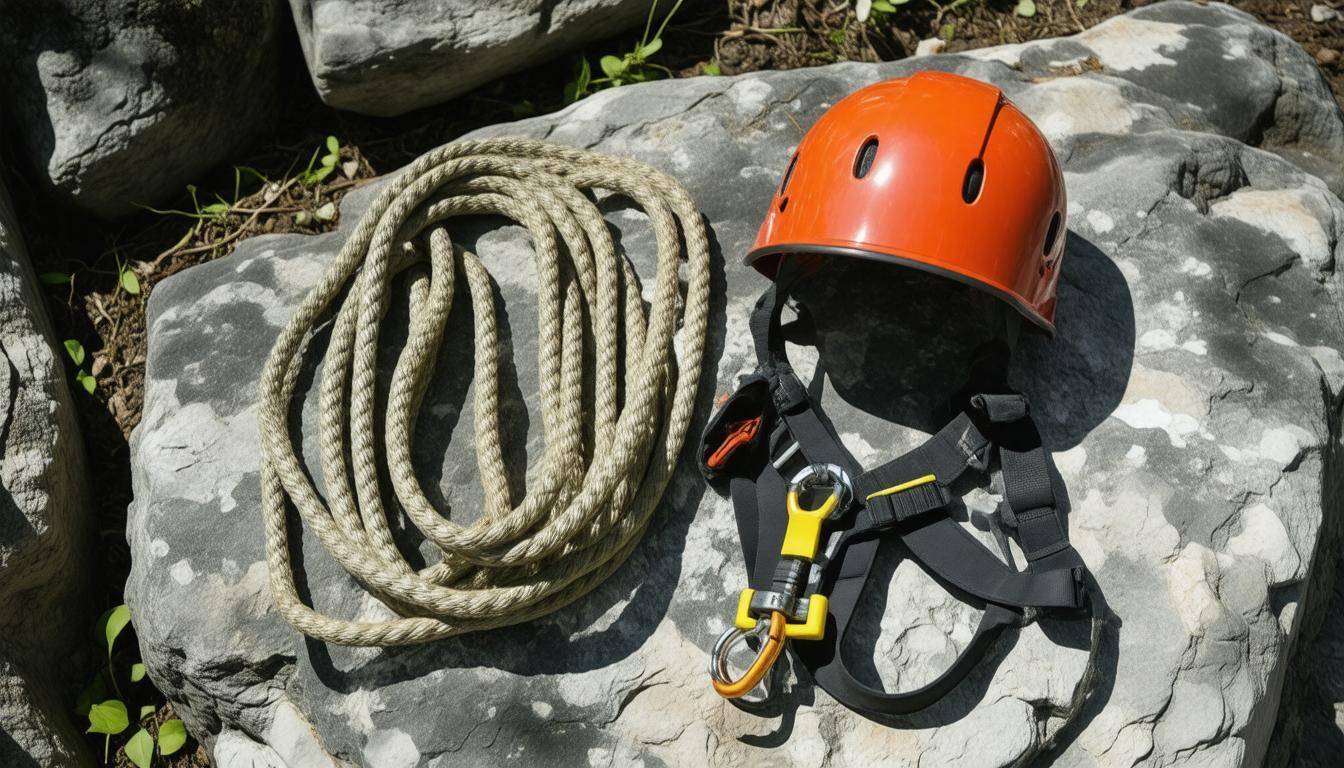
Essential Rope Rescue Equipment
First and foremost, let’s explore the ropes used in these critical situations. In rescue scenarios, static ropes are the go-to choice. Unlike dynamic ropes, which stretch significantly to absorb energy during a fall, static ropes have minimal stretch. This property ensures that when you need to maneuver precisely—such as lowering a victim or executing a pick-off maneuver—the rope behaves predictably and supports your load evenly. Think of it like having a sturdy bridge rather than a trampoline beneath your feet; you want stability when every second counts.
Following ropes, we have another indispensable item: carabiners.
Carabiners are often-overlooked metal loops with spring-loaded gates that play a vital role in connecting components within your rescue system seamlessly. They facilitate rapid clipping and unclipping, allowing for quick adjustments under pressure. However, safety should always be the top priority here. Choose locking carabiners, as they prevent accidental disengagement even during high-stress operations. Every connection should be robust to enhance overall safety.
Moving on from carabiners, let’s discuss descenders.
Devices such as the Petzl I’D or Figure 8 are integral for controlled descent during rescues. These tools allow rescuers to regulate their speed while descending a rope, offering invaluable control that can be lifesaving. The complexity of these devices can vary; however, all serve the crucial function of descent speed management. With regular practice, you’ll become adept at using them effectively, translating technical skills into life-saving actions when needed.
Next up in our gear list are ascender devices.
Tools like the Petzl Ascension handle are specifically designed to make ascending a rope efficient and straightforward. In scenarios involving steep climbs or requiring extraction from tricky positions, these ascenders offer the crucial advantage of allowing rescuers to move upward safely and quickly. Just as one wouldn’t attempt a challenging climb without proper footwear (for grip), never underestimate the advantage provided by reliable ascender gear.
Now that we’ve covered climbing aids, it’s essential to mention another important part of the equipment: harnesses.
A full-body harness is crucial not only for comfort but also for effectively distributing weight across your body during complex rescues. Unlike a simple seat harness, a full-body design ensures stability as you navigate precarious situations, minimizing the risk of injury from shifts in weight distribution or sudden movements. Proper outfitting before heading into any rescue scenario is vital; your harness supports both safety and performance while performing complex maneuvers.
Understanding this essential equipment lays a solid foundation for effective rescue operations and enhances first responders’ ability to navigate challenges with confidence and skill. As we transition to discussing fundamental skills that every rescuer should master next, keep in mind that knowledge and practice work hand in hand for success in high-pressure situations.
Basic Techniques Every Rescuer Should Know
Basic techniques form the foundation on which more advanced skills are built. Understanding these core techniques enhances your effectiveness during rescues and reinforces rope management principles that can save lives in critical situations. Among these fundamental skills, belaying stands out as a pivotal practice.
1. Belaying
Belaying involves controlling the rope to mitigate fall impacts, allowing for smooth, safe climbing. As a rescuer, knowing how to effectively belay can be the key difference between a safe recovery and a potential disaster. The essence of belaying is maintaining tension in the rope; effective communication between the climber and the belayer is crucial. It’s important to establish clear signals beforehand so everyone knows what to expect when tension rises.
2. Lowering Systems
Rescue crews often use systems like the Munter hitch or a mechanical advantage system to safely lower a victim or rescuer. The Munter hitch is particularly favored for its simplicity and efficiency; it allows seamless control over descent speed while providing a reliable braking mechanism. When using lowering systems, ensuring all components—including ropes and carabiners—are rated and free from abrasions or damage is imperative. This attention to detail can be life-saving, as any weakness could lead to catastrophic failure.
3. Anchoring
Anchor points must be reliable and are usually set using trees, rocks, or constructed anchors like bolts. A strong anchor ensures that all forces exerted during a rescue operation are properly distributed, preventing unexpected slips or collapses. When setting up an anchor, versatile approaches such as adding redundancy can provide additional security. For instance, if you’re working with two anchor points instead of one, should one fail, the other will continue to support your load.
There are several essential skills that every rescuer should incorporate into their repertoire:
-
Escaping the belay: This technique allows rescuers to free themselves in emergencies while leaving a partner anchored.
-
Building a hauling system: If lifting or moving objects presents challenges, understanding how to create effective hauling systems can facilitate safe extractions.
-
Basic knot tying: Knowledge of knots like Figure Eight and Bowline can help secure loads and create sturdy anchor points.
With these foundational techniques in place, you are well-prepared to explore more specialized skills that further enhance your capabilities, including how to achieve secure bindings essential for effective rescues.
Tying Secure Knots

Knowing how to tie secure knots not only enhances safety but also promotes efficiency during rescues. Different knots serve specific purposes, making it crucial to select the right one for the task at hand.
Among these essential knots, the Figure-Eight Knot stands out for its adaptability and security. This knot is widely used due to its simplicity and reliability, forming the basis for many other knots. By creating a fixed loop, it allows rescuers to attach themselves securely to anchors or harnesses. The ease of tying and untying this knot even under duress makes it a valuable skill in emergency situations.
Similarly, there’s the Bowline Knot, often referred to as the “king of knots.” This knot is especially recognized for creating a secure loop at the end of a rope that won’t slip under load. It is particularly useful because, once tied, it can be easily untied even after bearing weight. Imagine needing to rescue someone from a ledge; tying a bowline allows you to create a reliable anchor point quickly without fumbling, ensuring both your safety and that of your partner.
Mastering these knots takes practice, but they can save lives.
Another vital knot is the Clove Hitch. This versatile knot allows you to quickly secure a rope to an anchor, making it essential in various rescue scenarios. With speed being an essential factor during rescues, the clove hitch can be tied rapidly around posts or tree trunks, enabling you to establish a connection effectively. The beauty of this knot lies in its adjustability; if your situation changes, you can slide and re-secure it without needing to untie everything and start over.
It’s essential to remember that while knowing how to tie different knots is beneficial, understanding their applications is equally critical. According to a study by the International Technical Rescue Symposium, improper knot tying contributed to 25% of rope rescue failures, emphasizing the importance of mastering this skill.
First responders should practice these knots regularly. It’s not just about learning how to tie them; it’s about building muscle memory so that under stress, you can instinctively reach for the right knot with precision. Many trainers recommend setting aside time during drills specifically for practicing different knots until they feel second nature.
Regular practice also fosters confidence when faced with real-life rescue situations. Whether you’re securing an injured climber or establishing an anchor for a haul system, having solid knot-tying skills gives you peace of mind—and perhaps that extra edge in critical moments—knowing you’re prepared for whatever comes your way.
As we continue exploring essential skills in rescue operations, let’s turn our attention to another critical aspect of safety equipment that greatly influences effectiveness in challenging environments.
Proper Use of Harnesses and Anchors
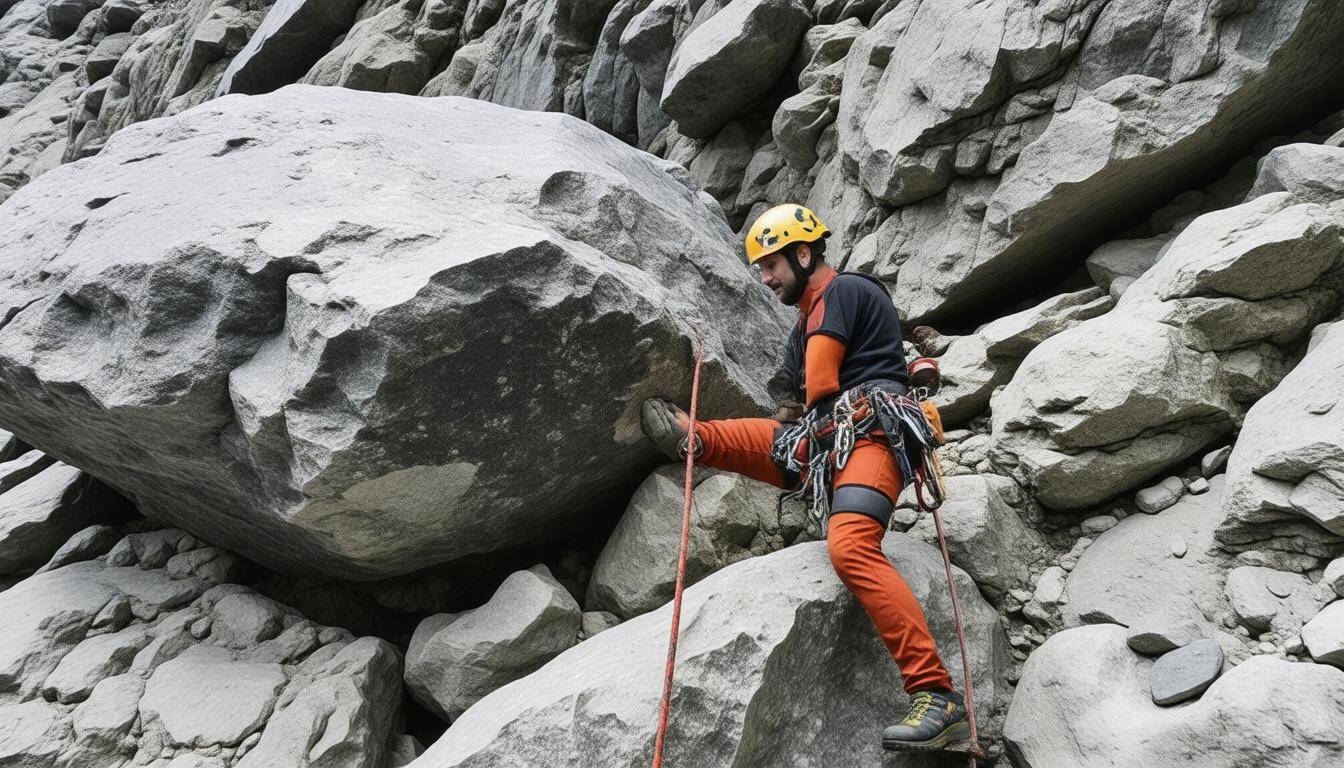
Securing both the rescuer and the victim is paramount in any rope rescue situation. Harnesses act as the vital link between a person and their lifeline. Just like putting on a seatbelt before driving a car, ensuring your harness fits correctly can significantly enhance safety.
So, how should one fit a harness properly? It’s essential that the harness is snug but not uncomfortably tight. You want it to support you during a fall without causing injury; think of it as a supportive hug rather than a vice grip.
Harness Fitting
Remember to adjust all straps carefully—this includes the leg loops and waist belt—to prevent slipping during operations. A loose harness can lead to severe injuries if someone falls or makes a sudden move. Always perform a ‘self-check’ before heading into action: can you fit your fingers under the straps? If so, you might need to tighten them further. Every adjustment counts!
Next, let’s shift our attention to anchors. These are crucial for securing your position, and utilizing both natural and artificial anchors effectively can save lives. Natural anchors, like sturdy trees or boulders, provide a solid foundation when no equipment is available. Additionally, constructing artificial anchors using bolts or screws enhances reliability when working with unpredictable terrain.
Setting Anchors
I recall one particular rescue mission where failure to secure an anchor point led to a near-fatal incident. An improperly placed bolt failed under pressure, causing panic among team members and ultimately jeopardizing our mission. Luckily, we responded quickly and avoided disaster. This experience reinforced the critical importance of carefully assessing each anchor’s strength and stability before proceeding with any recovery efforts.
Navigating such scenarios serves as a reminder that taking an extra moment to ensure your anchor is robust can mitigate risks significantly. Mustering that caution grants everyone involved a greater sense of security and confidence.
Now that we’ve established secure harnesses and anchors, you’re well on your way to mastering essential rope rescue techniques that pave the path for learning more intricate methods of vertical descent and outdoor safety maneuvers.
Step-by-Step Rappelling Procedures
Rappelling is an indispensable skill for first responders, allowing for a controlled descent down vertical surfaces. It’s not just about reaching the ground safely; it involves meticulous setup and attentiveness to ensure success.
Step I – Setup
To begin the rappelling process, carefully attach your descender device to the rope, ensuring that it’s locked securely. This step cannot be overstated: if your descender isn’t correctly secured, it can lead to disastrous consequences during your descent. Picture the descender as the lifeline that will control your speed, so treat it with utmost respect. As you tie it off, consider using a known knot that you feel comfortable with—having that confidence will make all the difference when it counts.
Once you’re confident in your setup, it’s vital to ensure everything else is accounted for before you make your descent.
Step II – Safety Check
Conducting a final check of all equipment before descending is akin to a pilot performing pre-flight checks. This crucial moment is where many mishaps can be averted. Ensure your harness is snug and free from wear, making sure all buckles are secure. Examine every carabiner—make certain they’re properly locked into place and rated for sufficient strength. A brief pause here can save lives; racing past this step may leave you vulnerable to preventable accidents.
“Safety doesn’t happen by accident.”
With equipment checked and double-checked, we arrive at the stage where gravity does its job—but under our control.
Step III – Descent
As you prepare to descend, position yourself at the edge, facing the wall, while maintaining a stable stance about shoulder-width apart. Begin descending slowly but with deliberate movements; this isn’t a race. Keep a firm grip on the brake side of the rope while remaining mindful of how your body interacts with the descent—each movement should be fluid to avoid abrupt jerks that could compromise your grip or balance. Leaning slightly back helps create the right angle for a smoother transition.
Use your feet purposefully during descent; pushing off lightly against the wall can help guide you down more smoothly while maintaining momentum. Throughout this phase, focus on keeping your grip steady and allowing all motions—including those of the descender—to perform as intended. Think of this as a dance with gravity; maintain harmony with the forces at play.
If something unexpected happens during your descent, remember that being prepared for emergencies can mean the difference between safety and chaos.
Emergency Procedures
In case something goes awry and you feel yourself losing control during descent—don’t panic! Pull sharply on the brake side of the rope to stop yourself immediately and signal for assistance if necessary, using a whistle or radio if available. The ability to execute self-rescue techniques effectively cannot be emphasized enough; practicing these procedures regularly in controlled environments builds muscle memory and fosters confidence.
By utilizing proper rappelling techniques along with diligent safety checks and preparedness for emergencies, rescuers greatly increase their effectiveness in any situation requiring vertical access.
As we transition from these essential skills focused on safe descents, we now shift our attention to how effective positioning can enhance both rescuer performance and victim safety in challenging situations.
Effective Rescuer and Victim Positioning
Effective positioning of both the rescuer and the victim is essential for any successful rescue operation. Improper positioning can compromise safety and efficiency. While every situation is unique, some general principles apply universally.
Rescuer Positioning
A key factor in rescuer positioning is maintaining a low center of gravity. When rescuers position themselves correctly—knees bent, feet shoulder-width apart—they enjoy far better stability. This stance enhances balance and helps manage the physical strain endured while controlling both their own weight and that of the victim.
Ideally, the rescuer should always maintain a position slightly above the victim’s level during descent. This allows them to effectively control the descent while providing reassurance to the victim through direct eye contact. It’s comforting for someone in distress to know their rescuer is focused on their needs.
Furthermore, it’s crucial for rescuers to communicate clearly with their victims. This interaction can make all the difference in managing fear and anxiety. Establishing pre-agreed signals for different scenarios ensures both parties are united—for instance, a signal for “stop” should be well understood by both.
Victim Positioning
Victim positioning is equally critical; using a chest harness tailored for optimal support can be a game changer during a rescue. This provides stability while allowing the victim to remain slightly reclined—calming their nerves and facilitating proper breathing.
When a victim is positioned slightly reclined, they breathe more comfortably and can engage in communication without strain. It’s a small adjustment that offers significant psychological benefits as they perceive themselves as supported rather than dangling helplessly.
Another vital aspect is ensuring that victims are at least ten feet away from any edge or unstable surface, eliminating added risk during extraction processes. This precaution prioritizes safety and minimizes anxiety for both rescuer and victim. Thoughtful placement of everyone involved heavily impacts the effectiveness of any rescue operation.
With this foundation established, we can now consider how various elements play into real-world situations where these techniques apply effectively.
Real-Life Applications and Scenarios
Theory is important, but knowing real-life applications makes all the difference when lives are on the line. One of the most compelling examples of this is in mountain rescue operations.
Imagine a climber who has found themselves precariously balanced on a narrow ledge after a fall or sudden weather change. In such a situation, rope rescue techniques are essential for ensuring not only their own safety but also that of the rescuer. The ability to escape a belay and efficiently lower someone from an unsafe position can mean the difference between life and death. Each step needs precision; timing and awareness during rapid assessments of the environment become paramount in these high-stakes moments.
Similarly, urban scenarios present unique challenges that necessitate mastery of these skills. Urban rescues can take place anywhere from buildings to industrial sites.
Picture an individual trapped in an elevator shaft—here, conventional methods may fall short. Instead, responders trained in rope techniques can create improvised ascenders or utilize lowering systems to safely retrieve the trapped person. Such scenarios might call for quick thinking and adaptability, as they often involve navigating confined spaces where every second counts.
“During a building collapse, the rope rescue techniques we had learned were invaluable. It’s not just about climbing; it’s about saving lives,” shares John Doe, a firefighter with 15 years of experience. His words resonate with anyone in the field because they emphasize that these skills are not mere academic exercises; they carry weighty responsibilities.
When responding to emergencies, especially in complex environments, regular practice of these techniques cannot be overstated. Familiarity with equipment and procedures ensures a smoother operation under pressure—where mistakes can have dire consequences. As discussed by incident commanders across regions, many rescues succeed not just because of the equipment available but due to well-drilled teams that understand their roles and can execute plans fluidly.
To further illustrate this point, it’s been documented that over 70% of successful rescues in urban settings utilized basic rope techniques alongside advanced certifications like NFPA 1006 and IRATA training. These statistics highlight not just the frequency of use but underline how critical it is for first responders to feel comfortable and confident operating under duress.
Whether faced with mountain terrain or urban infrastructure challenges, first responders must master smart rope rescue techniques to effectively respond to emergencies. Next, we’ll explore ways to enhance retention of these vital skills through structured practice drills.
Practice Drills for Skill Retention
Engaging in regular practice drills is essential to ensure that first responders can confidently apply their rope rescue techniques when the stakes are high. Theory alone won’t cut it; muscle memory and instinctive responses can only be honed through repeated application of the skills learned. Establishing a schedule for drills can create an environment where these lifesaving techniques become second nature, ultimately enhancing both individual and team performance.
Monthly Drills
Emphasizing routine, first responders should engage in simulated rescues on a monthly basis. Each drill should cover various types of scenarios, ensuring participants gain experience under different conditions. For instance, a high-angle rescue drill might focus on precision and control during descents, whereas a confined space scenario could center around effective maneuvering techniques. By rotating through different types of rescues, responders prepare for real-life emergencies with a versatile toolkit of skills.
Yet, beyond monthly drills, it’s equally valuable to incorporate skill refreshers into your training regimen.
Skill Refreshers
Organizing biannual refreshers sharpens techniques and introduces improvements suggested by experienced trainers. These refreshers maintain proficiency and instill confidence as participants receive constructive feedback from knowledgeable sources. Practical demonstrations during these sessions often clarify complex maneuvers that may have been overlooked. When a trainer demonstrates efficient methods to escape belays or handle troublesome knots, participants gain invaluable insights they can apply immediately in future drills.
| Drill Type | Frequency | Objectives |
|---|---|---|
| High-Angle Rescue | Monthly | Enhance precision and control |
| Confined Space | Quarterly | Improve maneuvering skills |
| Knot Tying | Weekly | Ensure speed and accuracy |
Furthermore, maintaining diverse drill types guarantees responders stay sharp. Weekly knot tying sessions prioritize speed and accuracy—critical elements when time is of the essence in rescue situations.
By adhering to this structured approach to practice drills, first responders will find that their preparation translates into greater competence during actual emergencies, ultimately saving lives and preserving safety in dangerous situations.
In light of the importance of rigorous training and consistent practice, first responders are better equipped to handle emergencies effectively. Regular engagement in such drills cultivates not only skills but also confidence, which is vital when lives are on the line.