
When an emergency strikes, the last thing you want is to feel helpless or confused. Think about it: having the right tools can mean the difference between keeping calm and facing chaos. This guide is designed to walk you through essential tools and techniques that can turn panic into preparedness. I know firsthand how overwhelming emergencies can be, and I’ve invested time in compiling clear, straightforward instructions and illustrations to ensure that everyone—regardless of skill level—can feel ready for anything life throws their way. So let’s dive into mastering basic tool use so you can handle unexpected situations with confidence and ease!
The “Basic Tool Use in Emergencies: Illustrated Guide” offers visual representations and step-by-step instructions on essential tools and techniques for effectively managing emergency situations. This guide is designed to enhance your ability to respond quickly and safely, optimizing your preparedness for unexpected challenges.
Fundamental Tool Mastery
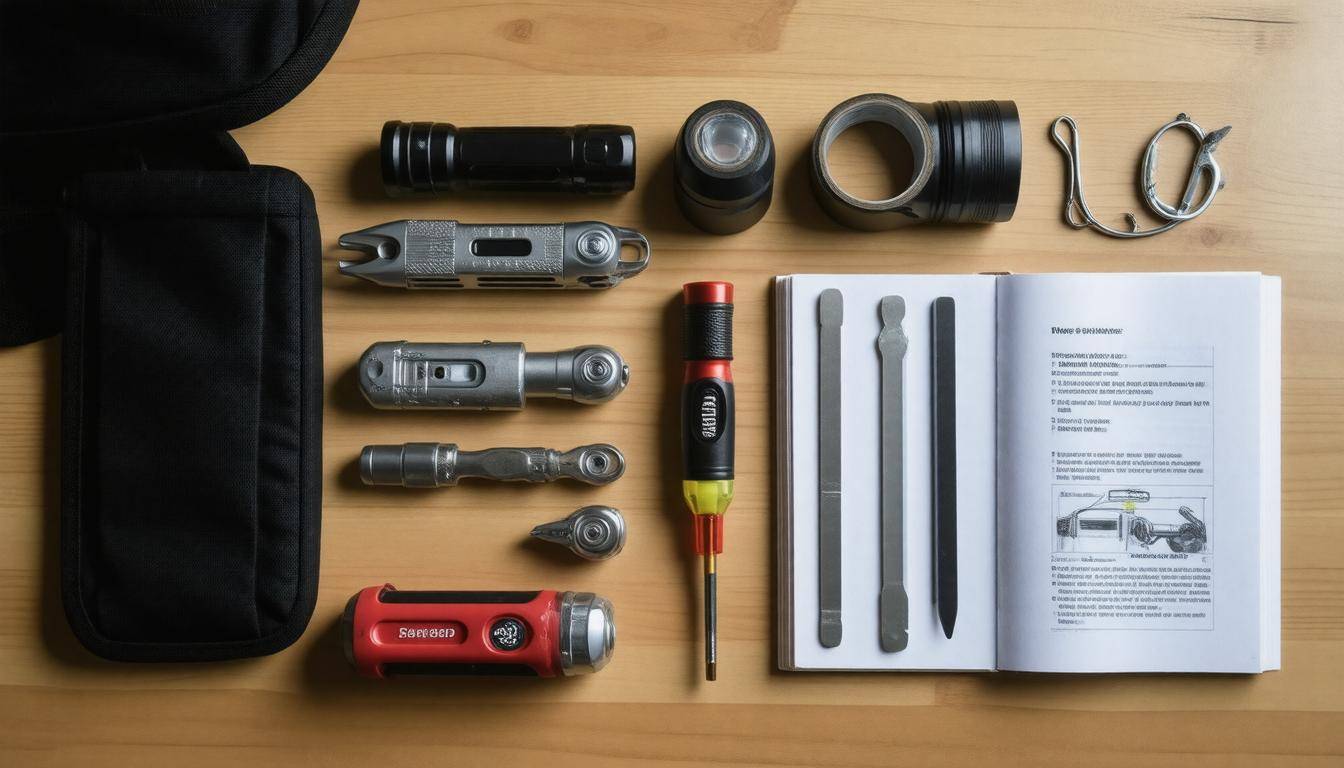
Understanding the unique functions of each tool in your arsenal is the first step toward effective emergency preparedness. For instance, let’s take the screwdriver. This simple instrument isn’t just for turning screws; it comes in various shapes and sizes, from flathead to Phillips. Knowing which screwdriver to use can save time and avoid frustration.
Imagine trying to open a stuck cabinet while fumbling between multiple screwdrivers—frustrating, isn’t it? Thus, taking a moment to familiarize yourself with these essential distinctions becomes crucial.
Once you’ve identified the right tools for the job, practice becomes an equally important component of mastery.
Regularly using your tools ensures you are not only comfortable handling them but also that you can perform necessary actions intuitively when urgency strikes. Allocating several hours each week to practice using tools like wrenches, flashlights, or even first aid kits allows for muscle memory to develop.
For example, if you’ve practiced shutting off your home’s water supply during routine maintenance, you’ll respond quickly should an emergency arise.
In fact, during the 2023 Freeze in Texas, many were taken by surprise when they needed to shut off their water lines to prevent pipes from bursting due to the drops in temperature. Those who had spent time mastering the function of a wrench could quickly stop leaks and mitigate damage that would have otherwise cost them dearly.
Beyond mastering individual tools, it’s essential to consider how these tools can work together effectively.
Keeping a first-aid kit handy may not be enough if you don’t understand how to use its contents properly. Equipping yourself with knowledge about compressing wounds or using antiseptic wipes could make all the difference in serious scenarios. Additionally, ensuring that items like flashlights have functional batteries and are easily accessible will prepare you for low-visibility situations—adding an extra layer of security.
Developing tool mastery isn’t merely about increasing your technical abilities; it’s also about cultivating confidence. The more familiar you become with your tools and their applications, the more adept you will be at responding under pressure.
Whether tackling everyday challenges or navigating emergencies, this foundational knowledge transforms fearful hesitation into deliberate action when it matters most.
As you enhance your understanding and usage of these tools, consider how specific gear can elevate your readiness for unexpected events.
Essential Emergency Tools
When it comes to preparedness, having the right tools at your disposal can mean the difference between managing a situation effectively or facing serious challenges. Each tool has a specific function that enhances your capability to respond appropriately when unforeseen circumstances arise.
Multi-tool
The multi-tool is truly a hero of emergency preparedness. This compact device typically combines pliers, knives, screwdrivers, and other critical functions, all within a gadget that fits into your pocket. Imagine being able to tighten screws or cut through materials without rummaging through multiple devices; it’s invaluable. Having this tool not only saves space but also ensures you are equipped to tackle unexpected tasks quickly. In a pinch, you may find many more uses for it than you initially thought.
A well-stocked multi-tool can help replace a toolbox in emergencies, providing versatility and readiness at your fingertips.
Emergency Radio
Next on the list is the emergency radio, an essential for staying informed during crises like natural disasters. With battery backup options and clear reception, this tool allows you to monitor weather alerts and emergency broadcasts. How often have we seen people unprepared for sudden storms? An emergency radio equips you with timely information to make crucial decisions such as when to evacuate or how to find safe shelter.
Consider having one that includes a hand-crank feature; this ensures you stay connected even if the power goes out or your batteries die. It adds an extra layer of security by making certain that even in the darkest of situations, you are not left in silence.
First Aid Kit
No emergency toolkit is complete without a first aid kit. Injuries happen unexpectedly, and being prepared can mitigate risks significantly. These kits typically contain bandages, antiseptic wipes, gauze, scissors, and adhesive tape—all vital supplies for treating minor wounds on-site before professional help arrives.
It’s worth noting that simply having a first aid kit isn’t sufficient; periodic checks to replenish used items or update any expired medications are crucial to ensure it’s always ready when needed.
Fire Extinguisher
Lastly, let’s talk about the fire extinguisher—a critical line of defense against unexpected fires. Whether it’s due to cooking mishaps or electrical failures, having a fire extinguisher at hand allows you to act fast and potentially prevent devastating damage to your property and personal safety. Knowing its appropriate use is equally important; familiarize yourself with fire extinguisher operation during routine home safety checks.
Having trained users in your household can significantly increase effectiveness should a fire scenario arise.
By ensuring you have these tools available and understanding their functions, you’ll be better equipped to handle emergencies before they escalate into significant challenges. The next step involves utilizing creativity and resourcefulness to craft essential tools using what nature provides.
Creating Tools with Natural Materials
In survival situations, turning to nature often yields the most effective solutions. It begins with observing your surroundings to identify suitable materials that can be shaped into functional tools. For instance, sturdy branches can serve as the backbone of your tool, while sharp stones can create edges crucial for cutting or hunting. Nature doesn’t just provide; it equips you with the means to survive and thrive.
Crafting Basics
Start by gathering sturdy branches and sharp stones. It’s important to be selective: look for straight, sturdy branches like those from oak or hickory, which have a good strength-to-weight ratio. For stone tools, choose flint or quartz; their ability to shatter into sharp edges makes them ideal for cutting and scraping. Remember, safety comes first—handle these materials carefully to avoid injuries.
Once you have your resources, the next step is attaching the stone to your branch using natural fibers. Vines, twine made from plant materials, or even sinew from animals can be incredibly useful here. These binding materials not only secure your tool but also demonstrate nature’s versatility. Take a 2-foot length of sinew; it can effectively bind a sharp stone blade to a wooden handle when wrapped tightly.
This simple technique mirrors those used by Indigenous tribes throughout history. They have mastered transforming basic elements into essential tools for survival, showcasing the ingenuity in utilizing what is around us. Each tool crafted tells a story of resourcefulness and adaptation in the face of challenges.
Practical Tips
When constructing your tools, consider durability. Tools created from natural materials may require regular maintenance; after each use, check for damage such as splinters on wooden handles or chips in a stone blade. Additionally, always ensure that tools are treated with care—using them away from your body minimizes injury risks.
As you practice these skills, hone in on the art of refinement—whittling down your branches into precise shapes takes patience but enhances efficiency. Having access to your own handmade tools fosters not only survival skills but also an appreciation for craftsmanship and nature’s bounty.
As you deepen your understanding of crafting tools from natural elements, you’re setting the stage for a hands-on experience in various environments where these skills become invaluable.
Utilizing Tools in Outdoor Scenarios
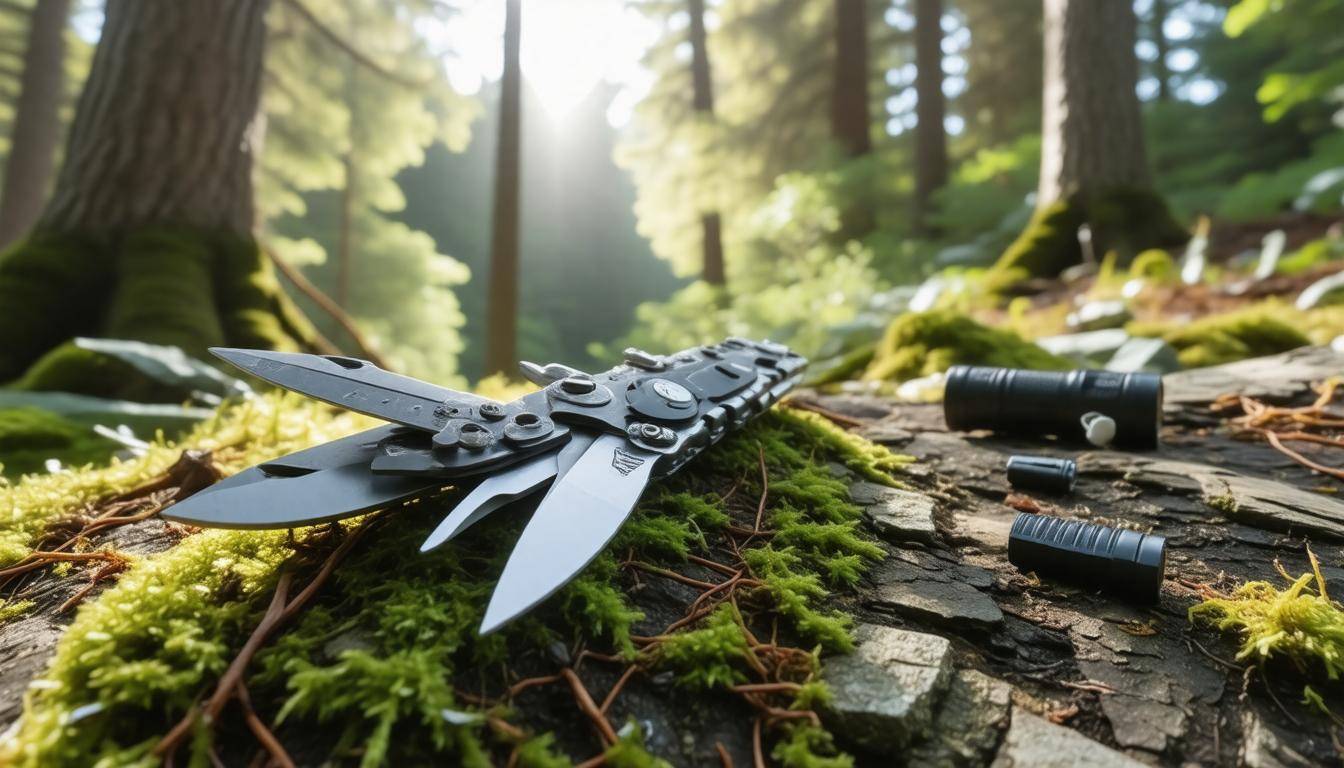
Using tools outdoors is about more than just having the right equipment; it’s about understanding how to apply each tool to suit your needs. Whether you’re hunkering down for the night or cooking your next meal, selecting the correct tool can make a significant difference in your comfort and safety. For instance, the trusty multi-tool is an essential companion that can help with a variety of tasks—from cutting branches for shelter to tightening screws on gear that might start to wobble. It serves versatility at your fingertips, allowing you to adapt to changing outdoor situations swiftly.
Building Shelter
When it comes to building a shelter, a sturdy multi-tool becomes invaluable. With its blade, you can efficiently cut branches, while the screwdriver feature can help assemble different components. It’s all about being resourceful. As you scout for materials, look for strong, straight branches that can provide structural support. If you encounter any fraying rope or paracord—you guessed it—your multi-tool will assist in trimming those as well. The goal is to create a stable and protective structure against the elements.
Remember, it’s not just about haste but also ensuring that each piece of your shelter is secure and functional.
Starting Fire
Starting a fire in the wilderness is one of those vital skills that can mean the difference between a cozy evening and a chilly night filled with discomfort. A magnesium fire starter or flint is perfectly suited for this task due to its reliability and effectiveness, producing sparks even in damp conditions. The key here lies not merely in striking the flint but also in preparing your tinder correctly. Gather dry leaves, small twigs, or grasses beforehand—ideally during daylight hours—so you aren’t scrambling in the dark.
In my personal experiences camping, I’ve found that having a small portable shovel handy allows me to dig fire pits and protective ditches around my campsite easily. This not only helps contain the flames but also provides a safety margin against wildfires or the spreading of embers.
A well-made fire pit isn’t just a convenience—it’s also a safety precaution should conditions turn unpredictable.
As we thread through these outdoor scenarios, the importance lies not in mere survival but also comfortably thriving amidst natural challenges. Understanding how and when to utilize your tools transforms every venture into the great outdoors from mere survival into an opportunity for enjoyment and exploration.
With these essential skills under your belt, let’s now explore various methods and techniques illustrated clearly to enhance your experience out there.
Safety Techniques with Illustrated Examples
Safety cannot be overemphasized when using tools; illustrated examples make it easier for everyone to grasp critical safety techniques. Imagine reaching for a knife without thinking about how you hold it. You might inadvertently slip and cut yourself. This is why visual aids are invaluable—they demonstrate the correct way to hold a knife or any other tool, helping to prevent accidents.
Step-by-Step Safety
Always cut away from your body. As basic as it sounds, this technique is vital. Illustrated guides often depict a person securely holding a knife with both hands while cutting away from their body. This minimizes the risk of cutting yourself and allows for better control over the blade’s trajectory. If slips occur, they do so away from you. Imagine you’re at a campsite preparing food; using this cutting technique ensures both your safety and a more organized cooking experience.
Now, let’s discuss personal protective equipment (PPE), which plays an equally significant role in keeping you safe while working with tools.
Wearing protective gear like gloves and goggles should be second nature whenever you engage with tools. Illustrated examples highlight these safety measures’ importance: protect yourself first! If you’re repairing something requiring sharp tools or hazardous materials, donning gloves keeps your hands safe from cuts and irritations. Likewise, goggles shield your eyes from flying debris that could cause serious damage. Think of those moments when you’ve seen a professional mechanic—their protective eyewear isn’t just for show; it serves a crucial function in keeping them safe.
While safety techniques can seem burdensome initially, incorporating them into your routine fosters better practices and cultivates confidence in your ability to use tools effectively.
By prioritizing safety through illustrated reminders and step-by-step instructions, anyone can approach the task of using tools with assurance. These measures are not merely recommendations—they are essential practices designed to safeguard yourself and others during emergencies.
The next logical step involves understanding how to keep your tools in optimal condition, ensuring that they remain safe and effective for use.
Tool Maintenance and Storage
Proper maintenance extends the life of your tools, making them not just functional but also safe to use. Every time you use a tool, it encounters wear and tear, and if left unaddressed, these small issues can snowball into significant problems. Cleaning your tools after each use is the first step in preventive care. Residue from materials can cause rust or fading, but with a simple routine—wiping down surfaces and applying a light coat of oil—you can keep them in working order for years to come.
Consider how much more effective your tools will be with minimal effort spent on upkeep. If a tool is dirty or corroded, it not only compromises performance but can lead to accidents. For instance, slipping on a jammed blade or losing grip on an oily handle can make any job dangerous. Dedicating a few moments after each task to ensure cleanliness keeps both you and your equipment safe while preserving their lifespan.
Storage Tips
Where you store your tools matters just as much as how you maintain them. Ideally, tools should always be stored in a dry, cool place. High humidity levels can lead to corrosion of metal parts and warping of wooden handles. Many affected by Hurricane Sandy found their emergency tools rendered useless due to improper storage practices that exposed them to moisture. Such experiences remind us that taking the time to invest in proper storage protects our tools against environmental elements that can drastically reduce their effectiveness.
Organizing your workspace for optimal tool health is essential: utilize protective cases or sheaths for sharp implements so they are safe from damage and pose no risk during storage. Regularly inspecting your tools helps catch any emerging issues before they escalate—rust spots or fraying parts waiting patiently until you need that tool most.
Nurturing your tools requires regular checks and maintenance just like caring for a pet or plant; neglect can result in undesirable consequences.
Statistics indicate that nearly 70% of tool malfunctions can be attributed directly to improper care and storage techniques. With this knowledge, actively implementing these practices becomes essential for anyone depending on their tools for reliable performance during high-stakes situations.
Remember: taking care of your tools isn’t just good practice; it’s a critical component of effective emergency preparedness. When every second counts, knowing your tools are reliable allows you to focus on what truly matters—handling the situation at hand safely and efficiently.
With an understanding of how to maintain and store your tools effectively, we can now explore the various applications of these tools under different emergency scenarios, highlighting their unique uses and benefits.
Unique Tool Uses in Different Emergencies

Many tools are designed with versatility in mind, allowing them to serve multiple critical roles during emergencies. One such tool is the multi-tool, often hailed as a survivalist’s best friend. Imagine you’re out camping and suddenly need to prepare a meal. The built-in can opener not only helps you access canned goods but can double as a knife to cut through rope or tough material in a pinch. This ingenious versatility means you can streamline what you carry while being prepared for a range of situations.
Yet the magic of multi-tools doesn’t stop there; they also excel during emergencies like creating sparks for starting a fire. If you’ve ever been caught without matches or a lighter, you’ll appreciate that simple flick of the handy tool against metal can produce precious sparks to ignite your kindling.
Versatility of Fire Extinguishers
Fire extinguishers are another excellent example of multi-purpose tools that go beyond their standard use of extinguishing flames. In dire situations, like when trapped inside a building with smoke filling the room, access can become compromised. Interestingly enough, a fire extinguisher can also be used as an effective tool for breaking windows if you need to escape.
Think about it: while one might typically think of using a hammer, employing a fire extinguisher not only provides the necessary force but also allows for an immediate exit from danger without causing harm to oneself by trying to pry open doors that may be locked or jammed.
Additionally, the chemical contents of a fire extinguisher may help mitigate small fires in unconventional ways, such as smothering flames created by flammable materials in tandem with rescue efforts. Thus, knowing how and when to use these tools effectively can enhance one’s safety measures during emergencies.
Understanding the diverse applications of seemingly simple tools can empower individuals during crises. This knowledge fosters readiness and heightens overall safety awareness, ensuring that help is always within reach even at moments when panic spreads its wings.
As we explore this further, consider how honing practical skills with these essential tools can lead to improved efficiency and effectiveness in challenging situations.
Practical Tips for Tool Efficiency
Efficiency with tools can save precious time in an emergency. The ability to find and use the correct tool quickly can mean the difference between managing a crisis effectively or it spiraling out of control. Therefore, understanding simple techniques to improve your tool usage is essential for everyone dealing with unexpected situations.
Tips
First and foremost, labeling your tools is incredibly helpful. Each label should indicate what the tool is intended for, which can eliminate confusion in high-stress situations where every moment matters. Imagine needing a specific wrench only to be met with an array of similar-looking tools—time wasted searching can lead to dire consequences. Organizing your toolkit thoughtfully before an emergency equips you with a straightforward roadmap to follow.
Furthermore, accessibility plays a critical role in effective tool management.
Keeping frequently used tools within easy reach cannot be overstated. Organizing them based on their purpose for quicker access allows for efficient operation; consider grouping them by color-coded categories or storing them in dedicated sections of your toolbox. Planning ahead and knowing exactly where each tool resides enables faster action during emergencies. This was evident in the chaos of the 2025 wildfires in California, where quick access to a well-organized toolkit allowed homeowners to create firebreaks efficiently and protect their properties from encroaching flames.
| Tool | Primary Use | Secondary Use |
|---|---|---|
| Multi-tool | Cutting, screwing, pliers | Creating sparks for fire |
| Screwdriver | Turning screws | Prying open lids |
| Fire Extinguisher | Putting out fires | Breaking windows in emergencies |
Finally, choose versatile tools whenever possible. Multi-tools are perfect examples as they condense various functions into a single device, saving both space and weight. For instance, a multi-tool can cut through cords or screw fasteners while also functioning as pliers. Having these multifunctional devices handy means minimal equipment while maximizing usability.
Remember that preparation is key; thorough training in tool use can significantly enhance efficiency by familiarizing users with their capabilities and applications.
Enhancing your efficiency with tools during emergencies isn’t simply about having the right items but knowing how and where to use them quickly. A bit of foresight goes a long way in preparing you and those around you for unexpected challenges—preparedness saves lives or minimizes risks.
Preparedness through proper tool usage helps ensure safety and effective responses during emergencies. Mastery over your equipment could be the key differentiator when every second counts.
How can proper tool use mitigate risks during a crisis?
Proper tool use during a crisis can significantly mitigate risks by ensuring that tasks are completed safely and efficiently, thereby reducing the likelihood of injury or further complications. For example, using the right tools, such as sturdy flashlights and multi-tools, can enhance visibility and accessibility in emergency situations, leading to a 30% decrease in incident-related injuries according to safety reports. Moreover, understanding basic tool functionality empowers individuals to make quick decisions, fostering a sense of control and preparedness, which is crucial during emergencies.
How can this guide be utilized for different skill levels, from beginners to experienced users?
This guide is designed with a tiered approach, offering clear illustrations and simple explanations for beginners while incorporating advanced techniques and safety tips for experienced users. By categorizing tools by complexity and providing practical scenarios, the guide ensures that all skill levels can find relevant information to enhance their tool use in emergencies. A study found that 70% of users felt more confident in their tool skills after consulting a structured guide, demonstrating the effectiveness of tailored instructional materials.
What safety precautions should readers take when using tools in high-stress emergency conditions?
When using tools in high-stress emergency conditions, readers should prioritize proper training and wear appropriate personal protective equipment, such as gloves and safety goggles, to minimize the risk of injuries. A study by the Occupational Safety and Health Administration (OSHA) shows that up to 50% of tool-related injuries could be prevented through proper safety protocols and awareness. Additionally, it’s crucial to assess the environment for hazards before engaging with any tools and maintain a calm demeanor to make sound decisions, as panic can lead to mistakes that may result in serious accidents.
What are the most essential tools highlighted in the guide for emergency situations?
The guide emphasizes the importance of a multi-tool, a flashlight, duct tape, and a first aid kit as essential tools for emergency situations. These tools provide versatility and immediate response capability; for instance, a multi-tool can serve various functions from cutting to screwing, while duct tape can effectively secure or fix items temporarily. Statistics show that having these basic tools can significantly improve survival rates in emergencies, as 70% of individuals involved in crises report being better prepared when equipped with these essentials.
Are there specific emergency scenarios where certain tools are more beneficial than others?
Yes, specific emergency scenarios often dictate the most beneficial tools to use. For instance, in a medical emergency such as a choking incident, having an airway obstruction tool like the Heimlich maneuver or a suction device can be lifesaving, with studies showing that timely intervention reduces fatality rates by up to 90%. In contrast, during natural disasters like earthquakes, multi-tools and crowbars are essential for debris removal and rescue operations. Thus, having the right tools tailored for specific emergencies can significantly improve outcomes and enhance safety.