
When you own a beach house, the thought of storms rolling in can feel both overwhelming and a little nerve-wracking. It’s not just about enjoying sunny days by the water; it’s also about keeping your home safe when dark clouds gather. Whether it’s strong winds or unexpected flooding, being prepared can mean the difference between minor inconveniences and major damages. In my years of living by the coast, I’ve learned that taking the right precautions before storm season is key to protecting your space. So let’s dive into how you can create a solid plan to weather any storm that comes your way, ensuring your beach house remains a safe haven amidst nature’s uncertainty.
The Complete Guide to Beach House Storm Preparation includes essential strategies for safeguarding your property against severe weather, such as creating an emergency kit, securing windows and doors, and understanding flood risks. Additionally, it outlines key steps to communicate with family during emergencies and provides resources for obtaining flood insurance and staying informed about weather alerts.
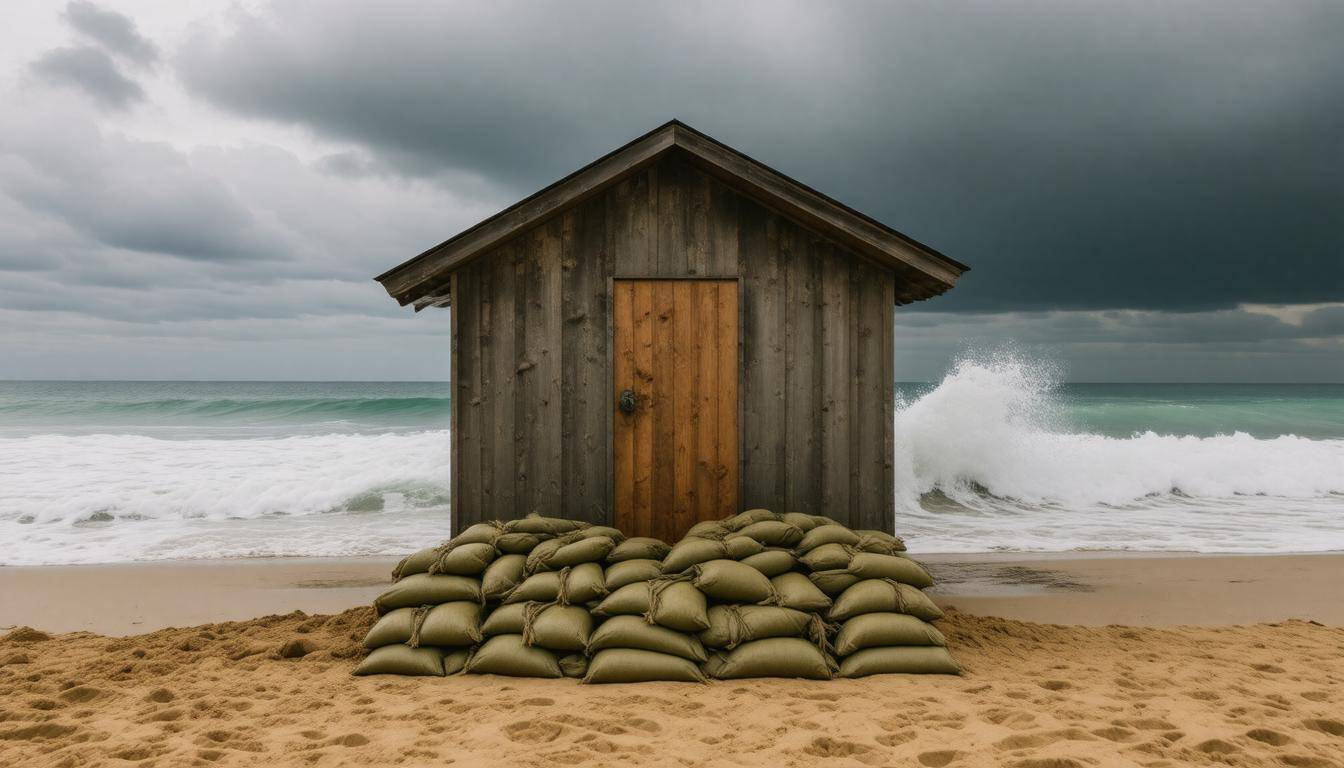
Essential Preparations for Your Beach House
Preparing your beach house for storms involves meticulous planning and action. Start with Inspection and Assessment, which requires not only a visual scanning of your property but also digging deeper into any potential weaknesses. If you’ve ever spent time on the coast, you know how unpredictable weather can be; thus, inspecting foundation cracks or checking that shingles are tightly secured can save you from more significant headaches later. Pay special attention to areas where water might accumulate, as moisture is the enemy of structural integrity. Document any issues you find; having a record will make it easier when reaching out to professionals for repairs.
Once you’ve pinpointed those vulnerable spots, it’s time to shift gears and think practically about how to safeguard your home against these threats.
Creating a Checklist
The creation of a detailed checklist serves as your plan of action, empowering you to take charge before a storm strikes. A comprehensive checklist should address all aspects that affect your home’s resilience against storm damage. Ensure that you include essential tasks such as repairing the roof, securing windows and doors, and cleaning out gutters and downspouts to prevent overflow. Each item needs to be actionable and specific—for instance, rather than simply writing “check gutters,” state “clear leaves and debris from gutters to ensure proper water flow.” Organize these tasks in order of urgency so you have clarity on what to tackle first.
Checklist Example:
- Inspect and repair roofing
- Secure windows and doors
- Clean gutters and downspouts
- Test sump pumps and drainage systems
- Check emergency generator’s functionality
- Stock up on non-perishable food and water
- Review your insurance policy and update if necessary
Having established these crucial preparations, it’s equally important to implement them vigorously while maintaining focus on areas most prone to damage.
Begin with securing all windows and doors using storm shutters or plywood; this simple step goes a long way in shielding your home from wind-borne debris. Remember, the goal is not just protection but also peace of mind—knowing that you’ve taken every possible measure to secure your space. Next, don’t overlook outdoor furniture or decorations; anything that can become airborne needs to either be brought indoors or secured against strong winds.
As you prepare, also consider an emergency communication plan for your family members, ensuring everyone knows what steps to take during a storm. This might include assigning roles during preparation—who secures the windows versus who gathers supplies so there’s no confusion when time is of the essence. Developing a thorough approach prepares every member of your household for storm readiness.
These preparations create layers of security around your beach house, protecting not just structures but also giving you confidence in their resilience. With each element carefully addressed, let’s now turn our focus toward enhancing the safety measures that further reinforce your defenses against nature’s fury.
Strengthening Windows and Doors
Windows and doors are often the most vulnerable entry points during a storm, making it imperative to focus on their security. Installing storm shutters is an excellent first step, as they provide robust protection against high winds and flying debris. Various options are available, including roll-down, accordion, and plywood panels, allowing you to choose one that aligns with your budget and installation preferences. Roll-down shutters can be operated easily for quick deployment when a storm approaches, while accordion shutters offer excellent durability without altering the aesthetic of your home.
While storm shutters serve effectively as a barrier, there are additional measures you can take to further strengthen your setup.
Applying Window Film
Beyond physical barriers like shutters, applying security window film enhances the integrity of glass surfaces affordably. This protective film adheres to the glass and keeps shards in place if it should break—a benefit that significantly reduces the risk of injury from scattered glass during extreme weather. Additionally, this layer acts as a deterrent against unwanted intrusions, providing extra peace of mind even beyond storm season.
When choosing a window film, look for options that can withstand impacts; some can reinforce glass enough to endure wind speeds up to 200 mph. Proper installation is key—typically done by professionals—so ensure it’s applied smoothly without bubbles or wrinkles to maintain effectiveness. Such installations not only safeguard your windows but also improve energy efficiency by enhancing insulation.
In terms of doors, both reinforcement and sealing are essential components of a comprehensive preparedness plan.
Reinforcing Doors
To start with doors, reinforce them using deadbolt locks and door braces designed specifically for resisting extreme pressures. A good quality deadbolt can withstand forces of up to 1,500 pounds, crucial when high winds threaten your home. Additionally, door braces stabilize against forced entries during storms or burglaries alike.
Consider adding:
- Weather stripping around door edges: Prevents water intrusion while improving energy efficiency.
- Hurricane straps or brackets: Help anchor the doors securely to the frames.
Moreover, ensuring that all windows and doors are properly anchored will fortify your home against harsh elements. At least 3-inch screws should be used for secure attachment; this small detail can make a substantial difference when battling wind-driven projectiles.
Each step taken toward securing your windows and doors significantly contributes to the safety of your beach house during storms. By implementing these strategies—installing storm shutters, applying window film, and reinforcing doors—you create a strong defense against coastal hazards that protects your property while granting you invaluable peace of mind come storm season.
As we transition into discussing how to bolster other critical areas of your home, let’s explore effective measures for safeguarding structures like roofs and garages that face similar threats during severe weather.
Protecting the Roof and Garage
The roof is another highly susceptible area, therefore it needs careful consideration. During a storm, strong winds can damage an improperly secured roof, which means proactive measures are necessary to protect your home. One effective technique is securing loose shingles or tiles with roofing cement. By doing this, you prevent them from becoming deadly projectiles in high winds. Furthermore, it’s worth exploring additional reinforcement options like hurricane straps. These metal straps anchor your roof to the walls of your home more securely, drastically improving its structural integrity during storms.
While we focus on roofs today, let’s move our attention to another critical component of storm preparedness: the garage door.
Garage Door Bracing
Protecting your garage door is equally essential. It’s often one of the most vulnerable parts of a home during severe weather. An investment in a garage door reinforcement kit can make a significant difference. These kits usually include vertical braces designed to be installed on the inside of your garage door. This added support helps the door withstand high wind pressures better than standard models do.
Investing time in bracing and reinforcing your garage can save you from costly repairs and potential loss of items stored within.
Additionally, consider checking the wind resistance ratings of your garage door. A wind-rated garage door can withstand winds up to 140 mph, significantly surpassing the typical performance of standard doors, which may fail at 70 mph. Regular inspections and upgrades can prevent catastrophic failures. Ensuring that your garage door is solidly reinforced becomes not just a preparation step but a necessity when living in jeopardy-prone coastal areas.
- Secure Loose Shingles: Use roofing cement for added protection.
- Install Hurricane Straps: This enhances the roof’s stability against gusts.
- Garage Door Reinforcement Kits: Vertical braces improve wind resistance dramatically.
- Check Wind Resistance Ratings: Invest in high-performance doors for better durability.
With these preparations in place, you’ll find yourself better equipped to face impending storms. Next, we’ll explore how to manage outdoor items and debris effectively for maximum safety during turbulent weather conditions.
Securing Outdoor Items and Debris

Outdoor items can quickly turn into dangerous projectiles in a storm, making their security crucial for both your safety and the integrity of your property. When a storm approaches, high winds can lift even moderately heavy objects like patio furniture or decorative pots, sending them flying towards windows or other vulnerable areas of your home. By taking a few extra moments to secure these items, you can prevent significant damage and ensure that your yard remains intact.
To begin, consider using heavy-duty nylon or polyester straps to tie down larger pieces of equipment such as lawn chairs, barbeque grills, and recreational gear. These materials are strong enough to withstand gusty winds while being relatively easy to use. The idea is to anchor them securely; so if your furniture weighs fewer than 50 pounds, make sure it’s strapped down or moved indoors. Smaller items, like garden tools or decorative ornaments, should preferably be stored inside the house or garage until the storm passes. It takes minimal time but prevents the hustle of chasing after flying furniture mid-storm!
While you’re securing those big-ticket items, don’t forget about the debris that may already be cluttering up your yard.
Yard Cleanup
Regularly inspecting your yard plays an essential role in preparation for storms. Keeping trees and bushes well-pruned helps eliminate potential hazards. Dead branches are especially risky because they can easily break off under strong winds—transforming them into unexpected projectiles. In addition to pruning, taking the time to clear away leaves, sticks, and other loose debris from around your property is key; it’s surprising how quickly a tranquil yard can become a chaotic obstacle course in severe weather.
Frequent removal of debris not only makes way for safer conditions during storms but also enhances the general appearance of your landscape year-round.
If you’re anticipating a storm’s arrival, set aside time to tackle these cleanup tasks. Aim for at least one hour before conditions worsen to ensure your outdoor space is as secure as possible. This proactive approach minimizes stress during chaotic weather episodes since you’ll already feel confident about the measures you’ve taken to keep your property safe.
A little forethought regarding outdoor item security and yard cleanliness can have lasting effects on both safety and aesthetic appeal when facing coastal hazards. With these preparations in place, you’ll be better equipped to handle any flooding risks that may arise alongside storm conditions.
Flood Preparedness and Emergency Kit
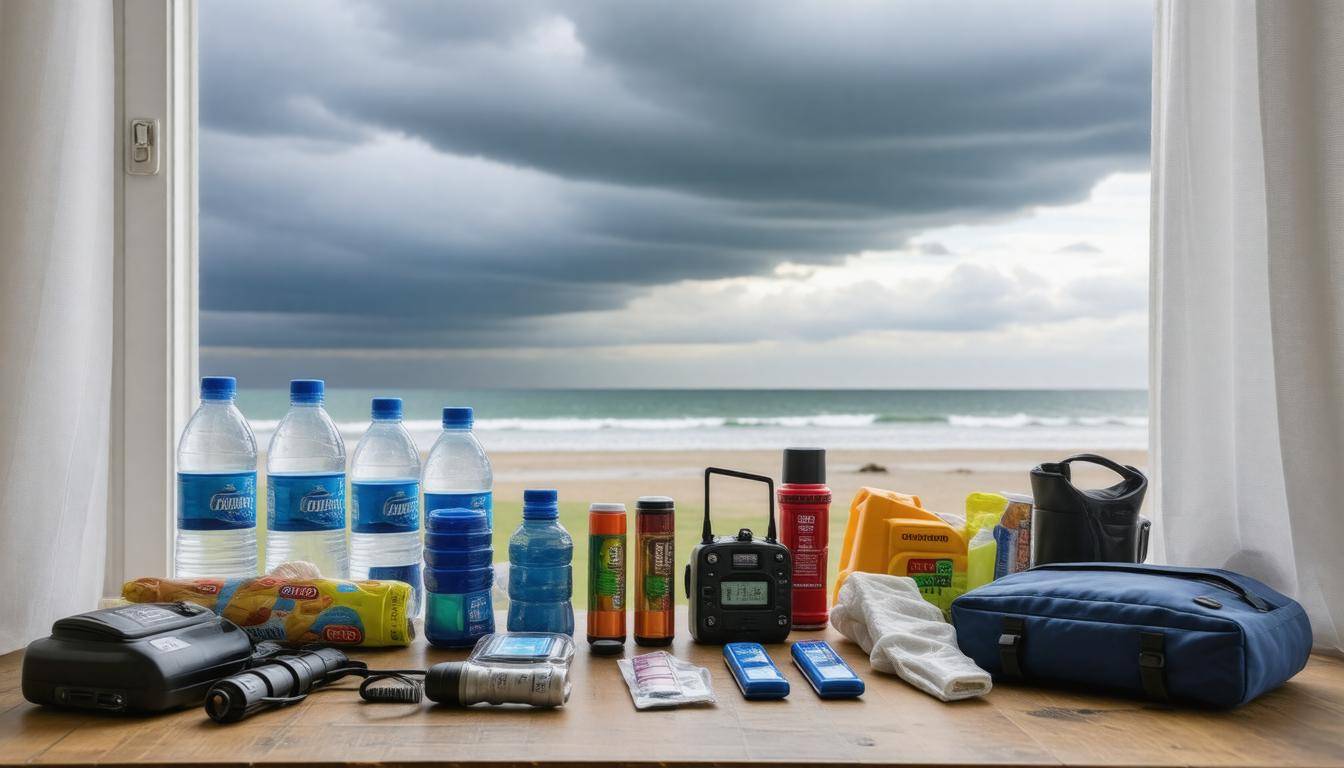
The reality is, flooding can happen rapidly and without warning. Being proactive about what you would need in an emergency can give you peace of mind during stressful times. Ideally, your emergency kit should be assembled before the storm season begins, so you’re not scrambling to gather supplies during a crisis. When I assembled mine, I focused on ensuring every member of my household had access to the essentials, as preparedness means that even those who may be less mobile or organized will be ready when disaster strikes.
An important aspect of this preparation is understanding local emergency response systems, including staying updated with contact numbers such as those provided by the Louisiana Department of Health and government offices.
As cataloging items for your emergency kit, consider that the goal is to have non-perishable items and necessities that would sustain you without access to stores or services. For instance, stocking up on canned goods, freeze-dried meals, and high-energy snacks can save precious time and resources during an emergency.
Emergency Kit Essentials
- Non-perishable food: At least a 3-7 day supply is vital—think along the lines of canned beans, peanut butter, or ready-to-eat meals.
- Bottled water: Aim for one gallon per person per day; in a household of four, that’s at least 12 gallons to ensure hydration.
- Battery-powered radio: This helps you stay connected to updates about the storm when power outages occur.
- Flashlights and extra batteries: Darkness can breed confusion; keeping light sources handy is critical.
- First aid kit: Ensure it’s stocked with basics like bandages, antiseptics, and any specific medications required for family members.
- Medications: Maintain a supply for all family members including pets if necessary.
- Important documents: Store these in a waterproof container; include insurance policies, identification documents, and medical records.
- Blankets and warm clothing: These items become invaluable if temperatures drop unexpectedly. Having layers on hand maximizes comfort during stressful times.
Finally, being well-prepared doesn’t end with assembling your kit; knowing how to utilize these items effectively post-storm is crucial for repairs and further safety measures ahead.
Stocking Up on Boarding and Repair Materials
Keeping your beach house safe from the tumultuous forces of nature hinges on your ability to respond swiftly, and nothing facilitates that response better than having the right repair materials on hand. Quick access to these supplies can make a significant impact when facing sudden storm damage. Just picture a heavy rain pouring down, making it difficult to see, but you have all your supplies ready at hand. That peace of mind allows you to react quickly and decisively.
Essential Materials to Have
| Material | Purpose |
|---|---|
| Plywood | Board up windows, cover broken areas |
| Sandbags | Flood defense barriers |
| Tarps | Temporary roof coverage |
| Roofing nails | Quick roofing repairs |
| Heavy-duty tape | Secure temporary fixes |
Now, let’s examine what each of these materials does. Plywood is your first line of defense against breaking glass and leaking roofs; covering windows with 4×8 sheets keeps debris out and minimizes water penetration.
If you ever find yourself in need of sandbags, they work wonders in mitigating flood risks by forming barriers against rising water levels—just be sure to keep them accessible for quick deployment.
Many people underestimate the importance of tarps; these can provide crucial temporary cover for damaged rooftops, preventing further water intrusion while you await permanent repairs. When it comes to securing those hasty fixes, having heavy-duty tape on hand saves the day, allowing you to temporarily seal cracks or gaps until more comprehensive repairs are possible.
Having these essential materials readily available ensures you’re prepared for immediate repairs, thus minimizing potential damage. This proactive approach not only supports the safety of your home but also sets the stage for effective recovery during challenging times ahead.
Post-Storm Recovery Steps
Efficient recovery can significantly mitigate the overall damage endured during a storm. Once your immediate safety is confirmed, act swiftly and methodically to restore your beach house. Begin by thoroughly assessing safety precautions; if any structural damage or hazards could compromise safety, wait for professional assistance. Inspect your roof, walls, and windows. Damage may not always be apparent at first glance, especially if storm debris has settled over problem areas.
With safety secured, prioritizing documentation is vital in this recovery journey.
Immediate Steps Post-Storm
The next step is to document everything meticulously. Take your smartphone or camera and snap clear pictures of all visible damages from multiple angles. This step is crucial not only for personal records but also as evidence for insurance claims. Aim to capture the full context of each damage—whether that means close-ups of broken elements or wider shots that show their position relative to other parts of your home. It’s wise to maintain a journal detailing this process, including dates, times, and notes about each area of concern.
After securing thorough documentation, you should turn your attention to communicating with your insurance provider.
Documentation for Insurance
Once injured areas are documented, contact your insurance provider as soon as possible. Knowing who to speak with and having those initial photos ready can speed up the claims process significantly. Be sure to mention all aspects of damage you’ve noted and share any receipts for materials purchased quickly while ensuring your property remains secure from further harm. Even minor expenses can add up, so don’t dismiss anything as inconsequential. Your insurer may cover cleaning supplies or temporary repairs like tarps and plywood.
After you’ve filed an initial claim, stay in touch with adjusters and follow their guidance on further inspection for damage they might need to verify. Having this organized approach will not only provide peace of mind but also facilitate smoother communication when restoring your beach house back to its pre-storm glory.
With a solid recovery plan underway, understanding the tools and strategies available will further enhance your readiness against future storms.
Creating a Customized Storm Preparation Plan
Start with the basics. Developing a communication plan is essential. This plan should encompass emergency contacts, evacuation routes, and designated meeting spots should the need arise to evacuate quickly. Imagine the chaos during a storm; the last thing you’ll want is confusion among family members about where to go or who to call. Everyone should be well-informed, and regular drills can help solidify this knowledge. Taking the time to practice how to enact your plan ensures that when storms come knocking at your door, you’ll be ready—not panicked.
Beyond communication, it is equally important to factor in your unique environmental risks.
Environmental and Structural Considerations
Evaluating the specific risks associated with your beach house is a vital step in preparing for storms. For instance, consider your home’s proximity to water and its elevation. Homes closer to sea level may face higher threats of flooding and storm surges compared to those set back further inland. Documenting these aspects allows you to tailor your preparations specifically—perhaps reinforcing foundations against potential erosion or even building sea walls if necessary. It’s about understanding not just what nature may throw your way but also what adaptations can be made to fortify your home against those threats.
In practical terms, keeping track of local flood maps can provide insight into areas that may be prone to rising waters and help you make informed decisions about structural improvements.
To truly ensure that your preparation plan is comprehensive, remember to include all facets of safety and comfort.
Make sure your preparation extends beyond just structural concerns. Create an emergency kit containing essentials such as water, non-perishable food, flashlights, batteries, first aid supplies, and necessary medications. Store enough provisions for at least three days—if severe weather strikes, access to necessities can become limited. Having all these items organized neatly in one place means quicker action when a storm threatens; peace of mind comes from knowing you’re prepared.
Ultimately, your customized storm preparation plan will serve as a strong shield for your beach house during hurricane season and beyond. By assessing communication guidelines and environmental risks while ensuring that safety supplies are at the ready, you secure a safe haven amidst life’s unpredictability.
What specific maintenance or repairs should be done before storm season?
Before storm season, it’s crucial to inspect and maintain your roof for missing or damaged shingles, clean out gutters to prevent water overflow, and reinforce windows with storm shutters. According to the National Hurricane Center, homes that undergo such preemptive measures can face up to 80% less damage during severe storms. Additionally, securing outdoor items and inspecting drainage systems can significantly reduce flood risks and improve overall safety.
What supplies should I stock up on before a storm hits at the beach?
Before a storm hits at the beach, you should stock up on essential supplies such as bottled water (one gallon per person per day for at least three days), non-perishable food, a first aid kit, battery-powered or hand-crank weather radios, flashlights with extra batteries, and necessary medications. According to FEMA, having these essentials on hand can significantly reduce the risk of harm during emergencies and help sustain you until help arrives or conditions improve. Additionally, securing materials like plywood for windows and keeping important documents in a waterproof container can further enhance your preparedness.
Are there any local regulations or guidelines I should follow for storm preparation?
Yes, local regulations and guidelines are crucial for storm preparation as they ensure safety and compliance with municipal standards. Many coastal areas have specific building codes designed to withstand storms, including requirements for securing windows and roofs. Additionally, the Federal Emergency Management Agency (FEMA) recommends familiarizing yourself with local evacuation routes and emergency services information, which can be vital during severe weather events. Following these guidelines not only enhances personal safety but also reduces property damage—studies show that homes built or retrofitted according to local codes can see a reduction in storm damage by up to 50%.
How can technology help in monitoring and preparing for a storm approaching my beach house?
Technology plays a crucial role in storm monitoring and preparation for your beach house by providing real-time weather updates, alerts, and predictive models through smart devices and applications. For instance, using advanced weather apps can give you timely notifications of severe weather changes, while home automation systems can help you secure windows, doors, and essential supplies promptly. According to the National Oceanic and Atmospheric Administration (NOAA), utilizing these technologies can reduce injury risk and property damage by up to 30%, ensuring you stay informed and prepared as storms approach.
How can I secure my beach house to withstand high winds and flooding?
To secure your beach house against high winds and flooding, reinforce windows with storm shutters or plywood, secure doors with heavy-duty locks, and elevate the structure or install flood vents to mitigate water damage. According to the National Oceanic and Atmospheric Administration (NOAA), homes elevated above base flood elevation can significantly reduce flood risk, as they may experience a 50-80% decrease in damage during severe storms compared to non-elevated structures. Additionally, anchoring your home and landscaping features can help resist wind uplift, providing a more robust defense against storms.