
Living in Bendigo, Victoria, comes with its own unique charm, but it also brings the ever-present threat of bushfires. As we navigate our daily lives amid beautiful landscapes and warm community ties, understanding how to prepare for this potential danger is crucial. When wildfires occur, every second counts, and being adequately prepared can make all the difference for you and your loved ones. In this guide, we’ll break down essential items and strategies that will transform the way you approach bushfire safety—from putting together a survival kit to shaping an effective evacuation plan. With a little foresight and planning, we can face these unpredictable challenges head-on.
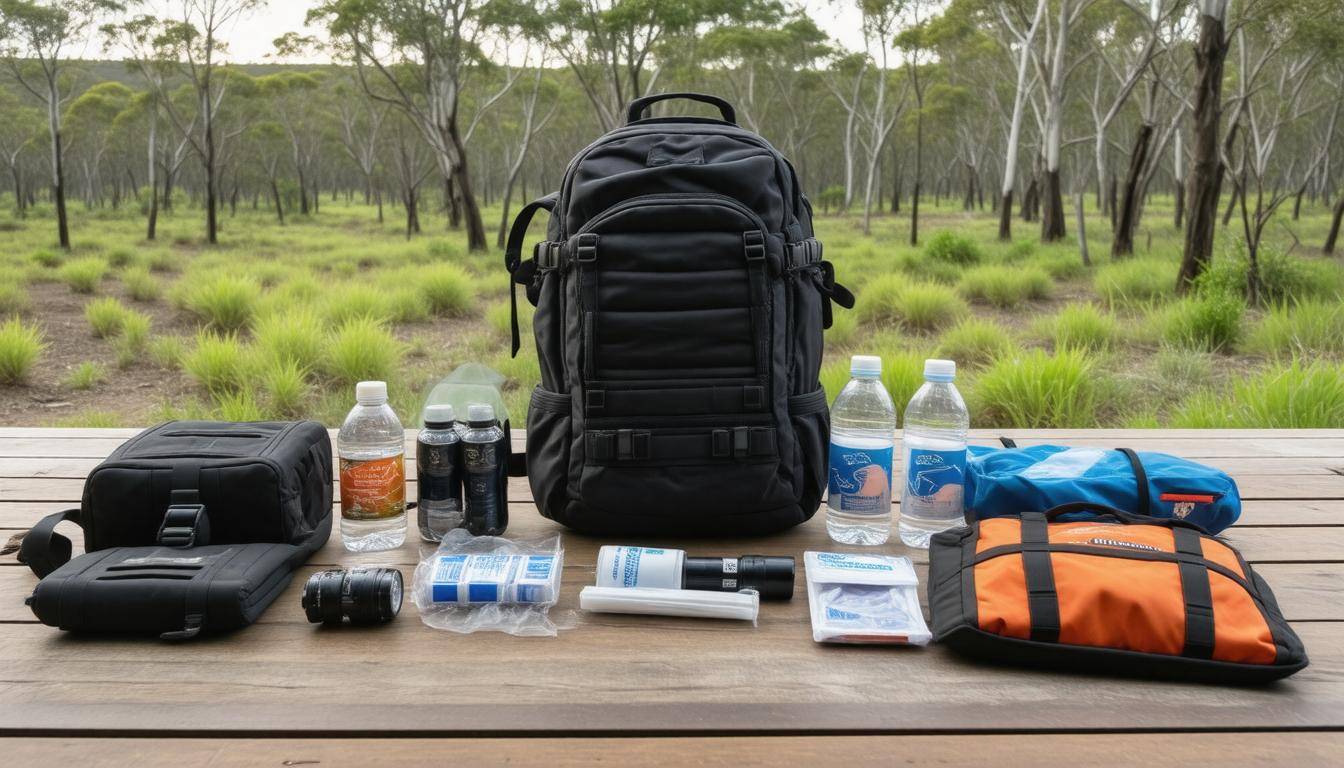
A Bushfire Survival Kit for residents of Bendigo, Victoria, should include essential items such as water, non-perishable food, a first aid kit, protective clothing including masks and gloves, a battery-operated radio, flashlights with extra batteries, important documents (in waterproof bags), and any necessary medications. Additionally, make sure to have a plan for safe evacuation and keep contact numbers handy in case of emergencies.
Bushfire Preparedness for Bendigo
Living in Bendigo means being acutely aware of your surroundings, especially when it comes to fire safety. The bushfire seasons can strike suddenly, and having a well-considered preparedness strategy is essential to protect your life and property. Regular risk assessments are the backbone of this plan; they allow you to spot potential hazards on your property before they escalate into serious threats.
Begin by looking around your home and identifying dry vegetation, flammable materials, or any debris that could easily ignite. This includes items like old leaves in gutters or stacks of wood lying too close to the house. You might be surprised how even small actions can significantly reduce risks—trim hedges back from the home, maintain a clear zone around structures, and keep your garden well-watered during dry spells.
Each small step adds up, creating a defensive barrier against the unpredictable nature of fires.
Beyond your immediate surroundings, it’s vital to familiarize yourself with local fire danger ratings and stay updated on warnings issued by services like the Country Fire Authority (CFA). These tools not only inform you about current conditions but can guide you in making critical decisions. If a fire warning is issued for your area, remember: it’s not just about being informed; it’s about planning your escape route ahead of time.
Engaging with your neighbors can also enhance your preparedness efforts significantly.
Often, community efforts lead to better strategies for dealing with emergencies. Organize community clean-up days where residents work together to mitigate fire risks—clearing yard waste or applying protective measures to shared areas can make environments safer for everyone. Also, don’t forget to discuss each other’s emergency plans so that you are all on the same page in case disaster strikes.
Of course, preparing isn’t solely about physical space; mental preparation plays an equally crucial role. Familiarize yourself with emergency resources, such as nearby evacuation centers and local emergency plans. Ensure that you have a communication strategy—sharing contacts and agreeing upon rendezvous points can ease anxiety during chaotic situations.
Finally, consider assembling an emergency kit tailored for bushfire situations. Include essentials like first aid supplies, bottled water, non-perishable food items, pet necessities if applicable, and personal documents secured in waterproof bags. Having everything at your fingertips will not just save time; it can provide invaluable peace of mind when urgency arises.
As these preparations evolve into actionable steps for residents of Bendigo, thoughts naturally turn towards the specific items that will ensure safety in times of crisis.
Essential Survival Kit Items
A well-stocked survival kit can indeed make a significant difference during a bushfire situation. Imagine finding yourself cut off from normal communication and needing to stay informed about evacuation orders or emergency services. This is where a battery-operated or hand-crank radio becomes indispensable, allowing you to tune into local news and updates even if the power goes out. Having this radio readily accessible gives you peace of mind as you receive real-time information about the evolving situation around you.
A sturdy flashlight with extra batteries is another must-have item for your survival kit. When darkness falls, the chaos of an emergency can become overwhelming. A reliable flashlight illuminates your environment, making it safer to navigate through smoke-filled areas or darkened spaces. Remember to check the batteries regularly; old or corroded batteries can leave you in the dark just when you need light the most.
Furthermore, the mention of a first aid kit cannot be overstated. In stressful situations, minor injuries can escalate quickly if not treated promptly. Stocking your kit with essentials like bandages, sterile wipes, burn cream, and any prescribed medications ensures that you are prepared to handle injuries that might occur while evacuating or navigating hazardous areas.
N95 masks are particularly crucial for filtering out harmful smoke, which poses serious health risks during a bushfire. It’s easy to overlook respiratory protection amidst the chaos of gathering supplies, but inhaling smoke can lead to long-term health complications. Make sure each family member has their mask fitted properly in your kit for quick access when needed.
The importance of having a whistle cannot be emphasized enough as well. If escape routes become blocked and you find yourself needing to signal for help, a whistle will carry much further than shouting—an invaluable tool in ensuring rescuers can locate you more easily among the debris.
Complementing these items are local maps that keep you oriented during evacuation. Knowing alternative routes can be lifesaving if main roads become impassable due to fires or downed trees. Maps provide a sense of control when everything else feels chaotic.
A versatile multi-tool or Swiss Army knife deserves its place among the essentials too. With abilities ranging from opening cans to cutting ropes, it’s amazing how often this simple tool comes in handy when you’re in an uncertain environment.
Jane Doe, a Bendigo resident, shared her experience: “Having a well-stocked survival kit made us feel more secure during last year’s bushfire. The radio and masks were particularly essential.” Her testimony highlights just how key having these items at hand can transform a formidable situation into one manageable enough to navigate with a clear head.
Preparing your survival kit goes beyond mere collection; it’s about establishing a comprehensive support system for yourself and your loved ones amid possible peril. Next, we explore the vital components that ensure your food and water needs are met in such challenging circumstances.
Water and Food Supplies
Establishing a solid foundation of water and food supplies is a critical part of preparing for any bushfire event. Not only do these items sustain life, but they also help provide a sense of security and normalcy during stressful times. Think of water as your first defense—it’s not just for drinking, but also for basic hygiene and cleaning purposes. In a survival scenario, the idea is to minimize risk and ensure that you have what you need without relying on outside sources.
As recommended, having at least a three-day supply of non-perishable foods and bottled water is essential. This means ensuring each person in your household has access to around 12 liters of water—four liters per day for three days—just to stay adequately hydrated. Planning ahead may seem tedious, but weighing down the importance of hydration cannot be stressed enough; dehydration can hit quickly in high-stress scenarios like bushfires.
It’s noteworthy that emergency management agencies recommend this level of water storage not only for drinking but also for cooking and personal hygiene. Having ample water supplies can truly make a significant difference in health and morale.
When it comes to food choices, long-lasting items require thoughtful consideration. Canned goods such as beans, vegetables, or soups are excellent options because they have a long shelf life and require minimal preparation.
Energy bars are fantastic snacks that pack calories in small packages, perfect for quick nourishment when running low on energy. Freeze-dried meals offer tasty options with easy preparation—just add hot water. Each item chosen should ideally possess a long shelf life, so make sure to check expiration dates often to minimize waste or needs for constant replacement.
Remember that rotating your stocks is also vital! Consume older supplies first while keeping newer purchases stocked behind them.
While putting together these provisions, consider individual dietary needs or preferences if they exist within your family unit. Too often, panic sets in when people realize their survival kits lack crucial items required by certain family members. If allergies or dietary restrictions are involved, keep alternative staples ready; think about gluten-free cereals or items fortified with necessary vitamins instead.
It’s comforting to know that you have adequate food and water supplies to ride out almost any emergency situation; however, ensuring you’re equipped with protective gear will further enhance your safety during bushfire season.
Clothing and Shelter Gear
Proper clothing can make all the difference in a bushfire situation. Selecting fire-resistant clothing made from natural fibers like wool or cotton is essential because these materials are less likely to ignite and burn when exposed to flame.
On the other hand, synthetic fibers pose a significant risk; they can melt upon contact with heat, adhering to your skin and causing severe burns. So, while fashionable garments may seem appealing, prioritizing safety is key. When I was caught in an unexpected heatwave during camping, I learned the hard way how uncomfortable it can be to wear unsuitable fabrics under stress.
Recommended Clothing
Aside from fire-resistant fabrics, wearing layers helps with temperature control. For instance, a light base layer followed by a thicker outer layer provides flexibility for changing climates. Furthermore, including accessories like gloves and a hat not only protects your extremities but also shields sensitive areas from smoke and debris. Comfortable shoes are vital too; you need sturdy footwear that allows you to move swiftly if evacuation becomes necessary.
Now that we’ve covered clothing, let’s turn our attention to the importance of shelter gear in your bushfire survival kit.
Shelter Essentials
A lightweight tent should be one of the first items on your list. Tents provide immediate shelter and help shield you from radiant heat while also protecting you from falling embers, which can travel significant distances in strong winds during a bushfire. Be sure to practice setting it up beforehand so that you’re quick and efficient when it matters.
In addition to a tent, thermal blankets and sleeping bags should not be overlooked. These items are compact yet powerful resources when it comes to regulating body temperature during extreme conditions. Reports from bushfire safety audits highlight that thermal blankets reflect up to 90% of body heat, making them invaluable during hot days or chilly nights when temperatures plummet unexpectedly after the sun sets.
Investing time into understanding how each piece of gear works together can significantly improve your chances of staying safe during stressful situations.
Emergency preparedness isn’t just about gathering items—it’s equally about knowing how to utilize them effectively. If you find yourself away from home, quickly deploying your gear can make all the difference. By remaining organized and practicing how you’ll use these supplies ahead of time, you’ll be letting proactive preparation shield you against what could otherwise turn into chaos.
As we consider these essentials further, it’s crucial to think about structuring your safety approach through an actionable framework.
Creating an Emergency Plan

An effective emergency plan, one that everyone in your household comprehends and embraces, can be the critical difference between chaos and calm when faced with a bushfire. It is not simply about knowing what to do; it’s about creating an actionable roadmap that accounts for different scenarios. Picture yourself in the heat of the moment—having a clear strategy allows you to focus on safety rather than scrambling for answers.
Key Steps
Start by establishing a clear evacuation route from your home. Visualize your surroundings and pinpoint multiple exits if possible. It’s important to have alternative routes in case one becomes obstructed by fire or smoke. Walk these paths with your family, ensuring everyone understands which way to go. Familiarity breeds confidence, and knowing exactly where to head during an emergency can save precious time.
Next, think about how essential communication will be during emergencies.
Set up a communication plan so that all family members can stay connected, even if they are separated. This means agreeing on specific points of contact if you can’t reach each other directly—think about designated friends or relatives outside of the danger zone. Share phone numbers and ensure everyone’s devices are fully charged before heading out into potential danger zones. In moments of panic, knowing where to go for information can bring much-needed clarity.
Now that you’ve established routes and communication methods, consider where you’ll reconvene after evacuating.
Designate meeting points both within and outside of Bendigo. This helps ensure that everyone knows where to meet if you get split up amid the chaos. Choose landmarks that are easy to find and well-known among family members, such as parks or community centers. These predetermined rendezvous locations help reduce anxiety; there’s comfort in knowing someone is waiting for you at a familiar place.
Additionally, practice your evacuation plan regularly—this is crucial to highlight areas for improvement. Conduct drills like a fire drill in school; this not only reinforces memory but also fine-tunes everything from timing to location awareness. You’ll quickly discover if the routes are clear, whether the communication plan works effectively in practicality, or if adjustments need to be made based on traffic patterns and road conditions.
While planning is vital, step-by-step execution becomes crucial as you prepare specific measures designed to protect your family during potential bushfire threats.
Family Safety Measures

Keeping all family members safe during bushfires involves thorough planning and preparation. It’s essential that everyone understands their respective roles in an emergency situation. You may think of it as a team effort; when each person knows what to do, everything runs smoother and chaos is minimized.
Having a set plan can make all the difference between staying calm and panicking when faced with an emergency.
One crucial aspect of this preparation is ensuring your pets are included in your family safety plans. Prepare an emergency kit specifically for them, containing essentials such as food, water, and veterinary records. Remember that your furry friends are part of the family, and having their needs met will help everyone focus on safety without worrying about your pet’s well-being. A simple checklist of their supplies can ensure you don’t forget any vital items.
Think of it this way: When you’re preparing for a bushfire, you wouldn’t leave behind a loved one – and that includes your pets.
Additionally, several families have implemented successful strategies by assigning specific tasks to each member. For instance, while parents might handle evacuations or communicating with local authorities, older children can be responsible for gathering survival kits or checking in with neighbors. This collective approach helps foster responsibility and coordination amongst family members while also reinforcing the idea that everyone contributes to the safety of the household.
As an extra precaution, involve younger children in discussions about what to do if a fire were to occur. Teaching them simple but informative tasks like identifying safe exits or knowing the meeting points outside can help instill confidence in their ability to respond appropriately in emergencies.
With this foundation in place, it’s vital to stay informed through real-time updates and alerts that can guide your actions when every second counts.
Real-time Updates and Alerts
In the face of an impending bushfire, nothing can be more vital than access to real-time updates and alerts. Having timely information at your fingertips can empower you to take necessary actions quickly—for example, deciding when to evacuate or where to seek shelter. The VicEmergency App is a valuable tool specifically designed for this purpose, offering up-to-the-minute notifications about bushfire activity in your area.
Downloading apps like these means you can benefit from features such as:
- Real-time alerts that notify you instantly about any hazards nearby
- Interactive maps that help visualize affected areas and evacuation routes
- Warnings regarding road closures, which may impact your escape routes
As fires spread rapidly, even minutes can determine safety, so having this technology used regularly becomes second nature.
Beyond mobile applications, there are some other effective ways to stay informed during emergencies.
Subscribing to SMS alerts enhances your safety net further. These alerts deliver vital updates directly to your phone, ensuring that you’ll receive crucial information without the need to search actively for it. Messages can include announcements about changes in fire behavior, weather advisories, or government instructions on how to respond—information best received before making decisions that could affect your family’s safety.
| Source | Features | Cost |
|---|---|---|
| VicEmergency App | Real-time alerts, interactive maps | Free |
| ABC Emergency | Regular radio updates, emergency broadcasts | Free |
| Emergency Plus | GPS coordinates for emergency services | Free |
Utilizing these sources provides peace of mind because they connect you to the latest developments with just a glance at your phone. As much as we would like to believe we will always have time during a crisis, the reality is that sound decisions are often made based on real-time information—not second-hand accounts or guesswork.
Emphasizing communication systems like the internet and SMS services fosters a culture of preparedness among families in high-risk bushfire zones. Every family member should be aware of how these tools work and what critical alerts mean. Make it a habit to check them regularly during bushfire season or when conditions worsen, as doing so could potentially save lives.
This approach not only enhances personal safety but also builds community awareness. Now let’s turn our focus toward the essential items needed for an efficient and effective packing strategy in case of an emergency.
Quick Packing Checklist
When preparing for the unexpected, a checklist serves as your safety net. It outlines all the essential items that need to be collected swiftly to ensure your safety and that of your loved ones. Think of it as your roadmap in moments when time is of the essence.
First up on your checklist should be identification and important documents. Paperwork might seem mundane, but in emergencies, having your identification—such as driver’s licenses, passports, and insurance information—handy is crucial. They can help you regain access to services and resources once you are safe. Keep them in a waterproof bag within easy reach to avoid any delays.
Next, let’s turn our attention to the must-have survival kit with essential items, because fate favors the well-prepared.
Your survival kit is more than just a pouch of supplies; it’s a lifeline in uncertain conditions. This kit should include basic first-aid supplies, flashlights with charged batteries, multi-tools, and a whistle for signaling help. Don’t forget about any prescription medications you or family members may need; these vital items can often get overlooked.
As we consider food and water supplies, remember that hydration is key during stressful situations.
Stocking your kit with non-perishable foods like granola bars, dried fruits, or ready-to-eat meals will keep you fueled and ready to act. Include at least one gallon of water per person per day for a minimum of three days; consider personal preferences too—nothing is worse than trying to force down something nobody likes in high-stress moments.
Clothing and shelter gear come next as they play a direct role in your comfort and safety.
Pack appropriate clothing such as sturdy shoes, weather-appropriate outerwear, and extra layers to guard against the elements. If possible, include compact emergency blankets; they don’t take up much space yet provide critical warmth if you find yourself outdoors.
Lastly, it’s imperative to have emergency plans and contact info documented.
Details about where to meet other family members or friends outside the danger zone should be established ahead of time. Consider creating a small flyer outlining these plans and everyone’s contacts trapped in one place so it’s easy to grab amid the chaos. You never know when you will need to contact someone far away for assistance or reassurance.
By following this quick packing checklist closely, you’ll find that evacuation becomes not only possible but manageable, lowering stress levels even when faced with challenging situations.
In times of crisis like bushfires, being prepared is essential. Keep this guide handy to ensure you have everything necessary for your safety and peace of mind.
How often should I review and update my bushfire survival kit contents?
It is recommended to review and update your bushfire survival kit contents at least twice a year, ideally before the fire season begins. Regular checks ensure that all items are in good condition, medications are up to date, and food supplies are not expired. According to the Victoria State Government, 80% of homes lost in bushfire events were unprepared, highlighting the importance of maintaining an effective and ready-to-go survival kit for personal safety.
What items are absolutely crucial in a bushfire survival kit tailored for the Bendigo region?
A crucial bushfire survival kit for Bendigo should include essential items such as a sturdy pair of gloves, N95 masks for smoke protection, bottled water (at least 2 liters per person), non-perishable food, a flashlight with extra batteries, a whistle for signaling, and important documents in a waterproof container. Given that Victoria experiences significant bushfire risks, with over 1,000 fires reported annually on average, having these items readily available can be lifesaving during emergencies. Additionally, a portable radio to stay updated on fire conditions is vital in this region where communication networks may be affected.
Are there specific local resources or organizations that can assist in preparing a bushfire survival plan in Bendigo?
Yes, in Bendigo, local resources such as the CFA (Country Fire Authority) provide essential support and guidance for creating a bushfire survival plan. They offer workshops, online resources, and community engagement programs to help residents prepare effectively. Additionally, the City of Greater Bendigo’s website features information on local emergency services and preparedness initiatives. As bushfire risks can vary yearly, it’s crucial to stay informed—historically, Victoria has faced significant incidents, with over 700 homes lost in past fires; thus, preparedness is vital for ensuring safety.
How can I effectively communicate my bushfire evacuation plan to family members or housemates?
To effectively communicate your bushfire evacuation plan to family members or housemates, hold a dedicated meeting where you discuss the plan in detail, distribute written copies, and visually map out escape routes. Emphasize the importance of knowing the nearest evacuation centers and establish a designated meeting point outside potential danger zones. According to the Country Fire Authority (CFA), having a clear communication strategy can significantly reduce panic and confusion during emergencies, with families that practiced their plans reporting a 60% increase in effective evacuations.
What steps should I take to ensure my home is well-prepared for potential bushfires beyond just having a survival kit?
To ensure your home is well-prepared for potential bushfires, you should clear flammable materials from around your property, create a defensible space by maintaining a minimum of 30 meters of cleared area, and regularly clean gutters and roofs of debris. Installing fire-resistant building materials and ensuring windows and doors are tightly sealed can also significantly reduce risk. According to the CFA, homes in well-prepared spaces have an increased chance of surviving bushfires—up to 70% if proper preparations are made compared to those without. Regularly review and update your bushfire plan to stay informed and ready.