
Are you prepared for the unexpected? Whether facing natural disasters, supply chain disruptions, or personal emergencies, having a reliable food storage plan can ensure that you and your family can withstand tough times without stress. It’s not just about survival; it’s about maintaining comfort and dignity during uncertain moments. Crafting an affordable 30-day meal plan can help you stock up on essentials while keeping your budget intact. By focusing on versatile staple foods, smart shopping strategies, and proper storage techniques, you can create a well-rounded food supply that meets your family’s needs—and maybe even your cravings! Let’s explore how to build a practical emergency food storage system that won’t break the bank.
To implement a budget emergency food storage plan for 30 days, focus on stocking up on affordable staple foods such as rice, beans, and canned goods while creating a structured meal plan that includes proteins, grains, and vegetables. It’s advisable to buy in bulk and use proper storage techniques like Mylar bags with oxygen absorbers to extend shelf life, ensuring you have a diverse range of meals ready for emergencies without overspending.
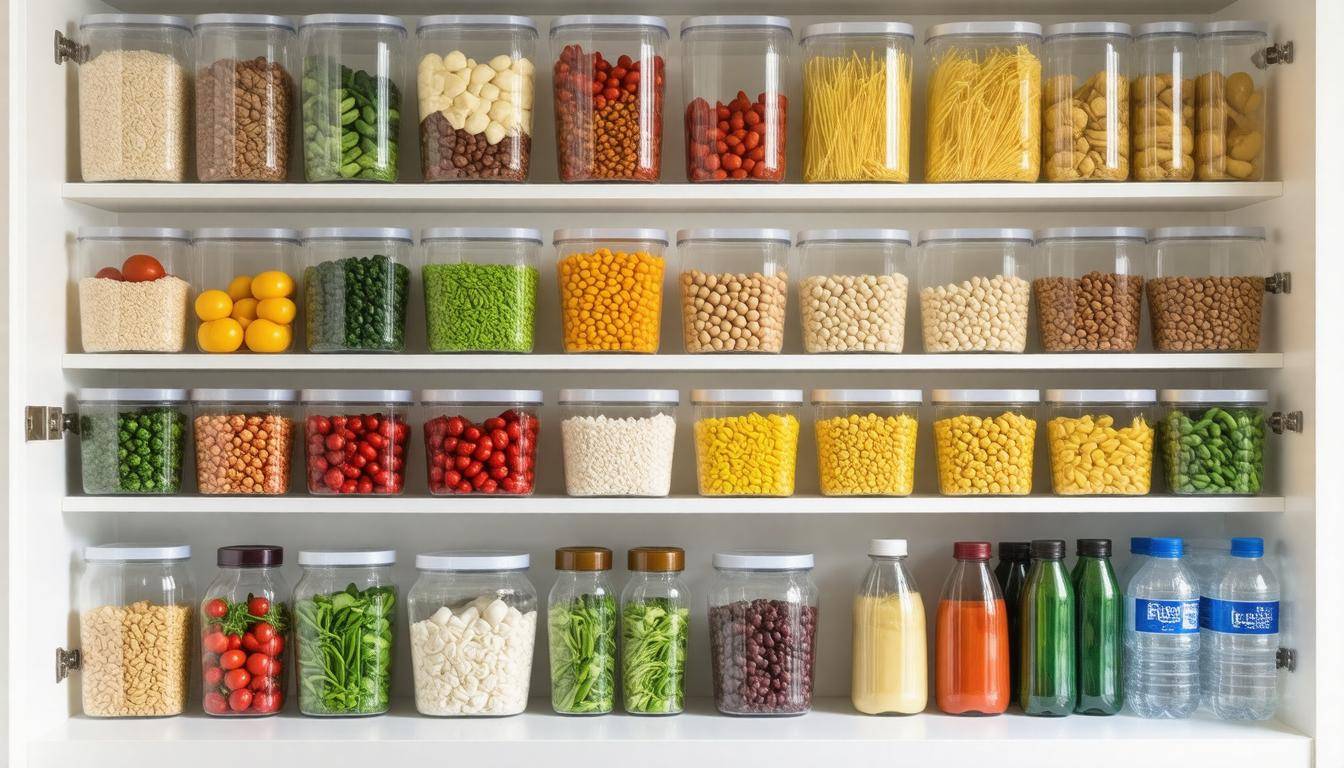
The Importance of Budget Emergency Food Storage
When you think about emergencies, it often evokes challenging scenarios—storms, breakdowns in supply chains, or even broader crises. During these moments, grocery store shelves can quickly become empty as panic sets in and everyone scrambles for essentials. To avoid becoming part of that frenzy, it’s wise to establish an emergency food plan that is not only reliable but also budget-friendly.
A well-organized emergency food storage system acts as your security blanket against inflation and scarcity. For instance, consider the steep prices that emerged during crises like the COVID-19 pandemic. Basic items that were previously affordable seemed to vanish overnight, alongside their reasonable price tags. When demand spikes suddenly, those essential supplies can feel almost unobtainable. By investing now in cost-effective bulk purchases, you’re effectively insulating yourself and your family from those ominous trends.
The statistics illustrate this urgency well. A 2024 survey by the Emergency Preparedness Institute highlights that 40% of households experienced difficulty acquiring essential food items during emergencies. This reinforces the necessity of a practical food storage plan. Not only does it alleviate stress during frantic moments, but it can also save your family money when relying solely on convenience stores or last-minute grocery runs becomes necessary.
Planning your budget emergency food storage should involve a mixture of staple items—things like rice, beans, flour, and sugar can cover basic dietary needs while being easy to store. With careful selection and strategic budgeting, creating a diverse and satisfying collection of foods can be achieved without digging into savings too much.
Food security isn’t just about survival; it’s about maintaining comfort and dignity for your family in uncertain times.
Taking proactive steps today can safeguard your pantry for tomorrow’s unpredictability. Next, we will explore the key components to ensure your supply is both practical and effective.
Essential Items for a 30-Day Supply
Building a solid foundation for your food storage begins with selecting essential items that not only fill you up but also provide the necessary nutrients to keep your family healthy during emergencies. The right combination of grains, proteins, fats, and other essentials can ensure that you have a varied diet without breaking the bank.
Staples to Include
Grains
Let’s start with grains. Rice, oats, and pasta are popular staples for a reason: they’re inexpensive and have remarkably long shelf lives when stored properly. These foods are versatile and can serve as the base for countless meals. For instance, a simple fried rice dish with some canned vegetables can make a satisfying meal for the whole family. You can easily rotate these grains into your daily cooking routine over time to avoid waste and keep your pantry fresh.
Rice, oats, and pasta are versatile staples that have long shelf lives and are inexpensive.
Proteins
Next up are proteins, which play an essential role in maintaining energy levels and muscle health. Canned beans, lentils, and tuna should be on your shopping list for their longevity and ease of use. Unlike fresh meats that spoil quickly, these canned options provide necessary protein without the worry of spoilage. Not only are they rich in protein, but they’re also high in fiber—an important factor for digestive health. Consider incorporating these into stews or salads; they add substance to meals while being easy on the wallet.
Canned beans, lentils, and tuna provide necessary protein without the worry of spoilage.
Fats & Oils
Essential fats are another important category in your food storage plan due to their role in energy production and nutrient absorption. Look towards sources like canned fish oils, peanut butter, and olive oil. Peanut butter is a favorite among many families because it packs a punch in terms of energy with its healthy fat content and is incredibly versatile—a simple spoonful can add flavor to oatmeal or smoothies!
Essential fats can come from canned fish oils, peanut butter, and olive oil.
Quantities and Costs
To give you a better idea of how these essentials translate into actual quantities and costs for budgeting purposes, here’s an overview:
Here’s a quick breakdown of essential items, their quantities, and average costs:
| Item | Quantity | Average Cost |
|---|---|---|
| Rice | 10 kg | $10 |
| Canned Beans | 30 cans | $25 |
| Peanut Butter | 2 kg | $8 |
| Pasta | 5 kg | $7 |
| Oats | 5 kg | $6 |
| Tuna | 30 cans | $40 |
Depending on your family’s preferences, you can adjust these items and quantities accordingly to create a balanced 30-day plan that keeps everyone well-fed during an emergency. Variety is key—not just for nutritional balance but also to keep morale high when times are tough!
With this foundational understanding of essential items in mind, we can now shift our focus to crafting meal plans that not only meet nutritional needs but also stay budget-friendly.
Nutritious and Affordable Meal Plans
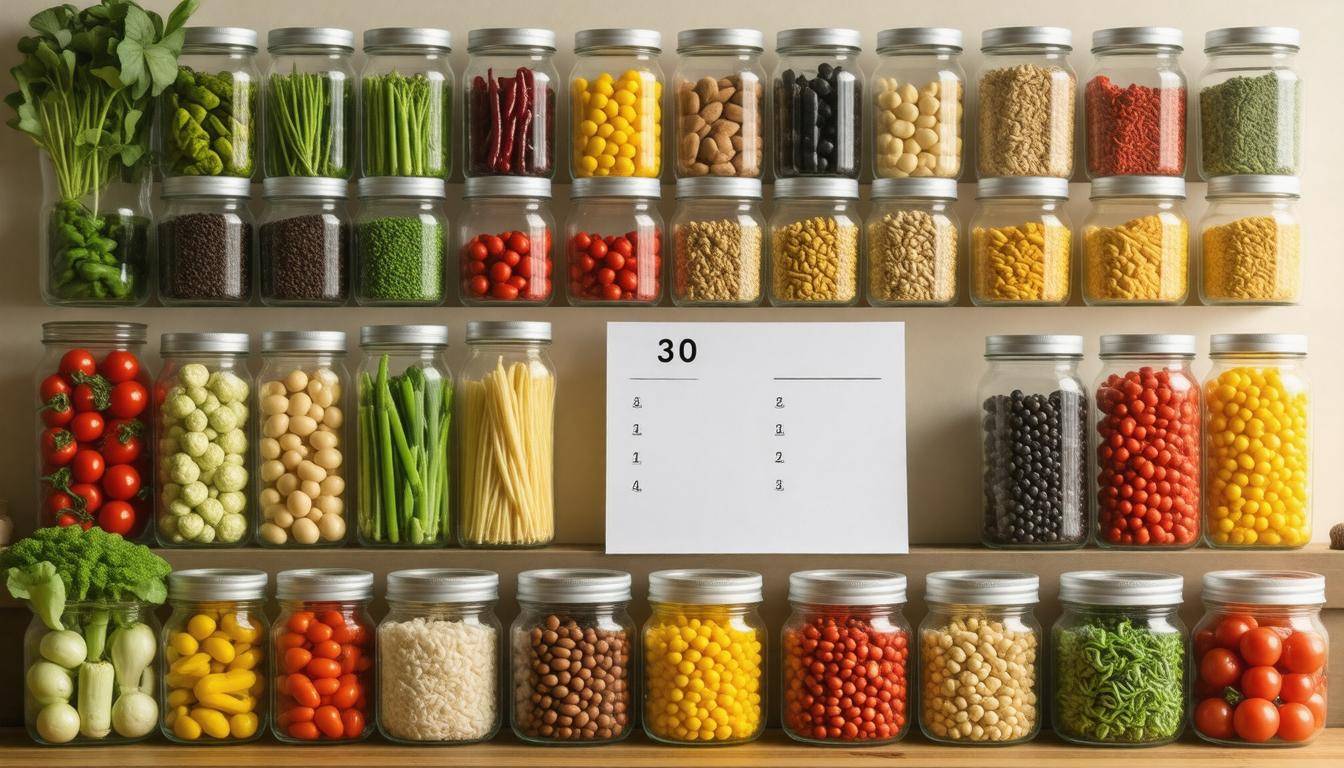
Creating a meal plan can seem daunting, but it’s key to ensuring that your family remains both nourished and satisfied, especially during times of uncertainty. Focusing on affordability while meeting nutritional needs can transform your food storage from basic survival rations to enjoyable feasts. The secret lies in selecting wholesome, cost-effective ingredients that provide both sustenance and comfort.
Breakfast Ideas
Starting your day with energy is crucial for maintaining strength and morale. Oatmeal is a fantastic choice as it is economical and incredibly versatile. You can prepare oatmeal by simply adding boiling water, and if you mix in peanut butter or top it with dried fruit, you get a deliciously filling breakfast packed with protein and fiber.
Additionally, rice porridge provides an alternative option; just simmer rice with water until soft, then add a sprinkle of cinnamon and honey for sweetness. This warm meal brings comfort while being easy on your budget.
Variety in breakfast doesn’t have to be boring; try swapping different toppings each week to keep things exciting while still staying within your food budget.
Lunch Choices
For lunch, simplicity should reign while ensuring that you are full enough to power through the afternoon. A hearty lentil soup prepared using canned tomatoes and carrots is rich in flavor, comforting, and nutritious. Lentils are packed with protein, making them an excellent choice for sustaining energy levels throughout the day.
Tuna salad is another winning option; combine canned tuna with beans for protein diversity, then add a squeeze of lime for a refreshing twist. Both meals are straightforward to prepare and leave room for creativity—don’t hesitate to throw in some additional spices or vegetables you might have on hand!
These simple ingredients help combat hunger without emptying your wallet.
Dinner Options
As evening falls, it’s essential to maintain variety at dinnertime to keep spirits high during extended periods of meal repetition. Pasta is an easy staple; pair it with canned tomato sauce and mixed vegetables for a colorful plate teeming with vitamins. If you’re looking for something hearty yet satisfying, stir-fry cooked rice with beans along with canned corn and bell peppers. This combination offers flavor while packing in nutrients, allowing everyone at the table to enjoy the meal.
By structuring your 30-day meal plan around these principles, you’ll ensure a balance between calories, proteins, fats, and essential vitamins. A thoughtfully crafted plan means avoiding the notorious “chicken-turkey-tuna” fatigue that often accompanies food storage; instead, aim for colors and tastes that bring excitement to the dining table even in challenging circumstances.
In this thoughtful approach to meal planning lies the foundation for a successful strategy when it comes to locating affordable food options and preparing efficiently.
Smart Shopping and Preparing
Shopping intelligently can lead to substantial savings while ensuring you have an ample supply of nutritious food ready for emergencies. By focusing on bulk purchases, you can significantly cut the cost per unit. When looking to stock up your pantry, consider heading to discount stores such as Costco or Sam’s Club. These places often offer bulk purchasing opportunities where you can buy items at much lower prices than in regular grocery stores. Even local bulk food stores can have large bags of staples like rice and beans for a fraction of the price of pre-packaged kits.
Always remember that online retailers like Amazon also provide options for bulk buying, and if you play it right, you might benefit from free shipping perks. Taking advantage of these bulk purchasing strategies can lead to enduring savings well into the future.
Another crucial aspect of smart shopping is hunting for deals and utilizing coupons. It may sound old-fashioned, but clipping coupons from newspapers or using digital apps like Honey and Rakuten can pay off handsomely. These platforms often offer cash-back incentives or discounts that reduce your overall grocery expenditures. Keeping an eye out for promotional sales can be equally rewarding; many grocery stores have seasonal sales and clearance events where items may be marked down significantly.
Preparing Foods
Once you’ve acquired your essential ingredients, preparing foods effectively is another way to ensure nothing goes to waste while saving time when an emergency strikes. Cooking in large batches is beneficial; think about creating big pots of hearty soups or stews that can be portioned out and frozen for later use. The key here is versatility—by preparing meals that can be easily reheated, you ensure that you will not only save time in the kitchen during unexpected situations but also maintain a healthy variety in your emergency food options.
Take pasta sauce as an example; making extra batches to freeze means you always have something delicious ready to go with your stored pasta when you’re pressed for time. Soups and stews are also wonderful choices because they generally hold up well during freezing and are filling enough to provide comfort during stressful times.
Remember, effective meal preparation reduces wastage and sets you up for success when emergencies arise, allowing you to concentrate on what truly matters: keeping yourself and your family safe and satisfied during difficult times.
As we move forward, it’s essential to explore some practical options that remain fresh over extended periods and those convenient choices that require no special storage considerations.
Shelf-Stable and Canned Options
When preparing for emergencies, relying on shelf-stable and canned foods is a wise strategy. These items provide not just convenience but also peace of mind knowing that you have sustenance readily available. For instance, staples like rice, pasta, flour, and energy bars can be stored in your pantry without the need for refrigeration. Their long expiration dates make them ideal for long-term planning; many of these items can last anywhere from 1 to 30 years depending on the storage conditions.
Consider stocking a diverse array of canned foods to broaden your nutritional intake during emergencies. For example:
-
Canned vegetables like corn, peas, and tomatoes are packed with essential nutrients and fiber to support digestion and overall health.
-
Canned meats such as chicken, tuna, and beef not only furnish a good source of protein but can also serve as main ingredients for various meals.
-
Opt for canned fruits packed in their natural juice instead of syrup; this choice provides valuable vitamins along with a touch of sweetness without unwanted sugars.
The versatility of these products allows for a variety of meal preparations, contributing to both satisfaction and nutrition while facing tough times. You can easily mix canned vegetables with rice or enjoy fruit as part of a breakfast or snack.
One significant advantage of choosing shelf-stable and canned foods is their resilience against power outages. No one wants to face a situation where an unexpected storm interrupts electricity for days on end, leaving perishable items spoiling in the fridge. With non-perishable foods at your disposal, you won’t have to worry about wasting food or maintaining freshness, thus ensuring your family has access to nourishing meals regardless of circumstances.
As we turn our focus to different food preservation methods, it’s crucial to explore how freeze-dried options can complement your emergency preparedness plan.
Freeze-Dried and Bulk Items
Freeze-dried foods have gained popularity among those preparing for emergencies due to their remarkable benefits. The initial investment may seem daunting; however, many find that it pays off in terms of convenience and longevity. These foods are lightweight and can be easily stored, making them ideal for both emergency situations and day-to-day snacking.
When stored properly, freeze-dried fruits, vegetables, and meats can retain up to 95% of their original nutrients, allowing families to maintain a balanced diet over extended periods without compromising on taste or nutrition.
Benefits of Freeze-Dried Foods
If you’re considering expanding your emergency food storage, I suggest adding freeze-dried fruits, vegetables, and meats to your pantry.
They not only take up minimal space but also provide a generous shelf life—often lasting up to twenty-five years if stored correctly. This is not just about convenience; it’s about sustaining your health during times of need.
When you think about it, emergency situations can often lead to stress and discomfort; having nutritious meals ready at hand can significantly ease that burden.
Now let’s shift our focus to bulk purchasing.
Bulk Purchase Advantage
Buying food in bulk is another effective strategy for building a cost-effective emergency food supply. Not only does it save money in the long run, but it also provides peace of mind knowing you have ample resources on hand. Grains, beans, and oats can be sourced in large quantities and stored in mylar bags with oxygen absorbers. This method creates an airtight seal that extends the shelf life considerably while protecting these staples from pests and moisture.
Imagine buying a 50-pound bag of rice for about $25 instead of spending three times as much on pre-packaged meals. With careful rotation, this rice could form the foundation for countless meals over time.
Practical Purchase Examples
For instance, consider investing in a 5-gallon bucket filled with freeze-dried strawberries or various premium grains. Each bucket could yield dozens of servings—all packed with flavor and nutrients!
To put numbers into perspective: purchasing in bulk allows you to source essential ingredients like rice often at $1 to $2 per pound, a stark contrast against the high costs associated with packaged emergency kits. It’s all about wise investments when planning your food storage strategy.
As you gather insights on effective purchasing strategies, understanding how to properly pack and maintain your emergency food supply is equally vital. This ensures that every decision contributes to your overall preparedness plan.
How to Pack and Store Your Emergency Food
Proper packing and storage techniques can significantly extend the shelf life of your emergency food supply. One method I find particularly helpful is using Mylar bags combined with oxygen absorbers. These bags create an airtight seal around food items, minimizing their exposure to air and moisture, which are two primary culprits behind spoilage. Imagine putting away your favorite snacks in a way that keeps them tasting fresh like you just bought them; that’s the power of Mylar bags.
Packing Techniques
When packing bulk items like grains and pasta, ensure each Mylar bag is filled and sealed tightly, leaving as little air inside as possible. Oxygen absorbers absorb the oxygen left in the bag after sealing—making it an excellent choice for long-term storage. I typically use a vacuum sealer to pack smaller portions within the Mylar bags, as it further helps in keeping out air.
Keep in mind that proper layering can also help maximize space in your storage system. Place heavier items at the bottom and lighter ones on top to keep them from getting crushed.
Storage Guidelines
Just as important as how you pack your food is where you place it. A cool, dark location like a pantry or basement is ideal because fluctuating temperatures can cause some foods to deteriorate much faster than expected. Light itself can degrade nutrients over time, so avoid storing food near windows or under direct sunlight. Surprising how quickly a sunny spot can ruin a good stockpile!
If your house experiences temperature swings throughout the year, consider adding insulation to your storage area or using bins that can withstand temperature changes without compromising their contents.
Stock Rotation
Another key aspect of maintaining your emergency food supply is a practice known as stock rotation. This involves using older items first and replacing them with new purchases—ensuring that no food goes unused or past its expiration date. It’s quite easy once you get into the habit; simply label each container with the pack date so you know which items need to be used first.
**: Consider creating a simple visual guide or checklist near your storage area that reminds you of which items are nearing expiration, making it easier to remember what needs to be consumed next.
Incorporating these straightforward techniques into your routine ensures efficiency and readiness while managing your supplies effectively. This sets the stage for understanding essential practices in maintaining and refreshing your food reserves.
Maintaining and Rotating Your Food Storage
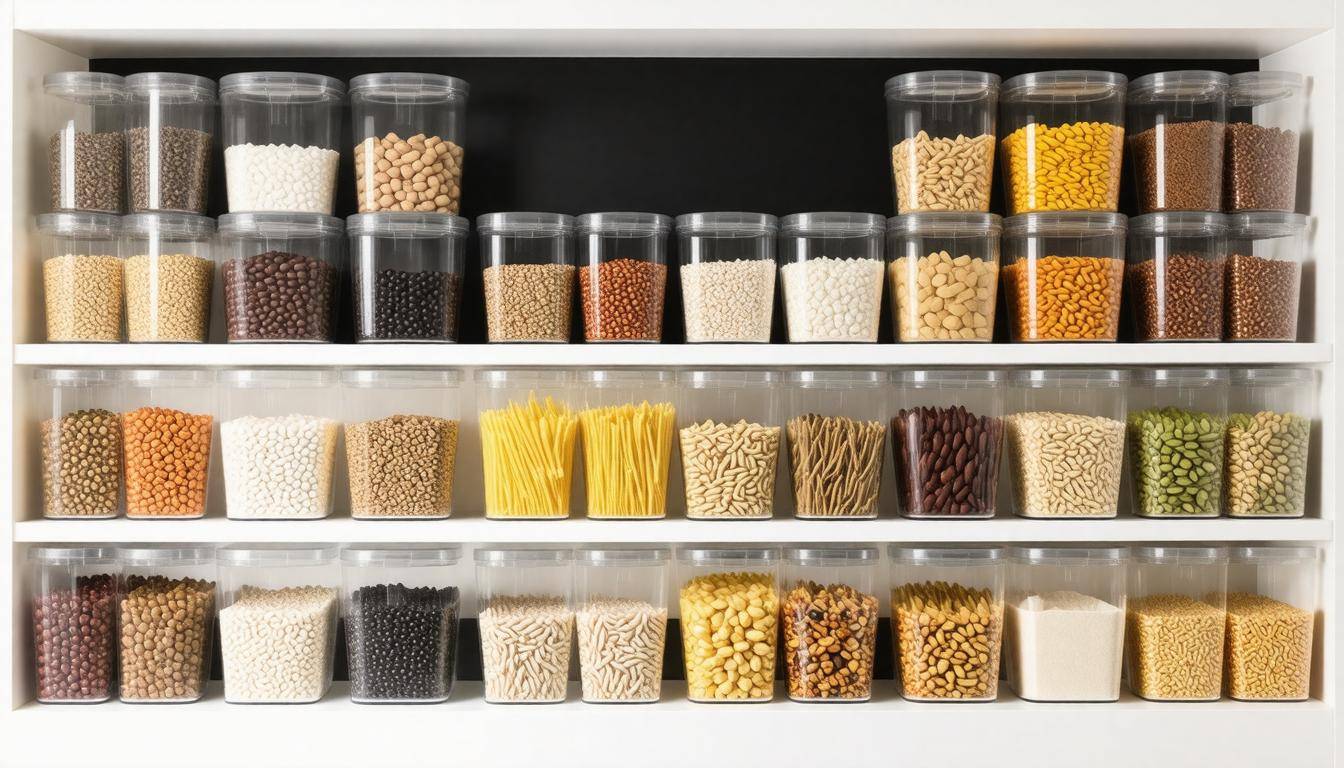
Maintenance and rotation are critical aspects of keeping your food supply not only safe but also delicious. Think of your food storage like a well-loved recipe; it requires the right ingredients cared for in just the right way. One effective method to ensure that you are using your oldest supplies first is the FIFO (First In, First Out) approach. By consuming the items that were stored first, you minimize waste and keep your pantry fresh.
This technique isn’t just about being systematic; it’s about respecting the investment you’ve made in stocking up your food supply. Your stored items might include various staples such as grains, canned goods, or freeze-dried meals, each with different shelf lives. Regularly checking these expiry dates can feel tedious but is essential for safety. As items near their end of shelf life, plan to consume them immediately. Using a spreadsheet or even a simple app designed for food management can streamline this task, making it easier to stay on top of what you have.
Monitoring Expiry Dates
Setting aside a specific day each month for inventory checks can transform an overwhelming task into something manageable. During these sessions, take note of which items are approaching their expiration dates. You could even record this information in a notebook or use an inventory app to track the exact dates and quantities. If an unexpected event were to occur—like bad weather—knowing what you have on hand can give you peace of mind.
Many users find that regularly assessing their food storage leads to reduced waste and more efficient meal planning.
Regular Inventory Checks
Scheduling monthly or quarterly checks becomes less about just counting cans and more about connecting with your supplies—after all, every item represents nourishment and sustenance for you and your family. Engaging regularly with your food reserve helps you visualize what needs replenishing or which meals you could create with what you currently have.
Sarah Lee, a seasoned survivalist, sums it up perfectly: “Regular rotation ensures that I always have fresh supplies in hand, preventing any last-minute hurries during emergencies.” Her testimony resonates because it highlights a vital point: preparation isn’t simply about having enough; it’s also about knowing when to use what’s available effectively.
Maintaining and rotating your food storage directly impacts its quality and usability. Taking small steps now—noticing expiry dates and keeping an organized inventory—will ensure that when emergencies hit or hunger strikes unexpectedly, you’ll be ready to respond without worry.
By staying diligent with food management practices, you’ll create a system that supports both sustainability and peace of mind in times of need.
Are there any specific dietary considerations to keep in mind when planning a budget-friendly emergency food storage?
Yes, when planning a budget-friendly emergency food storage, it’s crucial to consider dietary restrictions such as allergies, intolerances, and specific health conditions like diabetes or hypertension. According to the CDC, 1 in 13 children has a food allergy, highlighting the need for allergen-free options. Additionally, budgeting for nutrient-dense foods that cater to these requirements can prevent health issues during emergencies. Planning meals that include a balance of carbohydrates, proteins, and fats while being mindful of sodium and sugar content can ensure well-rounded nutrition even in constrained circumstances.
What strategies can I employ to create an affordable emergency food stockpile?
To create an affordable emergency food stockpile, start by prioritizing non-perishable staples such as rice, beans, canned goods, and pasta, which can be purchased in bulk at discounted prices. Utilizing sales and coupons can save you up to 30% on your grocery bills. Additionally, consider investing in freeze-dried foods and dehydrated meals for longer shelf life; these can provide up to 25 years of storage when properly sealed. Aim for a diverse variety of nutrient-rich items to ensure balanced nutrition during emergencies while keeping costs low—loyalty programs can also enhance savings significantly!
What types of non-perishable foods should I prioritize for my 30-day emergency food storage plan?
For your 30-day emergency food storage plan, prioritize non-perishable foods such as canned vegetables, legumes, grains like rice and pasta, canned proteins (tuna, chicken), and freeze-dried fruits. These items are nutrient-dense and have long shelf lives, making them ideal for emergencies. According to the USDA, canned foods can last anywhere from 1 to 5 years or more when stored properly, ensuring you have a reliable food source during difficult times. Diversifying your storage with both protein and carbohydrates will help maintain energy levels and overall health.
How do I effectively rotate and manage my emergency food supplies to prevent spoilage?
To effectively rotate and manage your emergency food supplies, implement the FIFO (First In, First Out) method by organizing your stock so that older items are at the front and newer ones at the back. Regularly check expiration dates and consume or donate items nearing their expiration while keeping a detailed inventory, which can reduce waste by up to 30%. Additionally, consider grouping similar items and using clear containers for visibility; studies show that well-organized pantries lead to better food management habits, ultimately extending the life of your stored food.
How can I determine the right portion sizes for each family member in my emergency food supply?
To determine the right portion sizes for each family member in your emergency food supply, consider factors such as age, activity level, and dietary needs. Generally, adults require about 2,000-2,500 calories per day while children need around 1,600-2,200 calories depending on their growth stage. Use this as a guideline to allocate meal components (proteins, carbohydrates, and fats) appropriately; for instance, a balanced meal might consist of 1/4 protein, 1/2 carbohydrates, and 1/4 vegetables. Keeping a personalized chart or using meal planning apps can help streamline this process and ensure everyone’s needs are met efficiently.