
In uncertain times, having a reliable bug-out vehicle can mean the difference between safety and chaos. Imagine being forced to evacuate—how prepared would you feel if your car was equipped and ready? From the perfect vehicle selection to essential supplies, your bug-out preparation journey begins with understanding what it takes to ensure that your vehicle can get you to safety when you need it most. Consider this guide a roadmap to empower your readiness and confidence, packed with tips and insights that will help you take control of what could be a very intense situation. Get ready to turn your vehicle into a lifeline that can navigate through emergencies with ease!
The “Bug-Out Vehicle Preparation: Complete Guide” offers detailed insights into selecting the right vehicle, essential emergency supplies, maintenance tips, and practical modifications to enhance your vehicle’s readiness for urgent situations. Additionally, it provides guidance on optimizing fuel efficiency and maximizing storage solutions to ensure you are fully equipped to handle any emergency scenario effectively.
Best Vehicle Types for Emergencies
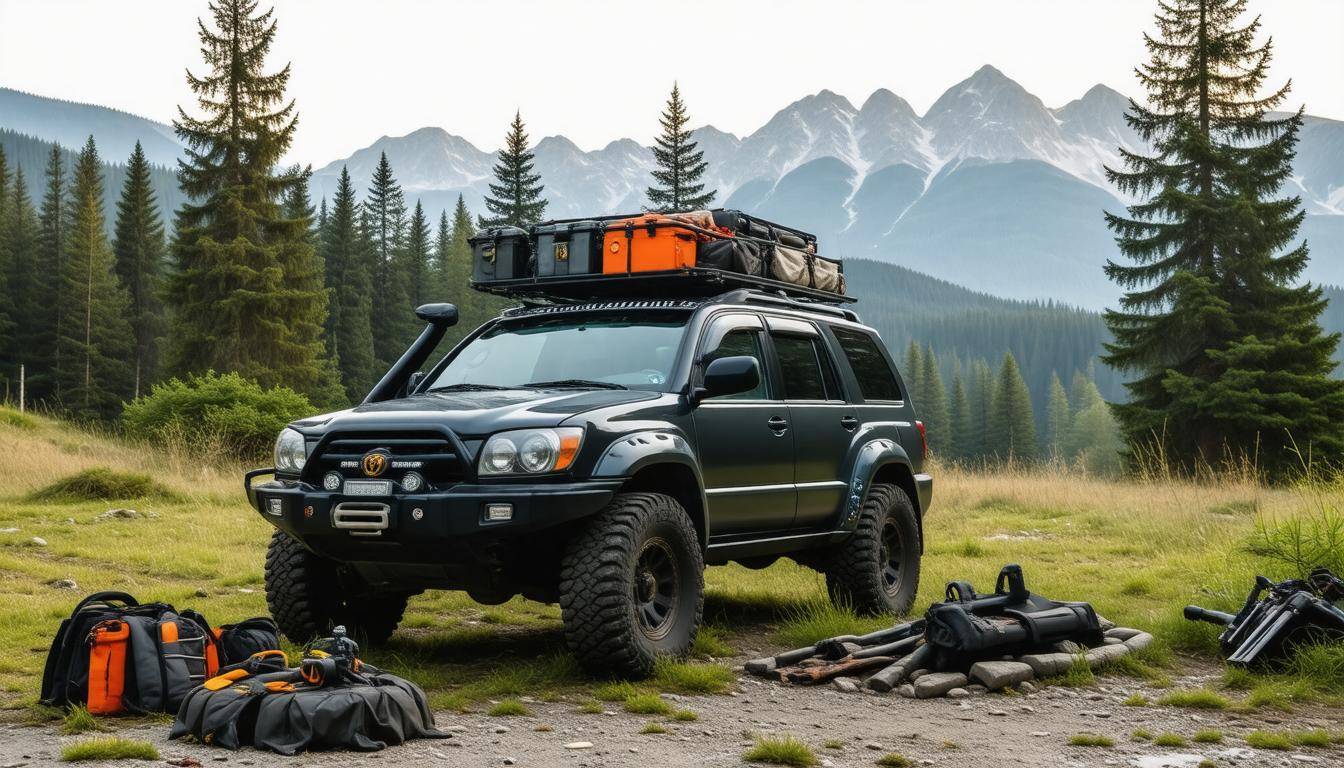
Choosing the right vehicle is like selecting a good umbrella before a storm; you want something that’s not only sturdy but reliable in adverse conditions. In emergency situations, having a capable vehicle can make the difference between safety and getting stranded. The ideal choices should have off-road capabilities, robust designs, and be able to carry your essential gear while ensuring passenger safety.
Popular options include well-regarded SUVs like the Toyota 4Runner, which combines space and reliability with impressive ground clearance for tackling rugged terrains. Then there’s the Ford F-150, a truck that offers immense cargo capacity while also being versatile enough to handle various off-road challenges. You can’t overlook specialized vehicles like the Jeep Wrangler, famous for its go-anywhere attitude that inspires confidence on both rocky paths and dusty roads. These vehicles come equipped with essential power and features designed to enhance maneuverability in tough spots.
Factors to Consider
When selecting your bug-out vehicle, several key factors should guide your choice.
Ground Clearance: A higher ground clearance is vital as it means easier navigation over obstacles like rocks or fallen trees that could block your path. Vehicles with lower profiles might get stuck or damaged more easily during an emergency.
Cargo Capacity: You’ll want enough space to carry essential supplies such as food, water, first-aid kits, tools, and personal belongings. Opting for a vehicle that provides ample storage space will relieve stress if evacuation is necessary.
Fuel Efficiency: During emergencies, refueling stations might not be readily accessible. A vehicle with better fuel efficiency allows for longer distances without constant stops, helping conserve precious time.
Maintenance Ease: Choose a vehicle that features accessible parts and straightforward repair procedures. A car that’s easy to maintain is crucial in emergencies when repairs need to be performed under pressure.
4WD or AWD Capability: All-wheel drive (AWD) or four-wheel drive (4WD) systems are essential for traversing rough terrains confidently. They provide better traction in slippery conditions like mud, snow, or gravel, ensuring you can keep moving forward even when the going gets tough.
With a clear understanding of what vehicle to choose based on these factors, you’re one step closer to being ready for any emergency situation. The next task involves equipping your chosen vehicle with the necessary essentials to face unexpected challenges head-on.
Essential Gear for Your Bug-Out Vehicle
Equipping your Bug-Out Vehicle effectively is not just about loading it up; it’s about strategic preparation. Consider two major categories: Survival Essentials and Vehicle Maintenance Tools—both crucial for ensuring you can face any situation head-on while keeping your vehicle operable.
Survival Essentials
Begin with water and food, which form the cornerstone of your survival kit. Water should be prioritized as dehydration can become a critical issue in emergencies. Metal containers or specialized water pouches save space and are less likely to leak compared to traditional bottles. Non-perishable food items like energy bars, canned goods, and dehydrated meals are invaluable because they offer high energy without needing refrigeration. Imagine being stuck somewhere unexpected with nothing to eat—this thought makes stocking up on durable food supplies essential.
It’s wise to pack enough provisions to outlast at least 72 hours since that timeframe is critical for survival during unforeseen crises.
Next, ensure you have a well-stocked medical kit handy, as injuries are common during evacuations. A comprehensive first aid kit should contain bandages, antiseptics, prescribed medications you may rely on, along with emergency medicines to handle acute situations like allergic reactions or pain relief. Always check your medical kit regularly; expiration dates can sneak up on you when you least expect it.
Additionally, consider your need for clothing and shelter; these factors can greatly enhance comfort and safety during an emergency. Store weather-appropriate clothing for various climates alongside essentials like blankets, a compact tent, and sleeping bags. One night outdoors can quickly turn into a significant challenge if you’re unprepared for varying temperatures or harsh conditions.
Vehicle Maintenance Tools
Maintaining vehicle operability is as important as ensuring personal survival—which leads us into the next category: vehicle maintenance tools. You should always pack a spare tire along with a repair kit that includes a lug wrench, jack, and tire patching supplies. If you encounter flat tires while navigating through difficult terrain, having these tools could literally mean the difference between getting stuck or moving forward.
Navigating challenges during emergencies will be easier if you’re well-prepared; flat tires shouldn’t slow you down unnecessarily.
Don’t forget to include jumper cables and a battery pack, both of which are vital for those unpredictable moments when your car just won’t start. You’ll appreciate having these tools nearby and ready to help revive your vehicle when it’s needed most. Moreover, be sure to carry extra engine coolant, motor oil, and other essential fluids because mechanical issues can arise in emergencies if vehicles are pushed beyond their limits or if conditions change drastically.
These essentials must be strategically packed in your Bug-Out Vehicle for efficient access during emergencies. For instance, keep survival essentials stored in smartly partitioned areas that allow you quick access without having to dig through everything else. Having an organized approach will save critical seconds when every moment counts.
By preparing thoughtfully with all the listed gear, you’ll find yourself empowered—not hindered—to navigate upcoming difficulties with greater confidence. As we look further into this preparedness journey, understanding how to implement effective practices can elevate your readiness even more.
Safety Practices and Emergency Protocol
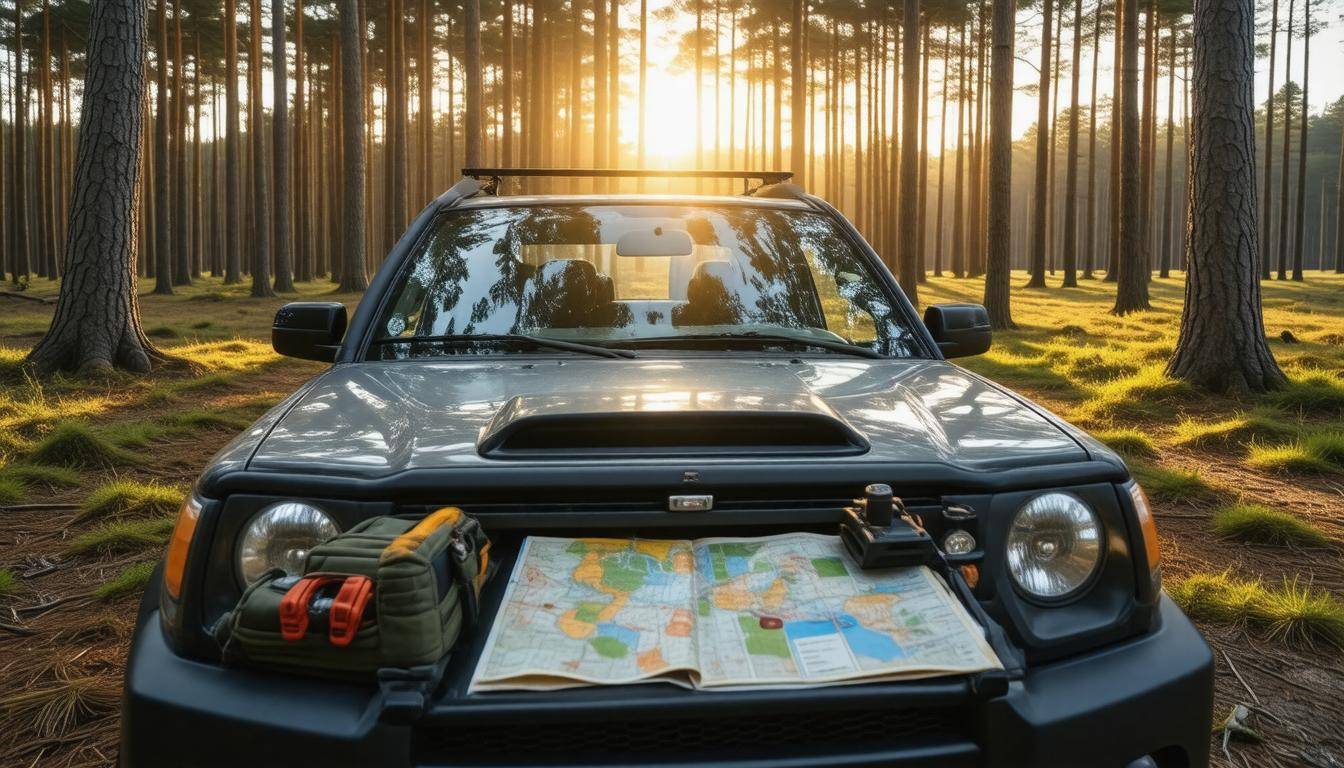
Safety and preparedness often go hand in hand, forming the backbone of effective emergency readiness. When faced with unexpected situations, being aware of your surroundings—what we call situational awareness—is crucial. This means keeping updated about local news and potential threats through tools like portable radios and GPS devices. It might seem basic, but knowing what’s going on around you allows for informed decision-making when time is of the essence.
Additionally, incorporating defensive tools into your bug-out vehicle can further heighten security. Non-lethal options such as pepper spray or a stun gun can provide protection in desperate situations where escape isn’t feasible. Even something as simple as a baseball bat can be reassuring; knowing you have a means to defend yourself can enhance your peace of mind significantly. This proactive approach shifts the focus from just survival to empowering yourself with confidence during an emergency.
Yet, no amount of gear will matter if you can’t communicate effectively when it counts.
Communication is a vital lifeline in emergencies—think of it as a bridge to safety. In an age when cell networks might fail, having reliable devices like two-way radios or satellite phones becomes invaluable. These tools help you maintain contact with family members or groups when conventional means are disrupted. Being cut off from communication can lead to confusion and missteps, so it’s essential to have these devices charged and ready for action.
So, considering those safety tools, what steps should you incorporate into a solid emergency protocol?
Establishing clear meeting points is a fundamental aspect where planning pays off; designate specific locations for family members to regroup should you become separated. This keeps things straightforward when chaos strikes. Alongside this, maintaining a current contact list of important individuals will streamline your communication efforts during heightened stress levels.
Regularly conducting escape drills is another crucial practice; routine rehearsals familiarize everyone involved with the logistics of evacuation routes and procedures. It not only makes the process smoother but instills calmness in participants during actual emergencies.
And don’t underestimate the importance of organizing key documents. Keeping copies of essentials like identification, insurance papers, and medical records tucked away securely in a waterproof bag ensures they remain intact regardless of conditions you’re facing.
All these practices contribute to a well-rounded strategy that enhances both individual and family safety during unexpected events. As we explore further, it’s vital to focus on how best to organize your supplies for quick access and efficiency in any situation.
Packing Methodology: Efficiency and Accessibility
Effective packing can make a huge difference when every second counts in an emergency. Imagine needing to grab essential items in a hurry only to find them buried under layers of less important gear. Adopting a methodology that prioritizes both efficiency and easy access to vital supplies is essential.
Step I – Categorize Gear
Start by organizing your gear into specific categories to streamline accessibility. From personal experience, separating items into types such as food, water, tools, medical supplies, clothing, and documentation can save precious time. Use clear storage bins or labeled bags to keep these categorized items organized. This not only helps you quickly locate what you need but also facilitates easy inventory checks. When you know where everything is, stress levels drop during emergencies.
For instance, consider using red bags for medical supplies and blue ones for food. Visual distinctions like these make it easier to identify critical items at a glance.
Step II – Accessibility Hierarchy
Once you categorize everything, think about how to store those items based on urgency. Pack high-priority essentials like first aid kits, tools, and communication devices in top compartments or side pockets of the vehicle. These should be the first things accessible at a moment’s notice. Conversely, store less critical items like extra clothing, blankets, or camping gear underneath or in lower storage areas. If an emergency strikes—knowing that the most vital supplies are right there on top can make all the difference.
Keeping accessibility at the forefront of your packing strategy ensures you’re geared up for quick action. Much like preparing for a race where every second counts, this approach minimizes wasted time when it’s critical.
Step III – Secure for Stability
Security while on the move is paramount. Vehicles encounter varying terrains that could jostle loose items around if not secured properly. To prevent chaos during transportation, ensure all bins and individual loose items are tightly fastened using straps or bungee cords. A poorly secured toolbox can spill its contents during a sudden brake; turning a simple stop into a moment of disarray.
Secure your stash—it’s akin to buckling your seatbelt; it might seem like a chore until you really need it!
Step IV – Review and Repack
Regular maintenance is crucial for keeping your packing methodology effective. Conduct inspections once every month to review what you have packed away. This is your opportunity to replace expired medications, replenish food supplies, and verify that everything remains operational for the next emergency situation. Small efforts invested in upkeep lead to dividends during crises when supplies are reliable and ready-to-use.
Organizing your bug-out vehicle enhances readiness while cultivating peace of mind knowing you’re prepared for whatever may come your way. By simplifying packing through thoughtful organization and structure, you position yourself best to act decisively when needed.
As you refine your vehicle’s setup for emergencies, understanding how to navigate in challenging situations becomes equally important. It’s essential to plan routes effectively and have viable backups in case your original plans falter.
Route Planning and Backup Options
Strategic route planning is fundamental for an efficient and safe evacuation process. The first step is selecting a primary route that leads to your designated safe location. This path should be the most direct, but remember, the quickest route isn’t always the safest or most reliable, especially in times of crisis. You’ll want to confirm that you are aware of any ongoing construction projects, natural disasters like floods or wildfires, or any events that might cause delays.
To aid in your planning, utilize applications like Google Maps and Waze, which provide real-time traffic updates and alerts for obstacles along your chosen routes. These tools allow you to make informed decisions quickly during an emergency situation.
| Route Type | Pros | Cons |
|---|---|---|
| Primary Route | Usually the shortest and fastest | High risk of congestion and blockages |
| Secondary Route | Lower traffic, bypasses main roads | Slightly longer travel time |
| Off-Road Route | Avoids all road-based obstructions | Requires off-road capable vehicle |
Exploring secondary routes is essential when you realize your primary path may be obstructed. These alternatives often offer less traffic and fewer potential hazards, allowing for a smoother transition away from the danger zone. Even if they take a bit longer, they can provide peace of mind knowing you’re avoiding blocked highways or high-risk areas.
In addition to these routes, consider planning for off-road paths if you own an all-terrain vehicle. These can often afford you access where standard roads cannot, particularly in rural areas where wildfires or floods might have damaged more conventional paths. However, ensure that you are equipped with the right gear and supplies to handle more rugged terrains.
Fuel considerations shouldn’t be overlooked as well; preparedness includes assessing refueling points along your routes.
Be sure to identify potential gas stations along your selected paths and plan accordingly. It’s beneficial to keep a small map or download offline maps on your mobile device since cell service may become unreliable during emergencies. Knowing where you can refuel can alleviate significant stress during a potentially chaotic situation.
Establishing backup plans is another strategic component. Think through what additional transportation modes could be utilized if problems arise; bicycles or local public transport could help you navigate when vehicles are unable to proceed due to being trapped in traffic or unable to pass through closed roads.
Practicing multiple scenarios with all family members also ensures everyone understands the routes and feels comfortable executing them when the moment calls for it. Regular practice keeps individuals familiarized with both landmarks and waypoints, enhancing situational awareness under pressure.
With a solid grasp on route planning and contingency measures settled, turning our focus toward optimization of fuel usage will further enhance your overall readiness for emergencies.
Fuel Efficiency Considerations
Fuel efficiency is not just a checkbox on your bug-out vehicle checklist; it’s a fundamental aspect that could significantly impact your escape plan. Imagine you’re in a situation where every mile counts, and the last thing you want to worry about is running out of gas. The right approach to optimizing fuel consumption for your vehicle can make all the difference, allowing you to cover more ground with less fuel while ensuring that you’re ready for whatever lies ahead.
Optimizing Fuel Consumption
To maximize fuel efficiency, it’s essential to adopt some best practices—think of them as the golden rules for keeping your vehicle running smoothly and efficiently:
Regular Maintenance: One of the simplest yet most effective ways to enhance fuel efficiency is through consistent maintenance. Regular oil changes, tuning the engine, and keeping air filters clean are crucial steps. Keeping tires properly inflated isn’t just critical for safety; it can improve fuel economy by approximately 0.6% for every one PSI increase in tire pressure. A well-maintained car saves money at the pump and leads to safer driving conditions.
Load Management: Another significant consideration is load management. Overloading your vehicle weighs it down and decreases its overall fuel economy. When packing for an emergency or bug-out situation, prioritize essentials only. A lighter vehicle requires less power to operate, thus consuming less fuel, which ultimately allows you to travel further without needing to refuel.
Smooth Driving: How you drive greatly affects your fuel efficiency as well. Rapid acceleration and hard braking can waste more fuel than you might realize. Maintaining smooth speeds using gentle acceleration, especially on highways, will conserve energy and keep trip costs down. Studies show that driving at a speed of 55 miles per hour instead of 65 can improve a vehicle’s fuel economy by about 10%.
According to the U.S. Department of Energy, proper maintenance can improve fuel efficiency by anywhere from 4% to 40% depending on how consistently these practices are applied. These figures become increasingly important when balancing distance with available fuel during emergencies.
By applying these optimization techniques, you’re ensuring that your bug-out vehicle operates at peak efficiency, which expands your escape possibilities. Next, we explore how to tailor specific enhancements to your vehicle, creating a more resilient platform ready for any unforeseen experiences.
Customizing Your Bug-Out Vehicle
Enhancing your vehicle’s functionality often begins with understanding the environment you’ll navigate during an emergency. Customization is the heart of creating a reliable bug-out vehicle, and several modifications can catapult your capabilities to new heights.
For instance, upgrading your suspension and tires is essential for harsh terrains. By installing heavy-duty shocks and all-terrain tires, you prepare your vehicle to tackle rocky paths and muddy trails while improving its overall durability. Imagine navigating through unexpected landscapes without worrying about getting stuck. All-terrain tires provide better traction, allowing for smoother rides over gravel, sand, or even snowy surfaces.
Furthermore, don’t underestimate the importance of enhanced storage solutions. Organizing gear efficiently can make all the difference in packing for emergencies. Consider adding roof racks and under-seat storage compartments. This increases your cargo capacity while keeping essential items easily accessible. Picture this: You have a spare tire and emergency tools on the roof rack while important supplies are stored within arm’s reach beneath the seat—everything right where you need it when you need it.
“After upgrading to all-terrain tires and a roof rack, my Jeep Wrangler transformed into a true survival machine,” says Sam H, an avid prepper. His testimonial reflects a common sentiment among off-road enthusiasts who understand that preparedness is directly tied to their vehicle’s customization.
Another crucial aspect of your bug-out vehicle should be improved lighting. Think about late-night travel in unpredictable conditions; enhanced visibility can keep you safe from unforeseen obstacles or dangerous situations. Installing LED light bars or spotlights transforms your vehicle into a beacon during dark hours. These setups not only illuminate trails but also render your off-road endeavors less daunting by providing clarity where shadows once loomed.
While these customization options enhance your vehicle’s readiness, tapping into community knowledge can bolster your preparedness even further. By sharing insights with fellow enthusiasts, you gather invaluable information on best practices that could save time and resources in critical moments.
Community Resources and Recommendations

The world of prepping can sometimes feel overwhelming. The good news is that you’re not in it alone; a vast network of passionate enthusiasts is ready to share experiences and recommendations that can lighten your load. Communities dedicated to preparedness—whether they are online forums, social media groups, or local meet-ups—brim with invaluable insights that can help you refine your vehicle’s readiness for any situation.
It’s like having a built-in support system of survivalists who’ve been around the block more than once!
As you explore these resources, pay attention to the following:
- Online forums such as Reddit’s r/preppers offer threads packed with user experiences that can guide your vehicle choices.
- Social media groups often share up-to-the-minute gear reviews and tips from fellow preppers in real-world situations.
One particularly enlightening experience comes from Emma L., who found that engaging with community groups exposed her to a wealth of knowledge. She said, “Joining community groups online expanded my knowledge tenfold. I received recommendations on gear, learned about pitfalls, and even found a local group to train with.” Her story highlights how vital some connections can be—whether you’re just starting out or looking to enhance your existing setup.
Moreover, these platforms provide real-time support as questions arise about specific issues. Don’t hesitate to post your concerns or inquiries; most members are eager to assist.
Engaging in these communities allows you not only to gather information but also to build friendships and partnerships that benefit your preparedness journey. You may discover training events in your area where members practice skills like vehicle repairs or tactical driving techniques together. Sharing experiences like maintenance tips specific to different types of vehicles can keep you one step ahead of danger.
Embracing the lessons learned from these communities ultimately empowers you and maximizes your readiness for any situation. So dive in, ask questions, and see how much more prepared you can be with the help of those who share your passion for preparedness.
Incorporating community insights into your bug-out vehicle preparation can greatly enhance your overall strategy. Becoming part of this network is an essential step toward achieving true readiness.