
Burns can happen in the blink of an eye—whether it’s a hot stove, a curling iron, or even a misplaced candle. They pinch, blister, and if untreated, can lead to serious complications. That’s why having a well-equipped emergency kit for burn treatment is essential; it empowers you to handle those sharp moments with confidence. Imagine being able to soothe painful skin right away while preventing infection and ensuring faster healing. This guide dives into must-have items for your burn treatment supplies, breaking down how each piece plays a crucial role in delivering immediate care during a crisis. Whether you’re a cooking enthusiast or simply preparing for life’s little accidents, creating your burn safety kit is a proactive step toward safeguarding yourself and your loved ones against injury.
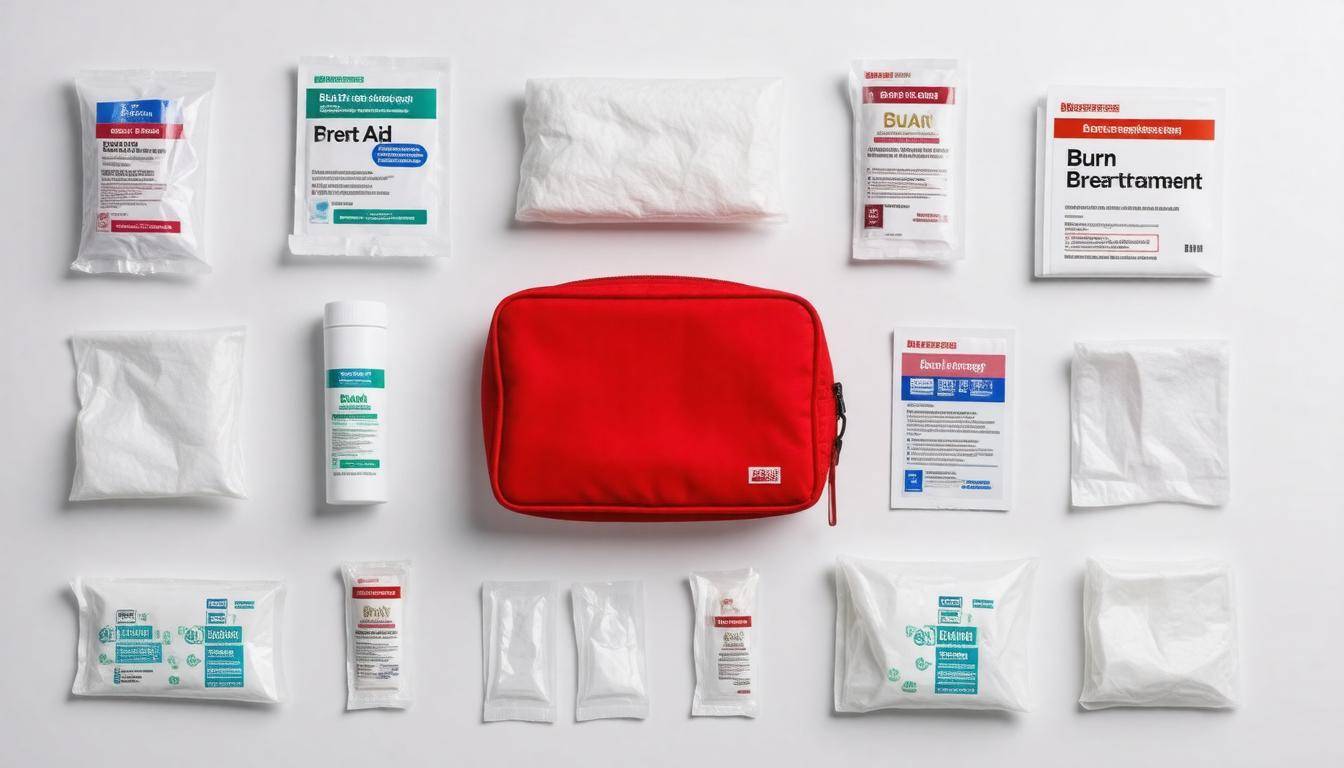
An effective emergency kit for burn treatment should include sterile gauze pads, burn ointment, and adhesive bandages among other crucial items. It is recommended to include at least 6 McKesson Sterile Gauze Pads and several applications of triple antibiotic ointment to properly address minor burns and prevent infection.
Essential Burn Treatment Supplies
Each item in your burn kit serves a crucial purpose in delivering immediate care and promoting healing. Burn dressings are vital; these sterile pads, often infused with a hydrating gel, offer instant cooling relief on contact, which helps soothe pain and lower skin temperature. When you apply these, it’s like a gentle embrace for the affected skin, wrapping it in comfort while preventing further damage.
Next up is the hydrogel. It shines in its ability to provide a soothing layer over burns while also maintaining moisture. This not only promotes faster healing but also creates a barrier against potential infections. Think of hydrogel as a guardian that helps nurture the injured area back to health.
On the other hand, burn gel, which is similar in function, offers an advantage when dealing with larger burn areas because its fluid consistency allows for more extensive coverage.
Understanding how these gels interact with the skin is key; they minimize the risk of skin irritation while ensuring that air circulation can support healing.
Alongside gels and dressings, non-stick gauze pads are indispensable. Applying them ensures that we can cover burns without worrying about the dressing sticking to the wound—an anguishing experience that can slow down healing and increase pain during removal. These pads act like a protective shield, allowing for regular inspections and changes without distress to the injured area.
A well-rounded burn kit doesn’t stop at these basics; incorporating additional supplies like antiseptic wipes and medical tape enhances your preparedness. Antiseptic wipes will clean the area around burns effectively, helping to prevent infection even before applying any primary treatment. Medical tape comes handy for securing gauze or dressings in place, ensuring that everything stays where it should during even the most active situations.
When assembling your kit, remember every element should serve a dual purpose: immediate relief and long-term care.
Finally, let’s not forget small items such as disposable gloves to maintain hygiene during treatment and scissors for easy access to bandages or clothing that might interfere with care. Each added supply contributes to managing overall first aid situations effectively.
As you gather these critical components, consider their multifaceted roles in both emergency response and ongoing care. Transitioning our focus will provide insight into specific items essential for addressing burn injuries directly.
First Aid Burn Care Items
First aid burn care items are focused on providing immediate treatment to prevent further damage, ensuring that the victim remains stable until professional help can arrive.
One of the essentials in your kit should be a saline solution, which serves as an initial cleaning agent for burnt areas. This sterile solution helps to flush out any debris or contaminants that might worsen infection or complicate recovery. Having this at hand makes a difference when every moment counts.
Immediate Response Items
Alongside the saline solution, antiseptic wipes play a vital role in maintaining hygiene around burn injuries. They are handy and incredibly useful for cleaning the skin surrounding the burn area, effectively preventing infections before they take root. It’s comforting to use them knowing that you’re giving your skin a fighting chance against bacteria trying to invade an already painful wound.
As we prepare for minor burns or scrapes, adhesive bandages become indispensable. These small but mighty tools secure gauze pads in place over the burn. They provide protection from dirt and friction while also absorbing exudates, ensuring that healing takes place without any added complications.
It’s worth noting that burns can vary significantly in severity—from mild sunburns to critical burns requiring hospital visits. The reality is stark; according to the American Burn Association, approximately 450,000 burn injuries receive medical treatment each year. This suggests that prompt first aid can drastically reduce the severity of injuries and improve recovery outcomes.
With the initial care procedures addressed, attention can shift to more advanced tools designed for serious burn cases. After all, sometimes burns can escalate quickly beyond minor treatments. By preparing our kits with additional resources such as sterile non-adhesive gauze pads in various sizes and burn gels containing lidocaine for pain relief, we position ourselves to provide more comprehensive care in emergencies.
-
Sterile Non-Adhesive Gauze Pads: Available in several sizes—such as 4″ x 4″, 2″ x 2″—these pads allow for easy application over sensitive areas without sticking.
-
Burn Gel: A water-based gel that cools the burn and actively eases pain via its lidocaine content, making it invaluable.
-
Hypoallergenic Adhesive Tape: Making sure that whatever materials you use to dress wounds are kind to sensitive skin means using tapes that won’t irritate.
Every addition in your burn treatment kit not only equips you with the tools necessary for immediate action but sows seeds of confidence as well. Knowing you have supplies tailored for varying scenarios prepares you mentally should misfortune strike, reassuring you that you’re ready to handle whatever comes your way.
As we consider these foundational supplies, let’s transition toward exploring more specialized equipment designed to address complex burn situations effectively.
Advanced Burn Treatment Tools
When it comes to managing more severe burn injuries, having the right tools in your emergency kit can truly make a difference. These specialized instruments assist in providing immediate care and can help increase the chances of positive outcomes for burn victims. For instance, silver sulfadiazine cream is often a go-to prescription for second- and third-degree burns, effectively minimizing infection risk and fostering recovery. Its ability to create a barrier against pathogens while promoting healing makes it invaluable for any burn treatment plan.
It’s like that friend who always brings extra snacks to a party; you never realize how much you needed it until you see what the other side lacks.
Alongside silver sulfadiazine, having a digital thermometer on hand allows for close monitoring of vital signs, especially temperature, which can indicate an infection post-burn. Knowing that a fever may signal a complication can prompt quicker medical intervention—potentially saving the patient’s life. An average adult’s body temperature hovers around 98.6°F; any significant deviation might warrant concern—especially if the patient has endured substantial harm.
As we continue exploring advanced tools, consider the importance of having precise instruments for delicate tasks.
Sterile tweezers are another critical tool not to be overlooked. When dealing with a burn injury, there is always the possibility of foreign objects embedded in or near the affected area. With sterile tweezers, one can cautiously remove debris without exacerbating the injury or introducing bacteria. Using these specially crafted tools minimizes trauma while addressing potential complications right from the start. It’s like putting on invisible gloves; they shield both caregiver and patient.
Think about scenarios where small details matter. Imagine needing to remove clothing stuck to a burn site or extracting shards of glass after an accident. The last thing someone wants is to worsen an already painful condition by using unclean hands or makeshift methods.
Building an Effective Kit
To maximize the effectiveness of these advanced treatment tools, it’s helpful to have them organized in a dedicated first-aid kit specifically meant for treating burns. Assemble a collection of essentials including all the aforementioned items, clearly labeled and easily accessible. Smart organization will save precious seconds during emergencies when every moment counts.
“Preparation today leads to better outcomes tomorrow.”
As we transition into discussing methods for alleviating discomfort and aiding recovery, understanding various approaches will enhance your toolkit for emergency situations.
Cold Therapy Treatments

Cold therapy plays a vital role in burn treatment, especially during those critical initial moments. When you experience a burn, your body enters a defensive state, causing swelling and pain as it reacts to the injury. Applying cold therapy helps counteract these effects, providing crucial relief. In fact, studies suggest that cooling the affected area for at least 20 minutes can significantly minimize tissue damage. This is essential not just for immediate comfort but also for long-term recovery.
Research has shown that the most effective cold therapy methods include:
-
Instant Cold Packs: These are portable and highly convenient. Simply press on them to activate, and they can provide instant relief on the go. They’re great for minor burns or as an immediate response until better care can be administered.
-
Reusable Gel Packs: Keep a couple of these handy in your freezer. They’re not only practical but eco-friendly, as they can be used repeatedly. Just place one over the affected area for soothing relief without much hassle.
-
Cold Water: For minor burns with smaller surface areas, running cool water over the burn for several minutes is often sufficient. It’s universally accessible and effective; however, avoid using ice directly on burns, which can lead to frostbite and further complications.
Remember: The goal with cold therapy is to alleviate discomfort while preventing deeper tissue damage. Timing is everything, so try to apply cold treatment as soon as possible after the injury occurs.
Aside from knowing which cold therapy methods work best, it’s also important to understand how to apply them properly. In cases where using a cold pack or gel pack, wrap them in a clean cloth before applying to the skin—this helps prevent frostbite while delivering cold relief efficiently.
Here’s a personal tip I’ve learned from experience: if you do get burned while cooking, don’t panic; simply run your hand under cool water immediately for 10 to 20 minutes before reaching for any ice packs. This step will greatly reduce pain and swelling right away while you gather supplies for proper wound care.
By integrating effective cold therapy treatments into your initial response plan, you lay the groundwork for subsequent steps in burn care; next, let’s focus on the importance of using sterile dressings to ensure optimal healing of your burn wound.
Sterile Dressings and Bandages
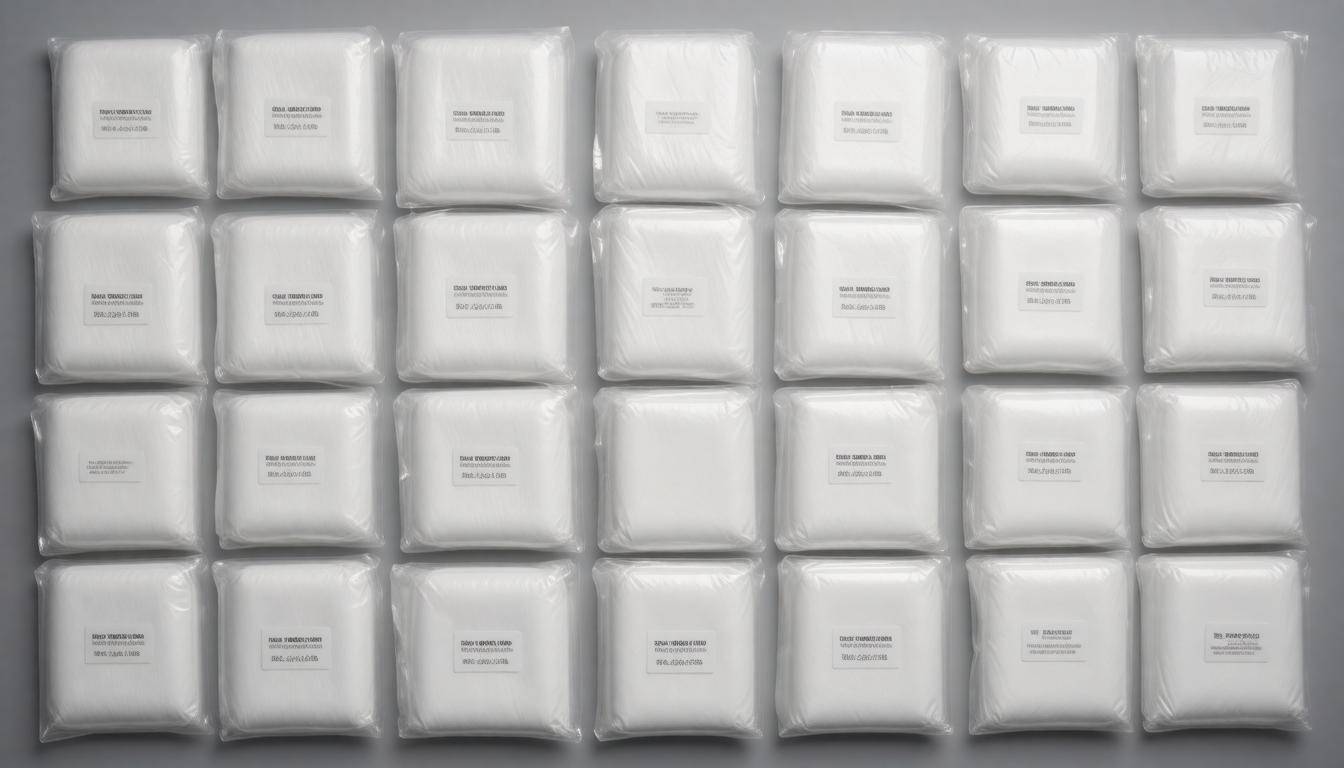
When it comes to treating burns, having the right sterile dressings and bandages in your emergency kit is more than just a suggestion—it’s a necessity. Proper dressings serve vital purposes; they shield the affected area from infection while allowing the injury to breathe and heal properly. Your goal is to create a protective barrier that fosters healing without irritating the burn site.
| Type | Use Case |
|---|---|
| Sterile Gauze Pads | Cover and protect the burn area |
| Non-stick Dressings | Prevents sticking to the burn site |
| Elastic Bandages | Secure dressings without restricting movement |
A mix of these items ensures you’re prepared for various types of burns. Start with sterile gauze pads, perfect for larger burn areas. These pads absorb exudate from the wound while keeping it clean. If you’re dealing with a smaller burn or a sensitive area, opt for non-stick dressings. These dressings prevent adherence to the burn itself, minimizing pain when changing the dressing—a key consideration for children or anyone sensitive to discomfort.
Keeping these sterile supplies on hand can significantly decrease the chances of infection or complications following an injury.
It’s also important not to overlook elastic bandages. These versatile tools secure dressings in place without hampering mobility. When properly wrapped, an elastic bandage provides support while allowing for joint movement, which is invaluable during recovery.
Ensure you have enough supplies based on your needs and activities. If you frequently engage in outdoor activities, cooking, or other pursuits that risk burns, stock your kit accordingly. Having extra adhesive bandages in assorted sizes helps because accidents often happen unexpectedly.
Periodically check your emergency kit and replace any used or expired items. Consider this preparation for potential accidents like cooking mishaps or crafting incidents. By staying stocked and organized, you lower stress levels during emergencies—after all, simplicity is key in such situations.
Maintaining your first aid supplies goes beyond just gathering materials; it’s about ensuring they are convenient and accessible when needed most. As you gather supplies for your emergency kit, keep this foundational knowledge in mind so your preparations are thorough and effective.
As we transition from discussing essential supplies, let’s explore specific treatments that can offer relief and support during burn recovery.
Ointments and Creams
Healing ointments and creams are indispensable allies when it comes to treating burns, providing both relief and protection that can significantly enhance the healing process. Understanding how to use these topical treatments effectively means you’re prepared for any minor mishap in the kitchen or around the house, allowing for quick responses that mitigate pain and prevent complications. These products serve as barriers, not just from infection but also from discomfort, which is crucial for burns that may occur unexpectedly during daily activities.
Types of Ointments
Among the various options available, antibiotic ointments are a particularly wise choice. Designed to prevent infection in minor burns, these ointments act as a safeguard over the affected area. Applying a thin layer after cleaning the burn not only provides an antiseptic barrier but also keeps the wound moisturized, which is vital for optimal healing.
Another effective product is the burn relief spray. This spray offers immediate pain relief and cooling sensations—something comforting after a painful incident. The fine mist provides expansive coverage without physically touching the sensitive area of the burn.
Aloe vera gel is another well-known remedy celebrated for its soothing properties. This natural option promotes healing through its anti-inflammatory benefits and hydrates burned skin. Incorporating aloe into your emergency kit could be a game-changer for minor burns—its gentle nature helps ensure your skin repairs more efficiently.
[TESTIMONIAL] “Since I added burn creams and sprays to my kit, minor burns from cooking incidents have been easier to manage,” says Jane, a home cook.
While these topical solutions serve to soothe and protect burned skin, looking closely at how to address pain is critical in managing burn-related discomfort.
Pain Relief Options
Pain relief is a critical component of burn treatment. The severity of burns can vary significantly, and so should your approach to managing discomfort. Fortunately, there are several options available that cater to different needs and situations, ensuring that individuals feel as comfortable as possible as they heal.
Oral Pain Relievers are among the first lines of defense against pain caused by burns. Medications like ibuprofen and acetaminophen not only reduce pain but also mitigate inflammation, which can be particularly beneficial after an injury. It’s essential to remember the appropriate dosages and to consult with a healthcare professional if there is any uncertainty about which medication is best suited for your specific condition. Make it a habit to keep these basics on hand in your emergency kit so you’re prepared when needed.
When considering oral medications, you might think about:
- Ibuprofen: Often recommended for its anti-inflammatory properties.
- Acetaminophen: A safer alternative for those who may have stomach issues or cannot take NSAIDs (non-steroidal anti-inflammatory drugs).
Moving beyond oral medications, Topical Analgesics such as lidocaine-based gels provide localized relief directly on the affected areas. These products work by numbing the area where they are applied, which can offer immediate comfort for small burns or sensitive spots during healing. Not only do these topical treatments help alleviate pain, but they can also empower burn victims to engage actively in their recovery without being hindered by discomfort.
Using topical analgesics can make a substantial difference in daily life after a burn by alleviating persistent pain gripping the injury site.
Another option worth noting is the use of Cooling Gel Pads. Designed explicitly for initial treatment, these pads deliver not only pain relief but also soothing cooling sensations that help reduce inflammation and heat at the site of a burn. Such pads can be particularly inviting right after an injury when skin sensitivity peaks, offering quick relief while also providing a simple way to address pain without needing oral medication.
Overall, effective pain management should be an integral part of any burn care plan; thus, it’s important to ensure that your kit is stocked adequately with the right supplies. Having a variety of pain relief options makes it easier for individuals to assess their own comfort levels and apply necessary treatments accordingly.
However, having the right supplies is only half the battle; proper preparation and storage will ensure you’re always ready when those supplies are needed.
Preparation and Storage Tips for Kits
To ensure your burn treatment supplies are always within reach when you need them, proper preparation and storage are essential. The first step to effective organization is to use clear, labeled containers. By placing your supplies in see-through bins, you can easily identify their contents, eliminating confusion and saving valuable time during an emergency. It’s important to clearly label each container, not just with what’s inside, but also with a last-checked date to remind you when it’s time for an inspection.
Regularly checking expiration dates is another vital aspect of keeping your kit functional. Items like creams and gels can expire or lose potency over time. Make a habit of inspecting your kit every six months; this simple practice can prevent the embarrassing situation of reaching for a bottle of ointment only to find it’s past its prime. Consider documenting this in your planner or setting an alert on your phone to make sure it gets done consistently.
Keeping kits in accessible locations is equally as important as how they are stored.
Ideal spots include bathrooms, kitchens, or garages—places where minor accidents are most likely to occur. The easier it is to access these supplies, the better prepared you will feel in those moments of panic. You want to avoid rummaging through drawers or closets when seconds count. Your family should also know where these kits are stored, making it simple for anyone to find them in case of an emergency.
In Case of Emergency: A Testament to Preparedness
“I labeled and organized my kit, and during a minor burn incident, having easy access made a world of difference,” recalls Brian, a father of two. His experience highlights the practicality behind thorough preparation—when the heat is on, knowing exactly where to grab the essentials can have a huge impact.
By adopting these systematic approaches to storing your burn treatment supplies, you ensure that they will be ready when you need them most. Maintaining an organized kit isn’t just about looking good; it’s about being prepared for unforeseen situations so that every member of your household feels secure in handling burns effectively.
In times of emergencies, readiness turns chaos into calmness. Being prepared isn’t just an option—it’s your responsibility.