
When disaster strikes, having a plan for your food supply can make all the difference between panic and preparedness. Think about it: will you take a chance on convenience store snacks while holding out for help, or will you confidently rely on a well-stocked pantry designed to maintain your family’s health? Emergency situations don’t just test our survival skills; they push us to ensure that everyone—including our pets—has enough nutritious food to keep going. Planning for calories in emergencies isn’t just smart; it’s essential. You might be surprised by how many options there are to create a versatile and satisfying supply. In this guide, we’ll break down everything you need to know about calorie planning for emergencies, from selecting the right foods to making sure everyone’s dietary needs are met—because we all deserve to eat well, even in tough times.
The guide on Calorie Planning for Emergency Situations outlines essential preparation strategies for creating a food supply that meets nutritional needs during disasters, including recommendations for non-perishable foods, storage tips, and cooking methods without power. It emphasizes the importance of planning for both immediate needs (such as a three-day emergency kit) and longer-term situations (up to two weeks) while ensuring that dietary requirements are considered for all family members.
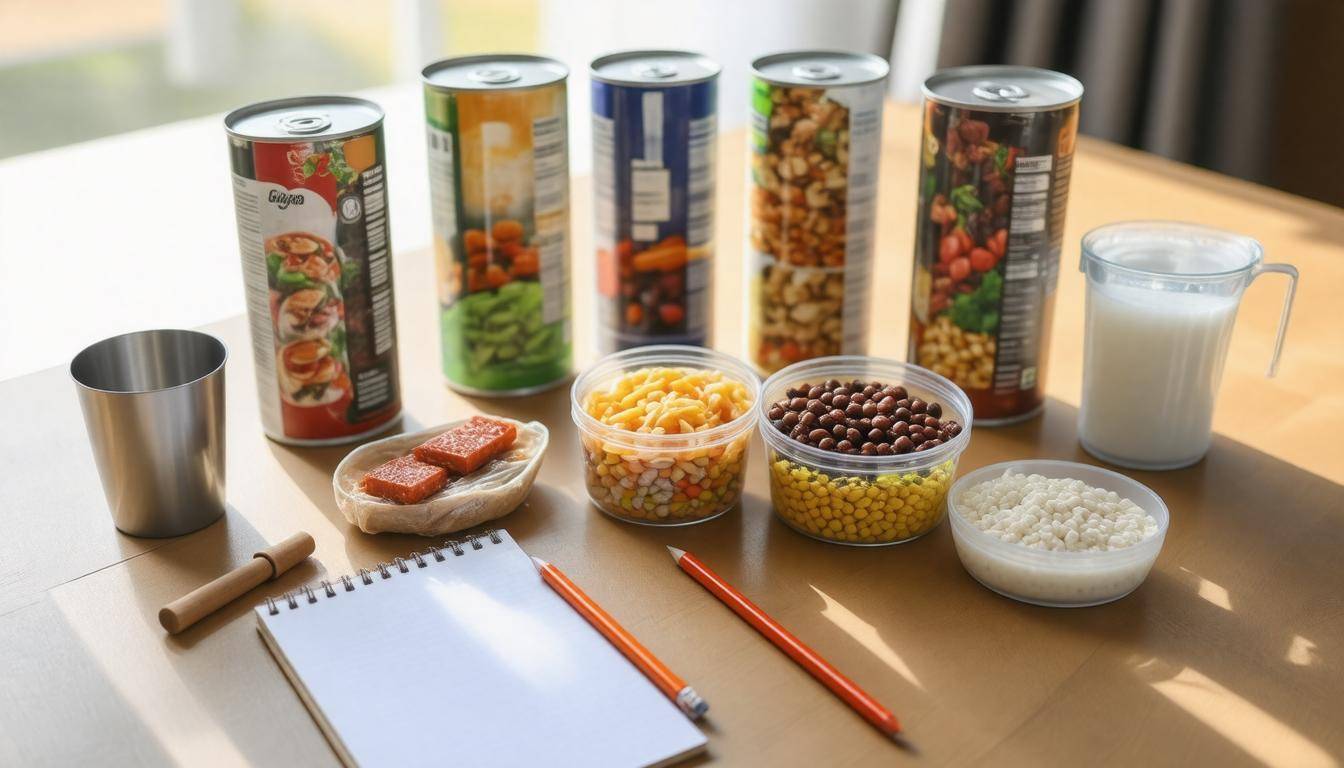
Preparing for Emergency Situations with Calorie Planning
Emergency calorie planning is not just about stashing away cans of food in a corner; it’s an intentional process to ensure you and your family can stay nourished during challenging times. The preparation journey starts by assessing the types of emergencies you could realistically encounter – this gives your planning efforts focused direction. For instance, living in a coastal region likely means hurricanes are on your radar, while others might prepare for the possibility of winter storms or earthquakes. By understanding which scenarios are possible, you can tailor your food supply and caloric needs specifically around those situations.
As you make these assessments, it’s crucial to consider your family size, which plays a significant role in determining how much food you ought to store.
Determining the number of people in your household is essential. When planning meals and stocking up on supplies, don’t forget to include pets in your calculations; they too require sustenance during emergencies. This thoughtfulness will help ensure that everyone stays fed and healthy when adversity strikes. Also, think about special dietary needs—for example, infants may require formula or specialized baby foods, and elderly family members might need softer foods that are easier to chew.
After clarifying who needs to be fed, it’s time to turn your attention to how long these emergencies could last.
Estimating the duration of potential crises is fundamental to effective calorie planning. With recommendations from experts like the Red Cross suggesting at least a three-day emergency kit for evacuations and a more robust two-week supply for home-based emergencies, you’ll want to ensure balanced nutrition even in dire circumstances. This doesn’t mean just filling your pantry with snacks; instead, consider meals that maintain nutritional integrity.
Consider this: A well-rounded meal should ideally consist of 50% carbohydrates, 30% fats, and 20% protein—this macronutrient distribution helps sustain energy levels over time.
Foods like canned meats, dried beans, rice, and granola bars are great options because they provide essential nutrients and can last long on the shelf if stored properly. Not only do they help satisfy hunger, but they also support mental well-being by providing comfort in stressful conditions. Remembering that comfort foods like cookies or hard candy can ease morale is also important; they give a sense of normalcy when everything feels chaotic.
Essentials for Emergency Food Planning
- Three-Day Emergency Kit: Includes non-perishable foods like canned fruits and vegetables, water for hydration, and hygiene items.
- Two-Week Supply: Focuses on balanced nutrition that allows for at least one well-rounded meal per day, plenty of water—a gallon per person daily—and comfort foods to help reduce stress during tough times.
By following these considerations methodically, you’ll enhance both psychological and physical readiness in the event of emergencies. Next, we will examine the specific caloric requirements necessary for sustaining health during such challenging times.
Daily Caloric Needs in Emergencies
Understanding daily caloric needs in emergencies is vital for maintaining energy and ensuring survival. The average adult typically requires around 2,000 to 2,500 calories per day under normal circumstances. However, this number is merely a baseline that changes drastically in emergency situations when you’re more active due to stress or the need to gather supplies. In fact, stress and physical activity can bump your caloric requirements up by as much as 20-50%.
Estimating Caloric Requirements
In an emergency setting, you’re likely going to be more physically active than usual. Whether it’s moving supplies, preparing food, or even helping others in distress, those activities demand more energy. Therefore, it’s crucial to recognize how these actions alter your daily caloric intake. The following estimates serve as a guideline:
- Sedentary Adult: 1,800-2,200 calories/day.
- Moderately Active Adult: 2,200-2,800 calories/day.
- Active Adult: 2,400-3,000 calories/day.
- Children: Their caloric needs will also vary based on age and activity level—typically ranging from 1,000 to 2,600 calories per day.
Adjusting for Individual Needs
When planning your emergency food supply, you must also consider specific dietary needs and health conditions that may require individual attention. For instance, diabetics will need access to specialized foods to effectively manage their blood sugar levels, which means carefully monitoring carbohydrate intake becomes essential. Remember that adaptability is key: Having some versatile foods that can cater to various dietary restrictions will help maintain everyone’s health during emergencies.
As you prepare your food supply kit, remember that successful calorie planning keeps you not just alive but functioning at your best.
Additionally, water plays a crucial role alongside caloric intake; hydration needs often increase with higher caloric consumption. Aim for about two to three liters of water per day, depending on activity levels and environmental conditions.
Recognizing these nutritional requirements sets the stage for optimizing your preparedness strategy. This understanding inevitably leads us toward effective methods for assembling a well-balanced ration list tailored to your needs.
Creating a Nutritious Ration List
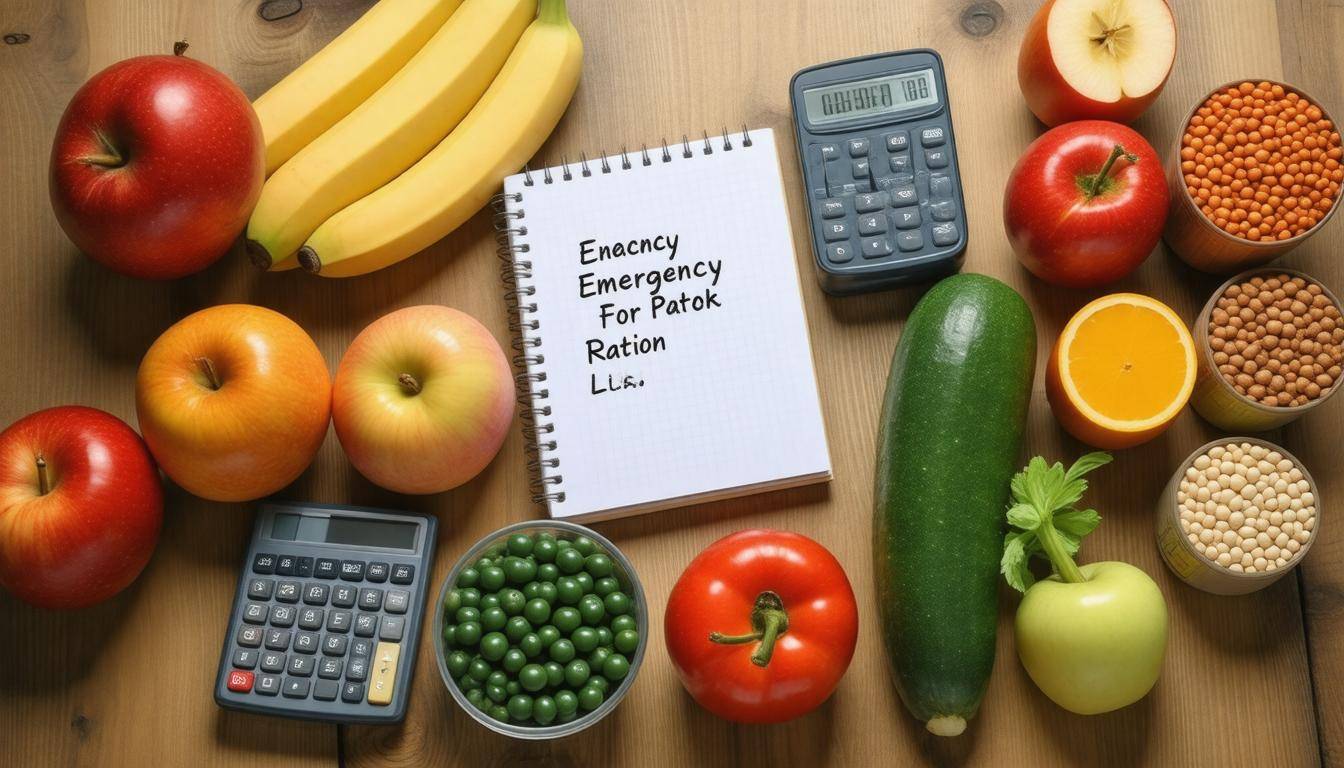
When we think about emergency food supplies, most of us may picture cans of beans or bags of rice, but there’s so much more we can incorporate into our plans. Crafting a nutritious ration list isn’t just about survival; it’s about maintaining health and energy when it matters most. Thus, it’s vital to focus on nutrient-dense foods that fulfill basic caloric needs while providing essential vitamins and minerals. By including a thoughtful variety of food groups, we can ensure our bodies are adequately nourished.
Including Variety
Diversifying your selection is key. Think of it as building your meal plan—not just protein but carbohydrates, fats, and even vegetables. For example, having canned meats or beans as protein sources ensures you’re getting enough fuel from your meals. Meanwhile, staples like rice, pasta, or bread make for excellent carbohydrate options that help maintain energy levels throughout the day. Don’t forget to add in some healthy fats! Items like nuts or seeds pack a powerful punch nutritionally, offering both calories and essential nutrients like Omega-3 fatty acids.
Remember, adding canned or dehydrated vegetables not only provides necessary fiber but also helps in balancing the meals. An array of choices can prevent meal fatigue even in tough conditions.
Essential Vitamins and Minerals
Now that you’ve included variety in your food supply, ensure you have specific sources for vital nutrients. For instance, Vitamin C is crucial for immune function and can easily be obtained from items like canned fruits or even powdered orange juice—both have long shelf lives and serve a dual purpose of flavoring your meals. Calcium is another important element, easily sourced from shelf-stable milk, which also offers hydration. Additionally, incorporating foods rich in iron such as canned legumes and fortified cereals ensures that you’re supporting your body’s needs effectively.
| Food Item | Shelf Life | Calories/Serving | Nutrients |
|---|---|---|---|
| Canned Tuna | 2-5 years | 100 | Protein, Omega-3 |
| Instant Oatmeal | 1-2 years | 150 | Carbs, Fiber |
| Peanut Butter | 1-2 years | 190 | Protein, Healthy Fats |
| Dried Fruits | 6-12 months | 120 | Vitamins, Fiber |
| Shelf-stable Milk | 6 months | 100 | Calcium, Vitamin D |
This table encapsulates several great options for your emergency rations while providing insights into their nutritional value. It can guide you as you build an efficient stockpile tailored to support not just survival but also wellness throughout any crisis situation.
Assembling the right balance of essentials goes beyond merely gathering food; it’s about nurturing yourself when the going gets tough. Such preparation will inform your decisions regarding how to store these vital supplies effectively for both immediate and longer-term needs.
Long-Term and Short-Term Storage Options
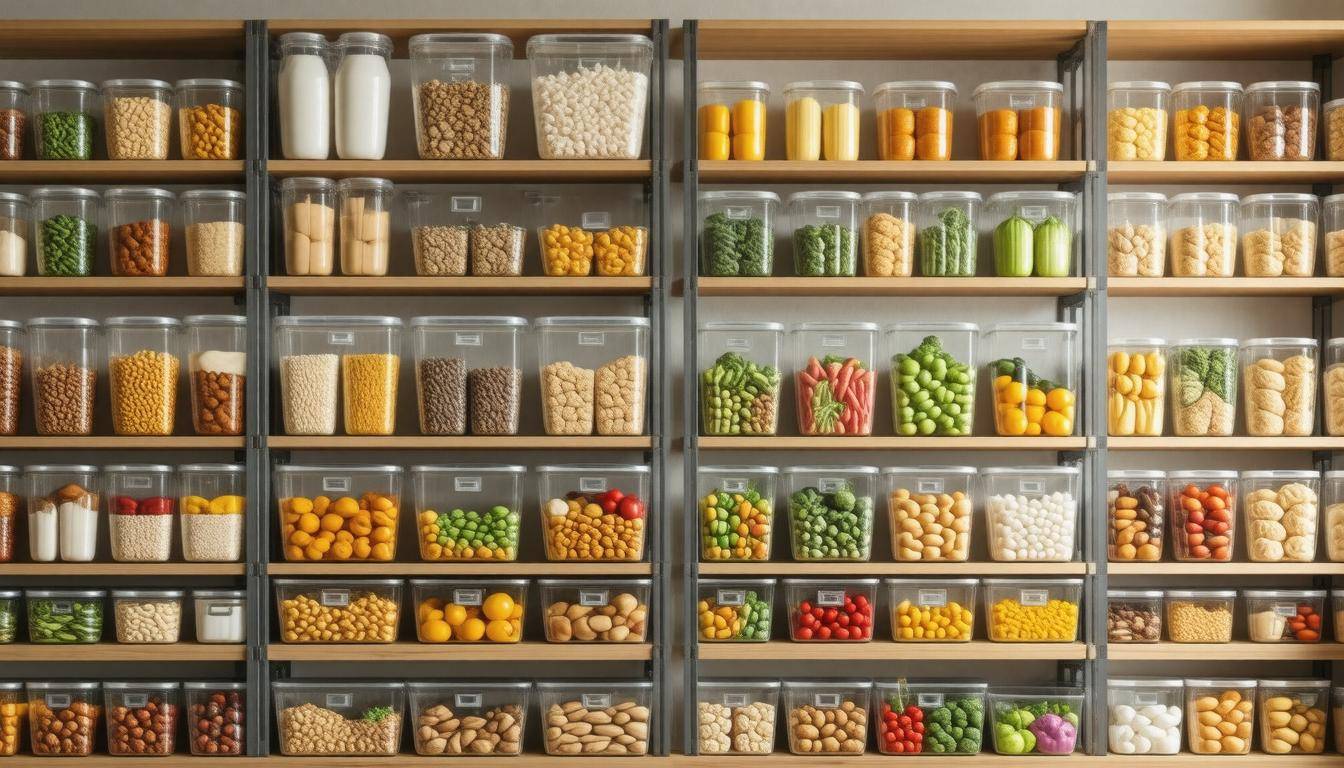
The distinction between short-term and long-term food storage can make a large difference when planning for emergencies. When it comes to short-term storage, we often think of how quickly we can access our supplies without compromising their integrity. The best method is to use airtight containers, which are fundamental in keeping moisture and pests at bay. Foods like canned goods, dried fruits, and packaged snacks thrive in cool, dry environments. I’ve always found that a dedicated storage bin reserved solely for emergency supplies can streamline what can sometimes feel like chaos during a crisis. Your pantry could serve as a practical option, but just be sure to rotate older items to avoid expiration.
Additionally, labeling the containers with purchase dates is useful in maintaining an existing stockpile and will help remind you when it’s time to refresh your supplies. This simple step can save you a lot of hassle later on. Think of it as a small investment in peace of mind.
Short-Term Storage
When it comes to short-term storage solutions, focus on items that you would need at arm’s length. Non-perishable foods like granola bars or trail mix can be stowed away right next to your cooking area for quick access, especially if the electricity goes out. A well-stocked three-day emergency kit should contain basics like ready-to-eat canned meats, fruits, and perhaps even comfort foods to uplift spirits during stressful times.
Just remember: while you may only plan for three days initially, having options ready for two weeks ensures more resilience during prolonged disasters.
Long-Term Storage
On the other hand, when thinking about long-term storage, consider foods specifically engineered for endurance. Freeze-dried meals or vacuum-sealed products are heavyweights in the survival arena, capable of lasting up to 25 years under proper conditions. For instance, using Mylar bags along with oxygen absorbers is an excellent choice for storing grains, rice, and beans. This practice not only increases shelf life but also retains most of the food’s nutrients—a major win when sustenance is paramount.
From personal experience, investing in freeze-dried fruits and vegetables allows me to diversify my emergency meal options without taking up too much space. It’s one thing to have basic staples; it’s quite another to enjoy a variety of nutritious foods during tough times.
Additionally, when storing your supplies long-term, ensure they reside in consistent temperatures; fluctuations can lead to spoilage faster than you might think. An underground cellar or temperature-controlled room are optimal spaces for both temperature consistency and protection from environmental factors.
Understanding these key distinctions between short-term and long-term storage methods sets the foundation for effective meal planning that maximizes nutrient intake during emergencies.
Planning Meals for Maximum Nutrient Intake
In emergencies, it’s crucial not just to eat, but to eat well. Proper meal planning in these situations is about more than filling bellies; it’s about maintaining energy levels and overall health amidst the unpredictability of life. This approach necessitates a thoughtful selection of food types to ensure that all nutritional needs are met, even when the comfort of a well-stocked pantry isn’t available.
Balanced Meal Components
-
Protein: Essential for muscle repair and immune function, protein-rich options such as canned meats and beans are biologically important. Nuts also provide a concentrated source of protein along with healthy fats.
-
Carbohydrates: This group serves as our primary energy source, so having foods like bread, rice, and pasta on hand is vital. Opt for whole grains when possible to enrich your meals further.
-
Fats: Healthy fats provide concentrated energy which is especially valuable in stressful situations. Items like olive oil, peanut butter, and various seeds not only enhance flavor but also offer essential fatty acids required for good health.
-
Vegetables: Packed with vitamins and minerals, canned or dehydrated vegetables should feature prominently in your supplies. They add fiber, which is important for digestive health.
-
Fruits: Canned or dried fruits serve as delightful sources of natural sugars, vitamin C, and other antioxidants that bolster the immune system.
Next, let’s look at how these components can be combined into practical meal ideas that are both nourishing and straightforward to prepare.
Meal Examples
When it comes to emergencies, simplicity is often key. Morning routines can remain consistent with meals like instant oatmeal—easy to prepare and enriched with nutrition by adding some dried fruit for sweetness and fiber. For lunch, consider making a canned tuna salad; combine the fish with mayonnaise packets stored in your kit, served alongside crackers for crunch. Likewise, dinner could revolve around a hearty mix of rice paired with canned beans and vegetables—this combination not only provides filling sustenance but also offers varied textures and flavors.
And let’s not forget snacks! Trail mix can offer quick energy bursts whether you’re inside or on the go, while granola bars provide delicious fuel without requiring any preparation at all.
Keeping nutrient-dense foods at your fingertips during emergencies prepares you physically and mentally for whatever challenges may come your way. Meticulously planning these nutritious meals fosters resilience amidst chaos, safeguarding your health in times of need.
Building on this foundation of meal planning, we will now discuss specific high-energy food options that align perfectly with your emergency nutrition strategy.
High-Energy Food Recommendations
In emergencies, when stress levels can rise and energy is depleted, having high-energy foods on hand can make all the difference. These foods not only provide the calories needed to maintain stamina but also ensure quick access to nourishment with minimal effort. Think about it: when you’re faced with an unexpected situation—be it a winter storm or an extended power outage—effortlessly grabbing a snack that packs a caloric punch can sustain your morale and energy levels.
By focusing on items that are compact yet calorie-dense, you can efficiently manage your food supplies while maximizing nutrition. Remember, it’s not just about having food; it’s about having the right kind of food that will give you the energy boost needed during these challenging times.
Recommended High-Energy Foods
When choosing high-energy foods for your emergency stockpile, consider options like peanut butter, granola bars, trail mix, and dark chocolate. Each of these foods is designed to deliver significant calories in small servings:
-
Peanut Butter: With around 190 calories in just two tablespoons, peanut butter is a powerhouse of nutrition. It’s rich in protein and healthy fats, allowing it to keep you satiated longer while providing stable energy release.
-
Trail Mix: A good trail mix combines nuts, seeds, and dried fruit—ingredients that not only supply a quick energy boost but also offer essential nutrients like fiber, vitamins, and minerals. The natural fats from nuts provide sustained energy, making this mix an excellent go-to during any crisis.
-
Granola Bars: Convenient to store and easy to grab on the go, most granola bars are engineered to be high in calories while also bringing fiber into the mix. This means they help keep your hunger at bay while giving you the necessary burst of energy when you might need it most.
-
Dark Chocolate: Don’t overlook the goodness of quality dark chocolate! It contains antioxidants and delivers a quick dose of sugar coupled with beneficial fats. Eating a small piece can lift spirits as well as provide an instant energy surge—a delightful treat amid gloomy circumstances.
Apart from being tasty, these high-energy foods serve practical purposes in emergency situations. They require little preparation and often come packaged in ways that prolong shelf lives—perfect attributes for unpredictable events. Moreover, stocking up on such essentials ensures you are fortified against the unexpected outcomes of climate change or winter weather disruptions.
The unpredictability of modern winters means thoughtful calorie planning must include calculating how best to sustain yourself during potential extended outages. By selecting high-energy options that are nutrient-rich and easily storable, you’re taking proactive steps toward ensuring health and safety during emergencies.
As you strategize your food supply for unforeseen challenges, recognizing how to modify your plan in times of crisis will become essential.
Adjusting Your Plan During a Crisis
In the midst of a crisis, it’s essential to remain vigilant and adaptable. You may think you have everything figured out, but unforeseen circumstances can quickly change your needs. Monitoring your food consumption closely can help avoid running low on supplies before the emergency is resolved.
For instance, if you planned for three meals a day but find yourself moving about more than expected—perhaps due to clean-up efforts or looking after others—you’ll want to ration those meals wisely. Having that conscious awareness allows you to stretch your resources, ensuring you don’t face a pantry bare of essentials.
Monitor Consumption Rates
Keeping track of your consumption rates helps ground your planning in reality. As the situation unfolds, jot down what you’ve eaten and what remains in your stockpile. A simple tally can make a profound difference in ensuring efficiency and longevity of your supplies. If things take longer than expected—say you’re weathering a multi-day power outage from a storm—understanding how much food you have left will help in recalibrating portion sizes.
You can also categorize items into high-energy essentials versus comfort foods. Such categorization enables intelligent trade-offs when it comes to prioritizing nutrition over indulgence.
As an example, consider someone who expected to hunker down for just one week but suddenly finds themselves facing two weeks of uncertainty due to extended weather conditions. If they weren’t keeping tabs on their intake, they might quickly regret not stretching their meals appropriately—eating too much early on only means bland options for the later days when choices become scarce.
Adapt to Changes in Needs
Personal stories from survivors often reveal insights missed by planners who build models based on averages alone. Many individuals recount moments of unexpectedly high energy expenditure during natural disasters where stress levels are through the roof and physical demands rise sharply—from clearing debris to helping neighbors or emergency responders.
For example, a family might have initially calculated their calorie intake assuming they would be relatively sedentary but then realize they need more when working tirelessly on efforts that require heavy lifting or prolonged activity.
In such cases, being attuned to one’s body becomes paramount. Adjust intake accordingly; if you feel more fatigued than usual or unusually hungry, listen to those cues. Simply put, don’t underestimate the toll that crises can take on both body and mind.
Furthermore, incorporating items rich in calories—like nuts and energy bars—becomes beneficial during these heightened activity periods since they provide concentrated nourishment without having to consume large volumes of food. The goal is not just survival but maintaining energy levels essential for sustaining activity—something vital for coping with challenges thrown your way.
Preparing ahead means even the most unexpected situations can be met with confidence rather than dread, leading toward better outcomes for both physical health and overall morale during tough times. This strategic approach lays the groundwork for understanding more about specific nutritional considerations for varying dietary needs.
Nutritional Needs for Special Diets
Special diets indeed demand a little more forethought when it comes to calorie planning in emergencies. If someone in your household is diabetic, it’s crucial to stock up on low-glycemic foods, as they help manage blood sugar effectively during times of stress and uncertainty. Products like nuts, seeds, and non-starchy vegetables provide essential nutrients and stabilize energy levels, which is vital when other food sources might be limited or unreliable.
Furthermore, gluten-free diets require unique considerations. This means including gluten-free grains such as rice and quinoa, which can serve as excellent staples in emergencies while avoiding health issues related to gluten exposure. It’s not just about keeping a diet; it’s about maintaining overall health and preventing adverse reactions from unavailable safe food options.
Remember, emergencies can bring unexpected challenges, and having alternative food choices prepared can turn a stressful situation into a manageable one.
In addition to specific dietary restrictions, it’s equally important to consider the nutritional requirements of different age groups. Elderly individuals may face difficulty chewing or digesting harder foods, so packing easy-to-chew options like applesauce, smooth nut butter, and canned fruit can enhance their comfort significantly in an emergency scenario. These options provide nourishment while ensuring they consume necessary nutrients without added strain.
Likewise, for infants, ready-to-use formula becomes imperative alongside baby-friendly cereals and pureed foods. Emergencies can disrupt regular schedules and access to traditional food supplies; therefore, having easily accessible nutrition ensures that even the youngest family members remain well-fed and healthy throughout any crisis situation.
Taking these special needs into account accommodates various dietary restrictions and ensures that everyone’s nutritional requirements are met effectively during an emergency. A little foresight and preparation go a long way in maintaining health and well-being for all individuals involved.
In understanding the importance of strategic calorie planning amidst emergencies, you’re better equipped to handle unexpected situations with confidence. Preparation will ensure that everyone, regardless of dietary needs, remains nourished and secure.
How can I effectively store non-perishable foods that meet my calorie needs?
To effectively store non-perishable foods that meet your calorie needs, focus on a variety of high-calorie options like canned goods (beans, vegetables, soups), grains (rice, pasta), and nut butters. Ensure you keep them in a cool, dry place away from light to extend shelf life; for instance, canned foods can last 2-5 years if stored properly. Aim for an average of 2,000-2,500 calories per day for adults, so plan your stash accordingly by including items that collectively provide the desired caloric intake while maintaining a balanced nutrient profile. Regularly check expiration dates and rotate your food supply to minimize waste.
What nutrients should I prioritize when planning meals for emergency situations?
When planning meals for emergency situations, prioritize nutrients that provide sustained energy and essential vitamins. Focus on carbohydrates (such as whole grains), proteins (like canned beans or jerky), and healthy fats (nuts or nut butters). These macronutrients will help maintain energy levels during stressful times, while micronutrients from dried fruits, canned vegetables, and fortified foods can prevent deficiencies. In emergencies, the body may deplete nutrient stores faster; thus, a well-rounded diet can support survival—studies show that protein can help preserve muscle mass when caloric intake is low.
How can I calculate the caloric requirements based on activity level during an emergency?
To calculate your caloric requirements during an emergency based on activity level, first determine your Basal Metabolic Rate (BMR) using the Mifflin-St Jeor equation, and then multiply it by an activity factor that corresponds to your level of exertion—1.2 for sedentary, up to 2.5 for highly active tasks. For instance, a 70 kg individual with a BMR of approximately 1,500 calories would need around 1,800 calories if moderately active and potentially over 3,750 calories if engaged in extreme activities like survival tactics or manual labor. It’s essential to adjust these figures to account for stress levels and prolonged physical strain often experienced in emergencies.
What strategies exist for managing food supply and preventing waste in emergency preparedness?
Effective strategies for managing food supply and preventing waste in emergency preparedness include creating a comprehensive inventory of food items, utilizing older supplies first (FIFO – First In, First Out), and implementing proper storage techniques to prolong shelf life. Research shows that up to 40% of food produced is wasted, which highlights the importance of meticulous planning and regular monitoring of supplies. Additionally, incorporating flexible meal planning can help ensure that all food is utilized before it spoils, maximizing resources and minimizing waste during emergencies.
What are the recommended daily caloric intake levels for different demographics during emergencies?
During emergencies, recommended daily caloric intake levels can significantly vary based on age, gender, activity level, and specific needs. Generally, adult men may require approximately 2,400 to 3,000 calories per day, while adult women typically need about 1,800 to 2,400 calories. Infants and young children might need around 1,200 to 1,800 calories depending on their growth stage. It’s important to consider that physical exertion during crisis situations can increase these requirements by up to 25%. Ensuring adequate caloric intake is crucial for maintaining energy and health when access to food is limited.