
Children’s emotional recovery is a crucial topic that often doesn’t get the attention it deserves. Every child, at some stage, might face feelings of sadness, fear, or confusion, especially after a traumatic experience. The road to healing can feel overwhelming for both kids and their caregivers, but knowing how to support them can make all the difference. In this guide, we will explore essential strategies to help children navigate through their emotional struggles, fostering their resilience and ensuring they feel safe and heard. By understanding how children express their feelings and recognizing the signs of distress, we pave the way for healthier emotional development and recovery. Let’s dive in and discover effective ways to become champions of support in their healing journey!
The Children’s Emotional Recovery: Complete Guide offers essential strategies for helping children heal from trauma, including techniques for building social connections, utilizing storytelling for emotional expression, and establishing routines for stability. It also provides insights into the unique ways children process trauma compared to adults, along with age-appropriate resources to support their emotional understanding and coping mechanisms.

Signs of Emotional Distress
One of the most critical aspects of supporting children through emotional struggles is identifying signs of distress as they appear. Children may express their feelings differently than adults, often through actions rather than words. Common indicators such as sudden shifts in behavior, pulling away from friends, or exhibiting increased irritability serve as significant clues that something is amiss. The key here is to pay close attention; even subtle changes could reveal deeper emotional turmoil.
Physical Symptoms
Physical symptoms can often serve as an echo of a child’s emotional state. For instance, sleep disturbances, like insomnia or nightmares, indicate that a child may be grappling with anxiety or fear. Similarly, changes in appetite can manifest as either overeating or refusing meals altogether. These behaviors are not just fleeting whims; they signal an emotional compromise that requires attention.
Interestingly, some children might develop unexplained physical complaints—such as recurring headaches or stomachaches—with no medical basis. This phenomenon is quite common and reflects the mind-body connection we must understand when addressing emotional well-being.
Behavioral Indicators
Behavioral changes further paint the picture of a child in distress. You might observe excessive clinginess that wasn’t previously there, a natural way for the child to seek security in uncertain times. Sudden outbursts of anger or tears, especially if they’re uncharacteristic, point toward underlying issues needing compassionate engagement.
Increasingly poor academic performance is another area where change might be noticeable; when a child’s once-bright enthusiasm dims, it’s crucial for caregivers to explore possible emotional factors driving that shift.
Addressing these signs early on helps mitigate larger issues down the line. It’s vital for caregivers to approach conversations about feelings gently and thoughtfully. By creating a safe space for children to express themselves, you set the foundation for healing and recovery. Each small step toward recognition aids not only in understanding but also in nurturing resilience within the child—turning distress into opportunities for growth and connection.
As we consider these signs and strategies, exploring how to communicate effectively becomes essential in fostering understanding and support within this journey.
Effective Communication Strategies
Effective communication can truly bridge the gap between understanding and support when it comes to helping children navigate their emotional recovery. One of the cornerstones of this process is creating an open and safe environment where children feel comfortable expressing their feelings. Imagine a setting where they’re greeted with warmth rather than judgment; that’s where healing begins.
Active Listening
A critical component of this supportive atmosphere is practicing active listening. This involves not just hearing the child’s words but immersing yourself in their emotional world. When you listen actively, you give your full attention, making eye contact, nodding, and reflecting back what the child has expressed. By saying phrases like, “It sounds like you’re feeling worried,” you validate their feelings without imposing any value judgments. This way, children learn that their emotions are recognized and accepted rather than dismissed or overlooked, leading to deeper connections and more open conversations.
Open-Ended Questions
To further encourage sharing, utilize open-ended questions designed to draw out their thoughts and feelings. Instead of asking yes-or-no questions such as “Did you have a good day at school?”, opt for queries that promote discussion, such as “Can you tell me more about what happened today that made you feel excited?” These types of questions invite children to elaborate on their experiences without feeling constrained or judged. It’s fascinating how a simple change in wording can lead to richer dialogues.
Reassurance
Moreover, providing emotional reassurance is pivotal in nurturing children’s willingness to share their feelings. Acknowledge their emotions as valid with comforting phrases like “It’s okay to feel sad” or “I understand why you might be upset.” Such statements normalize their feelings and help build trust. When children know that it is acceptable to express sadness or frustration without fear of repercussion, they feel empowered to communicate more freely.
Recognizing these communication strategies highlights their integral role within the broader framework of emotional health and recovery. As we explore next, professional guidance plays a crucial part in supporting children’s journeys through these challenges.
Professional Counseling and Therapy
Seeking professional help may provide children with the specialized support they need, especially when navigating the complexities of emotional recovery. Therapists trained in child psychology employ various methods aimed at helping children process and overcome emotional trauma. These approaches resonate with children’s unique ways of understanding their feelings. A study by the American Psychological Association highlights that children who receive professional therapy show a significant improvement in emotional stability in just six months. This statistic paints a hopeful picture for parents seeking solutions for their kids.
Types of Therapy
- Cognitive Behavioral Therapy (CBT): This method helps children identify and change negative thought patterns. Imagine a young child who believes they are unlovable due to past experiences; CBT can guide them toward a more positive self-narrative, transforming how they perceive themselves and their interactions with others.
- Play Therapy: Since children often find it challenging to articulate their emotions verbally, play therapy utilizes play as an expressive tool. Through games, toys, and creative activities, therapists create a safe space for children to communicate what might be difficult for them to say.
- Family Therapy: This type of therapy includes family members in the conversation to explore broader familial dynamics affecting the child. It fosters communication and understanding among loved ones, creating a healthier environment for everyone involved.
- Art Therapy: Incorporating artistic expression into therapy allows children to convey feelings they may struggle to verbalize. Whether through drawing or painting, art therapy reveals their thoughts and emotions visually.
- EMDR (Eye Movement Desensitization and Reprocessing): Often used for trauma resolution, this technique enables children to process and reduce the impact of distressing memories. Guided eye movements paired with focused thoughts help ease the emotional weight attached to traumatic experiences.
Emphasizing tailored approaches is essential, as every child responds differently to therapeutic techniques. When parents actively engage—be it by attending family sessions or fostering open discussions about feelings—they enhance their child’s therapeutic experience and strengthen family bonds.
With this understanding of professional counseling, we can now look into how comforting routines can play an equally vital role in supporting children’s emotional growth during recovery.
Comforting Activities and Routines

Creating a rhythm of daily activities gives children a firm foundation to navigate their emotions, particularly when they are feeling vulnerable or lost. For many children, knowing that there will be familiar moments—like reading before bed, family dinners, or weekend outings—can significantly alleviate anxiety and provide a reassuring structure. This allows them to focus on processing their emotions, rather than being burdened by uncertainty.
Physical Activities
One vital aspect of establishing these routines includes physical activities, which can range from organized sports to leisurely walks in the park. Engaging in regular exercise releases endorphins—the body’s natural mood boosters—and reduces stress. Consider setting aside specific times each week for a stroll around the neighborhood or engaging in more energetic play at a local park. Even 20 to 30 minutes of activity a day can lead to noticeable improvements in mood.
Research shows that sustained physical activity not only alleviates symptoms of stress but also increases resilience over time.
Creative Outlets
Another cornerstone of emotional recovery is creativity. Encourage children to explore outlets such as drawing, painting, or playing music. Engaging with creative forms not only serves as a soothing activity but also offers a significant space for self-expression. A child expressing themselves through colors on paper may be working through feelings they cannot yet articulate verbally. Art has been shown to improve emotional well-being significantly, allowing children to process complex emotions in a safe environment.
Here are some ideas: set up a dedicated art corner in the home where supplies are readily accessible, or schedule regular creative sessions where they can freely create without judgment. This encourages them to embrace creativity and helps build self-esteem as they observe their progress and creations.
Moving on from creative pursuits, another powerful tool we can implement revolves around nurturing emotional support activities.
Storytime and Reading
Setting aside time for storytime can be an invaluable practice in fostering emotional awareness and connection. Reading together not only provides comfort but creates opportunities to discuss feelings related to the stories’ characters or events experienced within the narrative. Choose books that reflect a range of emotions—happiness, sadness, conflict—and use them as conversation starters. Questions like “How do you think this character felt?” can open doors to discussions about emotions the child may also be grappling with.
Moreover, this intimate time spent reading together can strengthen bonds between caregivers and children alike, providing a sense of safety while promoting empathy and understanding. By integrating these comforting activities and maintaining consistent routines, we lay down essential groundwork for emotional recovery that nurtures resilience and healing as children learn to navigate their complex feelings.
Understanding these strategies sets the stage for examining how we can track kids’ progress while recognizing potential challenges they face along the way.
Tracking Progress and Challenges
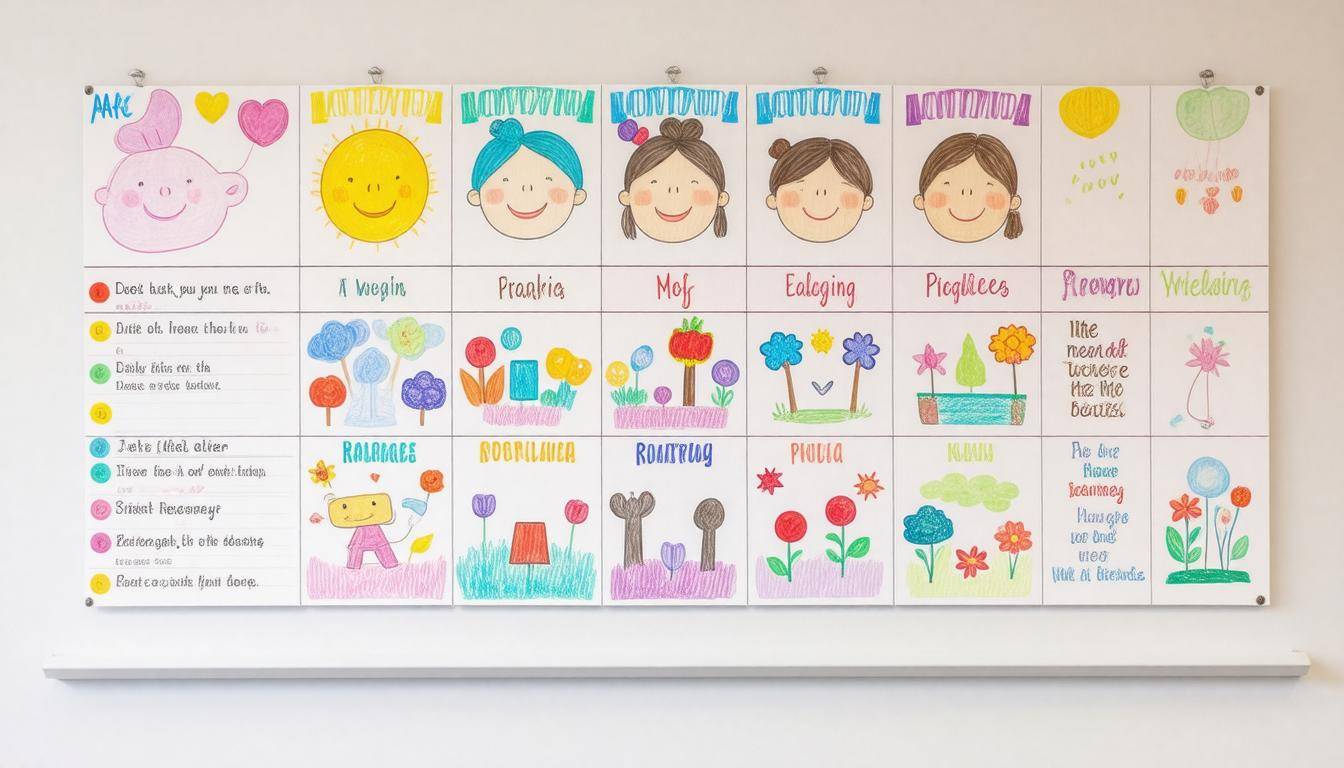
Keeping track of a child’s emotional recovery not only aids in providing support but also allows for an insightful look into their inner world. The act of documenting feelings and behaviors can enhance understanding for both the caregiver and the child. One effective method is to establish a journaling practice that includes reflections on daily moods, emotional triggers, and coping strategies employed. For instance, encouraging children to draw or write about their feelings can serve as an outlet for expression, especially when they struggle with words.
Routine Assessments
It’s beneficial to schedule regular assessments to gauge how well the child is coping. By keeping a record similar to a progress chart, caregivers can visualize growth over time. This could simply be a weekly check-in where you rate various aspects of their emotional state. Here’s an example layout:
| Week | Emotional State Rating (1-10) | Notable Events | Coping Strategies Used |
|---|---|---|---|
| 1 | 3 | Started new school | Drawing, talking with mom |
| 2 | 5 | Lost pet | Walks in the park, hugs |
| 3 | 4 | Argument with friend | Reading, quiet time |
| 4 | 6 | Family outing | Playing sports, family movie |
By recording notable events and corresponding emotional states, patterns may emerge over time. Not only does this provide insight into responses to life changes, but it also equips caregivers with concrete examples when discussing feelings with the child. Such insights are invaluable when determining which coping strategies have been effective and which might need adjusting.
After these evaluations, it becomes vital to reassess and adapt approaches based on what has been learned.
Reassess and Adapt
With the collected data in hand, it’s important to revisit the strategies being employed to support your child’s recovery. Adapting these strategies should reflect their evolving needs; thus involving them in this process is crucial. Let them share which techniques they find helpful or enjoyable—this not only empowers them but fosters autonomy in their healing journey.
For instance, if drawing brings joy but seems less impactful over time, perhaps it’s time to introduce new activities like storytelling or nature walks that encourage connection with their environment. Be flexible; your child’s emotional landscape will continue to shift as they heal. Actively listening to their preferences enhances both trust and communication.
Tracking progress and adapting based on insights laid out thus far creates a solid foundation for developing strategies that resonate deeply. Now let’s explore ways to further enhance emotional well-being through strengthening various skills.
Building Emotional Resilience
Developing emotional resilience equips children with the tools they need to handle challenges as they arise. When children face adversity—be it a tough exam, a disagreement with friends, or even the loss of a loved one—they benefit from knowing they have strategies at their disposal to navigate these feelings effectively. Fostering resilience goes beyond mere survival; it teaches children how to thrive amidst difficulties.
Positive Relationships
One of the cornerstones of building emotional resilience is the establishment of positive relationships. Encouraging children to connect with supportive peers and family members can significantly impact their emotional recovery.
For instance, when kids share their thoughts and feelings with someone who listens without judgment, they are not only validated but also empowered to express themselves more freely. These relationships act like lifelines during tough times, reinforcing that it’s acceptable to seek help and share vulnerabilities.
It’s crucial that parents and caregivers actively model these healthy connections by demonstrating empathy, active listening, and unconditional support so that children learn to form similar bonds.
Research indicates that support systems can help reduce anxiety and promote confidence in managing life’s ups and downs.
Mindfulness Practices
Another effective approach to nurturing emotional resilience in children is through mindfulness practices. Introducing activities such as deep-breathing exercises or simple yoga poses can create an environment where emotional awareness flourishes.
These practices teach children how to focus on the present moment, helping them understand and manage their emotions rather than being overwhelmed by them. For example, deep-breathing techniques can serve as a valuable tool when a child feels anxious. Just a few moments spent concentrating on inhaling deeply and exhaling slowly can lead to significant reductions in stress levels.
As a fun way to incorporate mindfulness into daily routines, consider setting aside five minutes each day for mindfulness activities. This could be as simple as sitting together quietly after dinner for reflective breathing. Engaging in these practices regularly instills confidence and gives children a sense of ownership over their emotional health.
By integrating supportive relationships and mindfulness practices, we lay the groundwork for strong emotional health in children. As we shift our focus now, let’s explore the vital role that caregivers play in this journey.
Parental Involvement
Parents play a pivotal role in shaping their children’s emotional landscape, especially during tumultuous times. Their active participation can significantly influence a child’s path toward healing by offering a foundation built on trust and support. It goes beyond mere presence; it involves being genuinely engaged in their emotional wellbeing and creating an environment where open communication is encouraged.
Emotional Support
Think of yourself as an emotional anchor for your child—a steadfast presence that offers stability amidst the storms life may throw their way. Consistent love and attention are vital. This doesn’t mean you have to be perfect or always have the right words; rather, it’s about showing up. Simple acts, like diving into their world by watching their favorite show together or playing games, reinforce feelings of security and acceptance.
Remember that children often gauge love through the time and attention given to them. Positively engaging with their interests is not only enjoyable but also demonstrates your commitment to understanding them.
Effective emotional support involves validating their feelings. When they express sadness or anger, acknowledging these emotions without judgment enables children to process their experiences fully. Phrases like, “I see you’re upset; it’s okay to feel that way” help normalize their feelings while establishing a safe space for sharing.
Education and Awareness
Educating oneself on the signs of emotional distress can empower parents as they navigate challenging situations with their children. By becoming knowledgeable about effective support strategies, you arm yourself against potential pitfalls. Consider seeking resources that outline common trauma responses in children—this can include observing changes in behavior, withdrawal from social situations, or regression in previously mastered skills.
However, information alone isn’t enough; it requires action. By promptly acting when issues arise—adjusting household routines or seeking professional guidance—parents can tackle problems before they escalate, fostering an environment conducive to healing.
With about 70% of children demonstrating improved emotional recovery due to active parental involvement, it’s clear that parents have tremendous influence on fostering resilience. Engaging consistently in discussions about feelings, alongside positive reinforcement of healthy coping mechanisms, fortifies this journey toward recovery.
This ongoing engagement paves the way for building a nurturing atmosphere where children can thrive emotionally and develop a strong foundation for future challenges. Discovering ways to enhance their sense of security further supports this growth journey.
Creating a Safe Space
A safe physical and emotional environment is absolutely essential for a child’s recovery. It acts as a sturdy foundation upon which they can rebuild their sense of security, confidence, and well-being.
Consider this: when children feel secure in their surroundings, they are more likely to explore their emotions and open the door to healing. It’s crucial that a child has a secure and comforting environment where they feel liberated to express their emotions without fear of judgment. This sense of safety is often the first step toward helping them navigate difficult feelings.
Comfortable Environment
One way to foster comfort is by personalizing the child’s space with items that evoke positivity. Think about their favorite toys, cozy pillows, or cherished blankets; these seemingly small details can make a world of difference. Imagine a room filled with such items—each becomes a gentle reminder of happiness and safety, encouraging the child to express themselves freely. In this haven, kids should be able to curl up with a beloved stuffed animal or wrap themselves in a cherished blanket, providing them with immediate emotional support whenever they need it.
Creating this environment also means ensuring that the physical space is neat and organized—too much clutter can create unnecessary distractions and feelings of chaos for children already struggling inside.
Emotional Safety
Beyond the physical aspects, fostering emotional safety is paramount. This involves encouraging open dialogue by actively listening when they share their thoughts or feelings. By validating those emotions and reminding them that it’s okay to experience sadness or frustration, you’re creating an inviting atmosphere where children know their feelings are legitimate. They should never feel pressured to bottle up emotions; rather, let them know these feelings are part of being human.
Consider saying things like: “It’s completely natural to feel upset sometimes,” or “I’m here for you whenever you want to talk.” These affirmations reinforce emotional safety and belonging. When children understand that their emotions are accepted and understood, they become more inclined to share openly, setting the stage for healthier coping mechanisms.
Fostering both physical comfort and emotional safety allows children not only to feel supported during troubling times but also encourages growth into emotionally intelligent individuals as they learn how to navigate their feelings effectively over time.
In nurturing this safe space, you lay the groundwork for their long-term resilience and emotional well-being. Children who feel secure are better equipped to face life’s challenges with strength and positivity.
What specific therapeutic approaches are most effective for aiding children’s emotional recovery?
Effective therapeutic approaches for aiding children’s emotional recovery include Cognitive Behavioral Therapy (CBT), play therapy, and trauma-focused therapy. CBT helps children identify and change negative thought patterns, which can lead to improved emotional regulation; studies show that 70-80% of children benefit from this method. Play therapy allows children to express their feelings through play, fostering emotional understanding and healing, while trauma-focused therapy specifically addresses the effects of traumatic experiences, proving successful in reducing PTSD symptoms in up to 60% of young clients. These methods collectively support a holistic approach to recovery, encouraging resilience and emotional well-being.
How can parents effectively support their child’s emotional recovery at home?
Parents can effectively support their child’s emotional recovery at home by fostering open communication, demonstrating empathy, and establishing consistent routines. Creating a safe space where children feel comfortable expressing their feelings is crucial; studies show that children who can openly discuss their emotions have better coping mechanisms, leading to improved emotional outcomes. Additionally, engaging in family activities and encouraging mindfulness practices can further enhance resilience and emotional well-being, with research indicating that such approaches can significantly reduce anxiety levels in children.
How can caregivers recognize when a child needs professional help during their emotional recovery?
Caregivers can recognize when a child needs professional help during their emotional recovery by observing signs such as prolonged sadness, withdrawal from friends and activities, drastic changes in behavior or appetite, and difficulty concentrating. Research indicates that about 1 in 6 children aged 6-17 experience a mental health disorder each year, highlighting the importance of seeking professional support when these indicators persist beyond typical developmental challenges. Recognizing these signs early can lead to more effective interventions and a better outcome for the child’s emotional well-being.
What are the stages of emotional recovery that children typically go through?
Children typically go through stages of emotional recovery that include shock, denial, anger, bargaining, depression, and acceptance—mirroring the well-known Kübler-Ross model. Research shows that these stages can vary widely in duration and intensity but are crucial for healthy emotional processing. A study highlighted that 70% of children require empathetic support during these transitions to effectively move through their feelings and build resilience. Providing strategies like active listening and fostering expression can significantly aid their recovery journey.
What role do schools play in assisting children’s emotional recovery after traumatic events?
Schools play a crucial role in assisting children’s emotional recovery after traumatic events by providing a stable environment, access to trained counselors, and implementing supportive programs that promote resilience and coping skills. Research indicates that students with supportive school environments are more likely to exhibit improved emotional well-being; for instance, a study found that 70% of children receiving school-based mental health services reported reduced symptoms of trauma-related distress. By fostering an atmosphere of trust and understanding, schools can effectively help children navigate their emotions and rebuild their sense of safety.