
In a country like Chile, where the land meets the mighty Pacific Ocean, being prepared for natural disasters is not just important—it’s essential. With its long coastline and vulnerability to seismic activity, Chile faces the real threat of tsunamis. Every wave that rolls in can carry with it both power and peril. That’s why the Chilean Coastal Tsunami Defense Plan is a critical initiative designed to protect coastal residents and ensure their safety in emergency situations. From high-tech warning systems to community education and well-practiced drills, this plan emphasizes proactive measures that could ultimately save many lives when disaster strikes. In this article, we will explore the key elements of this plan and how they work together to make communities safer and more resilient.
The Chilean Coastal Tsunami Defense Plan is a comprehensive strategy aimed at enhancing safety and preparedness for coastal residents in the event of a tsunami. It includes key measures such as early warning systems, community education programs on evacuation routes, infrastructure improvements, and regular emergency drills to ensure effective response during tsunami threats.
Key Elements of the Tsunami Defense Plan
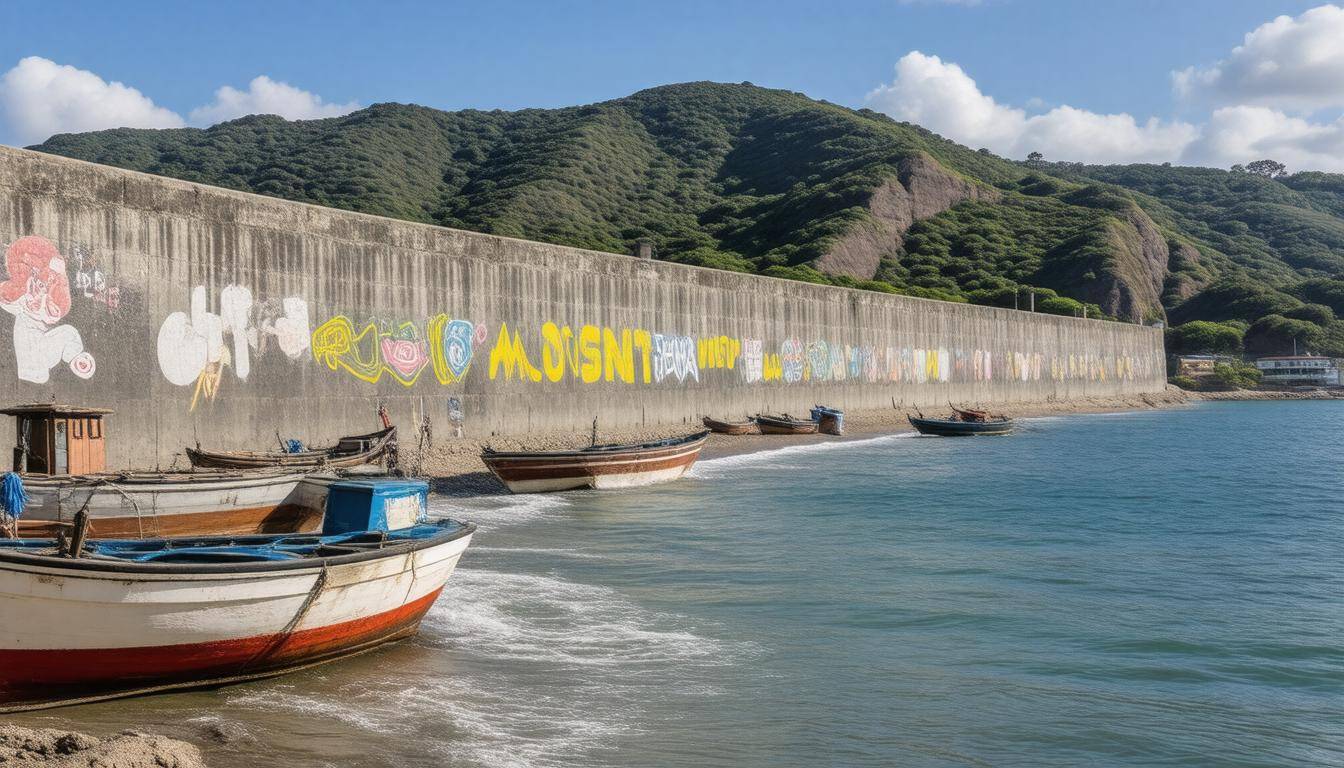
At the heart of the Chilean Coastal Tsunami Defense Plan lies a strategic approach that prioritizes at-risk areas along its coastline. Focusing on locations like Valparaíso and Concepción, this initiative allocates resources efficiently to protect communities most likely to experience tsunami activity. This targeting is essential, as a 2024 survey by the National Emergency Office (ONEMI) revealed that approximately 65% of coastal communities in Chile face vulnerability to tsunami hazards. Addressing these risks with urgency helps ensure that people living in these regions are kept safe and prepared.
Identifying high-risk areas is just one piece of the puzzle; to enhance safety measures, the integration of advanced technology plays a pivotal role.
Incorporation of Advanced Technology
The plan harnesses cutting-edge seismic and oceanographic technologies designed for real-time monitoring of potential tsunami threats. Notably, DART (Deep-ocean Assessment and Reporting of Tsunamis) buoys and tide gauges have been strategically deployed along the coastline. These systems work tirelessly to gather data on seismic activity and tidal patterns. When an earthquake triggers a risk for a tsunami, these tools provide immediate alerts, offering precious time for coastal residents to evacuate before waves strike. Imagine feeling a tremor beneath your feet; knowing that your alerting system has detected irregularities could mean the difference between safety and disaster.
Clear communication is also vital in keeping communities informed during emergencies, thus enhancing their response effectiveness.
Promoting effective communication can save lives during critical situations. That’s why public education campaigns play an instrumental role within this defense plan. Each year, significant funding—approximately $2 million—is invested into teaching communities about tsunami risks and safety protocols. This education empowers local residents with knowledge about what steps they need to take during emergencies. Just think—if children in schools learn about evacuation routes today, they will educate their families tomorrow, creating an informed community that stands ready when disaster strikes.
Essential to this comprehensive plan is regular practice; simply knowing what to do isn’t enough without proper drills.
Community Drills and Preparedness
The importance of community participation cannot be overstated. Annually, over 1 million Chileans actively engage in tsunami preparedness drills designed to mimic real-life scenarios. These drills transform abstract knowledge into practiced actions, ensuring that residents respond swiftly and calmly in emergencies. Such preparation not only builds individual confidence but also fosters a collective readiness among communities facing potential threats.
With robust training and community engagement established, we now explore how engineering advancements play a critical role in bolstering defenses against future disasters.
Engineering and Infrastructure Enhancements
Building resilient infrastructure capable of withstanding tsunami forces is a cornerstone of the defense plan. This ensures not only the protection of residents but also the functionality of essential services during emergencies. The heart of this initiative is encapsulated in modernized building codes that mandate tsunami-resistant designs across various public structures. These regulations were significantly influenced by lessons learned from past disasters, particularly after the 2010 earthquake and tsunami that devastated parts of Chile.
Tsunami-Safe Buildings
New building codes dictate that all new constructions, especially public facilities such as schools and hospitals, must follow stringent guidelines to enhance resilience against potential tidal waves. Key components of these codes include:
-
Elevated Foundations: Structures are now required to be built on elevated land or equipped with vertical evacuation options that allow occupants to move up safely during an emergency.
-
Reinforced Materials: Use of stronger materials that can withstand extreme water pressure and impact forces is mandatory for critical buildings.
-
Strategic Location: New facilities must be positioned away from densely populated low-lying areas prone to flooding.
For instance, consider the impressive transformation seen in the reconstruction of the Valparaíso General Hospital, which now boasts vital tsunami-resistant features. This proactive measure enhances safety for patients and assures families that their loved ones will have access to crucial medical services in times of crisis.
Reinforced Escape Routes
In tandem with building safety, it’s essential to ensure that escape routes are equally fortified. Coastal cities are reinforcing evacuation pathways with clear and durable signage, making them easily recognizable during stressful situations when every second counts. It’s not just about having roads available; it’s about ensuring they’re designed for accessibility and free from potential blockages or hazards.
In 2023 alone, over 100 kilometers of roads underwent upgrades to facilitate faster and safer evacuations. These improvements don’t merely function as physical pathways but serve as lifelines connecting people to safety during emergencies.
As these advancements unfold, it’s clear that a comprehensive approach intertwining infrastructure improvement, community education, and effective communication builds enhanced safety against tsunami threats. Now, we turn our attention to the systems designed to warn communities before disaster strikes.
Early Warning Systems
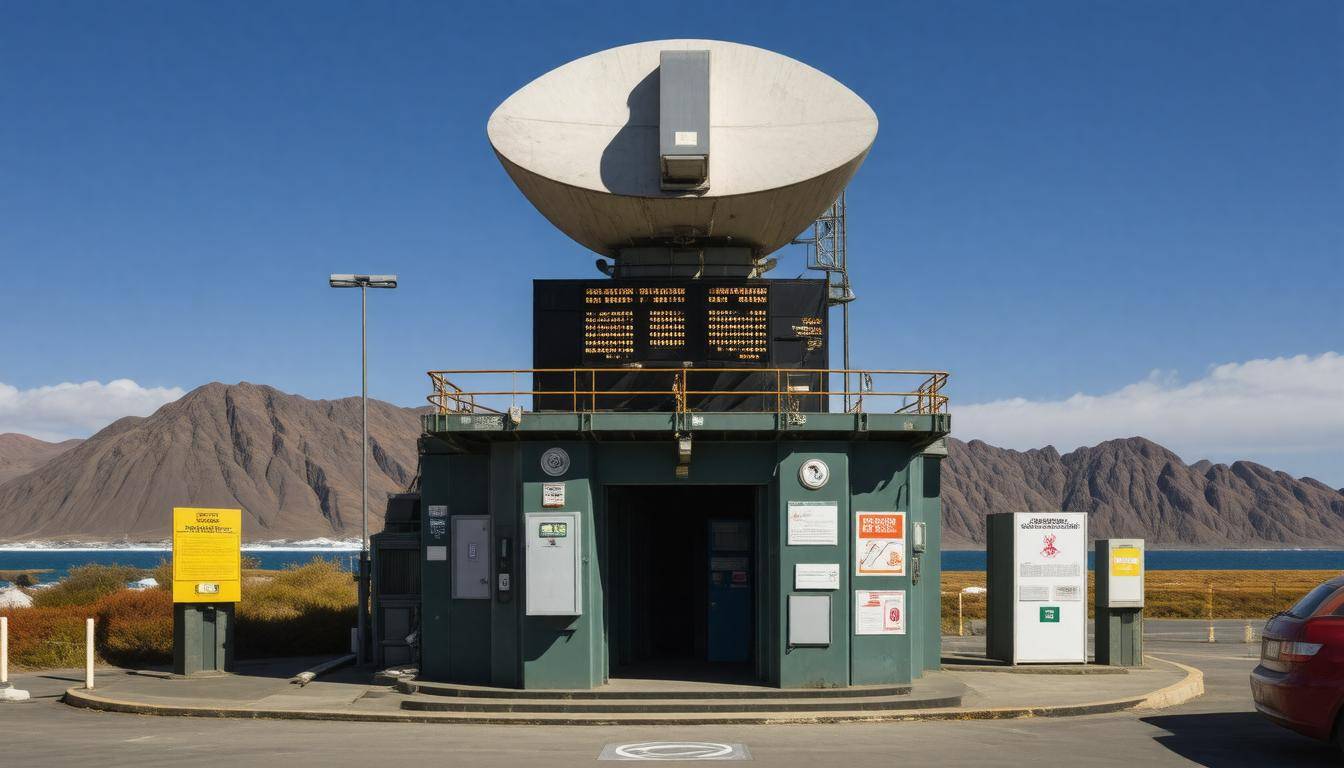
Effective early warning systems not only serve to alert coastal communities about imminent tsunami threats, but they also play a vital role in saving lives. In Chile, the early warning system harnesses advanced technology to process seismic data quickly, enabling swift responses when undersea earthquakes occur. This rapid processing is paramount because, as we know, every second counts when a tsunami may be on its way.
Utilization of Seismic Data
The cornerstone of Chile’s early warning initiative lies in monitoring seismic activity in real-time. Using sensor networks installed across the country, they can detect ground shaking from undersea quakes within moments. The newly implemented G-FAST system is a game-changer in this regard, providing estimates of earthquake magnitude just 40 to 60 seconds after an event. What was once a daunting wait for information has been transformed into a nearly instantaneous alert system.
This advancement means that when an earthquake strikes, communities can be warned almost immediately, allowing for timely evacuations that could potentially save thousands of lives.
To illustrate the impact of these advancements, consider the following comparison of tsunami warning response times before and after improvements in infrastructure:
| Region | Pre-2010 Response Time | Post-2023 Response Time |
|---|---|---|
| Valparaíso | 30 minutes | 8 minutes |
| Concepción | 25 minutes | 6 minutes |
| Iquique | 40 minutes | 10 minutes |
As reflected in this table, major improvements have been made over time. The response times have dramatically decreased, signifying enhanced operational capabilities within the system. With reduced evacuation times, citizens are given a better chance to reach safety before disaster strikes.
While advanced technologies like G-FAST significantly enhance response efforts, complementary strategies focusing on community engagement will further strengthen overall preparedness and resilience against tsunami threats.
Monitoring and Detection Technologies
Advanced monitoring systems form the backbone of Chile’s tsunami defense plan. The country has strategically installed an extensive network of seismic sensors and satellite-based monitoring tools that work in tandem to detect seismic activity. This level of readiness is essential, especially considering Chile’s geographical positioning along the Pacific Ring of Fire, making it particularly susceptible to earthquakes and subsequent tsunamis.
As of 2025, a report highlights that nearly 150 new high-sensitivity seismic sensors were deployed over just five years, enhancing the reach and capability of these monitoring networks significantly. Each sensor contributes detailed information about underground tremors that could portend a tsunami, effectively providing real-time data that authorities can act upon swiftly.
While some skeptics question the necessity of such high investments in monitoring technology, it’s crucial to weigh this against the potential reduction of loss of life and property. Every dollar spent on these advanced systems plays a vital role in saving lives during natural disasters, far outweighing initial costs.
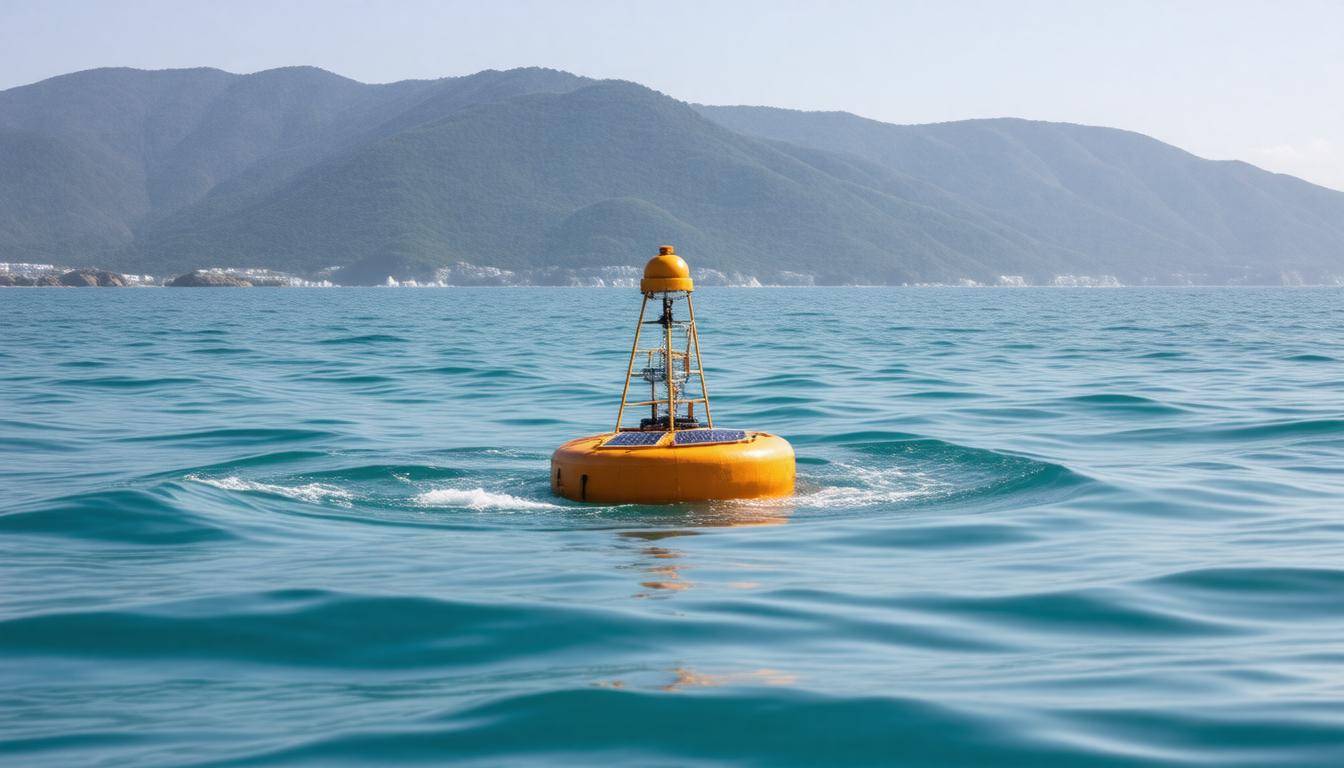
Beyond seismic sensors, Chile also utilizes satellite-based technology, which expands its detection capabilities even further. By analyzing data from multiple sources—including ocean buoys that monitor changes in water levels—emergency services can receive updates on growing threats almost instantaneously. Imagine a buoy picking up on unusual wave patterns off the coast; this data gets relayed back to authorities who can then send out alerts, giving communities precious minutes to evacuate.
Implementing regular tests and maintenance checks for these systems ensures they remain functional when needed most. It’s not just installation that’s important but ongoing vigilance.
Moreover, organizations like CTBTO (Comprehensive Nuclear-Test-Ban Treaty Organization) play a vital role in supporting these technologies with their comprehensive monitoring techniques. They employ various methodologies including seismic, hydroacoustic, and radionuclide measurements to validate tsunami warnings. Their involvement reinforces the integrity of warning systems by ensuring everyone from local governments to emergency personnel can trust the data provided.
To further bolster public safety awareness around tsunamis, regular training sessions focusing on response protocols are announced at stakeholder conferences. These sessions ensure community members know what steps to take after receiving alerts—a critical link in the chain that connects technology with effective human response.
With these robust monitoring systems in place, it’s equally important to focus on how communities understand and respond to the threats posed by tsunamis. Through education and preparedness initiatives, we can build a more resilient society ready to face impending challenges.
Public Education and Training Programs
Educating the public about tsunami safety is not just an initiative; it’s a lifesaving endeavor. By implementing comprehensive education campaigns, communities are actively prepared for what could be a terrifying experience. This education goes beyond simple pamphlets—it involves practical drills that cover evacuation routes, safety protocols, and how to remain calm during an emergency.
Training sessions often simulate real-life tsunami scenarios, allowing community members to practice their responses in a controlled environment. For instance, local governments may organize drills in schools or community centers where residents can role-play evacuation routes, ensuring everyone knows how to respond should a warning be issued. The hands-on experience reinforces learning and helps embed the procedures into muscle memory. After all, in an emergency, instinct takes over; so familiarity can make all the difference.
Maria González, a resident of Valparaíso, shared her sentiments on this matter: “After attending the training, I feel more confident in my family’s ability to react quickly and safely during a tsunami warning.” Her testimony exemplifies the increased confidence that comes from structured training programs. When individuals understand what to do, they can also assist others in their community—transforming personal safety into communal strength.
Since the rollout of these educational initiatives in 2023, public knowledge about tsunami risks has notably increased by 40%. These statistics illuminate the need for ongoing outreach efforts. When people begin to understand the concrete actions they can take—such as knowing their nearest evacuation point or identifying the safest routes—they become empowered rather than paralyzed by fear.
Studies show that community preparedness directly correlates with reduced casualty rates during disasters. Therefore, investing time and resources into regular training programs ensures that local populations not only stay informed but also build resilience against potential tsunamis. As communities participate in these programs consistently, we foster a collective sense of readiness that can indeed save lives.
With this emphasis on education and preparedness firmly established, the next crucial step is understanding how to effectively plan for safe evacuations when disaster strikes.
Evacuation Planning
Practical evacuation plans are essential for navigating the challenges posed by natural disasters like tsunamis. They aren’t just documents tucked away in a drawer; they are lifelines for entire communities. The key to an effective plan lies in three primary steps: mapping safe zones, conducting timing drills, and establishing assistance programs. Each of these elements serves its purpose in promoting safety and preparedness.
Mapping Safe Zones
The first step involves mapping safe zones where residents can gather during an emergency. This means creating detailed evacuation maps that highlight accessible routes and clearly marked assembly points in each coastal town. Imagine living in a community where one moment life is normal, and suddenly sirens wail. Having an escape route mapped out not only provides peace of mind but also empowers individuals to act quickly, facilitating smoother evacuations. Local authorities conduct thorough assessments so that every marked zone can accommodate large groups of people safely.
Once the maps are in place, the next vital aspect combines education with practice.
Timing Drills
Regular timing drills help ensure that communities are prepared irrespective of when a tsunami may strike. These drills aren’t merely about practicing running; they simulate the real-world challenges people might face under varying conditions throughout the day and night. For instance, communities regularly schedule drills at different times to assess readiness levels.
In 2024, a nighttime drill conducted in Concepción tested the community’s response during less-than-ideal situations, reminding everyone that disasters don’t follow a convenient schedule.
This approach does not just build muscle memory; it cultivates awareness among residents while instilling confidence in their ability to respond effectively when disaster strikes.
However, we cannot overlook that some members of our communities face unique challenges and need extra support.
Assistance Programs
Establishing assistance programs is crucial for supporting vulnerable populations, including seniors, disabled individuals, or anyone who may have difficulties during an evacuation. This initiative ensures no one is left behind during a crisis. Municipalities collaborate with local social services to provide resources such as transport options tailored specifically for those who may struggle with mobility or who might require additional time to prepare.
Families can feel reassured knowing help is available for those who need it most, facilitating a well-rounded evacuation plan that addresses the diverse needs of community members when unexpected emergencies arise.
As we explore how these components work together, it becomes clear that practical actions and support systems are critical for crafting effective strategies going forward.
Community Participation in Drills
Regular community drills are essential for tsunami preparedness. By actively engaging residents, these drills foster awareness and equip them with critical knowledge and skills necessary for survival during an emergency. The impressive statistic that over 150,000 residents participated in nationwide tsunami drills as of 2024 speaks volumes about the growing recognition of this importance. This surge in participation indicates a community that is not just passive but deeply invested in its safety.
These drills do more than create panic; they simulate real-life scenarios that can happen during a tsunami. Participants encounter challenges like road blockages and power outages, which can occur during such disasters. For instance, imagine being caught off guard during a real tsunami event without any knowledge of evacuation routes or the procedures to follow. Furthermore, it’s in these practice scenarios that communities develop the muscle memory needed to react quickly and effectively under pressure.
“Participating in these drills has made us more alert and responsive,” says Juan Perez, a fisherman from Iquique. Such testimonials underline the human aspect—the stories of those who have faced the ocean’s fury. Their insights reveal how practical experiences empower individuals to make informed decisions when every second counts.
Beyond immediate responses, these drills help build a sense of camaraderie among community members.
When people come together to prepare for a potential disaster, they’re not just practicing movements or memorizing plans; they’re forming connections. These bonds can serve as emotional anchors when fear sets in during an actual event. Neighbors learn to rely on one another, creating a support system that strengthens the overall resilience of the community.
Equipping residents with knowledge through these simulations has shown promise; informed communities experience up to a 50% decrease in casualties during natural disasters compared to those unprepared. This staggering figure emphasizes the importance of regular engagement and education among residents.
Therefore, local institutions must continue prioritizing community participation in tsunami drills. They should not only work to enhance their frequency but also ensure they remain inclusive and accessible. Incorporating feedback from participants after each drill can provide valuable insights for improvement, ultimately making future exercises even more effective.
As we consider the impact of these grassroots efforts, it becomes evident that collaboration at larger scales is also crucial for enhancing safety measures and responsiveness in times of crisis.
International Collaborations for Improved Safety
Chile’s geographical position along the Pacific Ring of Fire makes it particularly susceptible to seismic activity and tsunamis. To counter these threats, international collaborations play a crucial role in enhancing safety measures. The partnerships that Chile has established with various entities, such as the United Nations Office for Disaster Risk Reduction (UNDRR) and neighboring countries along the Pacific, not only fortify local defenses but also create a wealth of shared knowledge and resources.
One notable partnership is with Japan, a country that has a long history of dealing with tsunamis. Through joint projects, valuable technology innovations have been shared between these nations. For instance, advancements in tsunami monitoring systems have emerged from this collaboration, enabling Chile to better predict and respond to potential events. These improvements are essential because they help ensure timely warnings are issued to coastal communities, which is vital for saving lives during an emergency.
The power of collaboration lies in its capacity to bring expertise where it’s needed most. As a result, local communities benefit greatly from the exchange of practices tailored to their unique challenges.
But it’s not just about technology; education forms a cornerstone of these international efforts. Training programs facilitated through cooperation give local emergency services access to cutting-edge training techniques. Consider how this training equips first responders with strategies that are informed by lessons learned from previous disasters in other countries. This creates a knowledgeable workforce capable of efficiently handling crises when they arise.
In addition to technical expertise and training, these partnerships also lead to funding opportunities, which bolster local preparedness initiatives. More resources mean that communities can enhance their infrastructure and improve their evacuation routes, ensuring that residents know exactly what to do should an emergency occur.
Ultimately, these collaborative efforts not only position Chile as a leader in tsunami preparedness but also foster resilience within communities up and down its coastline. These proactive measures protect physical structures and instill confidence among residents in their ability to face natural threats head-on. Regular engagement with international experts ensures that Chile remains vigilant and adaptable in its approach to disaster risk reduction.
As we explore the strategies employed by Chile’s Coastal Tsunami Defense Plan, it becomes clear that global relationships are invaluable assets—portending a future where safety becomes an integrated part of life along the coast.
In essence, these partnerships exemplify how sharing expertise and resources can significantly improve safety for vulnerable communities while setting an international standard for disaster preparedness.