
Climate change isn’t just a distant problem; it’s here, and it’s altering the way we think about emergencies in our communities. More severe storms, flooded streets, and overwhelming wildfires are becoming regular headlines, not rare events. Our local response systems—the very backbone of safety during crises—are being stretched thin under the pressure of these escalating disasters. From understanding the impact of heavy rainfall on our infrastructure to grasping how wildfires can threaten homes, it’s important for communities to take proactive steps in preparing for what’s next. This article dives into how climate change is reshaping local emergencies and emphasizes the urgent need for improved community readiness and collaboration among emergency services.
Climate change significantly affects local emergencies by increasing the frequency and severity of extreme weather events, such as hurricanes, floods, and wildfires, which can overwhelm existing emergency response systems. Additionally, it exacerbates public health crises through indirect factors like food insecurity and mental health issues, ultimately necessitating improved community preparedness and collaboration among emergency services to effectively manage these challenges.
Increasing Frequency of Local Disasters
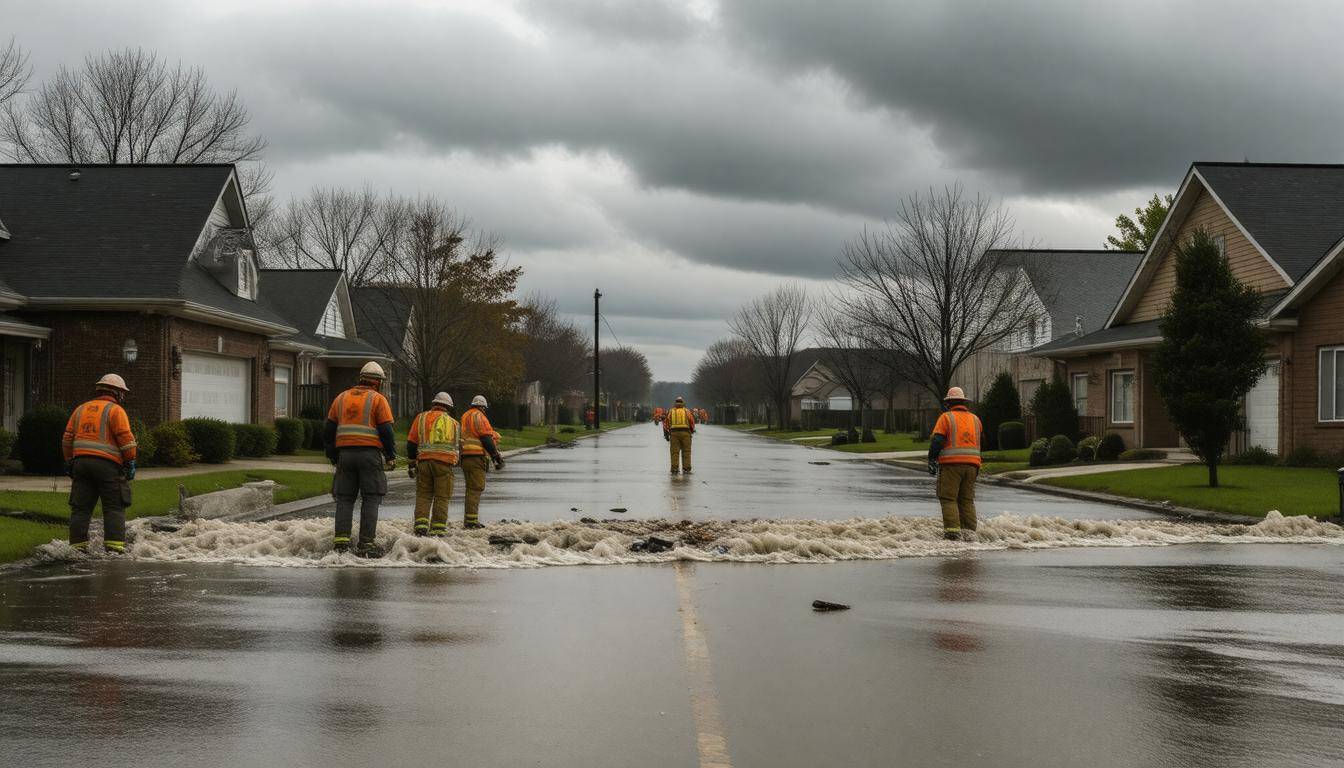
Disasters such as wildfires, hurricanes, and floods are increasingly becoming a part of daily conversations in many communities. This is not just anecdotal; the statistics bear witness to this troubling trend.
For instance, the number of weather-related disasters in the United States surged by a staggering 300% from 1980 to 2020, leaping from about 30 events per year to over 120. Imagine living where once you occasionally heard whispers of flooding or minor storms, only to find out those whispers have transformed into alarming patterns of destruction every few weeks.
According to the National Oceanic and Atmospheric Administration (NOAA), the average annual cost of weather and climate disasters soared from five billion-dollar incidents in the 1980s to twenty-two in the 2010s. That’s a significant burden for any community, both emotionally and financially.
Experts emphasize that the likelihood of extreme heat events alone has increased two to three times in various regions because of ongoing climate change.
These changes are not only impacting our current state of affairs but also paint a worrisome picture for the future. As we see heatwaves intensifying and hurricanes gaining strength—like the dramatic rise in Category 4 and 5 hurricanes doubling over recent years—community vulnerability grows exponentially.
In Hawaii, for example, climate change poses a heightened risk due to warmer ocean waters leading to more severe storms capable of catastrophic impacts.
The reality is that many local infrastructures are unprepared for such disasters. Oahu’s wooden homes, numbering around 187,000, are at explicit risk due to their susceptibility to hurricane damage. With only thirty-eight shelters designed primarily for Category 1 storms, it leaves an enormous gap when stronger categories approach. The dire situation calls for urgent improvements in infrastructure as natural disasters become ingrained in our future landscape.
To add fuel to the fire, food supply chains are also vulnerable during these emergencies—Hawaii relies on imports for a staggering 95% of its food supply. It takes mere port disruptions caused by hurricanes to cascade into crises of food insecurity within just a few days. The interconnectedness of disasters makes each local event potentially more significant than anyone might realize.
Recognizing these patterns necessitates action not only at the individual level but also collectively within communities working towards resilience and readiness for potential calamities ahead.
Extreme Weather Impacts
Step I – Hurricanes
Hurricanes represent one of the most dramatic manifestations of changing climatic conditions. As ocean temperatures rise, they feed storms, making them more intense and detrimental to coastal communities. According to the National Oceanic and Atmospheric Administration (NOAA), the number of Category 4 and 5 hurricanes worldwide has nearly doubled since the 1970s. This spike indicates an increase in hurricane strength and stark implications for community preparedness and infrastructure resilience.
The ferocity of these storms can devastate lives, livelihoods, and vital structures, including homes and emergency services.
The aftermath often reveals critical vulnerabilities in urban ecosystems, such as insufficient shelter space to accommodate those displaced by rising winds and flooding. As communities assess their readiness for these intensified threats, proactive measures can significantly enhance safety.
Step II – Floods
The shadow of hurricanes all but guarantees that floods follow close behind.
Flooding has become an all-too-common occurrence across regions that once experienced mild rainfall events. Recent data from the American Meteorological Society shows a 55% rise in heavy rainfall events since the 1990s. Urban environments are particularly vulnerable due to their concrete surfaces which prevent water absorption, making flooding not just more frequent but also more severe.
In terms of financial implications, communities caught off-guard by sudden torrential rains often face extensive mitigation efforts—think building expensive drainage systems or reinforcing sewer infrastructure to cope with increased water volumes. For those already lacking adequate resources for recovery, this threat becomes even more pressing.
It’s essential for residents to educate themselves about how flooding risks pertain specifically to their locations—especially if they live in low-lying areas prone to inundation.
Step III – Heatwaves
But it’s important to note that not only water-related disasters plague our communities; heatwaves are likewise emerging as critical climate concerns.
Heatwaves today are relentless, longer-lasting, and increasing in intensity. A study by the Union of Concerned Scientists anticipates that by 2050, many U.S cities could experience four times the average number of days with temperatures exceeding 100°F. Such staggering numbers shouldn’t just invoke discomfort; they carry severe public health ramifications.
Prolonged high temperatures strain healthcare systems as heat-related illnesses surge and energy consumption skyrockets due to air conditioning demands. Simultaneously, agricultural practices suffer—extreme heat levels exacerbate drought conditions leading to crop losses and food insecurity.
Communities need to actively prepare for prolonged heat events through education on available cooling resources and assistance programs.
Understanding these extreme weather developments equips communities with invaluable knowledge—knowledge that may make the difference between resilience and vulnerability during critical emergencies posed by our turbulent climate.
As we consider the challenges posed by these extreme weather events, it’s crucial to recognize the strains they place on local emergency services as well.
Resource Strains on Emergency Services
Climate change-induced disasters stretch emergency services to their limits, impacting their resources significantly. As communities face more severe weather events, the demand for immediate assistance skyrockets. An analysis by the Federal Emergency Management Agency (FEMA) reveals a staggering 200% increase in disaster-related calls for emergency services over the last two decades. This surge places immense pressure on already strained resources, resulting in diminished capacity to respond effectively when crises arise.
This compounding pressure can create a domino effect. When firefighters, paramedics, and other emergency personnel are overwhelmed by increased demands, it leads to longer response times and less thorough preparedness for subsequent emergencies. In peak disaster periods, such as after hurricanes or wildfires, local agencies often scramble to mobilize sufficient manpower and equipment. Resources that could have been used for proactive strategies end up being shifted towards reactive measures, decreasing overall community safety.
As Chief Tom Jenkins, President of the International Association of Fire Chiefs poignantly states, “Our emergency response capabilities are being tested like never before. We need more support to keep up with the growing demand.” This statement encapsulates a reality facing many communities: despite heroic efforts from dedicated professionals, their tools often fall short under the weight of relentless environmental challenges.
The effects ripple throughout the healthcare system too. Hospitals and medical facilities may experience surges in patient loads due to injuries sustained during disasters, exacerbating existing strains on medical resources. According to reports from FEMA, 70% of local emergency management agencies felt resource shortages during major disasters in 2021—indicating a real need for systemic reform and better allocation of funds.
Addressing Resource Strains
To build resilience against these pressures, proactive measures must be taken. Communities can benefit immensely from enhanced training programs aimed at improving existing infrastructure, ensuring that emergency personnel are well-prepared for large-scale events. Strategies include investing in surge capacity, which refers to the ability of healthcare services to manage unexpected spikes in patient volume effectively.
Strengthening collaborations between local governments and emergency agencies ensures that protocols are established regarding resource sharing during emergencies. Furthermore, advocacy for increased funding at state and federal levels can help bolster capacities within these organizations, allowing them to serve their communities effectively.
As we navigate these challenges, it’s crucial to recognize how infrastructure plays a pivotal role in supporting emergency services amidst a changing climate. Let’s explore how these developments impact community readiness and safety measures moving forward.
Infrastructure Challenges
Across the United States, the aging infrastructure is a critical concern. Many systems that we rely on daily—roads, bridges, water supply networks—are showing their age and are inadequately equipped to handle the more frequent and intense impacts of climate change.
On top of this, the infrastructure isn’t just outdated; it was never designed with today’s extreme weather patterns in mind. Every day, cities experience flooding from heavy rains, yet many stormwater systems were built decades ago and can no longer cope with the volume of water that falls.
Research indicates that nearly 40% of urban areas face significant risks from flooding due to inadequate drainage systems. This precarious situation places enormous stress on local emergency services during crises when their resources are already stretched thin. The American Society of Civil Engineers (ASCE), in its 2021 report, also indicated that many cities may be facing an infrastructure investment deficit of approximately $2.59 trillion over the next decade just to address existing vulnerabilities.
It’s disheartening to see how infrastructure meant to safeguard our communities is crumbling under pressures that it was never intended to withstand.
Consider Oahu’s predicament as a fitting example: its fragile wooden homes are particularly vulnerable to hurricane damage—over 187,000 homes at risk—and with only 38 designated shelters available that can accommodate around 100,000 people, there exists a significant gap between needs and available safety solutions.
This mismatch gains weight when you comprehend that in times of crisis, local families might have nowhere safe to turn if robust emergency management isn’t in place.
To mitigate these infrastructure weaknesses effectively, communities must implement proactive measures aimed at strengthening resilience against climate threats.
Enhancing resilience begins with recognizing vulnerabilities within community infrastructures and taking action before disaster strikes. For instance, retrofitting homes to withstand fierce winds through hurricane clips and fortifying windows not only protects individual properties but collectively strengthens neighborhoods.
Additionally, integrating green spaces into urban planning can serve as natural buffers against floods while also improving air quality—a win-win for community well-being.
Engaging communities in preparedness initiatives is vital:
- Encourage local residents to participate in building assessments and disaster readiness training.
- Facilitate regular dialogues among policymakers, engineers, and community advocates regarding infrastructure status and optimal enhancements.
- Explore funding opportunities for infrastructure projects focused on climate resilience.
Through these efforts, localities will not only bolster their defenses against extreme weather but also enhance the overall health and safety of their populations as they navigate the complexities posed by relentless climate change.
As we shift our focus now towards methods of enhancing community capabilities in the face of various challenges, understanding how we can implement effective strategies will become paramount.
Community Resilience Strategies
Communities are adopting a mosaic of strategies designed to enhance resilience against climate-induced emergencies, and these efforts can make all the difference when disaster strikes. One foundational step is the implementation of early warning systems that alert residents to impending threats, whether it’s severe weather or other environmental crises. This preemptive measure not only allows families to prepare but also saves lives by facilitating timely evacuations.
Education stands as another pillar for community resilience. Building programs that teach people about emergency preparedness empowers everyone to act decisively in moments of crisis. For example, Miami’s Resilient305 Strategy has made significant strides by integrating measures like enhanced stormwater management systems alongside robust community outreach programs. These initiatives ensure that residents not only receive alerts but also understand how to respond effectively when the need arises.
Take, for instance, community-based disaster preparedness groups, which serve as a crucial support network during emergencies. By fostering collaboration among neighbors, these groups can help coordinate response efforts and share valuable resources. They cultivate a culture of readiness that can yield incredibly positive outcomes during disasters. Research demonstrates that strengthening local networks plays a critical role in survival and recovery.
A compelling study conducted by the National Institute of Building Sciences highlights this point; every dollar spent on mitigation efforts can save as much as $6 in response and recovery costs. This powerful statistic underscores the economic value of investing in community resilience and proactive strategies—an essential consideration for local governments when allocating budgets.
As we explore further, it becomes evident that enhancing our communities requires not just immediate action but long-term strategic thinking about their evolution in response to climate challenges. This leads us to consider the necessary adjustments needed within policy frameworks to better address these pressing issues.
Climate Policy Adaptations
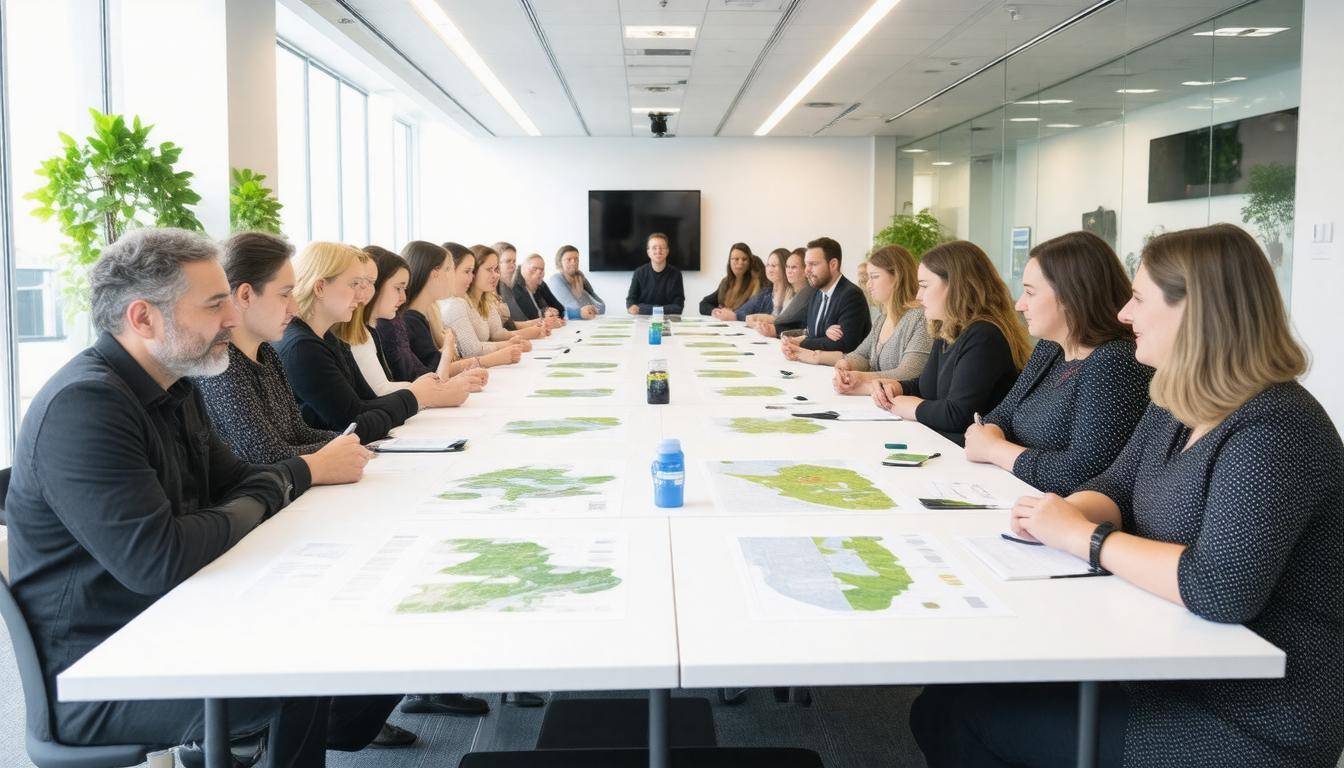
Adapting climate policy is crucial for managing the increasing risks associated with climate change, especially regarding local emergencies. As weather patterns shift and events become more extreme, traditional emergency preparedness methods might no longer suffice.
For instance, consider the ongoing risk of hurricanes in places like Hawaii, where warmer ocean temperatures lead to stronger storms; it’s clear that our infrastructure must be robust enough to handle these changes. This is where enhancing building codes comes into play, ensuring that new constructions can withstand the unpredictable forces of nature. Stronger regulations not only protect structures but also safeguard communities, reducing the chances of catastrophic failures when disasters strike.
Investing in resilient infrastructure is another pivotal aspect of effective climate policy adaptation. Imagine a community where roads are designed to manage storm surges and buildings are elevated to avoid flooding; this is not merely a dream but a necessity in areas vulnerable to severe weather. Infrastructure doesn’t just mean roads and bridges; it encompasses everything from power lines to water systems. By prioritizing upgrades to these systems, communities can enhance their capacity to weather storms and maintain critical services during crises.
Additionally, fostering inter-agency coordination is essential for a comprehensive response to climate-related emergencies. When agencies work together seamlessly, they can share resources and knowledge, resulting in more effective disaster relief efforts. Drawing inspiration from the European Union’s Climate Adaptation Strategy can guide us toward developing national adaptation plans tailored to regional needs, strengthening response capabilities across various sectors.
Here are key components to foster proactive climate policy adaptations:
-
Enhancing Building Codes: Ensure all new structures meet or exceed standards designed for extreme weather conditions.
-
Investing in Resilient Infrastructure: Upgrade existing facilities such as water treatment plants and power grids to withstand natural disasters.
-
Encouraging Inter-Agency Coordination: Develop communication channels and collaborative frameworks among emergency management, public health agencies, and local governments.
In the United States, integrating climate risk assessments into urban planning is vital for continued safety and preparedness. Cities must consider potential climate impacts when deciding on zoning laws or expanding infrastructure. This foresight helps mitigate the consequences of climate change and creates safer living environments.
These adapted policies not only prepare communities for impending threats but also inspire confidence among residents that their well-being is prioritized amidst changing environmental conditions.
As we explore practical actions that can be taken at local levels, we begin to see how communities are implementing strategies to address these challenges head-on.
Mitigation Efforts in Action
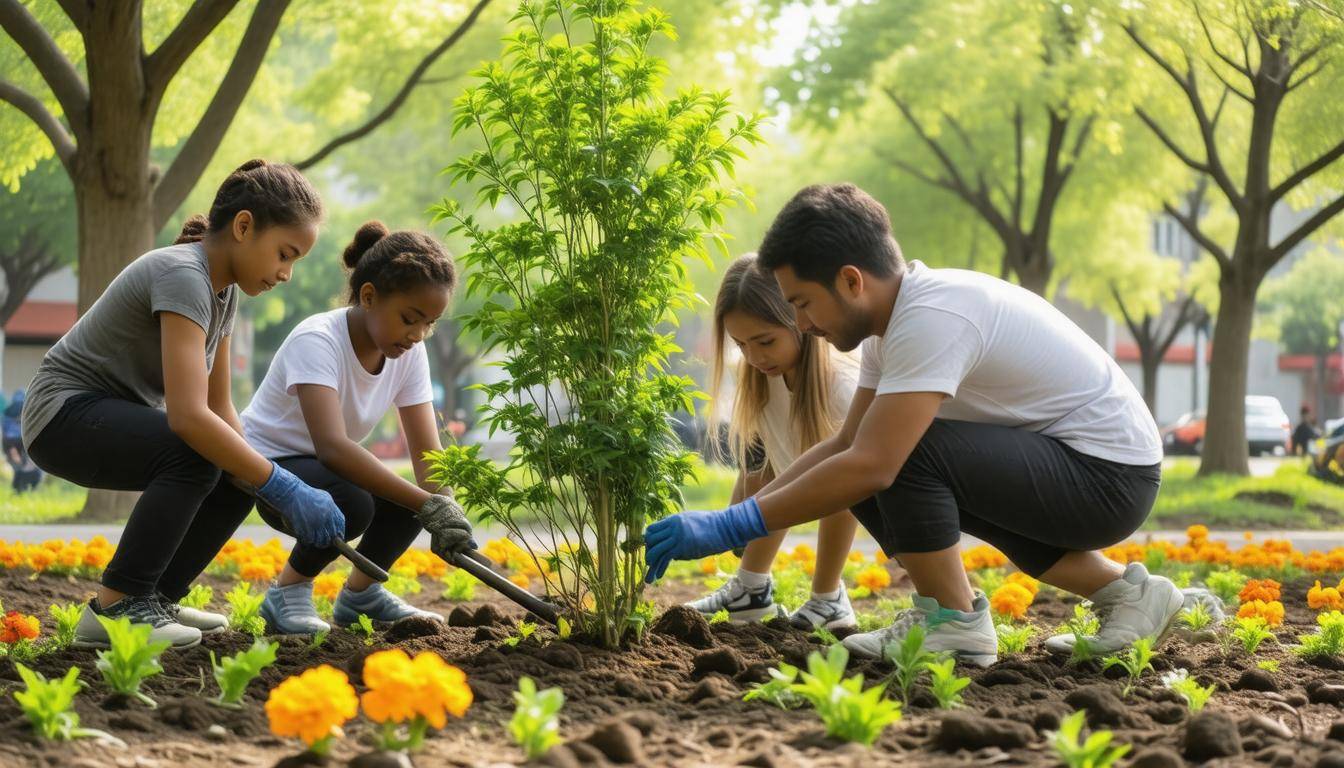
Many cities are taking proactive steps to address the impacts of climate change through effective mitigation strategies.
Take New York City, for example; the OneNYC initiative is a powerful testament to how urban areas can adapt and thrive in the face of environmental challenges. This ambitious strategy focuses on planting millions of trees, enhancing green spaces, and implementing smart stormwater management systems. These actions not only aim to combat urban heat islands but also play a significant role in alleviating flood risks, making communities more resilient overall.
Communities can look into local programs similar to OneNYC as a model for launching their own initiatives. Encouraging the use of renewable energy sources—like solar panels or wind turbines—can dramatically reduce greenhouse gas emissions. Transitioning towards cleaner energy options aids in long-term climate stability and promotes an eco-friendlier existence for everyone.
Ultimately, these collective efforts benefit not just the planet but also enhance the quality of life for residents. Cleaner air from increased greenery means fewer respiratory issues and improved public health. Furthermore, community members often find renewed pride and ownership over their environment when they see tangible changes happening around them.
In addition to improving physical surroundings, these mitigation strategies foster collaboration among various sectors. Governments can work alongside businesses and residents to establish sustainable practices that harmonize with infrastructure improvements. For instance, workshops educating homeowners about energy efficiency can result in widespread awareness and practice of sustainability measures, directly influencing energy consumption patterns in the community.
With these efforts laying a solid foundation, it’s essential to consider how ongoing environmental shifts inform our understanding of adaptation strategies moving forward.
Long-Term Environmental Changes
The changes caused by climate change are not just fleeting; they reshape ecosystems and communities permanently. For example, the staggering statistic from the Intergovernmental Panel on Climate Change (IPCC) indicates that global temperatures could rise by 2.5 to 10 degrees Fahrenheit over the next century. Such increases in temperature have far-reaching consequences across multiple sectors, affecting everything from agriculture to public health.
With warmer conditions, we’re witnessing an increase in the frequency and severity of weather events, which leads to a higher incidence of local emergencies. As storms like hurricanes become more intense, communities find themselves grappling with the aftermath—flooding, infrastructure damage, and medical emergencies escalate as resources become strained.
The repercussions extend beyond immediate impacts; think of it like a pebble dropped in a pond—the ripples touch everything around it.
Rising sea levels threaten coastal communities, making them more vulnerable to flooding and storm surges. Imagine standing on a beach where your childhood memories are etched into the sand—now visualize that sand eroding away as sea levels climb due to melting polar ice caps. This loss isn’t just physical; it undermines the social and economic fabric of those communities.
Furthermore, agricultural zones are shifting, leading to potential food shortages as farmers struggle to adapt to new growing conditions. Crops that flourish today might wither under tomorrow’s heat or lack of water. These changes require immediate attention as they threaten food security for millions—something we often take for granted until it’s too late.
Biodiversity also faces a grim future; species extinction rates are setting new records as habitats are disrupted by changing climates. Losing biodiversity means losing ecosystem resilience—the very mechanisms that allow nature to self-regulate and support life.
Therefore, it is vital that we invest wisely in protecting our environment now more than ever. Strategies such as safeguarding wetlands and reforesting areas can create natural barriers against flooding while enhancing carbon sequestration—that’s nature’s way of fighting back against climate change.
By understanding these long-term environmental shifts, we can better equip ourselves with adaptable strategies for whatever challenges lie ahead, ultimately improving our community’s preparedness against emerging crises.
Overall, harnessing our collective knowledge and action towards climate change impacts is essential for future community resilience. Our choices today will shape the safety and well-being of generations to come.
What role do local governments play in preparing for climate change-related emergencies?
Local governments play a crucial role in preparing for climate change-related emergencies by developing and implementing policies, plans, and infrastructure that enhance community resilience. They are responsible for conducting risk assessments, allocating resources for emergency response training, and fostering public awareness about climate risks. For example, according to the National League of Cities, over 60% of cities have integrated climate action into their emergency management strategies, highlighting the recognition of local governments as key players in safeguarding communities against the impacts of climate change.
What specific types of local emergencies are most affected by climate change?
Climate change significantly affects various local emergencies, particularly natural disasters such as floods, wildfires, and heatwaves. For instance, the increase in global temperatures has led to a greater frequency of extreme weather events. According to a report by the Intergovernmental Panel on Climate Change (IPCC) in 2021, the number of climate-related disasters has tripled over the past 50 years, with flooding and severe storms being some of the most common emergencies faced by communities. These shifts not only strain emergency services but also highlight the need for improved community preparedness as these events are expected to escalate in intensity and occurrence due to ongoing climate change.
How can communities build resilience against climate-induced emergencies?
Communities can build resilience against climate-induced emergencies by investing in infrastructure improvements, enhancing emergency response plans, and fostering local partnerships. For example, cities that have implemented green infrastructure, such as rain gardens and permeable pavements, have seen a reduction in flooding by up to 30%. Additionally, engaging residents through community preparedness training programs increases awareness and improves responsiveness; studies indicate that communities with active preparedness initiatives are 40% more effective in managing emergencies. By combining these strategies, communities can significantly enhance their ability to cope with climate-related challenges.
Are there any successful case studies where communities effectively adapted their emergency response to climate change?
Yes, there are several successful case studies where communities have effectively adapted their emergency response to climate change. For example, New York City implemented the “CoolRoofs” initiative, which includes painting rooftops white to reduce urban heat amidst increasing temperatures and a rise in heatwaves. According to their reports, this initiative can lower rooftop temperatures by up to 60°F, significantly reducing energy consumption and improving public health outcomes. Additionally, communities like Miami have developed comprehensive resilience plans that incorporate features such as elevated infrastructure and improved drainage systems to handle increased flooding events, which are projected to rise by 10-12 inches by 2040 if proactive measures are not taken.
How do changing climate patterns influence emergency response planning at the local level?
Changing climate patterns significantly influence emergency response planning at the local level by increasing the frequency and intensity of extreme weather events, such as floods, hurricanes, and wildfires. For instance, the National Oceanic and Atmospheric Administration (NOAA) reported that in the last decade, climate-related disasters have doubled in occurrence compared to the previous decade. This necessitates a shift in resource allocation, training programs, and infrastructure resilience strategies to enhance community preparedness. Local governments must integrate climate forecasts into their emergency plans to ensure swift and effective responses, ultimately saving lives and reducing economic losses.