
In times of crisis, knowing where to turn for help can make all the difference. Picture this: you’re caught in a sudden storm, your neighbor’s house is smoking from a fire, or someone nearby collapses. Panic sets in, but your ability to act quickly relies on having the right numbers at your fingertips. That’s where the County Emergency Services Directory comes into play. It serves as a vital tool designed to save time and empower folks like you in emergencies with easy access to essential services—like hospitals, fire departments, and police stations. Whether you’re faced with a looming disaster or just want peace of mind, understanding how to utilize this directory could be your key to safety in challenging times. Let’s dive deeper into what this directory encompasses and how you can use it effectively.
To access the County Emergency Services Directory, visit the North Carolina Department of Public Safety (NCDPS) website where you will find a comprehensive list of emergency management agencies along with their contact information. For any inquiries or assistance, you can also reach NCDPS at their contact number 919-710-8885 or explore email options provided on their site for further support.

Directory Overview
At the heart of the resource, the County Emergency Services Directory encompasses essential information that empowers residents to respond quickly during emergencies. Managed by the North Carolina Department of Public Safety (NCDPS), this directory offers a centralized hub where you can find contact details for an array of emergency services.
Imagine you’re facing a crisis—a fire, medical emergency, or law enforcement issue. In these moments, having quick access to the right phone numbers and addresses is crucial, saving you precious time when every second counts.
Essential Services Included
Within the directory, you’ll find contacts for a multitude of essential services, all organized to ensure quick access. This includes dedicated listings for fire departments, police stations, hospitals, and disaster response units.
Think of it as your first-aid kit for information; each entry is akin to having a rescue tool readily available when help is needed most. The comprehensive nature of this resource means that whether it’s pinpointing the nearest hospital after hours or reaching out to local police for immediate assistance, all necessary information is conveniently curated in one place.
Format and Accessibility
As digital accessibility has become increasingly important, the NCDPS ensures that this directory is offered in both online and physical formats. Residents can easily access it through the NCDPS website or request a hard copy to be mailed directly to them—great if you prefer flipping through pages rather than scrolling on a screen.
The physical addresses are also noteworthy; the NCDPS office is located at 512 North Salisbury Street, Raleigh, NC, with correspondence directed to 4201 Mail Service Center, Raleigh, NC 27699-4201. This thoughtful arrangement facilitates both quick online consultations and traditional methods for those who might not have easy internet access.
User Interaction
To maximize functionality and efficiency, users are encouraged to utilize the online directory as it not only provides up-to-date contact information but also hosts interactive features—like options for email communication through the site itself. Engaging with these resources can greatly enhance your preparedness for any situation, confirming that you won’t miss important updates or changes in services available in your area.
When interacting online, keep an eye out for user feedback platforms; these can offer insights into how effective various services are from real people who have utilized them.
Just knowing where to find emergency contacts isn’t sufficient; understanding their specific functions and how they can assist you in times of crisis will better equip residents for potential emergencies. With that clarity in mind, let’s explore how to categorize and prioritize these vital contact numbers effectively.
County Emergency Numbers
County-specific emergency numbers are not merely digits to dial; they are lifelines that connect you to vital services in your community. The most recognized of these is, of course, 911, which serves as the go-to number for immediate police, fire, or medical emergencies. However, it’s essential to understand that this isn’t the only number you might need. Being informed about additional local emergency contacts can greatly enhance your ability to address various situations more efficiently.
For instance, consider 311. This number connects callers to non-emergency police services. Imagine you’ve witnessed a minor accident or perhaps have an issue that doesn’t require swarming sirens but still necessitates attention—like a neighbor’s loud party on a Tuesday night. By utilizing 311, you’re redirecting resources away from 911 and ensuring dispatchers can focus on serious emergencies.
Common Emergency Numbers
- 911: For immediate police, fire, or medical emergencies.
- 311: Non-emergency police services, such as noise complaints or minor accidents.
- 211: Community services like housing and shelter information.
- 511: Transportation and traffic updates.
It’s also worth noting 211, another crucial service that provides access to information about community resources including housing, food assistance, and shelter options. In times of crisis—especially economic ones—this number can be a beacon of hope for those desperately seeking assistance.
Another essential number is 511, particularly useful if you’re trying to navigate your way through local traffic or find transportation updates during severe weather conditions or road construction. It can save you time and potentially avoid accidents by providing up-to-date information before you even step out your door.
While some debate whether it’s best to rely solely on 911 in emergencies, knowing these additional numbers helps streamline responses and prevents overwhelming the 911 system with non-urgent matters. Recognizing when to use each service empowers you and supports the integrity of emergency services.
Though these numbers are critical for initial contact with emergency services, reaching out directly to local departments can yield quicker and more tailored assistance based on your specific circumstances. Direct connections often lead to faster resolutions and better community relations with service providers.
Contacting Local Emergency Departments
Local emergency departments are the backbone of our communities, providing swift and necessary responses in times of crisis. Knowing how to reach them can make a world of difference when you or someone around you is facing an emergency. Having direct lines of communication saves precious time and ensures that assistance is on its way as quickly as possible.
Fire Departments
Fire departments are often the first responders to emergencies involving fires and hazardous materials. It’s crucial to have their contact numbers easily accessible. For instance, if you’re in Raleigh, you can reach the Raleigh Fire Department at 919-829-1911. This information is invaluable, especially during fire outbreaks where quick communication can save lives. Many fire departments also offer educational resources about fire safety, ensuring families are prepared even before an emergency arises.
Police Stations
In non-urgent situations where security concerns arise, it’s important to utilize direct lines to your local police station. For example, the Raleigh Police Department can be contacted at 919-996-3335. This allows residents to report suspicious activities or seek guidance regarding neighborhood safety without tying up emergency lines meant for immediate threats. Maintaining this line of communication increases community engagement with law enforcement and fosters a safer environment.
Hospitals
When it comes to medical emergencies, having the nearest hospital’s contact number may be critical. For example, in the Raleigh area, WakeMed Health and Hospitals can be reached at 919-350-8000 for any urgent medical needs. Knowing where to turn for immediate help can significantly affect outcomes during health crises.
Beyond offline contact methods, a variety of online resources can enhance our emergency readiness even further, allowing us to gather information quickly regardless of our physical location.
Online Resources for Emergency Services
The digital age has transformed the landscape of emergency services, making it easier for individuals to access critical information. One dependable avenue for finding local emergency resources is through official websites. Websites like the North Carolina Department of Public Safety (NCDPS) boast extensive databases of emergency contacts, tools, and services designed to keep residents safe. These platforms are regularly updated, ensuring you have access to accurate information when you need it.
Official Websites
You might find useful features on these sites, including interactive maps displaying locations of emergency services and shelters, as well as contact forms for inquiries. Some sites include sections dedicated to disaster preparedness tips and resource guides tailored to your area’s unique needs. For instance, knowing who to contact during a flood or severe weather event can save precious minutes when every second counts.
However, relying solely on traditional websites may not always suffice; emergencies demand immediate responses. That’s where social media connectivity comes into play.
Social Media Connectivity
Many local emergency departments actively engage with their communities through various social media platforms, such as Twitter and Facebook. This engagement includes posting real-time updates about incidents, road closures, and emergency alerts. Following these accounts keeps you well-informed and allows you to share vital information with others in your network. For example, seeing an immediate alert about a tornado warning can prompt you to take cover and inform family and friends who may be unaware.
While social media eases access to critical updates instantly, there are still proactive steps you can take to ensure you’re always informed: signing up for email notifications.
Email Notifications
By subscribing to your local emergency management agency’s email list, you can receive essential notifications directly in your inbox. These emails provide information about upcoming drills, safety tips relevant to your community, and potential threats that may arise due to environmental changes or public health concerns. Having this information readily available fosters a culture of preparedness among neighbors and friends, allowing everyone to stay vigilant.
The aim of these online resources isn’t just about providing immediate assistance when crises arise; they focus on fostering community resilience—helping each other by sharing knowledge and resources.
Armed with this information and utilizing these avenues leads us directly into exploring the various ways support systems can greatly influence community welfare.
Community Assistance Programs

Beyond the immediate support provided in emergencies, local governments and organizations understand that many residents face ongoing challenges. That’s where community assistance programs come in, offering a lifeline through vital support services. For example, disaster relief programs exist specifically to help families reconstruct their lives after experiencing traumatic events, such as floods or fires.
Programs like the Federal Emergency Management Agency’s (FEMA) Individual Assistance Program offer financial aid to cover essential needs and facilitate recovery efforts. These resources are invaluable, helping people navigate the often overwhelming process of rebuilding. Utilizing the emergency services directory is key; it connects users to local FEMA offices where personalized guidance is readily available.
But disaster relief is just one facet of the broader landscape of community assistance. Social services provide an essential framework for residents requiring help on a more day-to-day basis. In various states, like North Carolina, local Departments of Social Services serve as a vital resource for those seeking support in food assistance, childcare options, and housing arrangements.
When reaching out to these departments, having your information organized can streamline the application process and reduce waiting times. Simply calling them directly can often yield solutions faster than searching online alone.
Health and wellness programs represent another crucial component of community assistance. Many health departments offer access to mental health services, particularly critical during drawn-out crises when stress can take its toll on families. One resident shared how they accessed supportive counseling services that allowed their family to navigate their difficulties more effectively.
This type of proactive outreach not only helps with immediate mental well-being but also fosters long-term resilience among community members.
As you familiarize yourself with these vital programs, understanding how to effectively utilize the resources available will enhance your ability to secure the assistance needed during challenging times.
Tips for Effective Directory Use
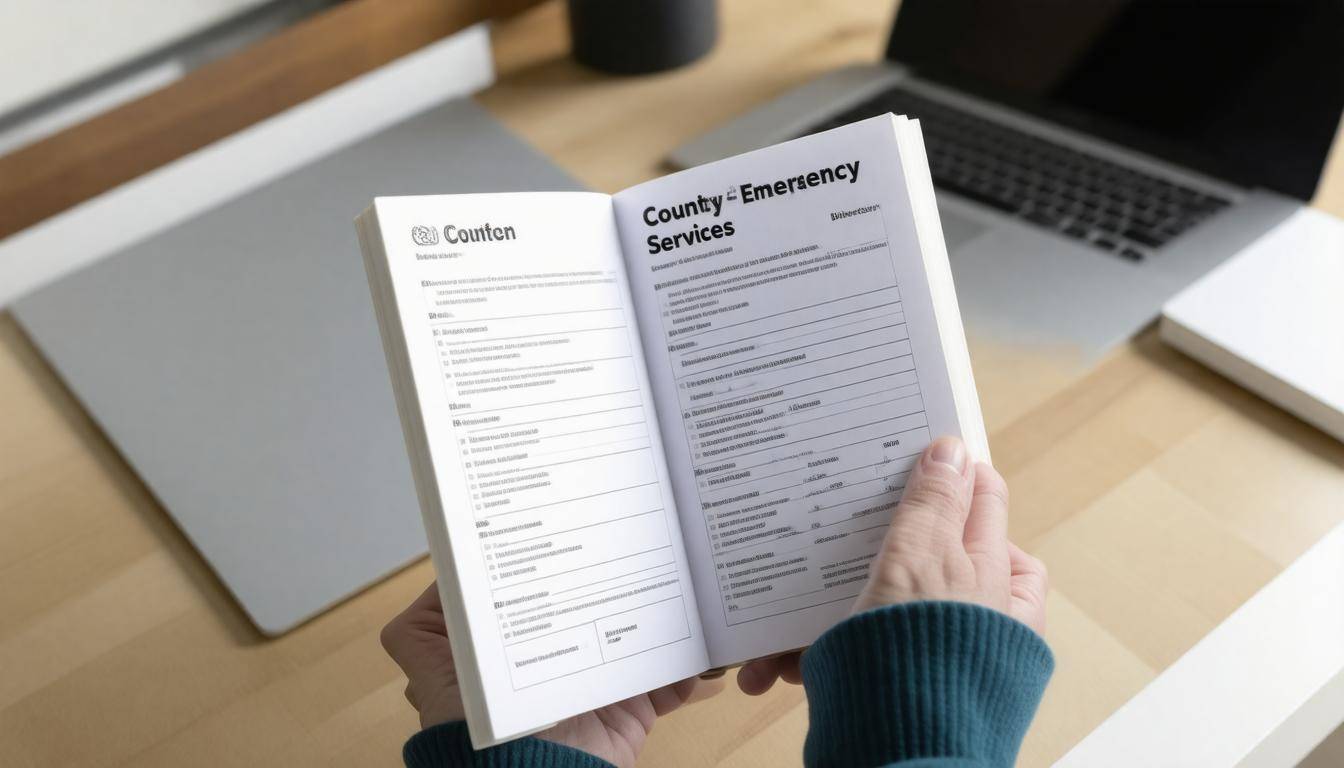
Understanding how to navigate the County Emergency Services Directory can empower you in emergencies. The first step is to always have essential resources readily available. Print a physical copy of the directory and bookmark the digital version on all your devices. This way, whether you’re at home, at work, or on the go, you can easily access important information. It’s like having a lifeline right in your pocket—something familiar and reassuring during stressful situations.
Once you’ve secured access to the directory, it’s time to ensure that your personal information aligns with what’s in it.
Regularly updating your personal records is crucial. Keep critical contact numbers handy; these might include emergency services like police, fire departments, and hospitals. By doing this, you ensure that you have the most recent numbers at your fingertips. For example, if a local service changes its phone number, having an updated directory will prevent delays in emergencies when every second counts. It’s like checking your tire pressure before a long trip—it mitigates unnecessary risks and keeps everything running smoothly.
After ensuring that your resources are current, it’s time for some hands-on practice.
Conducting drills with your family can be eye-opening and incredibly beneficial. Sit down together and run through different scenarios using the directory. For instance, simulate a situation where someone needs immediate medical attention; everyone should know how to locate vital numbers quickly. This practice instills confidence and ensures that in a real emergency, panic doesn’t lead to confusion. Just think about it: when the unexpected happens, knowing exactly what to do can be the difference between safety and chaos.
As you familiarize yourself with these operational tactics, remember that even seasoned users often have questions regarding specific functions.
Exploring more about common functionalities within the directory can further deepen your understanding and preparedness. Use the search function thoughtfully by entering specific keywords tied to the emergency service you need. This feature drastically cuts down on time while ensuring you find exactly what you’re looking for without sifting through irrelevant data.
Being able to filter options also simplifies navigation—whether you’re looking by service type or urgency level—offering you a streamlined experience every time you access the directory.
With these effective strategies in hand, it’s worthwhile to consider what common inquiries arise from users navigating this valuable resource.
Common Directory Questions
One common query is about the frequency of updates to the directory. The North Carolina Department of Public Safety (NCDPS) takes this seriously, ensuring that users have access to the most accurate information possible. They typically update the directory annually; however, significant updates can occur after major events—like natural disasters or changes in local services—to ensure that users are aware of any new resources available to them. This commitment to keeping information current is crucial, as access to timely support can make a difference in emergencies.
But what if you’re looking for a specific local service and can’t find it listed?
If your local service isn’t listed in the directory, don’t hesitate to take action. The NCDPS recommends contacting your local government offices directly or reaching out to them for assistance. They can provide guidance and up-to-date information on emergency services that you may not see in the directory. It’s a simple yet important step to ensure you have the resources you need at your fingertips.
Speaking of accessibility, another question often arises regarding mobile access.
Yes, you can access the online directory through your mobile device! The NCDPS has made sure their website is mobile-friendly, allowing you to search for emergency services wherever you are. To simplify your experience, consider adding a shortcut to your home screen. This way, accessing vital information will only be a tap away, streamlining your process in critical situations.
Understanding these common questions prepares you to engage effectively with essential emergency services.
The more informed you are about the resources available through the County Emergency Services Directory, the better equipped you’ll be when urgent assistance is needed.
As we continue, let’s explore how to navigate various support systems available during times of crisis.
Navigating Crisis Support Options
Different crises require tailored support, emphasizing the necessity of knowing where to turn for help. For those facing mental health emergencies, organizations that specialize in mental health support can make a significant impact. One key resource is the National Suicide Prevention Lifeline at 1-800-273-8255, a critical lifeline that provides confidential support 24/7.
In addition to national resources, local services are included in the directory, offering immediate access to nearby professionals who understand the specific needs of your community. This localized approach ensures that help isn’t just available but also relevant.
Beyond mental health, situations involving domestic violence call for specialized assistance. Organizations like Safe Horizon operate around the clock to provide 24-hour hotlines designed specifically for individuals in these distressing circumstances. The directory offers local contacts, ensuring help is only a phone call away from people equipped with resources suitable for your situation. Knowing these options exist can foster a sense of security, providing hope when it’s needed most.
Similarly, when grappling with substance abuse issues, navigating through available resources can be daunting but essential. The directory lists local treatment centers as well as crucial contacts like the Substance Abuse and Mental Health Services Administration (SAMHSA) National Helpline at 1-800-662-HELP. This helpline connects individuals to community-based resources geared towards recovery and ongoing support. Understanding how to find this help is not just about finding a number; it’s about recognizing that support is within reach and recovery is possible.
Effective use of these services isn’t merely about crisis management; it’s about building resilience within communities. Ensuring that everyone knows how to access these vital services fosters connectedness and shared responsibility in addressing crises collectively.
Every life positively impacted by these resources contributes to the safety and well-being of our entire community, highlighting the importance of staying informed and connected during challenging times.