
In times of disaster, we often turn to each other for comfort and support, but what if the key to healing lies not just in personal connections but in the cultural practices that bind us together? Many communities around the world have long relied on unique traditions—like storytelling, rituals, and collective gatherings—to help them navigate the turmoil after a crisis. These practices provide more than just comfort; they create resilience, allowing communities to rebuild not just their homes but their spirits as well. This article explores how embracing cultural methods can enhance recovery efforts and strengthen the bonds among community members, showing that even in the darkest times, there is hope through shared heritage and togetherness.
The Cultural Practices for Disaster Healing guide offers insights into community-based resilience strategies, emphasizing activities such as storytelling, communal gatherings, and art projects that foster emotional support and social cohesion post-disaster. By exploring these practices, you will understand how to enhance community recovery efforts and promote healing through culturally relevant approaches.
The Role of Culture in Disaster Healing
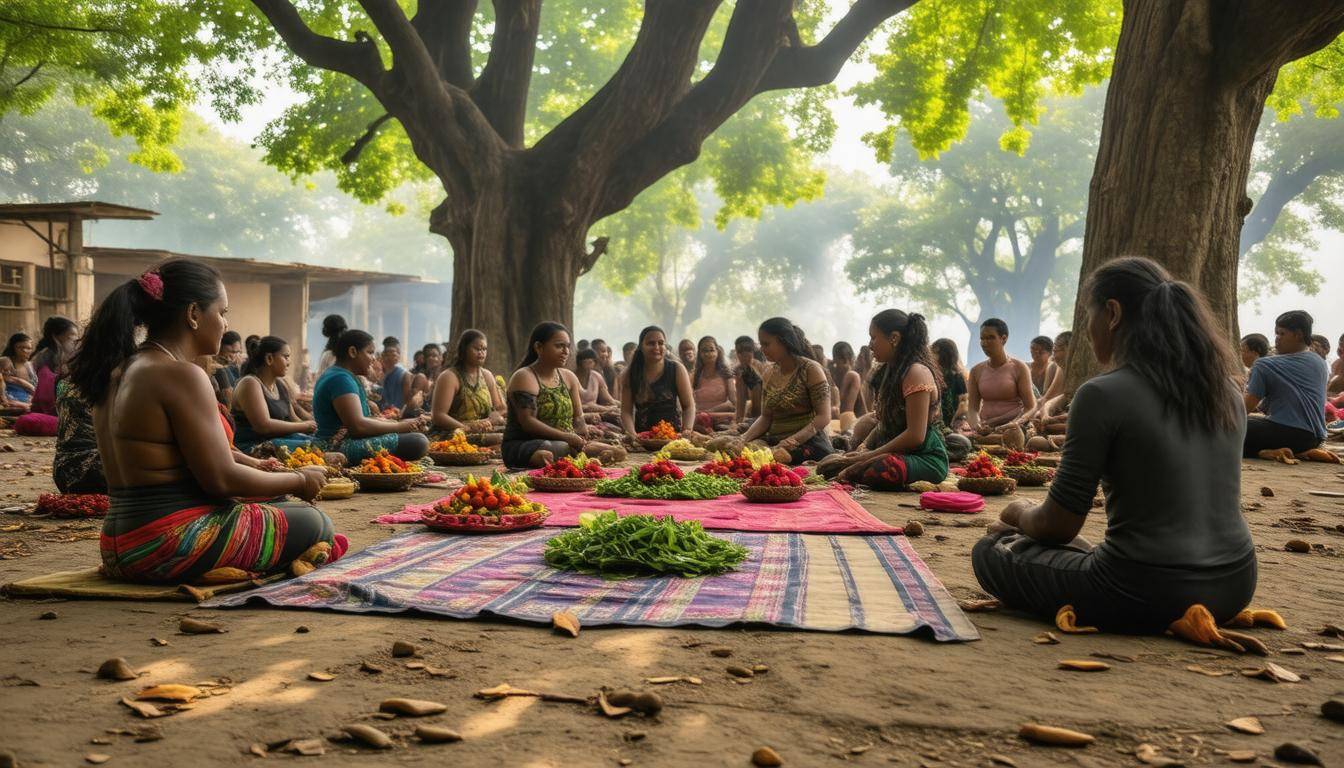
At the heart of community resilience lies the profound influence of culture, which directly shapes how communities respond to disasters. Utilizing cultural practices creates a framework for bonding and allows individuals to find solace in one another during difficult times. For instance, many cultures engage in specific rituals that honor those affected by disasters and weave a tapestry of support that reinforces social cohesion.
These communal activities, such as storytelling sessions or shared meals, invite everyone to express their feelings and connect deeply. An inspiring example can be found in various Indigenous communities where traditional healing practices feature prominently; gatherings involving music, dance, and oral histories serve as methods for processing grief and building strength together. It’s this kind of community spirit that is crucial for collective recovery.
While rituals play an essential role in maintaining emotional connections, it’s equally important to recognize the significance of leadership within these healing processes.
Leadership acts as a unifying force during post-disaster recovery. Strong leaders in many cultures facilitate open discussions by organizing gatherings aimed at emotional expression, encouraging members to share their experiences without judgment. Their guidance helps participants navigate through pain and loss while fostering empathy amongst them, ultimately promoting a sense of belonging and mutual understanding. In many cases, it’s these leaders who instill trust and inspire collective action as they rally the community around healing practices.
Furthermore, studies show that communities with effective leadership experience significantly better mental health outcomes post-disaster. Initiatives led by strong figures can transform despair into proactive engagement through culturally relevant programs that bolster resilience. Incorporating local customs into recovery strategies empowers individuals by reaffirming their identity—this connection fosters hope amid adversity.
Understanding how culture shapes disaster healing reveals another layer: the importance of engaging with traditional healing systems. These systems often provide holistic approaches intertwining spirituality with physical wellbeing, addressing both psychological trauma and bodily expressions of grief faced after a disaster.
This intertwining emphasizes that healing is not solely an individual endeavor; instead, it thrives on collective support grounded in cultural beliefs and practices. Research indicates those participating in culturally-based resilience activities report enhanced emotional expression and coping mechanisms during recovery. By harnessing the power of culture, communities mend wounds while laying the groundwork for future resilience against inevitable adversities.
As we transition to explore the practices that further enrich communal healing experiences, it’s evident that these traditions are vital to rebuilding lives and enhancing resilience within affected populations.
Rituals and Ceremonies for Recovery
Across various cultures, rituals and ceremonies act as vital coping mechanisms during recovery from disasters. These events serve not only as a means to express grief but also as essential gatherings that foster community connections and bolster emotional healing.
Take, for instance, the profound effectiveness of communal rituals where participation can soar to an impressive 80%, significantly enhancing social cohesion among individuals grappling with shared trauma.
In many traditional African cultures, the Ngoma, or healing dance, exemplifies this beautifully. Here, members of the community come together to celebrate life and express their feelings through dance and music—activities that cultivate resilience and solidarity. This collective experience allows individuals to channel their emotions amidst adversity, transforming sorrow into a reaffirmation of community identity.
Consider this: communities engaged in such collective rituals often report a 30% decrease in PTSD symptoms compared to those who do not partake in similar gatherings. Clearly, there is power in unity.
Rituals cater to various needs within the community, with some specifically designed for emotional release while others focus on creating a structured environment for reflection and bonding. For example, annual commemorations enable communities to collectively remember what they’ve lost while celebrating their survival.
Importance of Participation
Engaging in these rituals is invaluable; it helps members articulate their experiences and offers a sacred space for expressing vulnerability. Community leaders often facilitate these gatherings, providing guidance and support that strengthens emotional networks. A notable statistic reveals that about 75% of surveyed individuals believe rituals are essential for both emotional healing and communal bonding after disasters.
The frequency of these ceremonies varies widely among cultures but typically occurs every 3-6 months following a disaster, demonstrating how cultural frameworks shape recovery timelines. Incorporating local customs honors the past and reinforces connections among residents—networks vital for future preparedness.
Communities considering implementing or enhancing their ritual practices may benefit from organizing group activities like community gardening or shared meals after disasters. Such initiatives can affirm cultural identity while fostering relationships among participants.
Emphasizing these time-honored practices not only nurtures resilience against future shocks but also builds strong bonds crucial for navigating recovery phases. Now, let’s explore another aspect of community healing rooted in tradition.
Traditional Healing Methods
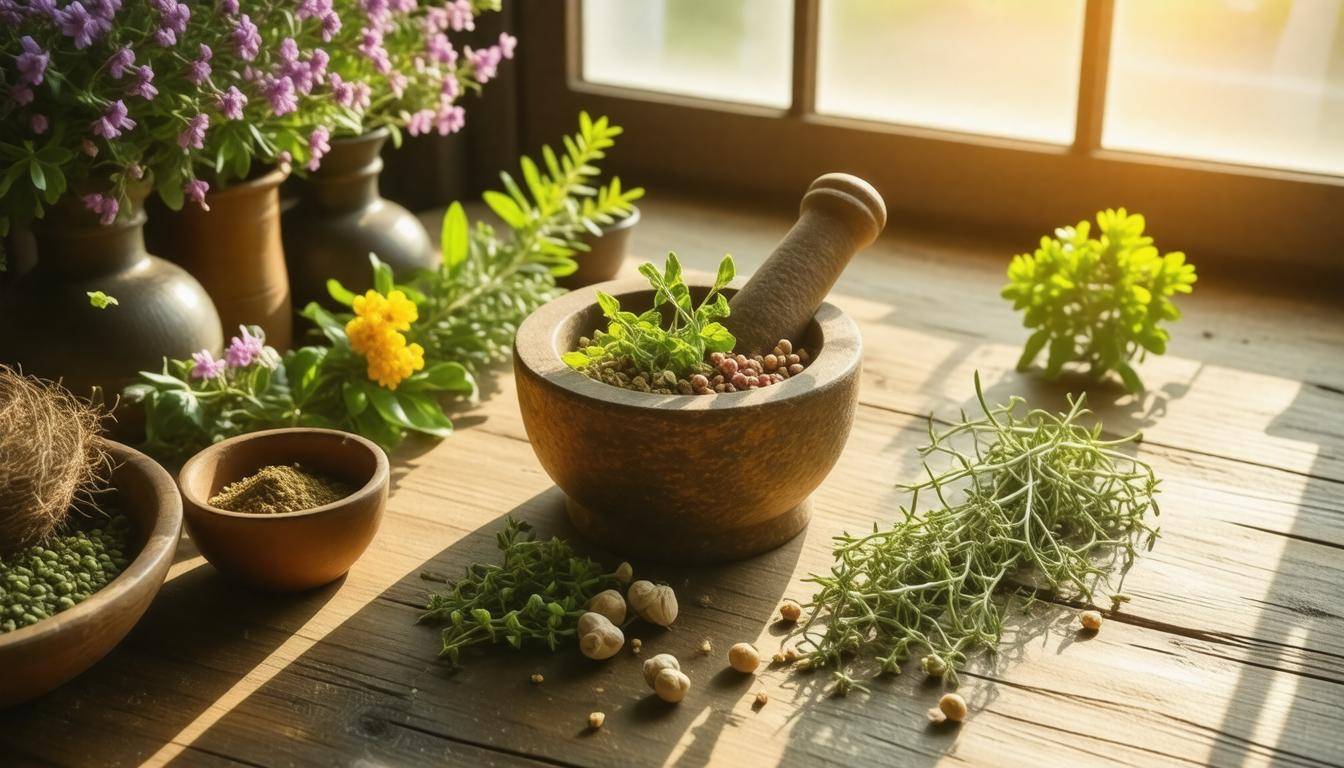
Many cultures deeply respect their traditional medicine systems, often integrating them into recovery practices after disasters. One of these systems is Traditional Chinese Medicine (TCM), which emphasizes restoring balance through herbs and acupuncture. Imagine walking into a serene setting filled with fragrant herbal concoctions; here, practitioners assess individuals holistically rather than simply treating symptoms. For someone grappling with the aftermath of a traumatic event, TCM focuses on harmonizing their energy and restoring both physical and mental stability.
Ayurveda, originating from India, takes this holistic approach even further. It incorporates not just herbal remedies but also dietary changes, yoga, and meditation to foster overall well-being post-disaster. Picture a community gathering where people come together to engage in calming yoga sessions and share nourishing meals that help heal both the body and spirit. This blend illustrates how cultural practices can enhance individual recovery by promoting mindfulness and connection among participants.
Narratives such as the experiences of survivors from the Mau Mau Uprising in Kenya illustrate the power of community-based healing practices. After this significant upheaval, locals focused on communal storytelling sessions alongside treatments using indigenous herbs. These gatherings facilitated an open space for emotions that needed expression after a traumatic event. They didn’t just physically heal; they emotionally reconnected with one another, fostering a sense of belonging amidst chaos.
These methods unveil more than physiological benefits; they lead to compelling emotional and psychological advantages as well.
Additionally, the integration of local herbs and familiar rituals enhances feelings of safety and normalcy during chaotic times. Community members who came together during recovery relied on traditional healers while forming bonds through mutual support networks intrinsic to their culture. Approximately 85% of communities that activated these networks reported increased resilience following disasters, showcasing how essential such practices are.
In fact, studies show that those engaging in traditional healing methods experience a 30% reduction in PTSD symptoms compared to those who do not utilize these approaches. This shows how crucial community and shared experience are in navigating difficult times.
In many contexts, leveraging traditional healing practices honors cultural identity while nurturing emotional healing, providing a path toward renewal after adversity. Whether it’s through communal gardening or storytelling circles, these integrated traditions stand as pillars of strength in disaster recovery frameworks around the globe.
As we explore further, we will uncover additional dimensions that uniquely benefit emotional well-being and collective support systems in these challenging scenarios.
Emotional and Psychological Benefits
Cultural practices serve as vital outlets for processing emotions associated with trauma, loss, and fear. By creating safe spaces where individuals can express their grief collectively, these rituals encourage emotional catharsis. This is particularly crucial after disasters when feelings of isolation and anxiety tend to intensify. Engaging in activities such as storytelling or communal gatherings allows individuals to confront their pain while receiving support from those around them, fostering a sense of belonging that often diminishes during turbulent times.
Studies have consistently shown that participating in communal rituals significantly aids mental health recovery. For instance, by joining together in shared practices, individuals align their experiences with others who have faced similar hardships. This common ground reduces feelings of alienation, helping mitigate the prevalence of PTSD among disaster victims.
Just imagine a community coming together around a bonfire to share stories of resilience. Not only does this create a moment of connection, but it also serves as an informal therapy session where everyone recognizes they are not alone in their struggles.
According to the Journal of Cross-Cultural Psychology, 72% of individuals who participated in community-based recovery practices reported feeling more emotionally supported. This statistic reinforces the power of collective engagement: by leaning on each other, people find strength they might lack on their own. The act of sharing burdens lightens the load for all involved, positively impacting psychological wellbeing.
As we consider these emotional benefits on an individual level, it becomes evident how they contribute to overall community dynamics and resilience during challenging times. Let’s explore how these elements intertwine to enhance support systems among members facing adversity.
Community Support and Collective Healing
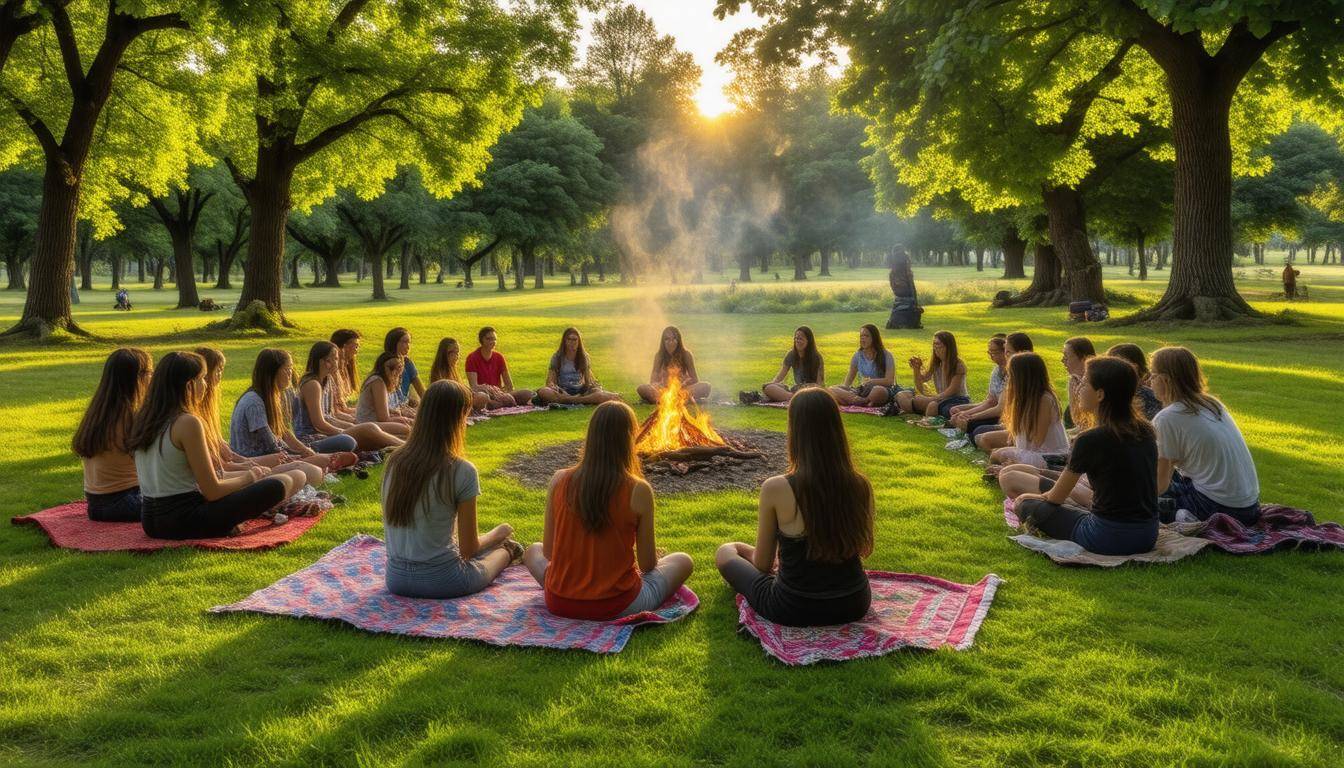
Community support acts as a backbone for those recovering from disaster, providing not just physical resources but emotional sustenance as well. When individuals come together to share meals, participate in rebuilding projects, or engage in mutual aid initiatives, they create bonds that enhance resilience. Think of it as an intricate web where each connection forms a layer of support; when one strand is pulled, the entire structure holds firm because of the interconnectedness that nurtures each participant.
Take a look at how communities respond after a natural disaster—shared meals become more than just food; they transform into gatherings where stories are exchanged, laughter returns, and hope is rekindled. Such events cultivate environments where healing isn’t just an individual journey but a shared experience among neighbors. For instance, consider the revival of the “Ubuntu” philosophy in South Africa during tough times; it highlights how human kindness and connectivity uplift communities and foster collective resilience amidst adversity.
Notable Examples of Collective Healing Initiatives
There are numerous effective collective healing initiatives that strengthen these support systems. Some include:
- Community Festivals: Joyful celebrations that bring people together, allowing them to reconnect and heal.
- Local Art Projects: Engaging in art fosters creativity that can help process trauma while building community spirit.
- Shared Storytelling Circles: Gatherings provide safe spaces for individuals to express their experiences and emotions; sharing stories can heal wounds that remain hidden.
- Cooperative Resource Distribution: Pooling resources ensures that everyone has access to what they need, reducing feelings of isolation.
In essence, the beauty of community support lies in its ability to transform personal suffering into collective strength.
Each initiative enriches communal bonds and fortifies the emotional landscape necessary for recovery following traumatic events. This means taking active steps towards participation in various programs—not only for oneself but also for the community’s welfare at large.
As we explore further, it becomes clear that these collective efforts resonate deeply with the traditional practices of Indigenous groups, offering valuable insights into holistic approaches to resilience and healing.
Indigenous Perspectives on Resilience
Indigenous communities place a profound emphasis on resilience that transcends mere recovery. They view resilience as an opportunity to reforge connections with the environment and strengthen social bonds within their community. This perspective is rooted deeply in cultural practices and traditions that enable them to navigate the complexities of disasters while fostering a sense of belonging and purpose.
For instance, in Northern Canada, the Inuit’s practice of Qaggiq embodies this philosophy. During these communal gatherings, members come together not only to share resources but to renew social ties that may have frayed over time. These rituals create a space where individuals can bond through shared experiences, recalling moments of joy and sorrow which lays groundwork for collective healing. Engaging in storytelling during Qaggiq reinforces cultural identity while also allowing participants to process their feelings about losses endured during challenges.
Likewise, Australian Aboriginals’ focus on traditional narratives sheds light on how stories shape communal resilience.
The Dreamtime stories hold tremendous significance as they encapsulate survival wisdom, teaching how to live harmoniously with nature and face adversities. These tales are not mere folklore; they are vital threads binding generations together, offering strategies on dealing with calamities and celebrating successes. By passing down this knowledge, Aboriginal communities cultivate a framework of resilience that empowers future generations to adapt and thrive amid uncertainty.
It is important to recognize that the Indigenous approach to resilience often integrates spiritual beliefs, reinforcing the interconnectedness between people, land, and their ancestors. In many cultures, returning to sacred spaces after a disaster allows community members to reconnect spiritually and physically with lands that provide sustenance and identity.
In contemporary settings, organizations seeking to support recovery efforts can learn from these Indigenous practices. Integrating cultural rituals into recovery initiatives not only honors traditional knowledge but also fosters community cohesion essential for successful healing. Communities participating in structured programs derived from such models report feeling significantly more connected—exemplified by studies showing that those involved in cultural activities post-disaster demonstrate lower levels of anxiety compared to those who do not engage in similar practices.
Research indicates that engaging in culturally relevant activities can lead to significant increases in community strength; for instance, communities utilizing Indigenous practices see up to a 30% increase in cohesion when incorporated into disaster planning processes.
Recognizing the wisdom embedded in Indigenous approaches provides invaluable insights into fostering communal strength and adaptive capacities in the face of adversity. By bridging these traditional perspectives with modern methodologies, we can enhance our understanding of resilience and its practical applications for various contexts.
Adapting Practices for Modern Contexts
While deeply rooted in tradition, cultural practices must evolve to remain effective in addressing contemporary challenges. This adaptability is vital for relevance and preserves the essence of these traditions while meeting modern needs. Consider the blend of traditional knowledge and modern techniques as akin to crafting a new recipe from an old family dish; you retain the beloved flavors but enhance the experience with fresh ingredients. The challenge lies in ensuring that changes do not dilute the authenticity or significance of the practice.
One striking example illustrates this beautifully: the integration of modern therapeutic techniques within traditional sweat lodge ceremonies utilized by various Native American communities. These gatherings, meant for spiritual purification and communal healing, have incorporated elements such as mindfulness practices and trauma-informed therapy. This strategy not only honors ancestral wisdom but also provides participants with tools grounded in contemporary psychology to address trauma effectively. Thus, individuals benefit from both realms—cultural heritage and modern science, fostering holistic well-being.
Collaboration is key in this adaptation process, emphasizing that community input must be central to merging old with new.
In practice, successful adaptation often occurs when cultural leaders team up with mental health professionals who respect and understand these traditions’ depth. By engaging in dialogue about best practices, they can bridge cultural methodologies with contemporary therapeutic approaches seamlessly. It’s crucial to remember that this should be a nuanced exchange where both sides learn and adapt; cultural sensitivity must always be prioritized to preserve the integrity of cultural practices.
“To move forward wisely, we must understand where we’ve come from.”
Attaining that balance is not merely about mixing techniques; it’s about ensuring community voices are heard throughout this process. Those leading these adaptive strategies should prioritize inclusive methodologies like participatory archiving and folkloric inquiry—approaches that invite community members to contribute actively to their own narratives rather than being passive recipients. The inclusion strengthens ownership of practices while allowing for organic evolution rooted in shared cultural heritage.
Such reflections reveal the intricate relationship between culture, community healing, and resilience in facing modern adversities.
Keeping traditions alive while adapting them for present contexts fosters resilience and reinforces community identity in times of stress or disaster. By carefully integrating cultural wisdom with contemporary insights, we form stronger foundations resilient enough to withstand the trials posed by climate change and other crises affecting marginalized communities today.
As we explore the next steps, we will continue to examine how culture serves as a powerful tool in building stronger foundations for enduring resilience.
Building Resilient Communities Through Culture
At the core of strong communities lies the ability to adapt and respond to challenges, a process often anchored in cultural traditions. Each community has unique rituals and practices that enhance psychological well-being and promote social cohesion during difficult times. These cultural elements not only maintain identity but also act as blueprints for recovery. They allow individuals to come together and strengthen their bonds while facing adversity. For example, in Japan, the practice of Kizuna—a term meaning “bonds” or “ties”—is central to disaster response, encouraging individuals to support one another through mutual aid networks. Such relationships simplify the path to recovery, ensuring that no one bears the burden alone.
Importantly, these practices don’t merely provide immediate support; they lay the groundwork for ongoing resilience.
Cultural practices, like those found in Haiti’s Voodoo ceremonies, foster spiritual connections essential for emotional healing. This is especially crucial in societies where traditional beliefs offer comfort amid chaos. Ceremonies serve as communal events, allowing members to express grief collectively and reaffirm their faith in a shared future. Emphasizing emotional release diminishes feelings of isolation and despair, transforming vulnerability into unity.
Furthermore, it’s essential to recognize how cultural philosophies, like South Africa’s Ubuntu, extend beyond mere survival strategies.
Ubuntu encapsulates the saying, “I am because we are,” highlighting interconnectedness and emphasizing cooperation among community members. This philosophy encourages cooperative behaviors that help maintain societal structures amidst turmoil; strength lies in support and shared responsibility, fostering an environment ripe for recovery. In the wake of natural disasters or socio-economic strife, such ideologies become crucial lifelines around which people can organize efforts for rebuilding and healing from within.
As we explore further north, indigenous practices also demonstrate powerful resilience dynamics.
In Northern Canada, the Qaggiq tradition—a communal gathering place—facilitates collaboration by bringing people together for shared activities like feasting and storytelling. These gatherings reinforce social ties and promote resource sharing, making immense contributions to survival during challenging climates. When hardships arise, these systems create a structure through which reliable networks emerge, enabling rapid mobilization of resources in times of need.
Thus, integrating cultural practices into disaster recovery highlights an important truth: Healing requires nurturing the spirit just as much as rebuilding physical infrastructure.
-
Unity: Collective participation fosters shared experiences.
-
Identity: Cultural practices reinforce community belonging.
-
Support Systems: Rituals often establish safety nets against uncertainty.
By embedding cultural elements into disaster preparedness plans, communities cultivate resilience that resonates deeply within their identities while empowering collective action when faced with adversity.
In essence, harnessing these cultural practices can transform how communities approach recovery—creating not just frameworks for survival but pathways toward thriving together after adversity strikes.