
When living with diabetes, preparing for emergencies is more than just a wise choice – it’s essential for your health and safety. Just imagine you’re out running errands or enjoying a day at the park when an unexpected situation arises: a sudden drop in blood sugar. How would you respond? Having a well-stocked diabetes emergency kit can make all the difference between a minor hiccup and a major health scare. By gathering necessary supplies ahead of time, you empower yourself to manage your condition confidently no matter where life takes you. So whether you’re traveling, at home, or out and about, here’s how to create the ultimate diabetes emergency kit that covers all your bases—from monitoring tools to snacks and first-aid supplies.
A diabetes emergency kit should include standard diabetes supplies such as a glucometer, glucose test strips, insulin (both fast-acting and long-acting), extra medication, and carbohydrate sources like glucose tablets. Additionally, having monitoring tools like Continuous Glucose Monitoring (CGM) devices, backup equipment, and emergency contacts for healthcare providers is crucial to effectively manage blood sugar levels during emergencies.
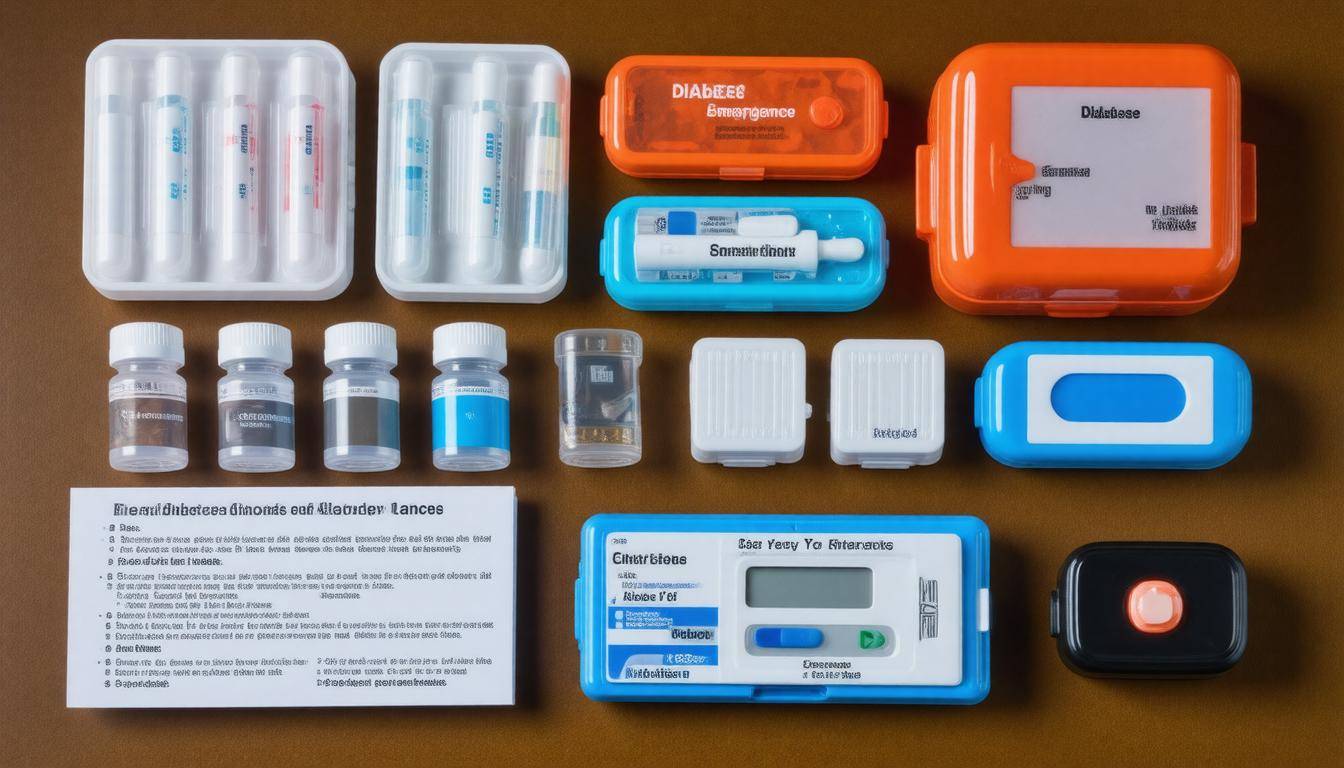
The Essential Diabetes Emergency Kit
An effective diabetes emergency kit can be a life-saver during unexpected situations, ensuring that you have the necessary tools to manage your health. First and foremost, having personal identification and medical information cards is crucial. This includes information about your diabetes management plan, allergies, and emergency contact numbers. It’s vital not just for your convenience but also for medical personnel to quickly understand your needs in case of an emergency.
Think of having these details readily available as a roadmap for health professionals during stressful times when every second counts.
Continuing with the core supplies, a quality glucose meter paired with testing strips cannot be overstated. These are essential for monitoring blood sugar levels. Aim to keep a minimum of 50 test strips on hand for adequate testing capability; without them, managing your disease may become unpredictable. If insulin is part of your regimen, ensure that you have sufficient supplies of both vials or pens and syringes. Always pack more than you think you’ll need; a couple of extra doses can make all the difference in an unforeseen circumstance.
Another pivotal element is your Continuous Glucose Monitor (CGM) if you use one. Ensure that you have backup sensors and batteries readily available as this technology can provide continuous feedback on blood sugar levels. Just like a watchful guardian, it allows you to catch any deviations from regular patterns before they escalate into serious issues. Don’t forget alcohol swabs to sanitize the skin before injecting insulin or checking blood sugar levels; keeping things sterile is vital in preventing infection.
Beyond those immediate medical needs lies the importance of hydration and nutrition in your kit.
Water is essential during emergencies as it maintains hydration—about one gallon per person per day is recommended. Pack water bottles along with electrolyte solutions for instances where rehydration might be necessary after increased activity or heat exposure.
Your snacks should include non-perishable food items like granola bars, nuts, or mealtime replacements like peanut butter packets that can provide sustained energy without spoiling quickly. Additionally, fast-acting sugars such as glucose tablets or candy gels should also be included to effectively treat low blood sugar levels.
Rounding out your emergency kit, don’t overlook personal care and first-aid needs. Keep hand sanitizers handy along with adhesive tape and bandages for minor injuries from everyday mishaps. Whether it’s a cut while prepping snacks or just dealing with wear-and-tear from daily living—it’s always better to be prepared with basic first-aid supplies.
With these essentials well-curated in your diabetes emergency kit, you’re equipped to navigate life’s unpredictability while effectively managing your condition. Let’s now explore the tools that help monitor blood sugar levels for optimal health management.
Blood Sugar Monitoring Tools
Consistent blood sugar monitoring is not just a good habit; it’s your lifeline during emergencies, capable of steering you away from potentially dangerous fluctuations. One crucial element of your diabetes emergency kit is a glucometer. This handy device should be accompanied by extra batteries and multiple sets of testing strips, as you can’t predict when you’ll need them.
Imagine being in a situation where nothing was at hand—all you could do is wait and hope for the best, which is not an option anyone with diabetes can afford. Having an extra glucometer as backup is also wise; technology can fail us, and knowing you have a secondary device ready to go offers peace of mind.
Many users rave about how life-changing a Continuous Glucose Monitor (CGM) can be. Unlike traditional glucometers that require finger pricks for readings, CGMs track glucose levels continuously throughout the day and night, alerting you if your levels become dangerously high or low. This real-time tracking can truly feel like having an extra set of eyes watching over your health. Plus, it minimizes the hassle of constant manual testing, especially during hectic moments.
However, understanding your blood sugar trends through advanced devices like the CGM can empower you to make smarter decisions regarding your treatment plan. Regular feedback means you can adjust your actions accordingly—whether that involves reaching for fast-acting sugars in case of hypoglycemia or modifying insulin dosages when levels run higher than expected.
Beyond the devices themselves, it’s important to remember that knowledge is power. Staying aware of your blood glucose levels equips you to act swiftly and confidently in response to any emergency situation.
Now, let us explore the types of snacks and quick sources of sugar that are vital for managing low blood sugar effectively.
Snacks and Fast-Acting Sugars
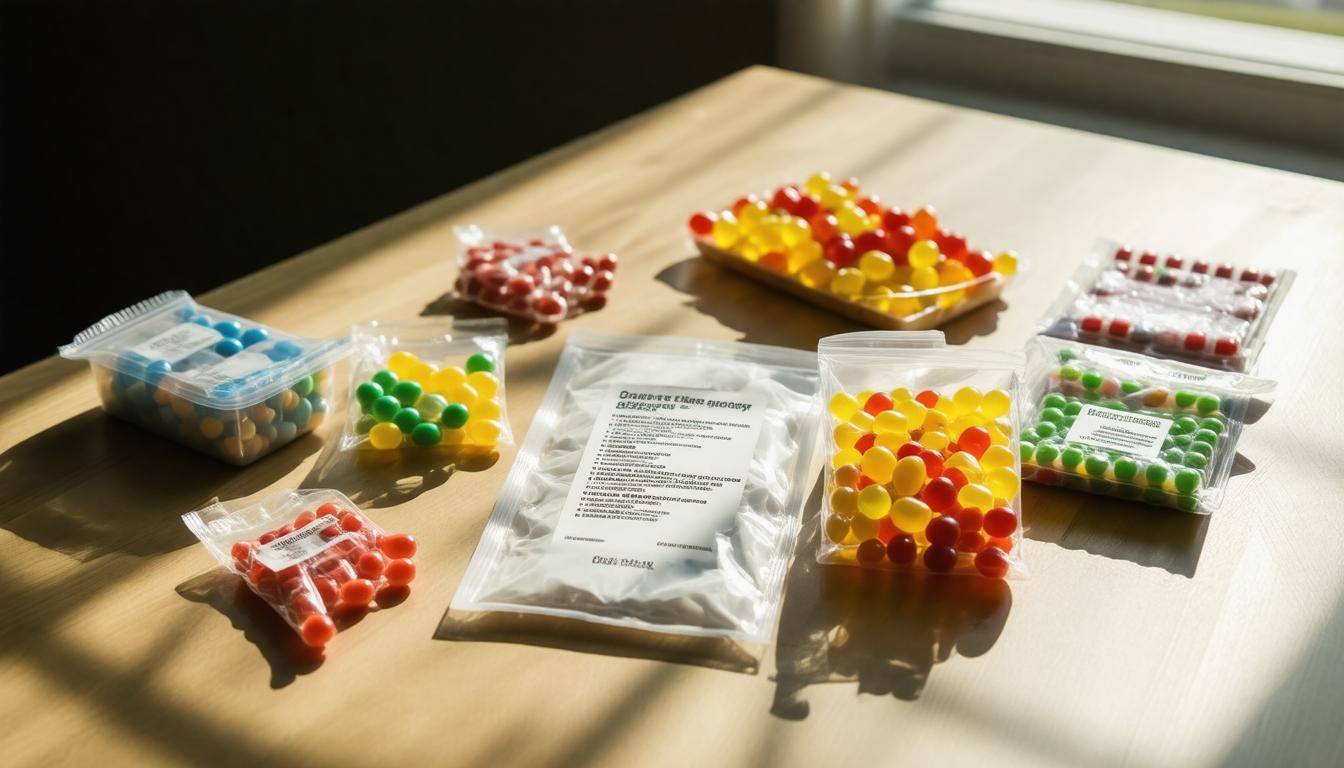
When preparing your diabetes emergency kit, the contribution of fast-acting sugars cannot be overstated. These items are lifesavers during emergencies, serving as the first line of defense against hypoglycemia. Imagine being out of regular meal options or facing an unexpected delay—having glucose tablets or a tube of glucose gel on hand could mean the difference between a manageable situation and a frantic struggle to stabilize your blood sugar.
Glucose tablets, for instance, are convenient and specifically designed for quick absorption into your bloodstream, providing 15 grams of carbohydrates per serving. Moreover, they come in small containers making them easy to store in your emergency kit.
Juice boxes represent another excellent resource. A single box typically contains about 15 grams of carbohydrates, ensuring that if you find yourself in a tight spot, you have something that’s both tasty and effective. Similarly, consider including hard candies, such as Life Savers, which also offer 4 grams of carbohydrates per piece—a handy option when quick access is paramount!
It’s important to remember that not all quick-sugar solutions are created equal; natural sources like honey can provide not just sweetness but also a comforting feeling during stressful situations. Just one tablespoon of honey packs about 17 grams of carbohydrates! You might even find it reassuring to know sugary products like these can be packed easily into your bag or car without worries regarding their shelf life.
While these fast-acting sugars will help you temporarily raise your blood sugar levels, combining them with sustaining snacks ensures longer-lasting stability.
Sustaining Snacks
To bridge the gap between those spikes and more regular food intake, incorporating sustaining snacks into your emergency kit becomes key. Foods rich in protein, such as protein bars or mixed nuts, provide essential nutrients and help maintain balanced energy levels over a longer period.
Have you ever had a moment where you felt great after quickly resolving low blood sugar? It always helps to follow up that relief with something more substantive to keep levels stable.
Whole grain crackers serve as another beneficial option since they contain fiber that helps slow digestion and maintain steadiness in blood glucose. These foods should be pre-packaged and easy to grab while offering long shelf lives—perfect for situations where accessibility is crucial.
As you compile these items within your kit, consider labeling them clearly so that they’re easily identifiable amidst the clutter. By giving every essential item its designated space, you seize control over each situation you may face. This practice ensures you steer clear of unnecessary panic while managing your health effectively during emergencies.
The next essential aspect to focus on involves understanding proper storage techniques for your vital insulin and medications, which play a crucial role in diabetes management during any unforeseen events.
Insulin and Medication Storage

Proper storage of insulin and other medications is vital for ensuring they remain effective when you need them. Insulin is sensitive to temperature changes; storing it improperly can lead to weakened potency. If you’re on the go or experiencing an unexpected delay, temperature control becomes even more crucial. This is where insulated bags or portable coolers come into play. These not only help in keeping your insulin at a stable temperature but also offer peace of mind when you’re away from home.
I’ve learned through experience that nothing beats having a well-stocked emergency kit—especially during those unpredictable moments. Portable coolers equipped with ice packs make excellent storage solutions when refrigeration isn’t available, while more advanced kits might come with rechargeable mini-fridges specifically designed for medications. The critical takeaway here is that these small efforts in storing your insulin can make a world of difference in its effectiveness over time.
It’s also essential to ensure that all types of insulin and their dosages are clearly labeled within the kit. A mix-up in types or doses can create chaos during an emergency, so clarity is key.
Furthermore, using compartments within your storage solution can enhance organization. Just imagine reaching into your emergency kit and immediately knowing where everything is located!
Organizing Your Medications
When organizing your medications, make sure to group similar items together. For example, keep all fast-acting insulin types in one section, while longer-acting insulins can be stored separately. This arrangement helps eliminate confusion during high-pressure situations when every second counts.
Consider including the following elements in your storage approach:
- Keep extra supplies like syringes and testing strips easily accessible next to your insulin.
- Use labels to denote the type and expiration dates of medications.
- Have an emergency contact card detailing dosages alongside any important medical information.
I can’t stress enough how much easier it is to grab what you need if it’s organized—it’s almost like a diabetic’s version of Marie Kondo-ing your life!
Finally, regularly checking the contents of your emergency kit ensures that nothing will be expired in a moment of need.
It’s not just about setting things up once; refreshing your supplies ideally involves reviewing the kit every six months or whenever there are significant changes in your health routine. This proactive approach keeps you prepared, confident, and ready to manage whatever diabetes throws your way.
As we shift focus from proper storage practices, it’s time to highlight another critical component: understanding the role of specialized kits designed for emergencies involving severe blood sugar fluctuations.
Glucagon Kit: Importance in Emergencies
Glucagon serves as a vital hormone that quickly raises blood sugar levels, making it an indispensable tool in managing severe hypoglycemia. Its effectiveness lies in how rapidly it can counteract dangerously low blood sugar, ensuring immediate relief when every second counts. Without it, someone experiencing a severe drop in their blood sugar could face debilitating symptoms or worse.
Why It’s Essential
In emergency situations, individuals with diabetes often find themselves at higher risk for low blood sugar due to irregular meal schedules from unexpected events, stress altering metabolic rates, or increased physical activity not matched by food intake. When these factors collide, the potential for severe hypoglycemia rises dramatically. Having a glucagon kit becomes critical—not merely as an option but as a lifeline for those who need it most.
The timely administration of glucagon can truly be the difference between a safe recovery and a medical emergency.
Imagine you’re out and about—perhaps enjoying a hike or attending an event—and your blood sugar plummets unexpectedly. You might feel disoriented, shaky, or even unable to communicate effectively. In such situations, assistance from others is key. This is why it’s not just important to have glucagon on hand; it’s essential that everyone within your close circle knows how to administer it should the need arise. Training family members or friends can empower them to act quickly and correctly if you’re unable.
Regularly review where the glucagon kit is stored and ensure everyone knows its location. Furthermore, practice administering the glucagon using training kits—that way, when push comes to shove, nobody has to hesitate out of confusion or fear. Having this knowledge is calm assurance against chaos.
Just as crucial is where you place your emergency supplies—keeping your glucagon kit easily accessible ensures that you’re always ready for any situation life throws your way.
As we progress, understanding the additional necessities for emergencies further enhances our preparedness.
Safety Supplies and First-Aid
The reality is that accidents can happen when we least expect them, which is why having an organized diabetes emergency kit filled with safety supplies and first-aid items is absolutely essential. These items are non-negotiable in any emergency kit for diabetes, providing peace of mind knowing we can respond effectively.
Picture this: you’re at a family gathering, and someone accidentally cuts their finger while preparing snacks. Having a basic first aid kit nearby helps you respond quickly, binding their wound before it becomes a more serious issue.
Essential Items
- Basic first aid kit containing bandages, antiseptic wipes, and gauze to manage cuts, scrapes, and other minor injuries.
- Medical gloves for safe application of first aid, ensuring both your safety and the safety of the injured person.
- Small scissors to easily cut tape, gauze, or clothing if needed.
- Thermometer to monitor fever or infections that might complicate diabetes management.
- Tweezers to remove splinters or debris from wounds.
- Flashlight with extra batteries for visibility during power outages or in dark conditions—vital when navigating emergencies.
- Emergency blanket to maintain body temperature in case of shock or exposure.
- Multi-tool or pocket knife, handy for various tasks from opening packages to cutting gauze.
| Item | Quantity | Purpose |
|---|---|---|
| Thermometer | 1 | Monitor fever or infections |
| Medical gloves | 2 pairs | Safe application of first aid |
| Flashlight | 1 | Visibility during power outages |
| Emergency blanket | 1 | Maintain body temperature |
Each item plays a critical role in ensuring you can tackle both minor injuries and immediate health needs associated with your diabetes. For instance, if your blood sugar levels dip unexpectedly at an outing, you may need the flashlight to navigate in low-light situations while quickly accessing snacks. Moreover, the emergency blanket can help warm someone suffering from hypoglycemia while you stabilize their condition.
As you equip your kit with these vital supplies, it’s important to consider various scenarios where you might need them and how best to prepare for those circumstances.
Preparing for Various Scenarios
The foundation of any effective emergency kit lies in anticipating different situations that may arise. Planning might sound tedious at first, but it’s remarkably straightforward once you break it down into specific scenarios. This proactive approach not only provides peace of mind but also ensures you are ready to handle unforeseen circumstances efficiently.
Scenario Planning
Take, for instance, natural disasters like hurricanes or earthquakes. These events often result in power outages and disrupted access to basic needs. When preparing for such emergencies, consider packing extra supplies. In addition to your regular diabetes management items, include additional water—aiming for at least one gallon per person per day—along with non-perishable food items such as canned goods, protein bars, and dried fruits. These snacks are not only nutritious but also pack easily.
Don’t forget the comfort of home; including blankets can provide warmth and reassurance in stressful times.
Now, let’s shift our focus to travel-related emergencies. Whether you’re embarking on a weekend getaway or an extended holiday, these situations often require a more compact version of your diabetes kit. Aim for a portable version that can easily slide into your carry-on luggage—without sacrificing essential components. Pack glucose tablets and quick sources of carbohydrates like gel tubes or candy, ensuring they are within reach during long trips or unforeseen layovers.
Moreover, local insights can save you in a pinch; including a list of nearby emergency contacts is invaluable. Make sure to note the addresses and phone numbers of local pharmacies and hospitals along your route or destination. Being able to identify the closest medical assistance can alleviate stress and anxiety significantly during emergency situations.
Each scenario requires unique considerations, but the goal remains the same: ensuring that you have everything necessary at your fingertips when you need it most.
As you gear up for potential emergencies, maintaining awareness of what your kit contains is equally vital. Regularly checking its contents will help ensure you’re always prepared.
Kit Maintenance and Updates
Regular maintenance is crucial for your diabetes emergency kit because it ensures that all supplies remain effective and safe to use. Checking the state of your kit goes beyond a casual glance; it requires diligence and care.
The first step is to schedule a consistent time—perhaps every three months—where you can thoroughly assess your kit’s contents.
During these routine checks, pay special attention to expiration dates on medications, testing strips, and snacks. Insulin may lose its potency after its expiration date, posing significant risks for those who rely on it for daily stability. Replace expired items immediately to avoid potentially unusable supplies during critical moments. A simple checklist can help streamline this process, allowing you to methodically go through each item instead of wondering if you’ve missed something.
One practical tip shared by someone experienced in managing their emergency kit was to set reminders on their phone or calendar. This user suggested creating an annual schedule to coincide with less busy days, making it easier to manage.
Thoughtful organization is crucial. Store your kit in a cool, dry place to maintain the integrity of the supplies contained within. If storage conditions are less-than-ideal, such as high humidity or extreme temperatures, certain items may deteriorate faster than expected, making them harder to access when needed.
In addition to checking for expiry dates, consider any changes in personal health needs or medications that may occur over time. You wouldn’t want to pull an old, ineffective insulin pen out when a newer solution is available.
Finally, keeping logs of your kit’s contents—ideally noting purchase dates and expiration dates—can provide clarity in a crunch and promote accountability toward maintaining your supplies.
A well-maintained emergency kit not only enhances safety but also provides peace of mind knowing you’re prepared for whatever life throws your way.
In preparation for unexpected challenges, regular updates and diligent organization of your diabetes emergency kit are essential steps toward ensuring your safety and well-being. Keeping track of supplies means you’re always ready.
Are there any travel tips for ensuring you have your diabetes emergency kit when away from home?
When traveling, it’s crucial to keep your diabetes emergency kit easily accessible and well-organized. Use a designated bag that meets airline regulations for carry-ons and contains all essentials such as insulin, testing supplies, snacks, and medication. According to the American Diabetes Association, nearly 30% of people with diabetes report forgetting their supplies while away from home, which can lead to serious health risks. Always pack extra supplies and consider setting reminders on your phone to check your kit before departure.
What specific items should be included in a comprehensive diabetes emergency kit?
A comprehensive diabetes emergency kit should include glucose tablets or gel, insulin and syringes or an insulin pen, a blood glucose meter with extra test strips, ketone strips, snacks (like granola bars), and a glucagon kit for severe hypoglycemia. According to the American Diabetes Association, about 1 in 4 people with diabetes experience severe hypoglycemia in their lifetime, making it crucial to have quick-response items readily available to manage potential emergencies effectively.
How often should one check and replenish the supplies in a diabetes emergency kit?
One should check and replenish the supplies in a diabetes emergency kit at least every three months, as this ensures that all items are up to date and functioning properly. Regular checks help to replace expired medications and supplies, reducing the risk of critical shortages during emergencies. According to a study, nearly 30% of people with diabetes do not regularly assess their emergency kits, which can lead to unnecessary complications in crisis situations. Regular maintenance of your kit can ultimately contribute to better diabetes management and preparedness.
How can individuals customize their diabetes emergency kits based on their personal needs?
Individuals can customize their diabetes emergency kits by assessing their unique health requirements, including the type of diabetes they have, their insulin regimen, and any other medications they rely on. For instance, those using insulin pump systems may need extra supplies like infusion sets and reservoirs, while individuals on oral medications should include their prescriptions. Additionally, incorporating personal items such as glucose tablets, snacks with quick sugar sources, a blood glucose meter, and contact information for healthcare providers can enhance readiness. According to the American Diabetes Association, being prepared for emergencies can significantly reduce stress and potentially life-threatening situations for the approximately 37 million Americans living with diabetes.
What are the best practices for storing and maintaining a diabetes emergency kit?
The best practices for storing and maintaining a diabetes emergency kit include keeping it in a cool, dry place away from direct sunlight, regularly checking expiration dates on supplies such as insulin and test strips, and ensuring that your kit is easily accessible in case of emergencies. According to the American Diabetes Association, around 26 million people in the U.S. have diabetes, making preparedness vital; routine checks can prevent potentially dangerous situations stemming from expired or malfunctioning supplies. Additionally, incorporating a system to rotate items can help maintain freshness and efficacy, ensuring better management of diabetes during emergencies.