
When you depend on dialysis, planning for emergencies might feel daunting, but it doesn’t have to be. For many patients, the thought of missing a treatment can spark anxiety, especially during unexpected situations like natural disasters or power outages. However, being prepared is all about making a few simple yet effective adjustments to your routine. Imagine having a plan in place that not only keeps you calm but also ensures you receive the necessary care—no matter what challenges come your way. With thoughtful preparation, you can turn potential chaos into manageable steps. Let’s dive into how you can craft an emergency plan that works for you, helping safeguard your health and peace of mind during uncertain times.
The Complete Guide to Dialysis Patient Emergency Planning covers essential strategies for dialysis patients, including creating an emergency kit, maintaining a list of medications, and identifying backup dialysis facilities. It also provides specific tips for handling potential disruptions in treatment during disasters, ensuring that patients have the resources and knowledge necessary to manage their care effectively.
Dialysis Patient Emergency Plan Basics
Emergencies can strike without warning, and for dialysis patients, missing even one treatment can lead to serious complications. This is where a comprehensive emergency plan acts as your lifeline. It’s not just about having a list of phone numbers; it’s about creating a system that ensures you remain connected to vital medical services even in the most challenging times.
Importance of an Emergency Plan
When faced with disasters like natural calamities or service outages, it’s crucial to realize how emergencies can disrupt regular healthcare services. For nearly 500,000 Americans who depend on dialysis, this disruption isn’t just inconvenient—it can be life-threatening. During crises, hospitals and clinics may become overwhelmed, increasing the risk of delays in treatment. Hence, having personal protocols in place helps mitigate these risks effectively. It’s like having an insurance policy for your well-being; it provides peace of mind that you’ve thought ahead.
Essential Elements of a Plan
First and foremost, your emergency plan should be detailed enough to guide you through any scenario. Specifically, your plan should encompass several essential elements to ensure seamless continuity of care:
Keep the following items organized:
-
Dialysis Schedule: Document the frequency and timing of your treatments alongside the contact information for your primary dialysis center.
-
Healthcare Provider Contacts: Include phone numbers for your nephrologist and any other specialists involved in your care so they can be reached quickly if needed.
-
Medication Inventory: List all medications you take, including dosages and pharmacy contact details to facilitate quick refills or replacements.
-
Medical Records: Ensure you have printed copies of your essential medical records and insurance details conveniently accessible.
-
Evacuation Routes: Familiarize yourself with evacuation routes specific to your area, alongside alternative locations for dialysis treatments.
These components are more than mere checklists; think of them as part of a safety net designed specifically for you and your unique health needs. The clearer and more actionable your plan is, the more prepared you’ll feel during a crisis.
With these essentials outlined, we now turn our attention to what supplies you should gather to enhance your readiness for unexpected situations.
Building Your Personal Emergency Kit
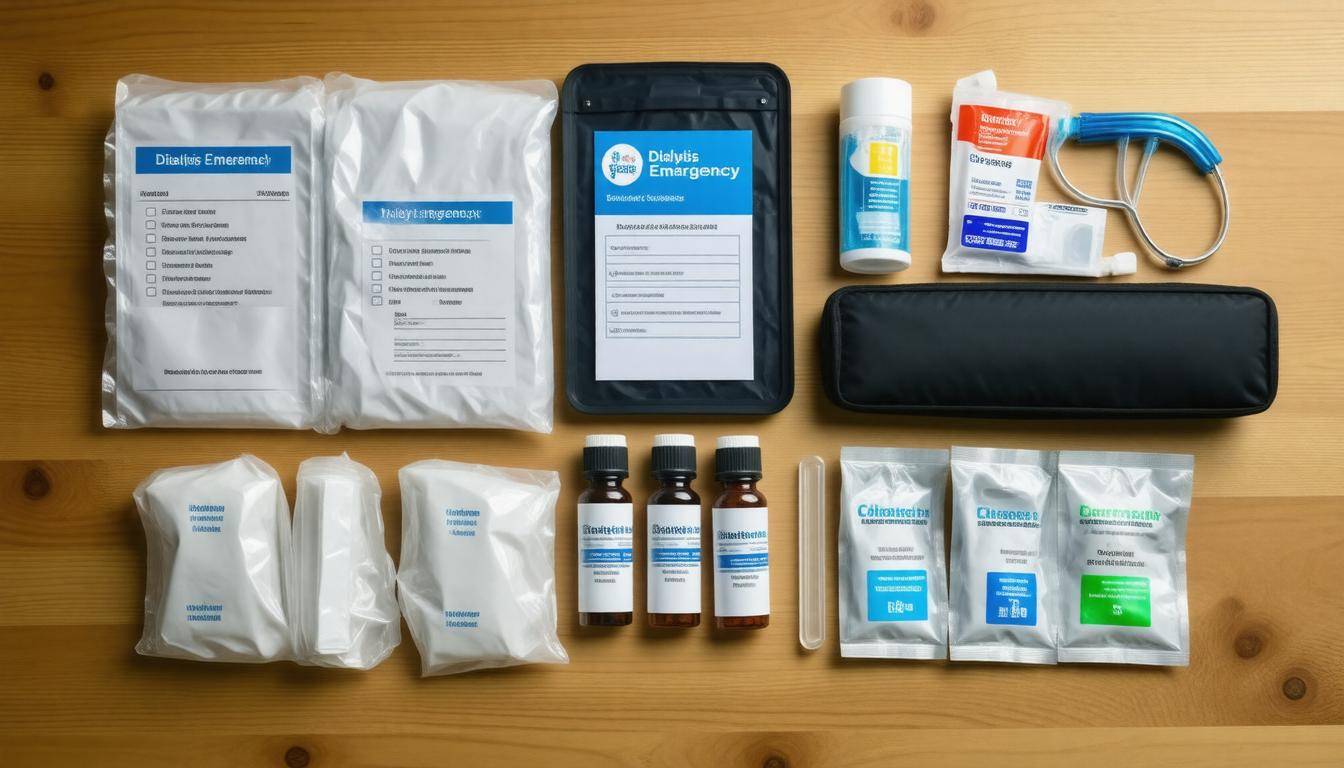
Stocking your emergency kit with the right supplies can make all the difference during an unexpected situation. First and foremost, focus on non-perishable items. These provide nourishment without the need for refrigeration, which can be a lifesaver during power outages. Consider high-calorie, low-potassium snacks—granola bars, protein shakes, or even peanut butter packs—as they are not only filling but also easy to store and consume.
As you compile your emergency resources, it’s crucial to maintain at least a two-week supply of your prescription medications. This includes any dialysis-related essentials like erythropoietin and phosphate binders. By ensuring your medications are in their original containers, you simplify identification during emergencies—a small detail that can save crucial time.
Remember to pack a variety of medical supplies tailored to your needs, from syringes to catheters. Additionally, hand sanitizers and disinfectant wipes should be included to help maintain hygiene in uncertain situations.
Communication is another key aspect that many overlook when preparing their kits. A battery-powered or hand-crank radio keeps you informed about weather updates or emergency announcements during power failures. It’s a comforting thought to know you can stay connected with the outside world when things seem chaotic.
Don’t forget the importance of light—having flashlights and extra batteries at hand will ensure you’re not left in darkness during unplanned blackouts. The peace of mind these small conveniences can provide is invaluable; imagine navigating your surroundings safely while everyone else struggles in the dark.
| Item | Quantity | Notes |
|---|---|---|
| Prescription Medications | Two weeks | Ensure all necessary medications are included. |
| Medical Supplies | Two weeks | Include extra catheters and disinfectants for safety. |
| Non-Perishable Food | One week | Select high-calorie, low-potassium options suitable for dialysis patients. |
| Bottled Water | 7 gallons | One gallon per person per day to ensure proper hydration. |
Take John, for example—a long-term dialysis patient who was recently faced with hurricane evacuations. His preparedness allowed him to remain calm as his detailed kit contained all necessary supplies. This experience highlights how a thoughtful emergency kit instills confidence and makes managing crises significantly easier.
Once you’ve assembled your emergency collection, it’s time to shift gears towards mastering effective communication strategies during emergencies—this is yet another critical aspect of ensuring your safety and health in trying times.
Ensuring Effective Communication
Maintaining open lines of communication before, during, and after a crisis can significantly affect your well-being as a dialysis patient. One of the first steps in establishing this communication network is to create a Key Contacts List. This list should include not only family and friends but also vital healthcare providers who understand your specific needs.
It’s essential to keep these contacts easily accessible: although storing them in your phone is convenient, writing them down on paper ensures that you have a backup if your phone becomes unusable due to power outages or other emergencies. This written copy can be stored within your personal emergency kit for ease of access.
Another important aspect of effective communication during emergencies involves honing essential skills, such as using landline phones and text messaging. Interestingly, studies suggest that texting can be more reliable than voice calls during disasters because it requires less bandwidth and avoids service bottlenecks in mobile networks. Practicing this beforehand can empower you with the assurance that you can reach out for help when needed.
Also, familiarize yourself with sending messages quickly. A simple “I’m safe” or “Need help” text can convey vital information without requiring excessive time or effort.
While reliable communication is pivotal, understanding your backup dialysis options provides a critical lifeline during emergencies. Familiarize yourself with alternative facilities or resources that may become necessary when regular services are interrupted.
Backup Dialysis Options
Having readily available knowledge about backup dialysis options is crucial for your peace of mind in emergencies. Confirming which local units remain operational during a disaster is imperative; contact local National Kidney Foundation offices or your dialysis center ahead of time to gather this information.
In addition to emergency contacts, compile a list of nearby hospitals or clinics that offer dialysis services.
For home hemodialysis or peritoneal dialysis patients, store two weeks’ worth of supplies at home—don’t forget to regularly check expiration dates! This preparedness ensures that you’re equipped even during unexpected interruptions and mitigates stress levels when facing potential chaos.
Remember that being proactive doesn’t merely mean having supplies; it means having clear channels of communication established with both personal supports and healthcare providers who know you best. When an emergency strikes, knowing who to contact and how will provide you with the reassurance you need while fostering a sense of control amid uncertainty.
With these strategies in place, you’ll be better suited to navigate through crises confidently while maintaining your treatment regimen effectively.
As we explore further into the preparations needed during unforeseen circumstances, knowing where to turn for reliable support and alternative treatment options becomes vital.
Securing Backup Dialysis Options
In a situation where your primary dialysis center becomes inaccessible, knowing alternative facilities can be lifesaving. It’s essential to prepare in advance by identifying potential backup locations. Start by pinpointing at least two backup dialysis centers. This proactive approach allows you to act quickly during a crisis. Make sure to verify that these centers accept your insurance to avoid any unexpected expenses during an already stressful time.
Utilizing resources like the National Kidney Foundation or your healthcare provider can help streamline this process. These organizations often maintain updated information on which facilities offer services and can assist in identifying those nearest to you that align with your insurance needs. The key here is to ensure accessibility; ideally, backup centers should not be overly distant, as travel during emergencies can pose additional challenges due to road conditions or traffic disruptions.
Backup Locations
Once you’ve identified suitable backup locations, it’s wise to establish contact with these centers ahead of time. Schedule visits, if possible, so you become familiar with their processes, staff, and environment. This relationship-building can ease anxiety for both you and the facility staff during an emergency when time is of the essence. Being recognized as a patient who may need immediate care can make a substantial difference in the quality of service you receive.
Think of securing these backup locations as akin to having a spare key to a trusted neighbor’s house. Just like you would only hand over your spare key to somebody reliable, you’re selecting healthcare providers who will prioritize your needs should the worst occur. You’ll want someone you trust implicitly, ready and willing to step in when necessary.
Pre-Arranged Agreements
Additionally, pre-arranging agreements with secondary dialysis centers can provide an added layer of security during unforeseen events. Some patients opt for these arrangements to reserve their spot in advance, ensuring they have access even when demand spikes after disasters or emergencies.
To cultivate such relationships, discuss this arrangement directly with your dialysis provider and the prospective backup centers. Establishing a solid understanding between you and these facilities about the frequency of your treatments and any logistical details—like transportation—can help facilitate smooth transitions if the need arises.
As part of this strategy, it’s also important to stay informed about community resources that can support you through unforeseen circumstances, further enhancing your emergency planning efforts.
Utilizing Community Resources
Community organizations play a vital role during emergencies, offering support that can make all the difference for dialysis patients. Whether you’re facing an unexpected situation or simply aiming to be prepared, reaching out to local groups can provide crucial resources tailored specifically to your needs. For instance, organizations like the Red Cross and community health clinics often have specialized programs designed to assist individuals with chronic illnesses, including those on dialysis. This means targeted help that acknowledges the unique challenges faced by dialysis patients.
Don’t hesitate to contact these local organizations before a crisis occurs. Familiarize yourself with the services they offer and who to call when the need arises. Many communities have disaster preparedness programs specifically geared toward supporting individuals like you, equipped with resources that may include everything from transportation to medical supplies.
To complement these formal resources, you can also find strength in grassroots efforts.
Local Organizations
One of the hidden gems in your community might just be the network of local kidney foundations and support groups. These organizations can facilitate connections with fellow patients who truly understand your situation. Often, they have established networks that provide practical support such as rides to treatment centers, locating critical supplies during shortages, or even securing temporary housing if needed during an emergency.
“In times of need, it’s this kinship among dialysis patients that provides both emotional support and essential services.”
Additionally, many support groups host regular events or meetings that not only offer informational seminars but also strengthen bonds within the community. Engaging in these local kidney events nurtures relationships among patients and caregivers that are invaluable during emergencies. Such social connections can significantly alleviate feelings of isolation and stress when crises occur.
For example, participating in:
- Kidney Walks: Not only do they raise awareness about kidney disease, but they’re also opportunities to meet others who may share tips or experiences.
- Workshops: Many organizations hold workshops focusing on both medical information and emergency preparedness.
- Support Groups: Regular meetings promote sharing personal experiences and strategies to tackle emergencies effectively.
While building a strong community network is essential for emotional reinforcement during challenging times, we must also address practical management tactics that can be particularly crucial in emergencies.
Strategies for Medication Management
Managing your medications effectively is crucial, especially for dialysis patients. It’s not merely about taking the right pills at the right times; it’s about creating a systematic approach that protects your health during emergencies.
For instance, maintaining a thorough inventory of your medications ensures you have enough supply to cover unexpected situations like natural disasters or power outages.
Medication Stockpile
An absolute must-have is a two-week supply of all essential medications. This time window gives you a buffer in case of shortages or emergencies. To simplify daily medication management, consider using a pill organizer; these handy tools make it easy to keep track of dosages.
I remember a time when my power was out longer than expected, and having that organized supply made it easier to stay on schedule without stress.
Regular Updates
Keeping the medication stockpile current requires routine diligence:
- Every month, check expiration dates to ensure you don’t accidentally use outdated medication.
- Rotate your stock so that older prescriptions are used first—this practice minimizes waste and enhances safety.
- Schedule refills a few days before running low; this foresight prevents gaps in treatment and allows for unexpected delays.
Portable Solution
If an emergency arises and you need to evacuate quickly, pack your medications in their original containers. This helps with identification and ensures emergency responders know exactly what you’re taking if you’re unable to communicate vital information. It’s a simple step that could make all the difference in receiving timely care.
Effective medication management isn’t just wise—it’s empowering. These proactive measures can ease anxiety, allowing you to smoothly transition into navigating potential disruptions related to utility services.
Preparing for Power Outages
Power outages can occur without warning, leaving those dependent on electrically powered medical devices in a precarious situation. For dialysis patients, this is particularly critical; maintaining access to necessary treatments could mean the difference between health and distress. Therefore, understanding your options and having a concrete plan is vital.
Emergency Power Solutions
One of the first steps you should consider is investing in an emergency power source, such as a backup generator or a dedicated battery backup system designed specifically for medical equipment. These units ensure that your devices remain operational during an outage. The Critical Care Backup Battery Program can also be an excellent resource, providing free portable backup batteries that allow households reliant on powered medical devices to maintain their operation even when power fails. This option can be invaluable for those residing in high fire risk areas or enrolled in the Medical Baseline Allowance program.
According to FEMA, power outages can last anywhere from a few hours to several days.
It’s not just about having a backup power source; it’s also about knowing how to use it effectively. Familiarize yourself with your backup system before you need it. Practice switching over from main power to your generator or battery system so that when the time comes, you’re not left fumbling in frustration.
Alternative Dialysis Methods
Additionally, if you are on home hemodialysis, it’s wise to consult your nephrologist about alternatives such as peritoneal dialysis. This method does not depend on electricity and can function independently of external power sources. Having this flexibility can serve as a lifesaver during prolonged outages. Knowing how to switch modalities could not only save time in an emergency but also safeguard your health during unforeseen circumstances.
As we think about these emergency solutions, remember that preparedness goes beyond just having backups; it’s also about ensuring you have all relevant information readily accessible.
Keeping Your Plan Updated
It’s essential to keep your emergency plan updated. Regularly assess your equipment and consider any changes in how you manage your medical condition or equipment needs. For instance, some equipment may require new batteries, or a change in medications could affect what supplies you need on hand.
Furthermore, don’t hesitate to reach out for assistance or more information about available resources like the Critical Care Backup Battery Program by calling 1-800-736-4777. This program is funded by California utility ratepayers and administered by Southern California Edison under guidance from state authorities, making it an accessible option worth exploring.
Being proactive with your emergency preparations ensures you’re ready to tackle any challenge that might arise. Let’s now explore how keeping everything organized and updated plays a crucial role in effective planning.
Keeping Your Plan Updated
Regular updates to your emergency plan are crucial for ensuring that it remains relevant and functional, especially in the face of changing circumstances. Just as seasons shift—bringing new weather patterns or potential challenges—your emergency plan needs to adapt. A proactive approach ensures every aspect is precise and easy to follow when the time comes.
Quarterly Reviews
A strong recommendation is to conduct thorough reviews of your emergency plan every three months. Focus on critical components such as contact information, medication lists, and alternative locations where dialysis can be administered if necessary. By systematically checking these elements, you’ll have access to timely and accurate information when emergencies arise.
In a practical sense, make this review a part of your routine. Here’s how:
-
Update your contact lists: Ensure all phone numbers for family, friends, healthcare providers, and support services are current.
-
Verify your backup dialysis centers: Confirm their availability and address, ensuring you know where to go if your regular facility is inaccessible.
-
Check and restock your emergency kit: Evaluate the supplies within your kit—do you have enough medications? Are there essentials like bottled water, non-perishable foods, flashlights, and batteries?
Family Drills
Conducting family emergency drills can make a world of difference in instilling confidence among everyone involved. It’s about familiarizing each person with their role in the plan and making sure they understand the procedures without hesitation during a crisis.
For instance, Jane, a dialysis patient, actively participates in quarterly family meetings dedicated to reviewing their emergency strategies. By gathering her family regularly, she ensures everyone is well-prepared for scenarios like natural disasters or unexpected power outages. These meetings keep the plan fresh in everyone’s minds while generating valuable discussions about adjustments based on recent experiences or concerns.
The importance of practicing these drills cannot be overstated; consistent reinforcement solidifies this knowledge into muscle memory for those involved.
Regularly updating your emergency plan allows you to eliminate unnecessary stress during critical moments. This preparation can mean the difference between chaos and control when challenges arise.
Equipped with timely information and practiced routines, both dialysis patients and their families can navigate emergencies confidently, ensuring optimal care when it’s needed most. By taking these steps, they lay a solid foundation for effective emergency planning.