
Disasters can shake our lives to the core, leaving us grappling with a whirlwind of emotions that seem uncontrollable. Imagine waking up one day to find that everything familiar has been turned upside down; it’s an experience that many people face, and it’s completely normal to feel overwhelmed. The impact of disasters goes far beyond physical destruction—it seeps into our emotional well-being, causing confusion, anxiety, and sadness. Understanding how we might emotionally navigate these challenging times is vital for our recovery. This article explores the emotional timeline many experience during disaster recovery, offering insights into what to expect and practical strategies to regain balance and resilience in the aftermath.
The Disaster Recovery Emotional Timeline outlines the various psychological reactions people may face before, during, and after a disaster, highlighting feelings such as sadness, loneliness, overwhelm, and tension in relationships. It is important to understand that these emotions can fluctuate in intensity and implementing effective coping strategies like seeking support, maintaining a healthy routine, and honoring traditions can significantly aid in recovery.

Pre-Disaster Emotional State
Before a disaster knocks on our door, many people are unknowingly perched on an emotional precipice. While some might push feelings aside, others may grapple with them intensely. The late psychologist Elizabeth Kübler-Ross famously outlined stages of grief, but prior to disasters, emotions are equally multifaceted and complex. As individuals face possible threats, they experience a cocktail of emotions such as anxiety, fear, and uncertainty—the very things that can condition how we respond when the unthinkable happens.
Baseline Anxiety
Research indicates that 77% of Americans report symptoms of stress like anxiety and sleep disturbances even on ordinary days. This baseline anxiety tends to amplify when potential disasters loom on the horizon. Suddenly, tasks that once seemed trivial grow in urgency, and decisions take on heavier weight as worries about safety surface.
As experts suggest, one effective antidote to this growing anxiety is creating an emergency plan well in advance. Such preparation not only guards against sleepless nights but it also instills a sense of control that can soothe frazzled nerves. When you know what steps to take, you’re not merely a leaf in the wind; you become an active participant in determining your own fate.
Denial
Denial often emerges as an emotional defense mechanism. Imagine a coastal town bustling with life right before hurricane season. Many residents acknowledge the threat but continue their lives as if it’s just another summer day. “It won’t happen to me” becomes a mantra that can lull individuals into complacency—a dangerous state of mind during critical periods. Such denial compromises not only emotional readiness but physical safety as well; when the time comes to act, hesitation caused by disbelief may lead to devastating consequences.
These emotional layers significantly shape our behaviors and choices not just in pre-disaster scenarios but also during the chaotic moments immediately following an event. Understanding these feelings lays the groundwork for more resilient responses when challenges arise.
Initial Reactions and Anxiety
In the aftermath of a disaster, heightened levels of anxiety become almost an unwelcome companion for many individuals. The immediate emotional responses are driven by adrenaline, creating a roller coaster of feelings that can swing from shock to overwhelming dread. Within hours of experiencing such upheaval, most people grapple with both mental and physical reactions that echo long after the initial event.
Shock and Disorientation
Picture this: you’ve just received a call from someone alerting you about flooding in your area. At first, you might sit still in disbelief, trying to process what you’ve just heard. In these shocking moments—whether we’re dealing with natural disasters or human-made crises—the body instinctively goes into survival mode. Heart rates jump, breathing quickens, and some may even feel paralyzed with fear. This disorderly state is not uncommon; it’s simply your body’s way of coping with sudden stress.
Gradually, as the shock starts to fade, feelings of anxiety may intensify, forcing individuals into an urgent need to regain control over the situation.
According to data from FEMA, a staggering 68% of individuals report feeling significant anxiety within the first 24 hours post-disaster. This surge in anxiety is not just mental; it manifests physically too: think increased sweating, heart palpitations, or difficulties concentrating. It’s a natural response that drives many to take essential actions like evacuating their homes or checking on loved ones.
Riding this wave of anxiety can be daunting. Instead of succumbing to despair or confusion, managing these emotions effectively is crucial. Consider these practical coping strategies:
-
Pause and Breathe: Take deep breaths to ground yourself. Deep breathing exercises can calm down your autonomic nervous system.
-
Connect with Others: Talking about your fears with friends or family can alleviate feelings of isolation that naturally arise during such traumatic times.
-
Focus on Immediate Steps: Formulate simple, actionable plans instead of overwhelming yourself with the big picture; knowing what steps need to be taken today can foster a sense of achievement.
-
Maintain Basic Routines: Restoring normalcy is vital for mental health; nurture your daily routines as much as possible.
-
Seek Professional Help If Needed: If overwhelming anxiety persists beyond a few weeks, don’t hesitate to reach out for professional support.
By recognizing these feelings and implementing strategies early on, individuals can mitigate the impacts of anxiety while they work towards rebuilding their lives after a disaster. Understanding these emotional responses sets the stage for more detailed exploration into how people react immediately following such distressing events.
Immediate Aftermath Responses
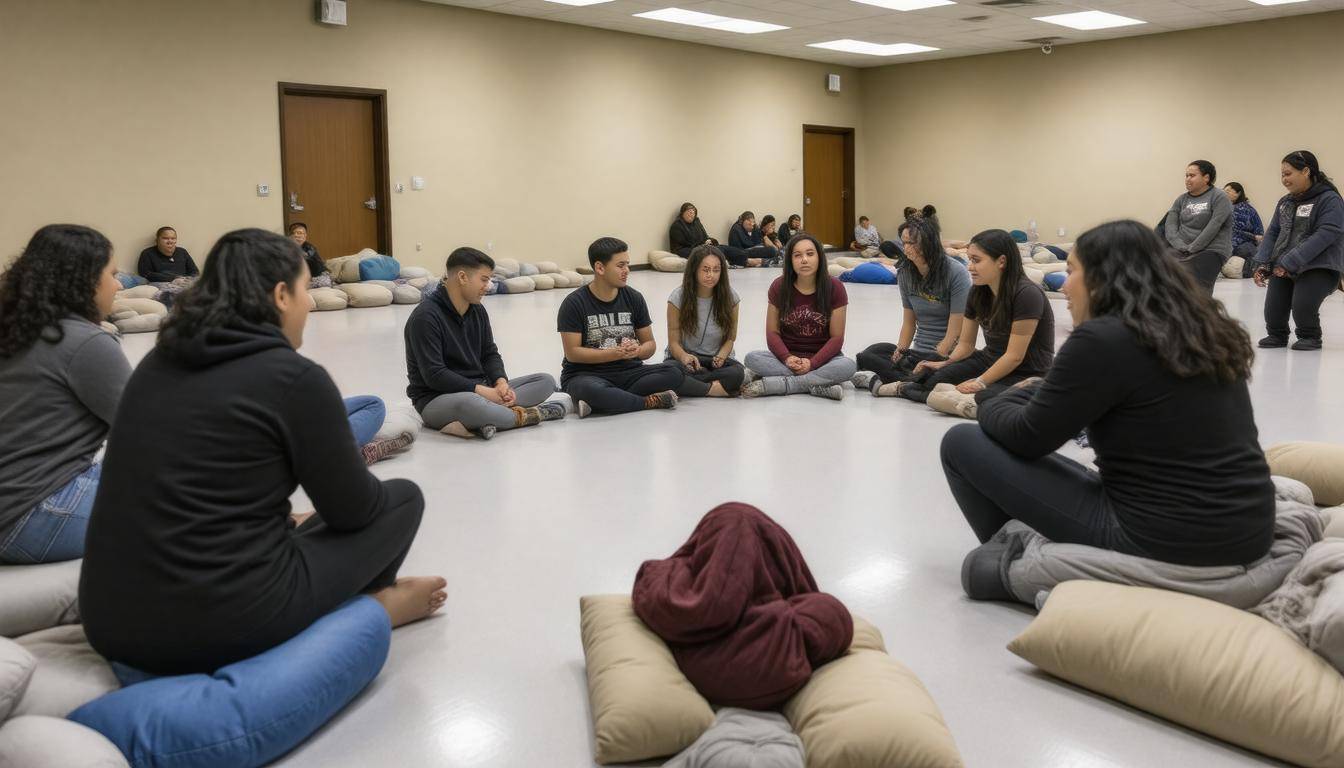
The immediate aftermath of a disaster—those chaotic hours and days—can deliver a cocktail of emotions that shape one’s journey towards recovery. As many have experienced firsthand, feelings of panic and helplessness often wash over survivors like a crashing wave.
Picture standing in the wreckage of your home after a storm has passed, surveying the destruction with disbelief. The devastation can leave you feeling lost and overwhelmed, as if you are staring into an abyss with no clear escape.
Panic and Helplessness
Take Hurricane Katrina as an example; countless individuals reported gripping sensations of panic when faced with the sight of their homes reduced to rubble. In those raw moments, everything familiar—a sanctuary, routines, and even a sense of normalcy—seems to vanish before your eyes.
The emotional toll is staggering as cognitive overload sets in; with so much to process, thoughts may scatter making clear decision-making feel impossible.
This is where community solidarity enters the picture. In moments of crisis, neighbors come together to share resources, support one another emotionally, and engage in collective action. The sense that you are not alone in this experience becomes crucial for navigating through the chaos.
A study conducted by the Red Cross emphasizes just how prevalent these emotional responses are; around 70% of disaster victims report experiencing significant emotional distress right after the event. This statistic reflects real people’s lives grappling with confusion and fear. Local shelters provide more than just roofs over heads during these times; they symbolize hope and an emotional anchor amid overwhelming uncertainty.
While panic might initially dominate one’s state of mind, it’s important to recognize that these feelings can also catalyze resilience. As shared spaces fill with stories and interactions of survival, there’s a gradual shift from despair towards rebuilding together. It’s this foundation of community support that becomes vital for initiating personal recovery—and often serves as a reminder that healing is possible when we prioritize connection.
Understanding these common emotional responses helps in navigating through them effectively. Consequently, fostering coping strategies will be crucial for facing the unfolding challenges ahead.
Long-Term Emotional Process
Long-term emotional recovery following a disaster can be a multifaceted journey that isn’t bound by a specific timeline. In fact, this process can span anywhere from six months to several years. During this period, individuals experience a range of emotions that ebb and flow with varying intensity. It’s important to recognize that these feelings are normal reactions to extraordinary circumstances; understanding them can help facilitate healing and recovery over time.
Grief and Loss
One of the most profound aspects of long-term recovery is the experience of grief and loss. For instance, after the devastating 2011 Great East Japan Earthquake, many survivors faced not just the loss of homes and possessions, but also the heart-wrenching absence of loved ones. They carried with them deep sadness and longing, an emotional weight that often manifested as an overwhelming sense of emptiness. This phase is marked by what psychologists call unresolved grief—a powerful emotion that can hinder healing if left unaddressed. When these feelings are acknowledged and processed through healthy coping mechanisms such as therapy or support groups, they may serve as pivotal steps toward emotional recovery.
As grief begins to shift and transform, another critical aspect emerges: adaptation and resilience.
Adaptation and Resilience
So how do people adapt? The answer lies in integrating their experiences into daily life to establish a “new normal.” This means learning to live with the memories while finding ways to cherish them instead of allowing them to overwhelm. Often, resilience becomes apparent during this adaptation phase, which can be nurtured through support networks such as family, friends, and professional help.
A significant part of this process involves recognizing that asking for help is not a sign of weakness but rather an essential step toward healing. Many people find comfort in participating in communities where sharing similar experiences fosters connection and understanding. Studies suggest that communities with robust social frameworks report a strikingly lower incidence of long-term emotional distress—a reduction rate as high as **40%**—when compared to those with weaker support systems.
Engaging actively in these communities allows individuals to share their stories while listening to others, which can help mitigate feelings of isolation often felt during the recovery process. Through patience and perseverance, survivors learn to build their lives anew without forgetting their past, thereby finding empowerment amid adversity.
Acknowledging each stage opens the door to deeper understanding and growth, guiding individuals along their path toward emotional stability in the wake of such challenges. As we continue, we will explore practical ways to alleviate emotional distress during this journey.
Steps to Managing Emotional Distress
The first step in dealing with emotional distress after a disaster is to acknowledge your feelings. It’s important to recognize that your emotions are valid responses to an extraordinary situation. Many find it beneficial to express these emotions through journaling. This outlet allows individuals to clarify their thoughts and sort through complex feelings, such as sadness, anger, or confusion. Writing down what’s on your mind can serve as a relief valve for that bubbling pressure inside.
After acknowledging those feelings, the next crucial step is focusing on self-care. Caring for your physical well-being could be a lifeline amid painful emotional turmoil.
Prioritize eating nutritious meals, getting adequate sleep, and engaging in regular physical activity. These fundamental acts might seem simple, but they profoundly affect your emotional state. For instance, studies have demonstrated that even moderate exercise—like a daily walk—can significantly lower anxiety levels while boosting overall mood.
Think about how much better you feel after a brisk stroll outside. That fresh air and movement help clear your mind, allowing space for more positive emotions—reminding you that self-care is indeed a necessity during trying times.
While nurturing yourself through these individual pursuits is vital, seeking professional help can provide additional support that many individuals find necessary during recovery.
According to the National Institute of Mental Health, around 20% of disaster survivors will seek therapy, and for many, this intervention becomes a crucial aspect of their emotional health journey. Therapy not only provides coping mechanisms but also offers a safe space to unpack sentiments that may feel burdensome. While some may hesitate due to stigma or the urge to ‘just tough it out,’ it’s essential to recognize that seeking help is an act of bravery—signaling strength rather than weakness.
Alongside these personal strategies for healing, we can look forward to understanding the vital network of community resources that further support emotional recovery.
Community Support Systems
Community support systems play a crucial role in the emotional recovery process after a disaster. They serve as a network of resources and connections that help individuals rebuild not just physically, but also emotionally and psychologically. The real magic of these support systems lies in their ability to foster connection, share experiences, and provide helpful services in a warm, inviting environment.
Local Support Groups
One of the most effective ways communities come together after a disaster is through local support groups. Often formed by neighborhood associations or community organizations, these Disaster Recovery Support Groups create safe spaces for individuals to share their stories and coping strategies. Imagine sitting in a circle with neighbors who truly understand your pain; it’s comforting to realize you are not alone. These meetings can transform feelings of isolation into collective strength.
Research indicates that participating in these communal activities enhances mental health significantly, creating a sense of belonging that can lift people out of despair.
Participation translates directly into emotional benefits. Studies from the Centers for Disease Control and Prevention reveal that 85% of individuals felt more emotionally supported when involved in community activities. This statistic speaks volumes about the power of shared experiences during recovery.
Beyond support groups, there are various features within community networks that offer stable structures for healing and rebuilding resilience.
Expanded Community Resources
Community centers often expand their services post-disaster to include skill-building workshops, resource fairs, and counseling services designed specifically for disaster survivors. For instance, you might find workshops on financial planning to navigate insurance claims or psychological counseling available at local centers. These offerings address practical needs and open avenues for individuals to engage with others confronting similar challenges.
Moreover, volunteers from nearby areas often band together with local organizations to deliver food, essential supplies, and even moral support. This type of action fosters a spirit of solidarity where those willing to help actively contribute to recovery while strengthening communal bonds.
Here’s another benefit: As people engage with community resources, they frequently report improvements in their self-esteem and emotional well-being. Feeling part of something larger than themselves can inspire hope amidst daunting circumstances.
The strategies employed by communities not only bolster individual spirits but also lay down a foundation for resilience in the face of future challenges. With this support framework established, we can now explore ways to cultivate emotional strength and cope effectively during times of distress.
Developing Emotional Resilience

Building emotional resilience requires more than just a daily routine; it involves actively engaging with our thoughts and feelings. The first step in developing this crucial skill is recognizing that it’s a journey, not a destination. Adversity can strike any time, and how we respond can shape our mental health for the long run. So, how do we cultivate this ability to bounce back? It begins with self-awareness.
Self-awareness allows us to identify our emotional triggers and understand how previous situations have affected our reactions. By keeping a journal or reflecting on past experiences, we can pinpoint scenarios that caused discomfort or stress. This practice helps us to map out patterns in our emotional responses—which is essential for growth.
As psychologist Carl Rogers put it, “The curious paradox is that when I accept myself just as I am, then I can change.” Accepting your emotions, even the tough ones, lays a foundation for evolving those feelings into something more manageable.
Acceptance leads us to explore practical coping mechanisms that enhance resilience.
Coping Mechanisms to Enhance Resilience
One of the most effective coping strategies is practicing mindfulness. Mindfulness isn’t just about meditation; it’s about being present in the moment and acknowledging your thoughts without judgment. You can start small—perhaps by taking five minutes each day to focus on your breath or engage in a mindful walk outdoors. During these moments, you’ll discover clarity—a break from the chaos swirling around you.
Another essential strategy is having effective stress management techniques in place. The right tools can facilitate quicker recovery from stressful events; this could include deep-breathing exercises, physical activity such as yoga or running, or even finding solace through creative outlets like painting or writing. Engaging in these activities not only distracts from stress but often provides catharsis.
Moreover, cultivating a positive mindset can greatly impact your resilience.
Cultivating a Positive Mindset
Adopting a positive outlook doesn’t mean ignoring challenges; rather, it’s about reframing how you view them. Individuals who practice gratitude and focus on growth—considering obstacles as opportunities—tend to fare better in difficult situations. Journaling about what you’re grateful for each day encourages this shift towards positivity. When life feels heavy, reflect on even the smallest wins or joys; they act as anchors during turbulent times.
“What lies behind us and what lies before us are tiny matters compared to what lies within us.” — Ralph Waldo Emerson. Embracing your internal strength will help you rise above adversities.
Finally, nurturing social connections strengthens emotional resilience profoundly.
Nurturing Social Connections
Engaging meaningfully with others creates a network of support that becomes invaluable during challenging periods. Whether it’s family, friends, or community groups, open lines of communication foster understanding and alleviate feelings of isolation. Making an effort to regularly connect with loved ones—even through virtual platforms—affirms your sense of belonging and stability during uncertain times.
Incorporating these strategies into your life isn’t about expecting perfection but rather building a comprehensive toolkit that equips you to face adversity head-on. Understanding that resilience takes ongoing effort sets the groundwork for improved emotional wellness throughout life’s ups and downs—it’s truly at your fingertips with each intentional choice you make.
Moving forward, exploring various psychological strategies can further enhance our ability to cope effectively during challenging times.
Psychological Coping Strategies
Coping strategies are essential tools that equip us to manage not only stress but also the emotional fallout that follows traumatic events like wildfires or floods. These techniques can significantly influence how we process and heal from such experiences. Think of them as your personal toolbox for emotional recovery, where each tool is designed to help you tackle different challenges.
Cognitive Behavioral Therapy (CBT)
One of the frontline coping strategies is Cognitive Behavioral Therapy (CBT). CBT helps individuals identify and change negative thought patterns and behaviors contributing to their emotional distress. For instance, disaster survivors often find themselves trapped in debilitating thoughts like “I’ll never feel safe again.” Through CBT, they can learn to reframe these thoughts into more positive ones, such as “I have support and people who care for me.” A powerful testament comes from Maria, a survivor whose home was devastated by flooding: “CBT helped me reframe my negative thoughts after our house was destroyed in a flood.” Stories like hers remind us that seeking professional help can pave the way toward healing.
While therapies like CBT provide structured guidance, many people turn to mindfulness techniques as accessible ways to cope with immediate emotions.
Mindfulness and Meditation
Mindfulness exercises encourage individuals to stay present and centered, significantly reducing stress reactions. Techniques such as focused breathing or simple meditation create a sense of calm amidst chaos. Apps like Headspace or Calm offer guided meditations specifically tailored for stress relief, making it easier to integrate mindfulness into daily routines. According to the Mayo Clinic, engaging in regular mindfulness practices can reduce symptoms of anxiety and PTSD among disaster survivors.
Having concrete strategies not only aids in managing immediate emotional pain but also fosters resilience over time.
| Coping Strategy | Description | Benefits |
|---|---|---|
| Journaling | Writing down thoughts and experiences | Emotional clarity, stress relief |
| Deep Breathing | Slow, deep breaths to calm the nervous system | Reduces panic, lowers heart rate |
| Professional Therapy | Sessions with psychologists or counselors | Structured support, long-term benefits |
| Physical Exercise | Regular activities like walking or yoga | Boosts mood, reduces anxiety |
Each of these strategies complements one another, creating a holistic framework for emotional recovery following a disaster. Together they form a robust support system, ensuring that individuals have multiple resources to lean on as they navigate their healing journey. By harnessing these methods, individuals can process their experiences more effectively and foster lasting mental well-being over time.
In summary, understanding and utilizing effective coping strategies empowers individuals in their recovery journeys after traumatic events. Embracing these methods not only promotes healing but also builds resilience against future challenges.
What are the typical stages of the emotional timeline after experiencing a disaster?
The typical stages of the emotional timeline after experiencing a disaster often include shock, denial, anger, bargaining, depression, and acceptance, resembling the stages of grief. According to research, individuals may move through these stages at different paces, with feelings such as anger and depression being common responses. A study found that about 70% of disaster survivors experience significant emotional distress in the aftermath, emphasizing the importance of coping strategies and support systems to facilitate recovery.
How can individuals effectively cope with feelings of grief or loss during disaster recovery?
Individuals can effectively cope with feelings of grief or loss during disaster recovery by engaging in social support systems, practicing mindfulness techniques, and allowing themselves to express emotions. Studies show that connecting with supportive friends and family can significantly decrease feelings of isolation, while mindfulness practices can reduce anxiety levels by up to 30%. It’s crucial to recognize that grief is a natural response and creating routines that incorporate self-care and reflection can facilitate healing and resilience throughout the recovery process.
How long does it typically take for someone to fully emotionally recover from a significant disaster?
The emotional recovery timeline after a significant disaster can vary greatly, but studies suggest that it often takes anywhere from six months to several years for individuals to feel fully restored. Factors such as the severity of the disaster, personal resilience, and available support systems play crucial roles in this process. According to research by the Substance Abuse and Mental Health Services Administration (SAMHSA), about 20-30% of those affected by disasters may experience longer-term mental health issues, indicating that while some recover quickly, others may need more sustained support to heal emotionally.
What role do support groups play in navigating the emotional challenges of disaster recovery?
Support groups play a crucial role in navigating the emotional challenges of disaster recovery by providing a safe space for individuals to share their experiences, express emotions, and foster connections with others facing similar struggles. These groups facilitate resilience through shared coping strategies and reduce feelings of isolation. Research indicates that individuals who participate in support groups during recovery are 40% more likely to report improved emotional well-being compared to those who do not engage in these communities.
Are there specific strategies or practices recommended to manage anxiety or stress during the recovery process?
Yes, specific strategies to manage anxiety and stress during the recovery process include mindfulness meditation, cognitive-behavioral techniques, and structured support systems. For instance, a study found that individuals practicing mindfulness reported a 30% reduction in anxiety levels over eight weeks. Engaging in regular physical activity can also release endorphins and reduce stress; research indicates that just 30 minutes of exercise three times a week can significantly improve mood and overall well-being. Additionally, seeking social support from friends or professional resources enhances emotional resilience during challenging times.